
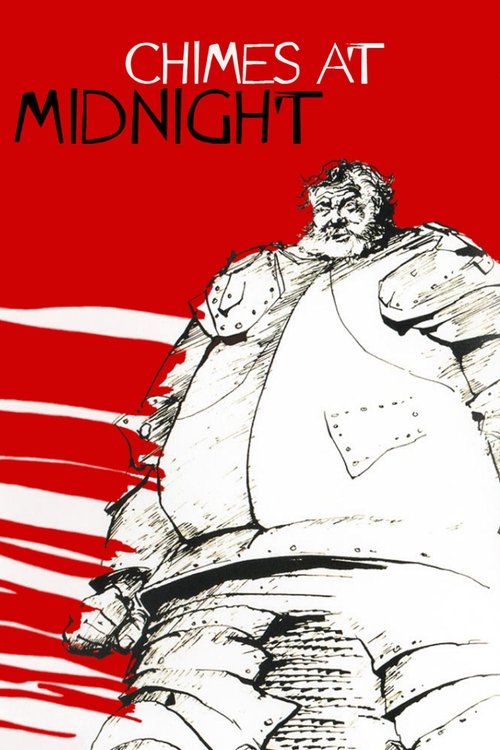
Chimes at Midnight (1965)
Directed by Orson Welles
Henry IV usurps the English throne, sets in motion the factious War of the Roses and now faces a rebellion led by Northumberland scion Hotspur. Henry's heir, Prince Hal, is a ne'er-do-well carouser who drinks and causes mischief with his low-class friends, especially his rotund father figure, John Falstaff. To redeem his title, Hal may have to choose between allegiance to his real father and loyalty to his friend.
9 connections found
View:
9 connections, in both directions
What critics compared Chimes at Midnight to
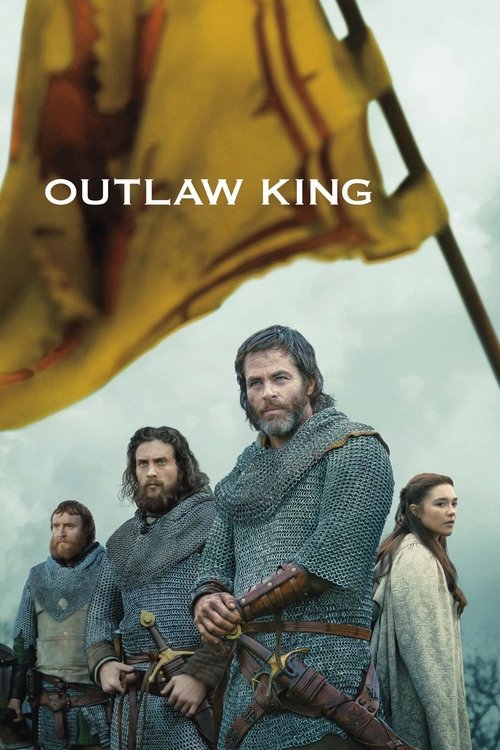


The caging recalls that of Iago, at the end of Orson Welles’s “ Othello ” (1955), and, as “Outlaw King” arrives at its weltering climax, a frenzy of mudbound slaughter, the echo is of Welles’s “ Chimes at Midnight ”(1967).
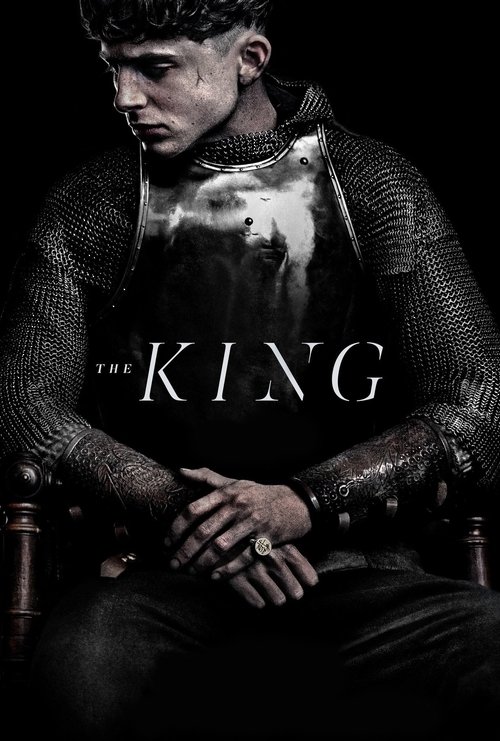
In one of several nods to Orson Welles’s Chimes at Midnight (aka Falstaff), Falstaff becomes the moral center of the movie and the fictional figure stringing together bits of history and scraps of storylines from Shakespeare’s Henry IV Part I and II and Henry V. (This film’s Battle of Agincourt at times resembles Welles’s Battle of Shrewsbury.)
For fellow members of the Shakespeare on Film Fan Club, it complements Orson Welles’ 1965 film Chimes at Midnight and its take on the Henry plays.
There will never be a greater movie Falstaff than Orson Welles, the star and brightly burning center of his own 1965 Chimes at Midnight.
Also sidestepping a poorly attempted replication of the ultimate version of his character (Orson Welles in “Chimes at Midnight,” that is) Edgerton as a larger-than-life, irritable yet subtle Falstaff wisely reminds Hal the reality of his situation: “A king has no friends.
“The King” tells a version of their story that falls somewhere between “Henry V,” most recently filmed to great and glorious effect by Kenneth Branagh, and Orson Welles’ 1960s compression of the “Henriad” plays about Hal and Falstaff, “Chimes at Midnight.”
The Henry plays have been adapted to the screen before, including Welles’s dazzling “Chimes at Midnight” (he plays Falstaff) and Gus Van Sant’s liberal appropriation (or bowdlerization) for “My Own Private Idaho.”
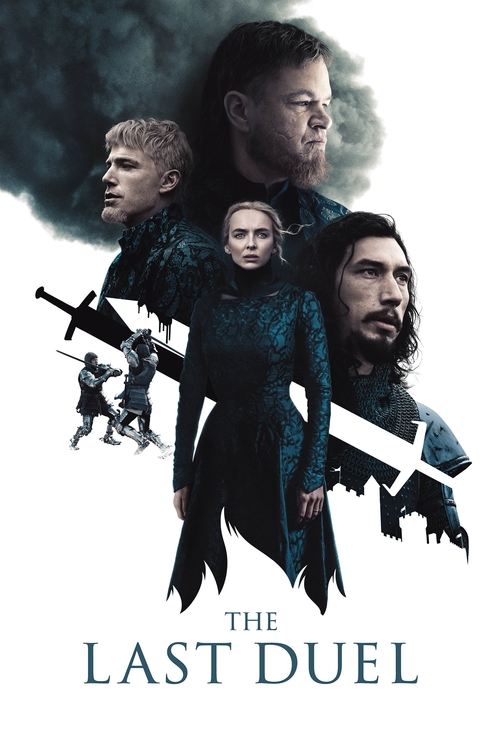
It’s basically “Rashomon” meets “The Nightingale,” with a dash of “Chimes at Midnight” thrown in for good measure.
For decades, the gold standard for gory, accurate recreations of Medieval hand-to-hand combat have been Orson Welles’ “Chimes at Midnight,” which inspired Mel Gibson’s even more brutal and bloodier “Braveheart,” and Akira Kurosawa’s “Ran.”
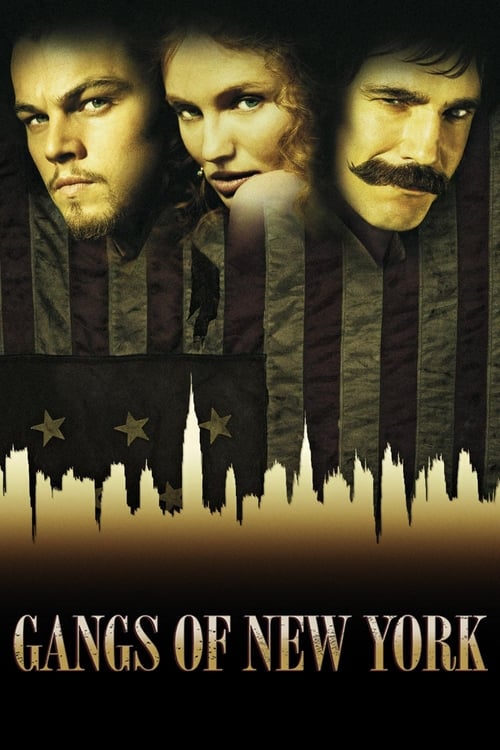
I felt like I was watching a boys' bloodthirsty adventure story -- a blend of pirate saga, 19th-century revenge tale (three parts Dumas to one part Hugo), sword-and-sandal romp, and Viking epic poem, all laced with references to works ranging from Orson Welles's claustrophobic Macbeth (the beginning of the prologue) to Pieter Brueghel's spacious Slaughter of the Innocents (at the end of the prologue) and incorporating romantic touchstones from Potemkin (a stone lion), The Lusty Men (hidden possessions), Chimes at Midnight (thrusts and counterthrusts), and The Shanghai Gesture (prostitutes in hanging cages).
Advertisement
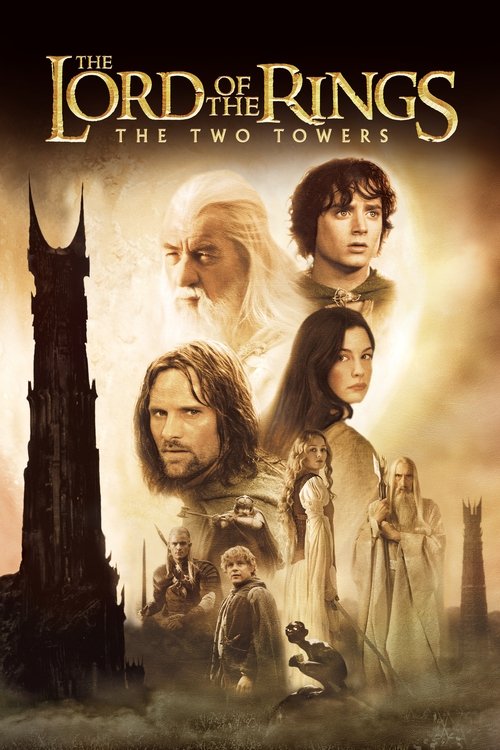
His engrossing action style is exciting and dramatic; when the swells of Saruman's army crash into the walls of the king's castle, we could be watching Orson Welles's ''Chimes at Midnight'' as directed by George A. Romero -- Shakespearean-scale bloodshed and loss as an exploitation movie.
Those scenes, in which we were conscious of the physical exertion of the warriors, of their being smeared with earth and sweat, called up Orson Welles’ staging of the Battle of Shrewsbury in his “Chimes at Midnight” (for my money, the greatest battle sequence ever put on film).
Also, check out the film’s amazing battle scenes — possibly the most stunning and beautifully logical of their kind ever committed to film — and you’ll see filmmaking obviously grounded in the combat scenes from Orson Welles’ Chimes at Midnight.
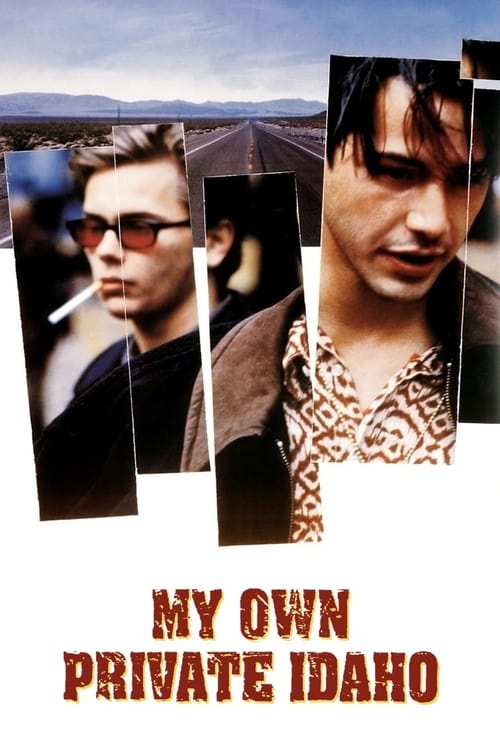
Scott, who is the son of Portland’s mayor, is modelled on Shakespeare’s Prince Hal; the Falstaff character here is a scruffy gay cokehead called Bob (William Richert), and his scenes with Scott are stylized variations of incidents from both parts of “Henry IV” (hence also variations on Orson Welles’ “Chimes at Midnight”).
Even the parts that show some strain—like the film's extended hommage to Orson Welles's Chimes at Midnight—are exciting for their sheer audacity.
Should this particular scenario sound oddly familiar, it's because it's based closely on the characters of King Henry IV, his son Prince Hal, and the shameless Sir John Falstaff as delineated not only in several plays by Shakespeare but also in Orson Welles' memorable "Chimes at Midnight."
In a deliberate respinning of Orson Welles's Shakespearean "Chimes at Midnight," they converse in bardspeak.
The scene of the vengeful banker in armoured plating made of pots and pans evokes memories of Orson Welles’ Falstaff charging across the battlefield in Chimes At Midnight .
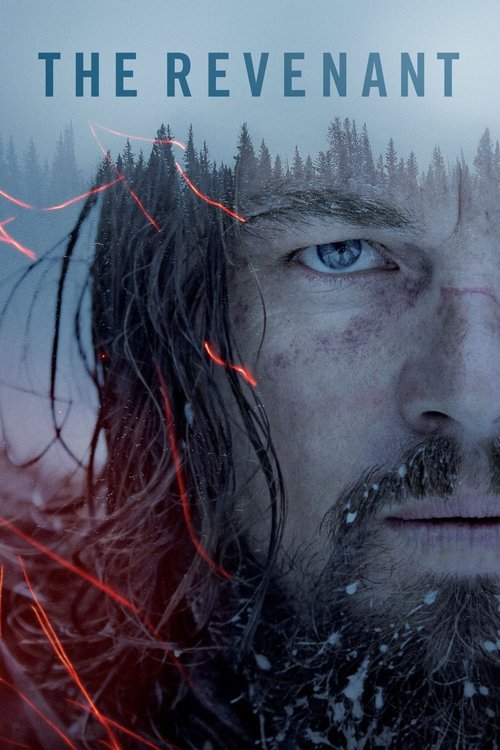
Emmanuel Lubezki’s steadicam juggernauts though the action in miraculous and sparing long-take in a bit of startling action choreography that’s in the tradition of Chimes at Midnight’s near-apocalyptic Battle of Shrewsbury, or the blood-strewn Omaha beach landing in Saving Private Ryan.
Advertisement

The top three greatest battle scenes ever filmed belong to Shakespeare adaptations: Orson Welles' Chimes at Midnight, Akira Kurosawa's Ran and Kenneth Branagh's Henry V, followed by Kurosawa's Seven Samurai and Martin Scorsese's Gangs of New York.