

The Last Samurai (2003)
Directed by Edward Zwick
Nathan Algren is an American hired to instruct the Japanese army in the ways of modern warfare, which finds him learning to respect the samurai and the honorable principles that rule them. Pressed to destroy the samurai's way of life in the name of modernization and open trade, Algren decides to become an ultimate warrior himself and to fight for their right to exist.
31 connections found
View:
31 films that influenced The Last Samurai
What critics say influenced The Last Samurai
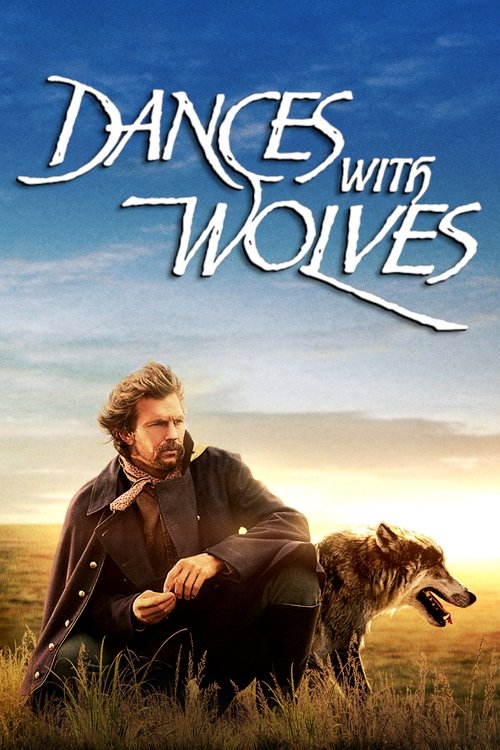


They've been seen before, and they've been explored again with films like Avatar or The Last Samurai .
Dances with Wolves another obvious touchstone, the picture depicts Cruise as lovably earnest in the Kevin Costner mold, another limited actor limited to a certain kind of role, but one who seems genuinely interested and invested in his projects.
More than one reviewer has already compared The Last Samurai to Dances With Wolves in which one enlightened white man forsakes his own dastardly white ways and embraces the peaceful, noble ways of a foreign culture.
Actually, this Asianized variant on Dances With Wolves seems mostly to exist to prove the truth of those lyrics by Mr. Gilbert in (ironically enough) The Mikado the ones where Koko makes a list of people who wouldn't be missed, and includes those persons who praise "every century but this one, and every country but their own."
"Lawrence of Arabia" and "Dances With Wolves" won Oscars for their skilled indulgence of the theme, so it comes as no surprise that "The Last Samurai" should borrow liberally from both, adding finishing touches culled from the likes of Mel Gibson's "Braveheart" and the classic television miniseries "Shogun."
His Dances With Wolves-style premise of a tormented U.S. soldier who finds peace by embracing the creed of the samurai has plenty of kick, and the production has surely done its homework.
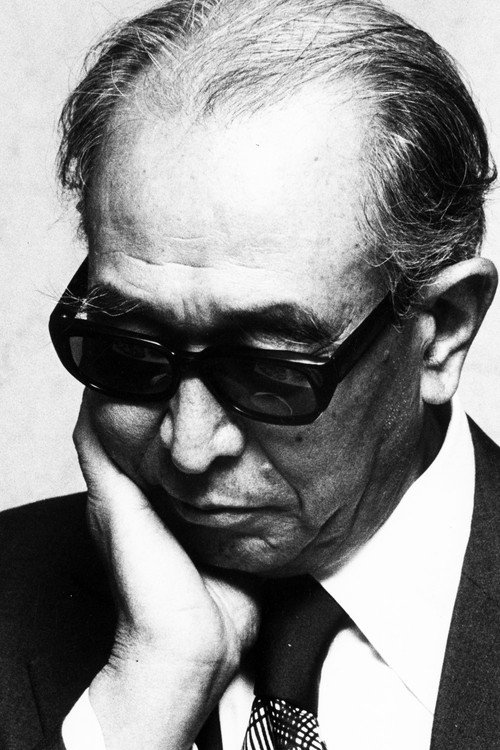

Akira Kurosawa was a pioneer of filmmaking who created and directed such film classics as “Seven Samurai”, and “Hidden Fortress” (just to name a few), and Zwick manages to create a love letter and a magnificent homage to the innovative director by paying tribute to the art of the samurai, a dying art that intertwines with the tale of one man’s redemption.
If not quite up to the standard of 1989's "Glory" -- director Edward Zwick's last historical war epic -- the film is nonetheless filled with exhilarating, gruesomely beautiful battle sequences and stylish nods to the great Kurosawa films, especially "Seven Samurai," "Yojimbo" and "Ran."
But again, this is an outsider's story and The Last Samuria has more in common with Dances with Wolves than with Seven Samurai.
Here, the connection is more broad-based, with Ran and Seven Samurai particularly coming to mind.
The top three greatest battle scenes ever filmed belong to Shakespeare adaptations: Orson Welles' Chimes at Midnight, Akira Kurosawa's Ran and Kenneth Branagh's Henry V, followed by Kurosawa's Seven Samurai and Martin Scorsese's Gangs of New York.
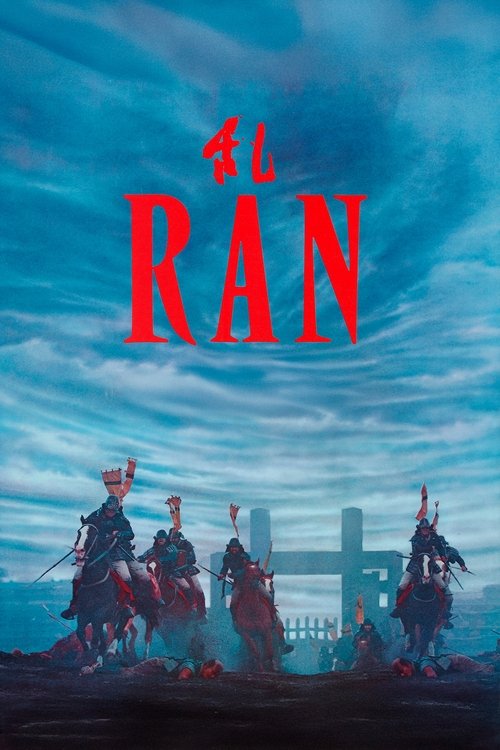
As such, the movie has its moments, some of which are bold, ripsnorting fun, nicely recalling the hypnotic greatness of Akira Kurosawa’s “The Seven Samurai,” “Ran” and “Rashomon,” while other moments are just plain dumb, heavy-handed and awful.
If not quite up to the standard of 1989's "Glory" -- director Edward Zwick's last historical war epic -- the film is nonetheless filled with exhilarating, gruesomely beautiful battle sequences and stylish nods to the great Kurosawa films, especially "Seven Samurai," "Yojimbo" and "Ran."
Director Zwick expertly stages some of the most spectacular battle sequences since Kurosawa’s Ran, but they don’t compensate for the script’s more formulaic set-pieces or an eye-rolling ending that only serves to elevate Cruise’s character on an even higher pedestal.
Here, the connection is more broad-based, with Ran and Seven Samurai particularly coming to mind.
The top three greatest battle scenes ever filmed belong to Shakespeare adaptations: Orson Welles' Chimes at Midnight, Akira Kurosawa's Ran and Kenneth Branagh's Henry V, followed by Kurosawa's Seven Samurai and Martin Scorsese's Gangs of New York.

As such, the movie has its moments, some of which are bold, ripsnorting fun, nicely recalling the hypnotic greatness of Akira Kurosawa’s “The Seven Samurai,” “Ran” and “Rashomon,” while other moments are just plain dumb, heavy-handed and awful.
Having already paid tribute to Kurosawa with his Rashomon-updating Courage Under Fire, Zwick creates an ode to the master with calls to duty, splendid battle sequences and a look by cinematographer John Toll (The Thin Red Line) that captures the period in a way that could be hung in an art museum and is impossible to look away from.
Kurosawa's Rashomon proved to be an influence for Zwick's Courage Under Fire.
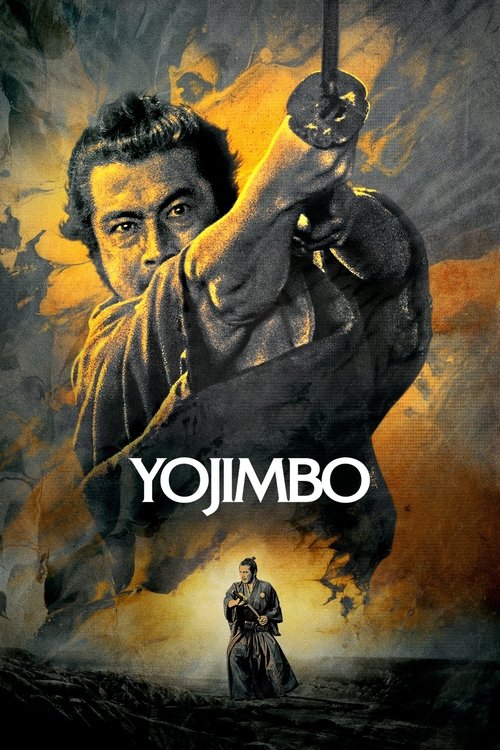
If not quite up to the standard of 1989's "Glory" -- director Edward Zwick's last historical war epic -- the film is nonetheless filled with exhilarating, gruesomely beautiful battle sequences and stylish nods to the great Kurosawa films, especially "Seven Samurai," "Yojimbo" and "Ran."
The Last Samurai is Hollywood’s reimagination of those gloriously muscular films by the great Japanese filmmaker Akira Kurosawa, cinematic masterpieces like Yojimbo and The Seven Samurai.
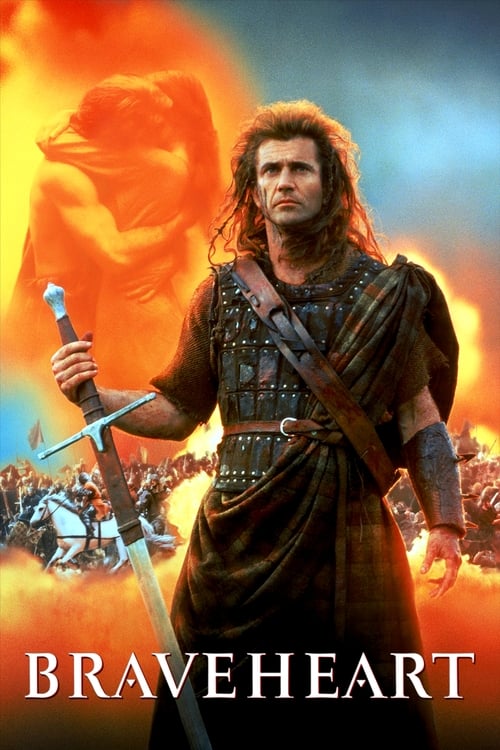
"Lawrence of Arabia" and "Dances With Wolves" won Oscars for their skilled indulgence of the theme, so it comes as no surprise that "The Last Samurai" should borrow liberally from both, adding finishing touches culled from the likes of Mel Gibson's "Braveheart" and the classic television miniseries "Shogun."
To one degree or another, he has borrowed from his own Glory, Mel Gibson's Braveheart , and the TV mini-series based on James Clavell's Shogun.
So if The Missing is Hitchcock in spurs and Master and Commander is Moby Dick with Russell Crowe pursuing a French warship instead of a whale, then The Last Samurai is Braveheart with kimonos instead of kilts.
Filmed on an epic scale, if The Last Samurai looks like Braveheart, small wonder again as cinematographer John Toll shot both films.
Nabbing Academy Awards for "Legends of the Fall" and "Braveheart," Toll's cinematic brilliance can also be seen in "The Thin Red Line," a wonderfully sweeping epic replete with beautiful landscapes ravaged by war.
"The Last Samurai" is spectacularly filmed by John Toll, who won Academy Awards for both "Legends of the Fall" and "Braveheart."
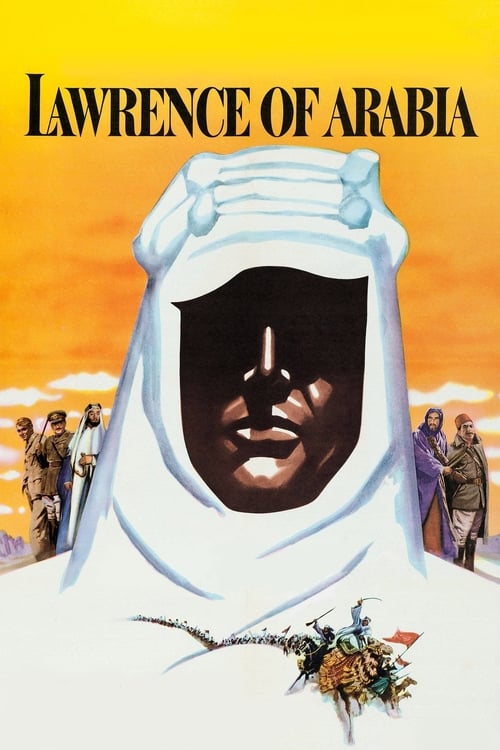
"Lawrence of Arabia" and "Dances With Wolves" won Oscars for their skilled indulgence of the theme, so it comes as no surprise that "The Last Samurai" should borrow liberally from both, adding finishing touches culled from the likes of Mel Gibson's "Braveheart" and the classic television miniseries "Shogun."
It has been compared to " Lawrence of Arabia " and "Dances With Wolves," films in which Westerners learn to respect Arabs and Indians, but this film goes a step further, clearly believing that Katsumoto's traditional society is superior to the modernism being unloaded by the Americans.
Small wonder that The Last Samurai reminds of Lawrence of Arabia , since the plot involves a disgraced military officer sent to contact an alien force (that has just raided a railroad) whom he comes to see as noble even as he views himself as their salvation--although Algren ultimately functions not like T.E.
Advertisement
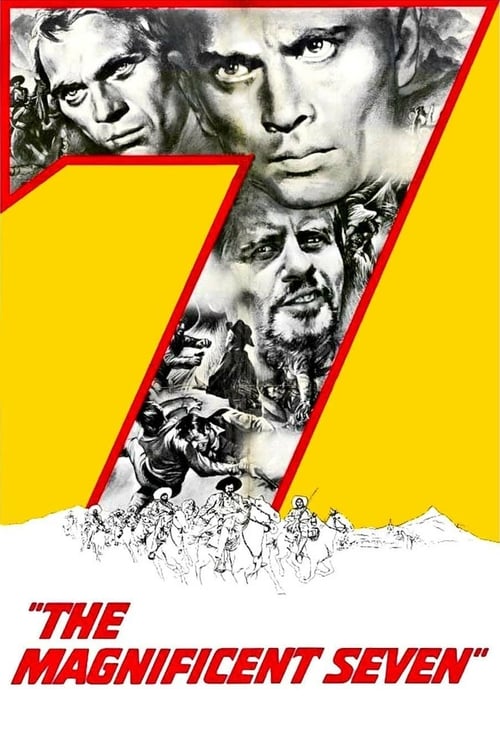
That Kurosawa's film was a Japanese interpretation of the cowboys-and-Indians Western genre, which echoed back to spawn John Sturges's "The Magnificent Seven" (1960), is evidence of Kurosawa's deep assimilation of an American genre to a seemingly esoteric Japanese subject matter.

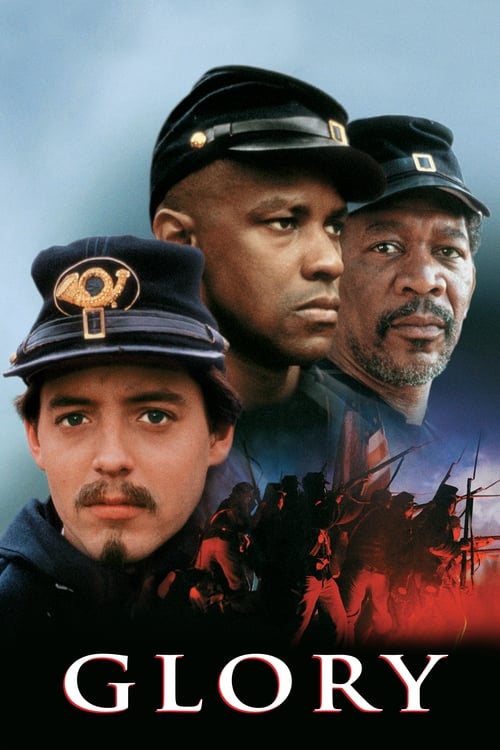
The director, Edward Zwick ("Legends of the Fall," "Courage Under Fire," "Glory"), makes an admirable effort to combine a quiet, spiritual serenity with a harsh, worldly reality, and he almost succeeds.
With no pretensions of approaching Kurusawa’s masterful The Last Samurai or Zhang Yimou’s visually dazzling Hero, Edward Zwick’s epic sincerely takes on themes previously explored in Glory.
The film is very reminiscent of director Edward Zwick's earlier work entitled "Glory" in which the all black 54th regiment of Massachusetts valiantly sacrifices their lives at Fort Wagner during the Civil War.
Zwick�s Glory is also reminisced with the new conscripts' first battle test in the forest and someone to hold onto Algren�s writings before a suicidal final attack.
If not quite up to the standard of 1989's "Glory" -- director Edward Zwick's last historical war epic -- the film is nonetheless filled with exhilarating, gruesomely beautiful battle sequences and stylish nods to the great Kurosawa films, especially "Seven Samurai," "Yojimbo" and "Ran."
Director Edward Zwick has always impressed me with his ability to handle battlefield drama with such films as his epic “Glory” and more introspective “Courage Under Fire.”
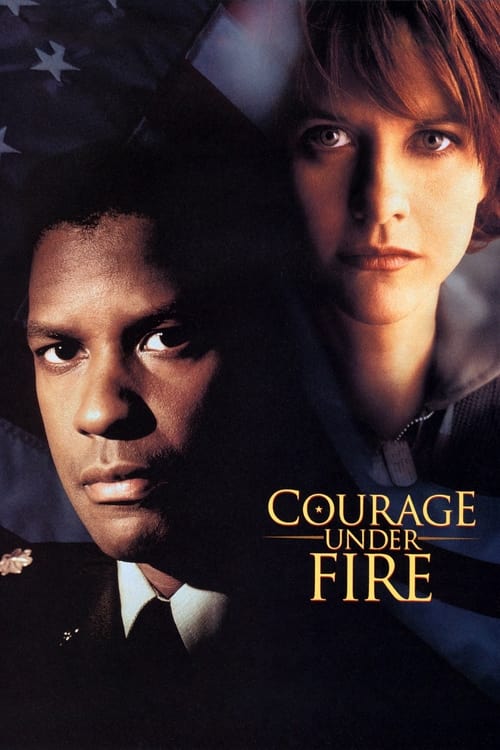
The director, Edward Zwick ("Legends of the Fall," "Courage Under Fire," "Glory"), makes an admirable effort to combine a quiet, spiritual serenity with a harsh, worldly reality, and he almost succeeds.
Having already paid tribute to Kurosawa with his Rashomon-updating Courage Under Fire, Zwick creates an ode to the master with calls to duty, splendid battle sequences and a look by cinematographer John Toll (The Thin Red Line) that captures the period in a way that could be hung in an art museum and is impossible to look away from.
That being said, "The Last Samurai" is certainly Zwick's most accomplished film as a director, dwelling on many of the same cautionary themes of American militarism that have permeated his previous pictures ("Glory," "Legends of the Fall," "The Siege" and "Courage Under Fire") but finding a means to a more elegant narrative integration.
Director Edward Zwick has always impressed me with his ability to handle battlefield drama with such films as his epic “Glory” and more introspective “Courage Under Fire.”
Edward Zwick ("Glory"/"Courage Under Fire") efficiently directs within the studio system safe conduct code a predictable but rousing action epic destined to be a box office smash and nothing more.
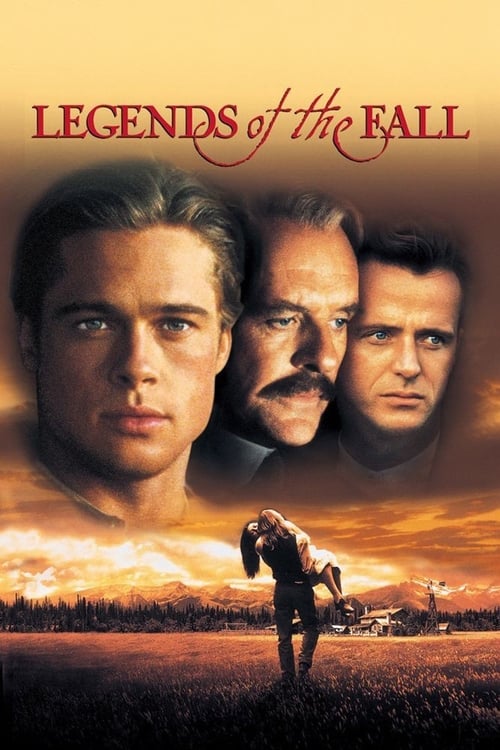
The director, Edward Zwick ("Legends of the Fall," "Courage Under Fire," "Glory"), makes an admirable effort to combine a quiet, spiritual serenity with a harsh, worldly reality, and he almost succeeds.
That being said, "The Last Samurai" is certainly Zwick's most accomplished film as a director, dwelling on many of the same cautionary themes of American militarism that have permeated his previous pictures ("Glory," "Legends of the Fall," "The Siege" and "Courage Under Fire") but finding a means to a more elegant narrative integration.
Directed by Edward Zwick (Glory, Legends of the Fall), the film is set in 1877, the year of the samurai rebellion, though the film takes several historical liberties and doesn’t pretend to be anything other than pure fiction.
The director is Edward Zwick, whose other war films (" Glory ," "Legends of the Fall," " Courage Under Fire ") have also dealt with men whose personal loyalties have figured more importantly than political ideology.
The director, Edward Zwick, displayed a similar knack for spotlighting a film’s human elements amidst chaos in “Glory” (1989) and “Legends of the Fall” (1994).
It was directed and co-written by Edward Zwick, the guy who made the television show thirtysomething and directed Glory and Legends of the Fall.
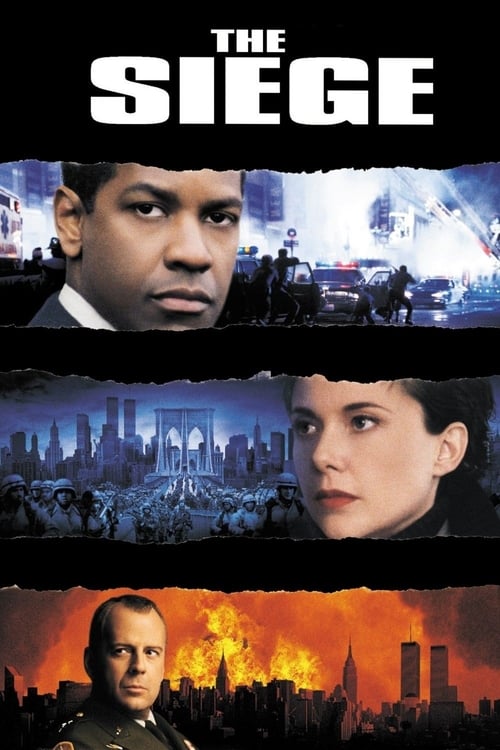
After that, director Edward Zwick ( "The Siege" ) tends to get carried away with the slow-motion hero shots of Cruise swinging a Katana blade with passionate, meditative vehemence (while gritting those pearly whites as sweat flies from that pretty mane of hair) in otherwise potent scenes, including an attack on the village that brings Algren and Katsumoto together as allies.
The process by which this evolves, while plodding at times, is tempered by director Edward Zwick ("The Siege", "Courage Under Fire") who admits to being influenced by Akira Kurosawa's "The Seven Samurai", and writers John Logan and Marshall Herskovitz.
That being said, "The Last Samurai" is certainly Zwick's most accomplished film as a director, dwelling on many of the same cautionary themes of American militarism that have permeated his previous pictures ("Glory," "Legends of the Fall," "The Siege" and "Courage Under Fire") but finding a means to a more elegant narrative integration.
His last effort, 1998's "The Siege," imagined a United States in which terror attacks have led to martial law, while the film before that 1996's "Courage Under Fire" was one of the first Hollywood efforts to address the Gulf War. "Glory" and "Legends of the Fall" also are on his resume.
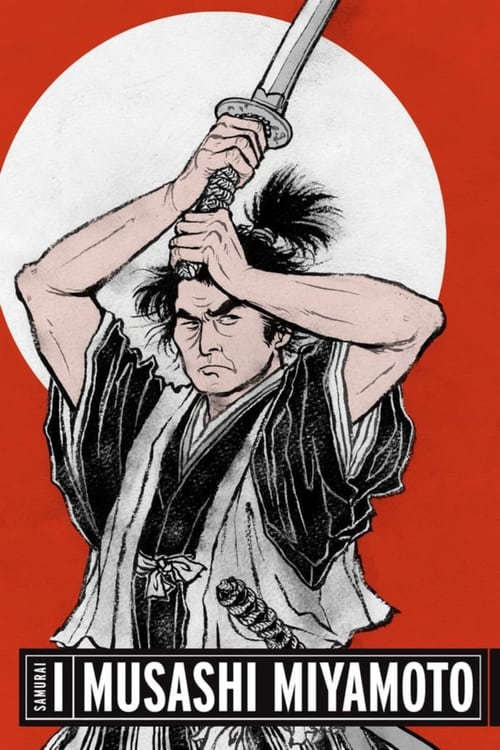
Director Edward Zwick's background in films should give some indication of what to expect from "Samurai": in 1989, he directed the Civil War stunner "Glory," and then five years later, he crafted the lengthy but worthwhile "Legends of the Fall."
The real difference, however, is the twist to the "Samurai" story: who's the bad guy here?
Tom Cruise is the Karate Kid in "Samurai"…
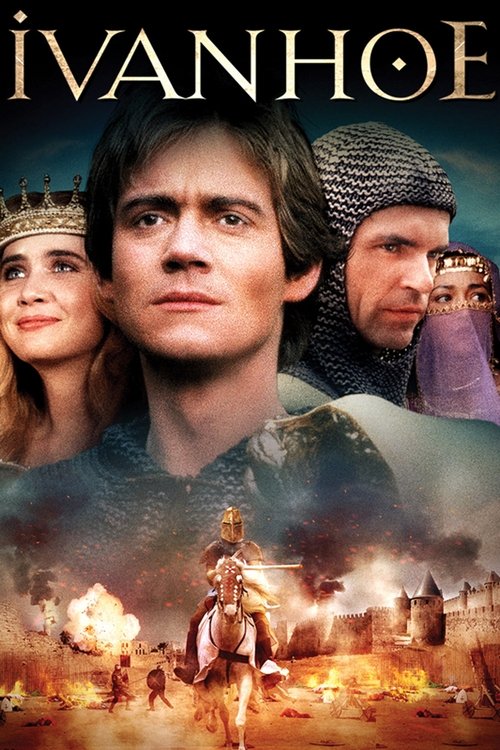
You could even say that The Last Samurai, as Mark Twain once viciously argued of "Ivanhoe," exploits history as a mere setting for adventure.
Advertisement
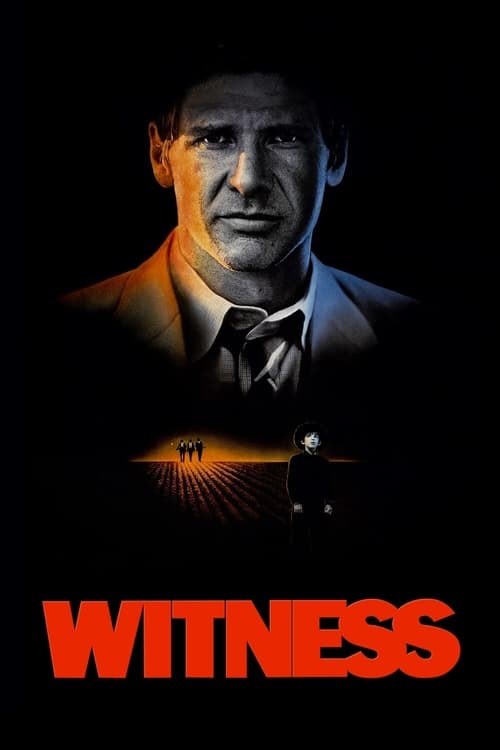
Meanwhile, The Last Samurai lifts the nursing-from-injury/courtship/surrogate father cycle whole from Peter Weir's Witness (an accidental voyeur moment nearly shot-for-shot), marking the piece as over-familiar even as the realization that we are in this film only about sixty-years before the Japanese begin their massacre of the Chinese at the onset of WWII provides the piece a sort of ambivalence that compels as the one thing truly its own.
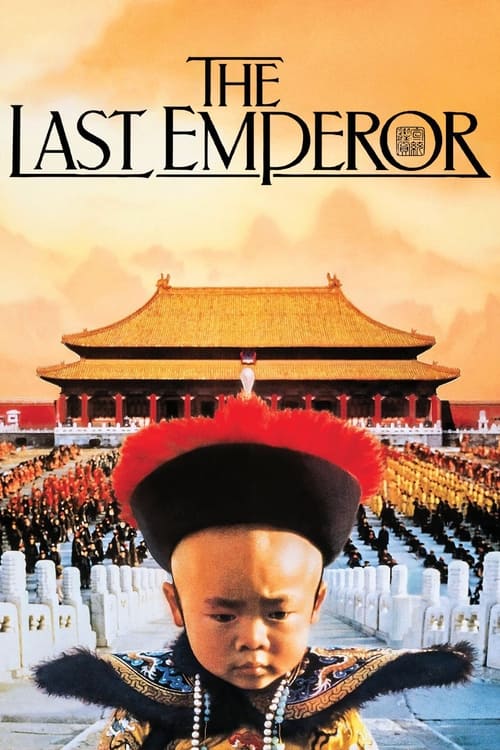
Lawrence, but another of Peter O'Toole's roles: Reginald Johnston, tutor to The Last Emperor.