
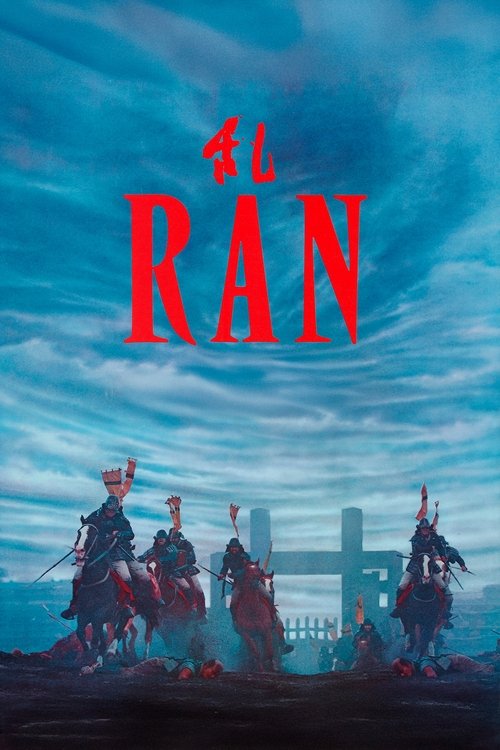
Ran (1985)
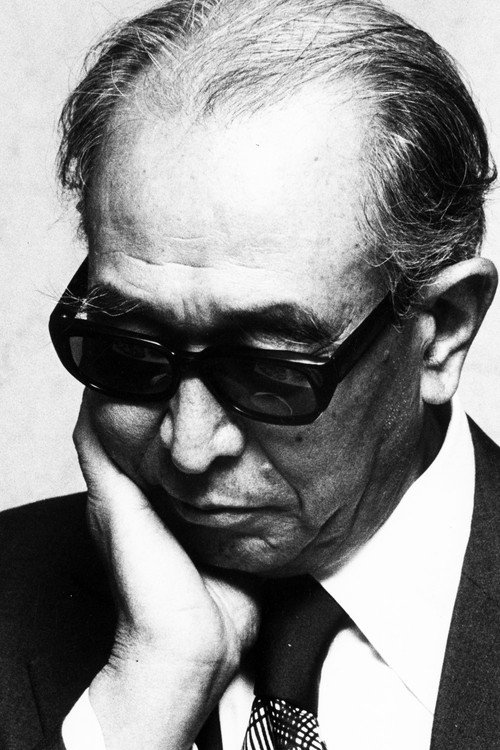
Directed by Akira Kurosawa
Shakespeare's King Lear is reimagined as a singular historical epic set in sixteenth-century Japan where an aging warlord divides his kingdom between his three sons.
10 connections found
View:
10 films that influenced Ran
What critics say influenced Ran
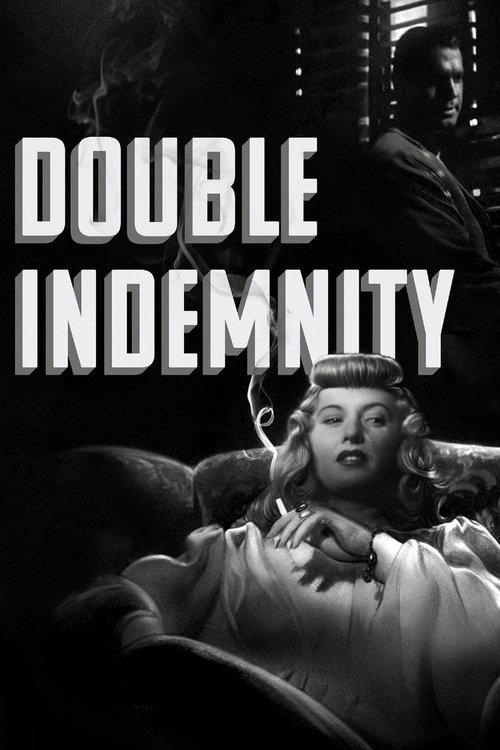


She's a combination of Goneril, Regan, and Lady Macbeth, with a little bit of Barbara Stanwyck's Phyllis Dietrichson from ''Double Indemnity.''
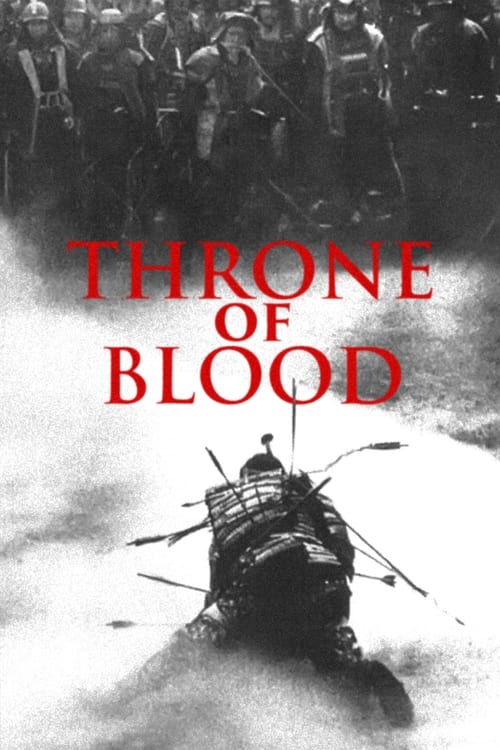
(Kurosawa had previously turned to Shakespeare for inspiration in Throne of Blood, his 1957 adaptation of Macbeth).
With 1957's Throne Of Blood, his seminal Macbeth adaptation, Kurosawa proved himself capable of transposing Shakespeare to feudal Japan while seamlessly incorporating Noh and Kabuki traditions.
Kurosawa resists the description of ''Ran'' as his ''version'' of ''King Lear,'' in the manner of his free, 1957 adaptation of ''Macbeth,'' titled ''Throne of Blood.''
As I remember it, the weird fashion for Shakespeare adaptations in the '90s (everything from various Hamlets to fascist-styled Richard III) only gave weathered cinephiles reason to fondly remember both Ran and Kurosawa's Throne of Blood (1957), which trumped all other Bard films by jettisoning the Elizabethan texts without ado and focusing instead on the fablelike stories.
Unlike Kurosawa’s Throne Of Blood (1957), which sticks fairly close to Macbeth, Ran only vaguely resembles its Shakespearean source; the director claimed he was well into the planning stage before realizing the similarity, at which point he deliberately incorporated it.
Inspired by Shakespeare's "King Lear" in the same way Kurosawa's "Throne of Blood" was influenced by "Macbeth," "Ran" was the rare foreign language film to not only get multiple Oscar nominations, including best director, but to actually take home a statuette (for costume design).
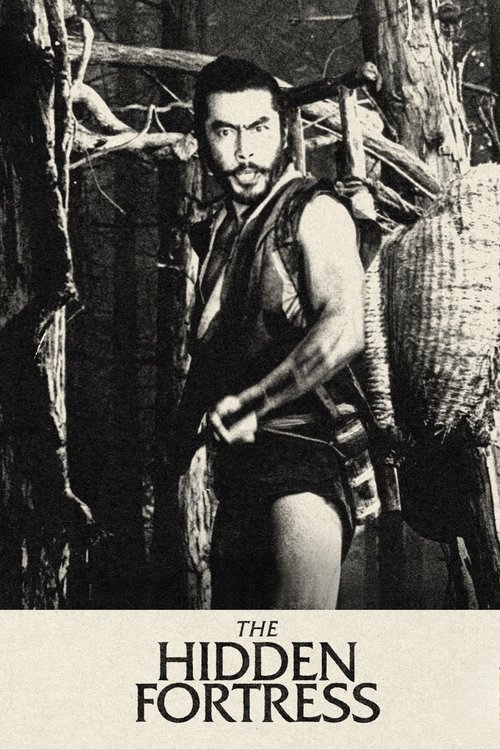
Most great filmmakers assume a darker vision as they grow older -- and in "Ran," Kurosawa deliberately avoids the churning immediacy and energy of movies such as "Rashomon" or "The Hidden Fortress."
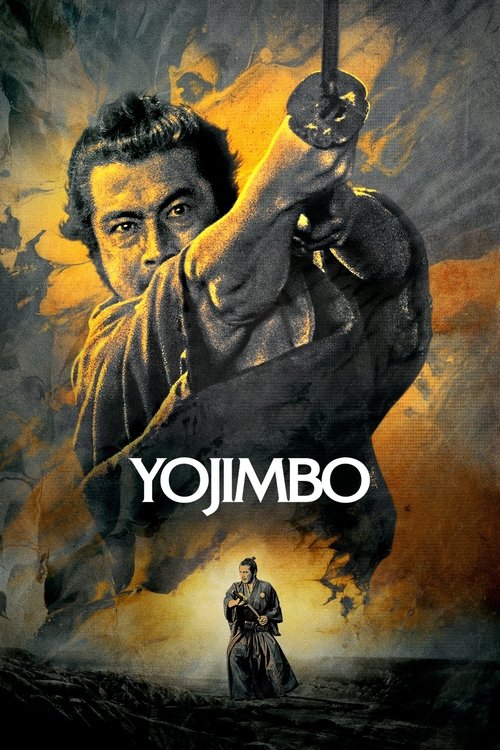
He directed Rashomon and Ran, and his Seven Samurai was remade in to The Magnificent Seven, his Yojimbo was remade as A Fistful of Dollars and Last Man Standing.
As his Hidetora/Lear, Kurosawa casts longtime star Nakadai, who played the handsome, cruel young gunman of "Yojimbo."
It is almost impossible to recognize the iconically handsome Tatsuya Nakadai (the all business cop in “ High and Low “ and Mifune’s very different adversaries in “ Yojimbo ” and “Sanjuro”) under all the make-up transforming him into Ichimonji.
He already has demonstrated that abundantly in " The Seven Samurai ," in " Yojimbo ," in " Kagemusha ."
The Lear-type figure is Hidetora, referred to as the Great Lord and convincingly played not by Kurosawa regular Toshiro Mifune but by the protean Tatsuya Nakadai, a bad guy in "Yojimbo" and "Sanjuro," and an unforgettable psychotic killer in "Sword of Doom."
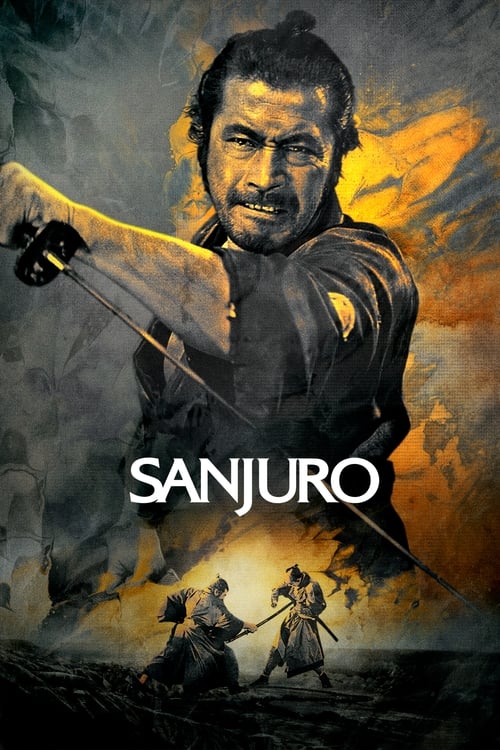
It is almost impossible to recognize the iconically handsome Tatsuya Nakadai (the all business cop in “ High and Low “ and Mifune’s very different adversaries in “ Yojimbo ” and “Sanjuro”) under all the make-up transforming him into Ichimonji.
The Lear-type figure is Hidetora, referred to as the Great Lord and convincingly played not by Kurosawa regular Toshiro Mifune but by the protean Tatsuya Nakadai, a bad guy in "Yojimbo" and "Sanjuro," and an unforgettable psychotic killer in "Sword of Doom."
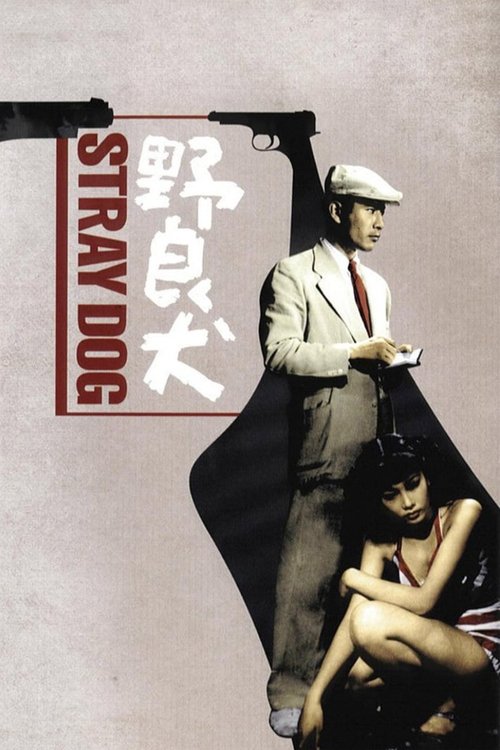
Shooting was halted three times on Akira Kurosawa’s monumental fusion of Shakespeare’s “King Lear” and the legend of feudal lord Mōri Motonari, due to the deaths of his regular fight choreographer Ryu Kuze, his soundman since “ Stray Dog ,” Fumio Yanoguchi, and his wife and sounding board, Yôko Yaguchi.
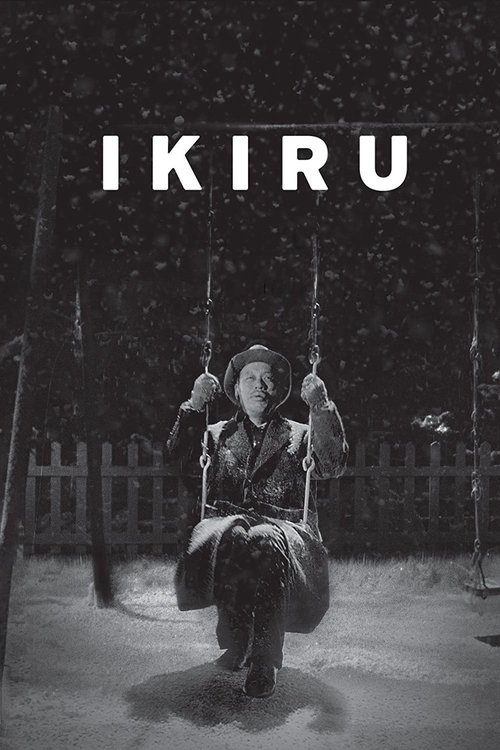
So it’s also about “Seven Samurai’’ and “Ikiru,’’ “Rashomon,’’ and “Throne of Blood.’’
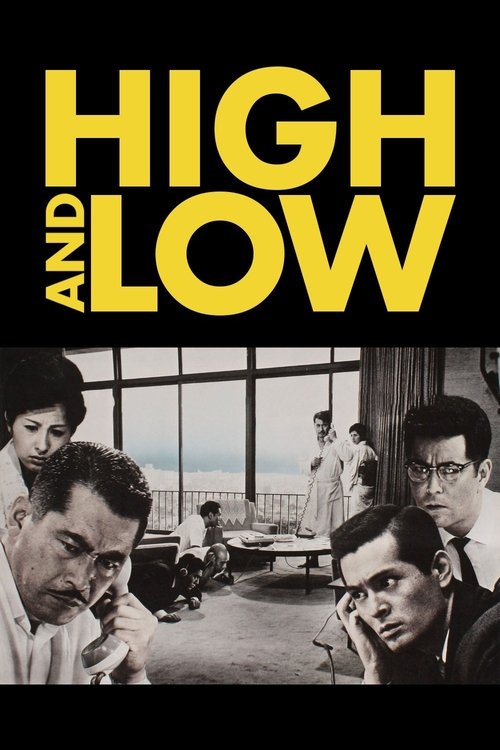
It is almost impossible to recognize the iconically handsome Tatsuya Nakadai (the all business cop in “ High and Low “ and Mifune’s very different adversaries in “ Yojimbo ” and “Sanjuro”) under all the make-up transforming him into Ichimonji.
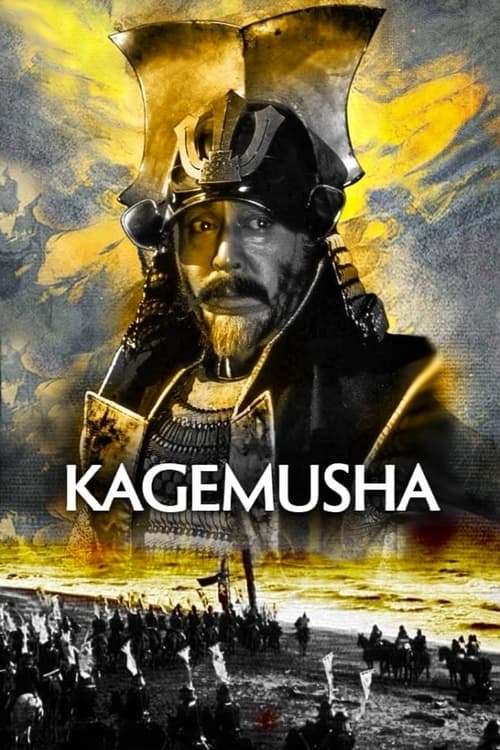
Unlike ''Kagemusha,'' Kurosawa's rather difficult-to-follow 1980 film, which the director has called a ''dry run'' for the more elaborate and expensive ''Ran,'' the politics and relationships in the new film are, though complex, always comprehensible.
He already has demonstrated that abundantly in " The Seven Samurai ," in " Yojimbo ," in " Kagemusha ."
Working on a large scale seems to bring out the best in Kurosawa's essentially formal talents; Kagemusha seems only a rough draft for the effects he achieves here through a massive deployment of movement and color.
Then came “Kagemusha’’ (1980), produced under the aegis of Francis Ford Coppola and George Lucas.
Before the epic rancor of Ran , Akira Kurosawa told a more intimate, but no less tragic story with Kagemusha.
Of course, only the last item on that list really explains what about Kagemusha (and, more so, Kurosawa’s 1985 follow-up Ran) garnered all the enthusiasm.
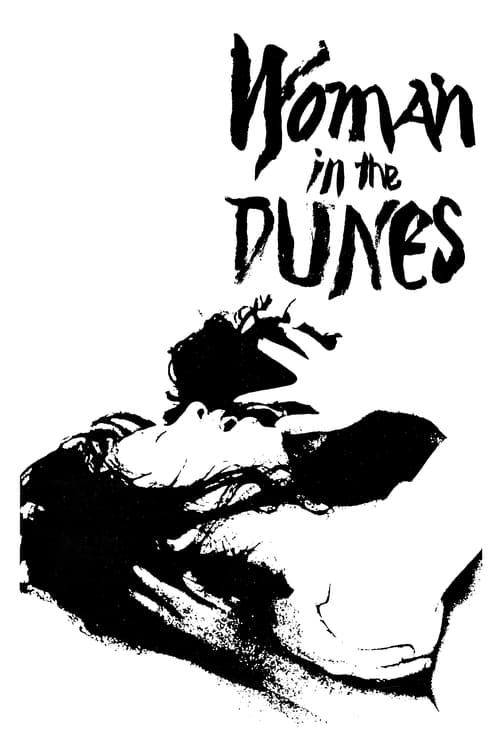
Akira Kurosawa 's great autumnal Mount Fuji of a film, Ran (1985) shouldn't require an introduction — it landed with a popular ker-blam here in the otherwise fallow mid-'80s, and the hoopla was enough to make Kurosawa only the second Japanese filmmaker to ever be Oscar-nominated for Best Director (the other was Hiroshi Teshigahara , for Woman in the Dunes, in 1965).