
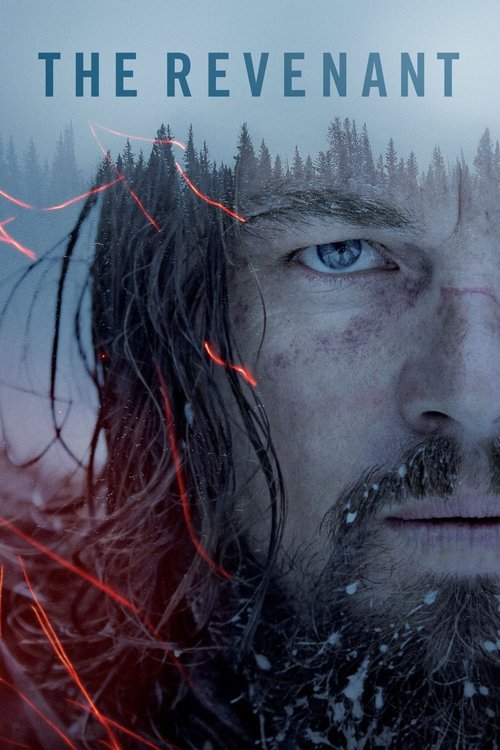
The Revenant (2015)
Directed by Alejandro G. Iñárritu
In the 1820s, a frontiersman, Hugh Glass, sets out on a path of vengeance against those who left him for dead after a bear mauling.
85 connections found
View:
85 films that influenced The Revenant
What critics say influenced The Revenant



Glass, who previously served as the inspiration for the title character played by Richard Harris in director Richard C. Sarafian's conspicuously less compelling Man in the Wilderness in 1971, is a man of two worlds.
The legend of American frontiersman and fur trapper Hugh Glass, who was left for dead after being mauled by a bear in the early 1820s, inspired Richard C Sarafian’s 1971 film Man in the Wilderness , in which Richard Harris starred as “Zachary Bass”.
The story inspired the 1971 movie Man in the Wilderness , which starred Richard Harris as Zach Bass, and Michael Punke's novel The Revenant , which Inarritu and Mark L. Smith adapted into the film's screenplay.
Leonardo DiCaprio is Hugh Glass, a real-life 19th century mountain man and guide whose story inspired legends, books, and at least one previous film (Man in the Wilderness with Richard Harris).
The natural-lighting gimmick was done better by Kubrick in Barry Lyndon; the basic story was told before in 1971’s Man in the Wilderness, which took up nearly an hour less of our time; the sometimes discordant score (by Ryuichi Sakamoto among others) recalls Neil Young’s fuzzbox music for Jim Jarmusch’s acid western Dead Man (and this film’s dependence on an Indian helping an ailing white man was already parodied nicely by Jarmusch); and the symbolic heaviness of man against nature got some play in Joe Carnahan’s underrated existential drama The Grey.
In 1971's Man In The Wilderness , an equally loose take on the Hugh Glass legend that renames him Zachary Bass, Richard Harris is mauled by an off-camera beast.
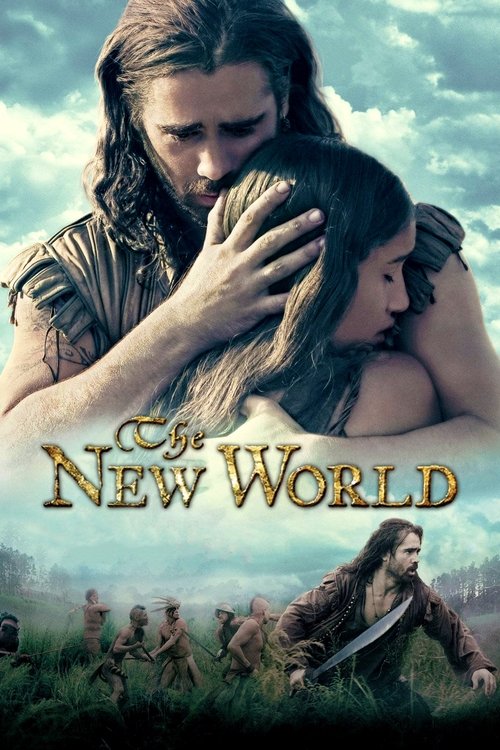
Themes of rapacious greed, western entitlement and cultural intolerance coupled with environmental disregard flow with subtle might, but at the heart of Iñárritu’s woodland tempest looms Glass’ superhuman perseverance, driven by the memory of those he loved and incarnated in the same dreamy sylvan echoes that Terrence Malick brushed so artfully into “The New World.”
The sinuous long takes are an Emmanuel Lubezki specialty, and can’t help but evoke the cinematographer’s work on The New World , an appropriate reference point, perhaps, but also one whose deep, ineffable strangeness on a shot-to-shot level exposes the conventionality of Iñárritu’s aesthetics.
The film opens in a way that reminded me so much of Terrence Malick’s "The New World,” which was also shot by “The Revenant’ cinematographer Emmanuel Lubezki, and that alone made me fearful that we’re in for more of the same.
The film is directed by Alejandro Iñárritu in a Terrence Malick (“The New World”) vein, with shots of the sky through the trees, silhouettes against the setting sun and omniscient overviews of the entire landscape.
But Lubezki’s work is less reminiscent of Birdman than his Terrence Malick collaborations The New World and The Tree of Life, full of gorgeous waking dream imagery and haunting shots of raging fires in a nighttime snowstorm or a bell ringing atop a decimated church.
Many have said the same about Terrence Malick's dreamy visions of a lost America, especially "The New World."
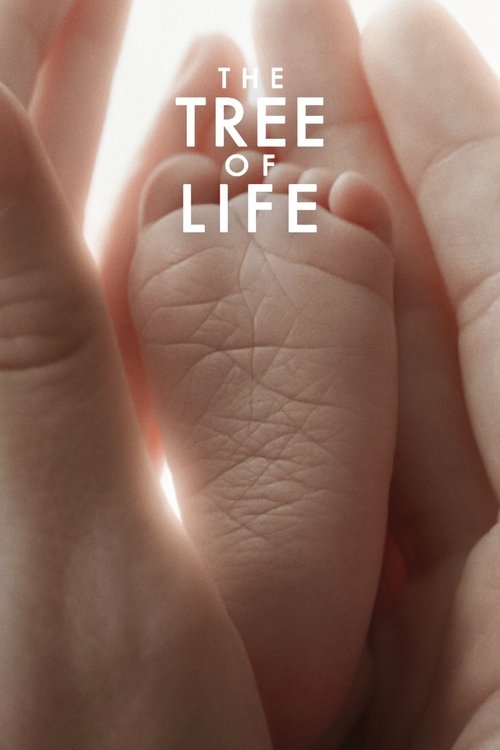
But Lubezki’s work is less reminiscent of Birdman than his Terrence Malick collaborations The New World and The Tree of Life, full of gorgeous waking dream imagery and haunting shots of raging fires in a nighttime snowstorm or a bell ringing atop a decimated church.
At other times, Lubezki’s choices recall his work on “The Tree of Life,” especially in scenes in the second half when Glass’s journey gets more mystical.
Just as Lubezki did in Terrence Malick’s The Tree of Life , he captures these landscapes in such detail that you can catch every icicle hanging from the trees.
(Consider the résumé: “Y Tu Mamá También,” “The New World,” “Children of Men,” “The Tree of Life,” “Gravity” and at least two more Terrence Malick films to come.)
Ultimately Lubezki’s nature photography has the same effect here as his work in Terrence Malick’s “The Tree of Life” in that it allows our pitiful, human hectic mud-crawling to be put in proper perspective—minute occurrences—crawling within the vastness and serenity of the cosmos.
Iñárritu made the obvious choice of bringing in cinematographer Emmanuel Lubezki, who DP'd Alfonso Cuaron's Children Of Men and Gravity, as well as Malick's The New World and The Tree Of Life.
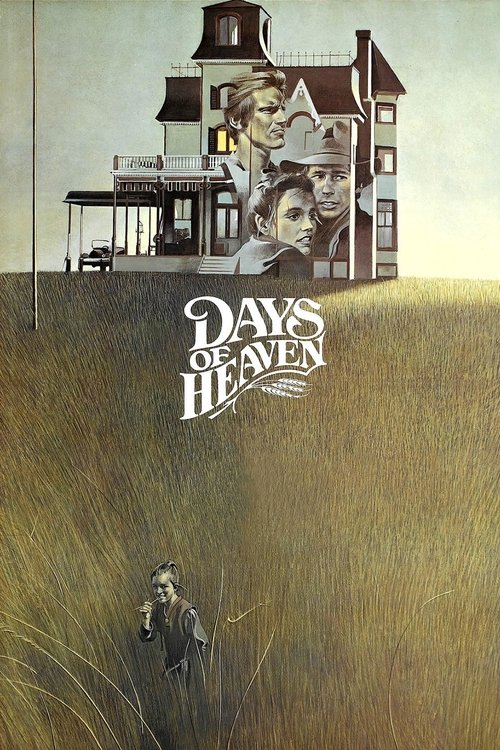
“McCabe and Mrs. Miller” and the impressionistic rambles of Terrence Malick films such as “Days of Heaven” come to mind.
La presencia de Dios es evidente en una plaga de langostas en Días de gloria (Days of Heaven, 1978) o al inicio del tiempo en El árbol de la vida (The Tree of Life, 2011).
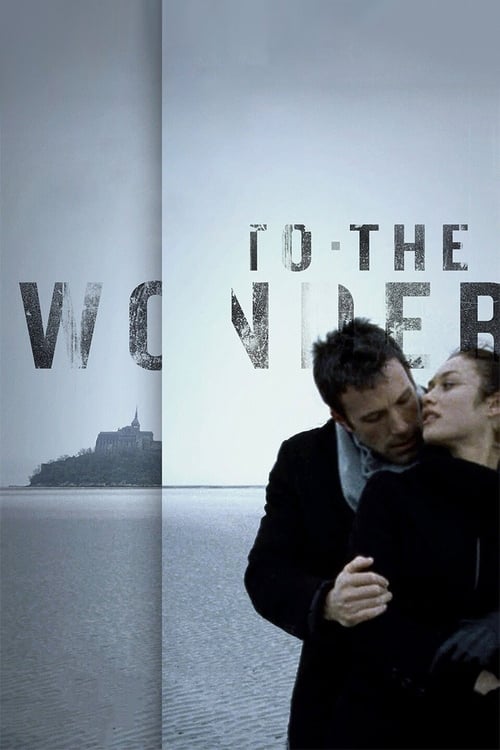
But the work by cinematographer Emmanuel Lubezki (“To The Wonder”), production designer Jack Fisk (“Tree of Life”) and costume designer Jacqueline West (“The New World”) demonstrates the determination of Iñárritu as well.
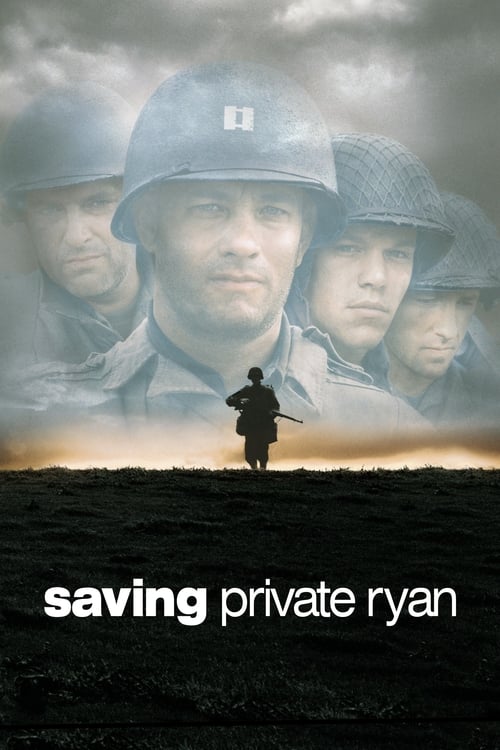
This scene, dazzlingly fluid and exciting, recalls the Omaha Beach sequence in "Saving Private Ryan," among other inspirations.
Although his directorial style isn’t quite as self-conscious as it was in Birdman , Iñárritu still makes use of several impressive long takes; the bear attack is as terrifying as anything you’ll see in a horror film this year, and the opening battle scene is reminiscent of the first twenty minutes of Saving Private Ryan .
The film’s opening sequence featuring an attack by a Native American tribe on the hunters is stunning, recalling some of the all-time best cinematic action scenes like Saving Private Ryan .
Whatever “cheating” there might have been with the camerawork snuck past my eye; like the opening of Steven Spielberg’s Saving Private Ryan , the sequence is a masterstroke of sustained, seamless and cinematically coherent panic.
The carnage is violent and crazed and sloppy with blood, like the opening moments of Saving Private Ryan , with arrows instead of bullets.
An extended set piece showing a raid by Ree Indians on a troupe of American fur traders is straight out of the Saving Private Ryan playbook, with the mobile camera catching sudden-death atrocities at the corner of the frame.
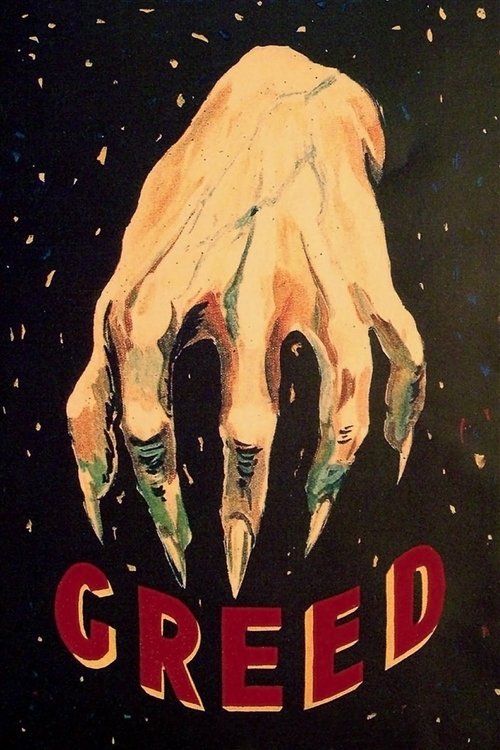
So when the showdown comes, as the movie promises, the sequence feels unsatisfying, not like that in, say, Ethan and Joel Coen’s “True Grit,” where a young girl gets justice for a murdered father, but rather where two men you barely know, seeing them only in dire circumstances, are locked in a death struggle not unlike McTeague and Marcus in Death Valley at the climax of Erich von Stroheim’s “Greed.”
I told him it reminded me of Erich Von Stroheim's exhilarating silent classic Greed , a movie that even in abridged form (Von Stroheim's original cut, long lost, was nearly nine hours) is an uncompromising, visceral experiment in naturalism.
Advertisement
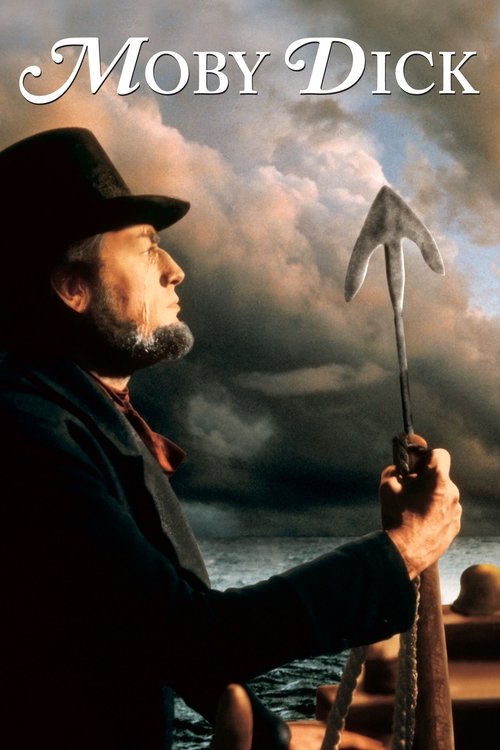
The self-seriousness of these struggles is underscored by the fact that Chase and Glass were both real dudes — the Essex ordeal would provide fuel for Moby Dick, while Glass's life inspired the 2002 Michael Punke novel on which The Revenant is based.
Aunque el guión está parcialmente inspirado en el libro de Michael Punke, cuyo personaje principal realmente existió y forma parte del folklore estadounidense, el encuentro entre hombre-bestia y bestia sirve como metáfora de la lucha por lo imposible (similar a la manera en la que Herman Melville lo acentó en el mítico viaje hacia el abismo del navío comandado por el capitán Ahab en contra de la ballena blanca, en Moby Dick; o como lo es el propio quehacer cinematográfico para muchos, un devenir constante de tropiezos y sinsabores superados por la fortaleza y la fe de su director, y por quienes cierran los ojos a la realidad y deciden creer ciegamente en él).

Watching this irresistibly pretty movie star pantomime panic, I was reminded of Robert Redford as the titular hero of the 1972 film Jeremiah Johnson , another prestigious nineteenth-century survivalist drama of literary pedigree, and one that also had a difficult, although ultimately neatly controlled production.
Based on a true story, it’s a masterpiece of suffering; it’s Robert Redford’s “Jeremiah Johnson” on steroids—a massive, muck-crawling, muddy-bearded, raw-meat-strewn, morose mess of hypothermic hatchet-versus-knife-fighting, flintlock-swinging, ursine destruction, and wheezing-grunting-snarling madness—wherein Leonardo DiCaprio’s Hugh Glass displays for our “entertainment” the Hobbesian creed to perfection.
It's Jeremiah Johnson meets Apocalypse Now.
Iñárritu famously went for realism here, putting his cast and crew through all kinds of misery, but the end result is simply spectacular, something like the gorgeous naturalism of Malick's "The New World" crossed with "Jeremiah Johnson."
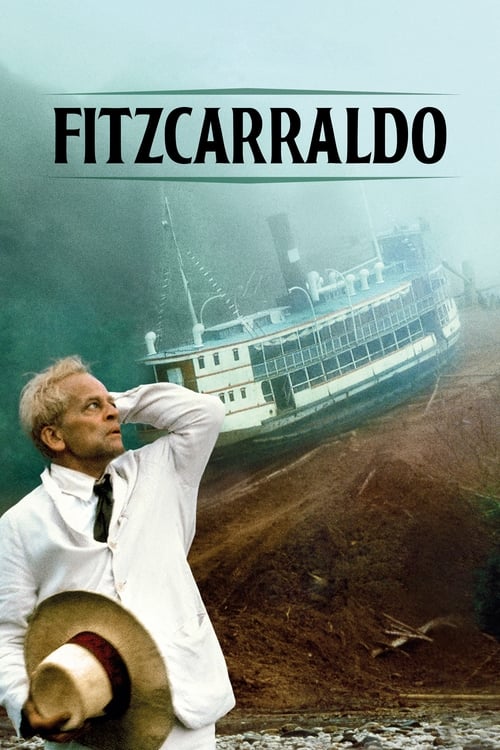
The Revenant's focus on setting already makes it feel like a follow-up to Werner Herzog's classics Fitzcarraldo and Aguirre, The Wrath Of God.
Filmed in Canada and Argentina (filming took so long that the snow melted!), its reputation of having had a difficult shoot has given it the allure of being some grand artistic achievement on the same level as Francis Ford Coppola’s Apocalypse Now (1979) or Werner Herzog’s Aguirre, the Wrath of God (1972) and Fitzcarraldo (1982).
He endures a lot for his art (one of the books that will be written about The Revenant will be about the legendary difficulty of the shoot, about the conditions the cast and crew endured and how Inarritu seemed as mad as Werner Herzog on the set of Fitzcarraldo or Francis Ford Coppola on Apocalypse Now), but the most impressive acting is Hardy's transformation into the amoral, mercury-tongued Fitzgerald.
The main difference between The Revenant and, say, Apocalypse Now or Fitzcarraldo —two flawed epics that were, indeed, allegories of themselves and pretty important ventures, all things considered—is that there’s no real madness in it.
The Revenant is his Fitzcarraldo , a film whose behind-the-scenes agony has become indistinguishable from that of the characters.
There are also elements of “Gladiator” (Glass’ visions of his dead wife), “Fitzcarraldo” (in Glass’ obsession and determination) and “The New World” (in the visual style carried over by Terence Malick’s cinematographer and production designer).
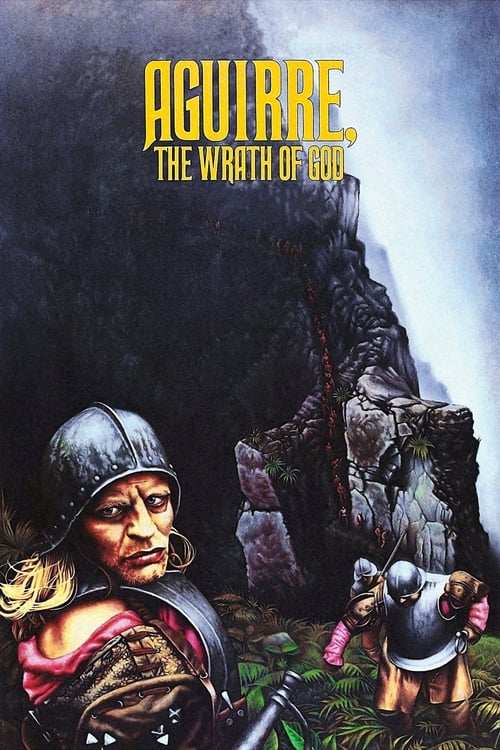
The Revenant's focus on setting already makes it feel like a follow-up to Werner Herzog's classics Fitzcarraldo and Aguirre, The Wrath Of God.
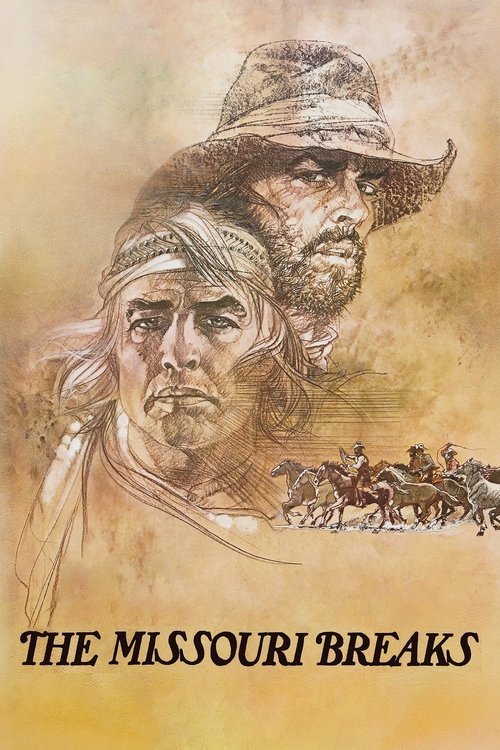
The location may recall Marlon Brando’s 1976 western, The Missouri Breaks, but thematically it’s closer to the late colossus’s politics.
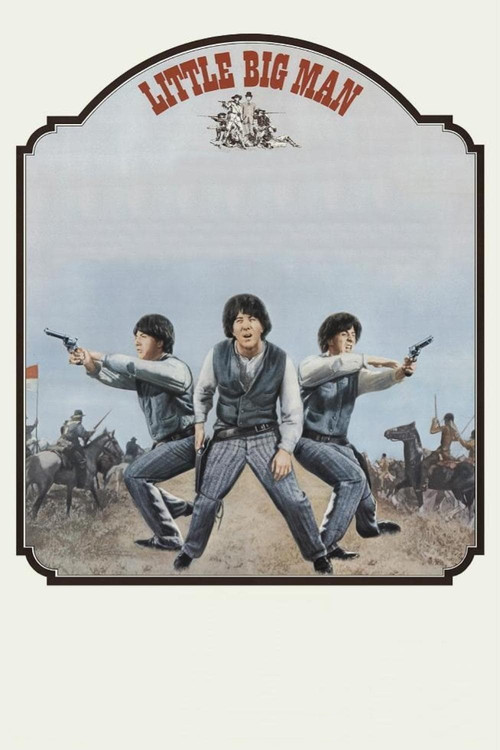
But for all its anthropological niceties, Iñárritu’s vision of Native Americans traffics in the same noble-savage clichés that render movies like “Dances With Wolves” and “Little Big Man” the regretful fantasies of conquerors.
As it stands, the film directed by Alejandro G. Inarritu, is no more impressive than “The Outlaw Josey Wales” or perhaps “Little Big Man.”
Advertisement
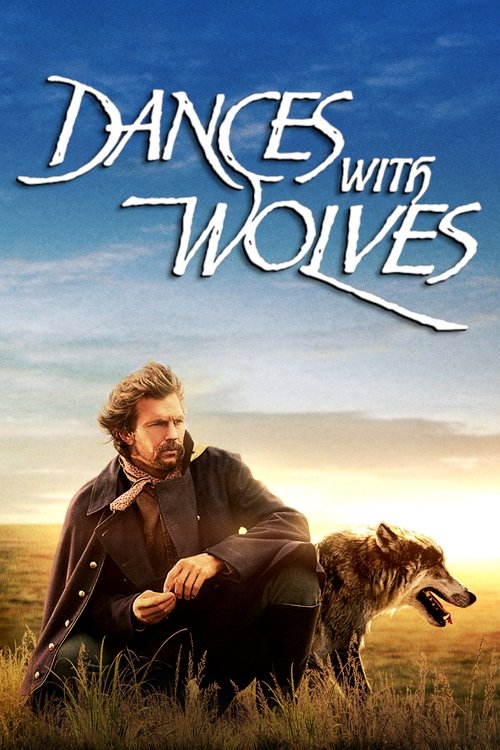
(As with a lot of modern Westerns, The Revenant finds a middle ground between the racist, vilifying depictions of Native Americans in old Hollywood movies and the romanticized conception of them in films like Dances With Wolves.)
But for all its anthropological niceties, Iñárritu’s vision of Native Americans traffics in the same noble-savage clichés that render movies like “Dances With Wolves” and “Little Big Man” the regretful fantasies of conquerors.
He speaks some of the Native American tribal languages and (as in “Dances With Wolves”) provides a white man who can be our window to the suffering of the indigenous people.

Lubezki is an astonishingly gifted cinematographer—his better, less-hotdogging work includes Alfonso Cuarón’s Children of Men, a picture of fierce, simmering elegance—but in The Revenant, he’s working overtime to channel the spirit of Terrence Malick, another filmmaker with whom he’s collaborated.
(Consider the résumé: “Y Tu Mamá También,” “The New World,” “Children of Men,” “The Tree of Life,” “Gravity” and at least two more Terrence Malick films to come.)
Iñárritu made the obvious choice of bringing in cinematographer Emmanuel Lubezki, who DP'd Alfonso Cuaron's Children Of Men and Gravity, as well as Malick's The New World and The Tree Of Life.
Ironically enough, however, the movie is one of the most beautifully shot films you might ever see, thanks to the brilliant work of cinematographer Emmanuel Lubezki who also shot Iñárritu's last film, "Birdman," along with the likes of "Gravity," "The Tree of Life," "Children of Men" and so on.
He filmed Gravity ’s gobsmacking 17 minute opening shot (that film earned him an Oscar), helmed the faux single-take style of Birdman (another Oscar) and several unforgettable scenes in director Alfonso Cuaron’s 2006 masterpiece, the dystopian drama Children of Men .
Iñárritu’s DP Emmanuel Lubezki (Gravity, Children of Men) has composed some of the most spectacular images ever seen on screen—the film was shot mostly in northern Canada—and as an experience, it’s thrilling, terrifying and sobering.
(The Revenant was shot by Emmanuel Lubezki, winner of the last two Academy Awards for Cinematography – 2014’s Birdman and 2013’s Gravity – and his contributions to this 2015 Western cannot be underestimated.)
For other films, most often when the hero is a woman, as in the case of Daisy Ridley in Star Wars: The Force Awakens or Sandra Bullock in Gravity, callous pundits run with a lazy critique: how could it be possible for a woman to be so blatantly heroic, so unbelievably industrious?
Lubezki has already won two Oscars—for Gravity (2013) and Iñárritu's Birdman or (The Unexpected Virtue of Ignorance) (2014)—and he seems certain to be nominated once again for his work here.
Having conjured up outer space in Gravity and maintaining the illusion of an unbroken take in Birdman , he now photographs this epic using only natural light and ambient light sources like campfires and candle flames.
Magnificently shot by cinematographer Emmanuel Lubezki (2013's " Gravity ") under challenging, sometimes bitterly cold conditions in Canada and Argentina using all natural lighting and undetectable visual effects assistance, the film holds a dauntless, unparalleled authenticity.The unforgiving winter months of 1823-'24 fast approach as the dedicated men of the Rocky Mountain Fur Co. make their way across scabrous terrain over 65 years before the territories which make up North and South Dakota, Wyoming, Montana and Nebraska were admitted as states.

(Consider the résumé: “Y Tu Mamá También,” “The New World,” “Children of Men,” “The Tree of Life,” “Gravity” and at least two more Terrence Malick films to come.)