

Children of Men (2006)
Directed by Alfonso Cuarón
In 2027, in a chaotic world in which humans can no longer procreate, a former activist agrees to help transport a miraculously pregnant woman to a sanctuary at sea, where her child's birth may help scientists save the future of humankind.
35 connections found
View:
35 films that influenced Children of Men
What critics say influenced Children of Men



Julian wants Theo to help someone in their group obtain transit papers (an idea borrowed from the classic film Casablanca).
A couple has been torn between revolution and apathy, transit papers are needed: the Casablanca connection has been noted, but the film's bustle has no space for romance, so its Ingrid Bergman is readily dispatched in a startling auto skirmish that reframes itself over and over as it hurtles down the road, another one-take wonder.
Like a down-at-the-heels version of Bogart's Rick in "Casablanca," he's shut himself off from the disasters engulfing the world, dedicated only to getting through the day by spiking his morning coffee with hooch and smoking pot with his eccentric ex-hippy friend Jasper (Michael Caine).
And Owen gives what may be the finest performance of his career (among many terrific ones): His Theo, so beaten down and disillusioned when we first meet him, evolves into a man of action — but his transformation doesn’t have the sentimental gleam of, say, Bogart’s in “Casablanca.”

Yet a Heston cameo would have been apropos, given that this adaptation of P.D. James' book harkens back to the cinema of the early 1970s, when Hollywood was hell-bent on churning out nightmarish visions of the future in such works as THX 1138, Z.P.G., The Omega Man and Soylent Green (the latter two starring Heston).
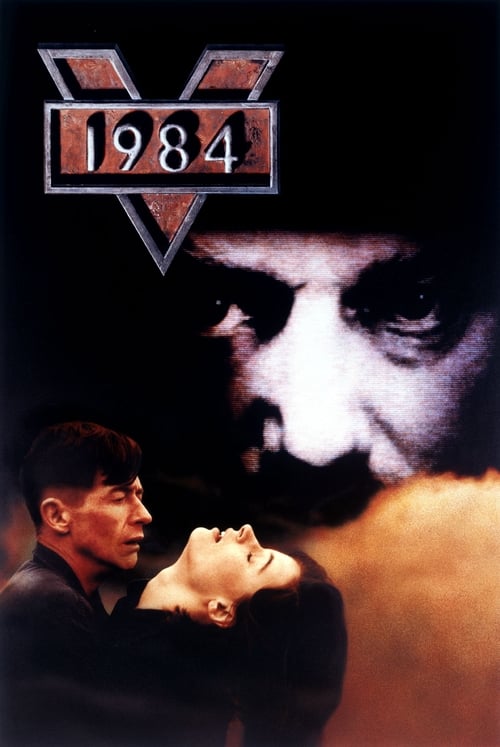
Based on the dystopic novel by P.D. James, the theme of Children of Men continues a long tradition in cinema and literature that owes its origins to the seminal influence of Fritz Lang's peerless 1926 film masterpiece Metropolis, George Orwell's novel 1984 (1948) and Aldous Huxley's brilliant novel Brave New World (1932).
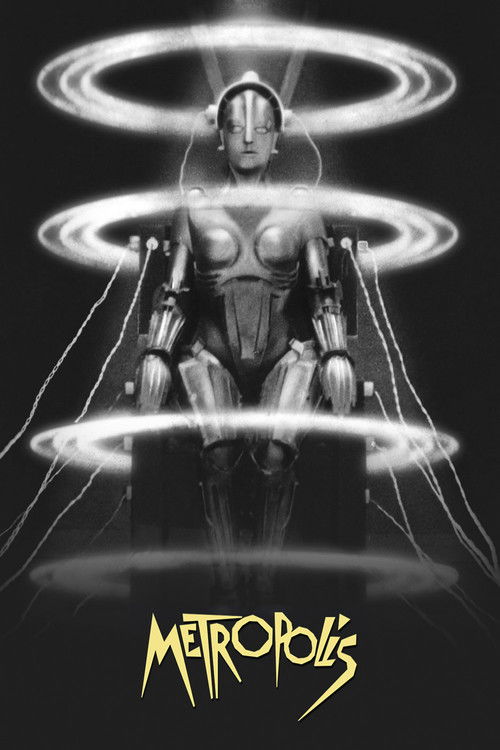
Based on the dystopic novel by P.D. James, the theme of Children of Men continues a long tradition in cinema and literature that owes its origins to the seminal influence of Fritz Lang's peerless 1926 film masterpiece Metropolis, George Orwell's novel 1984 (1948) and Aldous Huxley's brilliant novel Brave New World (1932).
Advertisement
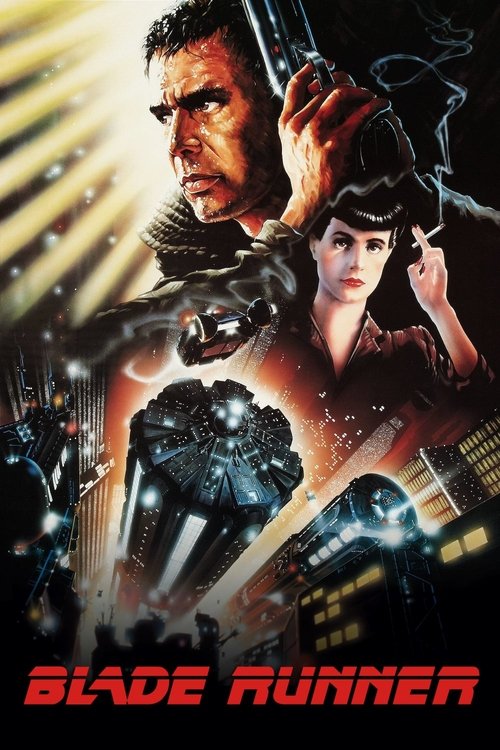
This is a special kind of futuristic sci-fi, one that is both modern (the billboards on the buses are digital video, and new technology still flourishes) and decimated (the streets look like Nazi-occupied Europe during WWII), which stands in stark contrast to the slick but dreary backdrops in movies like “Blade Runner” and “ V for Vendetta .”
Based on the best-selling novel by P.D. James, the exhilarating “Children of Men” is a spectacular work of art that stands alongside “Blade Runner” as one of the most compelling, mesmerizing and visceral sci-fi movies ever made.
It commits to its setting as thoroughly as the best sci-fi films, but feels earthbound; it lacks the imagination of masterpieces like Brazil or Blade Runner to elevate it beyond glib agitprop.
If this all sounds like "Blade Runner" by way of Margaret Atwood, think again.
It is a "Blade Runner" for the 21st century, a worthy successor to that epic of dystopian decay.
Blade Runner for—yeah, OK, you get it: dystopia du jour.

The picture opens with a Fleet Street terrorist bombing, a little like Terry Gilliam's dystopic Brazil--though rather than take the easier route of satirizing our current state of instability and free-floating paranoia, Children of Men makes a serious attempt to allegorize it.
Cuarón makes the future real in ways that, say, Terry Gilliam was too sardonic and romantic to achieve in Brazil.
The future they envision is unlike the techno-camp of Brazil or even the cyber-grunge of Bladerunner; rather, with the exception of a few sleek computer monitors scattered about, this is a world where things have been wearing out for 20 years and no one has much bothered to replace, let alone improve, them.
It commits to its setting as thoroughly as the best sci-fi films, but feels earthbound; it lacks the imagination of masterpieces like Brazil or Blade Runner to elevate it beyond glib agitprop.

There, he stages a few of the most nail-biting cinematic sequences in recent years--a roadside ambush shocking in its sudden violence, an excruciating escape in a car that won't start (echoes of Night of the Living Dead), and a long, quasi-single-shot trek (actually composed of a few shots stitched seamlessly together) through several blocks of an internment-camp war zone.
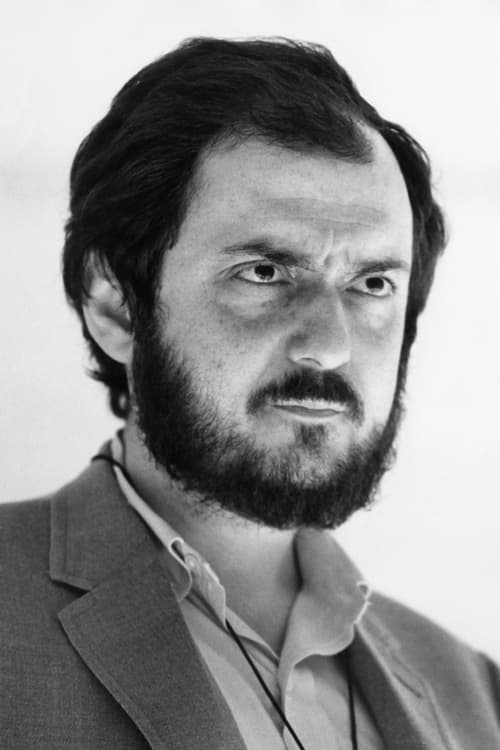

Unlike most futuristic science fiction, the future here isn’t especially futuristic (Kubrick’s A Clockwork Orange (1971) comes to mind as another example), and it’s all grounded in our own present and recent past.
Filmed almost entirely with handheld cameras and desaturated of bright color, the movie looks and feels like something that was made decades ago: a gloomy rock opera or "A Clockwork Orange."
Children of Men has fury, but not the kind that explores its images and ideas: The key scene might be Danny Huston's object d'art storage, itself an oblique gag (out of A Clockwork Orange) that exposes the film as the eclectic grab-bag it finally is.

The same goes for the film’s action scenes, in particular an extended urban combat scene that is so intense and well executed that it puts Stanley Kubrick’s Full Metal Jacket to shame.
Advertisement

In the latter, Cuarón sources Pontecorvo's The Battle of Algiers.
Si le splendide Code 46 de Michael Winterbottom dressait un portrait effrayant d’une civilisation qui a tout simplement appris à vivre avec une nouvelle réalité mise sens dessus dessous par les conséquences dramatiques des réchauffements climatiques, l’adaptation du roman de P.D. James ne donne pas un tel sursis à la race humaine, laquelle doit désormais composer avec sa propre extinction.