
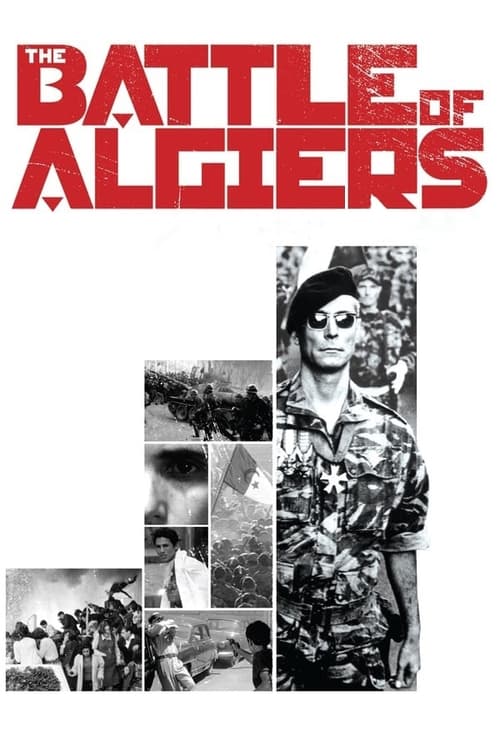
The Battle of Algiers (1966)
Directed by Gillo Pontecorvo
Former petty criminal Ali la Pointe becomes a commander of the Algerian Front de Liberation Nationale, directing a guerilla insurgency against the colonial French occupation. Paratrooper commander Colonel Phillippe Mathieu, a veteran of World War II and the First Indochina War, is sent to Algeria to reinforce efforts to squelch the uprisings.
18 connections found
View:
18 connections, in both directions
What critics compared The Battle of Algiers to
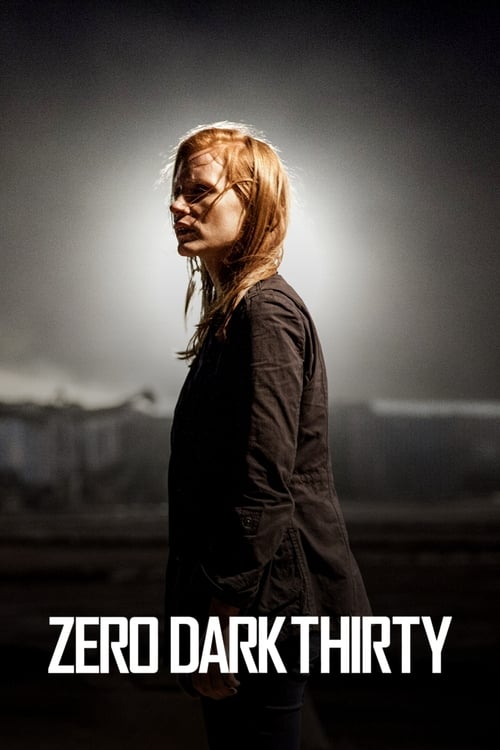


And perhaps only then and after an extended period of time will we be able to decide if Zero Dark Thirty is closer in spirit to The Battle of Algiers (La battaglia di Algeri, Gillo Pontecorvo, 1966) or Triumph of the Will (Triumph des Willens, Leni Riefenstahl, 1935).
The ambivalence and perspective and distinctive vision we get in all memorable films about war and espionage and violence, from All Quiet on the Western Front (1930) to The Battle of Algiers (1965) to Waltz with Bashir (2008), is totally absent, leaving only the procession of facts (and unmarked prevarications), from the harrowing 9/11 emergency phone-call recordings to the final dead-body shots.
In years past, great incendiary European directors like Costa-Gavras ("Z") and Gillo Pontecorvo ("The Battle of Algiers") created stirring, fiercely partisan films, and Oliver Stone ("JFK") offered polemics from Hollywood.

From constant references to Pabst and Riefenstahl to pieces of score from Dimitri Tiomkin ( The Alamo ), Ennio Morricone (multiple Italian scores, The Battle Of Algiers ) and even snatches of music lifted from more recent horror movies like The Entity and Cat People (David Bowie’s song Putting Out Fire ) to hints of every war movie ever made, Tarantino once again insists on wearing his cinephilia on his sleeve.

Solinas, co-author of The Battle of Algiers, spent several years planting Marxist messages in Sergio Leone-style macaroni; King Arthur's director Antoine Fuqua seems to have taken the man's cue.
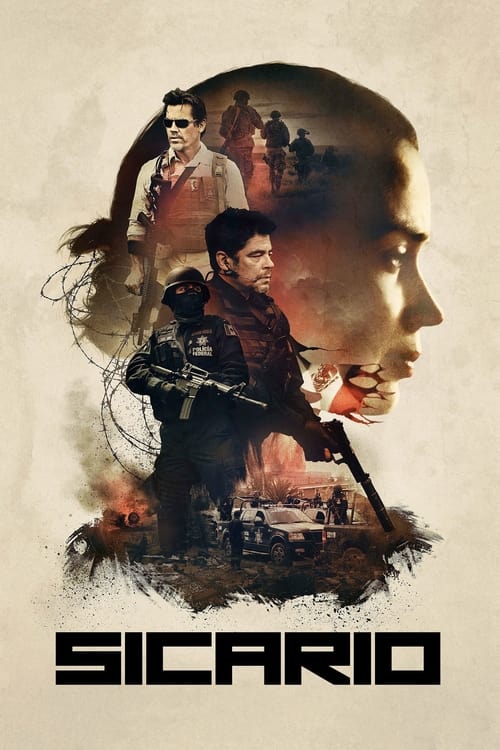
Nor is it Gillo Pontecorvo’s “The Battle of Algiers.”
Advertisement
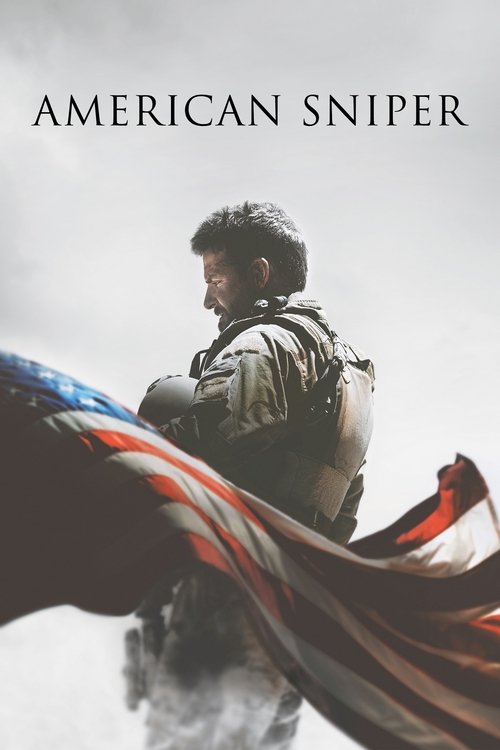
Gilo Pontecorvo’s classic 1966 resistance film “The Battle of Algiers” eloquently addresses this question with a cinema vérité-styled depiction of the French occupation of Algeria.
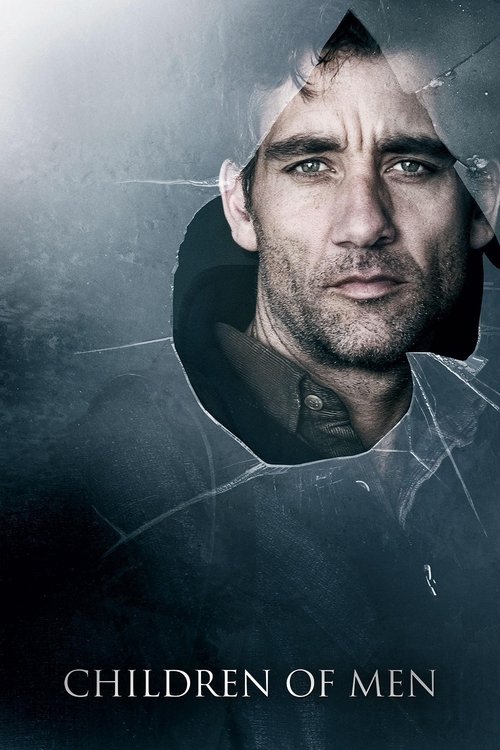
In the latter, Cuarón sources Pontecorvo's The Battle of Algiers.

The most powerful war movies—Apocalypse Now (1979), Come and See (1985), The Battle of Algiers (1966)—don’t just immerse us in chaos; they force us to confront the systems and ideologies that create it.
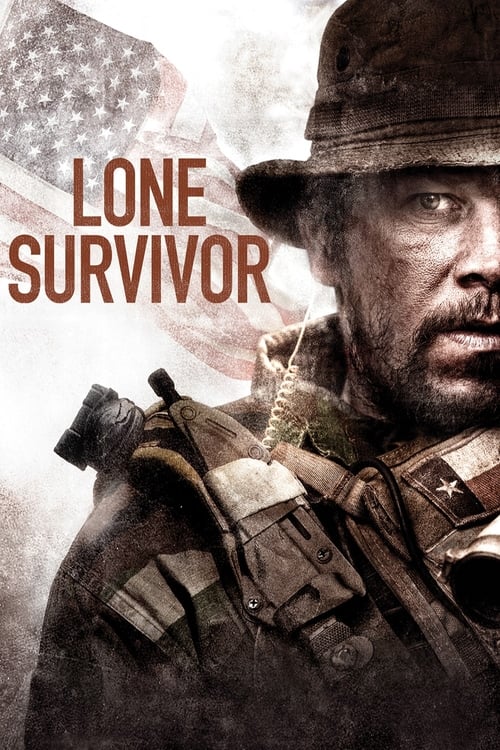
The argument has raged for years in one form or another, over hundreds of movies, from The Birth of a Nation and All Quiet on the Western Front to Sands of Iwo Jima, The Red Badge of Courage, The Burmese Harp, The Battle of Algiers, Das Boot, and The Messenger.
Advertisement
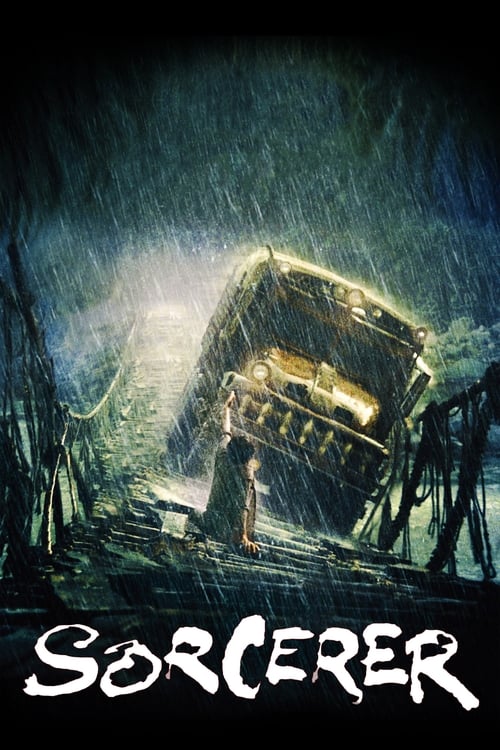
He’s clearly influenced by the European political thrillers of Costa-Gavras, but there are also elements of the verité style of Gillo Pontecorvo’s The Battle of Algiers (1966), and even bits of Alfred Hitchcock in his globetrotting mode.
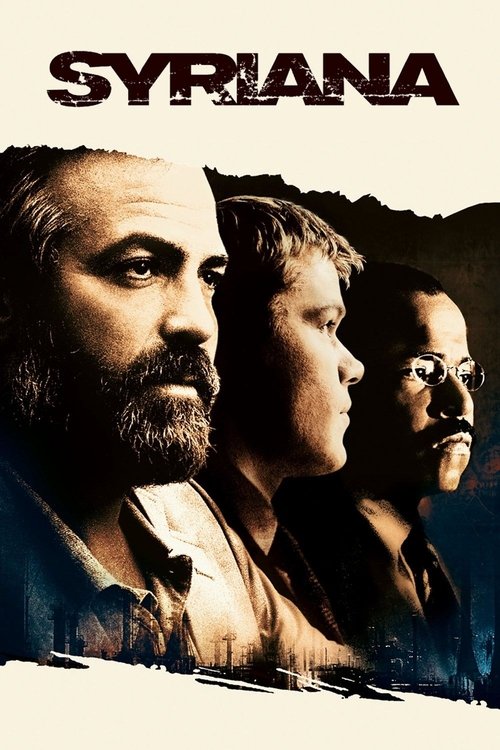
I would love for the film to have gone much further, cut deeper: watch it within days, weeks, even months of The Battle of Algiers and the thing melts to a nub.