
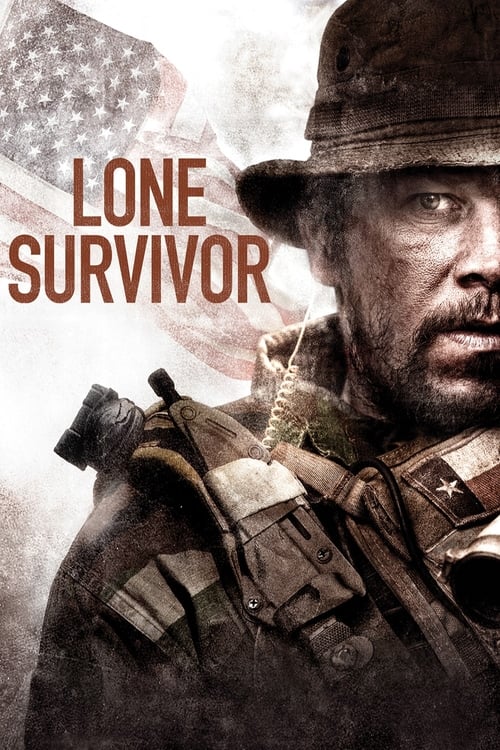
Lone Survivor (2013)
Directed by Peter Berg
Four Navy SEALs on a covert mission to neutralize a high-level Taliban operative must make an impossible moral decision in the mountains of Afghanistan that leads them into an enemy ambush. As they confront unthinkable odds, the SEALs must find reserves of strength and resilience to fight to the finish.
29 connections found
View:
29 films that influenced Lone Survivor
What critics say influenced Lone Survivor
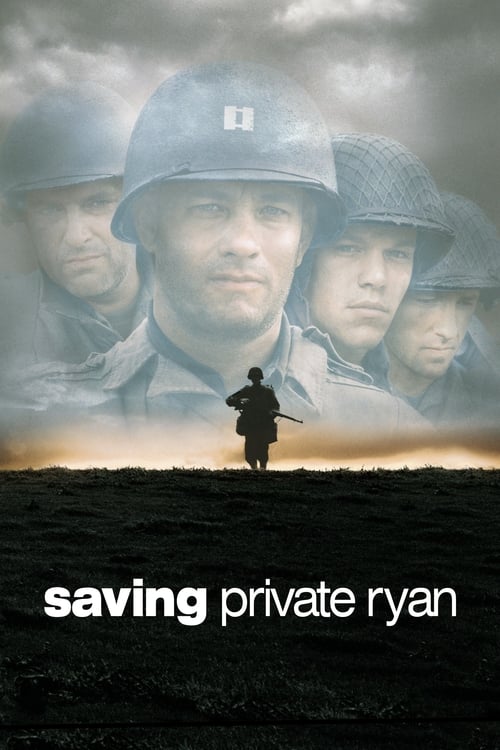


It’s important to separate the men described in his book from their depiction in movies like Lone Survivor, which is crudely written, rife with clichés, and leaves out anything that would transform a piece of propaganda into a work of art akin to Samuel Fuller’s The Steel Helmet, Brian DePalma’s Casualties of War, or Steven Spielberg’s Saving Private Ryan.
The first act is less successful; it appears the film’s primary inspiration, in both the battle and off-battle parts, is “Saving Private Ryan.”
“I am the reaper,” whispers Foster’s stoic marksman, as if aiming to unseat Barry Pepper’s character in Saving Private Ryan for the title of Coolest Sniper.
Writer-director Peter Berg’s battle-heated “Lone Survivor” follows the searing D-Day beach landings of Steven Spielberg’s “Saving Private Ryan,” the edge-of-destruction bomb-defusing in Kathryn Bigelow’s “Hurt Locker” and intense dramatization of the hunt for Osama bin Laden in “Zero Dark Thirty,” another war film directed by Bigelow.
With “Saving Private Ryan,” director Steven Spielberg allowed us a good time to know every soldier.
Even Wahlberg, normally not regarded as an actor of substance, brings a gritty everyman credibility that is crucial once the battle, the most vivid and visceral since "Saving Private Ryan," is joined.
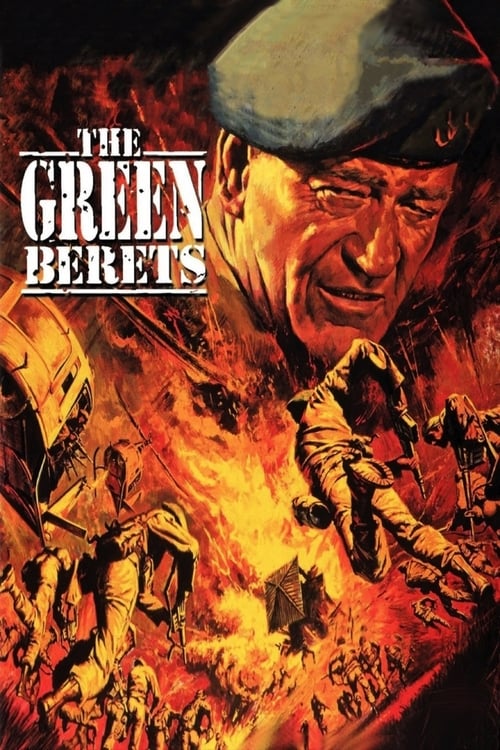
A few scenes, a few sentiments and the tone seem inspired by the John Wayne flag-waver “The Green Berets,” an another war film about another battle in another war (Vietnam), but also one where victory is spun out of something that looked nothing like victory at the time.
The troubling thing about criticism like this is not the identification of films that actually do glorify what they represent (e.g., The Green Berets ), but that it misidentifies those that don't ( Lone Survivor ).
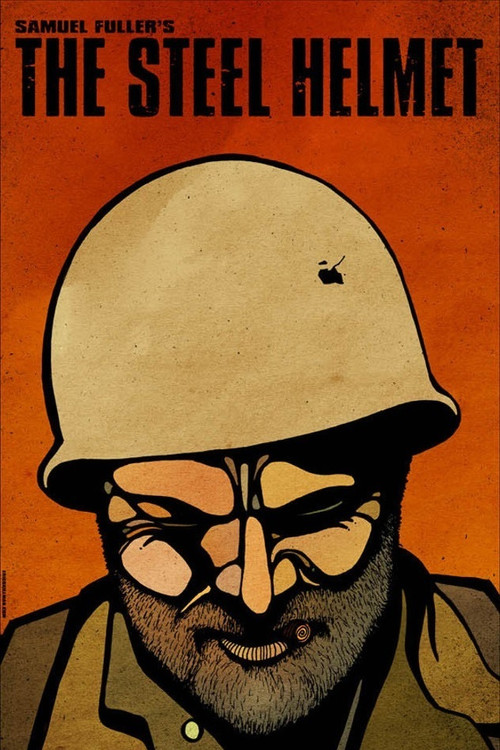
It’s important to separate the men described in his book from their depiction in movies like Lone Survivor, which is crudely written, rife with clichés, and leaves out anything that would transform a piece of propaganda into a work of art akin to Samuel Fuller’s The Steel Helmet, Brian DePalma’s Casualties of War, or Steven Spielberg’s Saving Private Ryan.

Was Berg channeling Sam Peckinpah's seminal western "The Wild Bunch"?
Advertisement

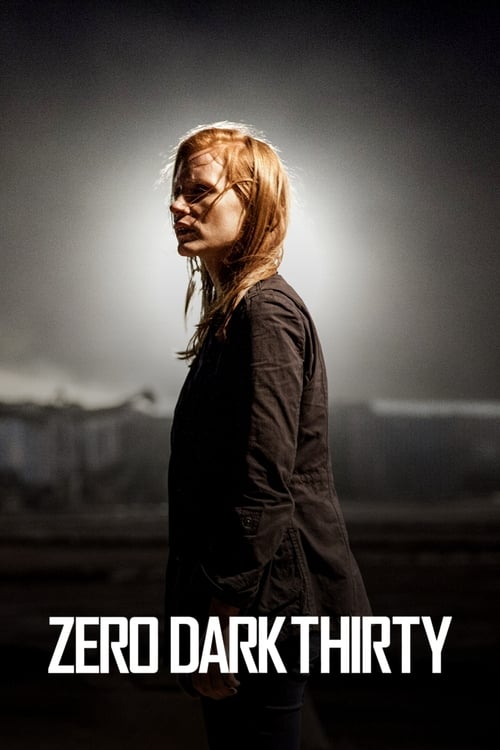
(The mission's detail also pales compared to the masterful storytelling of "Zero Dark Thirty.")
Unlike Kathryn Bigelow’s Zero Dark Thirty , Berg’s film doesn’t dare ask its audience to weigh the same moral considerations that trouble its characters, and that closing montage, in all its tear-stained, echoing-rock-guitar ludicrousness, is there to give us an emotional escape route.
One of the problems with a movie like this is that there is a general lack of women–none, in fact–which does keep it truthful to that world of Navy SEALs, but when you compare a movie like this to something like last year’s “Zero Dark Thirty,” it feels like the whole is more like that film’s macho climax rather than being more even and balanced.
The impact of this effort is considerable, which is not to say we don’t need more nuanced and inquisitive films about Afghanistan such as “Restrepo,” Sebastian Junger and Tim Hetherington’s 2010 documentary about Army troops in that country, or “Zero Dark Thirty,” Kathryn Bigelow’s study in moral ambiguity in the hunt for Osama bin Laden.
Writer-director Peter Berg’s battle-heated “Lone Survivor” follows the searing D-Day beach landings of Steven Spielberg’s “Saving Private Ryan,” the edge-of-destruction bomb-defusing in Kathryn Bigelow’s “Hurt Locker” and intense dramatization of the hunt for Osama bin Laden in “Zero Dark Thirty,” another war film directed by Bigelow.
This isn't a complex movie like 2012's excellent Zero Dark Thirty; instead, it's a straightforward look at four Navy SEALs and their efforts to stay alive during an ill-fated reconnaissance mission to Afghanistan in 2005.
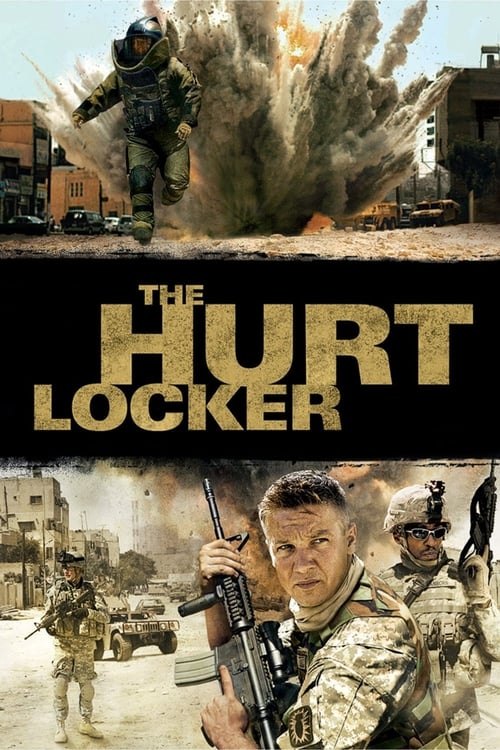
Should you go? It’s not as imaginative as “The Hurt Locker” or as poetic as “Platoon,” but it convincingly depicts the heroism of its SEAL characters.
Even a Best Film Oscar couldn’t convince American audiences to watch The Hurt Locker, with its complicated view of American courage.
…inquisitiveness of The Hurt Locker .
Great movies have been made about Iraq (“The Hurt Locker”) and the hunt for Bin Laden (“Zero Dark Thirty”)- both from the same writer and director- although this genre has never really cohered into a whole.

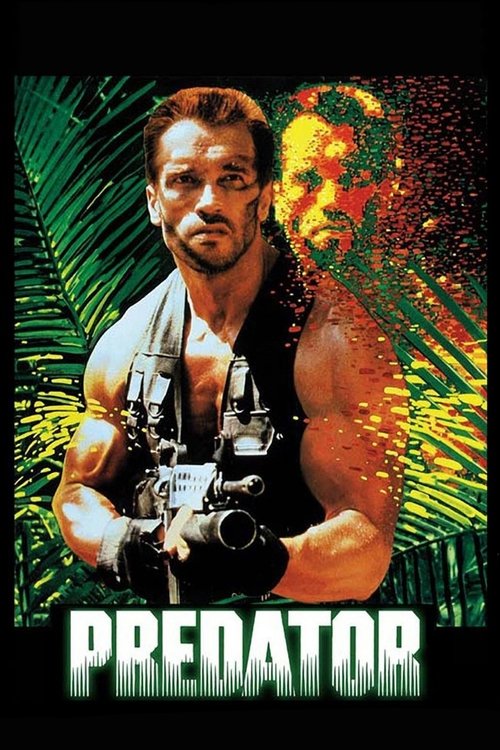
This slow transition from routine reconnaissance to insane firefight reminded me of a forest battle in John McTiernan's unlikely combat classic, " Predator ".
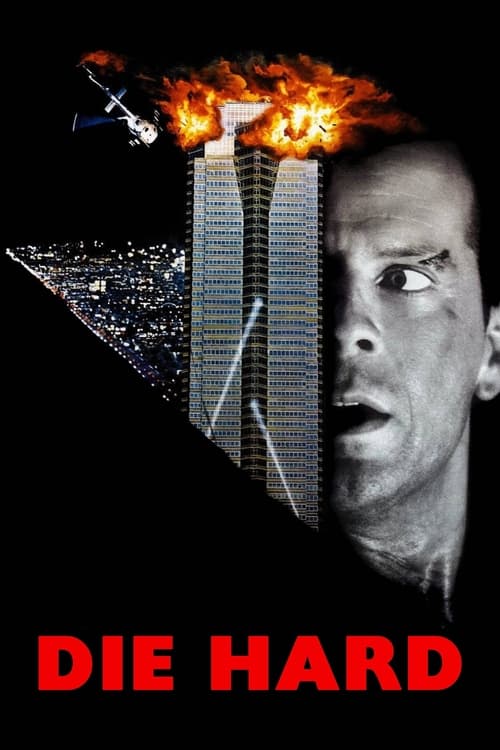
Heck, Die Hard’s John McClane was a more fully sketched character than any of these real-life action heroes.
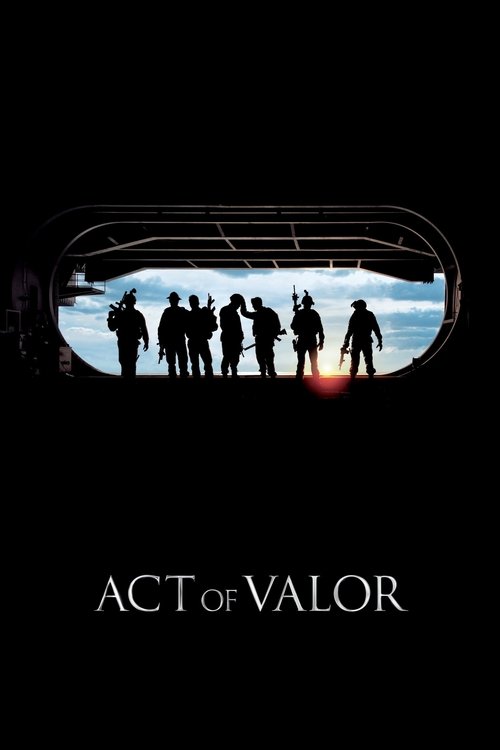
Unlike the similar but ridiculously cartoonish Act of Valor, Lone Survivor's reverence for Navy SEALs seems sincere, beginning with documentary-style montage of the extreme conditions each goes through from boot camp on, a stark reminder that they are meant to be the elite.
The resulting film is somewhere between docudrama and infomercial, not unlike the fictional, all-SEALs-cast action-thriller Act of Valor.
“Lone Survivor” more easily avoids charges of propaganda that befell 2012’s unfairly maligned “Act of Valor” (an engrossing, if flawed, actual SEAL-starring spin on a traditional procedural).
In 2012, Act of Valor, in an act that could be the most expensive and exclusively sourced military recruitment video to date, used real, active-duty American special forces personnel in service of a jingoistic narrative that peddled tidy, action-oriented conflict resolution.
That makes it superior to “Act of Valor,” the risible picture (“based on real acts of valor,” said its posters) in which soldiers were portrayed as personality-free saints.
Among Zero Dark Thirty, Act of Valor, and The Road to Fallujah, comes Lone Survivor.
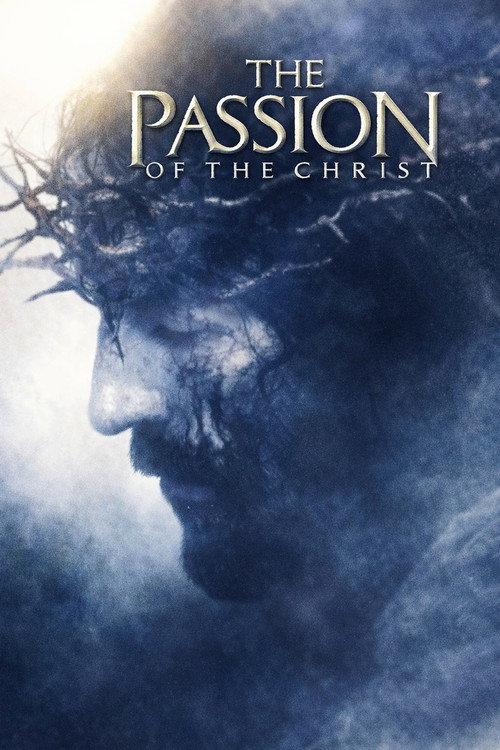
He shoots their every wound - and they suffer dozens, because while it takes one or two bullets to kill an Afghani it takes ten just to slow an American down - with a loving attention that calls to mind Mel Gibson’s The Passion of the Christ .
It’s “The Passion of the Christ” for military enthusiasts — an epic of pain and suffering, meant to bludgeon civilians into a guilt trip.
It's "The Passion of the Christ" missing the self-sacrificial will.
Like the brutal 12 Years a Slave and The Passion of the Christ, Lone Survivor makes us question just how much realism we need or want.
What's in between amounts to " The Passion of the Christ " for U.S. servicemen: a bloody historic episode recounted mainly in images of hardy young men being ripped apart, at screeching volume.
Advertisement
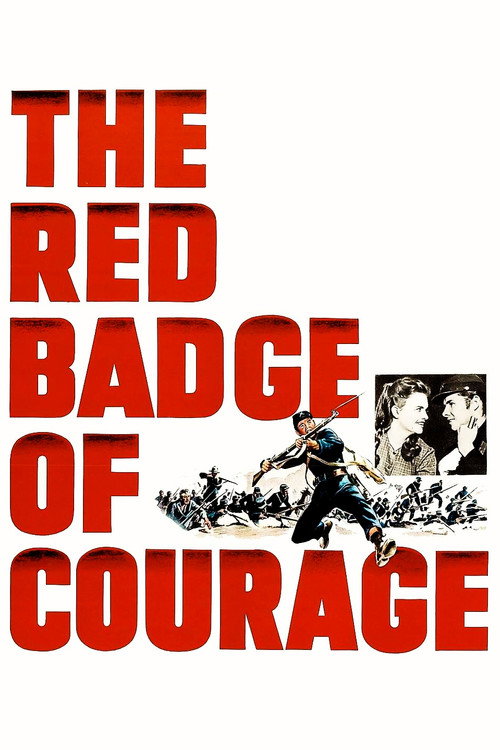
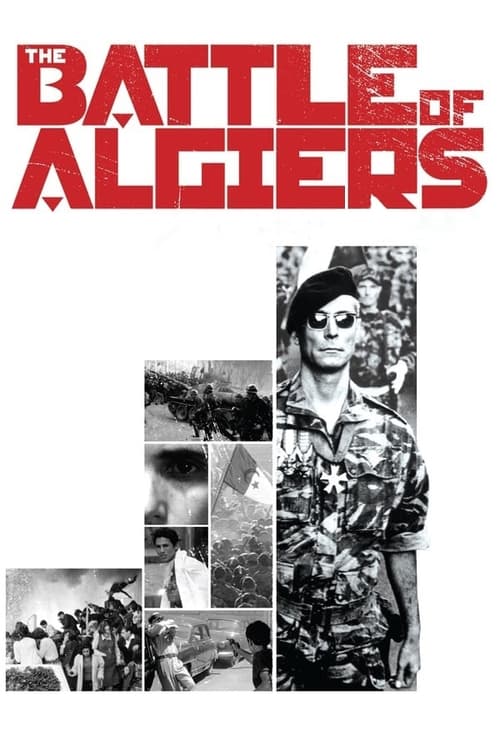
The argument has raged for years in one form or another, over hundreds of movies, from The Birth of a Nation and All Quiet on the Western Front to Sands of Iwo Jima, The Red Badge of Courage, The Burmese Harp, The Battle of Algiers, Das Boot, and The Messenger.
The argument has raged for years in one form or another, over hundreds of movies, from The Birth of a Nation and All Quiet on the Western Front to Sands of Iwo Jima, The Red Badge of Courage, The Burmese Harp, The Battle of Algiers, Das Boot, and The Messenger.