

King Arthur (2004)
Directed by Antoine Fuqua
The story of the Arthurian legend, based on the 'Sarmatian hypothesis' which contends that the legend has a historical nucleus in the Sarmatian heavy cavalry troops stationed in Britain, and that the Roman-British military commander, Lucius Artorius Castus is the historical person behind the legend.
53 connections found
View:
53 films that influenced King Arthur
What critics say influenced King Arthur
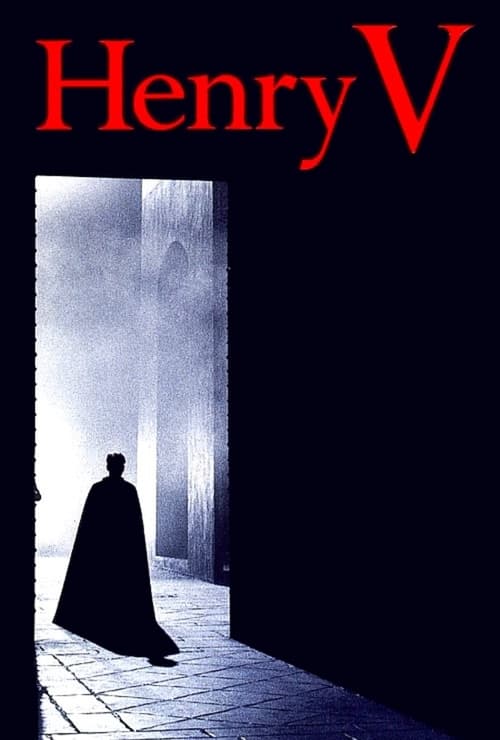


Antoine Fuqua can be accused of derivative filmmaking with his adventure tome that gives more than a passing nod to such films a Mel Gibson’s “Braveheart” and Kenneth Branagh’s “Henry V.” The blue-stained skin of the Woad warriors and Arthur’s St. Crispin’s Day-style speech are lifted from those previous epic stories, although, historically, Fuqua and company may be more accurate in their depictions of the time.
JILL: It's the Henry V speech.
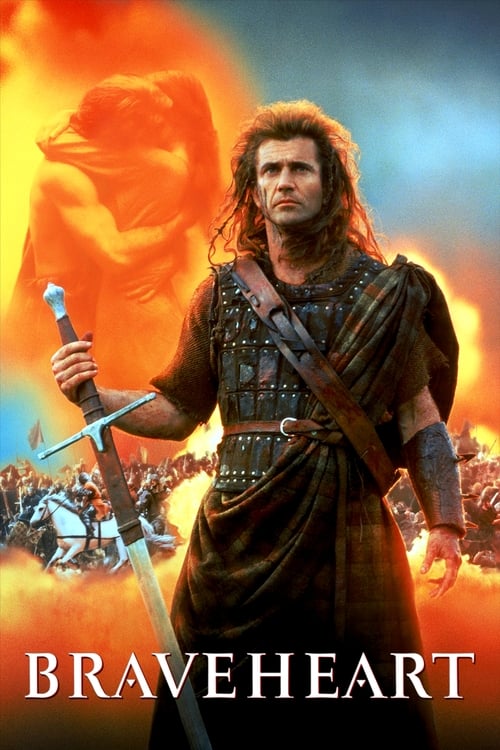
It's new to the King Arthur legend, but it's likely to remind viewers of "Braveheart" -- except without the emotion.
In the first few scenes of the film, we see the Romans collecting the Sarmatian knights to serve the empire for 15 years and the audience is convinced they're about to see a Braveheart clone.
There were two problems confronting Fuqua: how does one rip off Braveheart and come out the other side with a PG-13 rating, and, harder, how does one give the Arthur legend a happy ending?
Closer in spirit to "Braveheart" than to the gauzily romantic "Camelot," the movie offers an unusual, generally compelling examination of Arthur's origins, set against a harsh backdrop of Roman-controlled Britain in the fifth century.
Antoine Fuqua can be accused of derivative filmmaking with his adventure tome that gives more than a passing nod to such films a Mel Gibson’s “Braveheart” and Kenneth Branagh’s “Henry V.” The blue-stained skin of the Woad warriors and Arthur’s St. Crispin’s Day-style speech are lifted from those previous epic stories, although, historically, Fuqua and company may be more accurate in their depictions of the time.
At the heart of this retelling is Arthur's evolution from an idealistic dreamer to practical hero bent on forging a new land that champions freedom above all else, but director Antoine Fuqua's unremarkably competent direction and Hans Zimmer's predictably soaring score never elevate the material above second-rate Braveheart schlock with an already established fairy-tale pedigree.
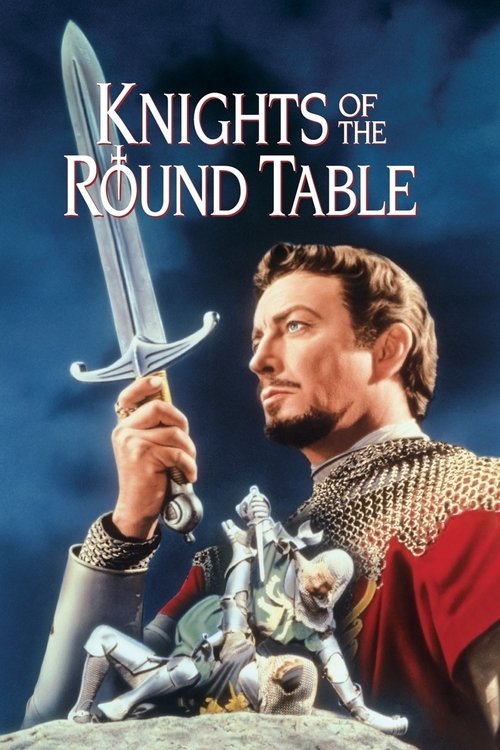
I grew up on movies about King Arthur, Guinevere, Lancelot and the rest off the knights from the 1953 film “Knights of the Round Table,” “Prince Valiant,” “A Connecticut Yankee in King Arthur’s Court,” and “Camelot” to John Borman’s 1981 sword and sorcery fest, “Excalibur.”
The closest Hollywood ever got to an Arthurian classic, which is not very, was Richard Thorpe’s 1953 Knights of the Round Table , a rather stolid but watchable affair starring Robert Taylor, Ava Gardner, and Mel Ferrer.
So much for all those legends we learned from Thomas Malory's immortal Le Morte d'Arthur (1470) and the less immortal "Knights of the Round Table" (1953).
If you're looking for something closer to the Arthur legends, or if you just want to see some old-fashioned knights in shining armor rescuing fair damsels in distress, you might consider John Boorman's excellent "Excalibur" (1981), the best of the lot; or "Ivanhoe" (1952), "Knights of the Round Table" (1953), "Prince Valiant" (1954), "The Black Knight" (1954), "Sword of Lancelot" (1963), "Lancelot du Lac" (1974), "Sword of the Valiant" (1982), "First Knight" (1995), "Dragonheart" (1996), the musical "Camelot" (1967), or even the zany "Monty Python and the Holy Grail" (1975).

If you're looking for something closer to the Arthur legends, or if you just want to see some old-fashioned knights in shining armor rescuing fair damsels in distress, you might consider John Boorman's excellent "Excalibur" (1981), the best of the lot; or "Ivanhoe" (1952), "Knights of the Round Table" (1953), "Prince Valiant" (1954), "The Black Knight" (1954), "Sword of Lancelot" (1963), "Lancelot du Lac" (1974), "Sword of the Valiant" (1982), "First Knight" (1995), "Dragonheart" (1996), the musical "Camelot" (1967), or even the zany "Monty Python and the Holy Grail" (1975).
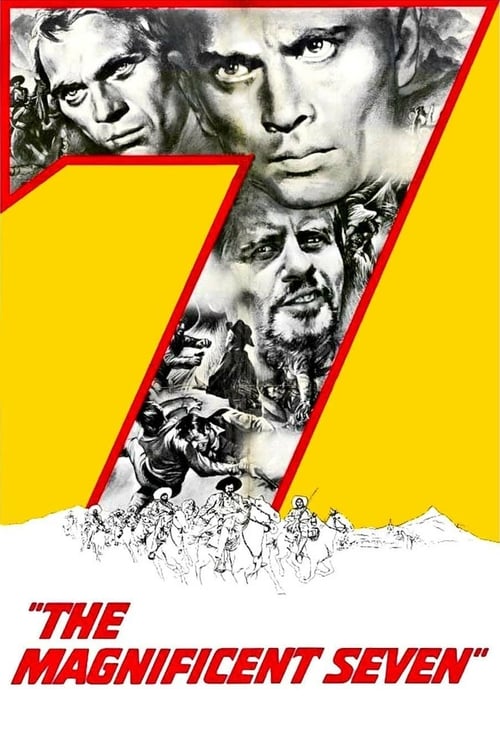
Comparison, too, can be made to both “Seven Samurai” and “The Magnificent Seven” as each of Arthur’s followers has some special skill that they bring to the equation and to the fight.
The Magnificent Seven is a Kurosawa knockoff, but an entertaining and memorable one.
It's sporadically rousing and the script (by David Franzoni, who wrote "Gladiator") is occasionally clever, but it's not well directed, the casting creates few sparks and it comes off as an uninspired remake of "The Magnificent Seven" in medieval dress.
Advertisement
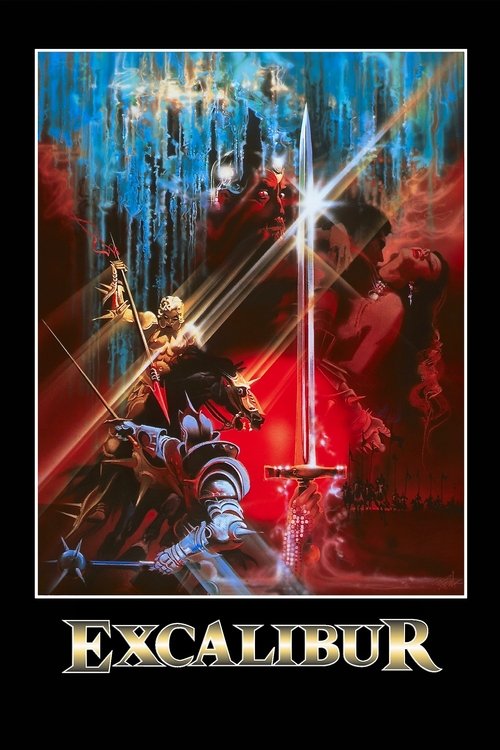
The King Arthur legend has been adapted many times into many movies, though usually they focus on certain facets of the unwieldy tale.
Taking place centuries earlier than the usual Arthurian movies do (King Arthur is set in the infancy of the Medieval era while most people's benchmark, Excalibur, takes place at the height of the Age of Chivalry), this one focuses more on war and politics.
Although the characters sometimes seem a bit remote and aloof -- nearly everyone has his or her own personal turmoil to handle or political agenda to advance -- and the storytelling drags in the first hour, "King Arthur" makes an intriguing companion piece to some of the other screen interpretations of the legend, such as director John Boorman's opulent "Excalibur," which portrayed Camelot as a place ripe with sorcery and eroticism, and the underrated "First Knight," another revisionist take on the story, which starred Julia Ormond as a feisty Guinevere torn between Sean Connery's Arthur and Richard Gere's Lancelot.
I grew up on movies about King Arthur, Guinevere, Lancelot and the rest off the knights from the 1953 film “Knights of the Round Table,” “Prince Valiant,” “A Connecticut Yankee in King Arthur’s Court,” and “Camelot” to John Borman’s 1981 sword and sorcery fest, “Excalibur.”
And another problem is that John Boorman's Excalibur is, for me, the quintessential Arthurian movie.
The tradition was perpetuated in the 20th century by T.H. White (The Once and Future King), Mary Stewart (The Crystal Cave and its several sequels), Marion Zimmer Bradley (The Mists of Avalon), and, of course, by countless cinematic adaptations, including Robert Bresson's Lancelot du lac, John Boorman's Excalibur, Jerry Zucker's First Knight, and Monty Python and the Holy Grail.
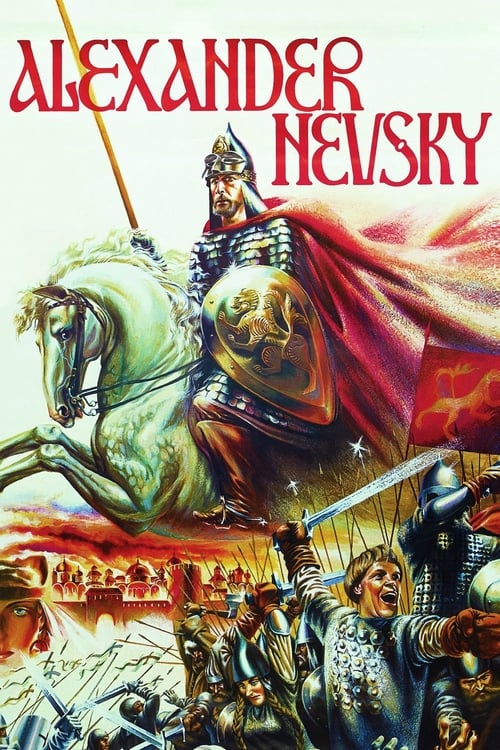
One recalls the famous Battle on the Ice of Sergei Eisenstein's "Alexander Nevsky" as the knights -- plus Guinevere, a gifted archer -- face a mass of Teutons charging across a frozen river.
The first big fracas attempts to duplicate the "Battle on the Ice" from Sergei Eisenstein's Alexander Nevsky something Ken Russell played with back in the late '60s in the third Harry Palmer spy film, Billion Dollar Brain.
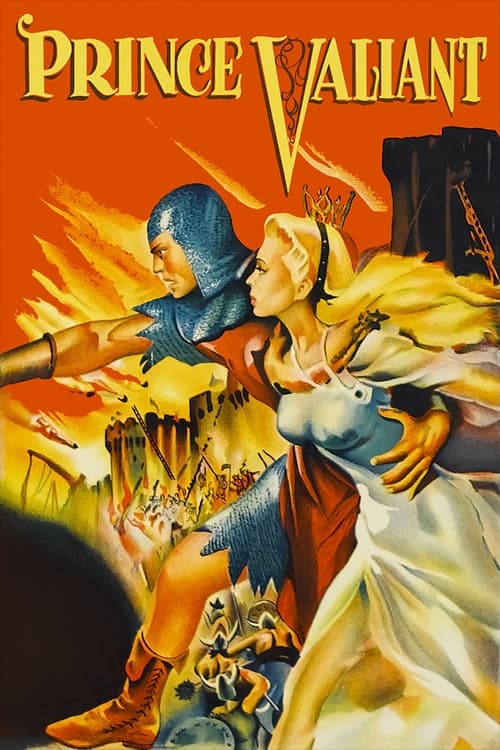
I grew up on movies about King Arthur, Guinevere, Lancelot and the rest off the knights from the 1953 film “Knights of the Round Table,” “Prince Valiant,” “A Connecticut Yankee in King Arthur’s Court,” and “Camelot” to John Borman’s 1981 sword and sorcery fest, “Excalibur.”
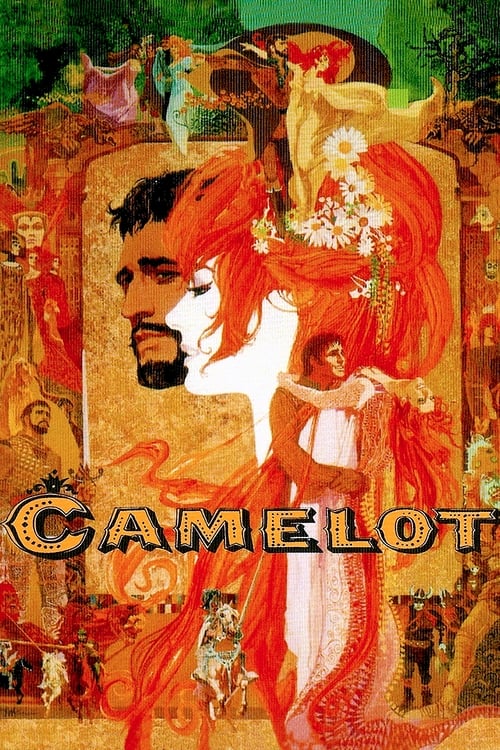
Those who may remember the chaste renditions of Guinevere delivered by Julie Andrews on Broadway and Vanessa Redgrave in the screen adaptation of Camelot, will be shocked by this edition.
If you're looking for something closer to the Arthur legends, or if you just want to see some old-fashioned knights in shining armor rescuing fair damsels in distress, you might consider John Boorman's excellent "Excalibur" (1981), the best of the lot; or "Ivanhoe" (1952), "Knights of the Round Table" (1953), "Prince Valiant" (1954), "The Black Knight" (1954), "Sword of Lancelot" (1963), "Lancelot du Lac" (1974), "Sword of the Valiant" (1982), "First Knight" (1995), "Dragonheart" (1996), the musical "Camelot" (1967), or even the zany "Monty Python and the Holy Grail" (1975).
Advertisement
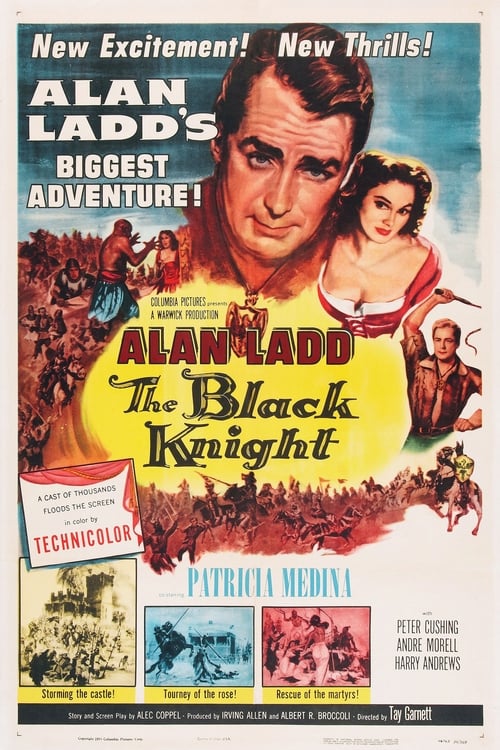
If you're looking for something closer to the Arthur legends, or if you just want to see some old-fashioned knights in shining armor rescuing fair damsels in distress, you might consider John Boorman's excellent "Excalibur" (1981), the best of the lot; or "Ivanhoe" (1952), "Knights of the Round Table" (1953), "Prince Valiant" (1954), "The Black Knight" (1954), "Sword of Lancelot" (1963), "Lancelot du Lac" (1974), "Sword of the Valiant" (1982), "First Knight" (1995), "Dragonheart" (1996), the musical "Camelot" (1967), or even the zany "Monty Python and the Holy Grail" (1975).
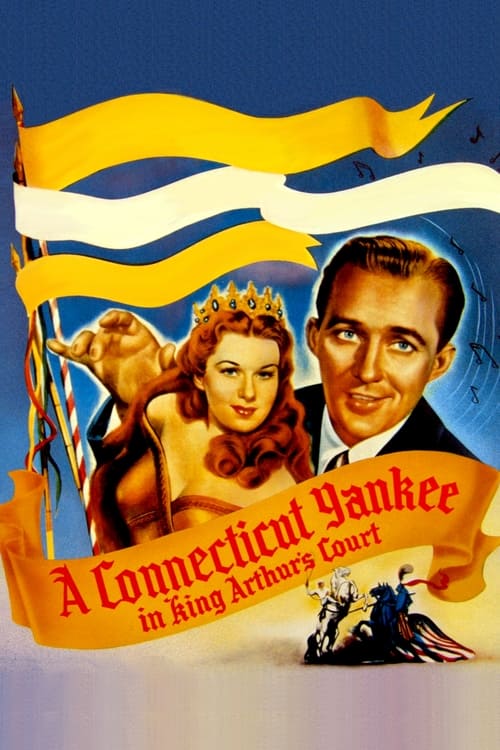
King Arthur and his band of legendary knights have fascinated storytellers as diverse as Mark Twain ("A Connecticut Yankee in King Arthur's Court") to Looney Tunes ("Bugs Bunny in King Arthur's Court").

There's the 1960 Broadway musical, Camelot, which lent its name to the 1,000 days of John F. Kennedy's presidency, and even a brilliant parody in Monty Python and the Holy Grail (1975).
JILL: It demystifies the Arthurian legend more than any film since Monty Python and the Holy Grail, because this king does in fact have shit all over him.
The tradition was perpetuated in the 20th century by T.H. White (The Once and Future King), Mary Stewart (The Crystal Cave and its several sequels), Marion Zimmer Bradley (The Mists of Avalon), and, of course, by countless cinematic adaptations, including Robert Bresson's Lancelot du lac, John Boorman's Excalibur, Jerry Zucker's First Knight, and Monty Python and the Holy Grail.
So Arthur and his Knights of the Round Table – Lancelot (Ioan Gruffud), Bors (Ray Winstone), Tristan (Mads Mikkelsen) and the rest – embark on their mission as audiences struggle to forget the coconut shell clip-clop noises from Monty Python and the Holy Grail.
Even the comic telling in Monty Python and the Holy Grail is better than this.