

Alfonso Cuarón
267 connections found

View:
Connections, in both directions
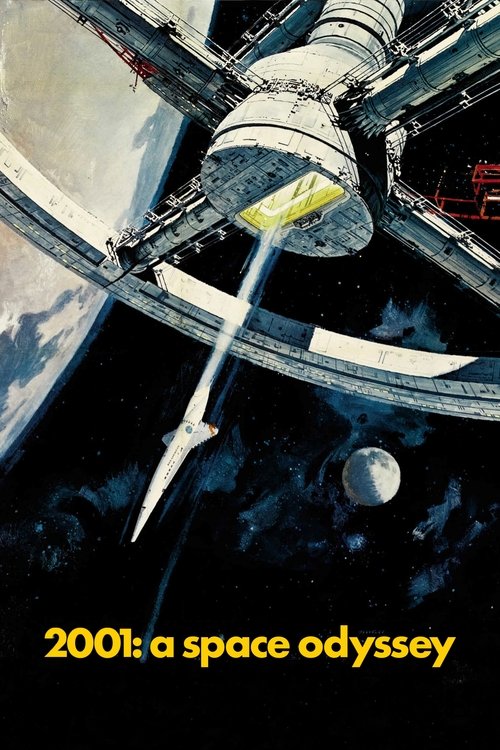


It's had inevitable comparisons to Kubrick's 2001: A Space Odyssey.
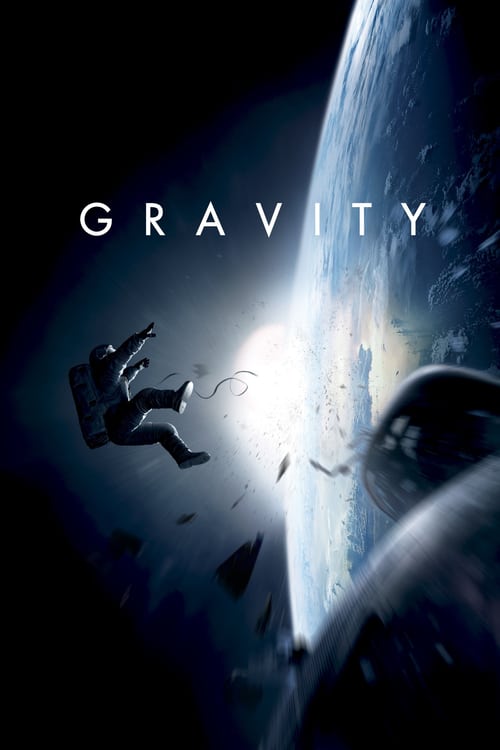
Every scene aspires to be the “open the pod bay door, HAL” sequence in 2001: A Space Odyssey, as the scientists struggle to stay tethered to each other and to board what remains of their vessels.
Until now space on film, with the exception of 2001: A Space Odyssey, has seemed strangely grounded but here, thanks to the craft employed in capturing its physical reality, it becomes a character in its own right.
This enthralling tale of survival in space will open up young audiences' eyes to the excitement of out-of-this-world exploration – and make older audiences remember the wonder they felt at "2001: A Space Odyssey."
The greatest artistic debt, of course, is owed to Stanley Kubrick's "2001: A Space Odyssey," which dared to use silence, serenity and space—screen space as well as space space—as never before.
All too many extraterrestrial spectacles, from 2001: A Space Odyssey downward, have sought to explain the mysteries of "up there" using spiritual metaphors.
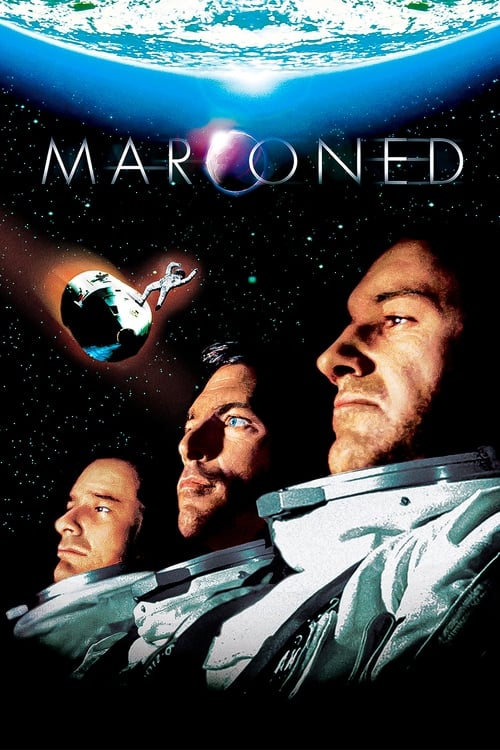
There they see John Sturges' Marooned (1969).
In later scenes in which Cuaron suggests a possible inspiration for “Gravity,” the family goes to see John Sturges’ sci-fi thriller “Marooned” (1969) at the local movie theater.
When the family packs itself off to a neighborhood moviehouse, the feature playing is “Marooned” (1969), a film whose plot is remarkably similar to that of Cuarón’s previous release, the Oscar-winning “Gravity.”
In the middle of Roma, we see some boys (including Pepe, a character who seems to be a version of young Cuarón himself) convince their grandmother to let them see Marooned, the 1969 lost-in-space sci-fi flick starring Gregory Peck and Gene Hackman.
Plunging into the Meta level, we recognize allusions to Cuarón’s 2013 film, Gravity , as Cleo and the children watch the 1969 sci-fi blockbuster, Marooned.
There’s even a nod to Gravity in the family’s visit to the cinema to see John Sturges’ Marooned.
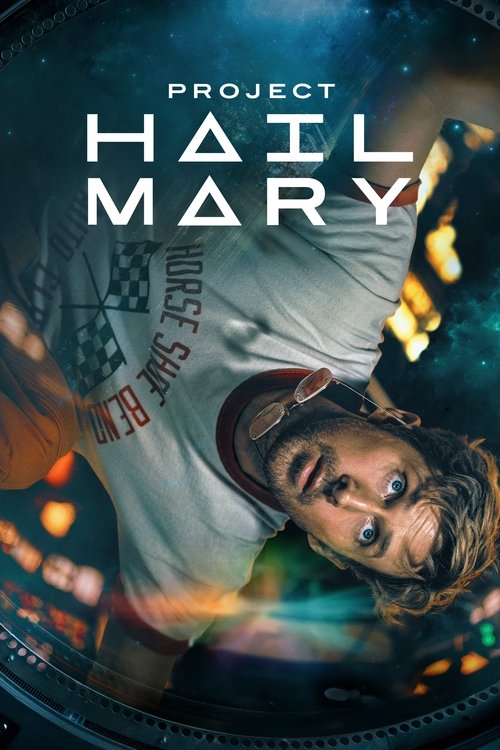
…with one major set-piece in particular bringing to mind Alfonso Cuarón’s Gravity…
The only recent space-themed movie that rivals this production quality is Gravity, Alfonso Cuarón’s Oscar-winning sci-fi drama.
…wire-assisted free-fall as with Gravity…
Gosling isn’t called to be a one-man show on the level of Sandra Bullock in her 2014 Best Actress nominated performance in Gravity…
Throw in some 2001: A Space Odyssey, Interstellar, Silent Running, a bit of Ad Astra, the heart of E.T. the Extra Terrestrial, the language of Close Encounters of the Third Kind and the isolation of Gravity to mention a few predecessors.
In many ways, Project Hail Mary feels like the spiritual successor to films such as Gravity and The Martian, both of which received significant recognition from the Academy.

Night Raiders (2021)
Directed by Danis Goulet
influenced by Children of Men (2006)
Visuals Themes Characters
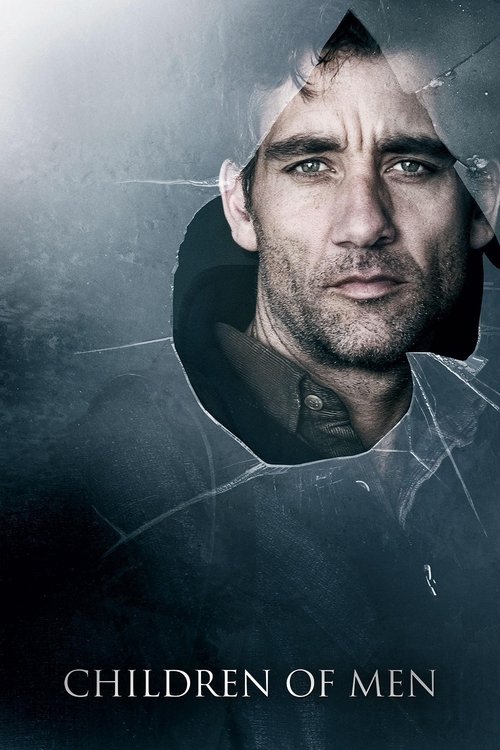
The cloudy-cold vistas here recall the world of Alfonso Cuarón’s 2006 thriller Children of Men , likewise a dystopian nightmare of adults brought to ruin by the large-scale absence of children.
This is less a sci-fi adventure than a grim speculative drama a la Children of Men or The Road , one with an eventual messianic-twist leap very much bound up in Native spirituality.
Design choices make the most of Night Raiders’ relatively limited budget, presenting a clever retro-futurist mashup: digital billboarding is spied on top of dilapidated brick facades, crumbling buildings and dust-covered towns (presumably collateral of the junta-won war) contrast with the military’s pristine outfitting, and the whole thing is shot in washed-out, fatalistic grays in the vein of the aforementioned Children of Men.
It's a fictional future, yet in a similar vein to the likes of Children of Men , its power lies in its familiarity.
Niska’s skepticism about participating in (much less leading) an act of resistance against an oppressive regime that commodifies or abuses the young and vulnerable would seem to align Goulet’s protagonist with the many reluctant saviours of dystopian cinema, from the Mad Maxes of The Road Warrior (1981), Beyond Thunderdome (1985), and Fury Road (2015) to Clive Owen in Children of Men (2006) and Hugh Jackman’s Wolverine in Logan (2017).
And the design similarities to other films – Children of Men was mentioned often at the Toronto festival, where the film had its Canadian premiere – is almost distracting.
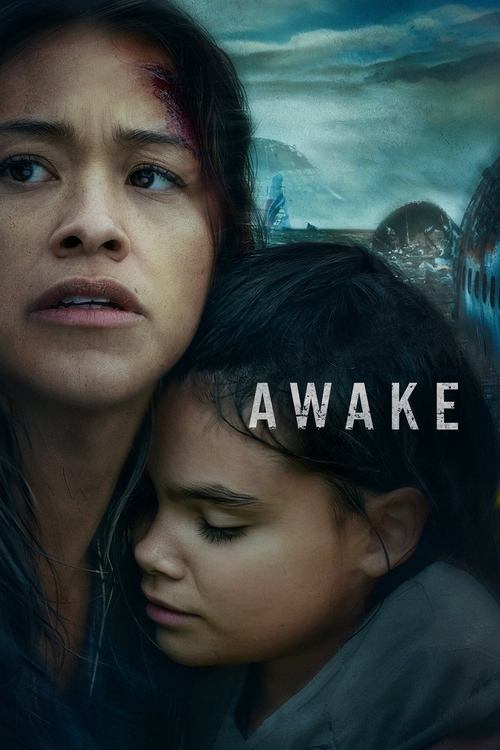
Raso and cinematographer Alan Poon only stretch once or twice as filmmakers, but one of the highlights — a single-shot car attack witnessed from within — is a well-crafted nod to another post-apocalyptic tale, 2006’s Children of Men .
I’d compare unfavorably it to Children of Men.
What Movies Will It Remind You Of?: As in Blindness , set in a world where everyone suddenly goes blind, and as in Children of Men , set in a world where everyone is sterile, Awake , set in a world where everyone is an insomniac, there is always one person, or a select few, immune to the affliction.
There’s Netflix’s own hit “Bird Box,” of course, as well as several tense extended single-shot sequences — one trapped inside a car with Jill and her family, another observing her creep around a garage — clearly inspired by “Children of Men.”
Taking a page from Alfonso Cuarón’s Children of Men , the film has a pair of gripping, long-take action sequences (a couple of which are even set in cars) and others filled with a quieter sort of tension where characters try to sneak around avoiding the notice of others.
For instance, there’s some nifty camerawork that’s clearly riffing off a famous scene in Children of Men , but this film is not on par with that science-fiction story.
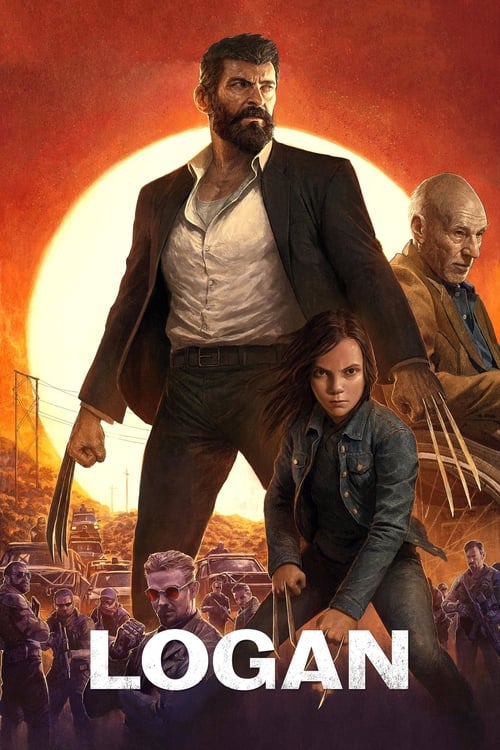
Hence, like Children of Men, she is the future they must protect.
The “tired man travels cross-country with an endangered child” plot mimics both Children Of Men (with all the despair, though without the bravura no-cut combats) and Midnight Special (with all the spooky-kid action, though without the Spielbergian wonder).
The year is 2029 and, in a set-up reminiscent of Children of Men, people have stopped giving birth to mutants.
In a motel room, Laura catches George Stevens’ Shane on TV, and while the reference feels appropriate — Logan probably owes more to Westerns than to superhero flicks, with a bit of Firestarter, Children of Men and Terminator 2 also thrown in — we may be struck by how little our nihilistic lead behaves like Alan Ladd’s romantic, all-American drifter in that 1953 classic.
The comparisons to “ Children of Men ” and classic Westerns may lead one to believe that this is overwritten and overly intellectual.
Logan, which features a pack of brave mutant kids forced to live entirely on their own, also brings up memories of Children of the Damned and Children of Men, although it’s not as good or resonant as either.
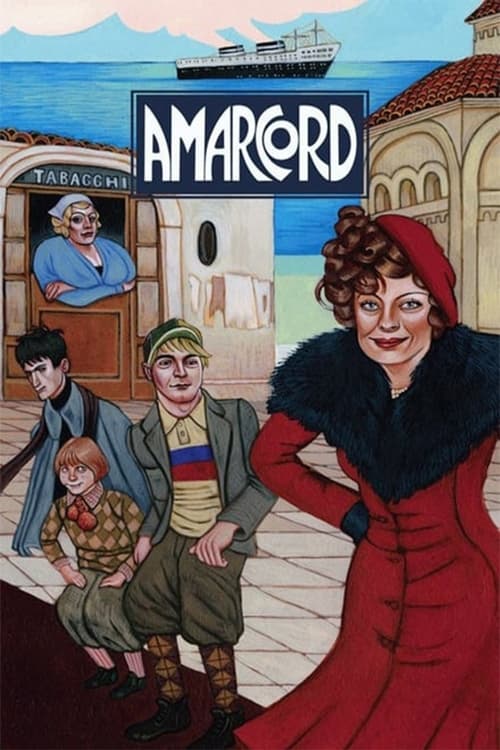
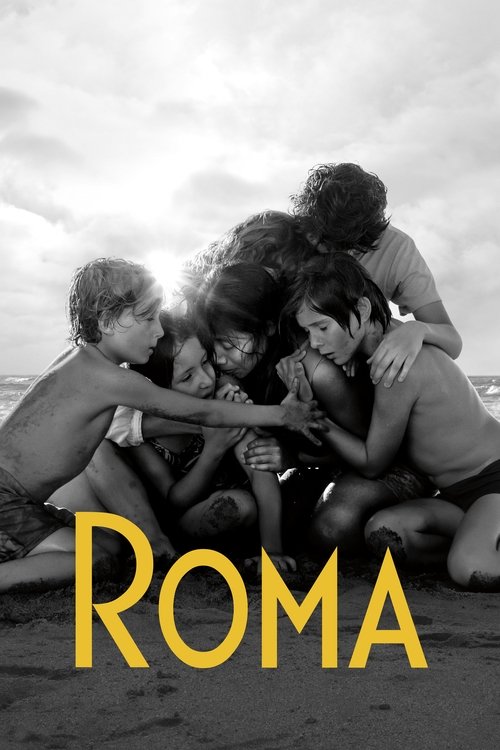
As if he is channeling Federico Fellini’s Amarcord, Chantal Akerman’s Jeanne Dielman, Lucrecia Martel’s The Holy Girl or Edward Yang’s Yi Yi, there’s no denying Roma is Cuarón’s most personal film since his 2001 classic Y Tu Mamá También.
“Roma” is the sort of movie an ambitious director summons the power to make after a smash hit like “Gravity”: searingly personal, without movie stars, more “Amarcord” than space opera.
Folks who could never bite into the floaty neorealism of Fellini’s “8½” or “Amarcord” will struggle with the director’s languid sense of place and time, hoping for more of the disruptive chaos of the earthquake, wildfire and class revolt that punctuate the film.
Roma es un ejercicio artístico que por pura ósmosis se hermana con Amarcord (1973), que Federico Fellini filmó con apenas dos años menos de los que Cuarón tiene ahora mismo, y que se estrenó sólo tres años después del 1970 evocado en la película del mexicano.
Cuarón regresa al otrora Distrito Federal como Federico Fellini a su pueblo natal en Amarcord, y las influencias del cine italiano no acaban ahí.
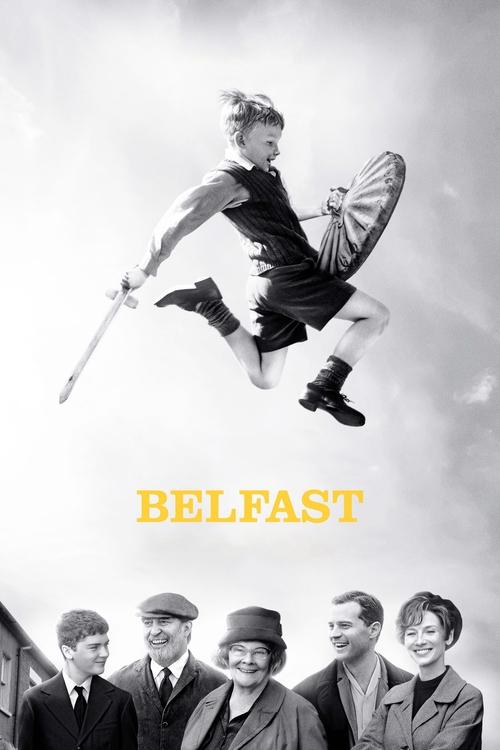
At a quick glance, there’s temptation to compare the film to Alfonso Cuarón’s Roma; after all, the superficial similarities are patent: both are black-and-white paeans to their director’s hometowns, both dip into nostalgia tempered by unrest and violence, both pay tribute to the rapturous discovery of cinema, and both are set about a year apart, around 1969/1970 respectively.
Cup your hands around your ears, and you’ll hear the faint sound of comparisons to Roma being whispered in the wind, partially because Belfast ‘s particular mix of the past’s lighter and darker shades are reminiscent of Alfonso Cuarón’s 2018 masterpiece, and partially because Branagh’s film is also largely shot in black-and-white.
Kenneth Branagh's sweet but slight "Belfast" has been understandably, yet reductively, compared to Alfonso Cuaron's 2018 Oscar-winning "Roma," where the filmmaker crafted a memory piece about his childhood in Mexico City.
But, à la Alfonso Cuarón’s Roma , the rest of the film is in atmospheric black-and-white.
His choice to shoot in black and white with cinematographer Haris Zambarloukos brings to mind other recent personal projects like Alfonso Cuarón’s “Roma” and Pawel Pawlikowski’s “Cold War,” both recreations of the past based on the experiences of loved ones.
In many of its stylistic details, Belfast resembles another film that takes place in its writer-director’s fondly remembered if less than idyllic childhood: Alfonso Cuarón’s Mexico City–set Roma , also shot in black and white with long, intricately choreographed tracking shots.
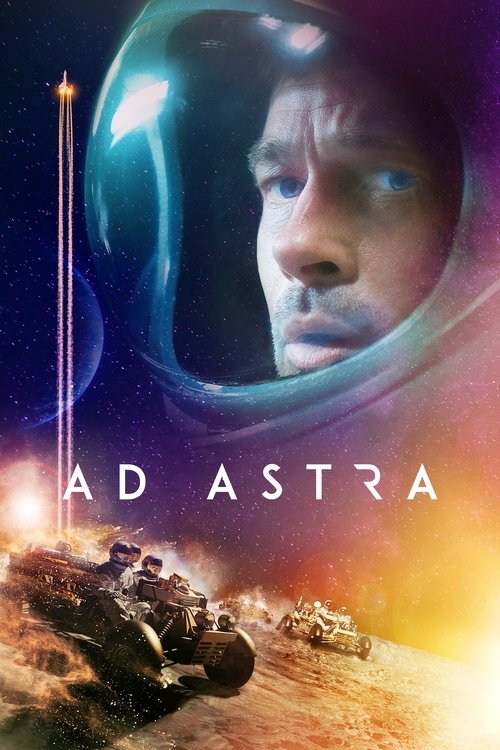
Ad Astra (2019)
Directed by James Gray
influenced by Gravity (2013), Children of Men (2006)
Visuals Themes Music
It opens with a dramatic scene just outside the Earth’s atmosphere that evokes 2013’s “Gravity.”
With Ad Astra he has ventured into outer space, fully aware of the pitfalls: being compared to Stanley Kubrick’s 2001: A Space Odyssey or, more recently, Alfonso Cuarón’s Gravity.
Ad Astra is a sometimes compelling space drama, but it can't quite match the heights of both Gravity or Interstellar.
The score from Max Richter might sound familiar because he’s worked on The Leftovers and Villeneuve’s Arrival, but it’s also evocative and enveloping, especially during a third-action scene that brings to mind Alfonso Cuarón’s Gravity.
Astra begins, for instance, with an enormous set piece on the International Space Antenna–a Babelian structure made in the hope of contacting distant life forms–that echoes the opening to Cuarón’s Gravity with all its flying debris and flailing human bodies.
Consistent with the past decade’s run of high-profile space thrillers – including Gravity (2013), Interstellar (2014), The Martian (2015), and First Man (2018) – as well as the influential “NASA procedurals” Countdown (1967) and Marooned (1969), Gray’s film is absorbed with the process by which humans are hurled across thousands, millions, or billions of miles of airless nothingness.

Babylon A.D. (2008)
Directed by Mathieu Kassovitz
influenced by Children of Men (2006)
Plot Themes Visuals
A disheveled and incoherent jumble, "Babylon A.D." sadly loses the few bits of intriguing groundwork it lays amidst a cacophony of mangled editing, lethargic performances, and an utterly unfocused and often contradictory narrative.One could easily dismiss it for using a dystopian story that's been done many a time before by films slightly worse ("Ultraviolet") and immensely better ("Children of Men").
While the basic Children of Men-ish thematics (people smuggling, the end of nations, the intersections of religion, biological warfare, and environmental devastation) might have been intriguing in the project’s early stages, such complexities have long since been reduced to PG-13 car chases, shoot-outs, and generally unconvincing special effects.
As it stands, watching it is like trying to take in a late-night double feature of The Fifth Element and Children of Men while nodding off every ten minutes.
Set in the Earth of 2019 - which is very much like the war-plagued, ecologically ravaged place audiences last saw in the far superior Children of Men - Babylon A.D. is the story of Toorop (Diesel), a mercenary hired to smuggle some human cargo from a Mongolian convent to New York.
“Babylon A.D.” also suffers from being a little too similar to other science fiction movies like “Children of Men,” “The Fifth Element” and “Blade Runner,” which are far superior in my book.
Maybe we could accept this premise, if we haven’t seen essentially the exact same plot done better in Alfonso Cuaron’s “Children of Men” and your mind tends to glaze over any of the attempted social commentary undertones by all of the stupid dialogue and action scenes.
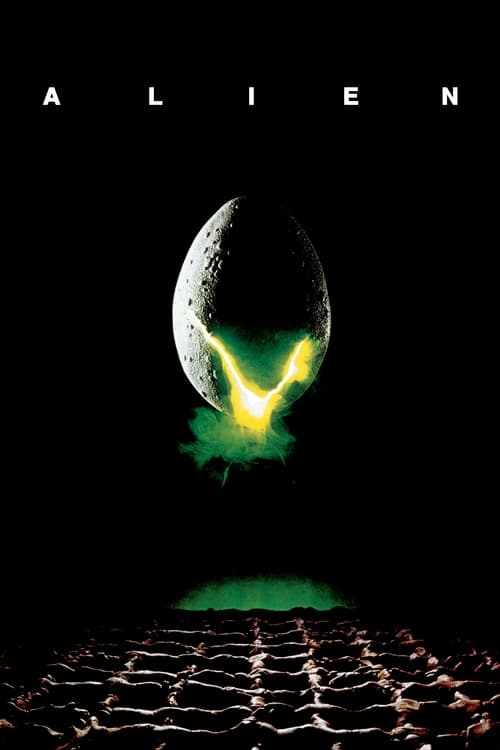
As the tagline for Alien reminds us, in space nobody can hear you scream, and for Stone - stranded more than 500 km above Earth - this causes her to confront buried trauma from her past and find the inner strength to reinforce her bid for survival.
Alien reminded us that in space, no one can hear you scream; here Price orchestrates a throbbing series of low-end synthesizer movements that move in and out of the action like a character.
The evocation of Ridley Scott's 1979 Alien ("In space, no one can hear you scream") is apt: Gravity is a bit like Alien without the alien, replacing it with existential despair that's just as likely to take a fatal bite out of the heroine.
The two actors are sensational: Clooney, looking amusingly like Buzz Lightyear, with a haunting chivalry beneath his bluster, and Bullock, as desperate and resourceful and anxious and brave, and as primed to live, as Sigourney Weaver in the last half of Alien .
Like Alien or Open Water , it creates a queasy sense of there's nothing you can do dread.
For all intents and purposes Gravity was to be the film that would not only be a game changer in the upcoming awards season (still to be determined) but would join the likes of 2001: A Space Odyssey and Alien as a pivotal sci-fi set in space.

The second scenario is reminiscent of any number of disaster and / or science fiction movies about flooding, apocalypse or dystopia (When Worlds Collide, Rudolph Maté, 1951; Children of Men, Alfonso Cuarón, 2006; Waterworld, Kevin Reynolds, 1995): if you approach this movie expecting something like that, you’re going to be disappointed, because although that element is very much present in the film, it’s little more than the backdrop.
The “Children of Men” (2006) inspirations are apparent and effectively realised, creating a dystopia that’s most terrifying in how jaded people seem to have become by the despair of this new world.

As if he is channeling Federico Fellini’s Amarcord, Chantal Akerman’s Jeanne Dielman, Lucrecia Martel’s The Holy Girl or Edward Yang’s Yi Yi, there’s no denying Roma is Cuarón’s most personal film since his 2001 classic Y Tu Mamá También.
Other parallels: unflinching widescreen Romanian movies like Cristi Puiu’s “The Death Of Mr. Lazarescu”; Edward Yang’s Olympian patience in capturing family life in “Yi Yi”; and the vital urban life of his own prophetic masterpiece, “Children of Men.” (Cuarón recently name-checked Alain Tanner’s bittersweet seriocomic masterpiece, 1976’s class-straddling “ Jonah Who Will Be 25 in the Year 2000.

Although he says the title’s echoes of Fellini are unintentional (Roma is the name of the neighborhood he lived in), the movie’s rich pageantry does recall some of the more impressive set pieces of 8 1/2 or La Dolce Vita.
The “Roma” title and Fellini connection park it in a ’60s-70s cinema of “La Dolce Vita” and “Swept Away,” “Last Year at Marienbad” and “The Go Between” — languorous films whose auteurs refused to cut for clarity and dramatic impetus.

Though the film’s original screenplay, co-written by the directors with Brian Clark, seemingly pulls from a number of obvious genre forebears — from scene to scene, one might identify stray accents of “Children of Men,” “The Road,” “The Hunger Games” and even video-game smash “The Last of Us” — the result is never quite generic, with an unsentimental but darkly romantic spirit of risk and peril that feels informed as much by pre-Disney literary fairytales as any science fiction.
Although the film's original script, co-written by the directors with Brian Clark, apparently draws on a number of obvious ancestors of the genre: from scene to scene, one could identify missing accents from "Children of Men," "The Road ", "The Hunger Games” and even the hit video game “The Last of Us” – the result is never quite generic, with an unsentimental yet darkly romantic spirit of risk and danger that feels inspired as much by fairy tales of pre-Disney literary fairies and science fiction.
Like Alfonso Cuarón’s “Children of Men,” what is so chilling about “Vesper” is how much it is a reflection of our current reality, despite each film’s futuristic setting.
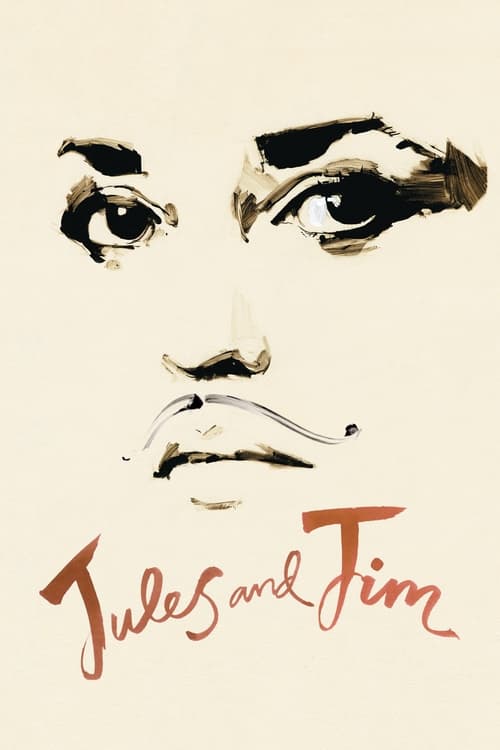
But the Harold & Maude poster above the two naked high-schoolers energetically screwing in the opening shot, not to mention the arch voiceover narrator that intrudes at key moments à la Truffaut�s Jules and Jim, suggests that director Alfonso Cuarón had more in mind than parodying crass Hollywood teensploitation.

Garland appropriates existing cinematic language for his film — which follows four journalists en route to the violent end of a civil war. It’s everything from Gilio Pontecorvo’s visual verité from The Battle of Algiers to more contemporary concussions akin to the broken-knob sonic assault of Alfonso Cuarón’s Children of Men.
In the same way Alfonso Cuarón used John Lennon's “Bring On The Lucie (Freda Peeple)” at the end of Children of Men, Garland somehow turns “Dream Baby Dream” by No Wave legend Suicide into a protest song.
Like the coffee-shop explosion in Alfonso Cuarón’s “Children of Men,” the vérité-style blast puts us on edge — though the wider world might never witness it, were it not for Lee, who picks up her camera and starts documenting the carnage.
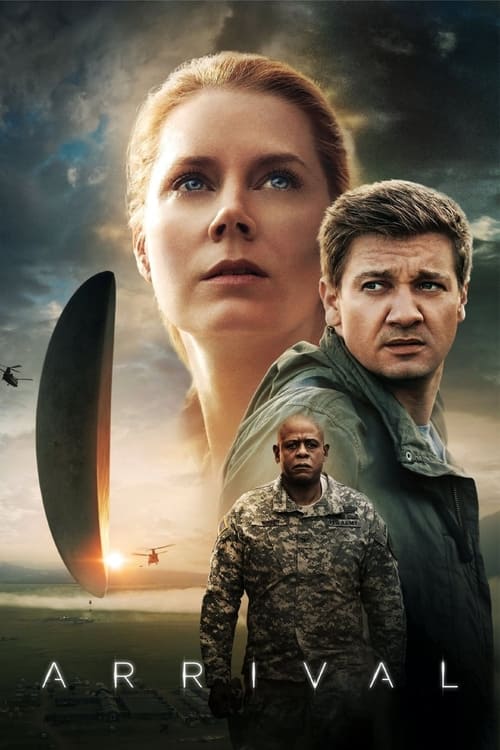
Arrival (2016)
Directed by Denis Villeneuve
influenced by Gravity (2013), Children of Men (2006)
Themes
“Arrival,” like “Interstellar,” “The Martian” and “Gravity” before it, is a well-crafted and smart film using a huge canvas extending into the cosmos to explore and discover what brings out the best in humans.
Compared to more recent fare, it's a heady entry in a preholiday release slot that has seen the likes of "Gravity," "Interstellar" and "The Martian" over the last three years.
There are elements of "Close Encounters of the Third Kind" in man's attempt to communicate with aliens (Jóhann Jóhannsson's ("Sicario") affecting score makes a subtle nod), "Gravity" in a skyward-looking grieving mother's bond to her child, and many films where global crisis causes conflict among nations, but "Arrival" is unique in its mind altering concept of communication and time travel.
With its intriguing premise and handsome production values, “Arrival” continues an encouraging trend in science-fiction filmmaking, embodied by the likes of “ Gravity ” and “ The Martian ”: films that imbue the genre’s inherent flights of fancy with sophistication and meaningful subtext.
Ostensibly a science-fiction drama about the mysterious arrival of 12 floating, giant monoliths across the globe, including Montana, the movie actually belongs to the cinematic tradition of philosophical space flicks that ultimately turn inward ( Interstellar , Gravity , Solaris ).
Villenueve treats us to another version of “government protocols” for this sort of event, and “Arrival” hews closer to the “E.T.” model than the sunnier “Close Encounters of the Third Kind.” “Gravity” plays a role — both in the aliens’ ability to control it within their dark, mist-shrouded spaceships and in Dr. Banks’ mind.
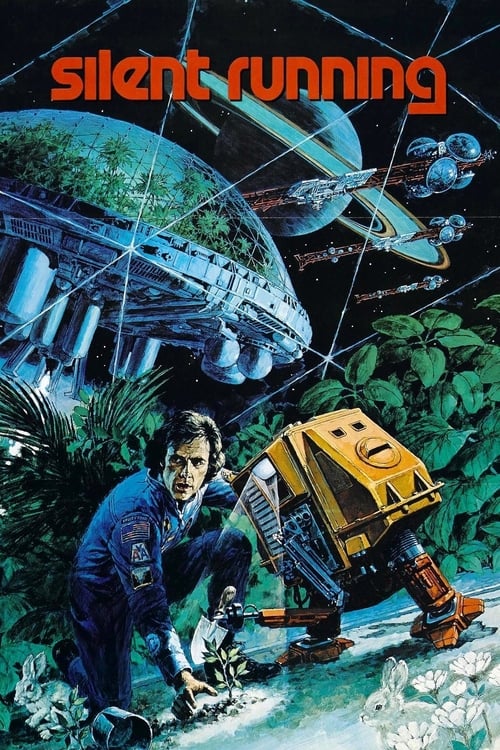
Some readers may be concerned about the pace of “Gravity” because its timeless science-fiction influences clearly owe a debt to Kubrick’s “2001: A Space Odyssey” and the smaller Douglas Trumbull triumph “Silent Running.”
For all its A-list production values, this retains the crowd-pleasing essence of a rip-roaring B-picture, closer in tone to the sublime sentimentality of Silent Running or the grand pop philosophy of David Bowie's Space Oddity (Duncan Jones's Moon lurks in the background too) than the stern straight-facedness of 2001: A Space Odyssey.
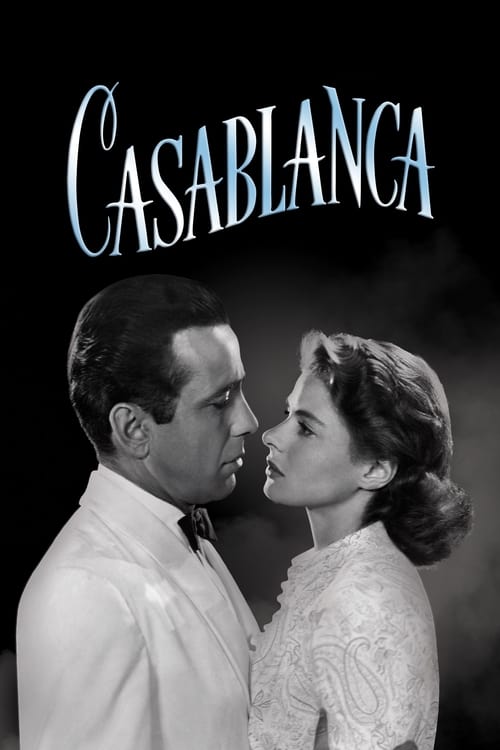
Casablanca (1943)
Directed by Michael Curtiz
influenced Children of Men (2006)
Plot Themes Characters
Julian wants Theo to help someone in their group obtain transit papers (an idea borrowed from the classic film Casablanca).
A couple has been torn between revolution and apathy, transit papers are needed: the Casablanca connection has been noted, but the film's bustle has no space for romance, so its Ingrid Bergman is readily dispatched in a startling auto skirmish that reframes itself over and over as it hurtles down the road, another one-take wonder.
Like a down-at-the-heels version of Bogart's Rick in "Casablanca," he's shut himself off from the disasters engulfing the world, dedicated only to getting through the day by spiking his morning coffee with hooch and smoking pot with his eccentric ex-hippy friend Jasper (Michael Caine).
And Owen gives what may be the finest performance of his career (among many terrific ones): His Theo, so beaten down and disillusioned when we first meet him, evolves into a man of action — but his transformation doesn’t have the sentimental gleam of, say, Bogart’s in “Casablanca.”