
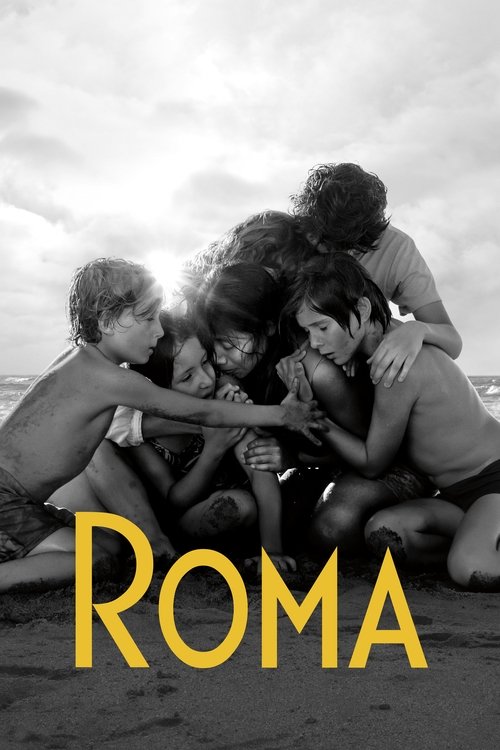
Roma (2018)
Directed by Alfonso Cuarón
In 1970s Mexico City, two domestic workers help a mother of four while her husband is away for an extended period of time.
45 connections found
View:
45 films that influenced Roma
What critics say influenced Roma
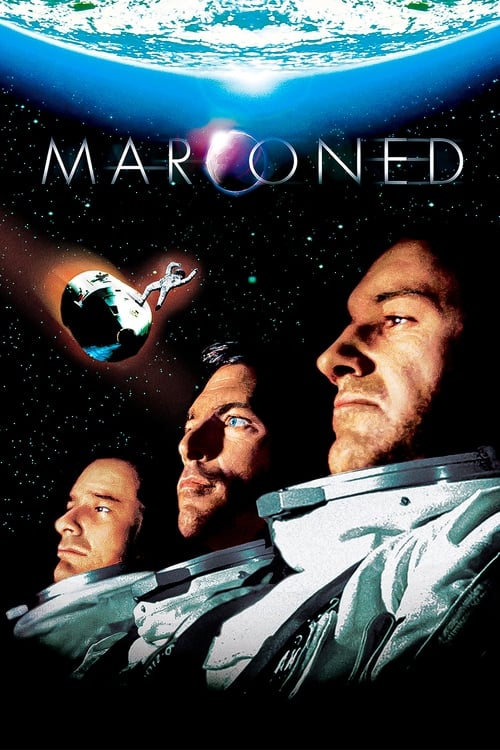


There they see John Sturges' Marooned (1969).
In later scenes in which Cuaron suggests a possible inspiration for “Gravity,” the family goes to see John Sturges’ sci-fi thriller “Marooned” (1969) at the local movie theater.
When the family packs itself off to a neighborhood moviehouse, the feature playing is “Marooned” (1969), a film whose plot is remarkably similar to that of Cuarón’s previous release, the Oscar-winning “Gravity.”
In the middle of Roma, we see some boys (including Pepe, a character who seems to be a version of young Cuarón himself) convince their grandmother to let them see Marooned, the 1969 lost-in-space sci-fi flick starring Gregory Peck and Gene Hackman.
Plunging into the Meta level, we recognize allusions to Cuarón’s 2013 film, Gravity , as Cleo and the children watch the 1969 sci-fi blockbuster, Marooned.
There’s even a nod to Gravity in the family’s visit to the cinema to see John Sturges’ Marooned.

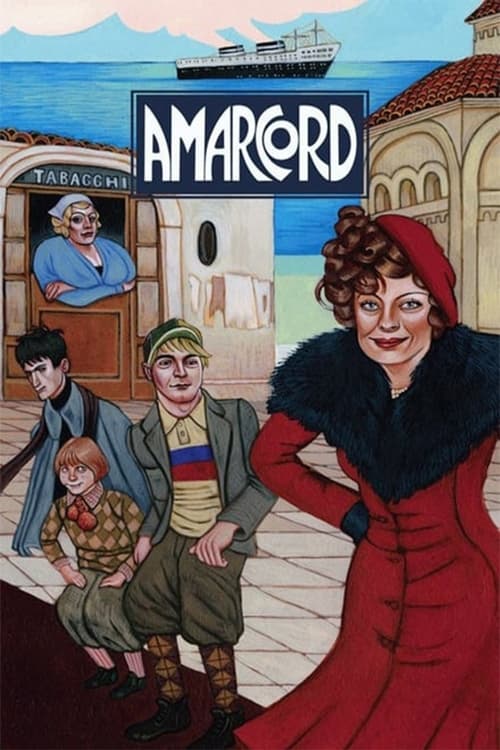
As if he is channeling Federico Fellini’s Amarcord, Chantal Akerman’s Jeanne Dielman, Lucrecia Martel’s The Holy Girl or Edward Yang’s Yi Yi, there’s no denying Roma is Cuarón’s most personal film since his 2001 classic Y Tu Mamá También.
“Roma” is the sort of movie an ambitious director summons the power to make after a smash hit like “Gravity”: searingly personal, without movie stars, more “Amarcord” than space opera.
Folks who could never bite into the floaty neorealism of Fellini’s “8½” or “Amarcord” will struggle with the director’s languid sense of place and time, hoping for more of the disruptive chaos of the earthquake, wildfire and class revolt that punctuate the film.
Roma es un ejercicio artístico que por pura ósmosis se hermana con Amarcord (1973), que Federico Fellini filmó con apenas dos años menos de los que Cuarón tiene ahora mismo, y que se estrenó sólo tres años después del 1970 evocado en la película del mexicano.
Cuarón regresa al otrora Distrito Federal como Federico Fellini a su pueblo natal en Amarcord, y las influencias del cine italiano no acaban ahí.
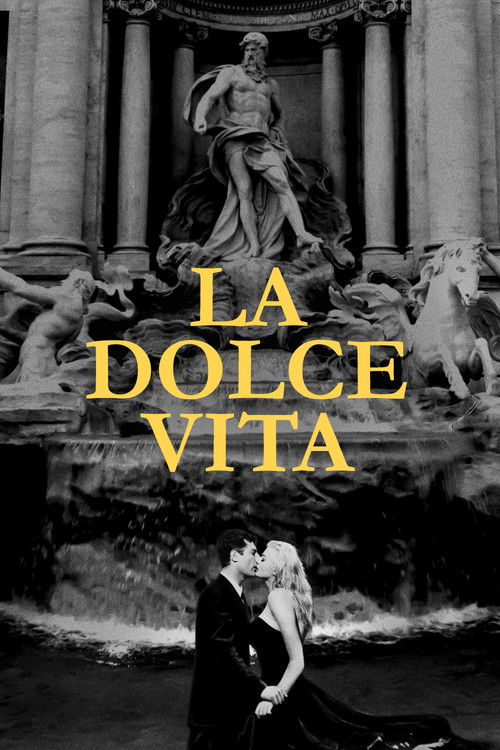
Although he says the title’s echoes of Fellini are unintentional (Roma is the name of the neighborhood he lived in), the movie’s rich pageantry does recall some of the more impressive set pieces of 8 1/2 or La Dolce Vita.
The “Roma” title and Fellini connection park it in a ’60s-70s cinema of “La Dolce Vita” and “Swept Away,” “Last Year at Marienbad” and “The Go Between” — languorous films whose auteurs refused to cut for clarity and dramatic impetus.
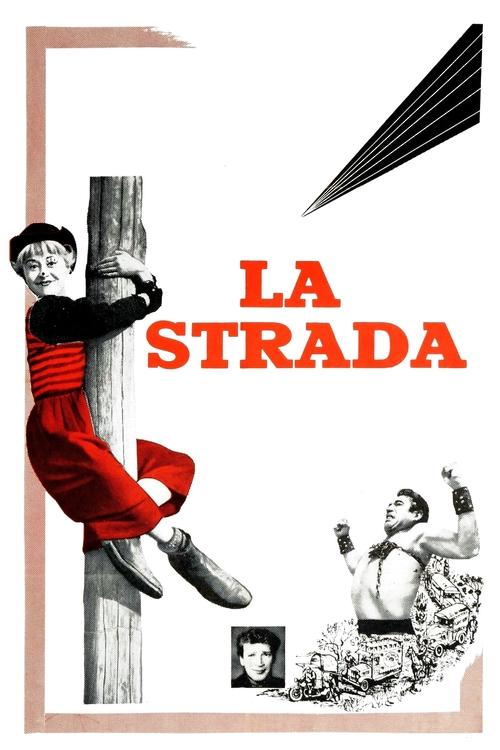
Cuarón’s obvious models here are the neorealist masterpieces of Vittorio De Sica, which often featured non-actors, and the early films of Federico Fellini, whose “La Strada” is referenced in several sequences involving a carnival strongman.
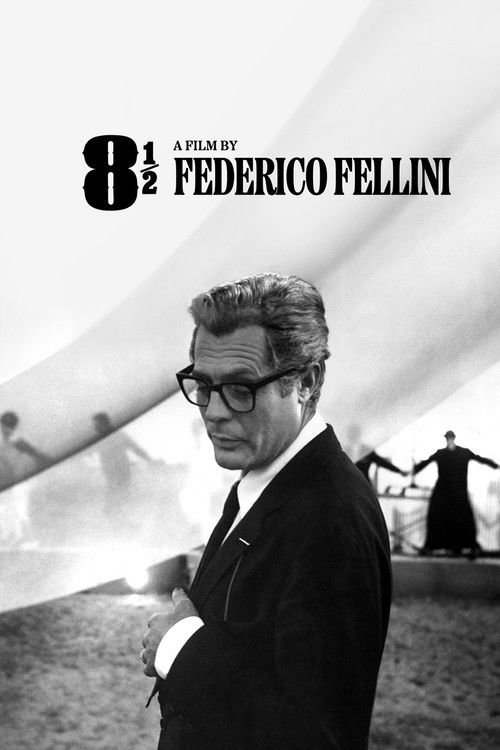
Folks who could never bite into the floaty neorealism of Fellini’s “8½” or “Amarcord” will struggle with the director’s languid sense of place and time, hoping for more of the disruptive chaos of the earthquake, wildfire and class revolt that punctuate the film.
The scene in a tunnel packed with cars is an image right out of the opening of Fellini’s autobiographical 8½ .
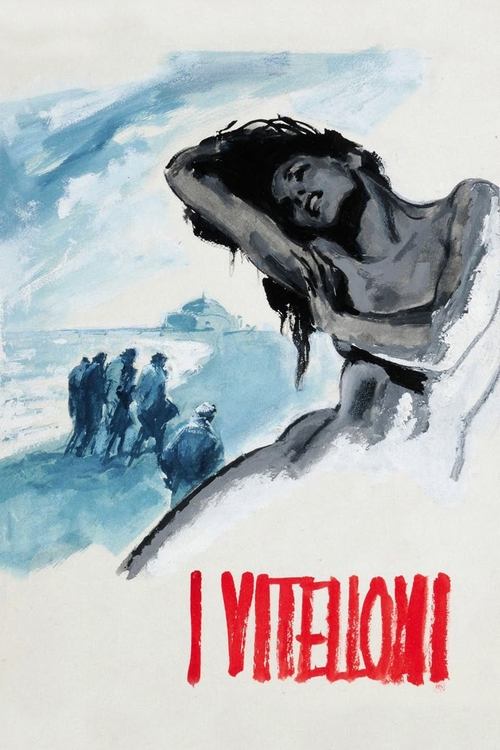
Autobiographical films are normally, if not always, made toward the beginning of directors’ careers — I Vitelloni, The 400 Blows, American Graffiti, Platoon, Almost Famous, et al — so perhaps it’s simply the passage of time that encouraged Cuaron, who’s now 56 and presumably mid-career, to decide that his own childhood’s inner world would be less dramatically compelling onscreen than the lives of others in his immediate orbit.
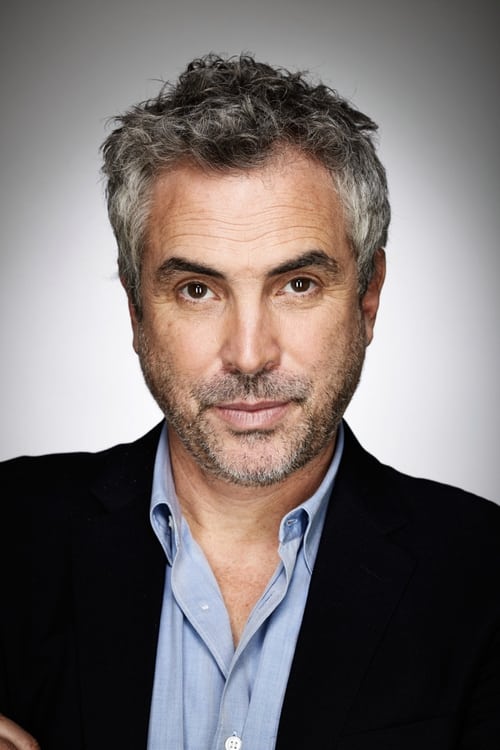

The film is as intimate as Cuarón’s early breakthrough Y Tu Mamá También, as expansive as his cosmic trip Gravity and as culturally fraught as his dystopian nightmare Children of Men.
Here, the writer/director backs off the larger scale of his previous efforts like that Sandra Bullock film, "Children of Men" and especially "Harry Potter and the Prisoner of Azkaban" to tell a far more intimate tale inspired by him growing up with his real-life nanny, Liboria "Libo" Rodrguez, to whom the movie is dedicated.
Most of all, writer/director Alfonso Cuarón’s ( Gravity , Children of Men) latest is a feast for the soul, this meditative marvel of memory, regret, friendship, family, history and love a majestic treasure trove of emotion that is stunning in its empathetically human largess.
Cuarón’s films have always had memorable set pieceswho could forget the terrorist explosion at the opening of Children of Men (2005)?
A longtime admirer of the work of filmmaker Alfonso Cuarón ( Children of Men ), I at first found much to love in his latest, a loosely autobiographical romp through his childhood years entitled Roma.
That might be because Cuarón (Gravity, Children of Men) shot his deeply personal, autobiographical film in many of the places the events took place.
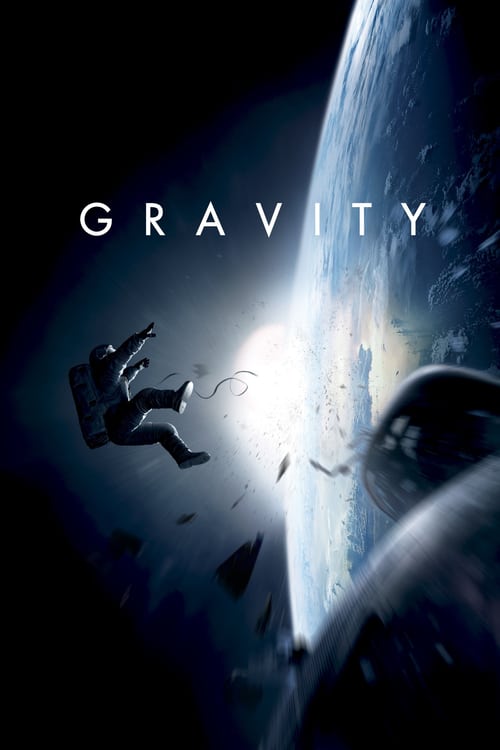
And that would none other than Alfonso Cuar�n, the Mexican filmmaker who received an Oscar win for Best Director for his work on "Gravity" while that flick and his others have racked up a total of seven wins out of eighteen cumulative nominations.
Most of all, writer/director Alfonso Cuarón’s ( Gravity , Children of Men) latest is a feast for the soul, this meditative marvel of memory, regret, friendship, family, history and love a majestic treasure trove of emotion that is stunning in its empathetically human largess.
The Academy Award-winning director of Gravity sought to tell a personal story of memory free from outside scrutiny and artificiality that showcased a snapshot of his country’s and his own formative history.
The last feature film director Alfonso Cuarón made was “Gravity,” a spectacle of light and sound starring Sandra Bullock and George Clooney as astronauts stranded in the wide expanse of space.
Though hardly prolific, Cuarón invests himself fully in projects; witness his previous film, the 2013 Oscar-winning 3D space epic Gravity , years in the making and subsequently stunning in many of its visceral thrills (though not in its dialogue ).
That might be because Cuarón (Gravity, Children of Men) shot his deeply personal, autobiographical film in many of the places the events took place.

The film is as intimate as Cuarón’s early breakthrough Y Tu Mamá También, as expansive as his cosmic trip Gravity and as culturally fraught as his dystopian nightmare Children of Men.
As if he is channeling Federico Fellini’s Amarcord, Chantal Akerman’s Jeanne Dielman, Lucrecia Martel’s The Holy Girl or Edward Yang’s Yi Yi, there’s no denying Roma is Cuarón’s most personal film since his 2001 classic Y Tu Mamá También.
Director Alfonso Cuarón, who’s made some of the most diverse and arresting films of this century (“Children of Men,” “Gravity”), returns to his homeland to make his most personal project yet, his first set in Mexico since “Y Tu Mamá También” put him on the map back in 2001.
But while Roma is smaller in scope, it can be as jaw-clenchingly intense as Gravity, as melancholy and humane as Y Tu Mamá También, and as viscerally overwhelming as Children of Men.
“I like being dead,” Cleo remarks, and fans of Cuarón’s “ Y Tu Mamá También ” (2001) will remember the heroine who cradles a small girl in shallow waters, saying, “Let’s see you float like a corpse.”
Cuaron is one of the most gifted filmmakers working today, his boundless imagination and intense commitment to the craft reflected across genre and scope, from the thousand tiny and intimate dramas that play out in Y Tu Mama Tambien to the global scale of destruction depicted in Children of Men.
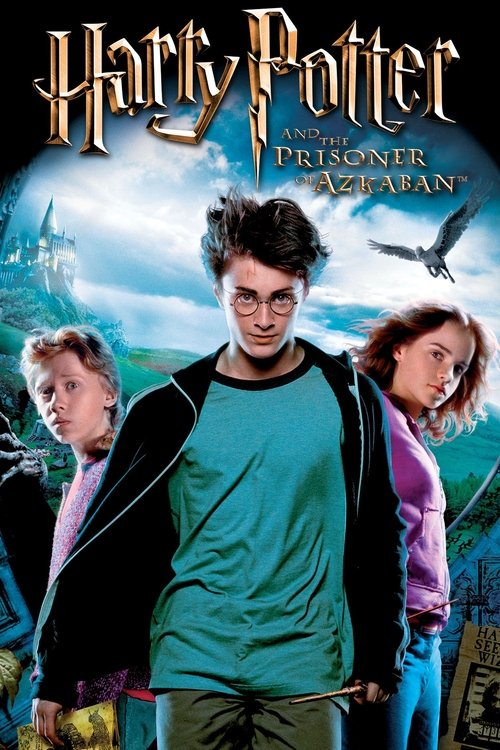
Here, the writer/director backs off the larger scale of his previous efforts like that Sandra Bullock film, "Children of Men" and especially "Harry Potter and the Prisoner of Azkaban" to tell a far more intimate tale inspired by him growing up with his real-life nanny, Liboria "Libo" Rodrguez, to whom the movie is dedicated.
This is possibly because his last three --“Harry Potter and the Prisoner of Azkaban,” “Children of Men,” and “Gravity” -- all in one way or another became an immediate part of the pop culture firmament, earning accolades or box office glory or supplying the world with a prescient look at humanity, technology, and the magic in between -- the magic of creation, if nothing else.
With films including the coming of age drama Y Tu Mamma Tambien (2002), Harry Potter and the Prisoner of Azkaban (2004), the London-set dystopian thriller Children of Men (2007), and his brilliant space adventure Gravity (2013), his feel for creating unique geographic spaces is unmatched.
After “A Little Princess” (1995) and the best of the Hogwarts films, “Harry Potter and the Prisoner of Azkaban” (2004), he made “ Children of Men ” (2006), which shudders with horror at the prospect of a childless world.
Those going to Roma expecting to see a Children of Men , Harry Potter and the Prisoner of Azkaban , or Gravity will be surprised at how different an experience this offers.
Despite the story’s simplicity, Cuarón—who American audiences know best for his Oscar-winning Gravity, Harry Potter and the Prisoner of Azkaban and Children of Men—manages to imbue Roma with his mastery of visual language, employing long and deliberate pans to literally present a 360-degree picture of these characters’ lives.
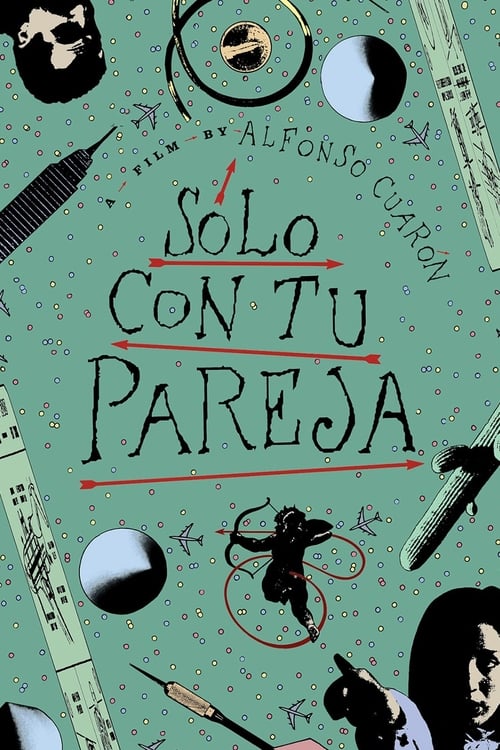
Indeed, it’s surprising to realize he’s only directed eight films since his 1991 debut, “Solo con Tu Pareja.”
Curiosamente, son sus películas mexicanas las que mejor escarban en esta inquietud, lo mismo si se trata de una comedia romántica sobre el SIDA, como Sólo con tu pareja (1991) o una road movie de voltaje erótico como Y tu mamá también (2001); en ambas, los personajes se catapultan hacia el deseo como una última aventura antes de morir.
Like his 1991 debut, the satirical romantic comedy Sólo con Tu Pareja , it explores the turbulent domestic lives of middle-class Mexico City dwellers—though in Roma ’s case the scope opens up to include the lives of their live-in servants.
Cuarón’s career is diverse and celebrated; after his 1991 debut, the Mexican film Sólo con Tu Pareja , he quickly migrated to movies that proved to have broad audience and critical appeal: A Little Princess (1995), Great Expectations (1998), Y Tu Mamá También (2001), Harry Potter and the Prisoner of Azkaban (2004, widely considered the best of the Harry Potter adaptations), Children of Men (2006), and Gravity (2013).
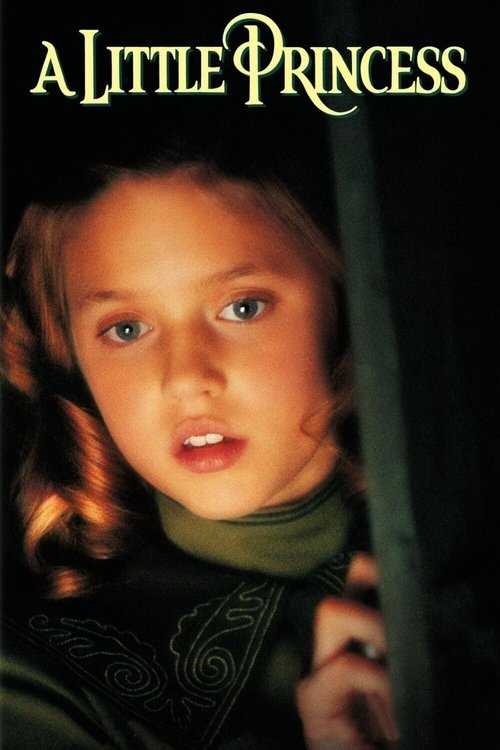
After “A Little Princess” (1995) and the best of the Hogwarts films, “Harry Potter and the Prisoner of Azkaban” (2004), he made “ Children of Men ” (2006), which shudders with horror at the prospect of a childless world.
Alfonso Cuarón—whose films include “Gravity,” “ Y Tu Mamá También,” “Children of Men,” “A Little Princess” and “Harry Potter and the Prisoner of Azkaban,” and who was the first Mexican to win a Best Director Oscar—does not actually appear in the sumptuous “Roma.”
The tragic existence of children caught up in the wake of decisions made by adults is apparent in both Roma and A Little Princess.
Alfonso Cuarón, whose films range from “A Little Princess” and “Y Tu Mamá También” to “Harry Potter and the Prisoner of Azkaban” and “Gravity,” is probably the most prodigiously versatile film artist working today.
Set at the end of 1970, this is a highly aestheticized labour of love for the almost impossibly eclectic writer-director, who made the Brit-styled A Little Princess before his Spanish-language breakthrough, Y Tu Mamá También.
Considering that Cuarón has already made movies as wonderful and varied as A Little Princess, Children of Men, Gravity, and Y Tu Mamá También, that only makes Roma all the more impressive.
Alfonso Cuarón, the Mexican-born director who’s made a reputation of tackling a wide variety of subjects and milieus, hopping from the depths of outer space ( “Gravity” ) to barren, post-apocalyptic futures (“Children of Men”) and even Harry Potter and Dickens (“Prisoner of Azkaban” and “Great Expectations”), returns to his homeland – where be crafted his signature tale of taboo sex and betrayal, “Y Tu Mamá También” – to forge the semi-autobiographical contemplation “Roma,” something of a nostalgic dream cut with historical incident and unhappy reality.
When moving from Mexico to the United States, Cuaron himself first debuted in the English-language market with two literary adaptations, A Little Princess , based on a 1905 novel by Frances Hodgson Burnett, and Great Expectations , a modern-day update of the Charles Dickens novel.
Cuarón’s career is diverse and celebrated; after his 1991 debut, the Mexican film Sólo con Tu Pareja , he quickly migrated to movies that proved to have broad audience and critical appeal: A Little Princess (1995), Great Expectations (1998), Y Tu Mamá También (2001), Harry Potter and the Prisoner of Azkaban (2004, widely considered the best of the Harry Potter adaptations), Children of Men (2006), and Gravity (2013).
As if he is channeling Federico Fellini’s Amarcord, Chantal Akerman’s Jeanne Dielman, Lucrecia Martel’s The Holy Girl or Edward Yang’s Yi Yi, there’s no denying Roma is Cuarón’s most personal film since his 2001 classic Y Tu Mamá También.
Other parallels: unflinching widescreen Romanian movies like Cristi Puiu’s “The Death Of Mr. Lazarescu”; Edward Yang’s Olympian patience in capturing family life in “Yi Yi”; and the vital urban life of his own prophetic masterpiece, “Children of Men.” (Cuarón recently name-checked Alain Tanner’s bittersweet seriocomic masterpiece, 1976’s class-straddling “ Jonah Who Will Be 25 in the Year 2000.
Advertisement
Comparisons are already being drawn to films such as Yasujirō Ozu’s Tokyo Story (1953).
The cumulative result of Cuarón’s inquisitive lens (he is also the cinematographer) is an astounding interplay of foreground and background, with artistry that measures up to the meticulously choreographed films of Tokyo Story’s Yasujirô Ozu, and political content akin to Italian neorealist classics like Rome, Open City.
I’ve seen some comparisons to Yasujirō Ozu’s Tokyo Story and, well, maybe.
If there’s any parallel, it’s with John Boorman’s Blitz-set Hope And Glory , though they’re literally worlds apart.

As if he is channeling Federico Fellini’s Amarcord, Chantal Akerman’s Jeanne Dielman, Lucrecia Martel’s The Holy Girl or Edward Yang’s Yi Yi, there’s no denying Roma is Cuarón’s most personal film since his 2001 classic Y Tu Mamá También.

Unlike such coming-of-age classics as “The 400 Blows” (1959), “Pather Panchali” (1955) and “Fanny and Alexander” (1982), the children in “Roma” take a back seat.
Autobiographical films are normally, if not always, made toward the beginning of directors’ careers — I Vitelloni, The 400 Blows, American Graffiti, Platoon, Almost Famous, et al — so perhaps it’s simply the passage of time that encouraged Cuaron, who’s now 56 and presumably mid-career, to decide that his own childhood’s inner world would be less dramatically compelling onscreen than the lives of others in his immediate orbit.
Advertisement

The bridling wrath of the underclass that we find in Italian neorealism—“I curse the day I was born,” is the hero’s cry in “ Bicycle Thieves ” (1948)—is wholly absent, and there’s not a whisper of the anarchistic mischief practiced by Buñuel in “ Diary of a Chambermaid ” (1964), in which the aging patriarch kneels down to unfasten the boots of a bored underling.
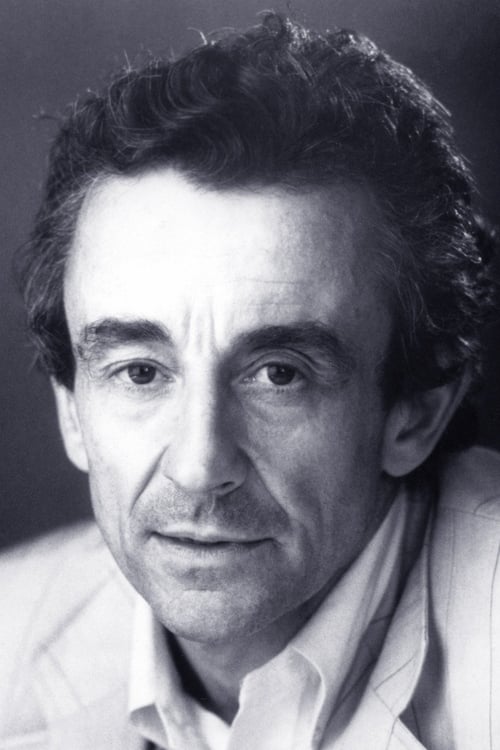
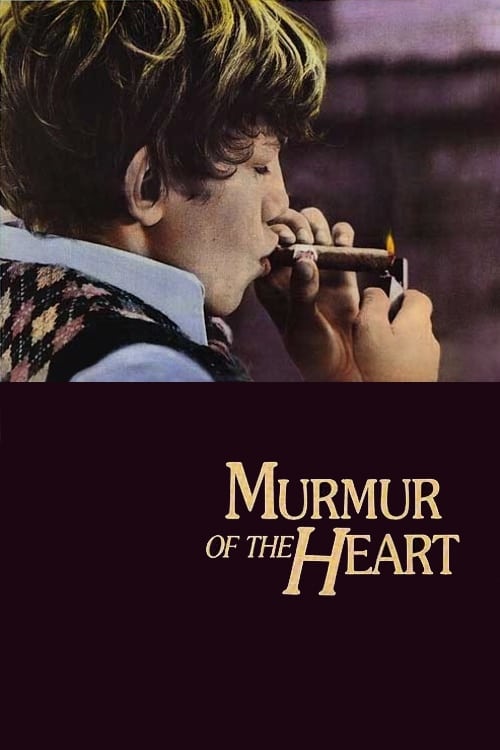
Roma, in this sense, is a kindred spirit of Malle’s mid-to-late-career masterpieces, from Murmur of the Heart up to Au Revoir les Enfants.
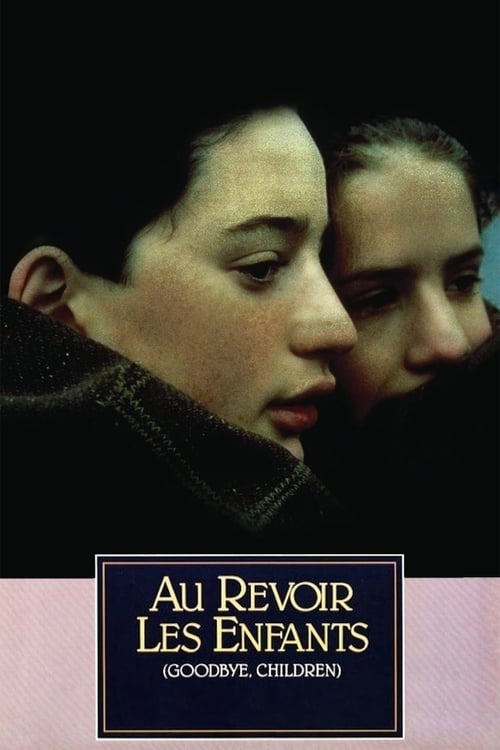
Roma, in this sense, is a kindred spirit of Malle’s mid-to-late-career masterpieces, from Murmur of the Heart up to Au Revoir les Enfants.