
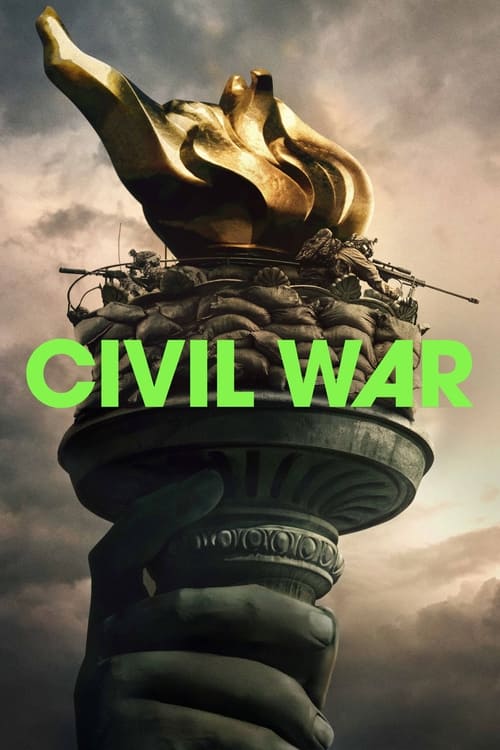
Civil War (2024)
Directed by Alex Garland
In the near future, a group of war journalists attempt to survive while reporting the truth as the United States stands on the brink of civil war.
7 connections found
View:
7 films that influenced Civil War
What critics say influenced Civil War
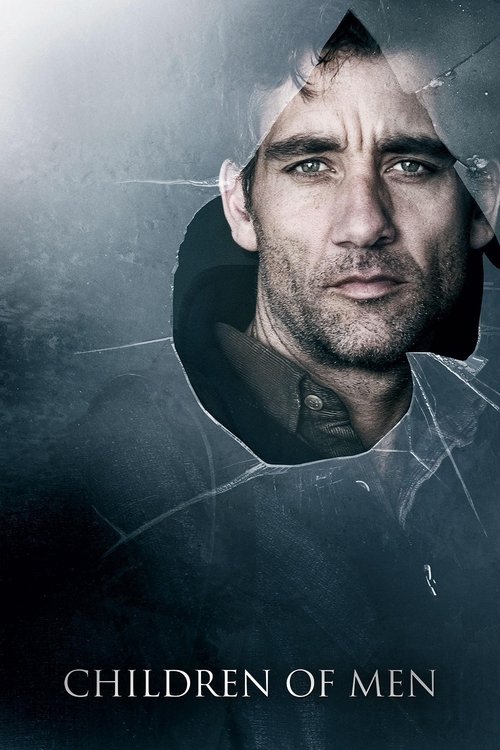


Garland appropriates existing cinematic language for his film — which follows four journalists en route to the violent end of a civil war. It’s everything from Gilio Pontecorvo’s visual verité from The Battle of Algiers to more contemporary concussions akin to the broken-knob sonic assault of Alfonso Cuarón’s Children of Men.
In the same way Alfonso Cuarón used John Lennon's “Bring On The Lucie (Freda Peeple)” at the end of Children of Men, Garland somehow turns “Dream Baby Dream” by No Wave legend Suicide into a protest song.
Like the coffee-shop explosion in Alfonso Cuarón’s “Children of Men,” the vérité-style blast puts us on edge — though the wider world might never witness it, were it not for Lee, who picks up her camera and starts documenting the carnage.
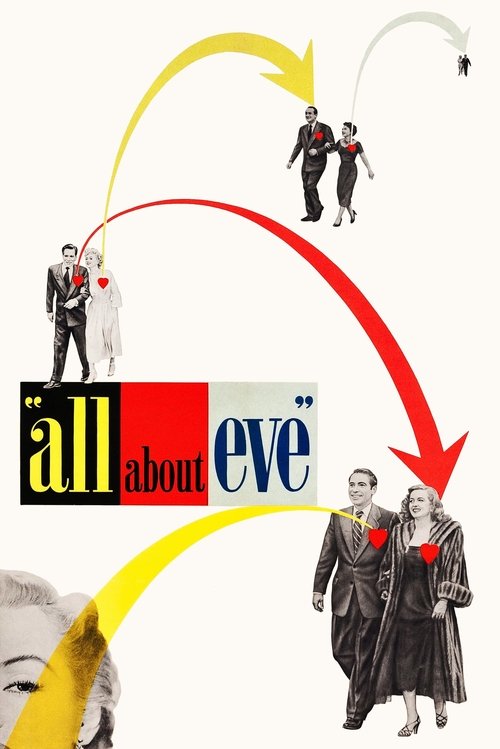
In this moment, one gets an All About Eve vibe from the narrative (especially when Jessie takes a picture of Lee taking a picture), and it could have gone in that direction many times were it not for Lee’s open embracement of Jessie’s aspiration to become the next great war photographer (just like another Lee with the last name of Miller, who, yes, also comes up in conversation).
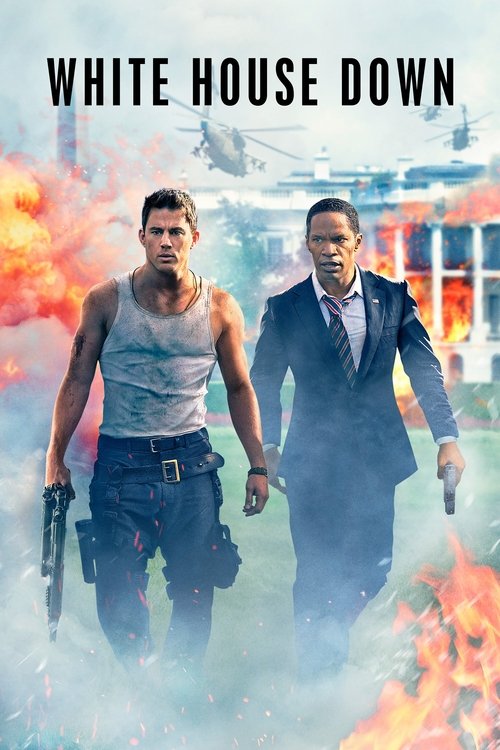
Inevitably, it invites comparison with the gross thrillers White House Down (Channing Tatum) and Olympus Has Fallen (Gerard Butler), bo…
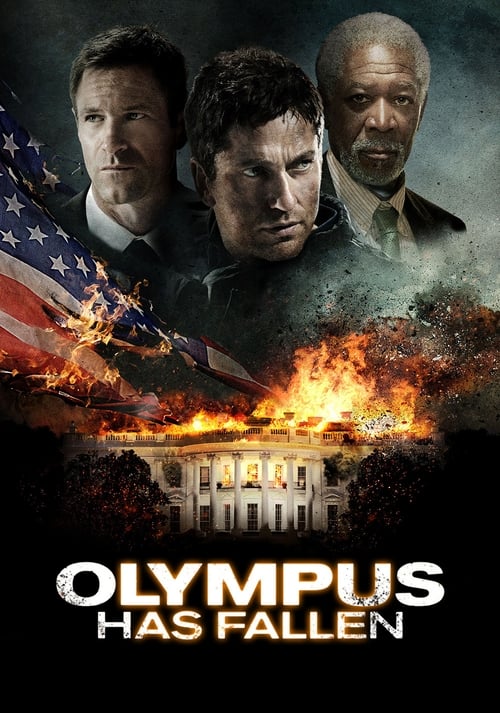
Inevitably, it invites comparison with the gross thrillers White House Down (Channing Tatum) and Olympus Has Fallen (Gerard Butler), bo…
Advertisement
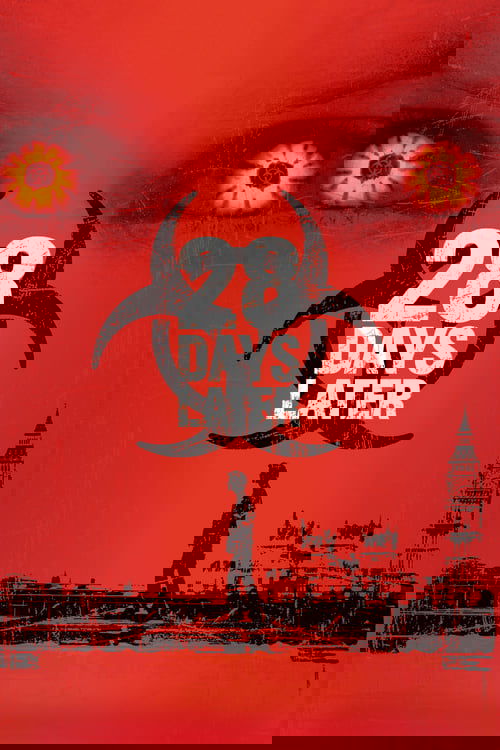
Garland has a real feel for post-apocalyptic landscapes, as we saw in his script for the zombie thriller 28 Days Later. In the movies he's directed since, like the brilliant Annihilation, he's shown a real talent for building suspense and anxiety.
Much of the road trip adventure feels a bit like Garland’s breakout 28 Days Later — only with amoral militia soldiers touting assault rifles lurking around every turn instead of zombies.
Alex Garland has had a varied career, initially as a novelist best known for The Beach before collaborating with Danny Boyle on 28 Days Later and Sunshine.
Soon after, Garland scripted for him the hyper-zombie film 28 Days Later, starring the young Cillian Murphy. Rage erupts – and the affinity with video games and graphic novels is clear.
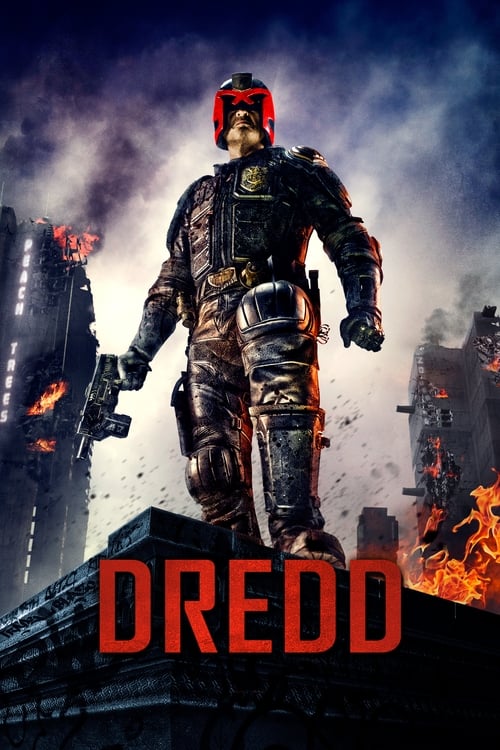
Nevertheless, Garland has always been exceedingly good at hiding social satire under the guise of bombastic action and genre (see also Ex Machina and Dredd).
It's not a “fun” fascist dystopia like John Carpenter's immortal “Escape from New York” or the Garland-scripted 2012 “Dredd,” but one in which we're meant to feel the irrevocable loss of something bigger with each frame.
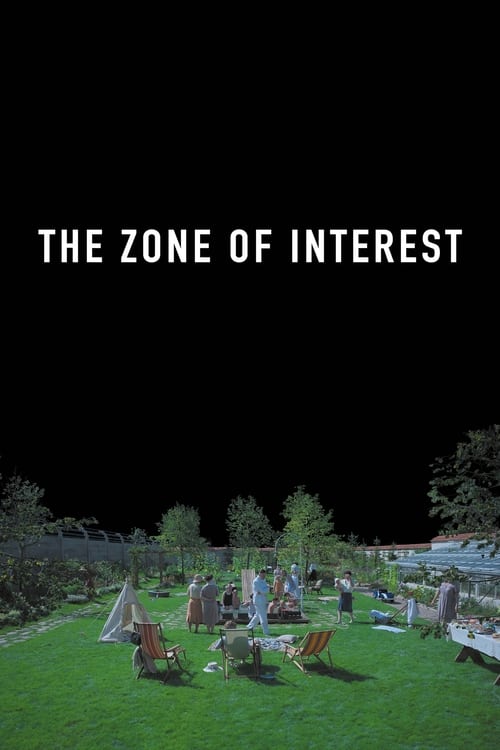
The filmmaking style of Alex Garland’s “Civil War” is, in many ways, the negative image of Jonathan Glazer’s “The Zone of Interest.” Both films deal with dehumanization and desensitization to the suffering of others, but where Jonathan Glazer’s film does this with absence and restraint, Garland’s assaults the viewer with nauseating intensity.