

Alex Garland
177 connections found
Filmography


View:
Connections, in both directions



The film’s consideration of the ethics of AI push it away from the aforementioned gendered thrillers and closer to the likes of Alex Garland’s excellent 2014 film Ex Machina.
…the robot seeking emancipation from the cruelty of humanity is a trope that pops up across film history, fairly recently in Spike Jonze’s Her, Alex Garland’s Ex Machina and even Robert Rodriguez’s Alita: Battle Angel…
Director Drew Hancock has taken the cult classic Ex Machina, the modern AI horror M3GAN, and through Thatcher’s Iris, has capitalised on the controversy and hype around artificial intelligence and its consequences.
From Her to Ex Machina to M3gan, the morality of creating these entities has been explored numerous times.
Ex Machina it ain’t, but between appealing actors fleshing out vibrant characters and plot developments that are fanciful without feeling forced, viewers will find themselves in good company.
By fusing elements of Ex-Machina, Black Mirror, and M3gan…
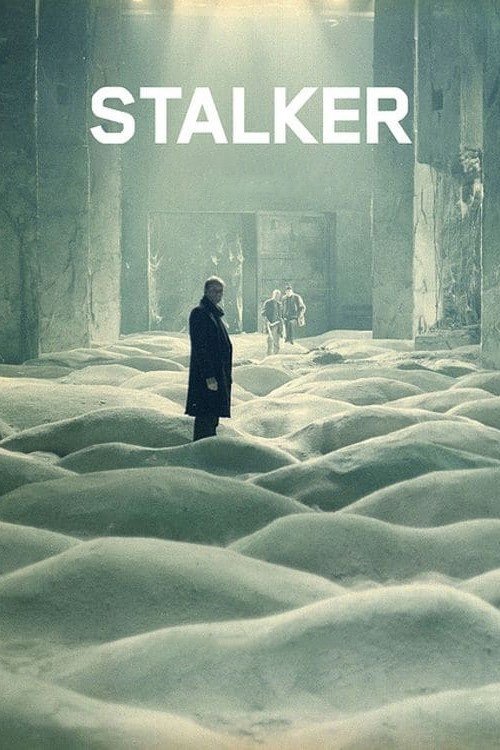
Imagine Andrei Tarkovsky’s “Stalker” with a strong no-nonsense heroine and pulse-racing creature attacks, and suddenly, such an excursion starts to sound enticing for those who otherwise can’t abide slow cinema (or the kind of ontological concerns this movie raises).
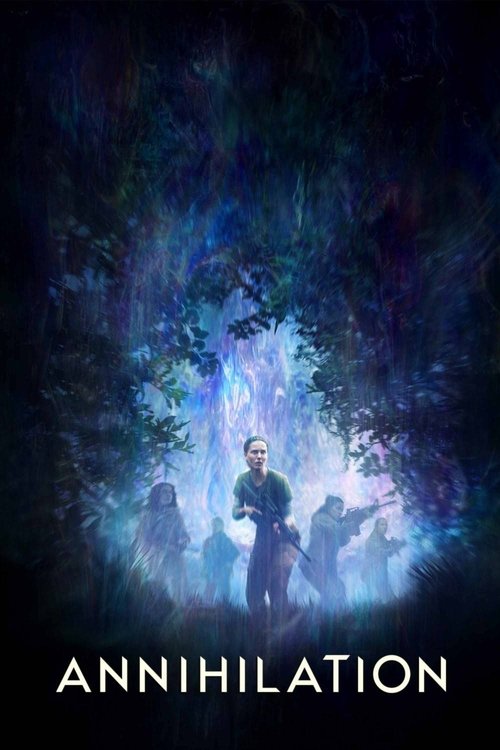
Based on Jeff VanderMeer's novel, Annihilation slightly resembles Andrei Tarkovsky's Stalker (1979), a highly artistic masterpiece from a much braver time, when audiences were less likely to balk at ambiguity.
Annihilation, which Garland adapted from the first novel in Jeff VanderMeer’s “Southern Reach” trilogy, is a riveting and often unnerving combination of head trip sci-fi on the order of 2001: A Space Odyssey and Stalker and high-end, Ten Little Indians-style creature feature like Alien and The Thing.
Andrei Tarkovsky's "Stalker" also comes to mind, but one wishes Garland was more influenced by the latter than the former.
From the score that mounts from a recognizable, melodic charge to something that’s significantly less human, to cold and measured performances, to visuals that harken back to Stalker and Stanley Kubrick, but are decidedly Garland’s- the film is masterfully composed.
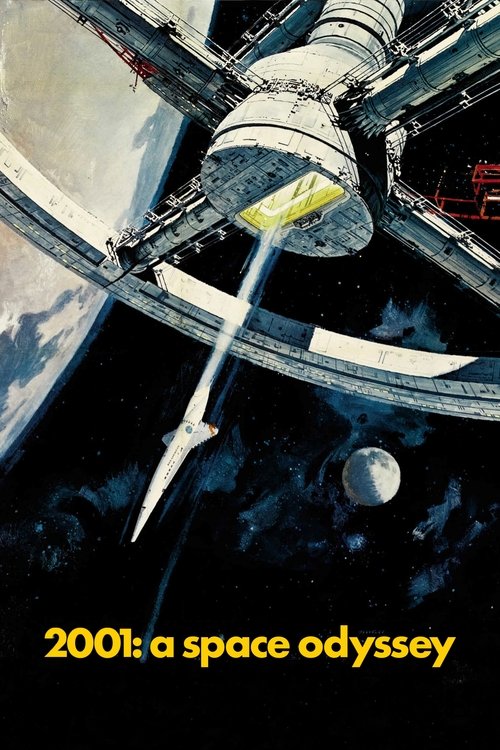
2001: A Space Odyssey (1968)
Directed by Stanley Kubrick
influenced Annihilation (2018), Ex Machina (2015)
Themes Visuals Plot
Reach” trilogy, is a riveting and often unnerving combination of head trip sci-?fi on the order of 2001: A Space Odyssey and Stalker and high-?end…
And wait until you see the visually audacious, eye-popping, finale which unlike, say "2001: A Space Odyssey," a film Garland has clearly been inspired by, doesn't have the kind of heft it thinks it does.
Making significant (and justifiable) departures from the novel, the film resembles a cross between the jungle quest of Apocalypse Now and the interstellar puzzle of 2001: A Space Odyssey.
Over its 115-minute journey, “Annihilation” steers a course from a brooding “Arrival” science fiction vibe into a kind of tense sci-fi/horror hybrid like Ridley Scott’s “Alien,” then finally to a kind of heady, hardcore science fiction of the “2001: A Space Odyssey” Stanley Kubrick variety.
This is legitimately unlike anything we’ve seen before in science fiction films, except maybe the end of 2001: A Space Odyssey .
The three-sided game of psycho-sexual dominance is played out in a claustrophobic environment that often recalls the color-intensive settings of Stanley Kubrick’s “2001: A Space Odyssey.”
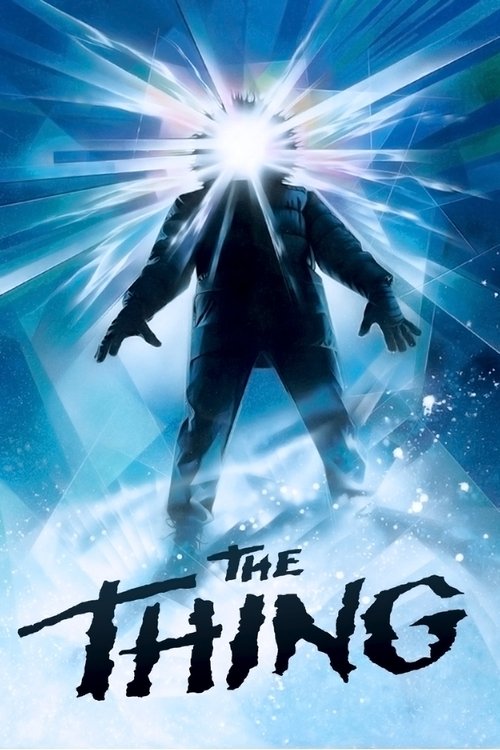
The Thing (1982)
Directed by John Carpenter
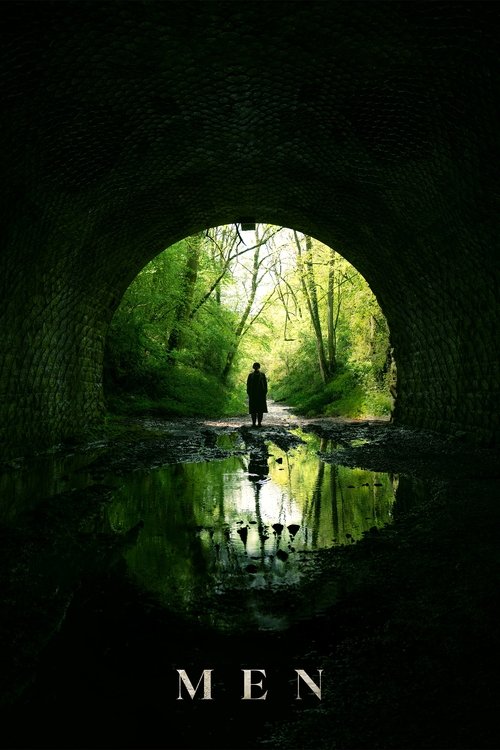
influenced Annihilation (2018), Men (2022)
Visuals Themes
In an opening shot that may as well be a direct quotation from John Carpenter’s “The Thing,” a meteor originating from deep space streaks past the camera, striking a lighthouse along the United States coastline.
Annihilation, which Garland adapted from the first novel in Jeff VanderMeer’s “Southern Reach” trilogy, is a riveting and often unnerving combination of head trip sci-fi on the order of 2001: A Space Odyssey and Stalker and high-end, Ten Little Indians-style creature feature like Alien and The Thing.
At an eerily deserted army base in the Shimmer, the women find traces of the group Kane had been with earlier, including scary footage and a dead body that has come apart and bloomed like a fungus, an image reminiscent of Rob Bottin’s designs for John Carpenter’s “The Thing.”
Combining bits of “The Thing” (the Carpenter version) and the “Aliens” franchise with themes reminiscent of “2001” and his own “Ex Machina,” writer-director Alex Garland offers an adaptation of the first volume of Jeff VanderMeer’s Southern Reach trilogy that’s consistently tantalizing but also deliberately obscure.
Annihilation is a ferocious, feral, female-centric update of fearsome monster classics like The Thing and Alien.
A journey into an alien heart of darkness, Annihilation feels like it’s been fashioned from gene-splicing Francis Ford Coppola’s Apocalypse Now with John Carpenter’s The Thing (especially in a pool-set scene of blooming monstrousness) and, also, Stanley Kubrick’s 2001, the latter’s spiritual influence coming to the fore during a finale of such prolonged, mesmerizing surrealism that it made my eyes burn—mainly because I didn’t want to blink, lest I miss a moment of its insanity.
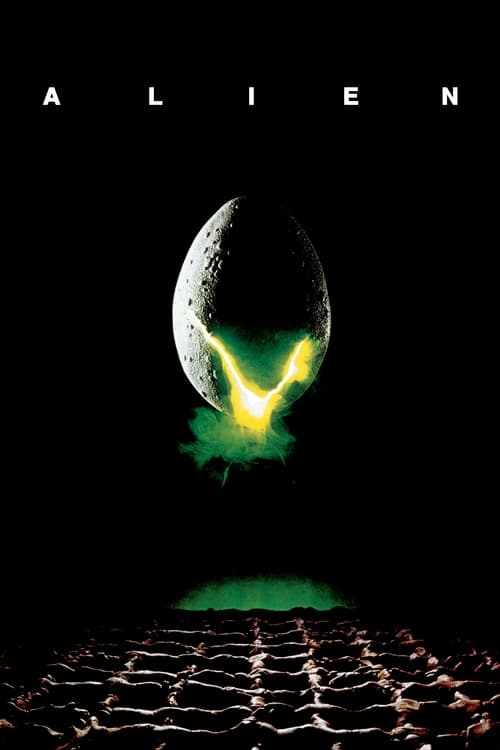
…creature feature like Alien and The Thing.
Over its 115-minute journey, “Annihilation” steers a course from a brooding “Arrival” science fiction vibe into a kind of tense sci-fi/horror hybrid like Ridley Scott’s “Alien,” then finally to a kind of heady, hardcore science fiction of the “2001: A Space Odyssey” Stanley Kubrick variety.
Based on Tallahassee author Jeff VanderMeer�s novel, Annihilation on the surface is a dead-ducks mission like Alien with the Ripley factor times five.
Annihilation is a sci-fi film that works well as a straight-up horror film, much like Alien used a sci-fi premise to deliver the scares.
Annihilation follows the familiar form of science fiction horror found in films from Alien to The Cloverfield Paradox , with a cast of characters in isolation, slowly being picked off by a force they don’t understand.
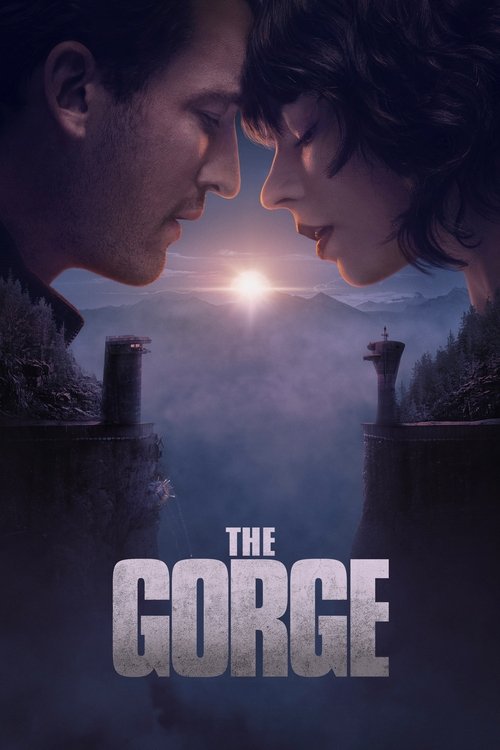
If you've ever watched Annihilation, you have a pretty good idea of what you'll see down there.
The Gorge becomes a sci-fi/action movie that reminds me of Alex Garland’s Annihilation. While there is nothing as indelibly horrible as Annihilation’s nightmare bear, The Gorge offers some interesting things to look at, nonetheless.
…they find some sub-Annihilation production design and we find that things aren’t exactly what they seem.
These parts of the film are reminiscent of Annihilation, both in concept and visually as well, so it won’t win points here for originality.
It lives somewhere between an Annihilation homage and a Resident Evil remake…
…it’s more like the kind of genetically mutated world featured in Alex Garland’s Annihilation, and at least that means some trippy visuals as various giant Groots and skull-spiders swarm our protagonists like a video game set to crushingly hard.
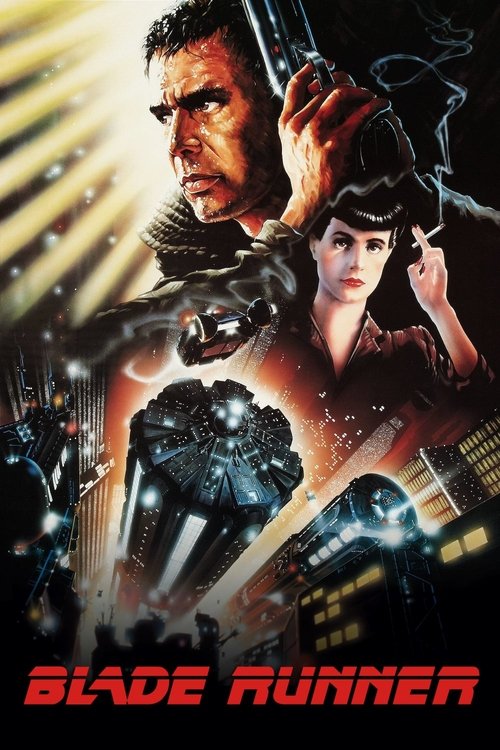
Blade Runner (1982)
Directed by Ridley Scott
influenced Ex Machina (2015), Annihilation (2018)
Themes Visuals
However, I can only hope that as time passes, those who were sorting derisively or scratching their heads will eventually come around and see the film as I did—as a conceptually ambitious and stunningly executed sci-fi film along the lines of such masterworks as “2001,” “Solaris,” “Blade Runner,” “Dark City" and “Inception” that will continue to live on long after today’s current chart-toppers have been long forgotten.
It’s easy to see Annihilation being discussed with the same fervor as Blade Runner or 2001, and Garland’s visualization of this story is not only reminiscent of Andrei Tarkovsky, John Carpenter, and Stanley Kubrick – among others – but proves that Garland may soon be considered along their ranks.
In its exploration of Ava and the extent to which she becomes worthy of human empathy even though she's technically a machine, the piece recalls not only Shelley but also Philip K. Dick's Do Androids Dream of Electric Sheep? (aka Blade Runner in film lingo) and H.G. Wells' The Island of Dr. Moreau, particularly its repeated refrain of "Are we not men?"
Ex Machina has the mix of fizzy intellect, black humour and streamlined thrills Judge Dredd’s comic-book home 2000 AD has always specialised in (as did an early, obvious homage to it, Blade Runner).
Domhnall Gleeson, who was last seen in Angelina Jolie’s Unbroken, stars as Caleb Smith, a slightly nerdy computer-programming whiz who works for BlueBook, a Google-like search-engine giant run by a reclusive eccentric named Nathan Bateman (A Most Violent Year’s Oscar Isaac, mischievously channeling the mad-genius trio of Steve Jobs, Richard Branson, and J.F. Sebastian, the replicant designer from Blade Runner).
The creation of new forms of life, and the dangers that poses, has informed screen classics from Fritz Lang's Metropolis in 1927 to Ridley Scott's Blade Runner in 1982.
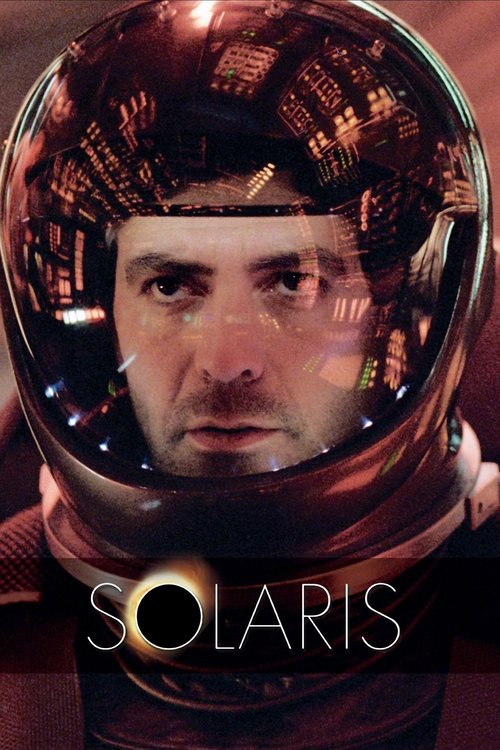
However, I can only hope that as time passes, those who were sorting derisively or scratching their heads will eventually come around and see the film as I did—as a conceptually ambitious and stunningly executed sci-fi film along the lines of such masterworks as “2001,” “Solaris,” “Blade Runner,” “Dark City" and “Inception” that will continue to live on long after today’s current chart-toppers have been long forgotten.
There are echoes of “Solaris” (both the Tarkovsky and Soderbergh versions), “Stalker,” “The Man Who Fell to Earth” and John Carpenter’s “The Thing” in this movie, but it never feels like an assemblage of homage or too familiar, instead producing something wholly unique.
In these scenes, Garland operates with an economy and sense of emotional longing reminiscent of Steven Soderbergh’s Solaris.
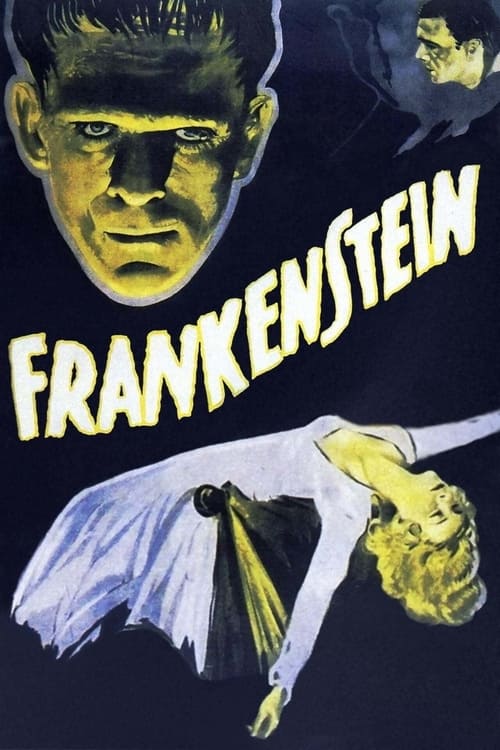
In that respect, the story harkens back to Mary Shelley's Frankenstein, a novel that — pay attention, Trivial Pursuit players — sports the often dropped subtitle The Modern Prometheus.
A worthy companion piece to “Under the Skin” and “Her” in its examination of what constitutes human and feminine identity — and whether those two concepts need always overlap — Garland’s long-anticipated directorial debut synthesizes a dizzy range of the writer’s philosophical preoccupations into a sleek, spare chamber piece: Mary Shelley’s “Frankenstein” redreamed as a 21st-century battle of the sexes.
The movie draws inspiration from likeminded films such as “2001: A Space Odyssey,” but at its core, it’s basically a modern day retelling of Mary Shelley’s “Frankenstein” with a twist, with Nathan as the creator and Vikander as his monster.
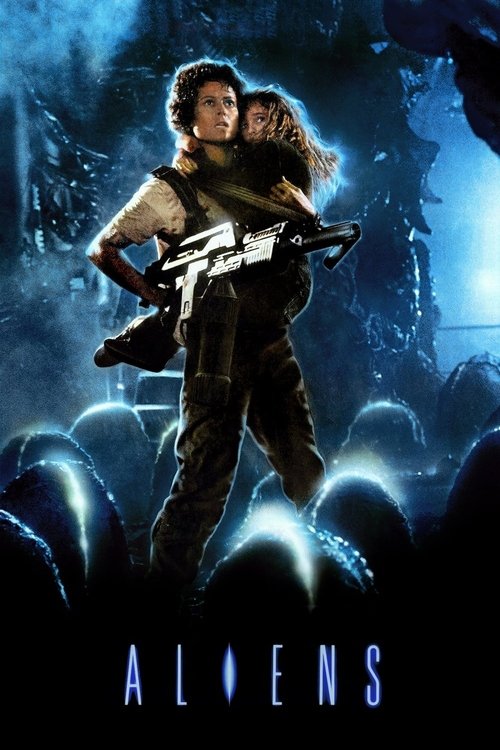
Of course, Garland's film is much more than just an alien film, its ambitions would like you to think that it is about the meaning of existence, but it rather shares striking similarities to John McTiernan‘s "Predator" and James Cameron‘s "Aliens", two American-made sci-fi thrillers that have been relentlessly copied over the years by hundreds of filmmakers.
Years from now, someone’s going to stroll down the science-fiction aisle of the last remaining video store on the planet, where they’ll find the last remaining physical copy of Alex Garland’s new movie, Annihilation, shelved neatly between Aliens and Arrival .
Combining bits of “The Thing” (the Carpenter version) and the “Aliens” franchise with themes reminiscent of “2001” and his own “Ex Machina,” writer-director Alex Garland offers an adaptation of the first volume of Jeff VanderMeer’s Southern Reach trilogy that’s consistently tantalizing but also deliberately obscure.
They can’t all be Sigourney Weaver in Aliens.
As a team of heavily armed scientists, played by Portman, Gina Rodriguez , Tessa Thompson, Tuva Novotny, and Jennifer Jason Leigh, march into The Shimmer, the otherworldly bubble walling off Area X, the movie conjures genre pleasures—shades of Predator, Aliens, Apocalypse Now—but it’s quieter, eerier.
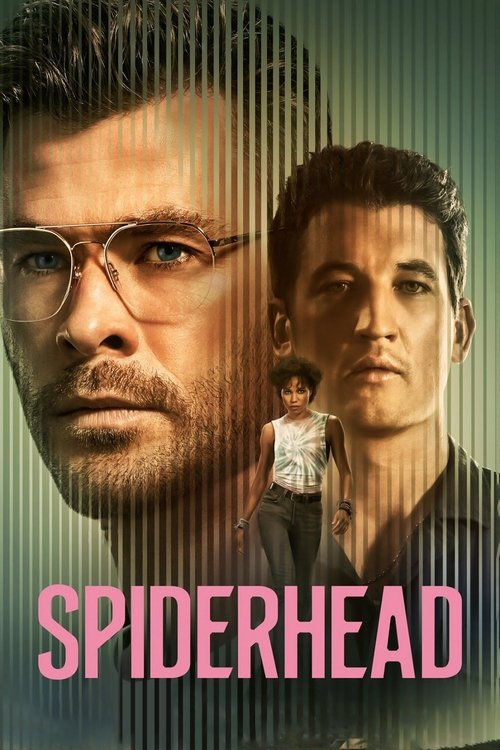
Spiderhead (2022)
Directed by Joseph Kosinski
influenced by Ex Machina (2015), Annihilation (2018)
Visuals Themes
With its larger intellectual concerns and general coldness, you’d think the director was Alex Garland (”Ex Machina,” “Annihilation,” “Men”).
This reminded me of Alex Garland’s Ex Machina (2014), which also examined similar themes of human nature and oppression.
In the spirit of Black Mirror and Ex Machina , the fifth feature from director Joseph Kosinski ( Tron Legacy , Top Gun: Maverick ) is a contained tech-thriller brimming with ideas.
Kosinski’s camera adds sleek sterility to the world, enhancing the Ex Machina vibes with clean and simple cinematography.
His new sci-fi thriller, "Spiderhead," which drops on Netflix Friday, is a thematically thought-provoking but overly familiar addition to the genre of "Black Mirror" and "Ex Machina."
With its larger intellectual concerns and general coldness, you’d think the director was Alex Garland (”Ex Machina,” “Annihilation,” “Men”).

J3, on the other hand, appears almost human, much like the creature played by Alicia Vikander in Alex Garland’s 2014 Ex Machina .
It’s difficult to not read Archive in the wake of Alex Garland’s Ex Machina , another recent story about a possessive tech genius building his perfect woman in captivity.
Science fiction, at its best, tells us something about ourselves, and ARCHIVE ––Gavin Rothery’s feature debut as writer/director––is an impressive drama about love and death that ought to appeal to people who responded to movies like “Gravity” (2013) and “Ex Machina” (2014).
Plus, some robot designs from “Star Wars” and “Metropolis” are thrown into a narrative mix of “Ex Machina” meets “Solaris.”
Rothery's computerized-afterlife premise riffs on a zeitgeisty notion explored most recently in Greg Daniels' Upload series, but the film echoes the cinema of artificial humans more broadly, from Ex Machina and Westworld back to 2001 and Metropolis .
Suspended from a high-tech harness, J-3 almost immediately realizes she’s at George’s mercurial nature, though Rothery deliberately sidesteps exploring or examining the more troubling themes underlying AI in fiction or film like Alex Garland did in Ex Machina six years ago.

What happens next will remind viewers of the work of late English filmmaking auteur Nicolas Roeg (see his landmark “Don’t Look Now”).
In the sense that all works of genius are partially responsible for the lesser imitators they inspire, the most accurate square one for metaphorror would be triangulated as Nicolas Roeg’s 1973 masterpiece Don’t Look Now .
It’s a well-worn scenario of intense grief set somewhere lusciously photogenic, like Nicolas Roeg’s Don’t Look Now or Peter Medak’s The Changeling —only this time extremely British.
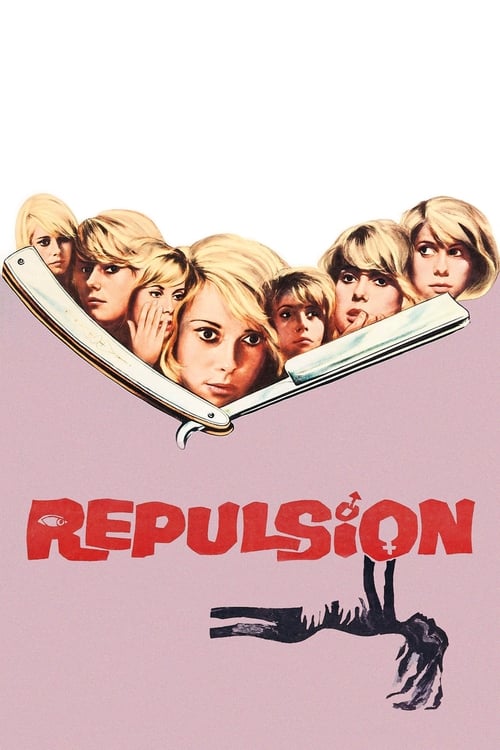
Never mind that Harper’s ordeal is reminiscent of Catherine Deneuve’s frightful weekend in Roman Polanski’s Repulsion .
There are faint echoes of Roman Polanski's 1965 film Repulsion in which all male presence is tainted and nefarious and the protagonist is trapped by her own fear.
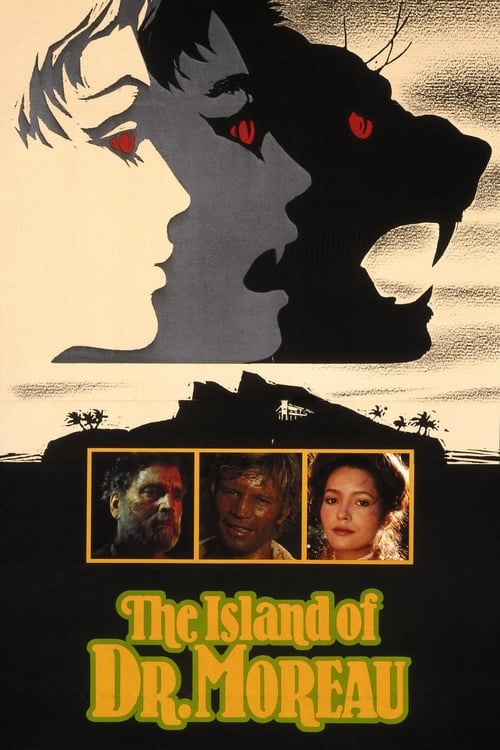
In its exploration of Ava and the extent to which she becomes worthy of human empathy even though she's technically a machine, the piece recalls not only Shelley but also Philip K. Dick's Do Androids Dream of Electric Sheep? (aka Blade Runner in film lingo) and H.G. Wells' The Island of Dr. Moreau, particularly its repeated refrain of "Are we not men?"
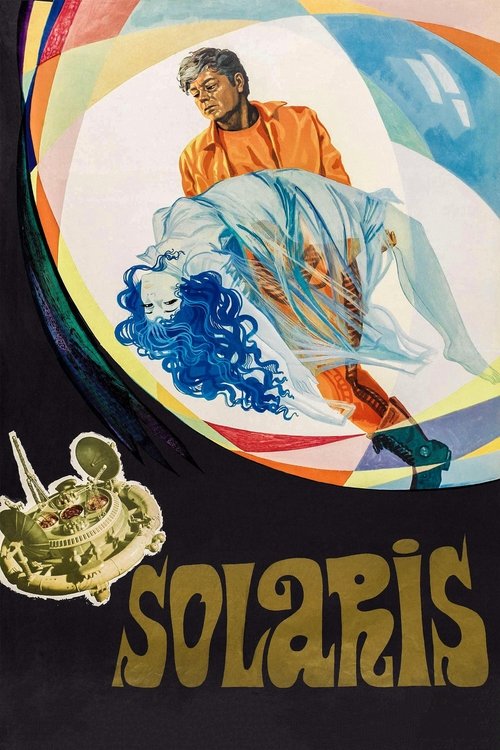
He was in The Shimmer, of course, and it’s here that sci-fi fans may start to recognize the phantom impression of Andrei Tarkovsky’s deep-think genre classics, films like Solaris or Stalker, the latter similarly concerned with the traversing of a mysterious realm.
Even within this resurgence, rarely do you see a film that’s built from the templates of Tarkovsky films like “Solaris” or “Stalker,” movies that used sci-fi in a discomfiting, emotional register because, well, that kind of filmmaking is incredibly difficult to pull off.
To reveal Area X’s surprises would spoil the fun, but suffice to say that Annihilation has some overlap with Solaris and Stalker, Andrei Tarkovsky’s ruminative and mind-bending portraits of surreal other worlds.
While there are passages of the body horror best exemplified by David Cronenberg’s films, there is more mirroring of movies by Andrei Tarkovsky in its cool pulse, especially the journeys into the unknown and into forbidden zones in “Stalker” and “Solaris.”
Like the novel, Garland’s film wanders uncertainly between the allegorical realm of Andrei Tarkovsky’s “Stalker” (1979) and “Solaris” (1972) and the viscid nightmares of H.P. Lovecraft.

That's because, with its conclusion, Morgan changes gears, going from a patient sci-fi thriller that's more akin to last year's Ex Machina, which it will inevitably be compared to, and ramps up the action.
Meanwhile, although the character dynamics here don’t match the strange interplay in last year’s similarly themed genre standout “Ex Machina,” they’re solid enough.
In addition to tapping into Ridley Scott's themes, the film echoes ideas tackled in the recent films "Hanna" and "Ex Machina."
Luke Scott, son of the more famous Ridley, will already be used to hearing his nippy debut compared to Alex Garland’s recent Ex Machina.
The film with which critics tend to compare this is last year's gorgeous and provocative Ex Machina, but the movie it really should be measured against is 2011's masterfully conceived Hanna.
"Morgan" appears to be another "Frankenstein"-inspired thriller, like "Ex Machina," but it's considerably less innovative, more derivative and reminded me of David Cronenberg's early horror tale "The Brood" with its homicidal "kids" on the loose.
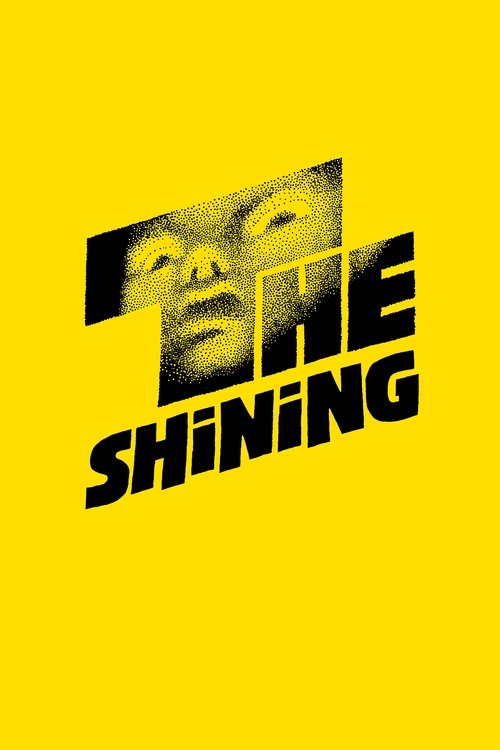
The Shining (1980)
Directed by Stanley Kubrick
influenced Men (2022), Ex Machina (2015)
Themes Visuals
Caleb's conversations with Ava are presented as discrete narrative sections, titled like chapters in a book (though the claustrophobic setting will inevitably remind viewers of another classic of shut-in psychodrama, Stanley Kubrick's film of " The Shining ").
Garland’s approach recalls what Stanley Kubrick did in The Shining (1980): he weaponizes subliminal symbolism to drive the viewer mad while trying to find their way through its maze.
The movie has a dissociative identity disorder – at times I was reminded of Kubrick (The Shining in particular) and, on other occasions, Ed Wood came to mind.
Director Garland and cinematographer Rob Hardy do a magnificent job of creating a world that seems unto itself; at times it feels as if Harper is trapped in a maze like she’s in “The Shining,” even in broad daylight.

Garland appropriates existing cinematic language for his film — which follows four journalists en route to the violent end of a civil war. It’s everything from Gilio Pontecorvo’s visual verité from The Battle of Algiers to more contemporary concussions akin to the broken-knob sonic assault of Alfonso Cuarón’s Children of Men.
In the same way Alfonso Cuarón used John Lennon's “Bring On The Lucie (Freda Peeple)” at the end of Children of Men, Garland somehow turns “Dream Baby Dream” by No Wave legend Suicide into a protest song.
Like the coffee-shop explosion in Alfonso Cuarón’s “Children of Men,” the vérité-style blast puts us on edge — though the wider world might never witness it, were it not for Lee, who picks up her camera and starts documenting the carnage.
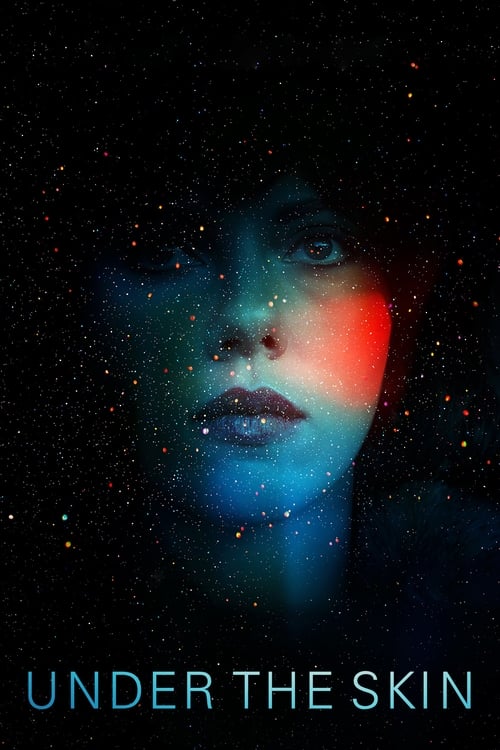
Under the Skin (2014)
Directed by Jonathan Glazer
influenced Annihilation (2018), Men (2022), Ex Machina (2015)
Themes Visuals
Commercially, of course, it’s prudent to venture into avant garde science fiction territory on a smallish budget, the way Jonathan Glazer did with his truly disorienting and memorable 2013 alien visitation film “Under the Skin.”
In eerie moments, the film’s dreamy dark vibe reminded me of Jonathan Glazer’s challenging and chilling Under the Skin.
The past five years have seen two superb films about the utter foreignness of alien life forms: the crowd-pleasing Arrival , in which Amy Adams’ linguist ultimately decodes the spatter-based language of “heptapods ,” and the chilly and ungiving Under the Skin , in which Scarlett Johansson’s slinky extraterrestrial preys upon young men, the whys and hows as unknown as her name.
However faithful this movie might or might not be, what can be said is that this is pure science fiction and is as thought-provoking, intellectually challenging and as spiritually fascinating as anything that’s hit theatres this side of 2014’s Under the Skin or 2012’s Cloud Atlas.
There are shades of smart, risk-taking recent sci-fi films like “Under the Skin” and “The Fountain” in “Annihilation’s” DNA, and even hints of “mother!” in its environmental messaging.
Visually, the abstract movie is stunning, with its beautiful and hallucinatory VFX landing somewhere in between the cosmic Rorschach blots of “The Tree Of Life,” the eerie profiles of “Under The Skin” and a unique paroxysm of H.R. Giger and phosphorescent atoms.