
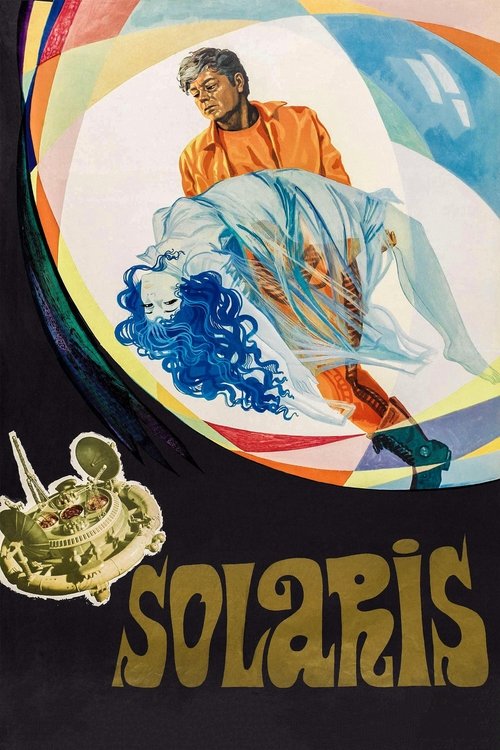
Solaris (1972)
Directed by Andrei Tarkovsky
A psychologist is sent to a space station orbiting a planet called Solaris to investigate the death of a doctor and the mental problems of cosmonauts on the station. He soon discovers that the water on the planet is a type of brain which brings out repressed memories and obsessions.
4 connections found
View:
4 films that influenced Solaris
What critics say influenced Solaris
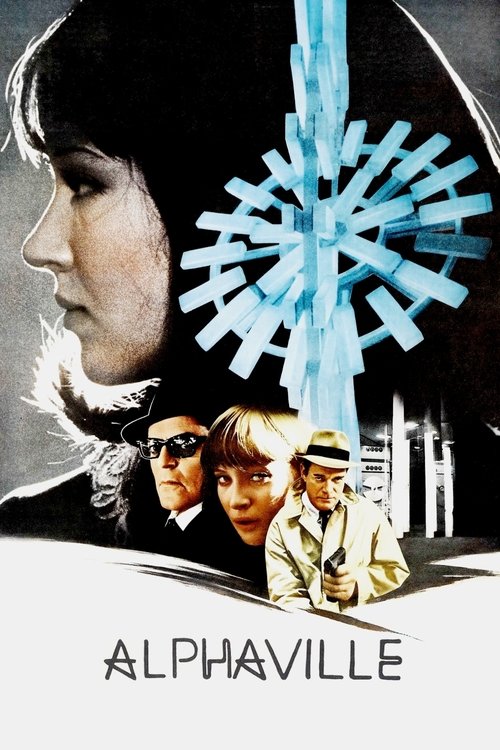


I always thought Tarkovsky was going commando à la Godard's Alphaville, deliberately shooting SF in real, unadorned contemporary settings--made somewhat otherworldly by Artemyev's insistently unnerving sound design--to emphasize the alienating effect of modern life.
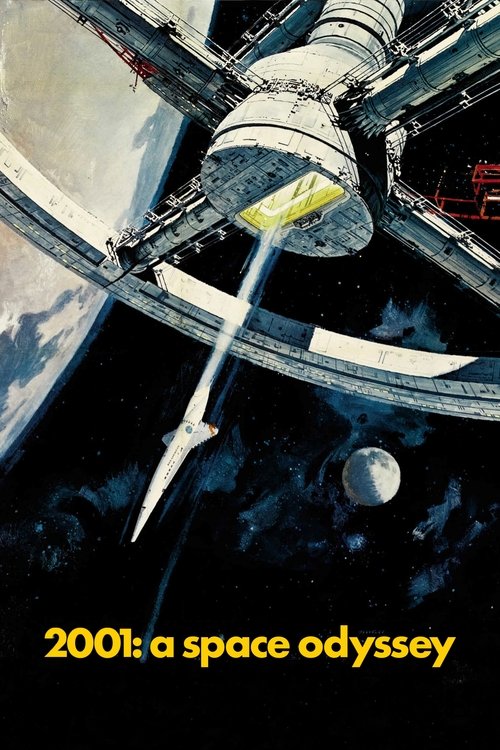
Andrei Tarkovsky hated 2001: A Space Odyssey , and in a fit of insolence not unusual to his brand of genius, declared that his own science-fiction film (then in the making) would be the polar opposite of Kubrick's, which he saw as soulless and obsessed with special effects, ignorant to the human heart.
Solaris is often characterized as a Soviet response to 2001: A Space Odyssey , and it may be true that Tarkovsky saw an opportunity as heady science-fiction films came into vogue.
Steven Soderbergh has been touting his soon-to-be released remake of Andre Tarkovskys Solaris as an amalgam of 2001: A Space Odyssey and Last Tango in Paris .
Tarkovsky made Solaris, his third film, partially as a reaction to Stanley Kubrick's 2001: A Space Odyssey , which he hated.
Although Andrei Tarkovsky regarded this 1972 SF spectacle--enigmatic, highly idiosyncratic, beautifully composed in 'Scope--as the weakest of his films, it holds up remarkably well as a soulful Soviet "response" to 2001: A Space Odyssey, concentrating on the limits of man's imagination in relation to memory and conscience.
When I first saw "2001: A Space Odyssey" as a teenager, I was terribly disappointed.
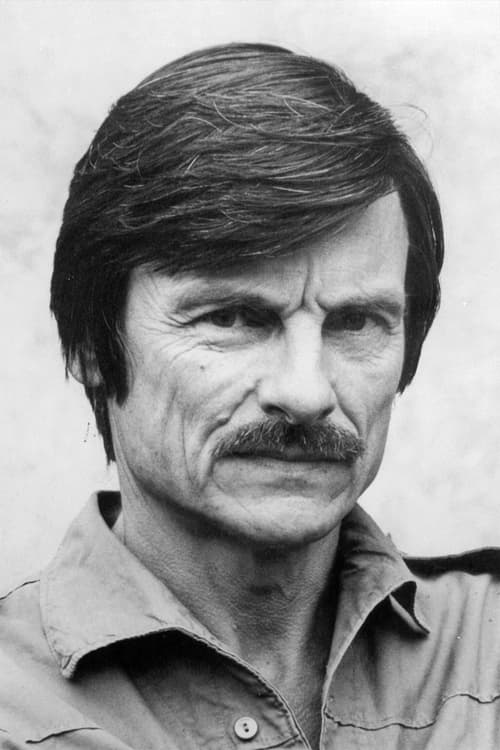
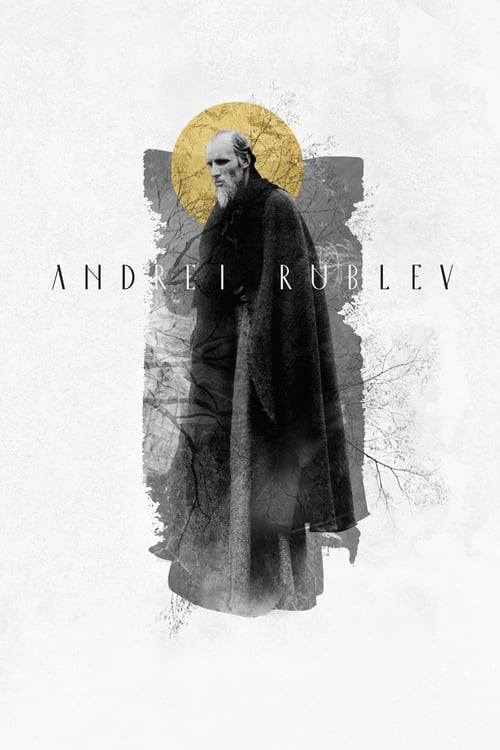
With other Tarkovsky films--"Andrei Rublev," "Nostalgia," " The Sacrifice "--I had the same experience.
My initial statement also has a literal corollary within a Tarkovsky work, specifically his 1966 film Andrei Rublev.
Solaris, like Tarkovsky’s previous two films, Ivan’s Childhood (1962) and Andrei Rublev (1966), was made in the Soviet Union at a time when artists had few freedoms.
(For more on Tarkovsky, see Criterion's fine DVD of Andrei Rublev.
More an exploration of inner than of outer space, Tarkovsky's eerie mystic parable is given substance by the filmmaker's boldly original grasp of film language and the remarkable performances by all the principals; while it may not be the equal of Andrei Rublev and Stalker, it remains one of the key Russian films of the 70s, charged with poetry, passion, and mystery.
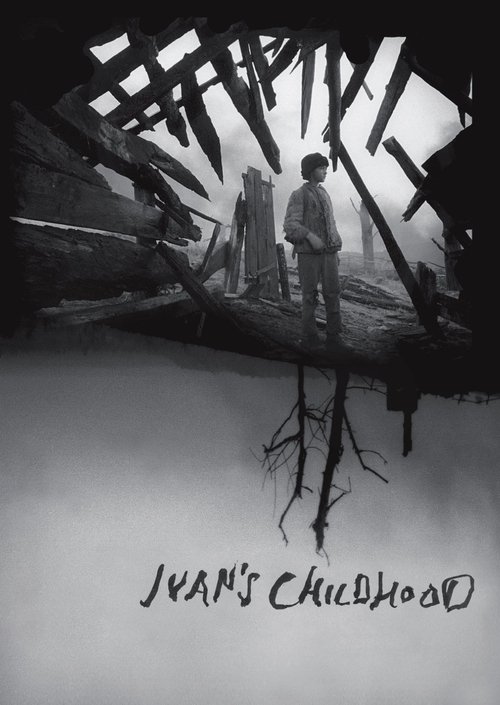
Solaris, like Tarkovsky’s previous two films, Ivan’s Childhood (1962) and Andrei Rublev (1966), was made in the Soviet Union at a time when artists had few freedoms.
This week the Castro Theatre shows a print of Solaris, and next week it screens Tarkovsky's other works: Stalker Jan. 3, Andrei Rublev Jan. 4-5, a double-bill of The Mirror and Ivan's Childhood Jan. 6-7, and his final film, The Sacrifice, Jan. 8. (Nostalgia is the only of his films not screening in the series.)