
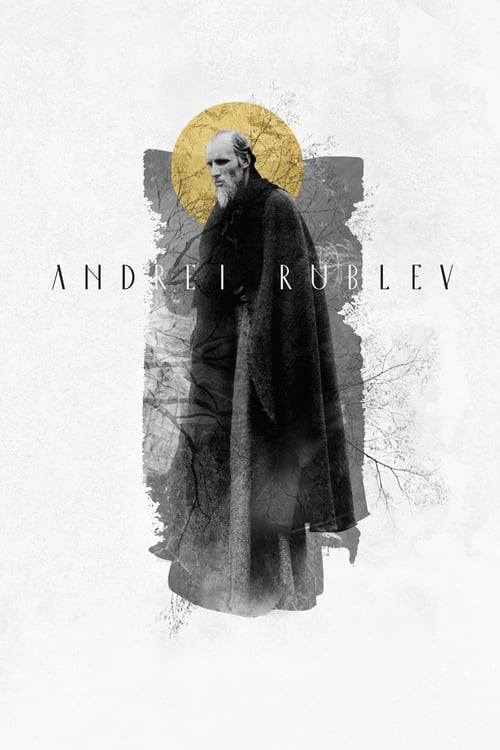
Andrei Rublev (1966)
Directed by Andrei Tarkovsky
An expansive Russian drama, this film focuses on the life of revered religious icon painter Andrei Rublev. Drifting from place to place in a tumultuous era, the peace-seeking monk eventually gains a reputation for his art. But after Rublev witnesses a brutal battle and unintentionally becomes involved, he takes a vow of silence and spends time away from his work. As he begins to ease his troubled soul, he takes steps towards becoming a painter once again.
14 connections found
View:
14 connections, in both directions
What critics compared Andrei Rublev to
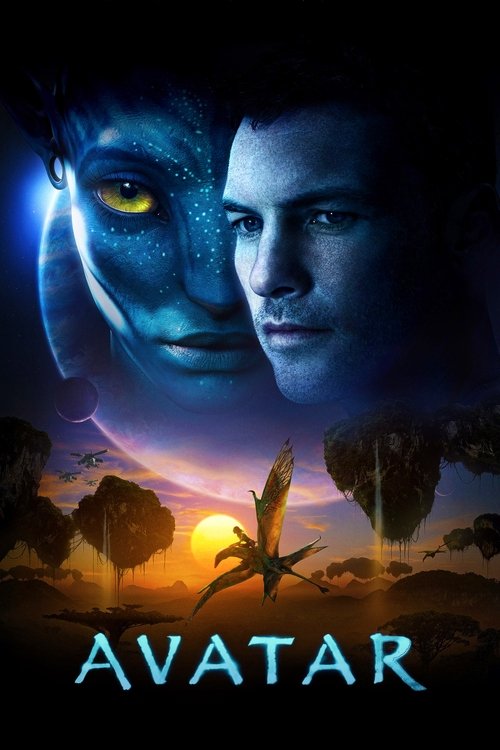


But then again, a shot of one of the Na’vi’s six-legged riding beasts running away from battle engulfed in flames evokes the stumbling horse in the battle scene of Andrei Rublev , and like that film, it raises the question of whether the divisions of pagan nature-worship and more polite creeds might be wrong-headed, with an overall concept of humanity and nature fatally out of balance.

Lowery has cited Tarkovsky’s Andrei Rublev and Kenneth Branagh’s Henry V as inspirations; the film also hints at John Boorman’s Arthurian extravaganza Excalibur and Guillermo del Toro’s sylvan fantasy Pan’s Labyrinth.
There are Dutch painters you could call out here—Brueghel with fewer figures within a denuded landscape—as well as scenes of pillage and splash and splatter in Tarkovsky’s “Andrei Rublev,” but the design research for “The Green Knight” is absorbed into its wholly realized world.
He even throws in a few references to Tarkovsky’s most austere film, Andrei Rublev (about a medieval Russian icon painter), to underline his seriousness.
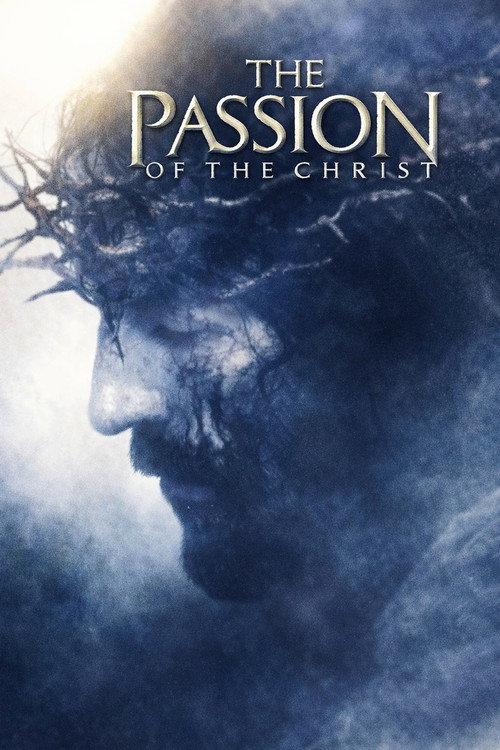
Gibson doesn't appeal to us as spiritual beings, nor does he attempt to touch us intellectually or philosophically, like Andrei Tarkovsky and Pier Paolo Pasolini did in Andrei Rublev and The Gospel of St. Matthew, respectively.
Advertisement
It’s like The Witch meets Andrei Rublev meets “Rhythm Nation.”
…spiritually rapturous character portraits from the likes of Andrei Tarkovsky (Andrei Rublev), Terrence Malick (A Hidden Life), or Carl Theodor Dreyer (The Passion of Joan of Arc)…
The most obvious reference point for Tarkovsky's mise en sc�ne is Ingmar Bergman, whose somber medieval tableaux for The Seventh Seal are reflected in Tarkovsky's vision.
There are footnotable elements by the fistful in every bristling frame, not limited to the history of French cinema: one person may recognize the Joseph Mitchell figure who doesn’t write snacking on a single, characteristically sound-mixed potato chip; another might suss the man at a gangster card table wearing the pale American hat as a flicker of French film master Jean-Pierre Melville, or maybe the black-and-white-to-color coup de théâtre of a jumpcut that’s a loving crib of the epilogue of Andrei Tarkovsky’s “Andrei Rublev.”
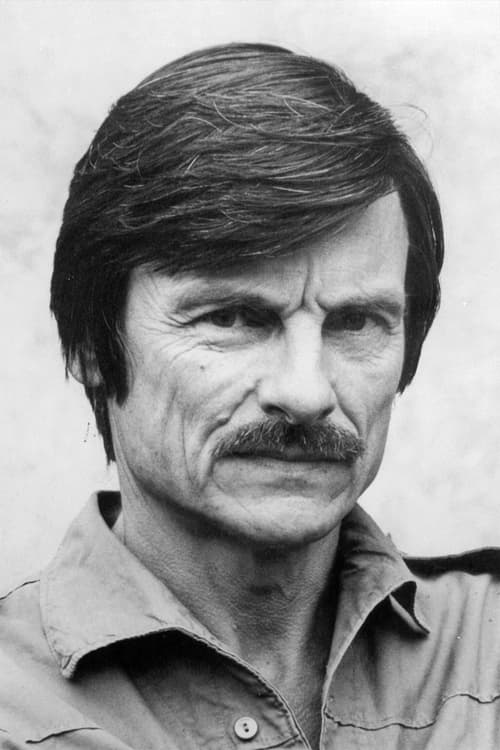
The holy follies and the holistic vision of medieval Russia are transifixing in Andrei Rublev, as are the oceanic sadness of Solaris and the internal lament of the self-pitying exile in Nostalghia.
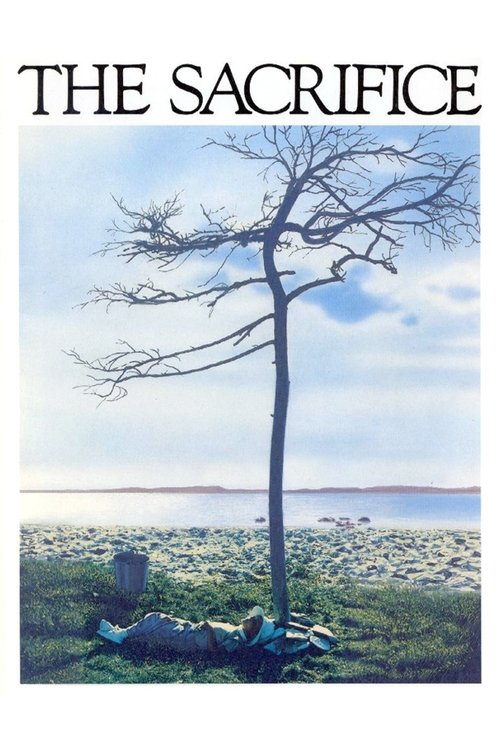
"The Sacrifice" has moments of unparalleled visionary brilliance, and scattered throughout it are signs of the master film artist who in 1966 made the monumental "Andrei Rublev."
As with Andrei Rublev , perhaps, there is a dialectic of Christian and pagan ideas.
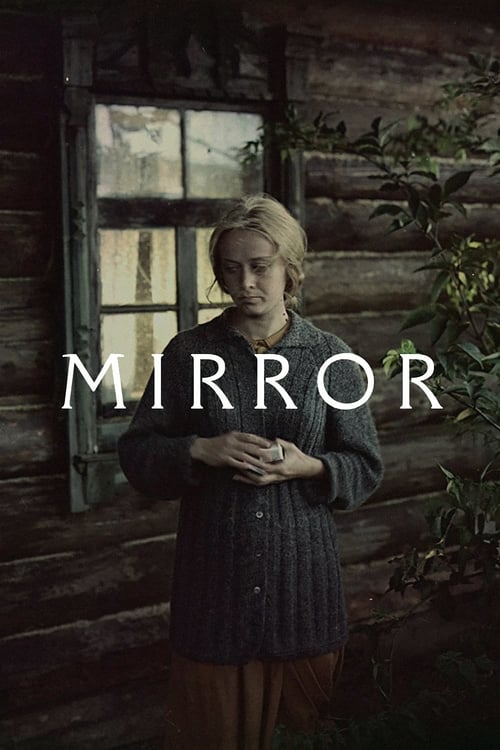
“Mirroring Tarkovsky”, a massive retrospective of the work of the Russian director Andrei Tarkovsky, opens this month at the British Film Institute, with lectures and screenings of his significant films, from Ivan’s Childhoodto Andrei Rublev, Stalker,Solarisand Mirror.
For every viewer who rejoices in the historical glories of “Andrei Rublev,” there is another who will veer toward the apocalyptic grandeur of his later works, like “The Sacrifice.”
With other Tarkovsky films--"Andrei Rublev," "Nostalgia," " The Sacrifice "--I had the same experience.
My initial statement also has a literal corollary within a Tarkovsky work, specifically his 1966 film Andrei Rublev.
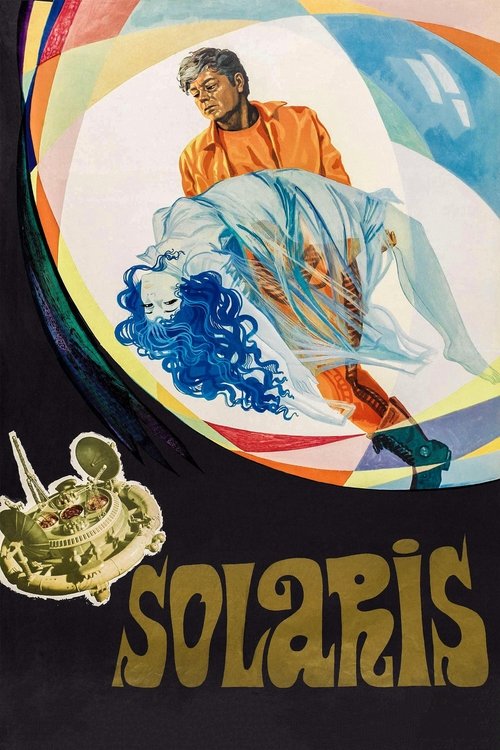
Solaris, like Tarkovsky’s previous two films, Ivan’s Childhood (1962) and Andrei Rublev (1966), was made in the Soviet Union at a time when artists had few freedoms.
(For more on Tarkovsky, see Criterion's fine DVD of Andrei Rublev.
More an exploration of inner than of outer space, Tarkovsky's eerie mystic parable is given substance by the filmmaker's boldly original grasp of film language and the remarkable performances by all the principals; while it may not be the equal of Andrei Rublev and Stalker, it remains one of the key Russian films of the 70s, charged with poetry, passion, and mystery.
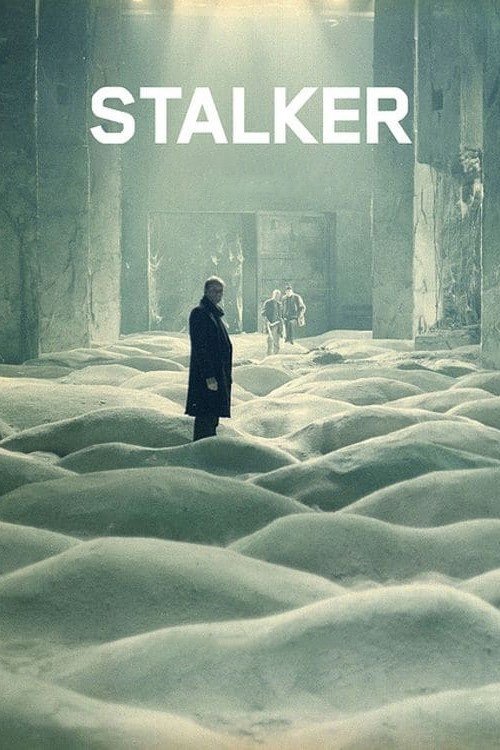
The great Russian filmmaker Andrei Tarkovsky ("Solaris"/"The Mirror"/"Nostalghia"/"Andrei Rublev") has created yet another masterpiece in this very difficult to fully absorb high art film played as a fascinating philosophical metaphorical tract, which offers an account of a mystical journey into an unspecified zone full of unforeseen hazardous traps (which may be true or only based on a superstition).
Advertisement
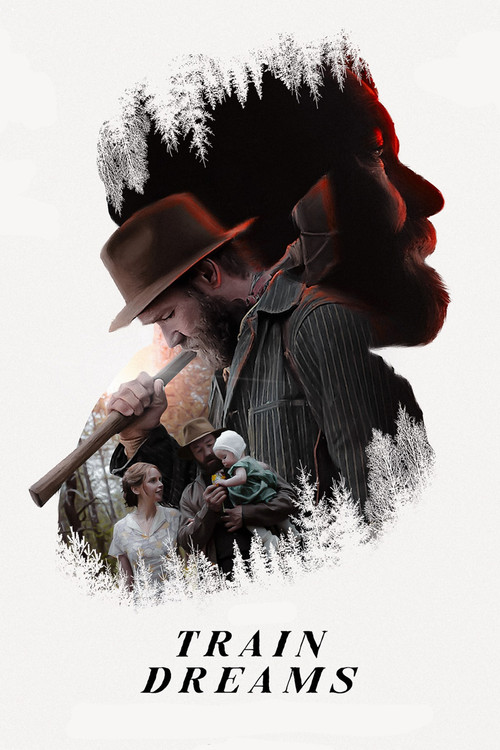
I was reminded also of titles like Andrei Tarkovsky’s Andrei Rublev…
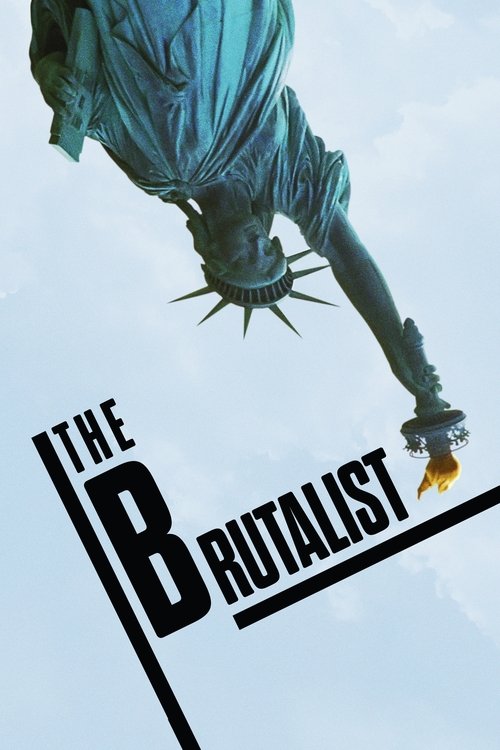
…a film with faint echoes of Andrei Rublev‘s monumental ambitions…