
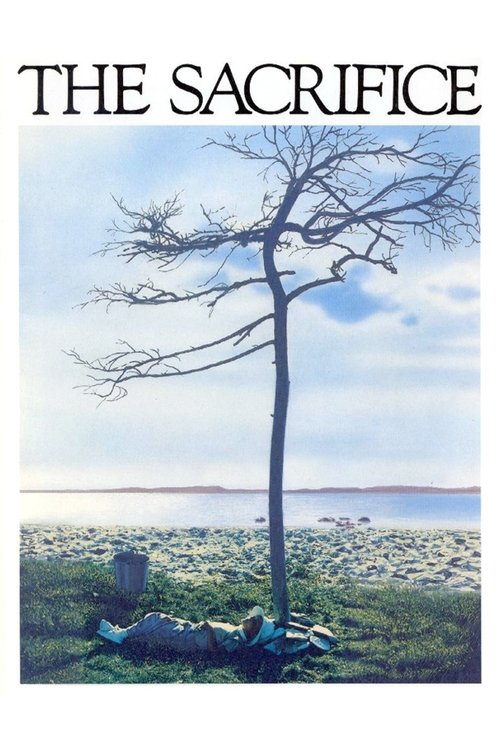
The Sacrifice (1986)
Directed by Andrei Tarkovsky
Alexander, a journalist, philosopher and retired actor, celebrates a birthday with friends and family when it is announced that nuclear war has begun.
4 connections found
View:
4 films that influenced The Sacrifice
What critics say influenced The Sacrifice
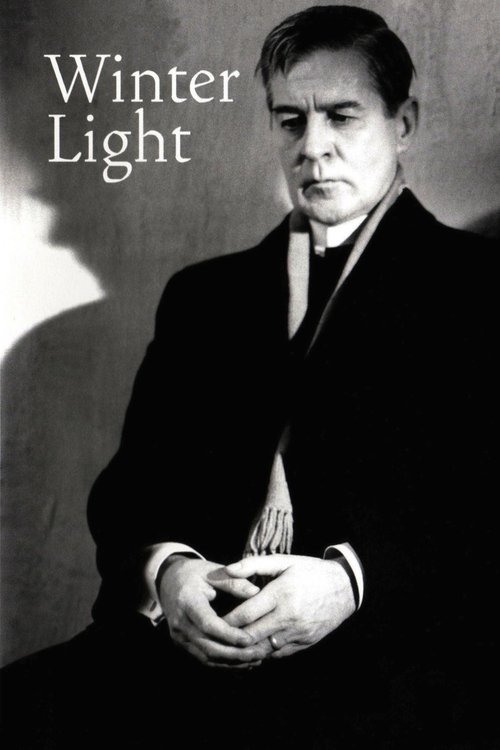


The expatriated Soviet has not just relocated the action to Sweden but has settled deep inside the fist of Nordic spiritual restlessness and Winter Light-style furors of the soul.
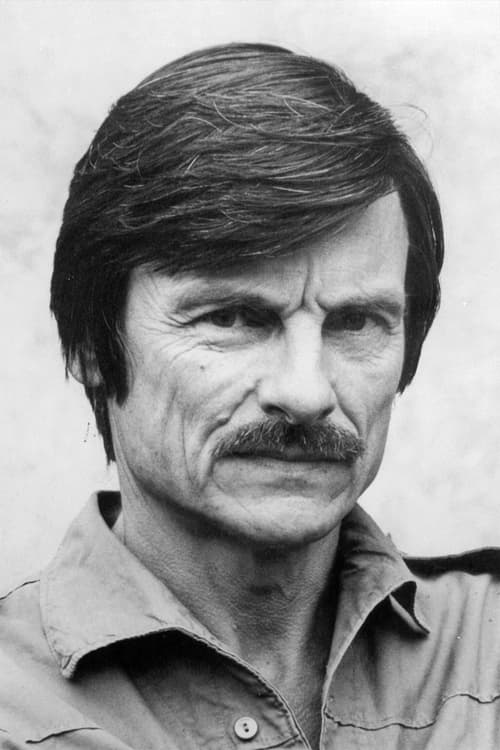
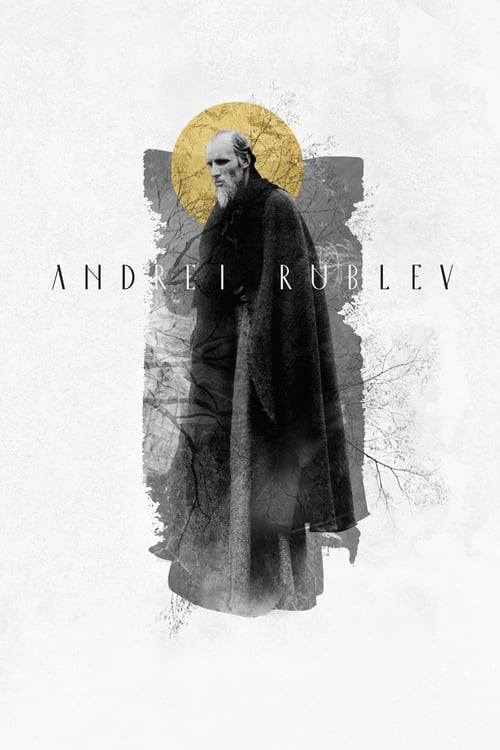
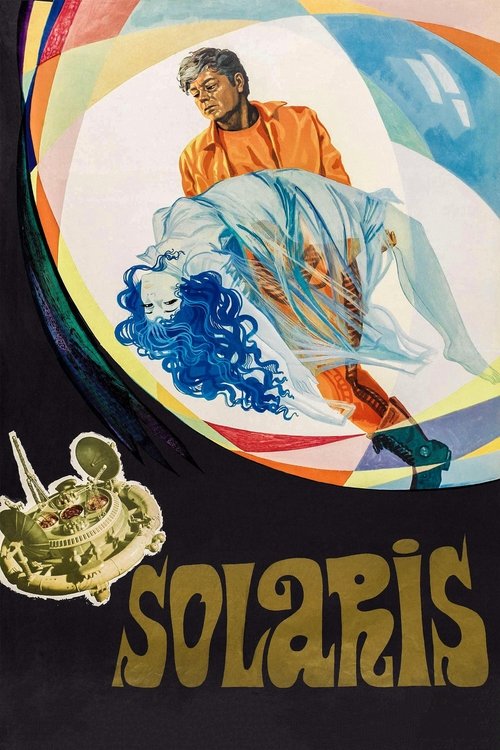
The holy follies and the holistic vision of medieval Russia are transifixing in Andrei Rublev, as are the oceanic sadness of Solaris and the internal lament of the self-pitying exile in Nostalghia.
"The Sacrifice" has moments of unparalleled visionary brilliance, and scattered throughout it are signs of the master film artist who in 1966 made the monumental "Andrei Rublev."
As with Andrei Rublev , perhaps, there is a dialectic of Christian and pagan ideas.
With other Tarkovsky films--"Andrei Rublev," "Nostalgia," " The Sacrifice "--I had the same experience.
Solaris may not have an opening shot that is nearly ten minutes long (like The Sacrifice ) but it comes pretty close to it.
This week the Castro Theatre shows a print of Solaris, and next week it screens Tarkovsky's other works: Stalker Jan. 3, Andrei Rublev Jan. 4-5, a double-bill of The Mirror and Ivan's Childhood Jan. 6-7, and his final film, The Sacrifice, Jan. 8. (Nostalgia is the only of his films not screening in the series.)
Even outside his black and white films, director Andrei Tarkovsky has favored these kinds of restricted spectrums many times before, often to convey environments of fraught interiority ( Nostalghia ), profound metaphysical threat (Stalker), or cosmic melancholia ( Solaris ).
This is Andrei Tarkovsky's ("Stalker"/"Nostalghia"/"Solaris") last film the expatriate directed before his death in December 1986, as he died of cancer at the age of 54.
Based on a novel by Stanislaw Lem and directed by that giant of Russian cinema, Andrei Tarkovsky (Stalker, The Sacrifice ), Solaris follows psychologist Kris Kelvin (Donatas Banionis) as he’s sent to investigate the mysterious messages coming from a space station observing the title planet.
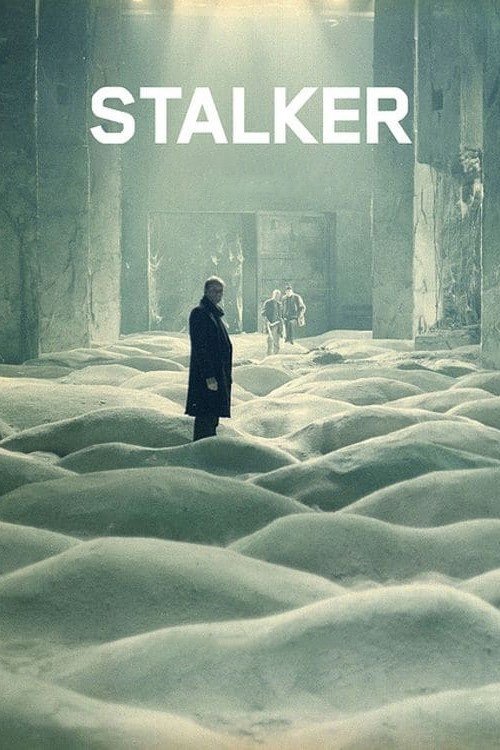
Even outside his black and white films, director Andrei Tarkovsky has favored these kinds of restricted spectrums many times before, often to convey environments of fraught interiority ( Nostalghia ), profound metaphysical threat (Stalker), or cosmic melancholia ( Solaris ).
Though Tarkovsky is an apocalyptic filmmaker (Stalker), he’s not a bombastic one.
This is Andrei Tarkovsky's ("Stalker"/"Nostalghia"/"Solaris") last film the expatriate directed before his death in December 1986, as he died of cancer at the age of 54.