
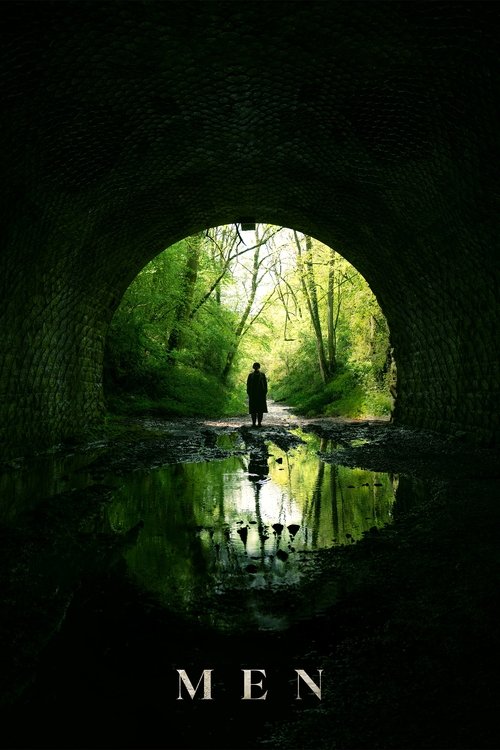
Men (2022)
Directed by Alex Garland
In the aftermath of a personal tragedy, Harper retreats alone to the beautiful English countryside, hoping to find a place to heal. But someone — or something — from the surrounding woods appears to be stalking her, and what begins as simmering dread becomes a fully-formed nightmare, inhabited by her darkest memories and fears.
53 connections found
View:
53 films that influenced Men
What critics say influenced Men



What happens next will remind viewers of the work of late English filmmaking auteur Nicolas Roeg (see his landmark “Don’t Look Now”).
In the sense that all works of genius are partially responsible for the lesser imitators they inspire, the most accurate square one for metaphorror would be triangulated as Nicolas Roeg’s 1973 masterpiece Don’t Look Now .
It’s a well-worn scenario of intense grief set somewhere lusciously photogenic, like Nicolas Roeg’s Don’t Look Now or Peter Medak’s The Changeling —only this time extremely British.
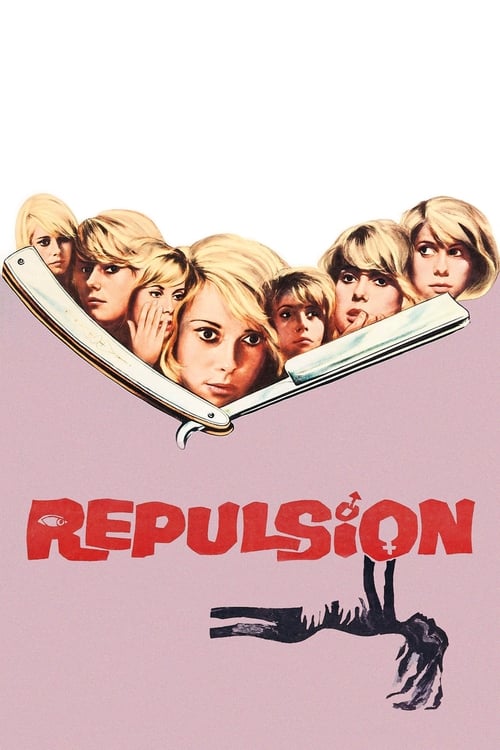
Never mind that Harper’s ordeal is reminiscent of Catherine Deneuve’s frightful weekend in Roman Polanski’s Repulsion .
There are faint echoes of Roman Polanski's 1965 film Repulsion in which all male presence is tainted and nefarious and the protagonist is trapped by her own fear.
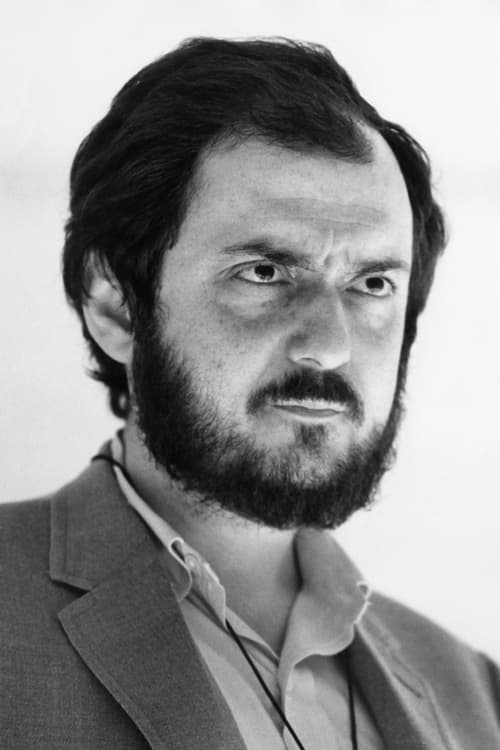
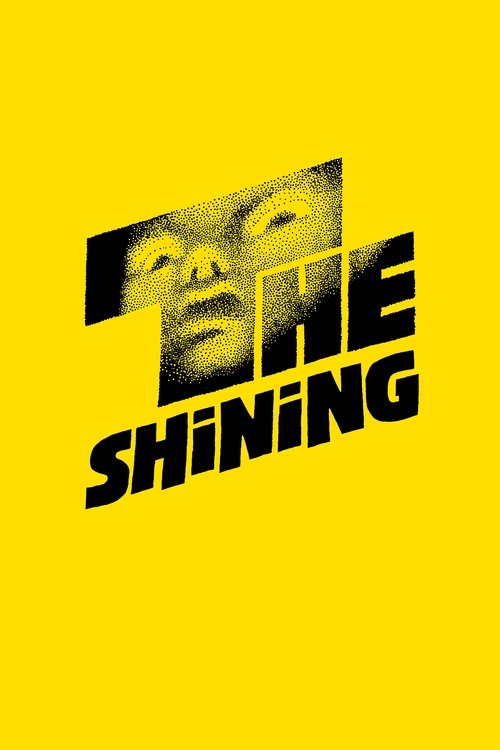
Garland’s approach recalls what Stanley Kubrick did in The Shining (1980): he weaponizes subliminal symbolism to drive the viewer mad while trying to find their way through its maze.
The movie has a dissociative identity disorder – at times I was reminded of Kubrick (The Shining in particular) and, on other occasions, Ed Wood came to mind.
Director Garland and cinematographer Rob Hardy do a magnificent job of creating a world that seems unto itself; at times it feels as if Harper is trapped in a maze like she’s in “The Shining,” even in broad daylight.
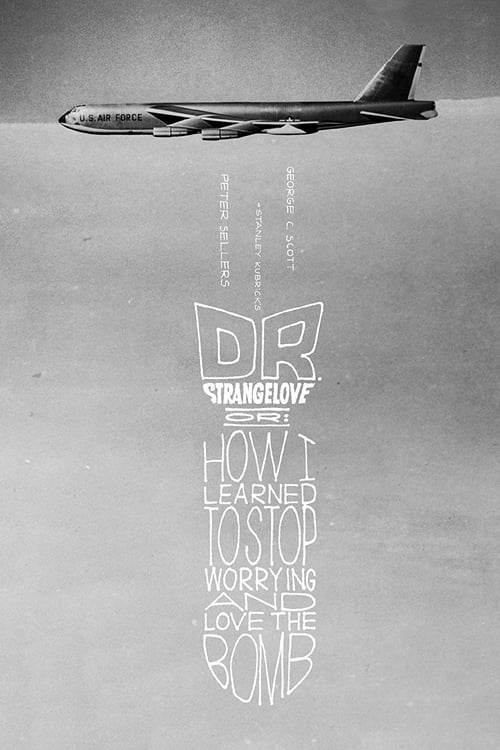
Dr. Strangelove or: How I Learned to Stop Worrying and Love the Bomb (1964)
Directed by Stanley Kubrick
That face belongs to Rory Kinnear, pulling off enough roles to rival Alec Guinness in Kind Hearts and Coronets , Peter Sellers in Dr. Strangelove , or, if you want to get really granular, Dick Van Dyke in the ‘Inheritance Death’ episode of Diagnosis Murder .
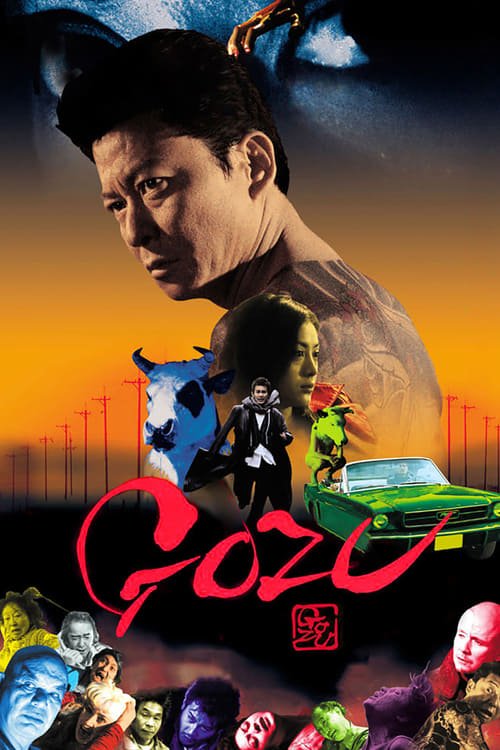
Garland’s trademark opacity as writer-director is at its peak in Men , but the back half certainly delivers on visceral body horror – one sequence simultaneously evokes both Takashi Miike’s Gozu and Neil Jordan’s The Company of Wolves .
Takashi Miike got there first with his gonzo “Gozu,” wherein a woman gave birth to a full-size yakuza, but Garland escalates the freak factor in a major way.
Advertisement
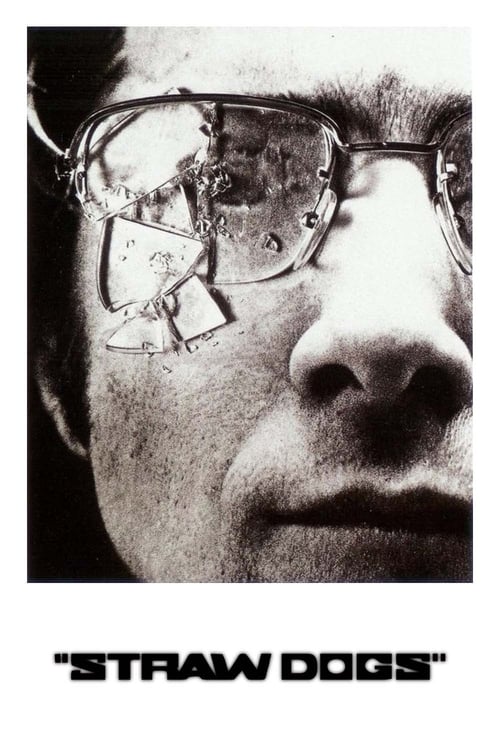
Straw Dogs is another good example of that genre, and the ending of Men seemed high reminiscent of the famous home invasion climax in that controversial Sam Peckinpah film.
Soon, she finds herself cornered by intruders, and like the yuppies trapped inside a country house in Sam Peckinpah’s Straw Dogs (1971), she defends herself with savage violence.
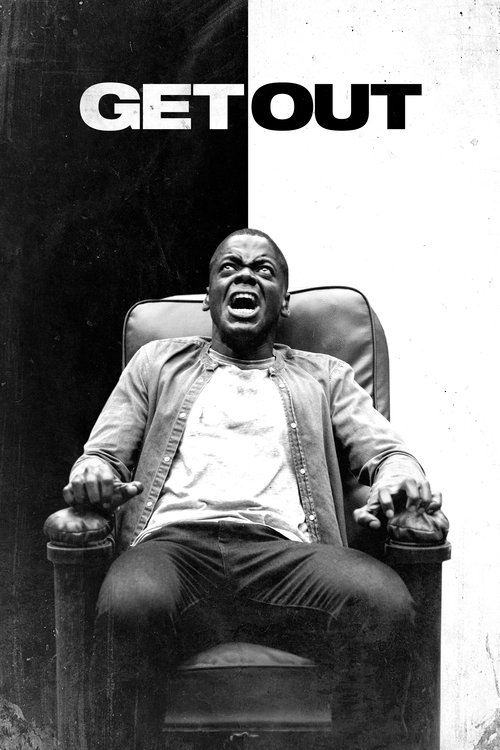
But, in the same way that, Jordan Peele’s satirical horror Get Out looked at how racial stereotypes have bled into the culture at large, Men also looks at ways in which certain attitudes towards women have become woven into the collective consciousness.
And though Garland dangles such a resolution––including a final moment that nods to Get Out but is far less fulfilling––it’s the audacious, what-am-I-seeing imagery that compels more than any intended character-centered emotional release.
It resembles Jordan Peele’s Get Out in some structural ways: Just as Get Out ’s Black protagonist Chris clings to his phone contact with his Black friend Rod (Lil Rel Howery) as a lifeline when he’s out of his element in a white country enclave, Harper gets her only support via phone from her friend Riley (Gayle Rankin), the one other significant woman in the film.
I confess I thought it was going to be another scary movie more about sociopolitical commentary than actually generating fright, sort of a companion to Jordan Peele’s “Get Out” but with toxic masculinity in the crosshairs.
Its dissection of male toxic behavior makes it as pointed on that topic as “Get Out” was in its look at racism.

Men is a work of social horror, but it’s leavened with other strains, notably folk horror (it is the second A24 movie in as many years to draw upon the imagery of the green man and the woodwose) and body horror (as in a jaw-dropping finale, which brings to mind Brian Yuzna’s Society).
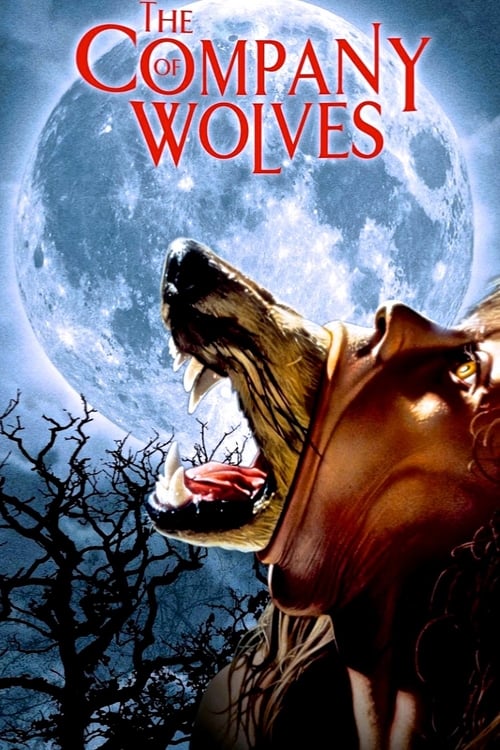
Garland’s trademark opacity as writer-director is at its peak in Men , but the back half certainly delivers on visceral body horror – one sequence simultaneously evokes both Takashi Miike’s Gozu and Neil Jordan’s The Company of Wolves .
Advertisement

It was an inspired choice on Garland's part to have each of these characters played by the same actor, Rory Kinnear (of "Penny Dreadful" and the Craig-era Bond films, in which he played Bill Tanner).
Don’t get me wrong, “Men” is an all-consuming cinematic experience, and Buckley, so good in “I’m Thinking of Ending Things” (2020) and “The Lost Daughter” (2021), and Kinnear of TV’s “Penny Dreadful,” put on a thespian clinic.
Penny Dreadful made him a monster and then a Nazi, and even Our Flag Means Death made him wear a prosthetic knife through his eye for an entire episode.
Kinnear has played multiple characters in Penny Dreadful and Our Flag Means Death in the past, but Men pushes the multirole performance to a degree that would test any actor, regardless of how comfortable they are with that kind of project — and Kinnear pulls it off perfectly.
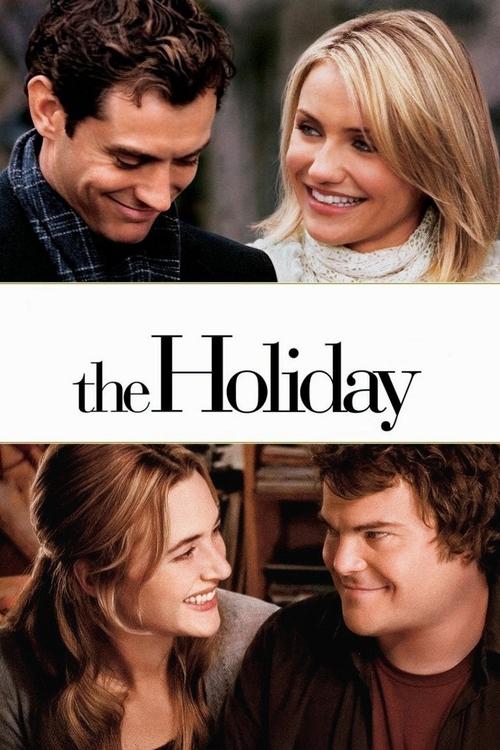
For better or worse — and often at the same time — Garland doesn’t tell the kind of easily digestible sci-fi stories that can be reduced to a hashtag, and he sure as hell isn’t starting to now; not with a movie that often feels equally inspired by both “The Holiday” and “Antichrist.”
Here, the town Harper visits could be out of Nancy Meyers' The Holiday for all its quaint trappings, but here they are infused with malice.