
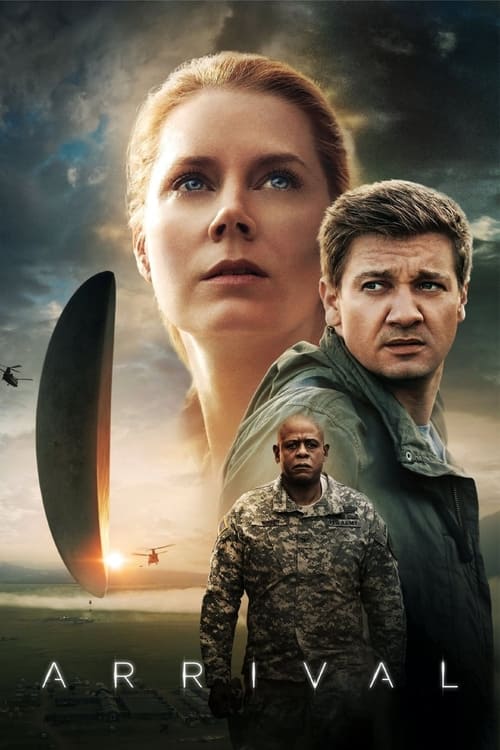
Arrival (2016)
Directed by Denis Villeneuve
Taking place after alien crafts land around the world, an expert linguist is recruited by the military to determine whether they come in peace or are a threat.
73 connections found
View:
73 films that influenced Arrival
What critics say influenced Arrival

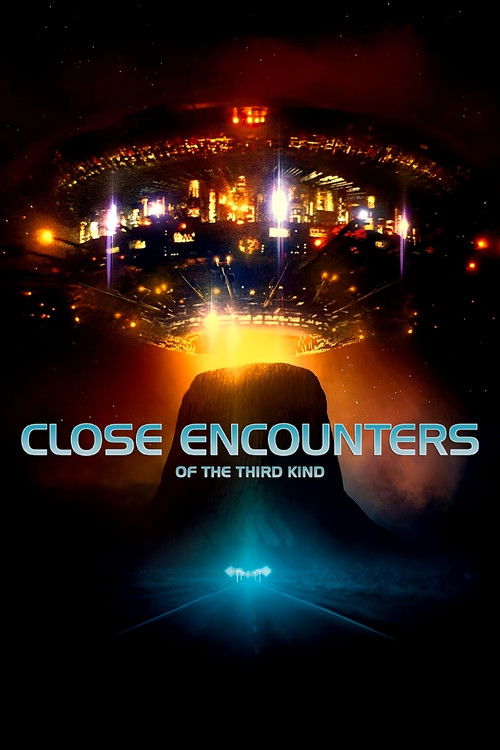


What happens is more like "Close Encounters of the Third Kind," the Steven Spielberg classic in which communication is the key.
Instead, Villeneuve's film asserts its place among far more nuanced interplanetary explorations such as Close Encounters of the Third Kind, Contact and the more ponderous (and far less humanistic) Interstellar, as well as in a venerable tradition of cerebral literary sci-fi.
In the realm of big screen science fiction, "Arrival" feels like a mix of "2001: A Space Odyssey" with a generous dose of "Close Encounters of the Third Kind."
Yes, it's not the first alien-landing film to do that (cue those five-notes from Close Encounters of the Third Kind ).
There are elements of "Close Encounters of the Third Kind" in man's attempt to communicate with aliens (Jóhann Jóhannsson's ("Sicario") affecting score makes a subtle nod), "Gravity" in a skyward-looking grieving mother's bond to her child, and many films where global crisis causes conflict among nations, but "Arrival" is unique in its mind altering concept of communication and time travel.
Stanley Kubrick's "2001: A Space Odyssey" and Steven Spielberg's " Close Encounters of the Third Kind" dealt with similar themes in a much more simple, movie-friendly way.
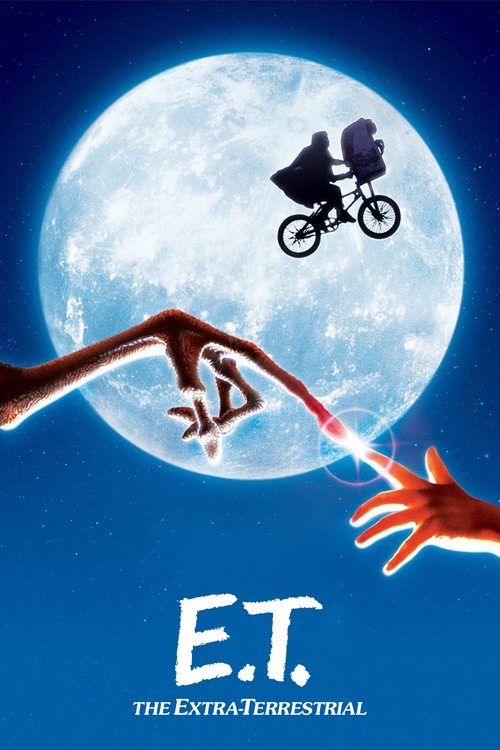
The early Superman movies, “E.T.” and “The Iron Giant” built an optimistic tradition of friends from space and misunderstandings that could be overcome.
First contact with extraterrestrials has taken many cinematic forms, from the cuddly (“E.T.”) to the campy (“The Blob”) to the catastrophic (“Independence Day”).
Sometimes they’re friendly aliens (“E.T.”).
Director Denis Villeneuve casts aside almost every “Independence Day,” “E.T.” and “Contact” cliche and makes a science fiction epic that breaks free of genre shoeboxing.
Villenueve treats us to another version of “government protocols” for this sort of event, and “Arrival” hews closer to the “E.T.” model than the sunnier “Close Encounters of the Third Kind.” “Gravity” plays a role — both in the aliens’ ability to control it within their dark, mist-shrouded spaceships and in Dr. Banks’ mind.
Screen exploration of extraterrestrial visitors tends to go in one of two directions -- the benevolent sort (see Steven Spielberg's "E.T." and "Close Encounters of the Third Kind") or the bent-on-our-destruction variety ("War of the Worlds," "Independence Day," that "Twilight Zone" episode "To Serve Man").
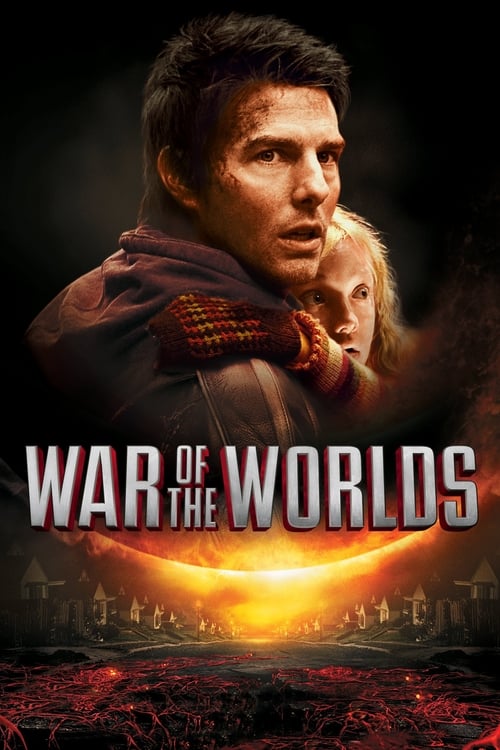
They don't start firing lasers like "War of the Worlds" or blowing up the White House like "Independence Day."
Early reviews cite the film's deep-dish philosophical underpinnings, possibly because these E.T.s are less like the nasty invaders in Spielberg's War of the Worlds and more like the kindly, curious bunch in the master's Close Encounters of the Third Kind.
More recent additions into the genre include Independence Day , Spielberg’s War of the Worlds , the TV series “V”, and so on.
Screen exploration of extraterrestrial visitors tends to go in one of two directions -- the benevolent sort (see Steven Spielberg's "E.T." and "Close Encounters of the Third Kind") or the bent-on-our-destruction variety ("War of the Worlds," "Independence Day," that "Twilight Zone" episode "To Serve Man").
The film, based on cult sci-fi yarn Story Of Your Life by Ted Chiang, starts with a War of the Worlds -style alien invasion.

The technical credits are all top-notch, with Bradford Young’s cinematography giving a subdued sheen to the images and Johann Johannsson’s score providing an eerie undercurrent to the unfolding action, taking on, during the flashback montages, a “Schindler’s List” vibe with a solo violin.
Along for the ride are theoretical physicist Ian Donnelly (Renner, doing a more personable Jeff Goldblum-in-Jurassic Park riff), a clear-headed but gruff colonel (Whitaker being his usual Whitaker self) and a CIA agent (Michael Stuhlbarg) who might have a more sinister agenda in mind.
When you first see these colorless, floating, inverted blimps in the sky, they’re revealed almost in Jurassic Park fashion.
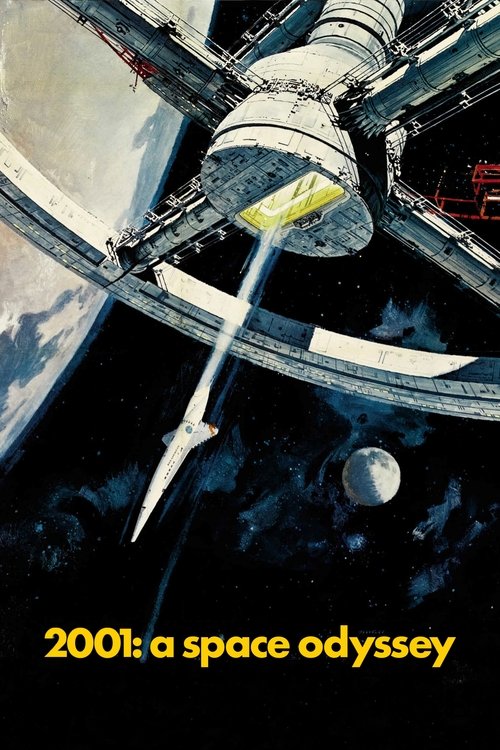
In the realm of big screen science fiction, "Arrival" feels like a mix of "2001: A Space Odyssey" with a generous dose of "Close Encounters of the Third Kind."
Once inside the ship, the gravity-defying sequence showing the pathway to the meeting room warrants the whisper of ‘cool’ under your breath while the whole alien craft itself feels like it’s made from the same eerie and out of this world material as the monolith from 2001: A Space Odyssey.
Stanley Kubrick's "2001: A Space Odyssey" and Steven Spielberg's " Close Encounters of the Third Kind" dealt with similar themes in a much more simple, movie-friendly way.
Smooth and featureless, like a curvy version of the monolith in Kubrick’s 2001: A Space Odyssey (only way bigger), it is one of 12 floating, foreboding UFOs that have positioned themselves around the globe.
But even with the obvious homages to proggy sci-fi classic “2001: A Space Odyssey,” the film has an emotional weight and kick.
Time has always been a great theme of science fiction, but increasingly the movies have emphasized grief as well, as evidenced by Alfonso Cuarón's Gravity, Christopher Nolan's Interstellar, and Terrence Malick's The Tree of Life (which isn't sci-fi but has roots in the genre — it dares to pick up the gauntlet 2001: A Space Odyssey threw down decades before).
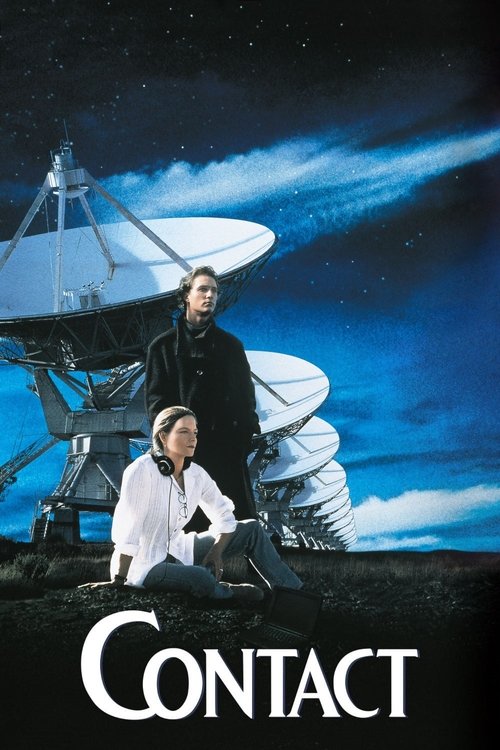
Instead, Villeneuve's film asserts its place among far more nuanced interplanetary explorations such as Close Encounters of the Third Kind, Contact and the more ponderous (and far less humanistic) Interstellar, as well as in a venerable tradition of cerebral literary sci-fi.
And it's not the first to have a smart woman assigned to powhiri visitors from another galaxy - before Amy Adam's linguist in this, there was Jodie Foster's radio astronomer in 1997's Contact.
Rather than focusing on action, Arrival instead veers much more towards the themes of Sphere (which starred Hoffman) or Contact, in that the world's scientists, rather than its soldiers, form the core team around which the story revolves.
Working from a screenplay by Eric Heisserer, adapted from a Ted Chiang short story, he is operating in the vein of “Contact,” “Signs,” “Interstellar,” and Steven Spielberg’s close-encounters films this time.
Arrival, which owes a debt of influence to everything from Contact to Close Encounters Of The Third Kind to the heady blockbusters of Christopher Nolan, can’t quite be called hard sci-fi; like The Martian , it simplifies complicated processes for multiplex consumption, and the conflict involving the boneheaded military honchos impeding Louise and Ian’s process is practically prehistoric in its formula.
Working from a thoughtful script by Eric Heisserer (“Lights Out”) and a superb, quietly interior performance by Adams, Villeneuve has crafted a movie akin to “ Close Encounters of the Third Kind ” and “ Contact ”: an imaginative, escapist what-if scenario overlaid with semi-profound questions about fate, loss and the meaning of love.
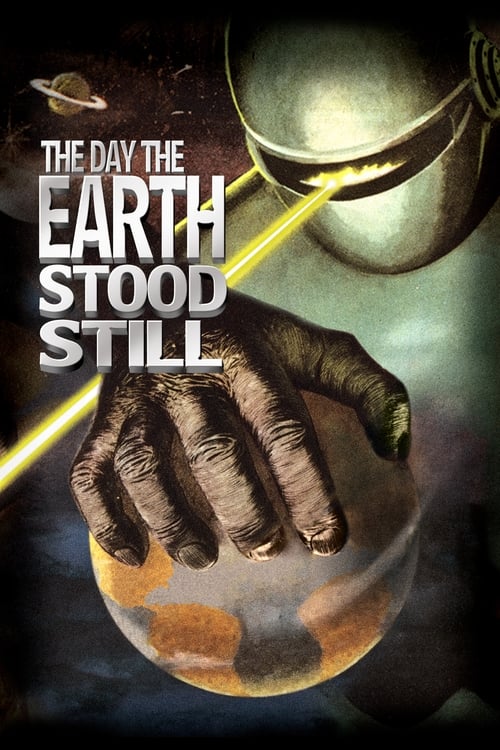
The nod to 1951’s classic “The Day the Earth Stood Still” seems overt, too, with its message that humans need to make peace and find common ground at the risk of becoming alien snack food.
The real touchstone here is Robert Wise's The Day the Earth Stood Still, which used a sci-fi apparatus to argue for universal brotherhood.
It reminds me most of the 1951 sci-fi classic, “The Day the Earth Stood Still.”
Like the iconic 1951 thriller “The Day the Earth Stood Still,” it ratchets up exceptional tension between hopefulness and paranoia.
It features phenomenal special effects and many shivery-good moments, but “Arrival” is at bottom a resolutely old-fashioned movie, essentially an update of 1951’s “The Day the Earth Stood Still.”
More “Contact” than the 1951 version of “The Day the Earth Stood Still” (Did I mention that Tim Burton’s “Mars Attacks!” is one my favorite alien-encounter films?), “Arrival” does not bode well for “Blade Runner 2049,” which Villeneuve is currently directing.
Advertisement
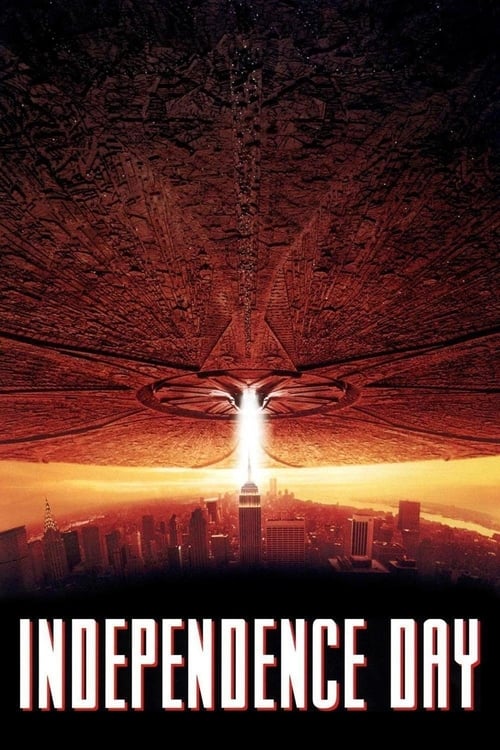
They don't start firing lasers like "War of the Worlds" or blowing up the White House like "Independence Day."
Scripted by Eric Heisserer based on Story of Your Life, by short-fiction writer Ted Chiang, Arrival is more or less the anti-Independence Day.
But unlike your typical "Independence Day" fare, "Arrival" is more focused on the suspense and nuance of an actual alien encounter.
That's what Arrival tries to capture, in its own low-key, non-Independence Day kind of way.
Beginning conventionally in the vein of an Independence Day or The Day The Earth Stood Still, the film opens with the sudden arrival of twelve mysterious alien spaceships in various locations around the world.
While sci-fi fans might flock to see the thing thinking that it’s some alien invasion epic like an Independence Day, this is more strange and even cerebral, and is less about ‘Them’ than ‘Us’, and how powerful our words can be – especially when misinterpreted.

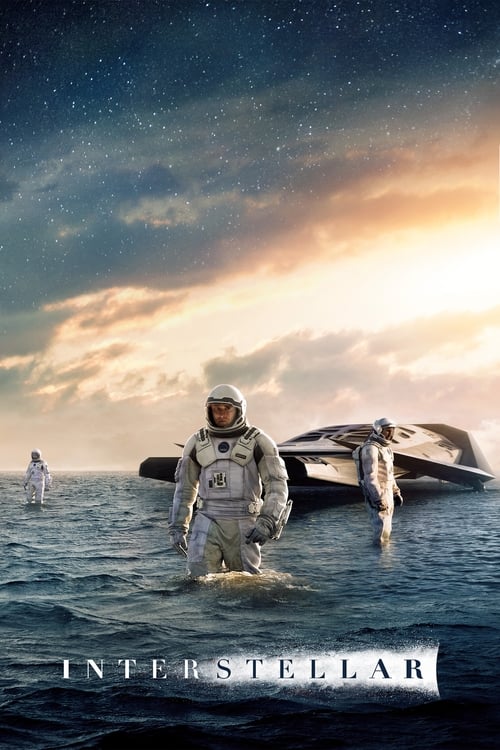
“Arrival,” like “Interstellar,” “The Martian” and “Gravity” before it, is a well-crafted and smart film using a huge canvas extending into the cosmos to explore and discover what brings out the best in humans.
Instead, Villeneuve's film asserts its place among far more nuanced interplanetary explorations such as Close Encounters of the Third Kind, Contact and the more ponderous (and far less humanistic) Interstellar, as well as in a venerable tradition of cerebral literary sci-fi.
Compared to more recent fare, it's a heady entry in a preholiday release slot that has seen the likes of "Gravity," "Interstellar" and "The Martian" over the last three years.
Credit Eric Heisserer (Lights Out, the 2011 The Thing) for the smart screenplay, which helps Arrival to play out like a more cerebral The Abyss or a more accessible Interstellar.
Working from a screenplay by Eric Heisserer, adapted from a Ted Chiang short story, he is operating in the vein of “Contact,” “Signs,” “Interstellar,” and Steven Spielberg’s close-encounters films this time.
Arrival is a big budget sci-fi film with a smaller, more pensive, cleverer film trying to get out, which has to be an improvement on a dumb film with an even dumber film trying to get out, as in the manner of Interstellar, say.
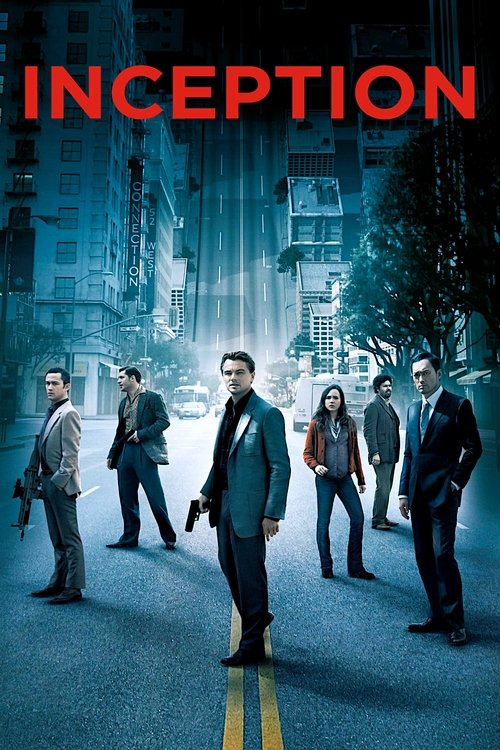
As this narrative unfolds, some viewers may also be reminded of the memory games in Christopher Nolan's Inception.
Or maybe Arrival has more in common with a Christopher Nolan movie, particularly Inception .
Arrival is much more substantive than Interstellar and Inception , even though it closely resembles both.
Unlike last year’s Sicario, whose pervasive score earned composer Jóhann Jóhannsson an Oscar nomination, Arrival’s music—also by Jóhannsson—is minimalist (though the two films have in common what should rightfully be known as the Inception drone).
Look to Gravity, Interstellar, and even Inception over the last few years to see the genre’s growth in that direction.
Sleek, smart, and beautifully produced, it’s in the grown-up room with the heady pop philosophizing of “Inception” and “Interstellar,” with “Gravity” and its imperiled heroine, and with the global tensions and triumphs of “The Martian.”
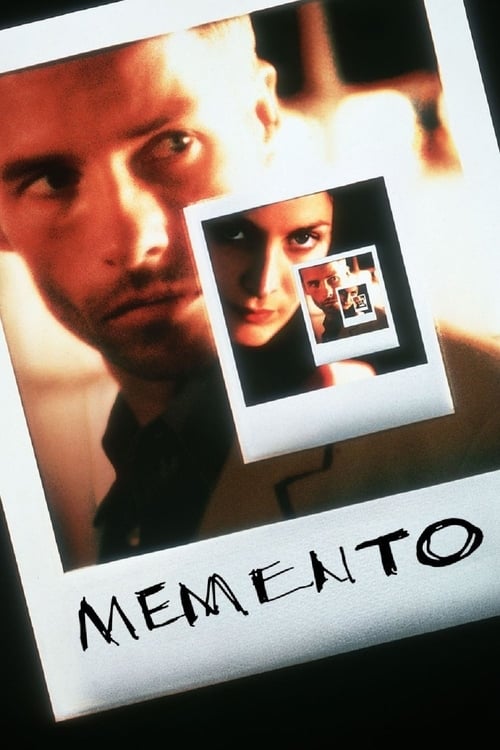
Like Christopher Nolan’s Memento, it is central not only to the film’s narrative but also to its moral architecture—which, like Memento’s, concerns itself with questions of time, memory, and human choice.
This reversal of our understanding of the film’s chronology is not just a narrative gimmick, but a radical means of forcing us to acknowledge the monumental nature of the choices we make every day (in this regard, it takes its place alongside Christopher Nolan’s Memento and Michel Gondry’s Eternal Sunshine of the Spotless Mind as a film that transcends a time-related narrative gimmick with genuine philosophical introspection).
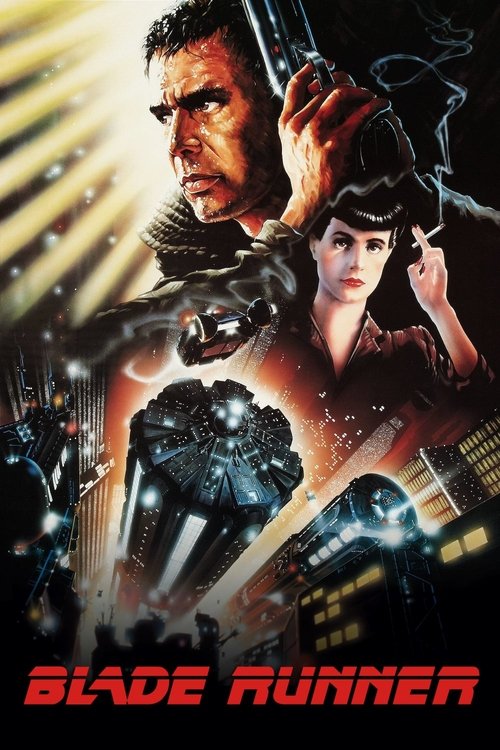
Maybe, as with “Close Encounters” and "Blade Runner" we will have to wait years until a definitive director's cut is issued.
If the gatekeepers of classic screen sci-fi are at all anxious about the stamp that director Denis Villeneuve might put on his upcoming Blade Runner project — a sequel coming 35 years after the iconic original — then the class, intelligence and cool visual style of Arrival should provide reassurance.
Denis Villeneuve , the French-Canadian director best known for stylish crime movies Incendie and Sicario, has always loved science fiction (he’s currently remaking Blade Runner).
Villeneuve, the director of “Sicario,” “Prisoners” and the upcoming “Blade Runner” sequel, shows humankind on a knife’s edge balance between finding peace or facing its destruction.
His next film is the long-awaited “Blade Runner” sequel, to which he’ll hopefully bring quiet, contemplative moments alongside high-tech wonderment.
Confidently directed by French-Canadian film-maker Denis Villeneuve, making his first foray into the sci-fi genre before the forthcoming Blade Runner sequel, Arrival charts a bold course between the guiding stars of Robert Zemeckis’s Contact and Steven Spielberg’s Close Encounters of the Third Kind , with just a hint of the gravitational pull of Andrei Tarkovsky’s Solaris .
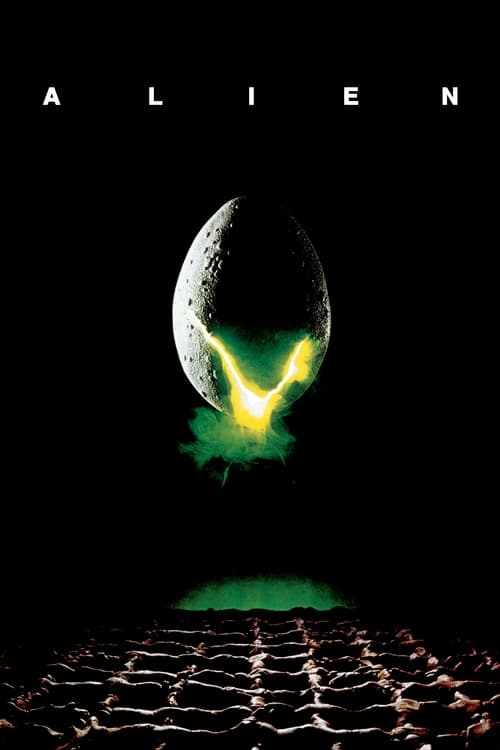
The “Alien,” “Predator” and “Independence Day” series were alien-blasting jamborees.
Once inside these shells, production designer Patrice Vermette’s sets seem every bit as unearthly as HR Giger’s Alien environments – vast and unknowable, their otherness accentuated by Jóhann Jóhannsson’s score.
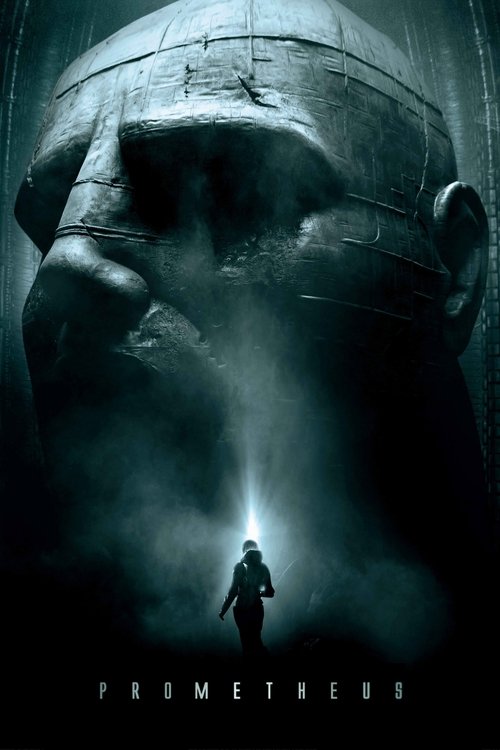
It's smart that way, Arrival ; compare its scientists to the idiots in Prometheus and appreciate the care taken to present a compelling scenario.
Films like “Prometheus” have tried and failed to tackle the concept of galactic travel to learn about ideas.

“Arrival,” like “Interstellar,” “The Martian” and “Gravity” before it, is a well-crafted and smart film using a huge canvas extending into the cosmos to explore and discover what brings out the best in humans.
Compared to more recent fare, it's a heady entry in a preholiday release slot that has seen the likes of "Gravity," "Interstellar" and "The Martian" over the last three years.
Arrival, which owes a debt of influence to everything from Contact to Close Encounters Of The Third Kind to the heady blockbusters of Christopher Nolan, can’t quite be called hard sci-fi; like The Martian , it simplifies complicated processes for multiplex consumption, and the conflict involving the boneheaded military honchos impeding Louise and Ian’s process is practically prehistoric in its formula.
With its intriguing premise and handsome production values, “Arrival” continues an encouraging trend in science-fiction filmmaking, embodied by the likes of “ Gravity ” and “ The Martian ”: films that imbue the genre’s inherent flights of fancy with sophistication and meaningful subtext.
Just like with The Martian, we don’t really have a lost astronaut on Mars, or anyone there yet, but the principals of problem solving apply to us now.
Taking a pragmatic, grown-pu approach to science fiction that echoes "Gravity," "The Martian" and "Ex Machina," Canadian director Denis Villeneuve spins his story with immense talent and a spellbinding knack to tell an intense and penetrating tale.

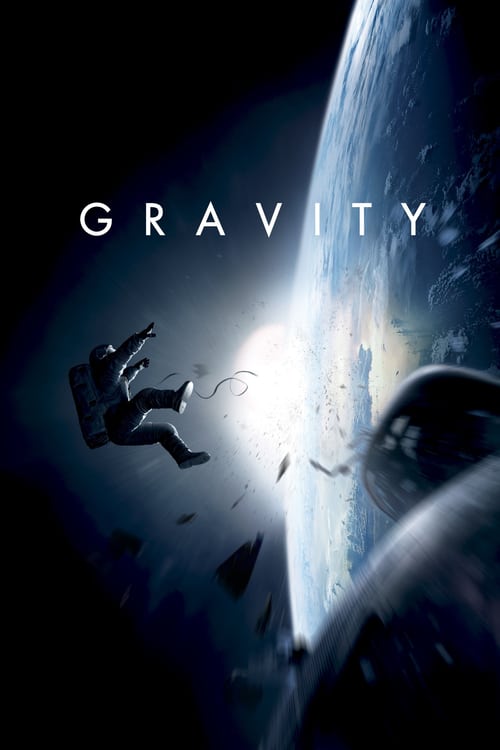
“Arrival,” like “Interstellar,” “The Martian” and “Gravity” before it, is a well-crafted and smart film using a huge canvas extending into the cosmos to explore and discover what brings out the best in humans.
Compared to more recent fare, it's a heady entry in a preholiday release slot that has seen the likes of "Gravity," "Interstellar" and "The Martian" over the last three years.
There are elements of "Close Encounters of the Third Kind" in man's attempt to communicate with aliens (Jóhann Jóhannsson's ("Sicario") affecting score makes a subtle nod), "Gravity" in a skyward-looking grieving mother's bond to her child, and many films where global crisis causes conflict among nations, but "Arrival" is unique in its mind altering concept of communication and time travel.
With its intriguing premise and handsome production values, “Arrival” continues an encouraging trend in science-fiction filmmaking, embodied by the likes of “ Gravity ” and “ The Martian ”: films that imbue the genre’s inherent flights of fancy with sophistication and meaningful subtext.
Ostensibly a science-fiction drama about the mysterious arrival of 12 floating, giant monoliths across the globe, including Montana, the movie actually belongs to the cinematic tradition of philosophical space flicks that ultimately turn inward ( Interstellar , Gravity , Solaris ).
Villenueve treats us to another version of “government protocols” for this sort of event, and “Arrival” hews closer to the “E.T.” model than the sunnier “Close Encounters of the Third Kind.” “Gravity” plays a role — both in the aliens’ ability to control it within their dark, mist-shrouded spaceships and in Dr. Banks’ mind.
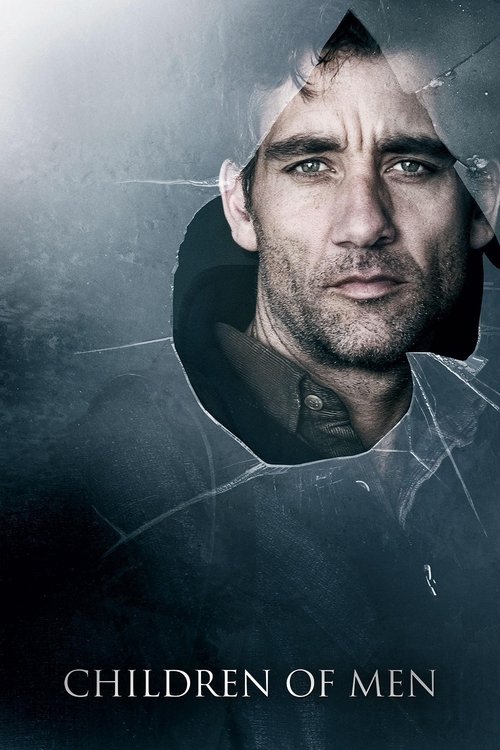
Films like Close Encounters of the Third Kind , the original Planet of the Apes , Blade Runner , Children of Men , 1978’s Invasion of the Body Snatchers , David Cronenberg’s The Fly , or even the original The Day the Earth Stood Still (to name a few), are films I hold in high regard not just because of their nifty sci-fi tropes, but because they are about something much more intimate than aliens, invading forces, a dystopian future, or technology gone wrong.
Advertisement
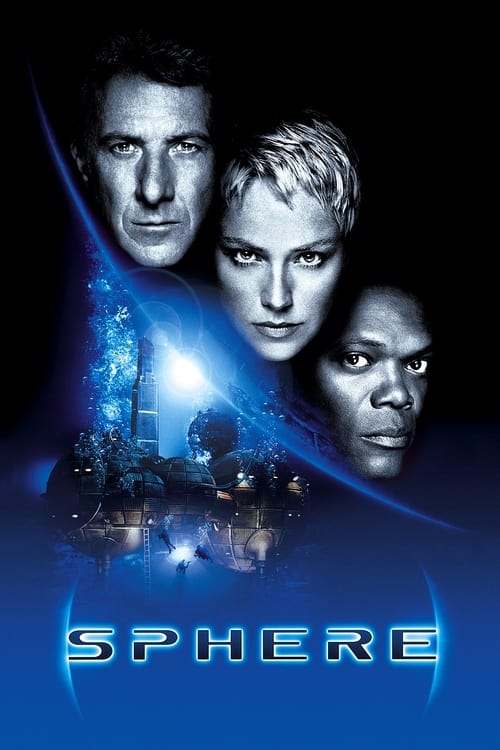
Rather than focusing on action, Arrival instead veers much more towards the themes of Sphere (which starred Hoffman) or Contact, in that the world's scientists, rather than its soldiers, form the core team around which the story revolves.
In keeping things smart but simple, Arrival succeeds where Barry Levinson's wonderfully cast but limply-executed 1998 adaptation of Michael Crichton's wildly imaginative Sphere failed.
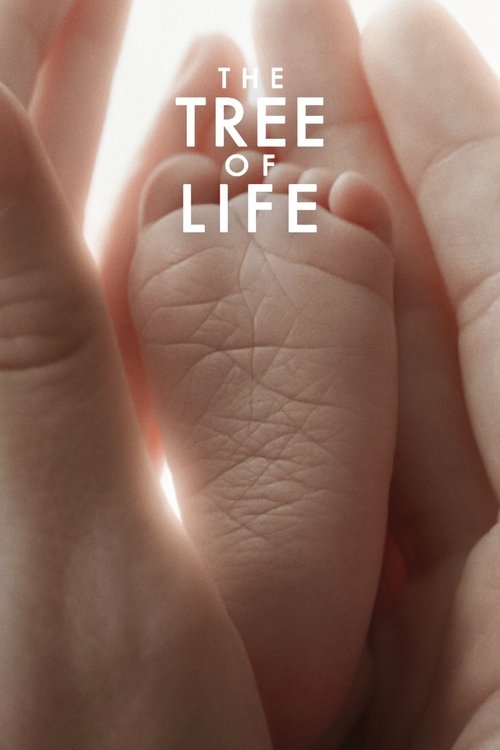
In a prologue that looks like outtakes from Terrence Malick’s “The Tree of Life,” we meet a linguist, Louise (Amy Adams), who recalls the loss of her young daughter.
Time has always been a great theme of science fiction, but increasingly the movies have emphasized grief as well, as evidenced by Alfonso Cuarón's Gravity, Christopher Nolan's Interstellar, and Terrence Malick's The Tree of Life (which isn't sci-fi but has roots in the genre — it dares to pick up the gauntlet 2001: A Space Odyssey threw down decades before).
As far as spawning soulless aesthetic imitators goes, I think it’s now safe to say that The Tree Of Life has done more damage to the American cinema than anything since Pulp Fiction .