
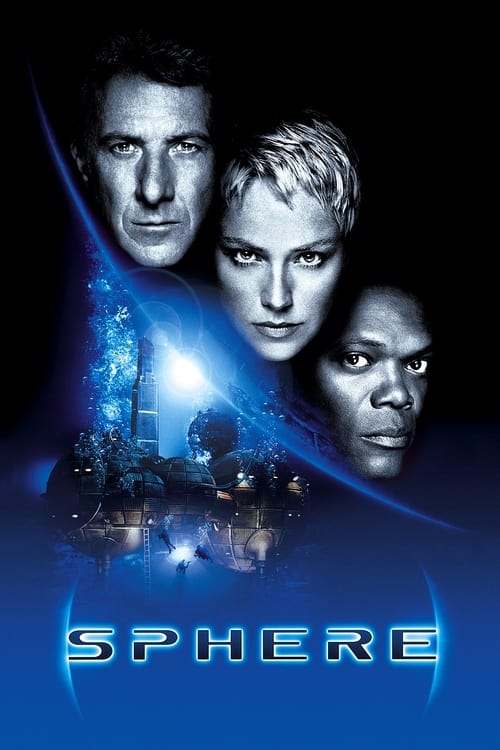
Sphere (1998)
Directed by Barry Levinson
A spacecraft is discovered at the bottom of the Pacific Ocean, presumed to be at least 300 years old and of alien origin. A crack team of scientists and experts is assembled and taken to the ocean floor to investigate. However, the ship is not as it seems and when a giant perfect sphere is discovered in the cargo bay, things begin to fall apart.
12 connections found
View:
12 films that influenced Sphere
What critics say influenced Sphere
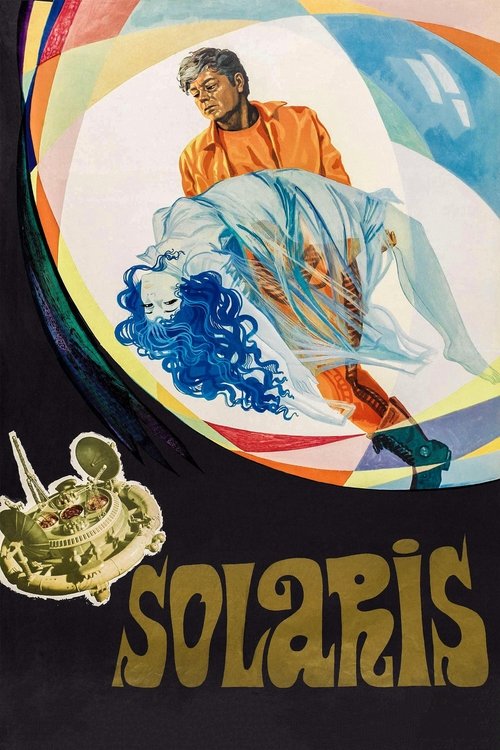


For Sphere, he lifted the premise of Tarkovsky's Solaris, in which a physical object - here a mysterious shimmering sphere discovered in a submerged spaceship at the bottom of the ocean - causes those who enter it to give physical form to their inner thoughts.
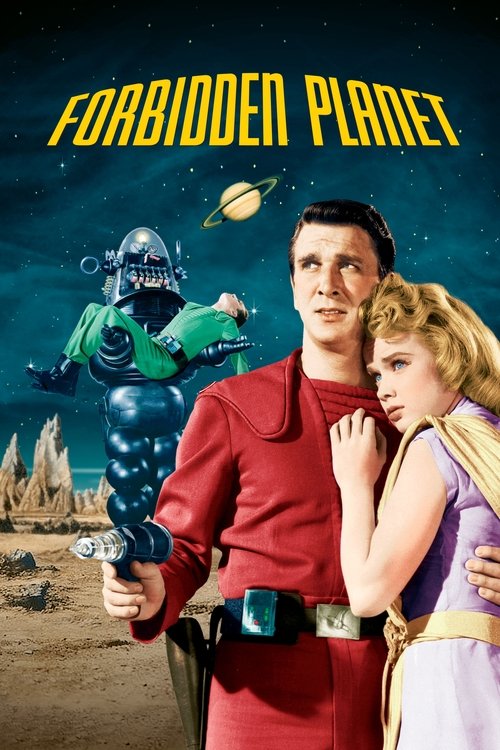
The notion of encountering alien civilizations was most recently done in "Contact," using the ocean floor as a staging area is straight out of "The Abyss," and even the film's key plot device is yet another reworking of a scenario that 1956's "Forbidden Planet" pioneered.
As expressed in "Sphere," his idea of science fiction is ripping off the monsters-from-the-id gimmick from "Forbidden Planet" and ending up with a little sermon about how man is not yet ready to be trusted with advanced knowledge.
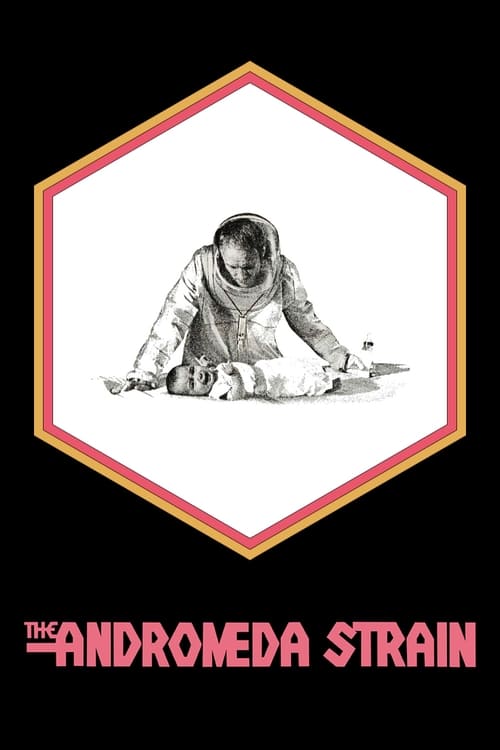
Levinson's first venture into the genre is plodding and dreary, a waterlogged hodge-podge of Alien, The Forbidden Planet, and Crichton's own The Andromeda Strain.
The story, by Michael Crichton ("Jurassic Park") has echoes of earlier Chrichton stories, such as "Congo," "Twister" and "The Andromeda Strain" and those mentioned above.
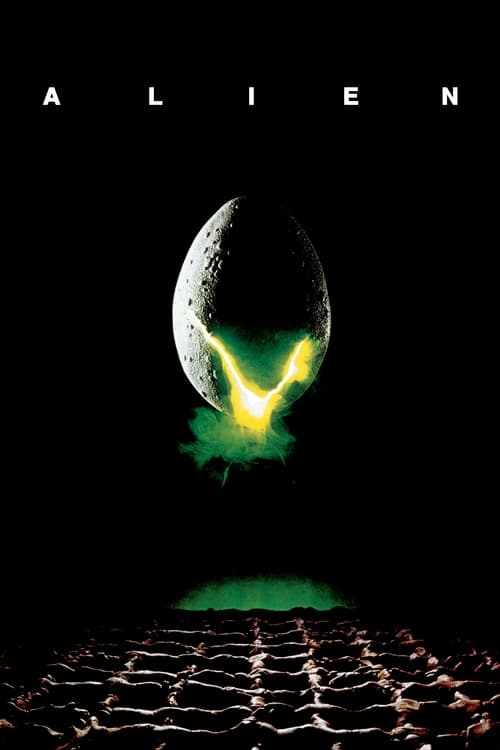
But the creation of tension and suspense, both genre staples even in a psychological thriller, are not the kinds of things that Levinson does really well, and as tempers fray and strange things start to happen underwater, we don't feel the kind of merciless whipsawing that, for instance, Ridley Scott and James Cameron brought to the first two "Alien" films.
Jules Verne's "20,000 Leagues Under the Sea" figures in the plot, and at its best, "Sphere" conveys an adventure-book sense of wonder: a submarine making its way diagonally through the dimly glowing green depths; the faces of the scientists illuminated in the glass masks of their diving suits (rather like the spacesuits at the beginning of "Alien"); those same faces rising up out of the receding water of an air lock; the fat bubbles snaking along the underbelly of the alien craft; the sparkling bits of sand picked out by flashlights; a woman walking along the ocean floor followed by a jellyfish as if it were her familiar; and most of all the sphere itself, a perfect golden orb with a surface like rippling water.
Levinson's first venture into the genre is plodding and dreary, a waterlogged hodge-podge of Alien, The Forbidden Planet, and Crichton's own The Andromeda Strain.
Advertisement
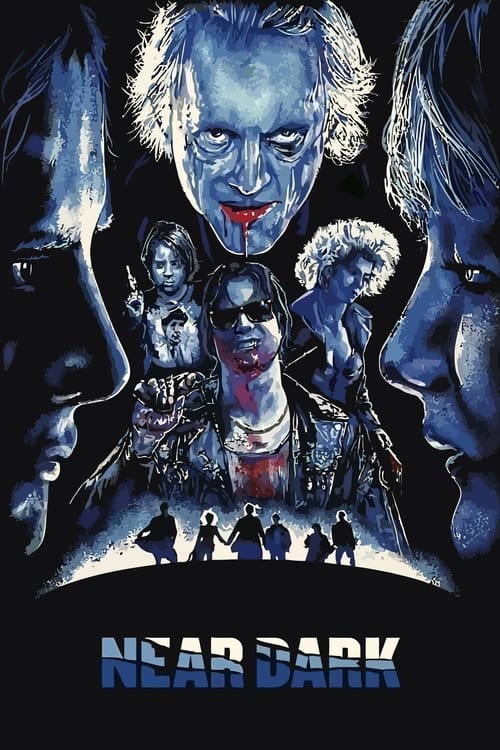
This is the only work I've seen from Adam Greenberg that can stand with his sinister, night-blooming photography in the vampire thriller "Near Dark" (1987).
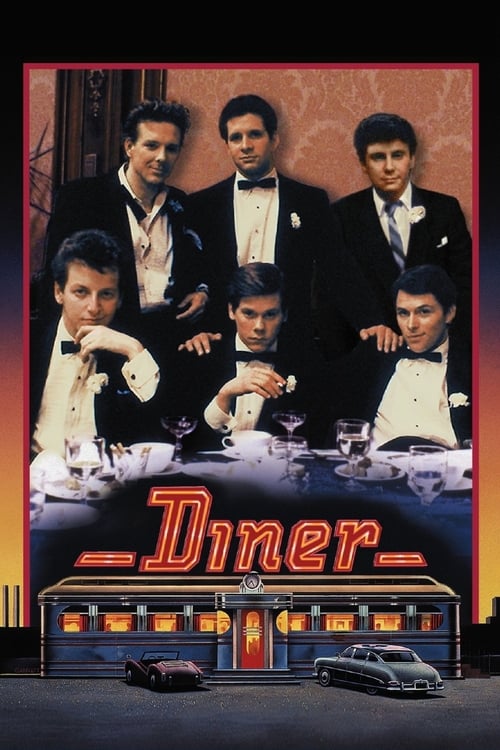
Except for "Bugsy," which had an old-style Hollywood sheen, Levinson's best work ("Diner," "Wag the Dog") has an improvisational comic looseness.
As long as Levinson sticks to easygoing interaction à la Diner, Sphere is amusing enough.
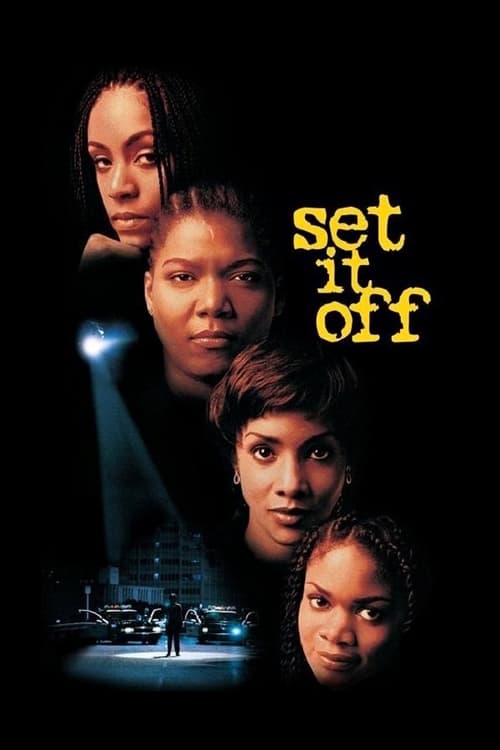
The habitat's small crew includes radio operator Queen Latifah , from “ Set It Off ,” who is on hand to illustrate Hollywood's immutable law that the first character to die is always the African American.
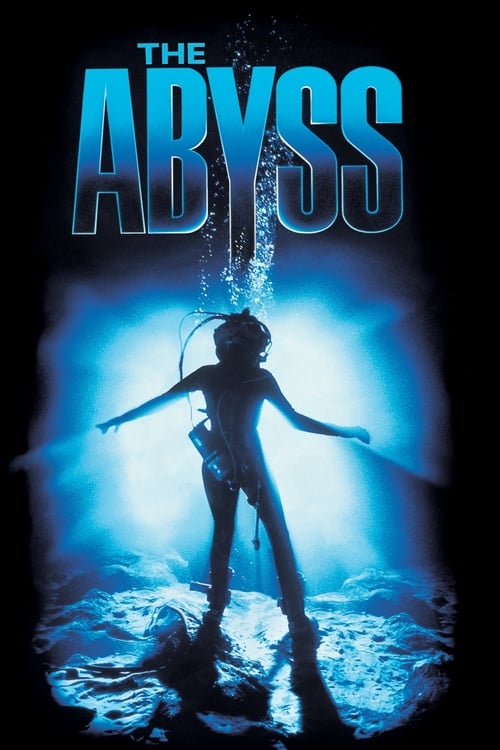
We have weak characterizations, shaky underwater sequences (movies like The Abyss raised the bar for those), very poor editing, and dangling plot lines.
The notion of encountering alien civilizations was most recently done in "Contact," using the ocean floor as a staging area is straight out of "The Abyss," and even the film's key plot device is yet another reworking of a scenario that 1956's "Forbidden Planet" pioneered.
Without totally blowing the surprise element of this movie (which in any event I'm urging all but the staunchest Crichtonheads to skip), I have to tell you that what Levinson and company have cooked up here bears as much resemblance to, say, Roger Corman's schlocky Galaxy of Terror as the blend of The Abyss and Contact you've been led to expect.
Drawn to the sci-fi genre by a scenario that relied less on hardware than the relationships between a group of investigating scientists trapped inside a claustrophobic submarine pod, director Levinson has made a Solaris-meets-The Abyss with dramatic knobs on.
Sphere starts off as The Abyss , then turns into Event Horizon and finally turns out to be Forbidden Planet and Solaris . . .
Advertisement
The story, by Michael Crichton ("Jurassic Park") has echoes of earlier Chrichton stories, such as "Congo," "Twister" and "The Andromeda Strain" and those mentioned above.
For every Jurassic Park blockbuster there'll be three ponderous duds like Sphere or Congo, and you can take that to the bank.
This serious misfire is just one of several Crichton books turned into bad films, joining such stinkers as "Congo," "The Terminal Man" and "The Lost World: Jurassic Park."
They can hit the jackpot ("Jurassic Park") or come up bust ("Congo").
The story, by Michael Crichton ("Jurassic Park") has echoes of earlier Chrichton stories, such as "Congo," "Twister" and "The Andromeda Strain" and those mentioned above.