
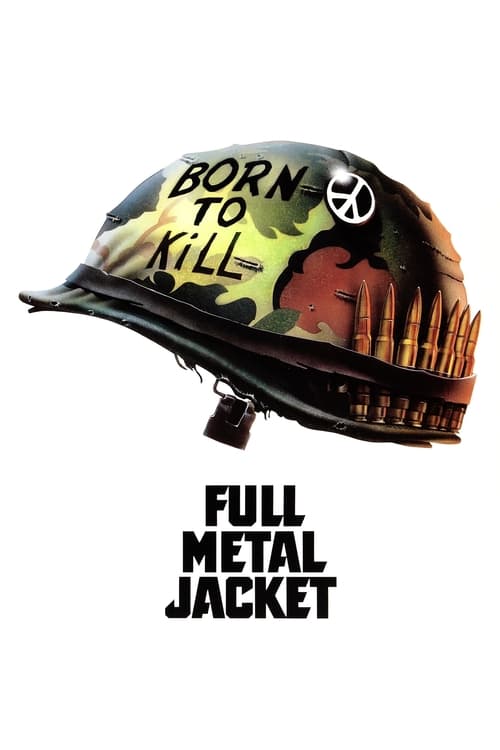
Full Metal Jacket (1987)
Directed by Stanley Kubrick
A pragmatic U.S. Marine observes the dehumanizing effects the U.S.-Vietnam War has on his fellow recruits from their brutal boot camp training to the bloody street fighting in Hue.
18 connections found
View:
18 films that influenced Full Metal Jacket
What critics say influenced Full Metal Jacket


In this regard, Kubrick's slant on the events of war is more akin to Francis Coppola's "Apocalypse Now" than it is to more traditional things like "Saving Private Ryan," "The Sands of Iwo Jima," "A Walk in the Sun," or even "The Thin Red Line" or "Platoon."
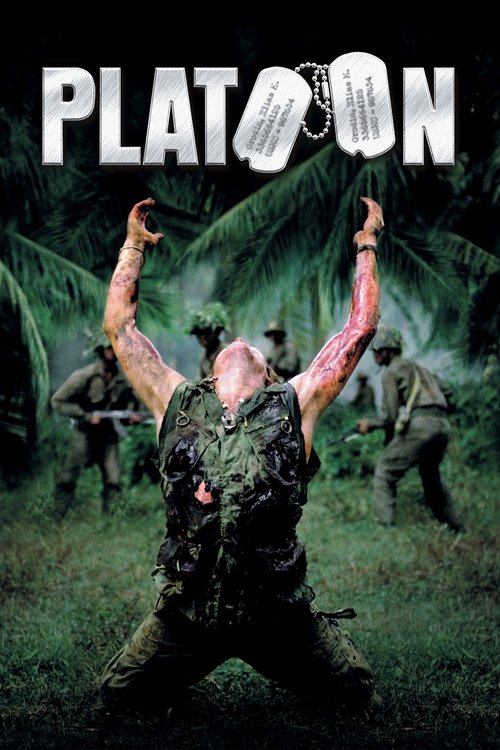
"Full Metal Jacket" was released in the middle of a cycle of films about the Vietnam War in the late 1980s that also included Oliver Stone's "Platoon" and Brian De Palma's "Casualties of War."
Kubrick's vision of this process is infinitely more troubling and singular than the one set forth in Oliver Stone's "Platoon."
Even in Oliver Stone's Platoon (1986), which attempted to depict the Vietnam War's insanity, Charlie Sheen's character had a clear goal: to survive.
Indeed, who would be brave enough to make such an announcement without knowing full well the striking power of an "Apocalypse Now" or a "Platoon" beforehand?
And the sound is one of the most memorable ingredients in this corrosive, tragicomic film, which should not be compared with Oliver Stone's sweaty, cathartic "Platoon," the moral surrealism of "Apocalypse Now" or even the emotional romance of "Coming Home."
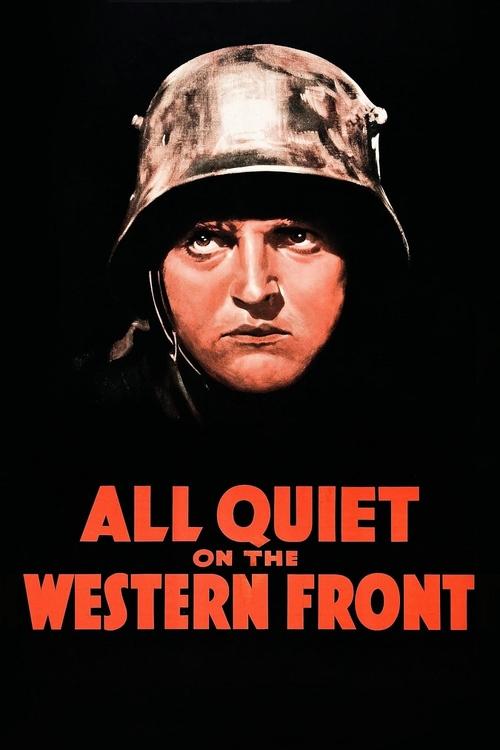
It's a familiar situation, popularized in Erich Maria Remarque's antiwar novel "All Quiet on the Western Front" a half a century earlier, but it continues to carry a punch.
This is a film that can be listed with heavy-hitters like Johnny Got His Gun, Apocalypse Now, and Full Metal Jacket as one of the defining war pictures this nation has yet produced.
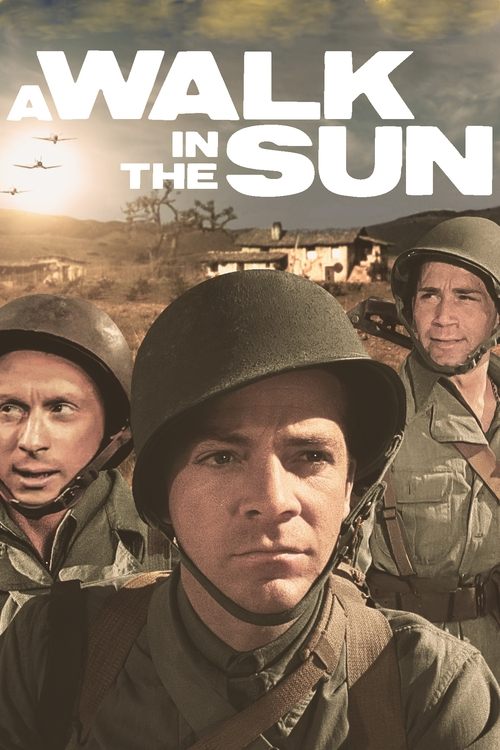
In this regard, Kubrick's slant on the events of war is more akin to Francis Coppola's "Apocalypse Now" than it is to more traditional things like "Saving Private Ryan," "The Sands of Iwo Jima," "A Walk in the Sun," or even "The Thin Red Line" or "Platoon."
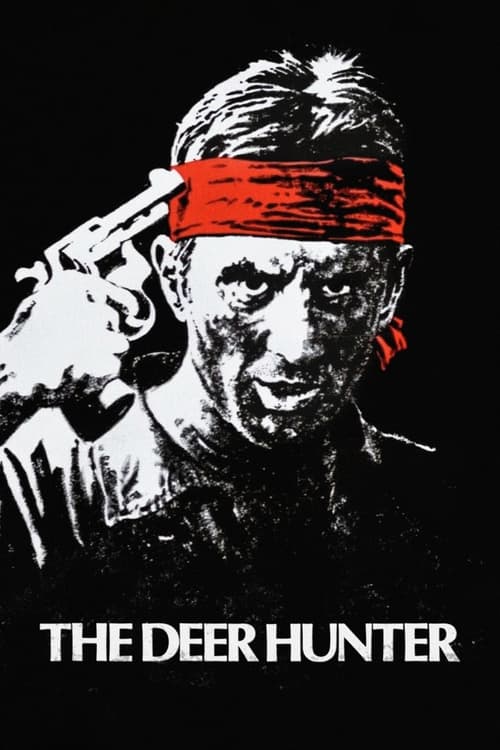
It's one of the best-looking war movies ever made on sets and stages, but that's not good enough when compared to the awesome reality of " Platoon ," " Apocalypse Now " and " The Deer Hunter ."
That kind of storytelling worked extremely well for “The Deer Hunter”, but here it undermines the picture.
The following year saw Francis Ford Coppola's equally epic Apocalypse Now released while the Eighties saw the likes of Platoon , Full Metal Jacket, and Born On The Fourth Of July .
The likes of Oliver Stone’s “ Platoon ” and Stanley Kubrick’s “ Full Metal Jacket ” were praised for such honesty and I believe this deserves the same credibility.
Overall, this is a film that simply didn’t age well, especially when so many other better films about Vietnam would be made in its wake ( Platoon , Full Metal Jacket , Born on the Fourth of July ).
(The other three being Apocalypse Now, Full Metal Jacket, and Platoon.)
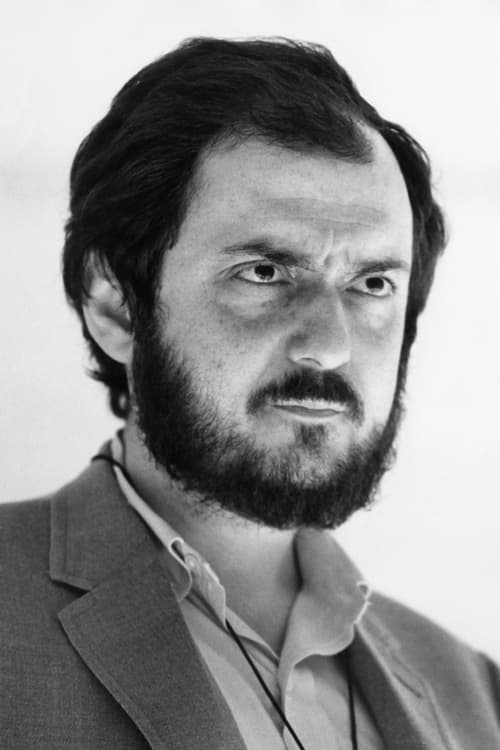
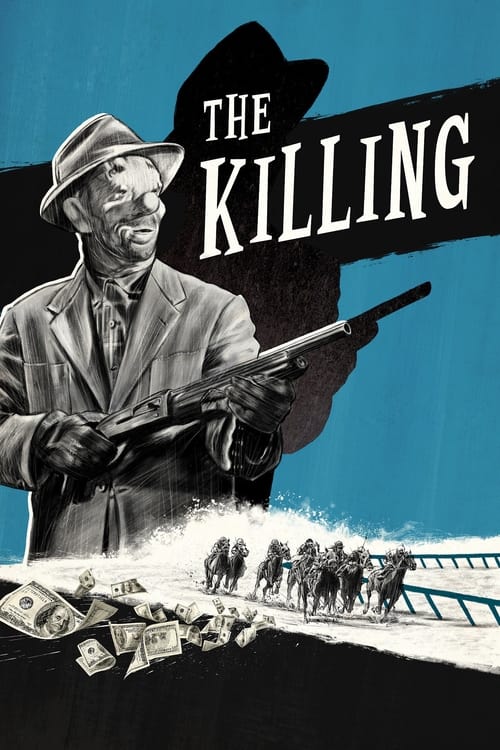
It's all part of one great long arc that presents the most interesting variation in Kubrick's career on one of the theme he nurtured from 1956's The Killing onward: the breakdown of systems.

I started in 1957 with "Paths of Glory" (having missed at the time his several earlier films), and followed him through classics like "Spartacus," "Lolita," "Dr.
It's a mistake to look to Kubrick's films for easily encapsulated attitudes; even his earlier war film "Paths of Glory" (1957) was strikingly anomalous for its time.
In one of his earliest films, 1957's "Paths of Glory," Kubrick indicted the military in a shattering World War I study on the insanity of war, a kind of "Breaker Morant."
A recurring image is that of an enormous space in which the living figures are hopelessly dwarfed: think of the men in the chateau courtroom in Paths of Glory, the occupants of Dr. Strangelove's war room, the soldiers on the battlefields in Barry Lyndon or Jack Nicholson with his tennis ball in the Overlook Hotel in The Shining.
Of his ten canonical films (the ones he didn't later reject), Full Metal Jacket is the only one that found the famously diverse Kubrick return to a genre: it is his second war film, thirty years after Paths of Glory .
In the film, Kubrick combines the realism of “Paths of Glory” with the irony of “ Dr. Strangelove ” – most tellingly in the recurring usage of “Mickey Mouse” during basic training and at the end of the film – for a singular look at war and its effects.
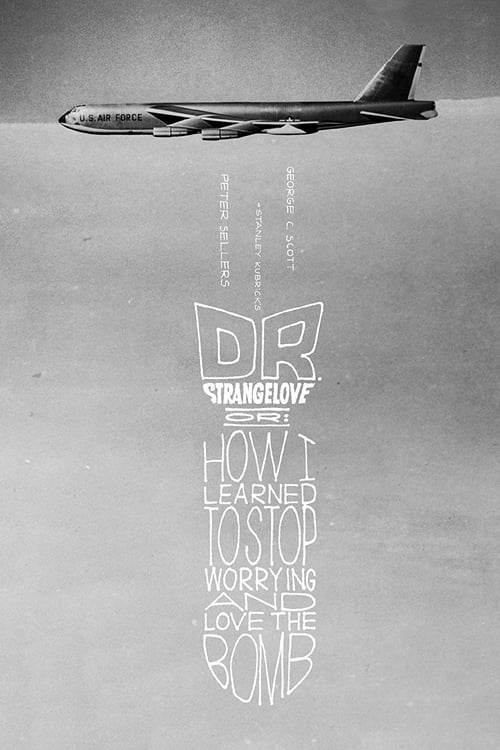
Dr. Strangelove or: How I Learned to Stop Worrying and Love the Bomb (1964)
Directed by Stanley Kubrick
Themes Music
That’s saying a lot when you consider his catalog also includes “Full Metal Jacket,” “Lolita,” and my personal favorite, “The Killing,” but when a political satire about the Cold War is just as funny and relevant as it was 45 years ago, it’s difficult to argue otherwise.
This theme had fascinated Kubrick since at least the time of Dr Strangelove (1963), in which the deaths of millions were referred to in terms of acceptable losses, 'regrettable' situations and 'getting our hair mussed'.
The scene in the press room, for example, with the lecture on propaganda, seems to reflect some of the same spirit as " Dr. Strangelove ."
Elliptical, full of subtle inner rhymes (for instance, the sound cues equating a psychopathic marine in the first part with a dying female sniper in the second), and profoundly moving, this is the most tightly crafted Kubrick film since Dr. Strangelove, as well as the most horrific; the first section alone accomplishes most of what The Shining failed to do.
In the film, Kubrick combines the realism of “Paths of Glory” with the irony of “ Dr. Strangelove ” – most tellingly in the recurring usage of “Mickey Mouse” during basic training and at the end of the film – for a singular look at war and its effects.
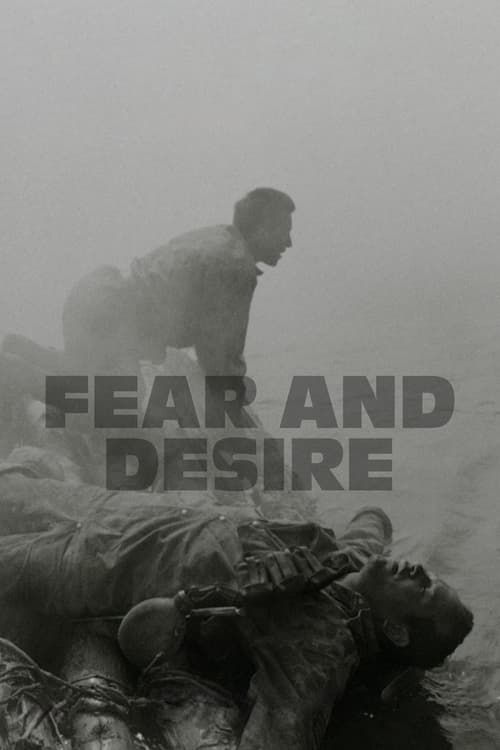
His death three years ago on the eve of Eyes Wide Shut's release secured his mythic status and his oeuvre is now complete -- or nearly complete, since his first feature, 1953's Fear and Desire, long suppressed by Kubrick, has yet to resurface.
Sidney goes crazy on the girl, foreshadowing Private Pyle in Full Metal Jacket , Hal 9000 in 2001: A Space Odyssey , and especially Jack Torrance in The Shining .
Hardly a shining example from Stanley Kubrick, who got it suppressed for years, it is nevertheless an amateurish ur-Paths of Glory and a sort of pre-sequel to Full Metal Jacket.
To get the dark blossoms of The Shining and Full Metal Jacket you need the seed, the very young Stanley Kubrick plants it in his lugubrious, arresting, disavowed debut.
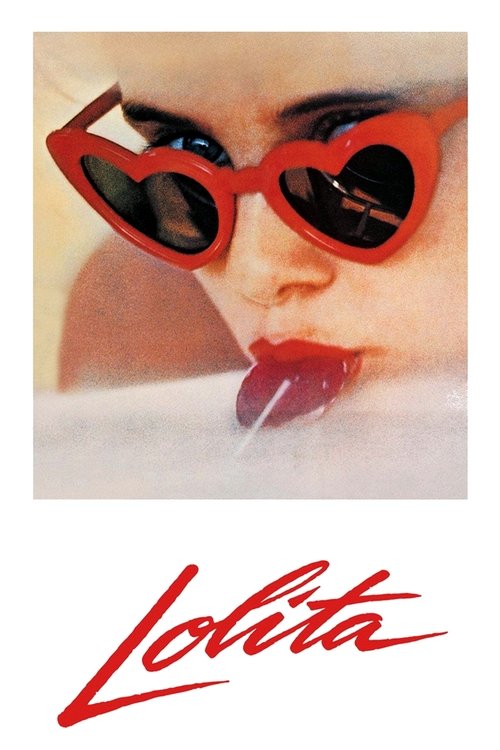
Modine plays James “Joker” Davis with a solid mix of sarcasm, cynicism and obedience, yet it’s Ermey, initially brought on set as a technical advisor to the cast, who delivers a performance that, while not as nuanced, is every bit as powerful and memorable as Peter Sellers in “Lolita” or Kirk Douglas in “Spartacus.”
Kubrick, in adapting material as varied as Anthony Burgess's "Clockwork Orange," Stephen King's "Shining," Thackeray's "Barry Lyndon," Nabokov's "Lolita," Terry Southern's "Dr.

Directed by Stanley Kubrick, Spartacus details the larger-than-life exploits of Kirk Douglas' title character - with the movie charting Spartacus' journey from a slave/gladiator to the leader of a full-blown revolution.
Modine plays James “Joker” Davis with a solid mix of sarcasm, cynicism and obedience, yet it’s Ermey, initially brought on set as a technical advisor to the cast, who delivers a performance that, while not as nuanced, is every bit as powerful and memorable as Peter Sellers in “Lolita” or Kirk Douglas in “Spartacus.”
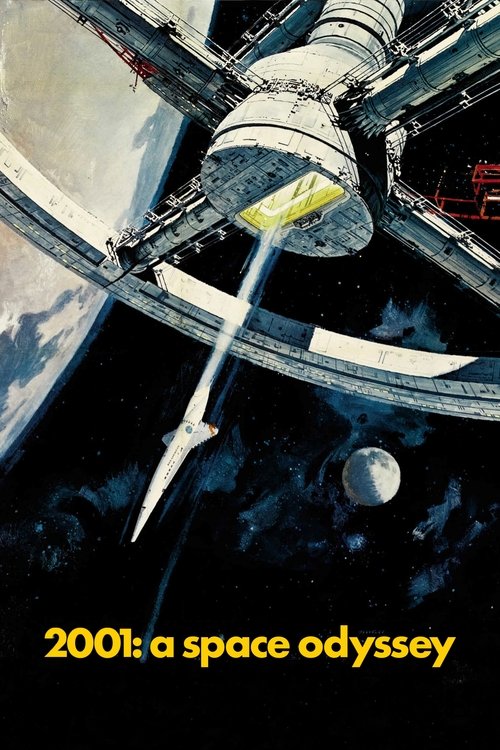
Full Metal Jacket , Dr. Strangelove and Paths of Glory are war movies, and as such easy targets for Kubrick – weaponry and the excuse to use it only brings out the worst in us.
It's a short step to Alex in A Clockwork Orange wielding his cane, Jack Torrance in The Shining swinging his ax, the Marines in Full Metal Jacket grabbing their balls and their rifles with equal gusto.
The film has been released in a special Deluxe Edition as part of Warner Home Video's "Stanley Kubrick Directors Series" box set, which also includes "2001: A Space Odyssey," "A Clockwork Orange," "The Shining," and "Eyes Wide Shut," as well as the documentary "Stanley Kubrick: A Life in Pictures," all loaded with bonus features that certainly trump the old bare-bones editions.
In Full Metal Jacket, Kubrick continues his concern with the limits of free will already evident in such diverse figures as Humbert Humbert (James Mason) in Lolita (1961), the eponymous protagonist of Barry Lyndon (1975), the HAL 9000 computer in 2001: A Space Odyssey (1968), The Shining (1980)'s Jack Torrance (Jack Nicholson) and A Clockwork Orange (1971)'s Alex (Malcolm McDowell).
Full Metal Jacket has the weirdest narrative structure of any Kubrick film, even more than 2001: A Space Odyssey : it can't rightly be called two, three, or four acts, though it mimics elements of all of them.
Advertisement
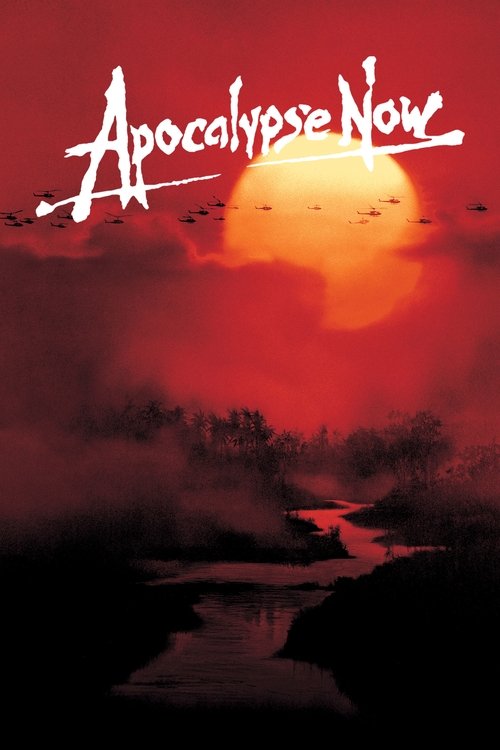
Where a film like "Apocalypse Now" played fast and loose with conjuring a drug-infected vision of American soldiers in Vietnam, "Full Metal Jacket" (the title refers to a variety of bullet) uses a full range of cinematic language to comment on an institution that "eats its own guts" as it destroys foreign cultures.
It's one of the best-looking war movies ever made on sets and stages, but that's not good enough when compared to the awesome reality of " Platoon ," " Apocalypse Now " and " The Deer Hunter ."
And the sound is one of the most memorable ingredients in this corrosive, tragicomic film, which should not be compared with Oliver Stone's sweaty, cathartic "Platoon," the moral surrealism of "Apocalypse Now" or even the emotional romance of "Coming Home."
Indeed, who would be brave enough to make such an announcement without knowing full well the striking power of an "Apocalypse Now" or a "Platoon" beforehand?
I personally prefer the more lyrical approach of “Apocalypse Now”, but I was still amazed by the gritty realism of Stanley Kubrick’s film.
Instead, Eyes Wide Shut divided critics and bored audiences, and while Full Metal Jacket fared better with both factions, it still qualifies as one of Kubrick's most underrated pictures, and it's second only to Apocalypse Now as the best Vietnam War movie ever made.
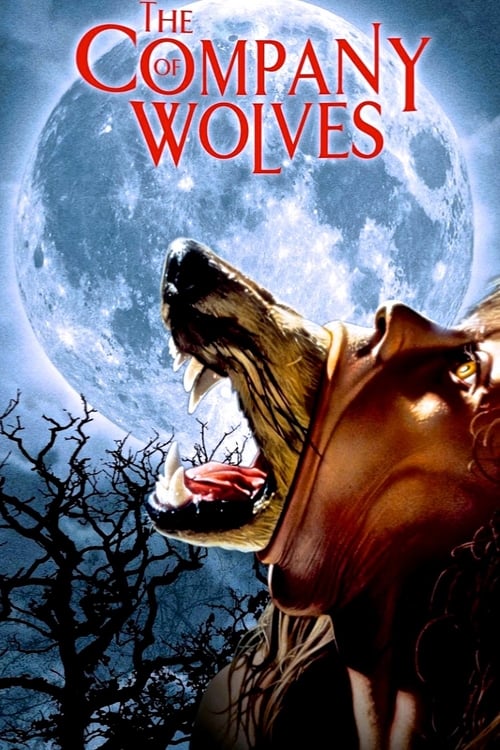
(Between Full Metal Jacket, the 1984 Freudian werewolf tale The Company of Wolves and his Oscar-winning work on 1989's Batman, Furst had established himself as an exceptional set designer before committing suicide in 1991.)
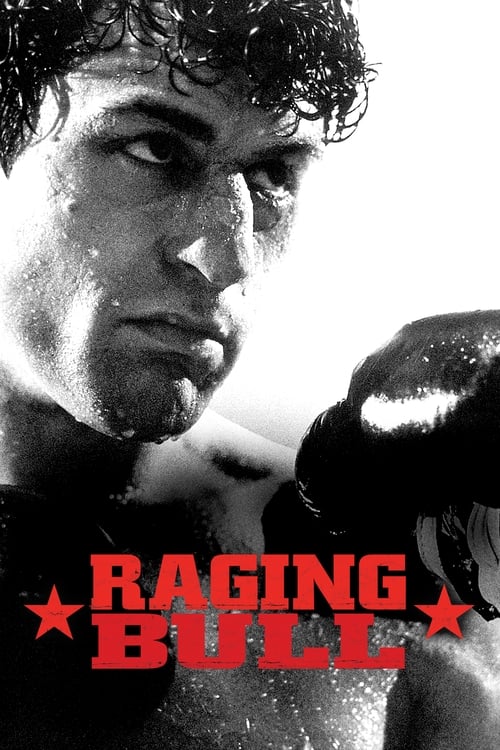
Beating out De Niro’s record weight gain for “ Raging Bull ,” D’Onofrio packed on 70 pounds to play the role of Leonard “Gomer Pyle” Lawrence, a dim-witted recruit unable to handle the constant abuse from both Hartman and his fellow recruits.
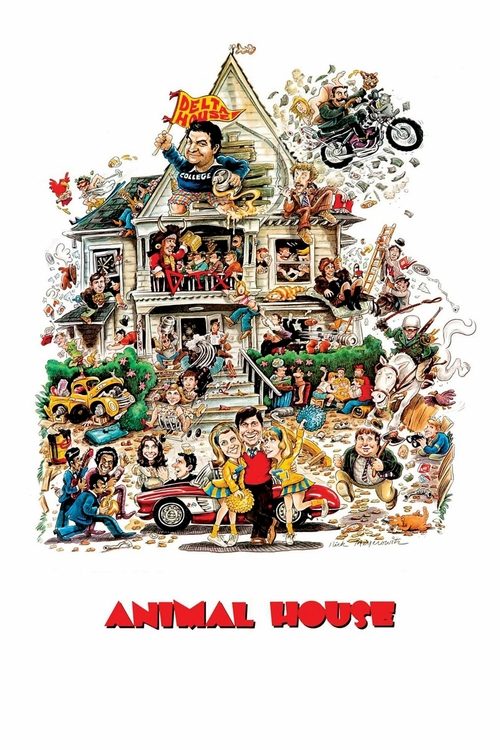
First is the most memorable snob, and probably second-in-line for stealing the show, Doug Neidermeyer (Mark Metcalf): "Is that a pledge pinâ¦on your uniform!" Doug is an ROTC drill sergeant who packs a temper that rivals even R. Lee Ermey's in "Full Metal Jacket."
Advertisement
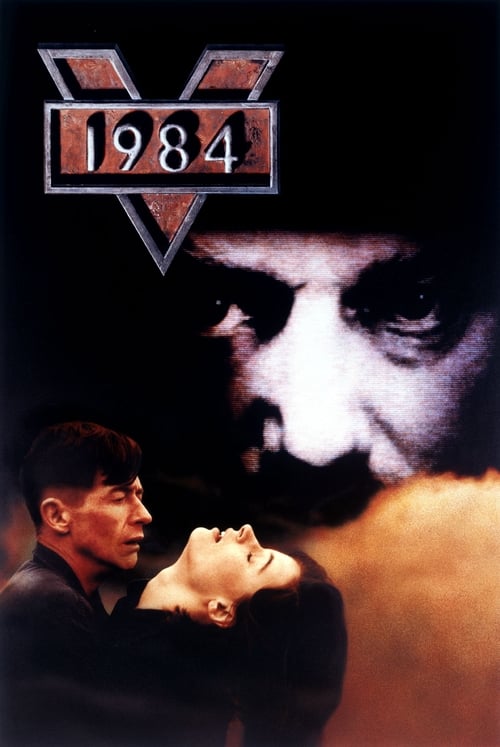
As for the climactic and highly cynical revelation (similar to the one that closes Orwell’s “1984”), it has worth by itself but it doesn’t redeem the film of its flaws.
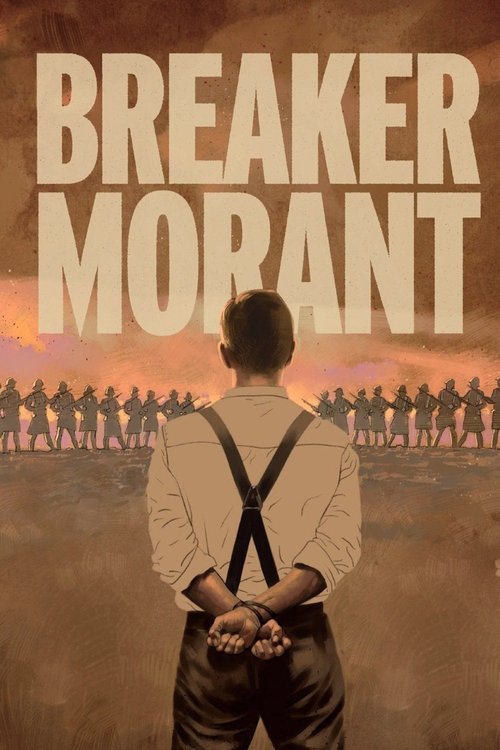
In one of his earliest films, 1957's "Paths of Glory," Kubrick indicted the military in a shattering World War I study on the insanity of war, a kind of "Breaker Morant."