Alejandro G. Iñárritu


Connections, in both directions

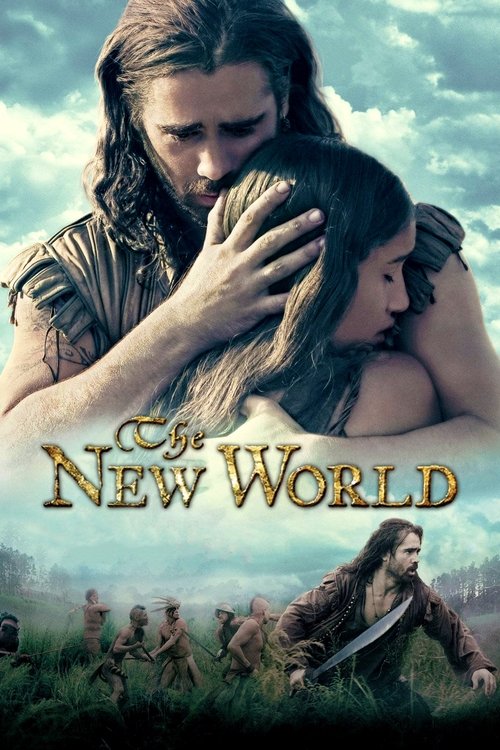
Man in the Wilderness (1971)
Directed by Richard C. Sarafian
influenced The Revenant (2015)


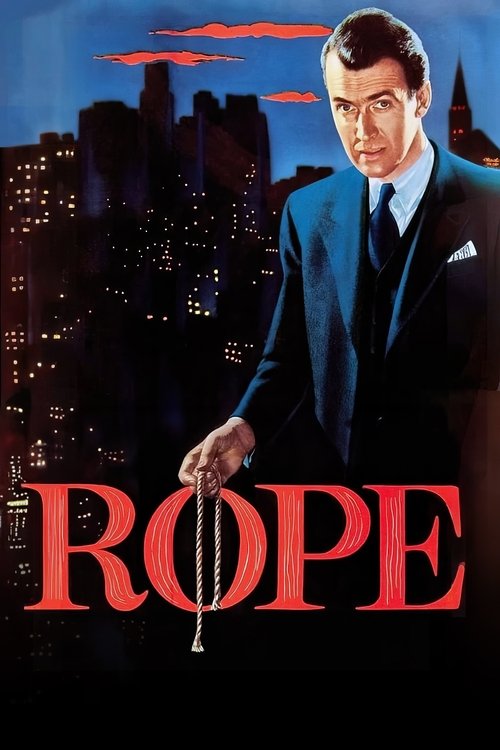
Rope (1948)
Directed by Alfred Hitchcock
influenced Birdman or (The Unexpected Virtue of Ignorance) (2014), The Revenant (2015)

1917 (2019)
Directed by Sam Mendes
influenced by Birdman or (The Unexpected Virtue of Ignorance) (2014), The Revenant (2015)


Pulp Fiction (1994)
Directed by Quentin Tarantino
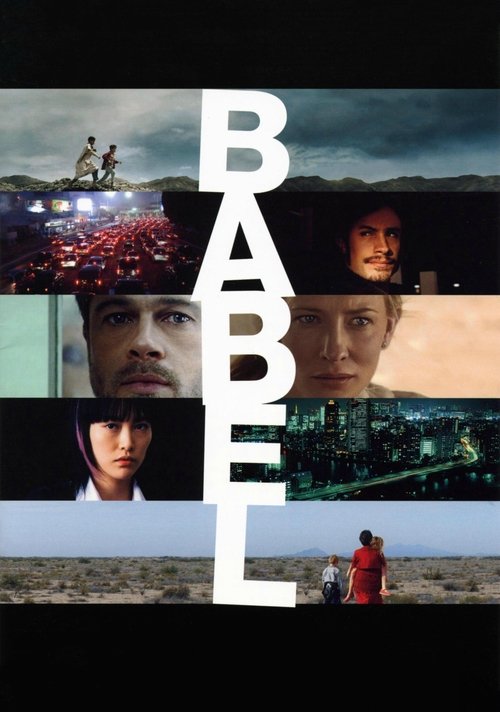
influenced Amores Perros (2000), 21 Grams (2003), Babel (2006)
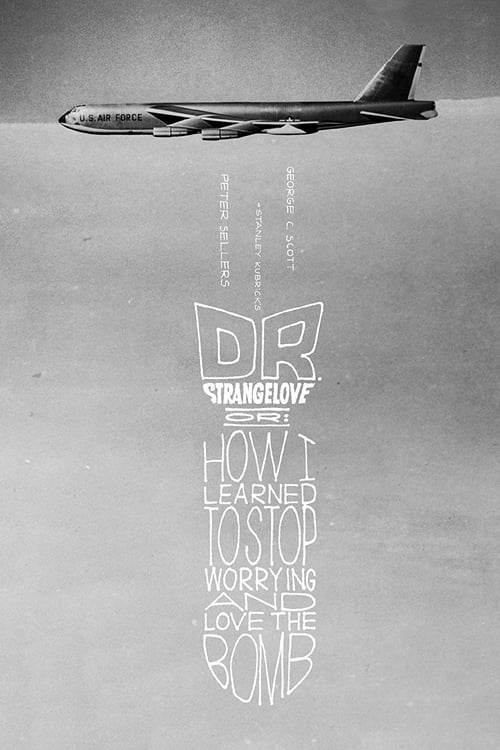
Dr. Strangelove or: How I Learned to Stop Worrying and Love the Bomb (1964)
Directed by Stanley Kubrick
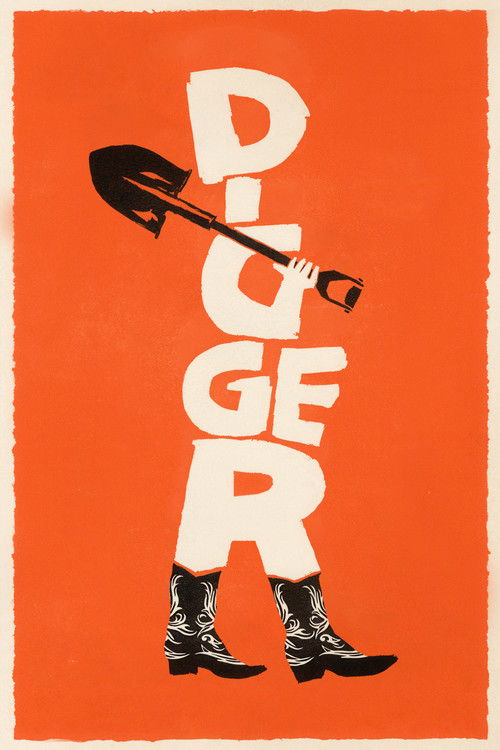
influenced Digger (2026)
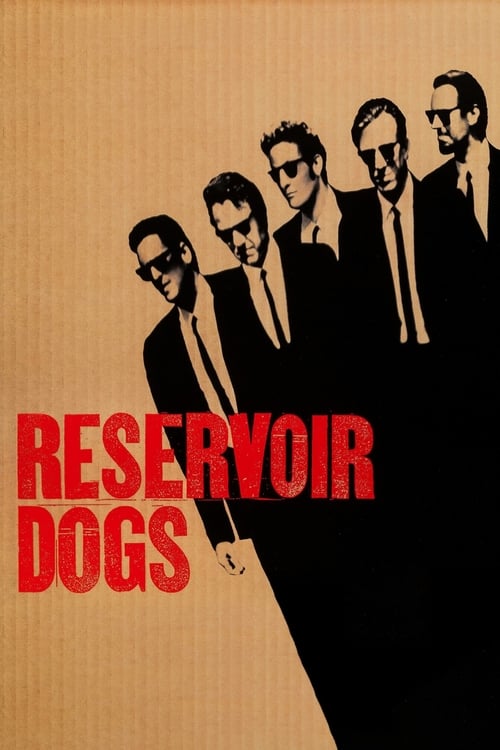
Reservoir Dogs (1992)
Directed by Quentin Tarantino
influenced Amores Perros (2000)
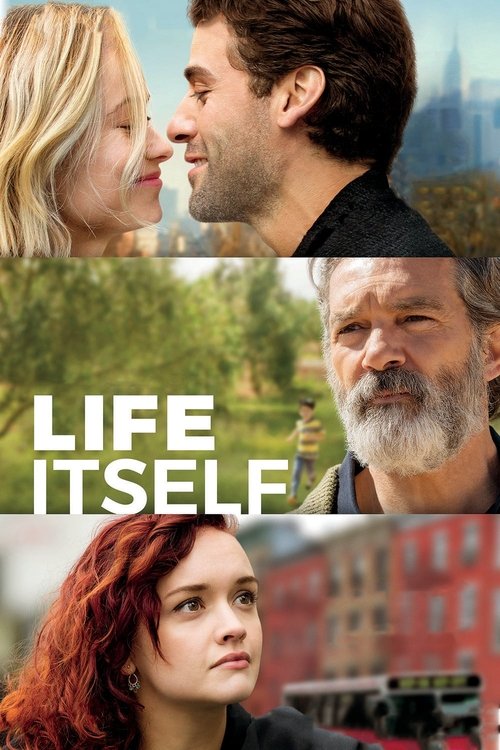
Life Itself (2018)
Directed by Dan Fogelman
influenced by Babel (2006), Amores Perros (2000)


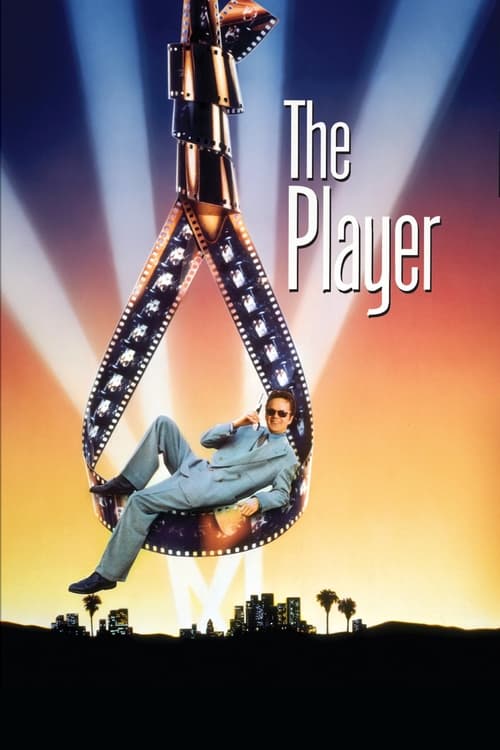
The Player (1992)
Directed by Robert Altman
influenced Birdman or (The Unexpected Virtue of Ignorance) (2014)
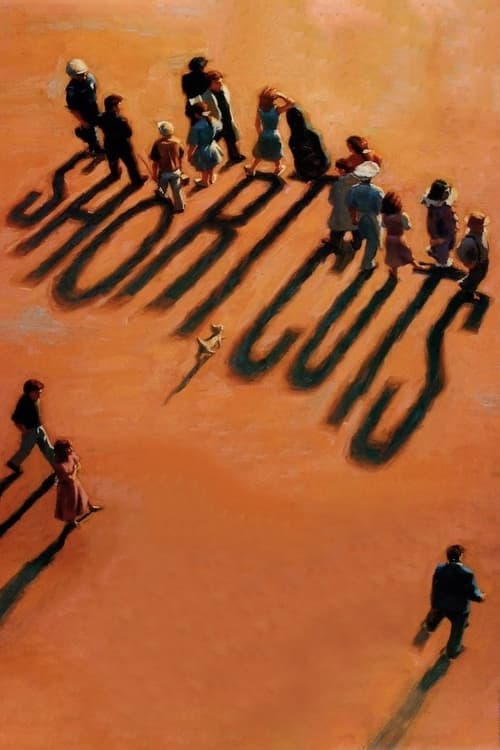
Short Cuts (1993)
Directed by Robert Altman
influenced Babel (2006), Birdman or (The Unexpected Virtue of Ignorance) (2014)

The Tree of Life (2011)
Directed by Terrence Malick
influenced The Revenant (2015), Birdman or (The Unexpected Virtue of Ignorance) (2014)