
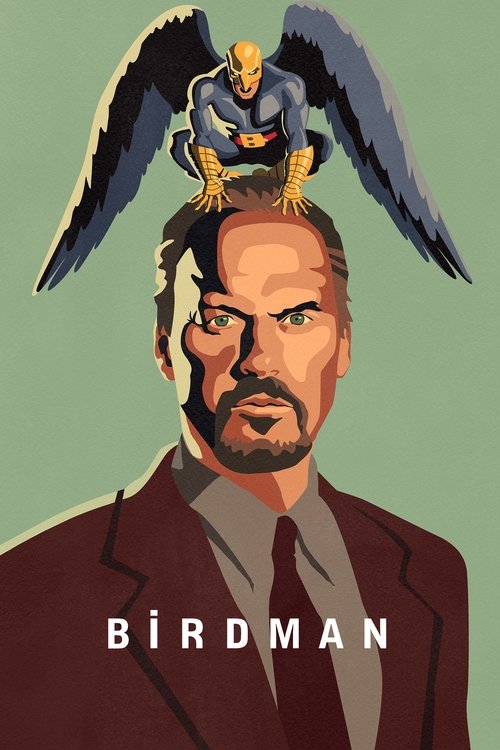
Birdman or (The Unexpected Virtue of Ignorance) (2014)
Directed by Alejandro G. Iñárritu
A fading actor best known for his portrayal of a popular superhero attempts to mount a comeback by appearing in a Broadway play. As opening night approaches, his attempts to become more altruistic, rebuild his career, and reconnect with friends and family prove more difficult than expected.
54 connections found
View:
54 films that influenced this film
What critics say influenced Birdman or (The Unexpected Virtue of Ignorance)
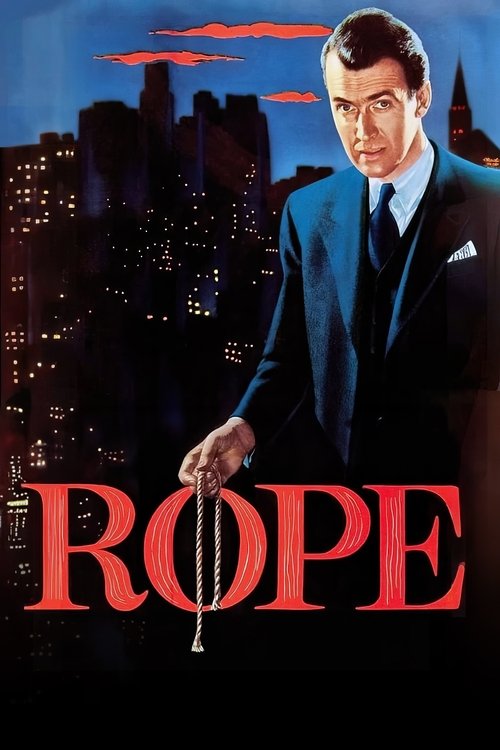


Though shoehorned into three play-like acts, Birdman transpires in one long, flowing, bravura take — which appears to contain some hidden cuts, à la Hitchcock's Rope, and some CG tricks of the sort that blow the illusion by reminding us we're in a realm where anything's possible so nothing's truly wonderful.
It has less to do with the formal stuntwork — which simulates a single elaborately choreographed take, à la Hitchcock's Rope — than with the unflagging momentum of the performances within it.
The much-vaunted single-take effect achieved by DP Emmanuel Lubezki and editors Douglas Crise and Stephen Mirrione (with a couple of exceptions the film appears to play without cuts ) is not a gimmick, but a storytelling technique that achieves an arguably superior effect to that realized by Alfred Hitchcock in "Rope."
The device was perhaps most famously used by Alfred Hitchcock in his 1948 film, “Rope” (though that film does have several hard cuts between reels), and in Alexander Sokurov’s 2002 fantasy, “Russian Ark.”
What isn't in doubt is the fantastic cinematography courtesy of DP Emmanuel Lubezki who employs a near continuous shot throughout the film (with an unknown amount of actual cuts -- presumably across dark scenes much like Alfred Hitchcock used in the somewhat similarly shot "Rope" but likely also elsewhere now that visual effects can be used to create the appearance of seamlessness).
Though it wouldn’t be accurate to say Birdman was filmed in a single long take—there are several moments when characters pass through a darkened space in order to mask visible cuts, the digital-age equivalent of the reel changes in Rope —Iñárritu and Lubezki go to great lengths to make sure the film feels to the viewer like one continuous shot.
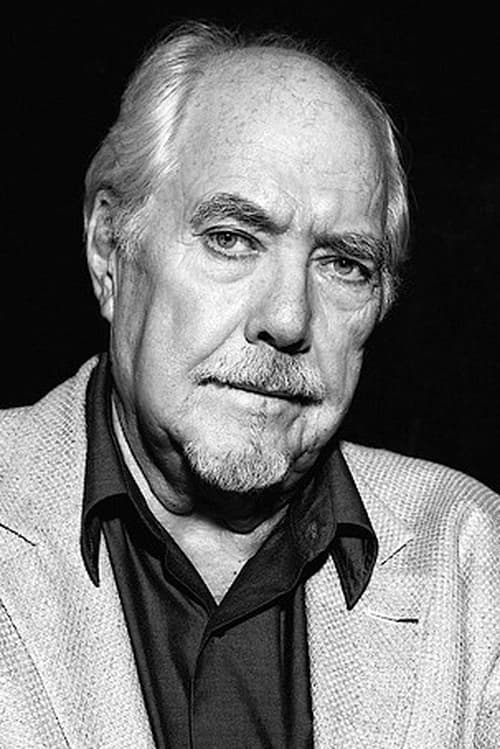
Director
Robert Altman
Critics compare Birdman or (The Unexpected Virtue of Ignorance) to 3 of Altman’s films.
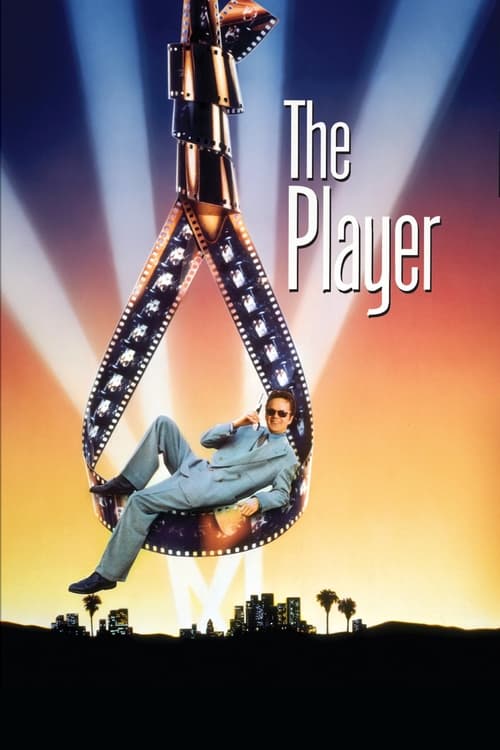
It is clear that González Iñárritu and his team of writers studied closely the films of Robert Altman, “The Player” being a touchstone, and “Short Cuts,” also, based on Carver’s writings.
For movie geeks, the mind starts thinking of classic movies that open with long tracking shots, such as Orson Welles' "Touch of Evil" or Robert Altman's "The Player."
It all ends up unexpectedly Altmanesque, with “The Player” and “A Prairie Home Companion” coming to mind.
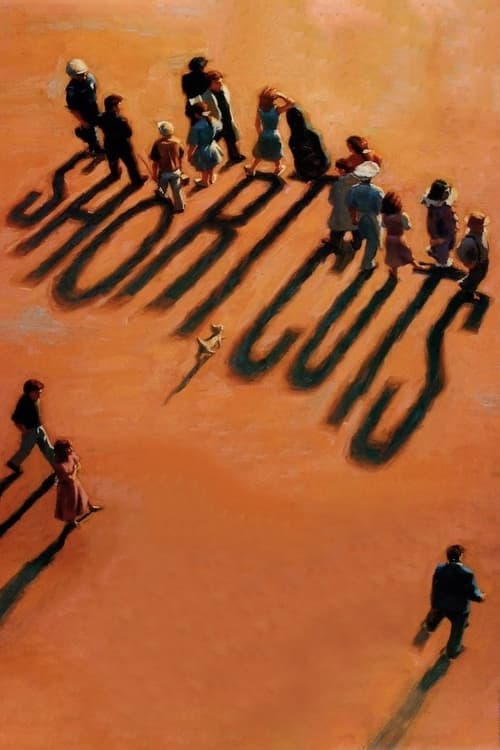
It is clear that González Iñárritu and his team of writers studied closely the films of Robert Altman, “The Player” being a touchstone, and “Short Cuts,” also, based on Carver’s writings.
The play they’re doing doesn’t seem like much, but being Carver (Altman directed “Short Cuts” from Carver stories) it promises emotional explosions.
And while the single-take conceit succeeds here, it’s hardly an innovation, having being tried at one time or another by everyone from Alfred Hitchcock to Robert Altman, the latter’s Short Cuts having dipped into the same Carver omnibus as Birdman.
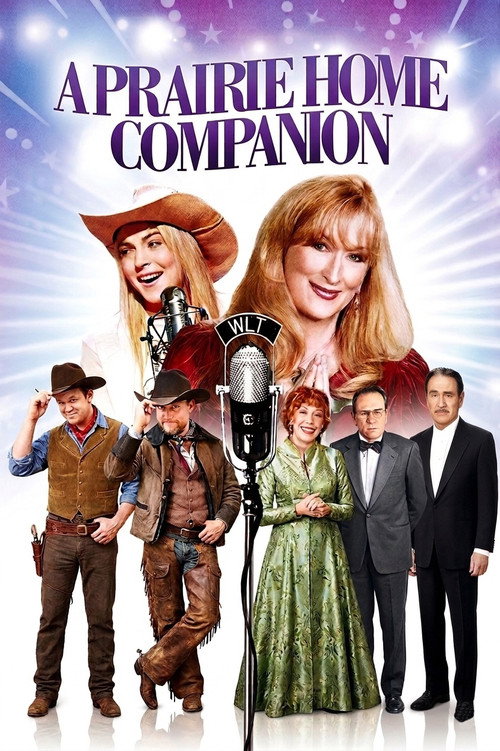
Iñárritu shoots the film like Robert Altman’s “A Prairie Home Companion,” a swooping, seamless series of long, highly choreographed takes which move us from dressing room to rooftop to backstage and then onstage.
Director
Jean-Luc Godard
Critics compare Birdman or (The Unexpected Virtue of Ignorance) to 3 of Godard’s films.
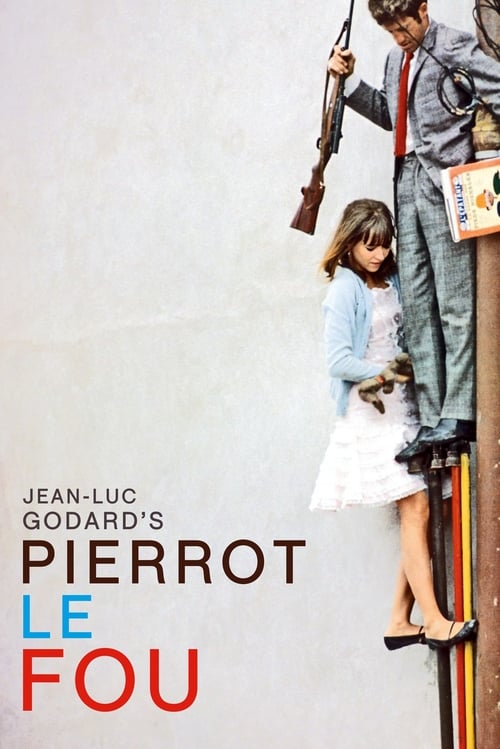
The biggest surprise of Alejandro González Iñárritu’s new film, “Birdman,” is its opening credits: the typography (as seen in the trailer ) is borrowed from that of Jean-Luc Godard’s color films of the mid-sixties, and Iñárritu’s credits are animated—with letters filling in onscreen in alphabetical order—exactly as Godard’s were in “ Pierrot le Fou ” (1965).
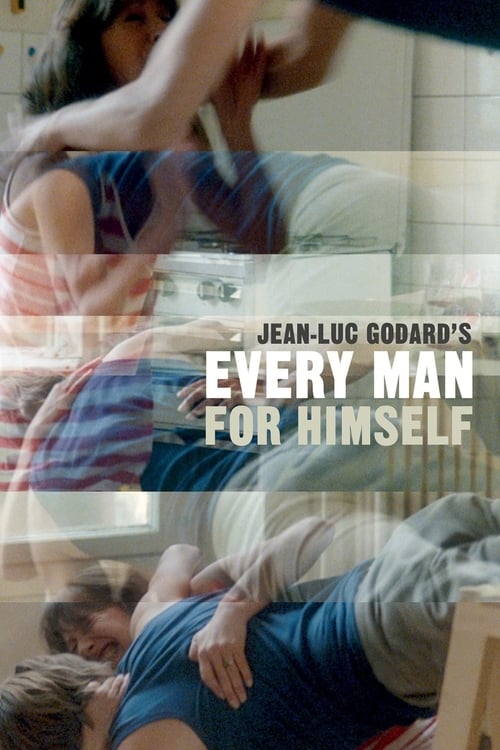
I’d even say that the first shot, of clouds in the sky, accompanied by ethereal electronica, alludes to the first shots of Godard’s 1980 film, “Every Man for Himself.”
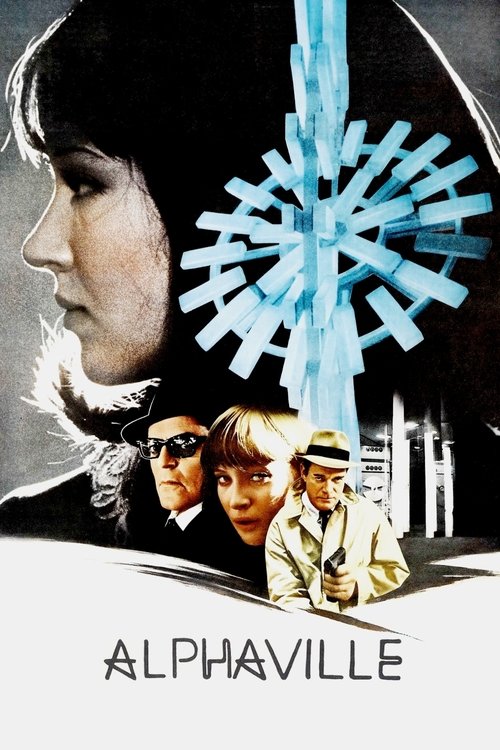
Iñárritu does with Keaton what Godard did with Eddie Constantine in “Alphaville” and “Germany Year 90 Nine Zero,” and with Anna Karina in many films: he fuses the viewer’s knowledge of the performer’s previous roles (and, for that matter, life) with the character that the actor plays.
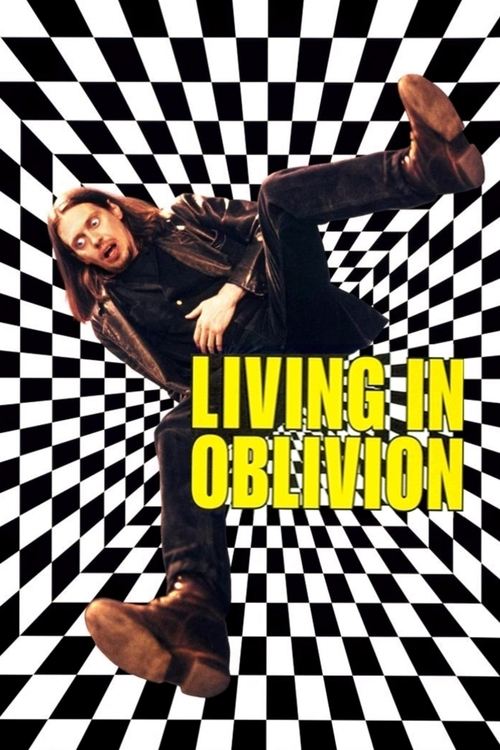
(There are echoes of the fraying realities of the fictional directors played by Steve Buscemi in Living in Oblivion and Philip Seymour Hoffman in Synecdoche, New York .)
Advertisement
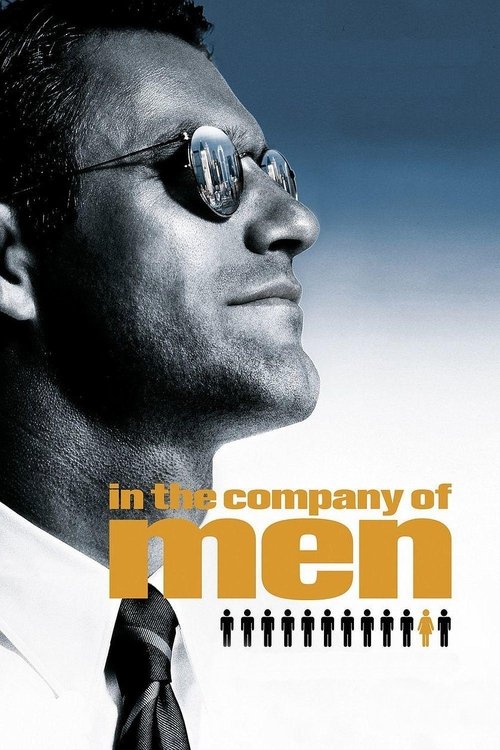
Birdman’s best moments involve the frenetic intensity of staging a major production, and it is here that Iñárritu’s roving camera has the most impact, snaking through the tiny corridors of the aging theater, following various characters as they cross paths, interact, fight, try and fail to connect, all of which is propelled by jazz drummer Antonio Sanchez’s nerve-rattling percussion score, which sets up the interpersonal conflicts by hammering away at our nerves (I was reminded of the excellent use of a similar kind of score in Neil LaBute’s caustic 1997 directorial debut In the Company of Men).
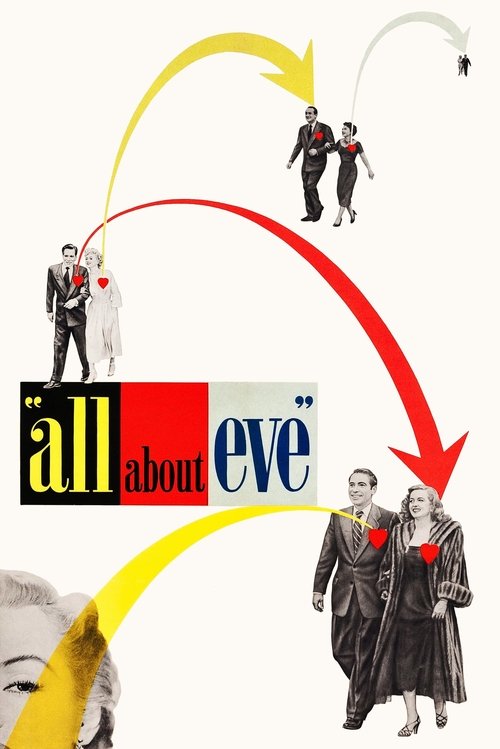
It’s a backstage drama — correction: It’s a backstage middle-aged male freakout comedy-drama and, as such, possibly a guy’s answer to the anxieties of “All About Eve.” Riggan is an LA superstar best known for the superhero blockbuster “Birdman,” but that was well over a decade ago and he’s starting to look like — well, Michael Keaton several decades on from “Batman.”
Birdman also has the curiosity of a character we immediately recognize while at the same time rejecting: Lindsay Duncan’s rancid New York Times theatre critic Tabitha Dickinson is the distaff version of George Sanders’ poisoned-penned Addison DeWitt from All About Eve.
From this setup alone, “Birdman” has all the trappings of a deliciously tawdry backstage satire on a par with “All About Eve” and “Sweet Smell of Success,” but writer-director Alejandro González Iñárritu throws in a delightfully wacky monkey wrench in the form of a pretentious actor named Mike Shiner (Edward Norton), who’s cast in the play at the last minute when a member of the ensemble is injured (with or without the help of Thomson’s Birdman-esque psychic gifts).
Inarritu and crew embrace the spirit of some of the classic films about the dirty underbelly of theater life, such as "All About Eve," but dress it in the now.
References to Twitter and Facebook aside, All About Eve covered much of this show-biz terrain half a century ago, and with greater wit.
It is to our times what Arthur Miller's "Death of a Salesman" was to an earlier era.
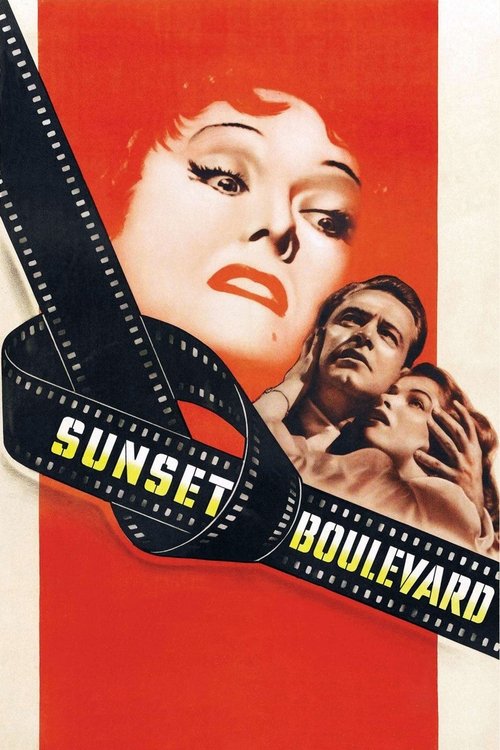
The backstage farce as depicted here is a noble tradition, stretching back to “Kiss Me Kate” and “Noises Off.” Riggan feeling small even as the pictures got bigger is a clear nod to “Sunset Boulevard.”
They act as if finding fool’s gold behind the glitter of Hollywood/Broadway is some kind of revelation, as if Birdman’s many predecessors — including Sunset Boulevard and TheSweet Smell of Success — never happened.
Riggan is one of those roles, like Norma Desmond in “Sunset Blvd.,” that relies heavily on the actor’s offscreen persona, and it works because audiences know so little about Keaton’s private life, though they find him endearing even when he’s playing narcissistic characters.
Or Sunset Boulevard via Crank.
Advertisement
Keaton is getting the kind of surprised acclaim that reminds me of when everyone fell backwards over Bill Murray’s work in Rushmore, as if Murray had never been good or serious in anything before then.

The device was perhaps most famously used by Alfred Hitchcock in his 1948 film, “Rope” (though that film does have several hard cuts between reels), and in Alexander Sokurov’s 2002 fantasy, “Russian Ark.”
Though the film – set over a few weeks – is quite clearly not performed as one unending shot a’la Russian Ark, the camera’s dreamy and eventually disorienting observance of Riggan’s unravelling works wonders.
(The single-shot movie to beat still is Russian Ark.) Iñárritu's try-too-hard mode of magical realism can be breathtaking, absolutely, and it also can backfire.