
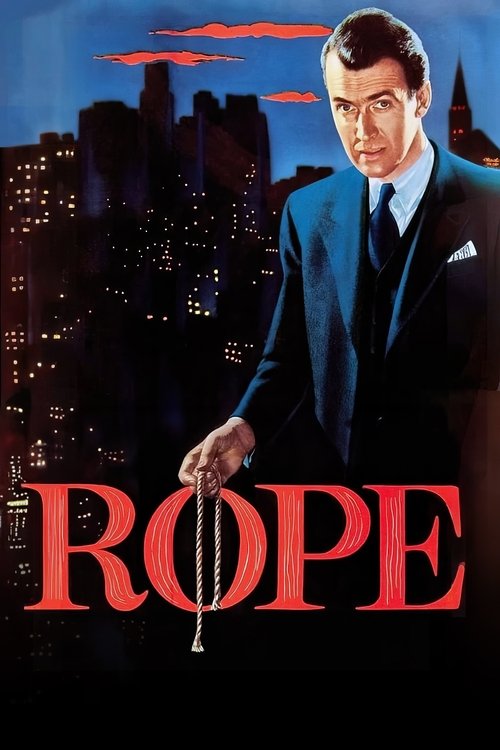
Rope (1948)
Directed by Alfred Hitchcock
Two young men attempt to prove they committed the perfect murder by hosting a dinner party for the family of a classmate they just strangled to death.
33 connections found
View:
33 connections, in both directions
What critics compared Rope to
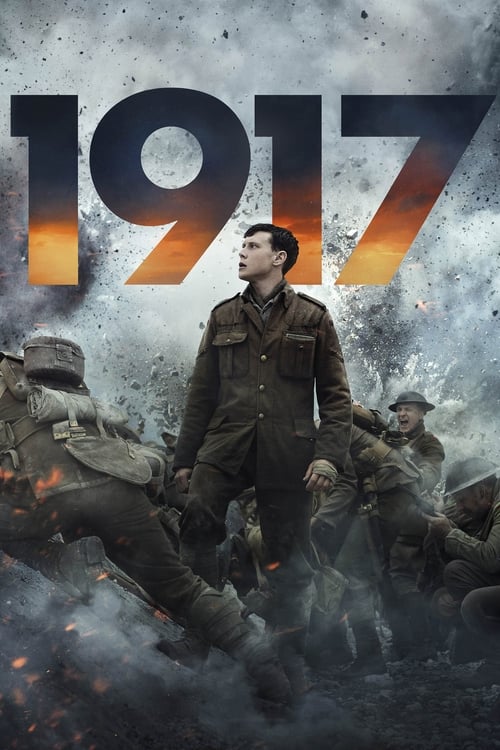


Like Birdman and Rope before it, the “cheat” cuts in 1917 are easy to spot, but the act of looking for them amidst the soldiers’ trek across torched farmland and sniper-filled, bombed-out towns, and simultaneously taking in the endeavor’s overall technical marvel yields a sense of awe rarely achieved in film.
It’s a trick deployed before, by Alfred Hitchcock in the stage-born 1948 thriller “Rope” and Alejandro González Iñárritu in his 2014 Best Picture Oscar winner “Birdman.”
Essentially filmed in one long, two-hour shot, the film—which features the masterful cinematography of living legend Roger Deakins—is a cinematic feat rarely attempted, though not without precedent (Birdman, Rope, and Russian Ark are other examples of one-shot films).
These titles include Alfred Hitchcock’s Rope, the Best Picture Oscar winner Birdman or (The Unexpected Virtue of Ignorance), and Russian Ark, the latter actually filmed in one single take rather than just being crafted to appear that way.
Add a self-styled auteur’s flourish—in this case, the cinematic-stunt illusion of the film’s two hours being shot in what appears to be two unbroken “takes,” or camera shots (achieved in large part by the brand of editing trickery seen in Alejandro González Iñárritu’s “Best Picture”-winning Birdman and as far back as Alfred Hitchcock’s Rope), and you have a recipe for Hollywood hype.
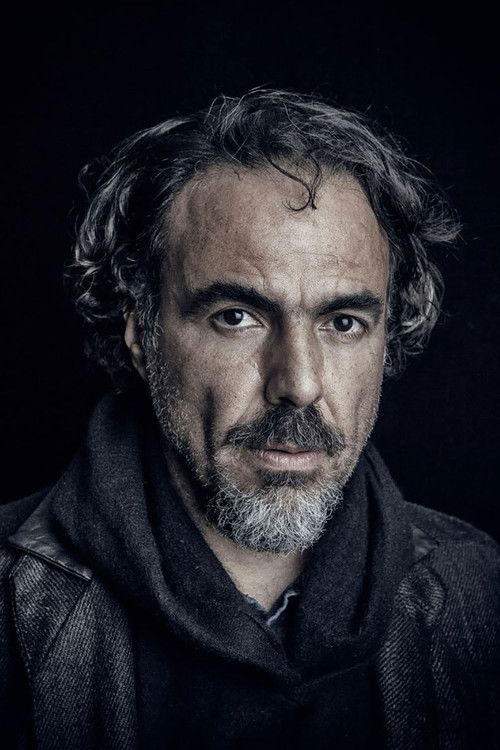
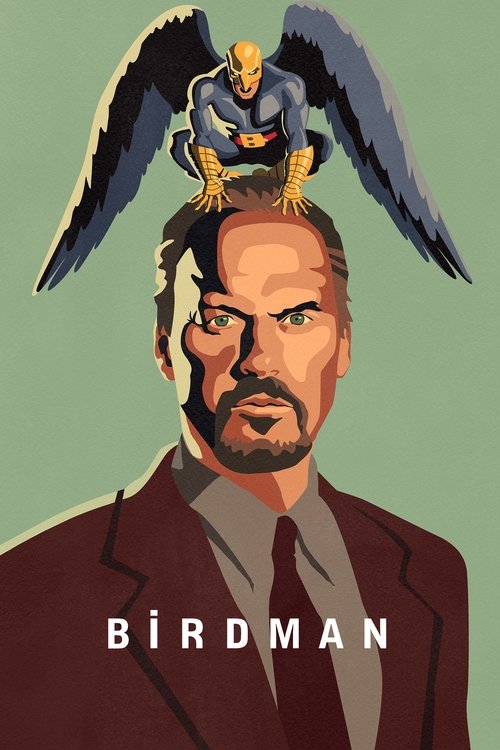
Though shoehorned into three play-like acts, Birdman transpires in one long, flowing, bravura take — which appears to contain some hidden cuts, à la Hitchcock's Rope, and some CG tricks of the sort that blow the illusion by reminding us we're in a realm where anything's possible so nothing's truly wonderful.
It has less to do with the formal stuntwork — which simulates a single elaborately choreographed take, à la Hitchcock's Rope — than with the unflagging momentum of the performances within it.
The much-vaunted single-take effect achieved by DP Emmanuel Lubezki and editors Douglas Crise and Stephen Mirrione (with a couple of exceptions the film appears to play without cuts ) is not a gimmick, but a storytelling technique that achieves an arguably superior effect to that realized by Alfred Hitchcock in "Rope."
The device was perhaps most famously used by Alfred Hitchcock in his 1948 film, “Rope” (though that film does have several hard cuts between reels), and in Alexander Sokurov’s 2002 fantasy, “Russian Ark.”
What isn't in doubt is the fantastic cinematography courtesy of DP Emmanuel Lubezki who employs a near continuous shot throughout the film (with an unknown amount of actual cuts -- presumably across dark scenes much like Alfred Hitchcock used in the somewhat similarly shot "Rope" but likely also elsewhere now that visual effects can be used to create the appearance of seamlessness).
Though it wouldn’t be accurate to say Birdman was filmed in a single long take—there are several moments when characters pass through a darkened space in order to mask visible cuts, the digital-age equivalent of the reel changes in Rope —Iñárritu and Lubezki go to great lengths to make sure the film feels to the viewer like one continuous shot.
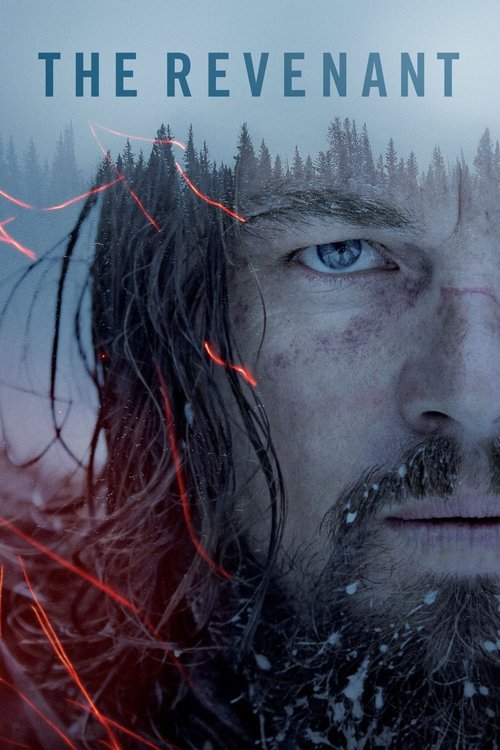
Si Birdman [Birdman (Or the Unexpected Virtue of Ignorance), 2014], con su plano secuencia simulado, fue un intento de replicar el estilo de La soga (Rope, 1948), de Alfred Hitchcock, El renacido y la hazaña de filmar en temperaturas bajo cero y con luz natural es un intento de superar a Werner Herzog y sus incontables aventuras.
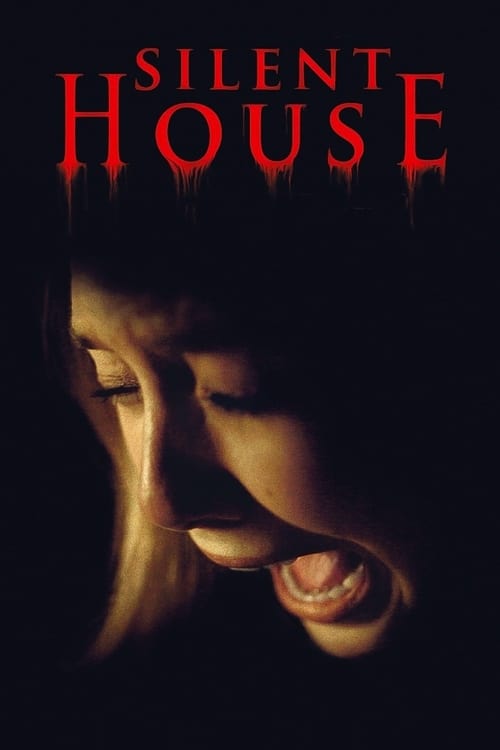
Like its predecessor, this remake of the 2010 Uruguayan film La casa muda ("The Silent House") bears an unavoidable stylistic similarity to Alfred Hitchock's Rope .
Oh, and the whole business about shooting the film in one long take, à la Hitchcock’s Rope ?
Vigilant viewers will note the seam of at least one on-screen cut in Silent House, but the “single” take is regardless an impressive feat of choreography, the bravura stunt of Hitchcock’s Rope adapted to the greater mobility and footage capacity of digital cameras.
The most famous early experiment in long-take filmmaking was from no less a talent than Alfred Hitchcock, who employed the technique in his 1948 thriller Rope.
The big draw by the filmmakers for “Silent House” is the claim that it is done in one continuous take and, like Alfred Hitchcock’s “Rope,” provides a technically appealing pull for audiences.
Not only is the camerawork overly shaky, but the the fun (and scary) use of limited light is undoubtedly inspired by the Hitchcock classic Rear Window , just as the real-time hook was cribbed from the Hitchcock classic Rope .
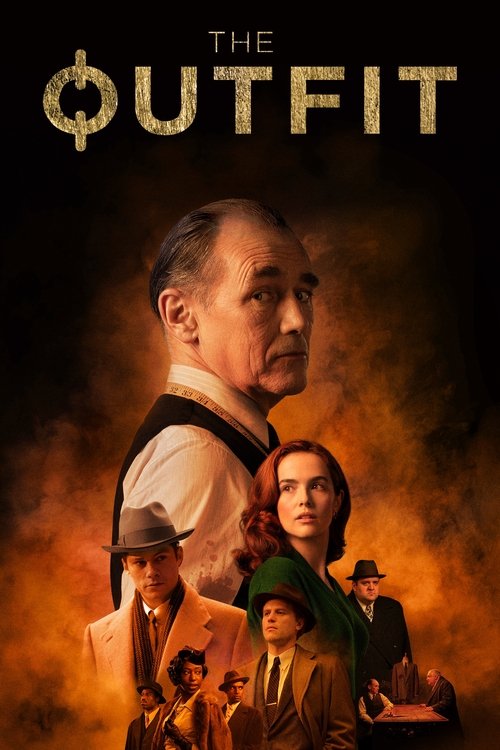
Nearly every detail in Moore’s mise-en-scène suggests a theatrical production—even his nods to Alfred Hitchcock’s stagey Rope (1948), another film shot in a single location and, like The Outfit, featuring a dead body hidden in a large wooden chest for much of the runtime.
Hitchcock’s Rope and Tarantino’s Reservoir Dogs are the inspirations for this riveting single-location crime thriller from Graham Moore, the writer of The Imitation Game.
Full of twisty turns and clockwork plotting, "The Outfit" calls to mind better suspense films before it — the one-room tension of Alfred Hitchcock's "Rope," the shadowy subterfuge of the fellow Rylance starrer "Bridge of Spies" — though it doesn't quite meet their level.
We talked a lot about this as being kind of tradition of single location cinema from “12 Angry Men” through Hitchcock’s “Rope” and “Lifeboat.”
Advertisement
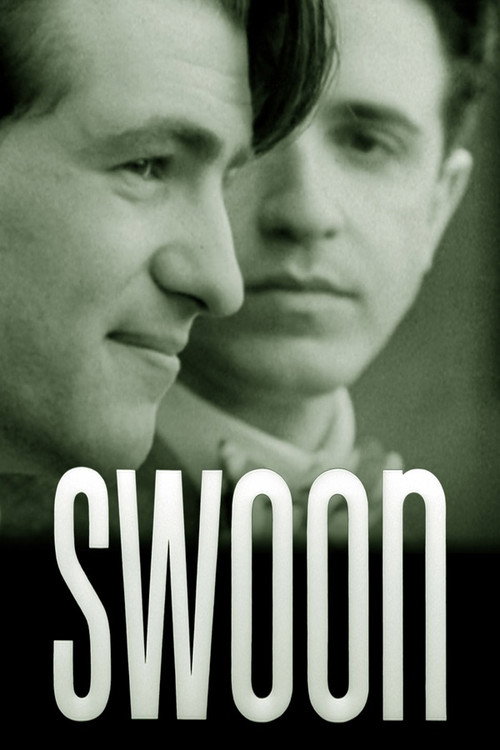
This story was filmed again as Compulsion (1959) and Swoon (1992).
Ellen Kuras' gorgeous black-and-white cinematography does much to enhance Kalin's expressionistic style, which deliberately distances itself from the more straightforward, psychological emphasis of other films about this infamous pair (Compulsion, Hitchcock's Rope).
Rope located the roots of fascism in Nietzschean discourse.
If you come away wanting to see more of the murderous duo, you can add Compulsion (1959, Richard Fleischer) and Rope (1948, Alfred Hitchcock) to your Netflix queue; the latter was inspired by the pair's exploits.
The case has been made into two previous movies - Alfred Hitchcock's " Rope " (1948) and Richard Fleisher's "Compulsion" (1959), but both to one degree or another played down the topic of homosexuality.

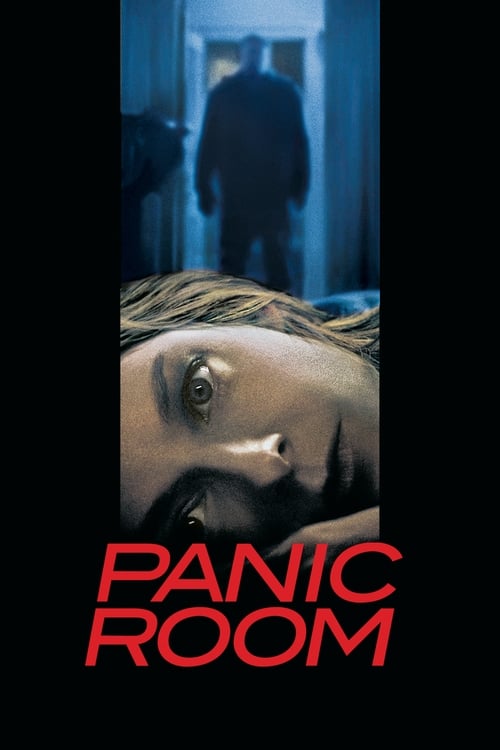
There's some genuinely fun stuff in Panic Room: At one point, the camera seems to swoop into a lock mechanism as nimbly as Tinker Bell; at other times, it appears to pass through walls, as in Hitchcock's Rope.
I'll just catch Rope or The 39 Steps on Turner Classic Movies.
Comparisons to Hitchcock, however, discounting a few familiar-seeming establishing images (a pair of discarded glasses scream "winking homage") and a few swooping crane shots (not to mention the closed-room thriller stunt/trope of Rope), are cosmetic at best.
And “Fight Club,” the most lurid of all male violence fantasies, even now seems to contain feint traces of “Strangers on a Train” and “Rope,” which too were about men obsessed with the thrill of violent inflictions.
Alfred Hitchcock’s “Rope” consists of eight 10-minute takes (the limit of a standard film magazine); by contrast, Hungarian art-god Béla Tarr’s celebrated “Werckmeister Harmonies” – 39 fixed-camera shots over 145 minutes – is pretty much a hip-hop video.
Hitchcock did it in his audacious “Rope,” following two killers across the scene of a crime in 96 minutes of (pretend) uncut (pretend) real time — its collection of 8- to 10-minute shots seamlessly edited together to look like one.
Even Hitchcock’s Rope and last year’s Oscar-winner Birdman: Or (The Unexpected Virtue of Ignorance) pulled some deft maneuvers to create the illusion of filming all in one take.
Where other movies like Rope or Birdman artfully hid their cuts to give the illusion that their stories were happening in real time, director and co-writer Sebastian Schipper’s fourth feature works without a net, its two-hour-plus journey through the early morning hours of Berlin growing increasingly more suspenseful, his camera capturing every moment.
Victoria is not the first movie based on a single-shot conceit, but many feted previous examples have used visual sleight of hand, from Rope to Russian Ark to Birdman.
Alfred Hitchcock used extremely long takes (along with discreet cuts) to mimic a single-shot structure for his 1948 thriller “Rope.”
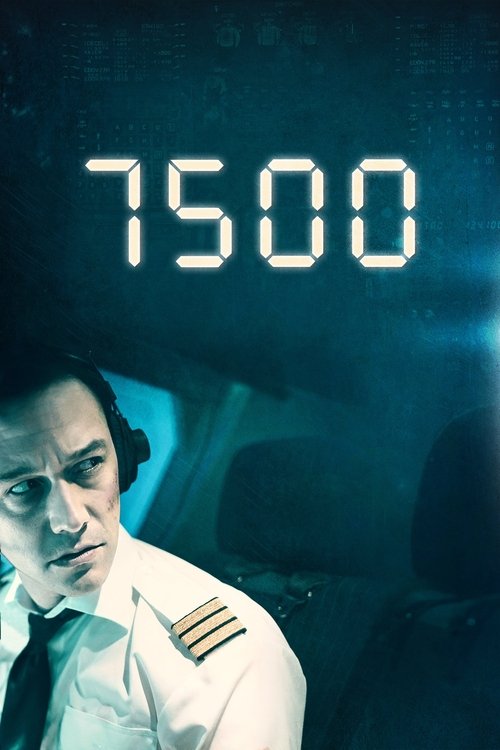
Alfred Hitchcock set the standard for setting entire films in a single locale with such classics as Rope , Lifeboat , Dial M for Murder and Rear Window (66 years old; still the best of the sub-genre) and his spirit is duly channelled by writer/director Patrick Vollrath in a knockout feature debut.
Vollrath operates under the same theory here in a movie that upholds the legacy of predecessors such as Hitchcock's "Lifeboat" and "Rope."
7500--Many thrillers are called Hitchcockian, but this German/Austrian/US production truly qualifies; after the opening minutes, it unfolds both in real time like Rope, and in a confined space like Lifeboat.
Advertisement
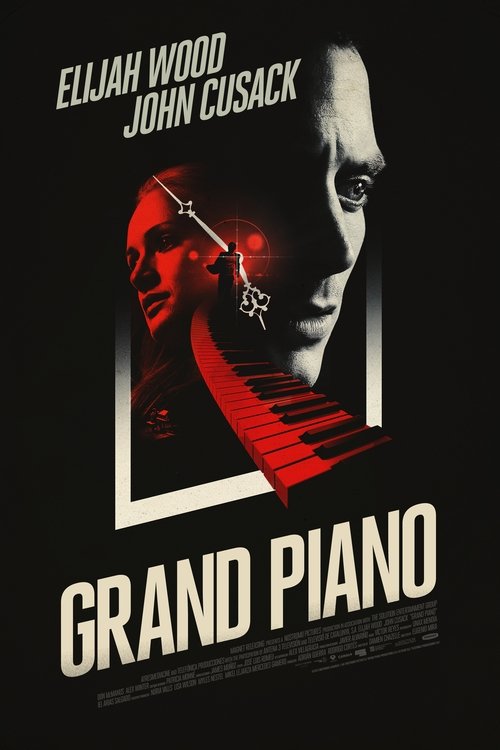
Despite its compact confines, Mira’s film recalls the more heightened sense of Hitchcockian style that ebbs and flows throughout De Palma’s Blow Out, Body Double, or Dressed to Kill rather than the elegance of Hitchcock’s boutique thrills like Rope or The Lady Vanishes.
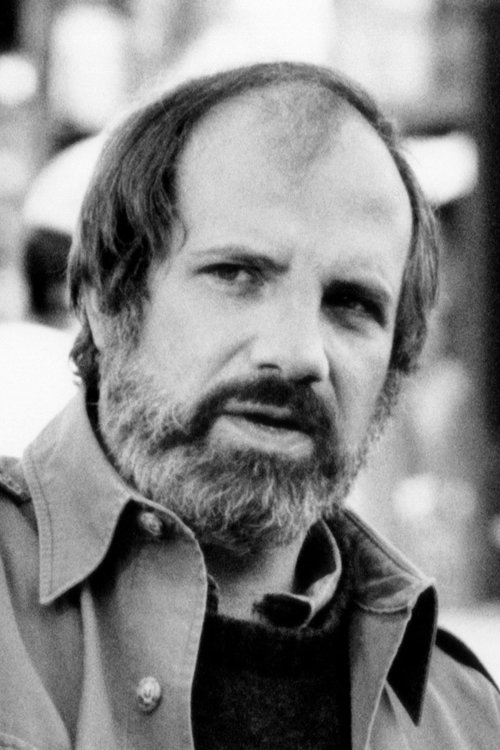
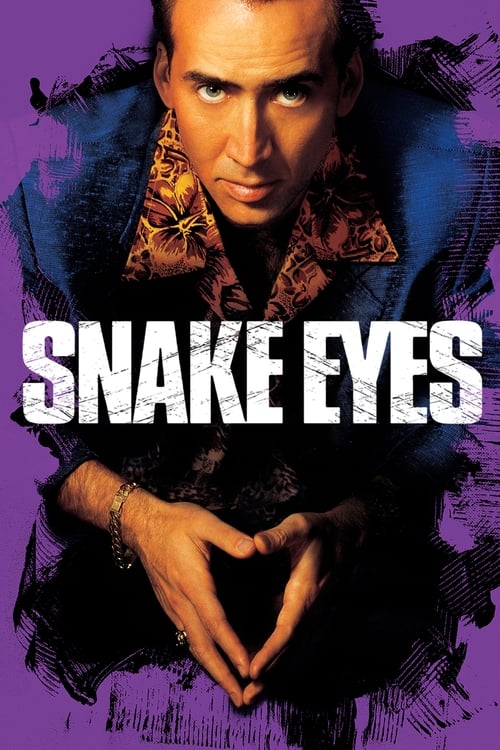
The obvious inspiration for this uneven suspense-thriller is Hitchcock's 1948 thriller "Rope," which used a series of 10-minute-plus takes to convey a sense of real-time action.

Certainly the bravado opening sequence seems to throw more at us than most can handle, referencing Psycho, The Rear Window, and Rope, among others, under the guise of a B-grade horror film.