

Blow Out (1981)
Directed by Brian De Palma
While recording sound effects for a slasher flick, Jack Terry stumbles upon a real-life horror: a car careening off a bridge and into a river. Jack jumps into the water and fishes out Sally from the car, but the other passenger is already dead — a governor intending to run for president. As Jack does some investigating of his tapes, and starts a perilous romance with Sally, he enters a tangled web of conspiracy that might leave him dead.
18 connections found
View:
18 films that influenced Blow Out
What critics say influenced Blow Out
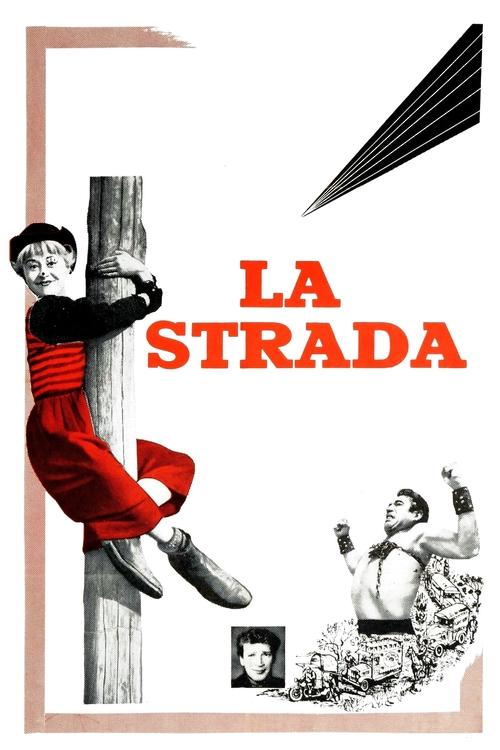


In her fourth and final collaboration with De Palma, Allen, inspired by Giulietta Masina’s performance in La Strada, plays Sally with a heartbroken desperation, elevating the usual thriller tropes of a supporting actress in the genre.
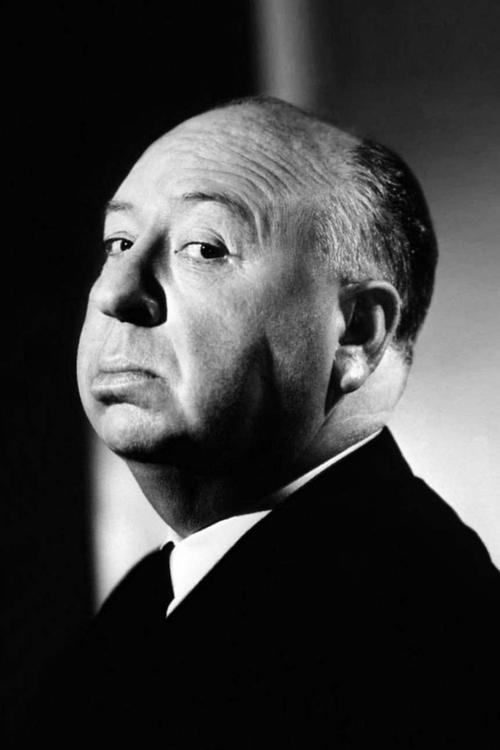
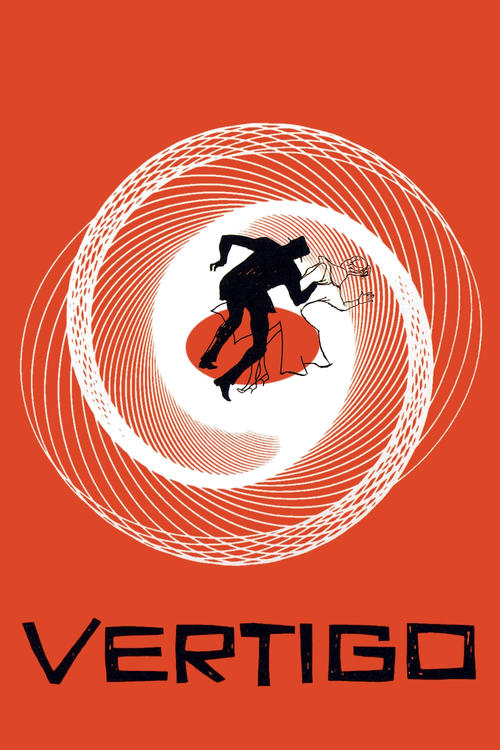
''Blow Out,'' which opens today at Loews State 2 and other theaters, is, if possible, even more movie-conscious than was ''Dressed to Kill,'' Mr. De Palma's last film, a bouyantly entertaining homage to Alfred Hitchcock with particular references to ''Vertigo.''
Blow Out stands apart from almost every thriller of its ilk ( Vertigo is a significant exception) in that its ending at first feels abominable, loathsome, even obscene.
The cyclist is Evelyn, played by Chiara D’Anna, whose demure Euro-exoticism appropriately recalls Maria de Medeiros circa Henry & June.
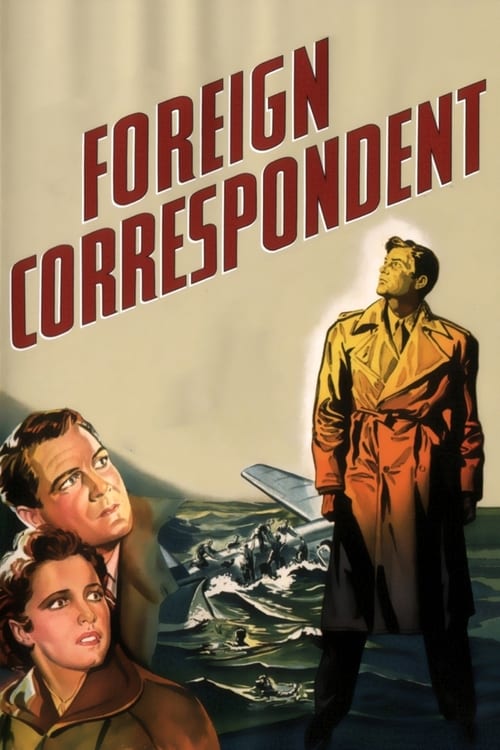
This last extended chase sequence reminds us of two Hitchcock strategies: His juxtaposition of patriotic images and espionage, as in "North by Northwest" and "Saboteur," and his desperate chases through uncaring crowds, reminders of "Foreign Correspondent" and " Strangers on a Train ."
With a title that makes it sound like an 18th-century costume drama—perhaps a cousin to Jacques Rivette’s recent Balzac adaptation, The Duchess Of Langeais —and a marketing campaign that sells it as kinky erotica, Peter Strickland’s The Duke Of Burgundy risks attracting exactly the wrong crowd.
With a title that makes it sound like an 18th-century costume drama—perhaps a cousin to Jacques Rivette’s recent Balzac adaptation, The Duchess Of Langeais —and a marketing campaign that sells it as kinky erotica, Peter Strickland’s The Duke Of Burgundy risks attracting exactly the wrong crowd.
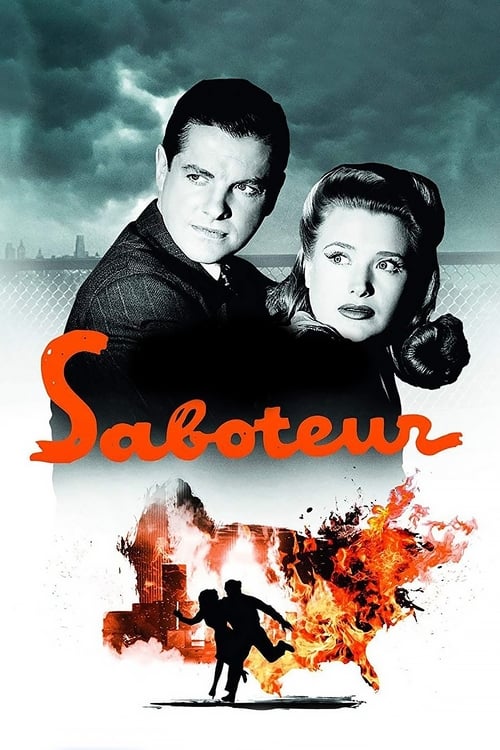
This last extended chase sequence reminds us of two Hitchcock strategies: His juxtaposition of patriotic images and espionage, as in "North by Northwest" and "Saboteur," and his desperate chases through uncaring crowds, reminders of "Foreign Correspondent" and " Strangers on a Train ."
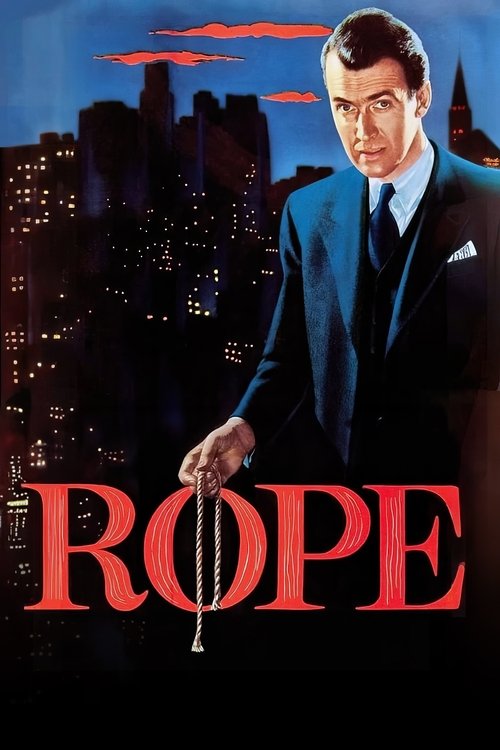
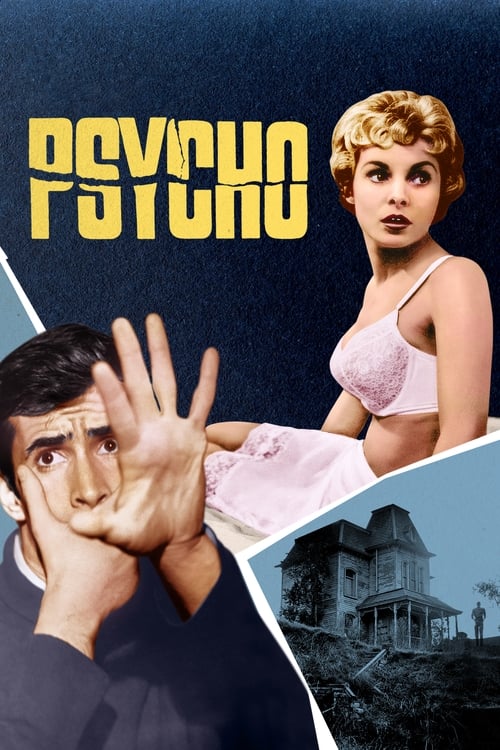
Certainly the bravado opening sequence seems to throw more at us than most can handle, referencing Psycho, The Rear Window, and Rope, among others, under the guise of a B-grade horror film.
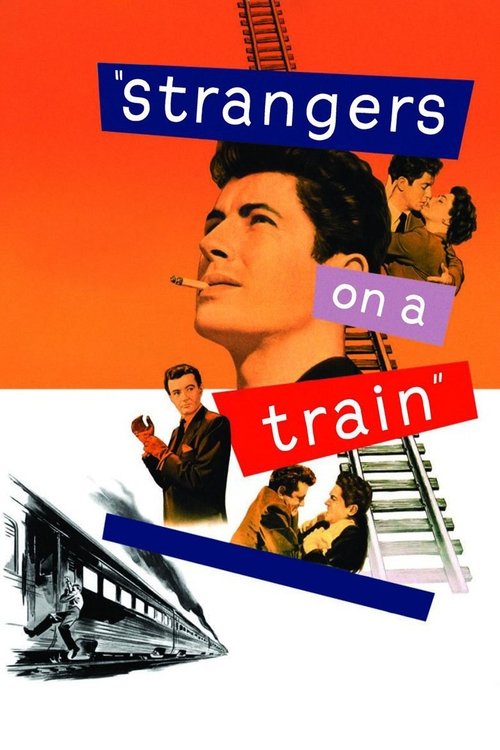
This last extended chase sequence reminds us of two Hitchcock strategies: His juxtaposition of patriotic images and espionage, as in "North by Northwest" and "Saboteur," and his desperate chases through uncaring crowds, reminders of "Foreign Correspondent" and " Strangers on a Train ."
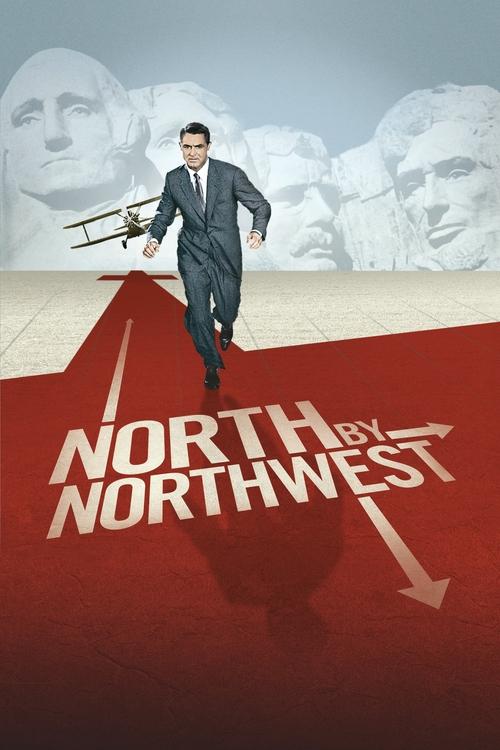
This last extended chase sequence reminds us of two Hitchcock strategies: His juxtaposition of patriotic images and espionage, as in "North by Northwest" and "Saboteur," and his desperate chases through uncaring crowds, reminders of "Foreign Correspondent" and " Strangers on a Train ."
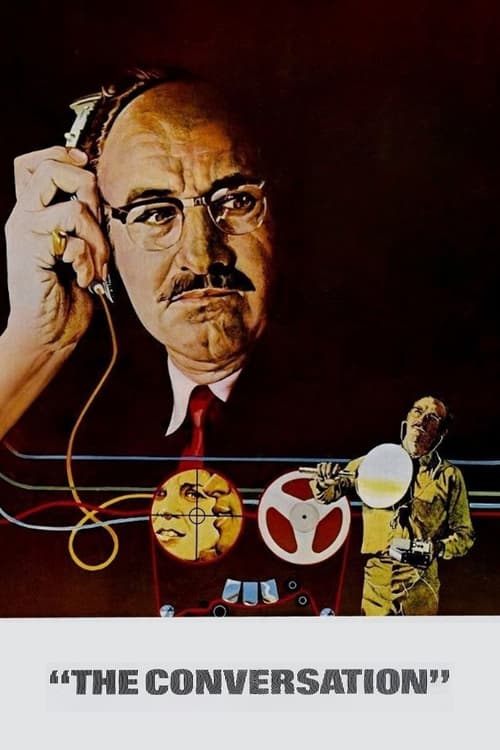
It's a clever updating of Antonioni's Blow Up and Coppola's The Conversation with John Travolta as a movie sound effects man who accidentally records an auto crash that may have been a murder attempt.
The references in ''Blow Out'' are not always so specific, though it blatantly recalls Michelangelo Antonioni's ''Blow Up,'' which was also about the chance witnessing of an event that may or may not have been a murder, and Francis Coppola's ''The Conversation,'' which was inspired by the Antonioni film.
With its obvious debts to both Michelangelo Antonioni’s existential whodunit Blowup (1966) and Francis Ford Coppola’s slow-burn thriller The Conversation (1974), Blow Out came too late for its own good, but its temporal dissociation from America’s most intense period of self-scrutiny and self-loathing in no way detracts from its power.
In his ode to the conceit of Blow Up — Michelangelo Antonioni’s deeply influential English-language debut, released 15 years prior — as well as the aural intrigue of Francis Ford Coppola’s The Conversation, De Palma constructs a conspiracy thriller as euphorically entertaining as it is devastatingly bleak.
Francis Ford Coppola’s The Conversation was brought up far less frequently, though it’s easily as important a wellspring for De Palma’s transformative work, and Scorsese’s Taxi Driver, perhaps not so much an inspiration as a fellow traveler in the underside of conspiracy cinema, not at all De Palma’s story is built on Jack Terry, the B-movie soundman played with easy amiability and modest professionalism by John Travolta.

The title itself, of course, reminds us of " Blow-Up ," the 1966 film by Michelangelo Antonioni in which a photographer saw, or thought he saw, a murder—and went mad while obsessively analyzing his photographs of the "crime."
This time, he was accused of xeroxing Michelangelo Antonioni’s 1966 art-house hit Blow-Up.
Blow Out, about a movie soundman who accidentally audio-tapes an accidental political assassination, reverberated with the unresolved tensions of Vietnam , Chappaquiddick , and Watergate, not to mention unresolved movies (Blow-Up and The Conversa-tion, to name just two).
Inspired by the Italian classic Blow-up, Blow Out is one of Brian DePalma's best films.
Almost 20 years later, the American stylist Brian De Palma paid an oblique tribute to the Italian master with his film Blow Out (1981).
Advertisement
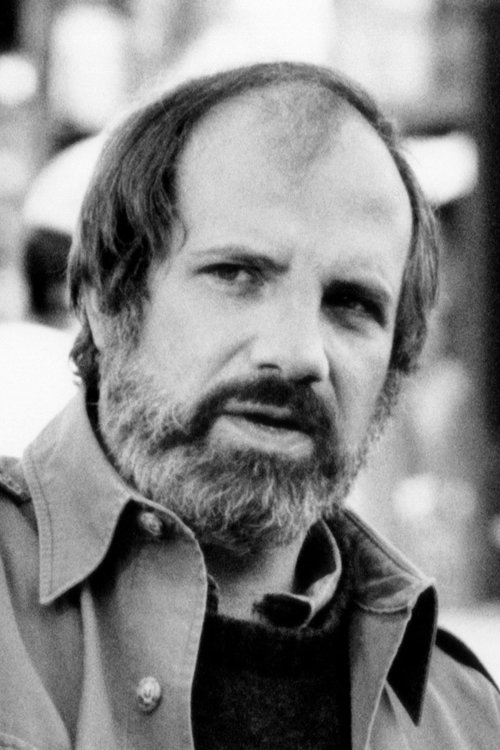
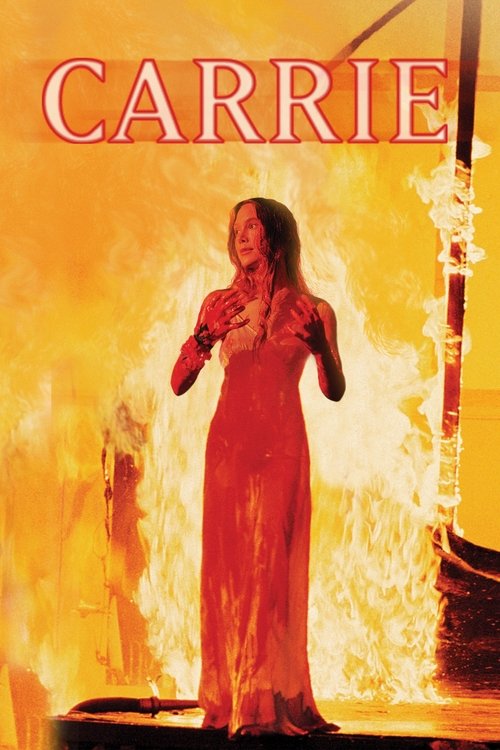
Carrie is his masterpiece, but he has made many other great movies; Sisters (1973), The Fury (1978), Dressed to Kill (1980), Blow Out (1981), Scarface (1983), and Casualties of War (1989) -- an exception to the rule, a dynamic message movie.
(Echoes of the opening sequence of De Palma's Carrie, which took place in a high-school girls' locker room, are explicit, if distant, as are nods to shower scenes in Hitchcock's Psycho and De Palma's previous film, Dressed to Kill.)
"Blow Out" is one of director De Palma's best films, and ranks right up there with 1976's "Carrie," and 1980's "Dressed to Kill," the former starring Travolta and Allen, and the latter featuring Allen once again.
It reminds us of the violence of "Dressed to Kill," the startling images of " The Fury ," the clouded identities of " Sisters ," the uncertainty of historical "facts" from " Obsession ," and it ends with the bleak nihilism of " Carrie ".
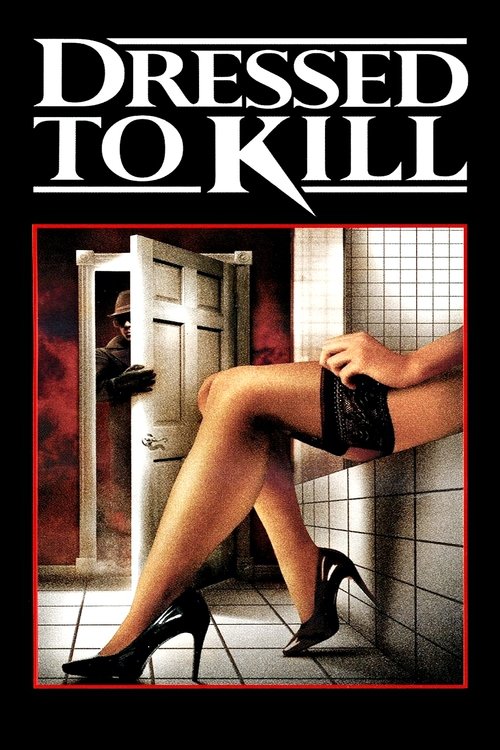
(Echoes of the opening sequence of De Palma's Carrie, which took place in a high-school girls' locker room, are explicit, if distant, as are nods to shower scenes in Hitchcock's Psycho and De Palma's previous film, Dressed to Kill.)
"Blow Out" is one of director De Palma's best films, and ranks right up there with 1976's "Carrie," and 1980's "Dressed to Kill," the former starring Travolta and Allen, and the latter featuring Allen once again.
De Palma's visual images in "Blow Out" invite comparison to many Alfred Hitchcock films, and indeed De Palma invited such comparisons when the posters for " Dressed to Kill " described him as "Master of the Macabre."
Critics love to go on and on about how the director’s stylish thrillers like Carrie, Dressed to Kill, and Body Double are shameless Hitchcock rip-offs.
''Blow Out,'' which opens today at Loews State 2 and other theaters, is, if possible, even more movie-conscious than was ''Dressed to Kill,'' Mr. De Palma's last film, a bouyantly entertaining homage to Alfred Hitchcock with particular references to ''Vertigo.''
It reminds us of the violence of "Dressed to Kill," the startling images of " The Fury ," the clouded identities of " Sisters ," the uncertainty of historical "facts" from " Obsession ," and it ends with the bleak nihilism of " Carrie ".
Brian De Palma’s engrossing political thriller Blow Out capped off the auteur’s most consistently fertile artistic period, which arguably started with his first full dive into Hitchcockian horror with Sisters (1973).
The style is never as spectacular as in Mr. De Palma's ''The Fury,'' but also it's never as absurd.
De Palma began his career with a pair of comic if slightly sinister tributes to the Peeping Tom, Greetings and Hi, Mom!, but The Fury introduces a souring on voyeurism in his work--the fear of seeing something un-unseeable is now taking precedence over the cheap thrill of spying--that will continue through the autobiographical Home Movies and reach its apex when John Travolta literally covers his ears at the end of Blow Out.
In the same year that the movie star-turned-president took a bullet from a man inspired by--what else?--a movie (Scorsese's Taxi Driver), Blow Out featured a protagonist ( John Travolta ) who fails to prevent at least two politically motivated killings.
Francis Ford Coppola’s The Conversation was brought up far less frequently, though it’s easily as important a wellspring for De Palma’s transformative work, and Scorsese’s Taxi Driver, perhaps not so much an inspiration as a fellow traveler in the underside of conspiracy cinema, not at all De Palma’s story is built on Jack Terry, the B-movie soundman played with easy amiability and modest professionalism by John Travolta.
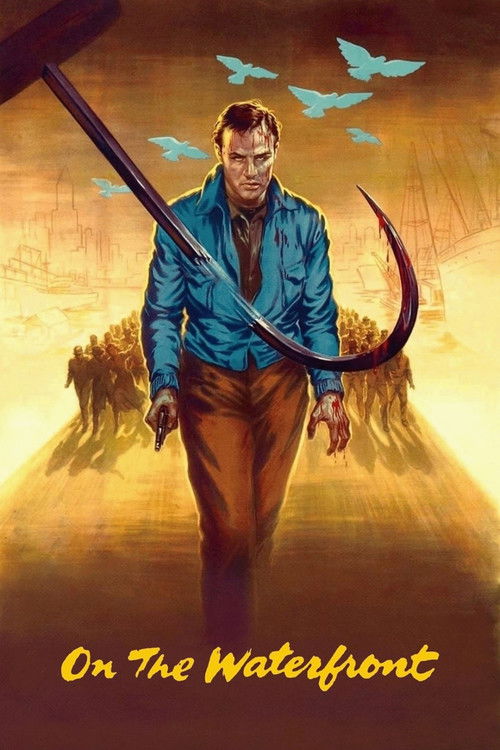
He barely does anything—yet it’s the kind of screen acting that made generations of filmgoers revere Brando in “On the Waterfront”: it’s the willingness to go emotionally naked and the control to do it in character... “Blow Out” is the first movie in which De Palma has stripped away the cackle and the glee; this time he’s not inviting you to laugh along with him.

The opening scene, a parody of a bad Halloween knock-off complete with voyeuristic killer POV camera, manages to look like the real thing (a cheap, derivative slasher movie) and while lampooning the genre so slyly that it could be an in-joke aimed at fellow directors and cineastes.
For one thing, this snippet of Coed Frenzy is a really bravura bit of filmmaking, from Vilmos Zsigmond's colourful lighting set-ups and Garrett Brown's skilful SteadiCam operation to the tremendous sound design, which mixes the lub-dub of a heartbeat and the aural scrape of the killer's Darth Vader bronchitis with the strains of generic disco music and the occasional tinkle of Pino Donaggio's two-bar parody of John Carpenter's Halloween score to clamorous, polyrhythmic effect.
Advertisement
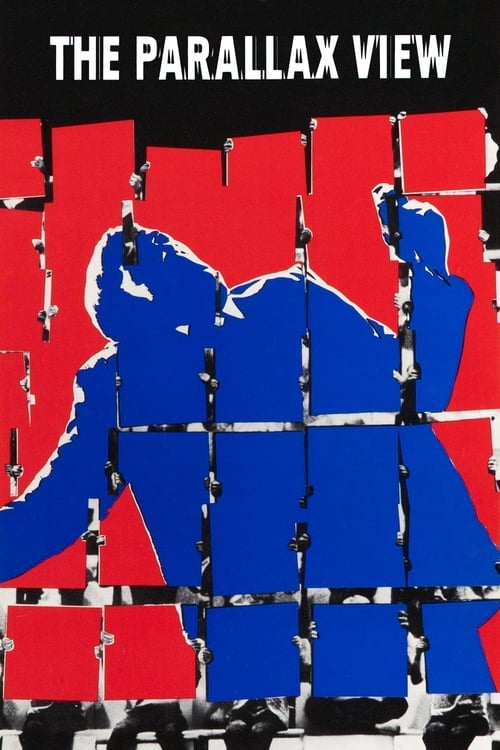
In one sense it’s no more or less plausible than the corporate assassination bureau of The Parallax View or the political webs of Winter Kills, at least when it comes to the architecture of the assassination plot.