
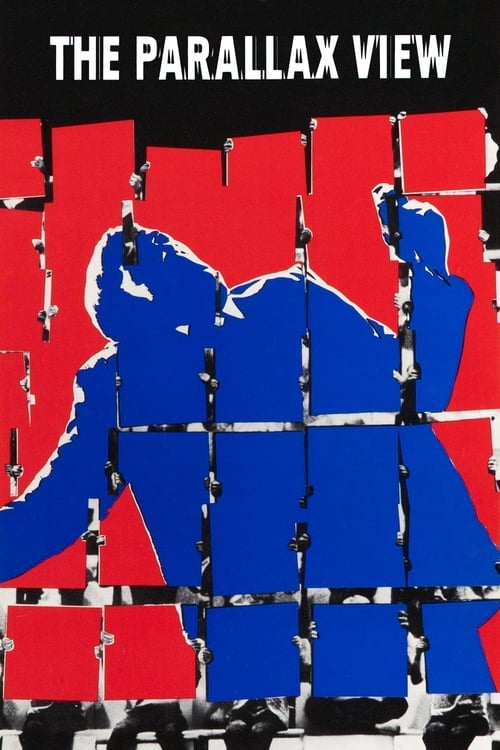
The Parallax View (1974)
Directed by Alan J. Pakula
An ambitious reporter gets in trouble while investigating a senator's assassination which leads to a vast conspiracy involving a multinational corporation behind every event in the world's headlines.
27 connections found
View:
27 connections, in both directions
What critics compared The Parallax View to
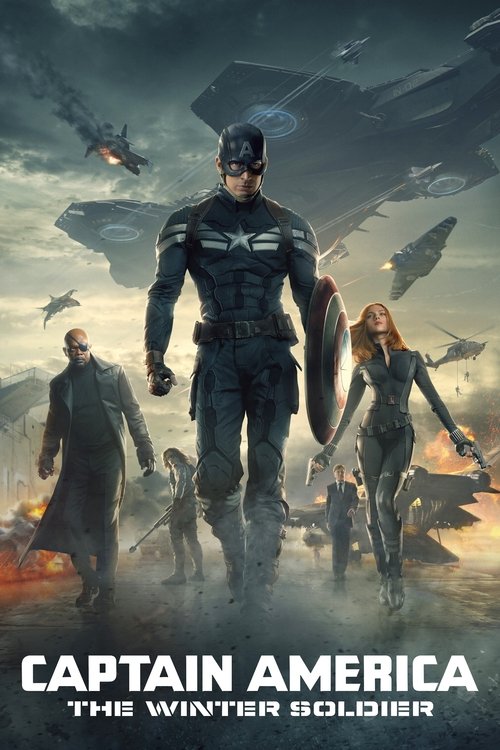

Too quickly to generate proper suspense (yet causing plenty of giddy disbelief), The Winter Soldier nods to ’70s classics Three Days of the Condor and The Parallax View.
If the first “Cap” was a throwback to classic World War II films, “Winter Soldier” is a nod to the great espionage films of the 1970s, movies like “3 Days of the Condor” and “The Parallax View,” even going so far to bridge the two by casting “Condor” star Robert Redford as shady politician Alexander Pierce.
It’s a rote “trust-no-one” shtick that’s as old as “The Parallax View” and “Three Days of the Condor,” the latter a film that the directing brothers Anthony and Joe Russo (TV’s “Community”) delusively think they are paying homage to.
Instead of the pulp-inspired 1940s aesthetic of the first movie, The Winter Soldier takes its inspiration from the paranoia-fueled conspiracy thrillers of the 1970s, movies like Three Days of the Condor and The Parallax View , with a modern-day focus on ubiquitous government surveillance and drone warfare.
Subtitled The Winter Soldier, a nod to the Captain’s mysterious new cold-blooded nemesis, the movie comes wrapped not only in the Stars and Stripes but also Watergate-meets-9/11 paranoia from influences like The Parallax View and Three Days of the Condor, the latter especially so thanks to the forceful and nuanced presence of Robert Redford.
That notion — of powerful or violent forces conspiring against civilians — also primed some of the decade’s finest, most haunting movies: The Parallax View, starring Warren Beatty, and All the President’s Men and Three Days of the Condor, both with Robert Redford as a cocky crusader against government corruption.
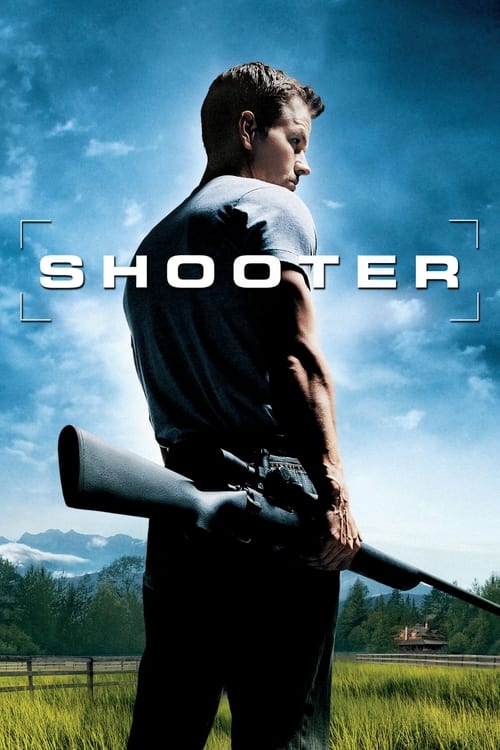
Think of "The Parallax View," "Three Days of the Condor," "JFK," "The Day of the Jackal," "North By Northwest," and "The Fugitive"; this film shamelessly borrows from the best, and while it isn't as good as any of these I mentioned, it does move along at a commendable pace and with at least a modicum of excitement, thanks to its director, Antoine Fuqua ("Training Day," "Tears of the Sun"), and its star.
The sense of free-floating menace (even a billowing American flag seems faintly ominous) and the framing of a good guy by dark political forces seem derived from the 1974 assassination classic, "The Parallax View."
Despite its obvious aspirations to be the kind of paranoid political thriller that "The Parallax View" and "Three Days of the Condor" were in the mid-'70s, "Shooter" is at its best - which is very good indeed - when it's a rootin' tootin' shootin' party.
Adapting Washington Post film critic Stephen Hunter’s novel “Point of Impact,” the first entry in a trilogy featuring military sniper Bob Lee Swagger, scenarist Jonathan Lemkin stirs in recognizable ingredients from “The Parallax View,” “The Day of the Jackal,” “Seven Days in May” and “Three Days of the Condor,” feeding on and encouraging suspicion of nefarious deeds and dastardly motives among men in high places.
The screenwriter, Jonathan Lemkin, has acknowledged a debt not only to Hunter but to “Three Days of the Condor” and “The Parallax View,” seventies thrillers that drew on fears of shadowy government conspiracies.
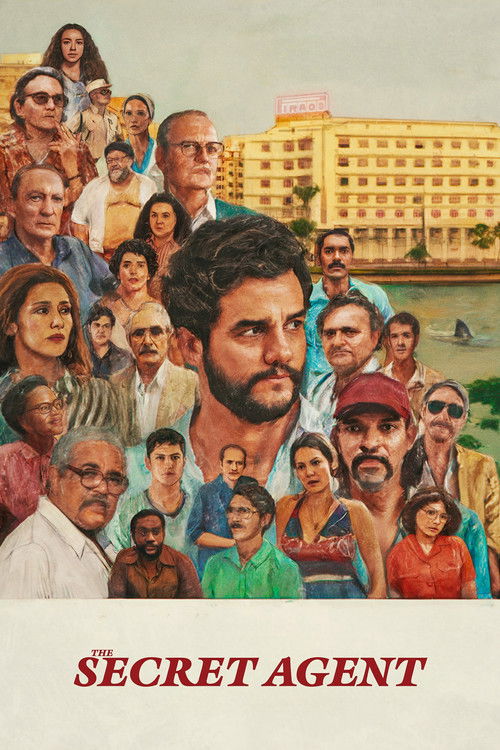
Mendonça Filho steeps “The Secret Agent” in the film language of the ’70s — “Jaws,” obviously, but also early Brian de Palma movies and the paranoid thrillers of the era, like “Three Days of the Condor” and “The Parallax View.”
…its ’70s-set tale of institutional corruption and surveillance recalling the likes of Three Days of the Condor and The Parallax View.
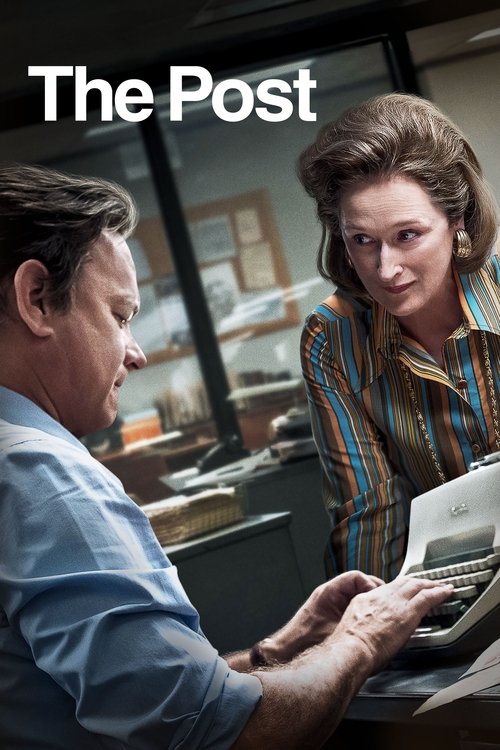
There are film noir-ish scenes of paranoia, in which the camera circles a gloriously kaftanned Streep from above while she’s on the phone, trapped in indecision during the film’s middle sequences, as well as shots of diagonally-cut architecture reminiscent of one of the great films of 1970s political anxiety, The Parallax View.
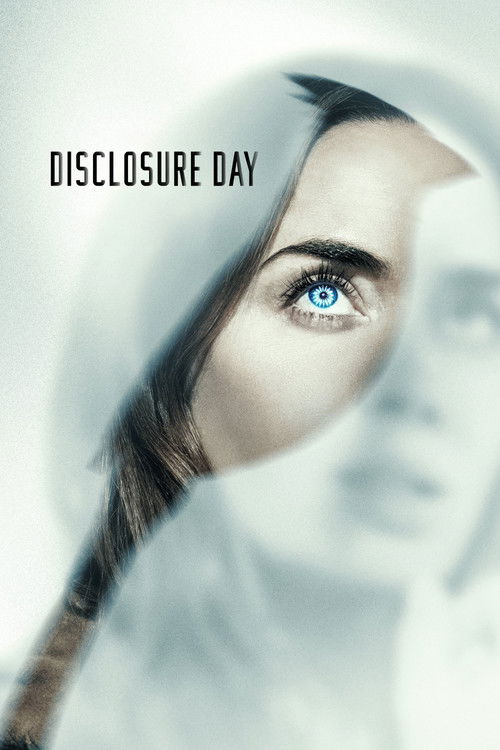
What’s interesting is that “Disclosure Day” often feels less like an alien movie and more like a 1970s paranoia thriller in the vein of “The Parallax View” or “The Manchurian Candidate.”
Advertisement
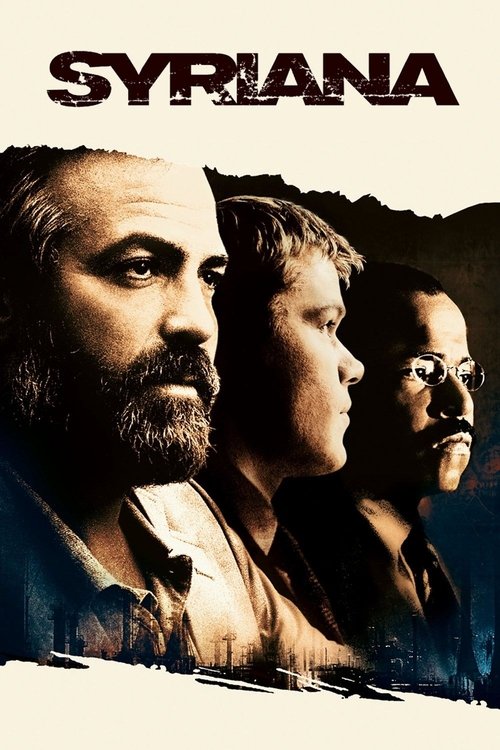
Clooney plays an updated role of the CIA agents and investigators that Robert Redford and Warren Beatty had played in the conspiracy films of the 1970s, such as “Three Days of the Condor” and “The Parallax View.”
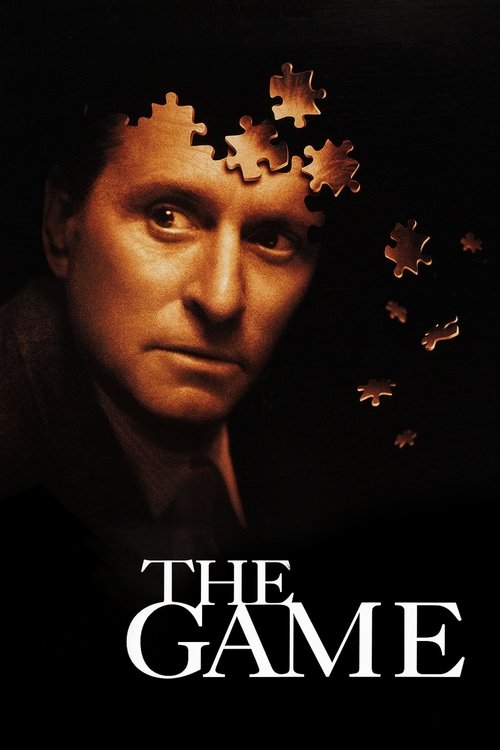
And as Douglas races from humiliation to humiliation, Fincher includes visual references to such paranoia fests as "The Parallax View" and "The Conversation."
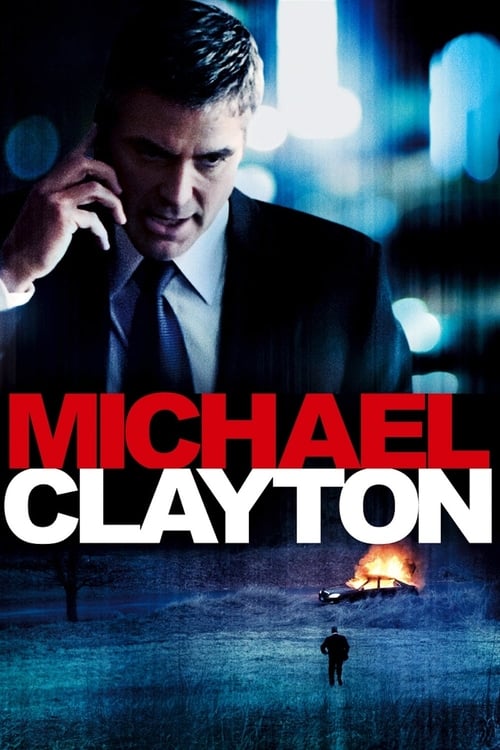
"Michael Clayton" is styled as a throwback to such socially conscious 1970s morality plays as "The China Syndrome" and "The Parallax View."
The list of Academy Award-nominated names set a cultivated tone for a scathing corporate thriller that emanates from the same narrative petri dish that spawned films like "The Parallax View" and "The China Syndrome."
In fact, its proper place would seem to be with the paranoia thrillers of the 1970s, a sweaty sub-genre that houses such classics as All the President's Men, The Parallax View and Three Days of the Condor.
Tony Gilroy’s magisterially paced first feature could have been a conventional redemption story about the jobbing and none-too-scrupulous hack finding his soul, but masterly storytelling and an uncharacteristically un-preening performance from George Clooney keep you on tenterhooks, a throwback to the great age of paranoia-inducing thrillers (The Parallax View, Winter Kills).
It’s a character study in the tradition of, say, “Harry and Tonto” or “A Woman Under the Influence,” but it also wants to be a paranoid thriller along the lines of “The Parallax View” or “Three Days of the Condor.”
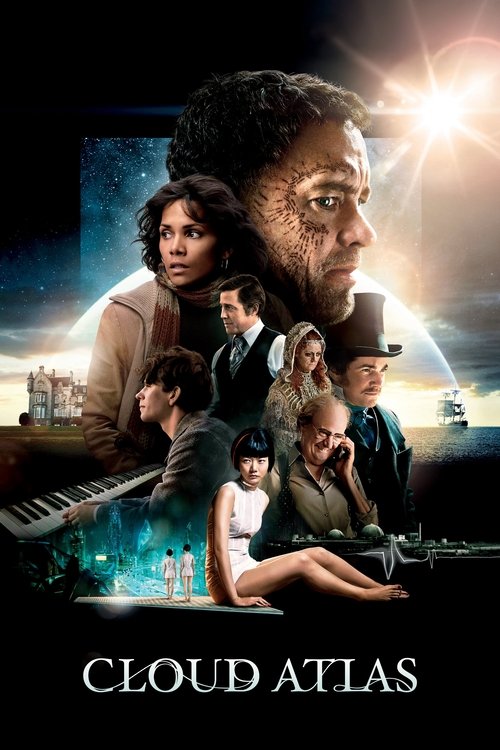
In the 1970′s, styled to remind us of that era’s “paranoid cinema” films like “The Parallax View” and “The China Syndrome,” an investigative reporter (Berry) gets stuck in an elevator with an elderly scientist who gives her some important information about a nuclear facility.
Advertisement

But as Angela’s investigation pulls her deeper into the weeds — bringing her into contact with a top executive (a terrific Rita Wilson) whose warm smile offers the opposite of reassurance — “Kimi” begins to take on the paranoid-thriller contours of Alan J. Pakula’s 1974 classic, “The Parallax View.”
It’s often as paranoid as Alan J. Pakula’s The Parallax View.