
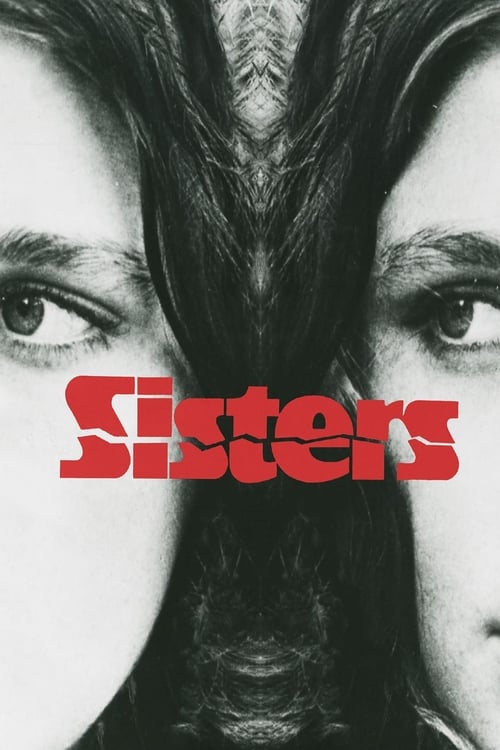
Sisters (1973)
Directed by Brian De Palma
Inquisitive journalist Grace Collier is horrified when she witnesses her neighbor, fashion model Danielle Breton, violently murder a man. Panicking, she calls the police. But when the detective arrives at the scene and finds nothing amiss, Grace is forced to take matters into her own hands. Her first move is to recruit private investigator Joseph Larch, who helps her to uncover a secret about Danielle's past that has them both seeing double.
15 connections found
View:
15 connections, in both directions
What critics compared Sisters to
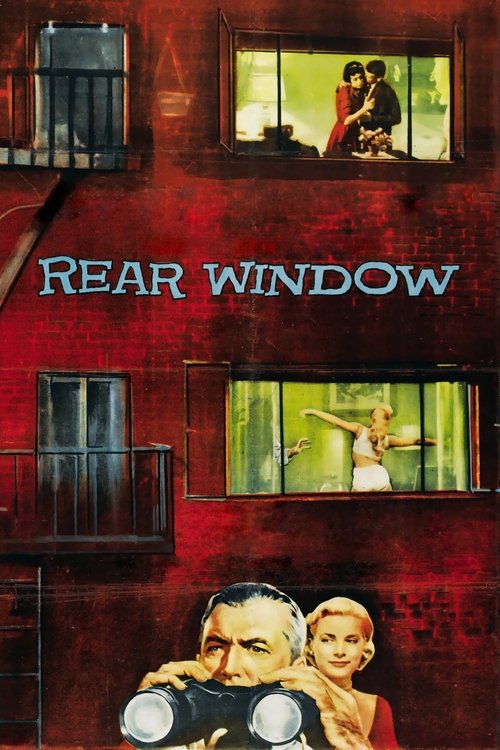


De Palma also borrows bits from Vertigo (1958) and Rear Window (1954), but the energy in the film is all his.
De Palma’s known as a cinephile of the highest order, and Sisters regularly screams Hitchcock—Grace’s compulsive voyeurism conjures up memories of Rear Window, and large chunks of the final third recall Psycho.
Vertigo�s psychological premise (the obsessive seeker creates the object of obsession in its absence), a body hidden in an apartment (taken from Rope), a Bernard Herrmann score, and Rear Window�s crime solving via voyeurism also turn up here.
Then there’s the crusading young girl newspaper reporter, kind of a women’s lib Lois Lane, who lives across the courtyard and witnesses the crime (a la “ Rear Window ”).
As for De Palma's story, which he turned into a screenplay with Louisa Rose, it's superficially quite a blast of Hitchcock in its own right: the first act plays the same "false protagonist who suddenly dies" card as Psycho, and the second act steals "sometimes apartment dwellers can see terrible crimes being committed across the way" straight from Rear Window .
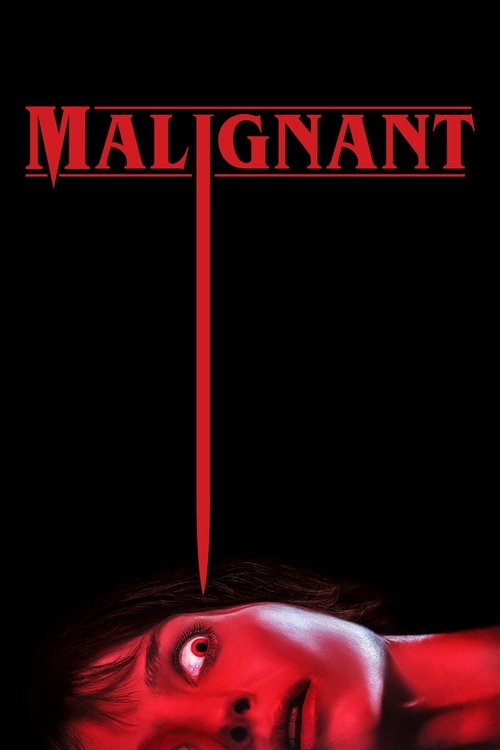
It's not long before Malignant starts to recall old-time favorites like Brian De Palma's Sisters (1973) and Frank Henenlotter's Basket Case (1982), as well as any other number of supernatural slashers and terrifying tales of imaginary friends (there's even a nod to old "women in prison" movies).
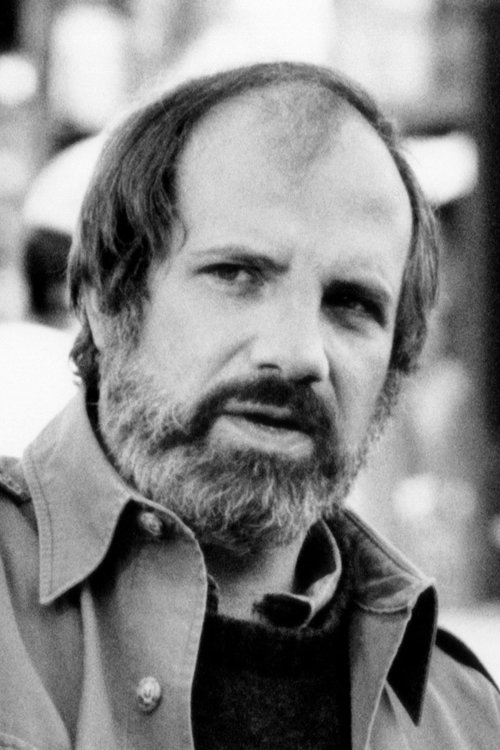
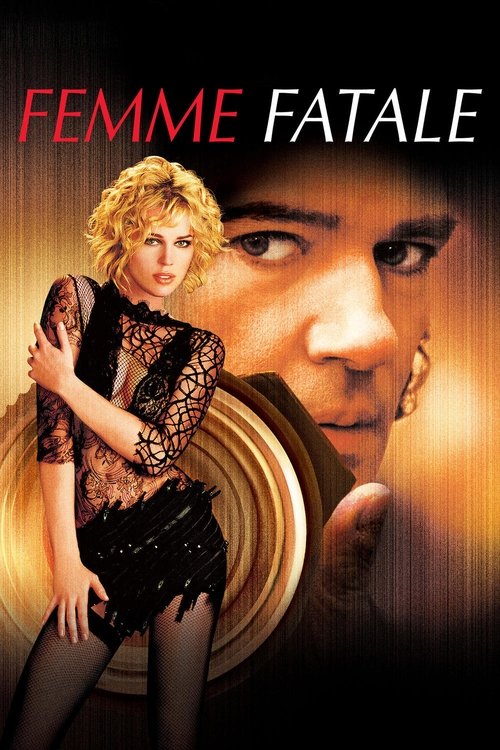
Writer/director Brian DePalma ("Mission to Mars") presents a trashy parody of his own films of the late 70's/early 80's ("Sisters," "Dressed to Kill," "Body Double") with an over the top homage to Hitchcock and himself that's entertaining in spite of a stilted performance from its lead.
This time out, however, he's only repeating himself, borrowing liberally from such past successes as Sisters, Blow Out and The Fury to create a seedily entertaining mindfuck that's high-concept enough to lampoon the red-carpet banality of the Cannes Film Festival and yet also so agreeably lowbrow as to cast Rebecca Romijn-Stamos, officially one of the hottest women on earth, as an exhibitionistic bisexual jewel thief.
Consider also these titles: " Sisters ," " Blow Out ," " The Fury ," " Dressed to Kill ," " Carrie ," " Scarface ," " Wise Guys ," " Casualties of War ," " Carlito's Way ," " Mission: Impossible ."
De Palma's borrowings were all the more irritating when it became clear that much of his supposed fealty to the master came less from his soul than from his big production budgets, which enabled him to hire Bernard Herrmann for Sisters and Obsession -- though all he wanted Herrmann to do was imitate his scores for Vertigo and Psycho.
Sisters is densely plotted and aggressively twisted, yet, when compared to the spiraling complexities of Femme Fatale or Raising Cain , its plot feels downright simple.
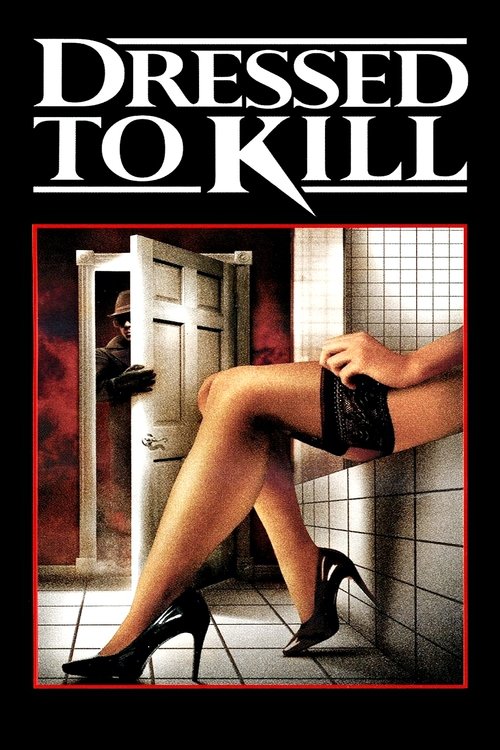
And, in the tradition of De Palma films such as Sisters , Carrie — and even later entries (e.g.
The masterfully orchestrated split-screen sequence, in which a man fights for his life as he’s watched from a helpless distance, is delivered with skillful craftsmanship, yet lacks the polished nuance he’d achieve with Blow Out ‘s Vilmos Zsigmond and Dressed to Kill ‘s Ralf D. Bode.
Certainly, Sisters feels less constrained by the indebtedness caused by creating homage than De Palma�s later works like Dressed to Kill or Obsession.
Though Sisters is an undeniably tight homage to Hitchcock from an obviously indebted De Palma, I am still inclined to place it at least a tier below the likes of Dressed to Kill and Body Double.
The infamous elevator murder sequence is a work of malevolent genius, both for its effectively gory shock tactics and the careful manner in which De Palma frames the aftermath, showing how another character catches a glimpse of the murderer in a concave mirror, thus sending the narrative into an entirely new direction (one can already see him paying homage to his own previous work, in this case his 1973 film Sisters).
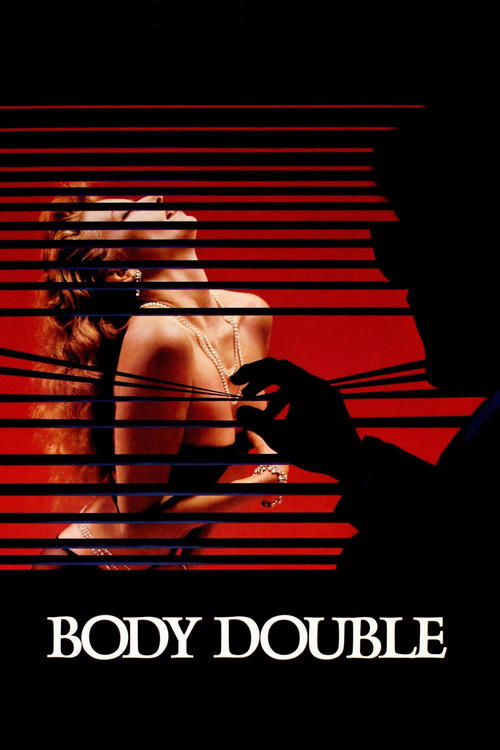
This time out, he most explicitly references a trio of Hitch�s films (Vertigo, Rear Window, and Psycho) that he had previously paid extensive tribute to with better end results (most notably in Obsession, Sisters, Dressed to Kill).
Though Sisters is an undeniably tight homage to Hitchcock from an obviously indebted De Palma, I am still inclined to place it at least a tier below the likes of Dressed to Kill and Body Double.

De Palma was on fire from "Sisters" in 1973 through "Scarface" in '83.
There are always at least moments of excellence in many of his films like Sisters (1973), Carrie (1976), Dressed to Kill (1980), Blow Out (1981), Scarface (1983), Casualties of War (1989), Raising Cain (1992), Mission: Impossible (1996), and Snake Eyes (1998).

It reminds us of the violence of "Dressed to Kill," the startling images of " The Fury ," the clouded identities of " Sisters ," the uncertainty of historical "facts" from " Obsession ," and it ends with the bleak nihilism of " Carrie ".
Brian De Palma’s engrossing political thriller Blow Out capped off the auteur’s most consistently fertile artistic period, which arguably started with his first full dive into Hitchcockian horror with Sisters (1973).
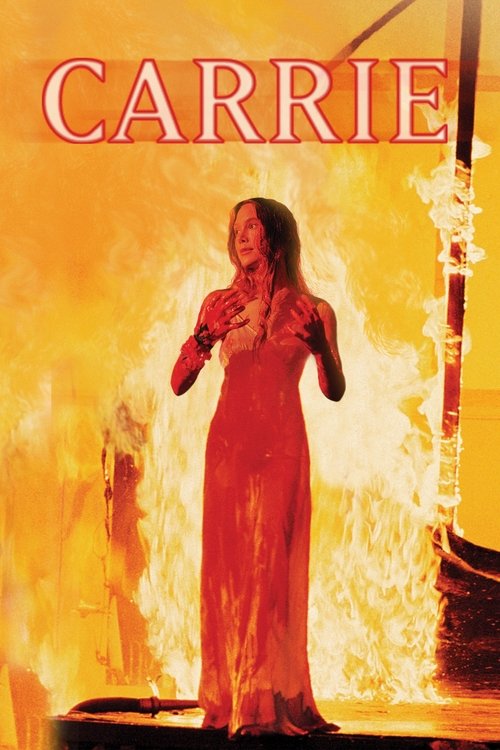
Carrie is his masterpiece, but he has made many other great movies; Sisters (1973), The Fury (1978), Dressed to Kill (1980), Blow Out (1981), Scarface (1983), and Casualties of War (1989) -- an exception to the rule, a dynamic message movie.
At the time, its way of wringing thrills from genre conventions at the same time it mocked them seemed imaginative and original; but in the light of Carrie, Obsession, and The Fury, it's more like a dead end--the mark of a superficial stylist unable to take anything seriously, including his own work.
Missing is the Carrie -esque jump-scare ending employed in so many of the director’s more widely known films.

But overall Suspiria looks fantastic, mostly eschewing Argento’s trademark color-saturated palette for something grittier and looser, more in the vein of paranoid ’60s and ’70s psychodramas like Rosemary’s Baby and Brian De Palma’s Sisters.
Advertisement
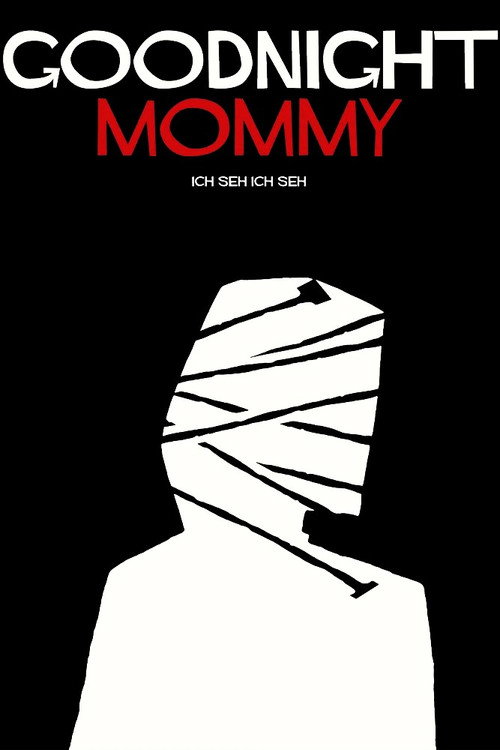
From Margot Kidder and her formerly conjoined sibling in Brian De Palma's early Sisters through a demented Jeremy Irons times two in David Cronenberg's Dead Ringers, there's a rich history of horror exploiting the potential for intuitive communication, conspiracy, loyalty, betrayal and creepiness in twins.
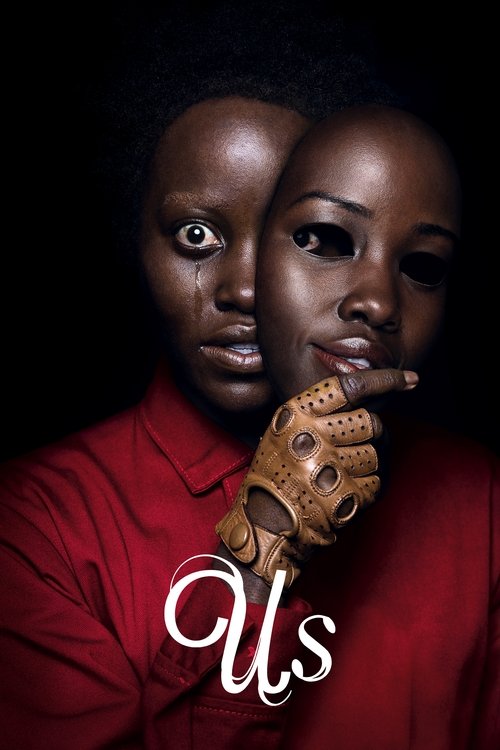
It is part of a rich tradition of doppelgänger horror that encompasses works ranging from Invasion of the Body Snatchers (1956) to Sisters (1973) to Enemy (2013).
In particular, the influence of the former's Sisters and the latter's preoccupation with the body/self as foreign object are apparent throughout.

The production is so self-consciously threadbare that only about four other people seem to go to college with Samantha (Jocelin Donahue), the stressed-out student with a striking resemblance to Margot Kidder in “Sisters’’ (1973).
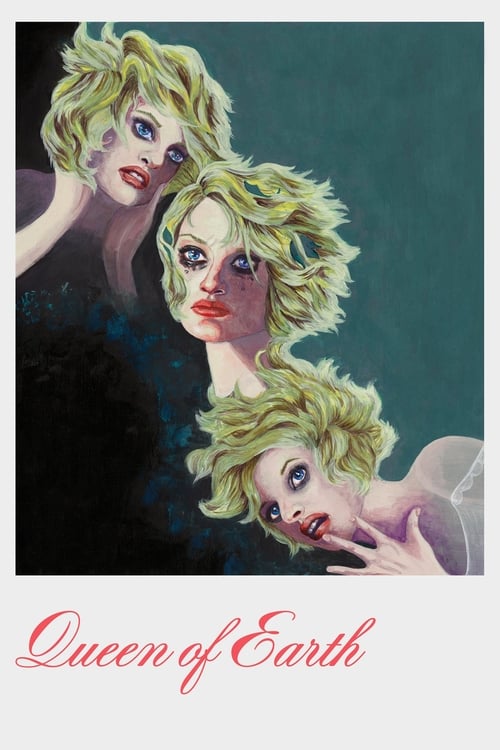
A deep-dish cinephile with a pronounced affection for late 1960s/early 1970s alt-Hollywood cinema, Perry is working this time in a style that seems equally influenced by doppelganger narratives like Bergman’s “Persona” and Brian De Palma’s “Sisters,” as well as by the claustrophobic domestic terror of “Repulsion” and Chantal Akerman’s seminal “Jeanne Dielman.”
Advertisement
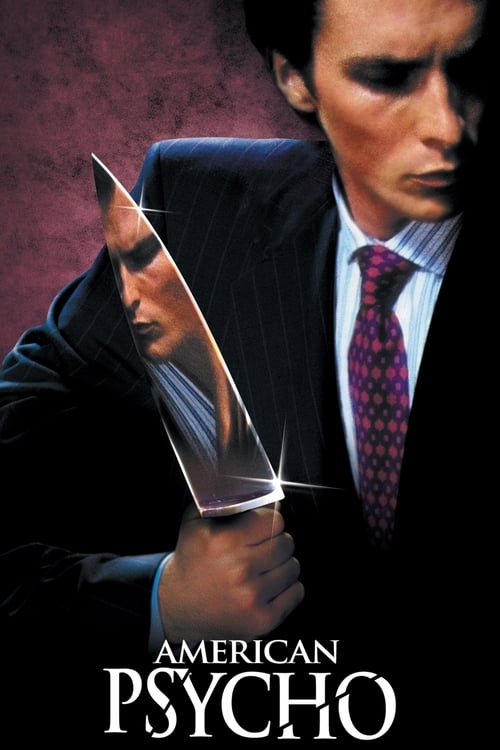
More credit goes to legendary producer Edward R. Pressman, who has spent his career working on truly independent films like Terrence Malick's Badlands (1973), Brian De Palma's Sisters (1973), Abel Ferrara's Bad Lieutenant (1992), Alex Proyas' The Crow (1994), and James Toback's recent Black and White.
Herrmann is best known for his work for Orson Welles (Citizen Kane and The Magnificent Ambersons), Alfred Hitchcock (eight films, including The Wrong Man, Vertigo, North by Northwest, and Psycho), Francois Truffaut (Fahrenheit 451), and Brian De Palma (Sisters and Obsession).