
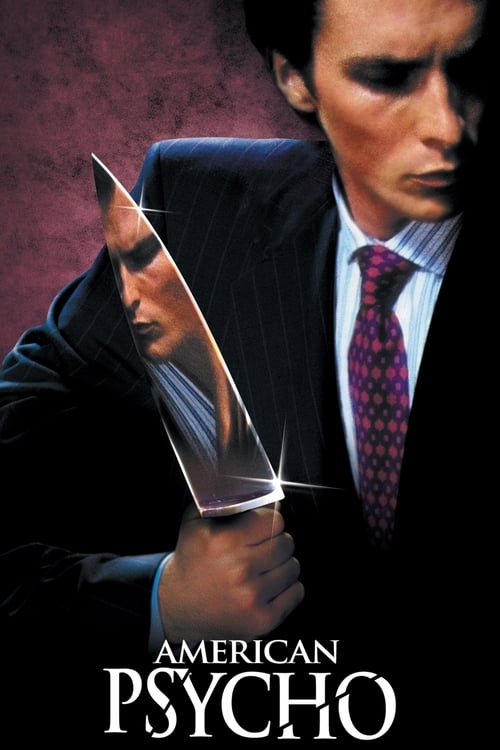
American Psycho (2000)
Directed by Mary Harron
A wealthy New York investment banking executive hides his alternate psychopathic ego from his co-workers and friends as he escalates deeper into his illogical, gratuitous fantasies.
25 connections found
View:
25 films that influenced American Psycho
What critics say influenced American Psycho
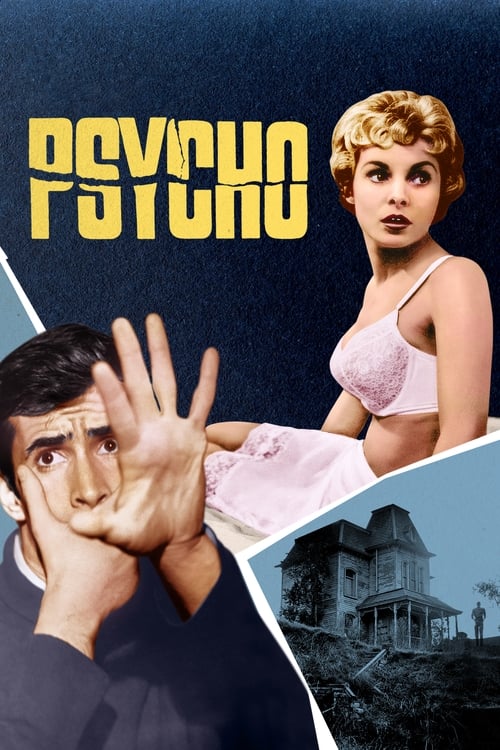


Part satire, part farce, the film epitomizes such men and their nature by the creation of Patrick Bateman, presumably named after the "granddaddy" of cinematic serial killers, Norman Bates (of "Psycho" fame), a point that's accentuated by John Cale's ("I Shot Andy Warhol," "Something Wild") score that's reminiscent of what Bernard Herrmann did in Hitchcock's film.
"Psycho" has more than a few passing similarities to Stanley Kubrick's "Clockwork Orange."

(To imagine this material in Stone's hands, recall the scene in Ken Russell's " The Music Lovers " where Tchaikovsky's head explodes during the "1812 Overture," then spin it out to feature length.)
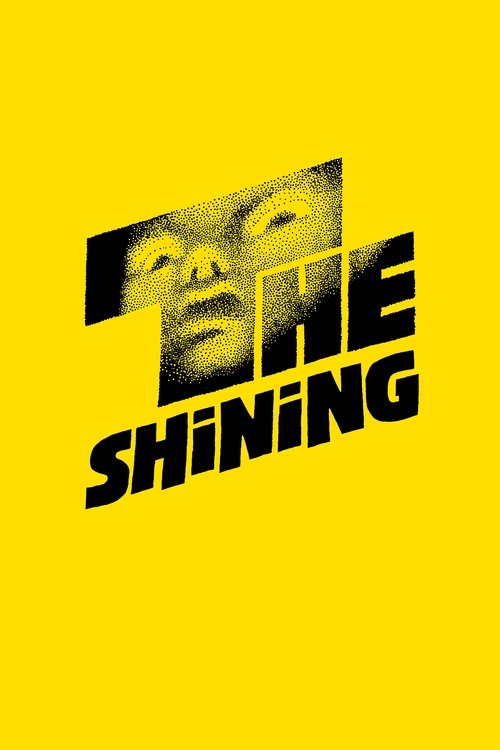
And the central murder setpiece, arriving approximately an hour into the film, is spectacularly suspenseful, a bravura piece of filmmaking reminiscent of Stanley Kubrick's work in 1980's "The Shining."
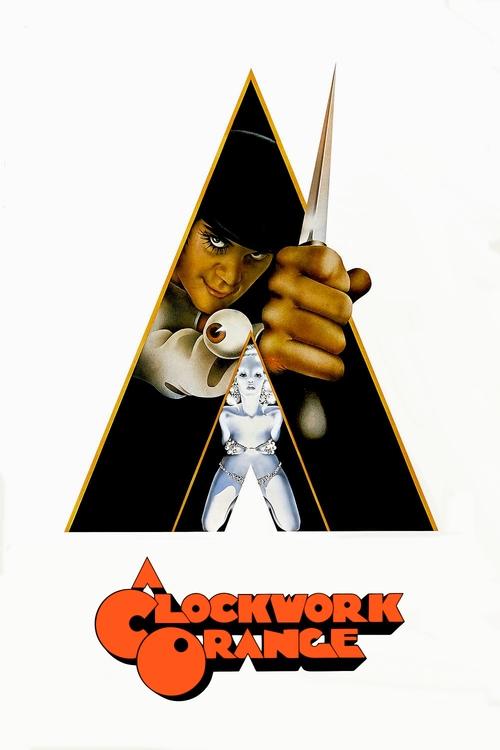
Bale's robust performance has a lot to do with it, too -- he makes Patrick the most likable complete bastard since Malcolm McDowell amused himself throughout A Clockwork Orange.
And of course it's derivative of Stanley Kubrick's A Clockwork Orange, though in the era of deconstruction, Patrick, unlike Alex, reviews the music instead of singing along with it.
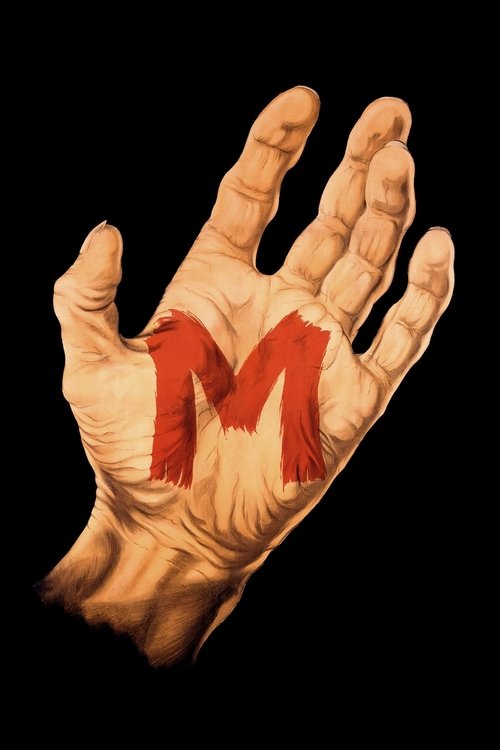
And when you compare it to a slick thriller like the recent "American Psycho," it is not difficult to see how shallow that one is in comparison.
Advertisement
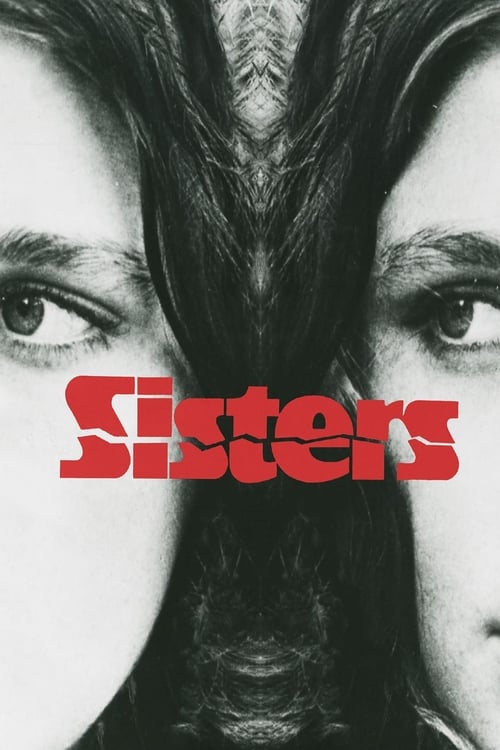
More credit goes to legendary producer Edward R. Pressman, who has spent his career working on truly independent films like Terrence Malick's Badlands (1973), Brian De Palma's Sisters (1973), Abel Ferrara's Bad Lieutenant (1992), Alex Proyas' The Crow (1994), and James Toback's recent Black and White.
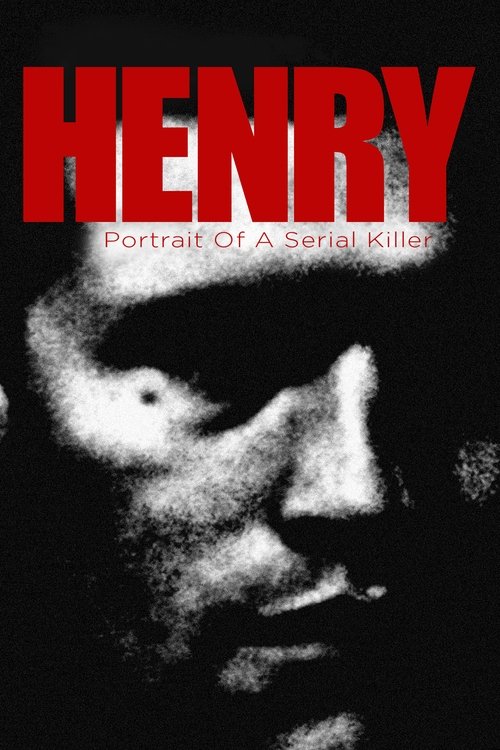
As a movie that seeks to present a mass murderer as a symptom of some larger cultural condition, American Psycho is far inferior to John McNaughton's ice-cold Henry: Portrait of a Serial Killer.
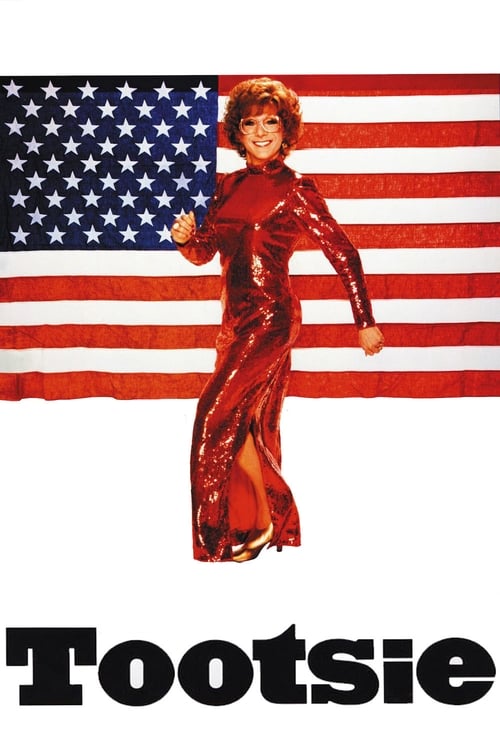
This one takes place in your mind's eye more than anything like the line in Tootsie where Bill Murray's character says that he really likes it when people come up to him and say, "I saw your play - what was it?"
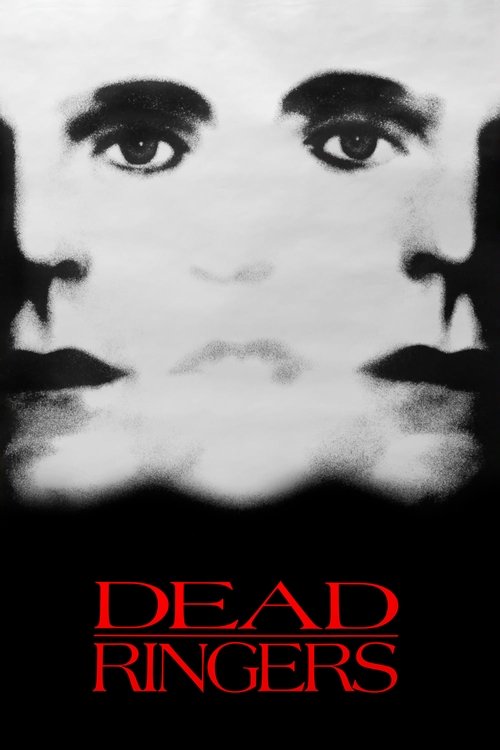
Patrick's most exuberant moment of sexual abandon plays out in an all-white bedroom with two female escorts, a blonde and a redhead; he wakes up naked between them later that night, opens a bureau drawer full of Jeremy Irons' surgical implements in Dead Ringers, and in the next shot, the prostitutes stamp out the door, scathed, creepily mussed, and crying in anger as well as in pain.
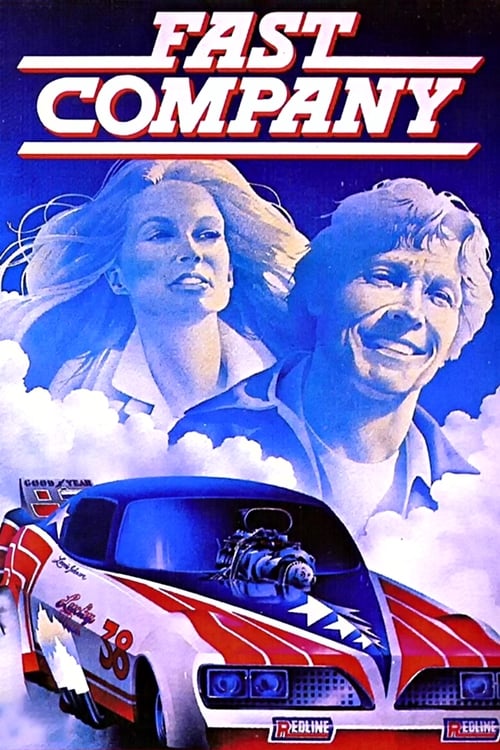
More to the point, is the (mandated) model of the itinerant, Fast Company, weekend-warrior, extreme/eco-traveling corporate executive or manager of today any different, in "nature" or form, from the Cerrutti-clad, Robert Palmer clones of American Psycho's 80s New York?
Advertisement
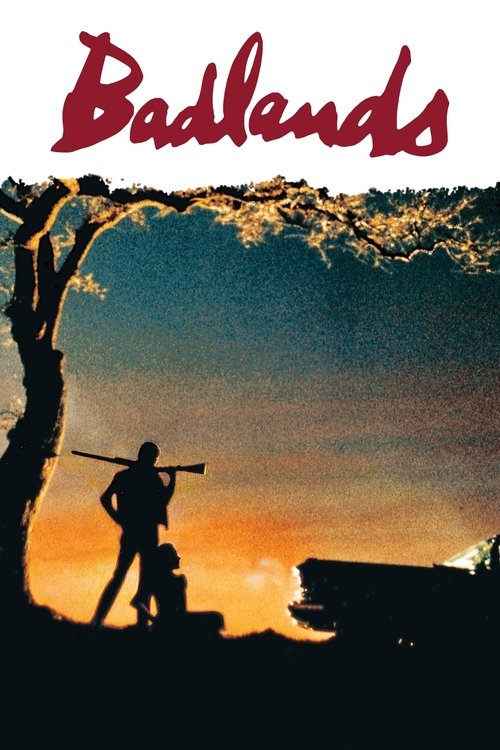
More credit goes to legendary producer Edward R. Pressman, who has spent his career working on truly independent films like Terrence Malick's Badlands (1973), Brian De Palma's Sisters (1973), Abel Ferrara's Bad Lieutenant (1992), Alex Proyas' The Crow (1994), and James Toback's recent Black and White.
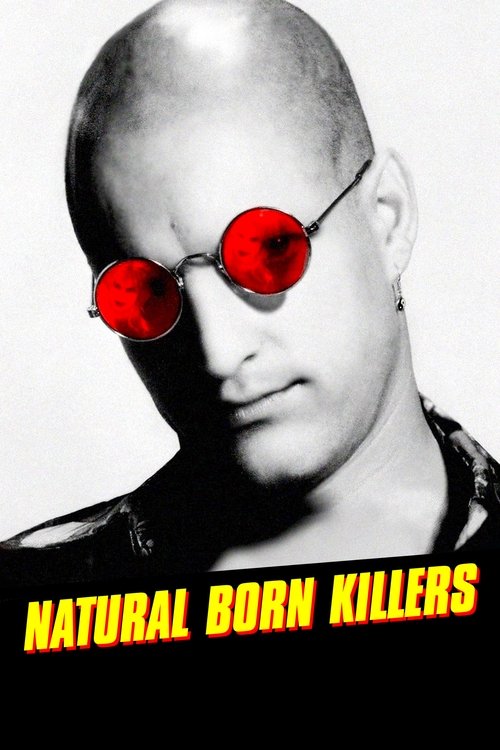
That role nearly went to teen throb Leo DiCaprio and was originally to be directed by Oliver Stone that could have turned the propertyinto a Natural Born Killers wasteland.
American Psycho is the first movie since Natural Born Killers to give me nightmares.