

Suspiria (2018)
Directed by Luca Guadagnino
A darkness swirls at the center of a world-renowned dance company, one that will engulf the artistic director, an ambitious young dancer, and a grieving psychotherapist. Some will succumb to the nightmare. Others will finally wake up.
44 connections found
View:
44 films that influenced Suspiria
What critics say influenced Suspiria
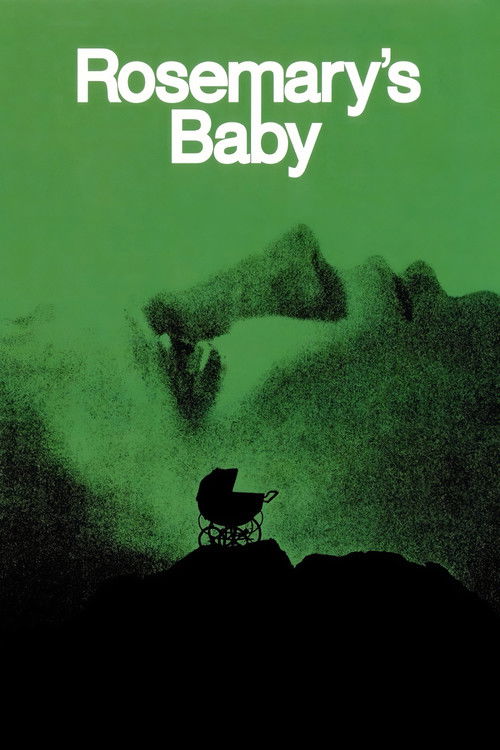


The sustained aura of unease is reminiscent of “Rosemary's Baby,” but it's also unsettling in the way that recalls his 1965 psychological thriller “Repulsion.”
But overall Suspiria looks fantastic, mostly eschewing Argento’s trademark color-saturated palette for something grittier and looser, more in the vein of paranoid ’60s and ’70s psychodramas like Rosemary’s Baby and Brian De Palma’s Sisters.
In Rosemary's Baby, another movie about a young woman coping with evil forces around her, the title character lays out her case simply, in a mostly calm and collected manner.
Like the precursor of Rosemary in “Rosemary’s Baby,” American dancer Patricia (Chloe Grace Moretz) backs out of some evil arrangement with the dance troupe and explains her reasons to Dr. Josef Klemperer (Swinton) in opening scenes.
Dakota Johnson’s protagonist Susie seems far less innocent than Jessica Harper’s wide-eyed original, despite the fact she comes from a family of Ohio Mennonites who presumably don’t spend their time watching Rosemary’s Baby or reading the collected works of H.P. Lovecraft.
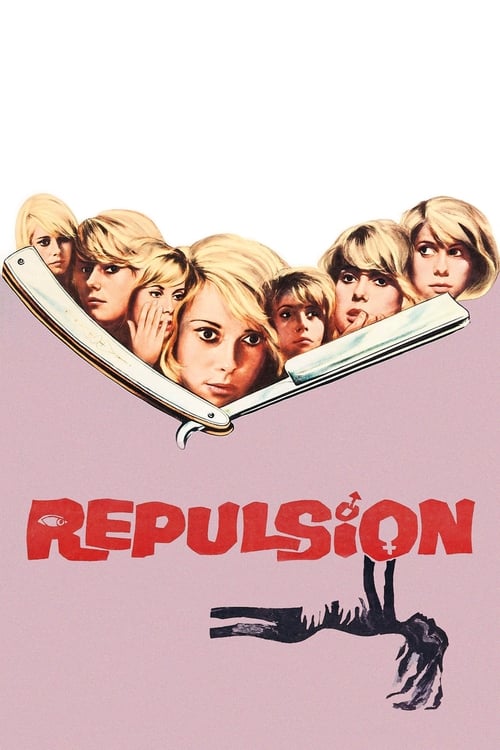
The sustained aura of unease is reminiscent of “Rosemary's Baby,” but it's also unsettling in the way that recalls his 1965 psychological thriller “Repulsion.”

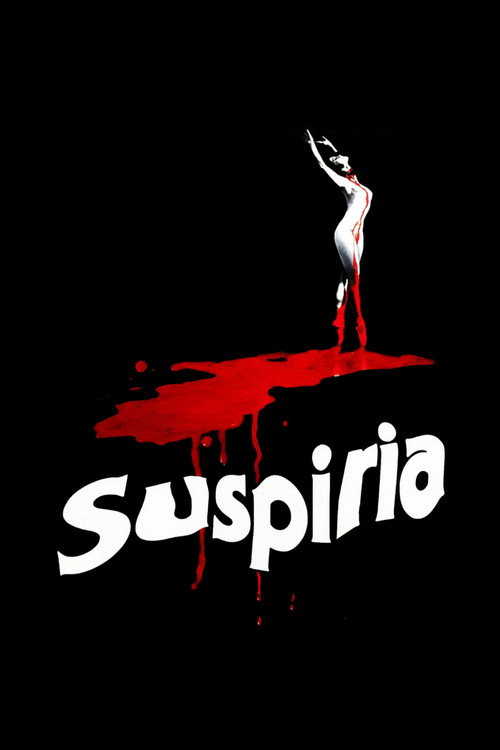
Concerning the adventures of Suzy Bannion, ballet student and all-American ingenue, amid a witches’ coven disguised as a Berlin dance school, Dario Argento’s Suspiria (1977) is a furious trip inside a nightmare that lies in wait beyond the right door.
Remaking horror classics is a tried-and-true tradition, but it’s still a little mystifying why anyone felt 1977’s Suspiria was a good candidate.
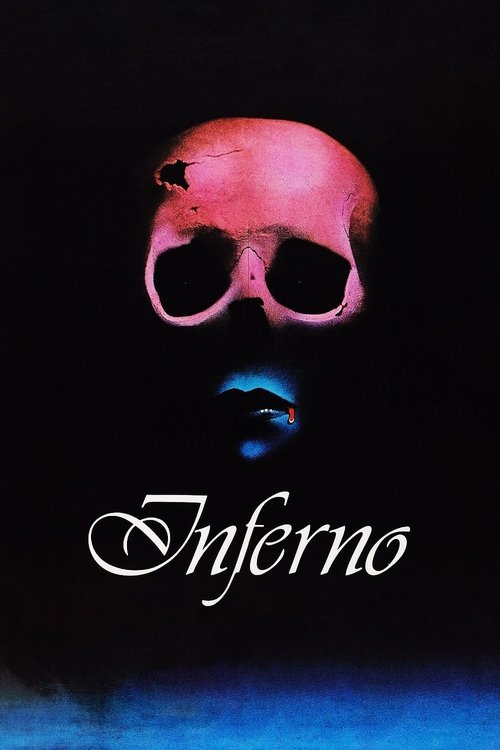
Each mother would form the basis of Argento’s “Three Mothers” trilogy, with Suspiria followed by Inferno (1980) and The Mother of Tears (2007).
The new movie has a screenplay by David Kajganich that takes a free hand with the original while incorporating aspects of the mythology in “Inferno” (1980), the second of Argento’s “ Three Mothers ” trilogy.
Despite the off-putting title, epic running time, gory unpleasantness and laughable expressive dance numbers, Guadagnino, his favourite screenwriter David Kajganich and others seem to think that this will be a hit, and as there are two sequels to the first Suspiria – namely Inferno (1980) and the longtime-coming and preposterous Mother Of Tears (2007) – that means that they might get around to remaking those too.
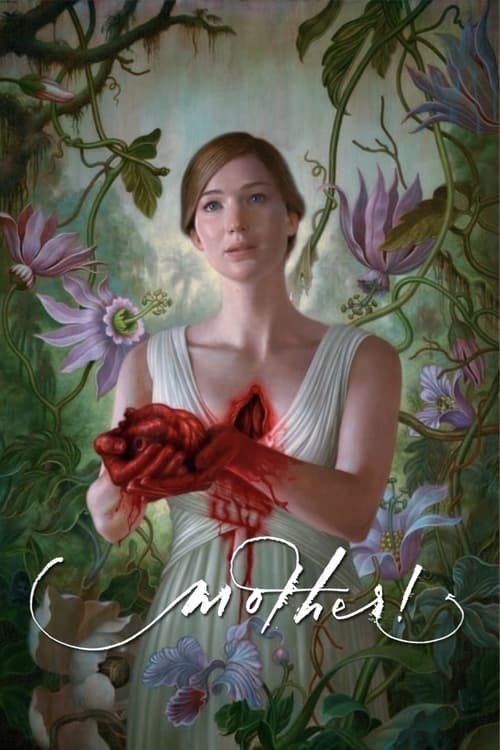
Suspiria is sure to be divisive, although I’d hesitate to compare it to Darren Aronofsky’s mother!
Director Luca Guadagnino ventures way out of the range of his 2017 gay love story Call Me by Your Name and tackles something more akin to the hell-on-Earth vision of last year’s divisive mother! from Darren Aronofsky.
Also tenuous are some of Guadagnino’s more excessive choices, such as a finale that leaves nothing to the imagination in the same chaotic way that closed out Darren Aronofsky’s mother!
Watching Suspiria, I was reminded more of The Neon Demon (which I hated) and mother!
Last year it was Darren Aronofsky’s preening atrocity Mother!.
The relationship between Suzy and Blanc and Suzy and her roommate Sara (Mia Goth) is transgressive, climaxing into an orgiastic ritual of movement and flesh that rivals Gaspar Noé’s Climax and Darren Aronofsky’s mother!
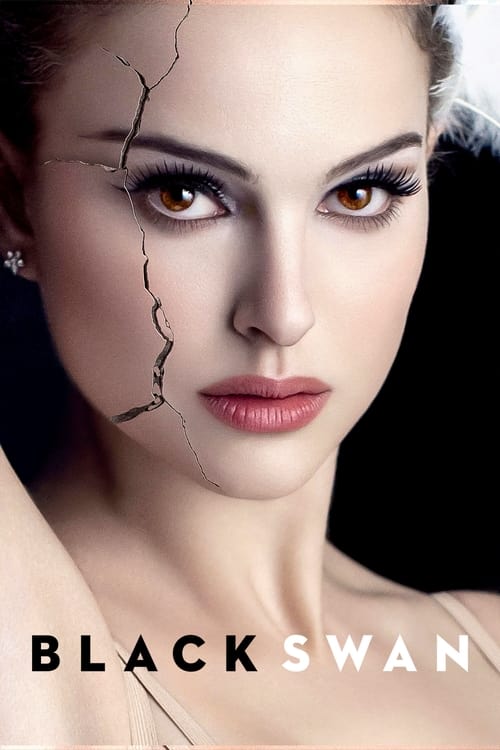
Set in a prestigious, if dank, women’s dance academy in 1977 Berlin, against a backdrop of a terrorist hostage crisis and exploding bombs, Luca Guadagnino’s “Suspiria” is both a riff on Dario Argento’s 1977 “Snow White”-inspired Euro-horror classic and a mix of “Black Swan” and “Hereditary.”
Swinton is also terrific as a teacher who demands perfection: She is not as cruel as Vincent Cassel in Black Swan, but her icy distance from her dancers creates in them a plausible desire for perfection.
Guadagnino and screenwriter David Kajganich have envisioned Susie as a bold, enigmatic prodigy, and her meteoric rise — and its attendant horrors — will probably call to mind 2010’s Black Swan , an equally florid examination of art and ambition.
He’s torn between admiration for women’s bodies in motion and horror at those bodies being mutilated, and that tension helps make this a worthy modern-dance successor to Black Swan .
…or Aaronofsky’s Black Swan , another horror thriller about dancers.
As the choreographer, assistants and matrons of the Markos cackle in their “Last Supper” staged meals that play like an infamous cooking scene in “Macbeth,” as cops are seen helplessly nude and humiliated, under a spell cast by the witchy women, Susie loses herself in the collaboration and the art which — as we’ve seen “The Red Shoes” and “Black Swan” — is what dancers do; lose control of their destinies and lives to The Dance.
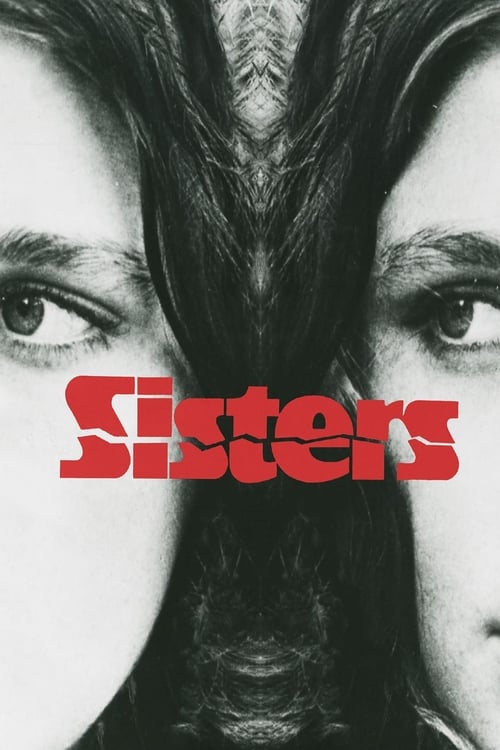
But overall Suspiria looks fantastic, mostly eschewing Argento’s trademark color-saturated palette for something grittier and looser, more in the vein of paranoid ’60s and ’70s psychodramas like Rosemary’s Baby and Brian De Palma’s Sisters.
Advertisement

The film’s lesbian undercurrent —expressed through dubbed, disembodied voices, fragmented compositions, and abrupt edits — recalls the eerie dankness of Nicolas Roeg’s Venice in Don’t Look Now but without the artistry and visual-kinetic panache.
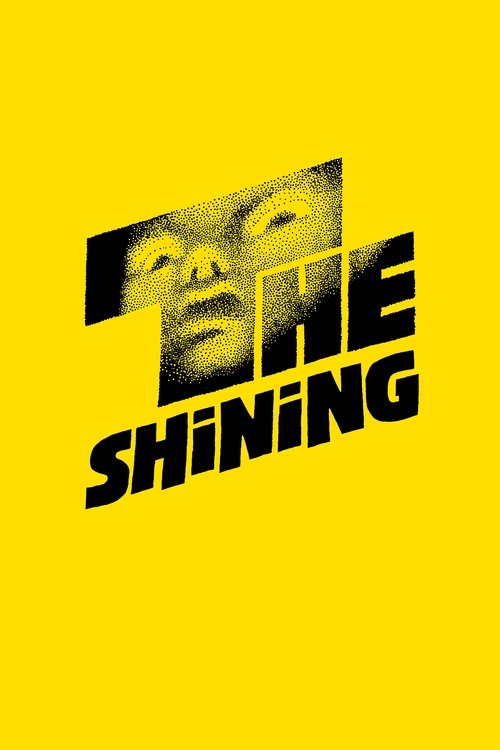
They envision a mythic universe as expansive as that of Pan’s Labyrinth or The Shining (and poised to inspire just as many fan theories), but they make its defining attribute a fierce femininity.
Ultimately it tries to elevate the horror genre in the way that Kubrick did in “The Shining,” which transcended its source material to such an extent that it even irritated the source’s author.
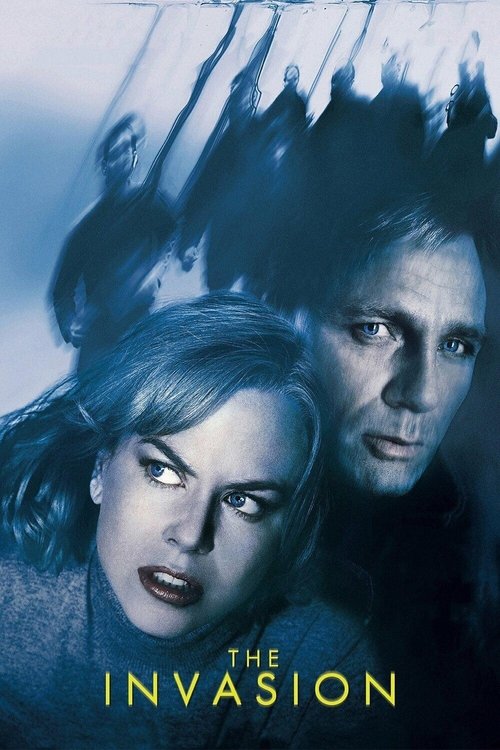
No one could dare ape this aesthetic style and match it, so director Luca Guadagnino (2017's " Call Me by Your Name ") and screenwriter David Kajganich (2007's " The Invasion ") have made the wise decision to take their remake in an entirely new direction.
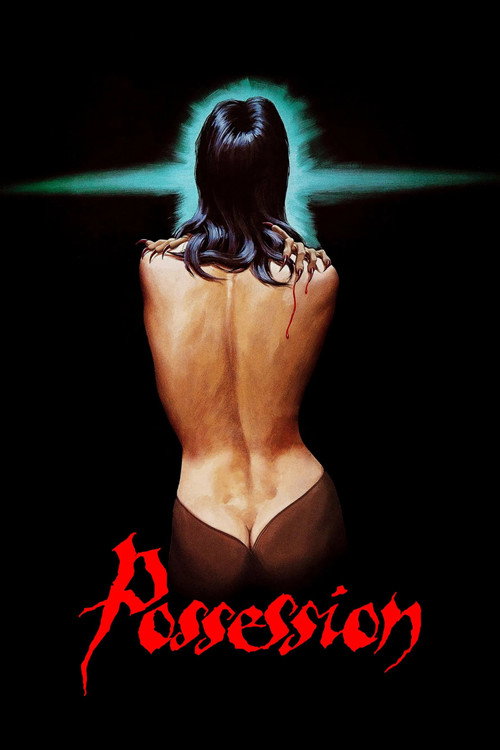
As we watch the limbs of Olga (Elena Fokina), one of Susie’s classmates, being torqued by the invisible hands of she-demons in a danse macabre of flails, grunts, bile, and piss, a better, similar scene in another movie also set in (then extant) West Berlin immediately comes to mind: that of Isabelle Adjani twitching and moaning like an animal in a U-Bahn passageway in Andrzej Zulawski’s Possession (1981).
The two middle acts are respectively titled ‘Borrowing’ and ‘Taking’, words which encode the film’s acquisitive, even larcenous relationship to Suspiria (1977) – as well as to other Berlin-set artful genre films like Andrej Zulawski’s Possession (1981) and Wim Wenders’ Wings of Desire (1987).
If the original Suspiria is some Alice in Wonderland -esque dream, then Guadagnino’s Suspiria is the stark reality, set in a divided Berlin during the German Autumn that reverberates with the grief of its past, where trauma haunts citizens like a ghostly ectoplasm, where every corner the debris of repression is felt, a dilapidated prison, the same Berlin that possessed Adjani in Zulawski’s 1981 Possession , brutalist and controlled.
Advertisement

In the cycle of remakes, only Gus Van Sant’s Psycho seems as demented an endeavour as Luca Guadagnino’s Suspiria, which is perhaps the most admirable thing about it.
Plodding literal-mindedness seems to be the solution favored by director Luca Guadagnino, who has chosen to parlay the critical and commercial success of his much beloved “Call Me By Your Name” into the most inexplicable no-win remake scenario since Gus Van Sant followed “Good Will Hunting” with “Psycho.”
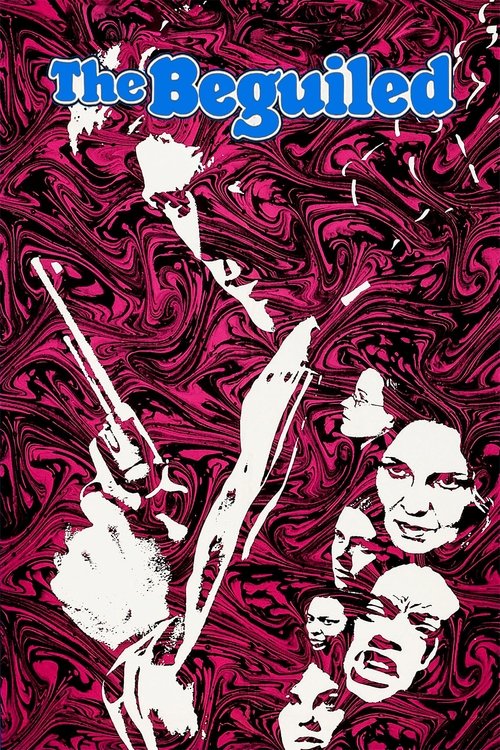
In terms of how it treats female power, 2018's Suspiria has more in common with 1971's The Beguiled , whose director Don Siegel said was about "the basic desire of women to castrate men."