
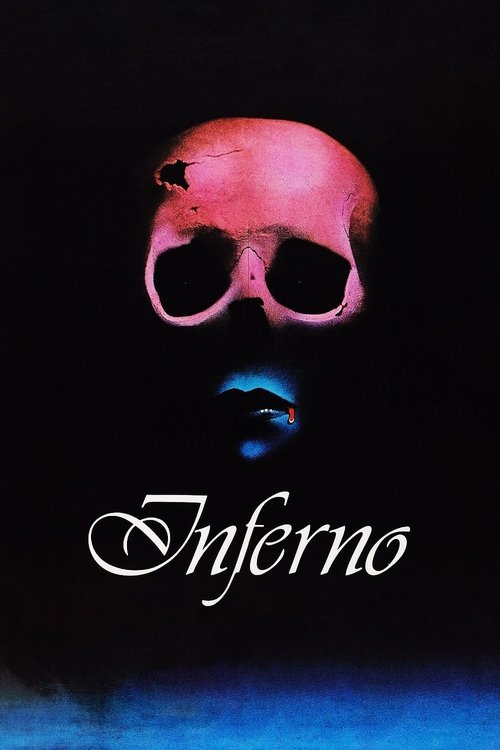
Inferno (1980)
Directed by Dario Argento
A young man returns from Rome to his sister's satanic New York apartment house.
10 connections found
View:
10 films that influenced Inferno
What critics say influenced Inferno
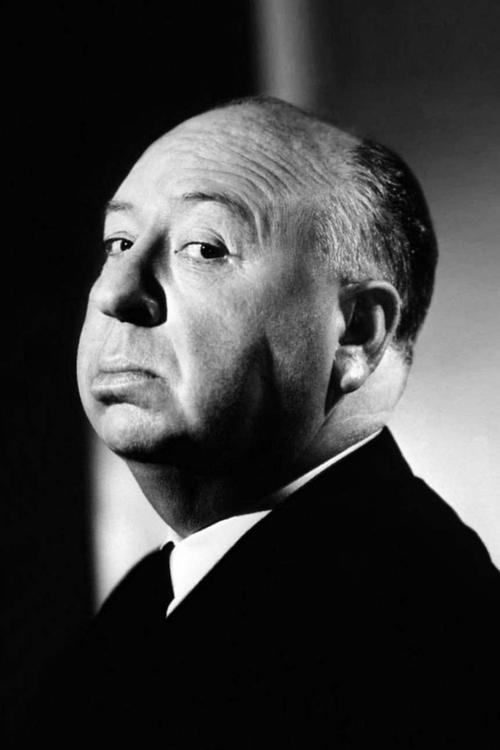
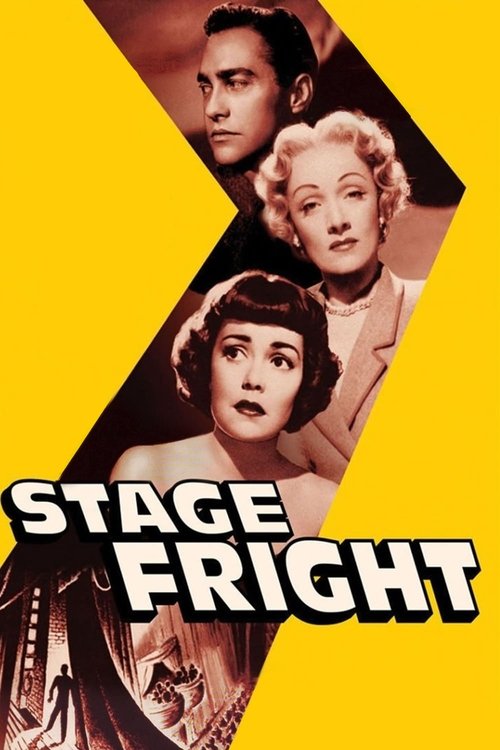


If you're keeping score, so far it's Psycho , Stage Fright , and a small, not-insignificant detour into Un chien andalou, maybe.
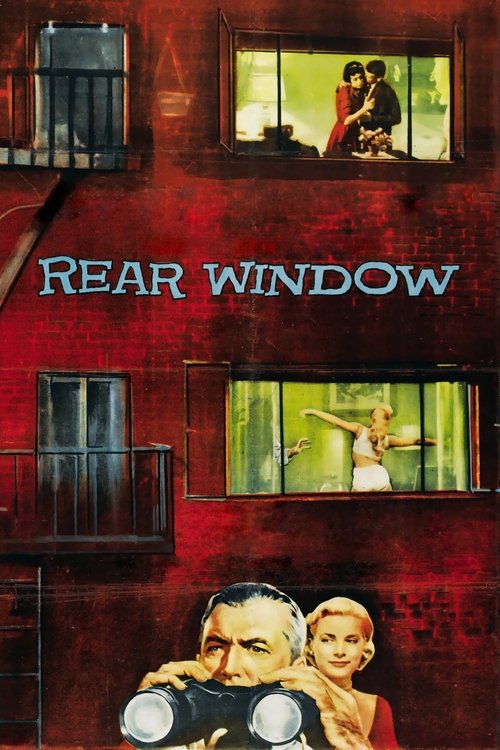
There are more screens in Inferno, more moments projected against other moments, more diaphanous curtains that remind of, sure, Rear Window , but Cocteau as well--particularly in a sequence of Mark incapacitated, a beautiful girl incapable of saving him (an Argento trope, usually reversed).
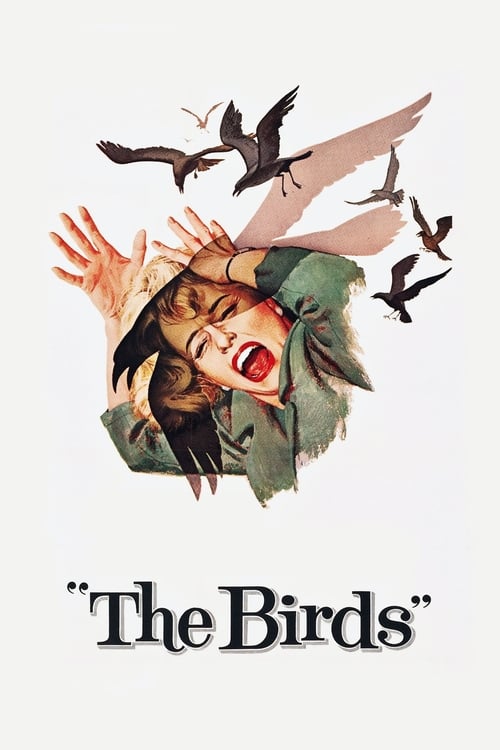
Throughout, too, symbols of penetration (knives, glass, knitting needles in a scene where a woman fends off an attacker--but not before she kills a pet bird (The Birds!)) merge with images of water, submersion, saliva, and, yes, menstruation.
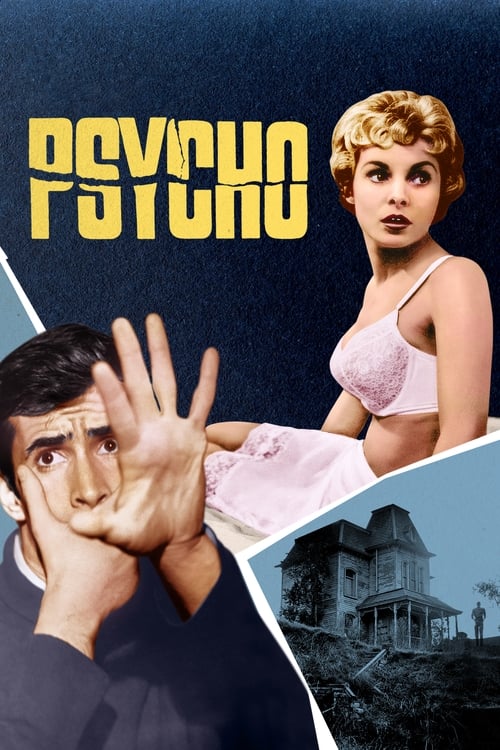
Argento, because he's in control at this point and knows it, literally drops a pair of red curtains (vaginal lips as stage affectation) on the scene before inexplicably cutting away to water circling a drain, an image that will never again be innocuous post- Psycho .
If you're keeping score, so far it's Psycho , Stage Fright , and a small, not-insignificant detour into Un chien andalou, maybe.

Bava's presence here may explain why the film's subdued lighting brings to mind Bava's The Whip and the Body .
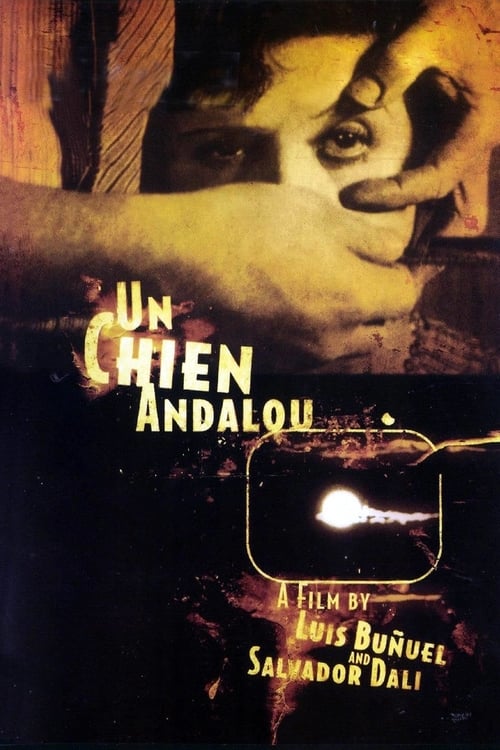
If you're keeping score, so far it's Psycho , Stage Fright , and a small, not-insignificant detour into Un chien andalou, maybe.
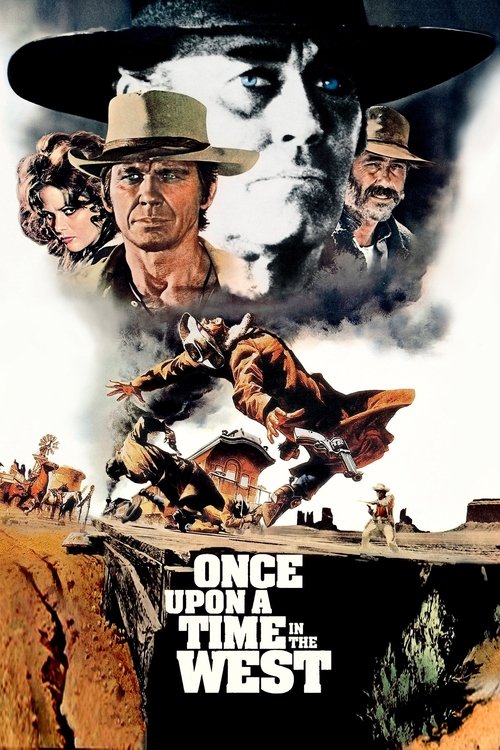
INFERNO dispenses with almost any semblance of coherence; like Once Upon a Time in the West (the Sergio Leone Western for which Argento co-wrote the story), INFERNO effectively segues from set-piece to set-piece, whether or not much plot connects the individual scenes.
Advertisement

It's a knife John Carpenter picks up three short years later in the prologue to his own salvo into the slasher genre, Halloween , this idea that the unseen antagonist--murderer, in fact--turns out to be a kid.

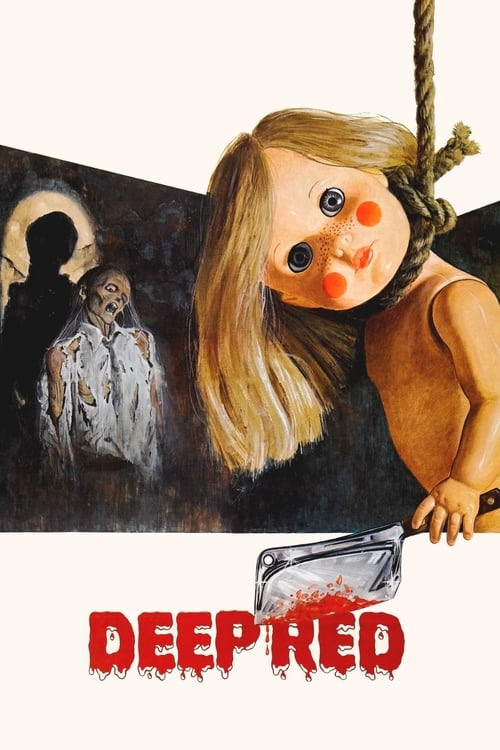
Writer-director Dario Argento had been plying his trade, making horrific psycho-thrillers (known as giallo in his native Italy) since the early ‘70s, reaching his peak with Deep Red in 1975.
Three masterpieces and a really good try (rank Inferno with stuff like Opera as second-tier Argento), as it happens, is enough to cement his legacy for all time despite the attempt of every Sleepless and The Card Player to demean it.
While '90s efforts such as The Stendhal Syndrome and Phantom Of The Opera have proven disappointing, it's nice to witness the release of films from Argento's '70s and early-'80s prime in widescreen, extended European cuts, a trend continued with 1975's Deep Red and 1980's Inferno.
There's always some extravagant violence in Argento, but it completely baffles me that this hit the DPP's radar while the bleaker and more imaginatively gory Deep Red didn't.
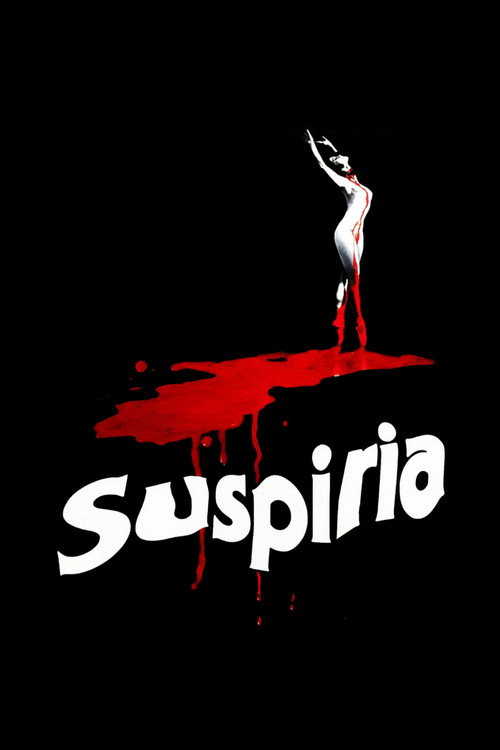
1980's Inferno , Dario Argento's very next movie after Suspiria was not just a sequel - a sequel that had not by any means suggested itself from the plot of the first film, mind you - but a film that went as much deeper into complete, deliberate incoherence as Suspiria had done to the gialli that were Argento's stock in trade throughout most of the 1970s.
Then he took a turn into supernatural horror with Suspiria in 1977 and scored his biggest hit in the United States, where it was released by 20th Century Fox (under a subsidiary label).
This passage seemingly explains the events that transpired in Suspiria —the witches at the Tanzakademie called on the strength of Helena Marcos in honor of Mater Suspiriorum—while setting up the events of Inferno and the yet to be produced Mother of Tears (which, according to Daria Nicolodi, has been ready to film since 1984).
Ultimately, I think it's fair to wonder whether Argento has as much to do with the success of the four movies (Deep Red, Suspiria , Inferno, Tenebre) he made during this time as some divine (and brief), Rilke-ian wind.
These bravura displays of technique remained at odds with his banal handling of actors and narrative, but his best known film, Suspiria, seemed to indicate that Argento had begun to devise a style of commercial film-making which was moving away from the limitations of conventional narrative (or certainly treating it in the most perfunctory fashion), and thrilling the audience only through sound, image and movement.
Unfortunately for her, the Akademie turns out to have been founded by one of the Three Mothers, immortal female monsters (who also pop up in Argento's film Inferno) and Suzy is led deeper and deeper into a maelstrom of potentially deadly secrets.