

Dario Argento
93 connections found
Filmography
 Dark Glasses 2022
  Suspiria 1977
  Giallo 2010
  Inferno 1980
 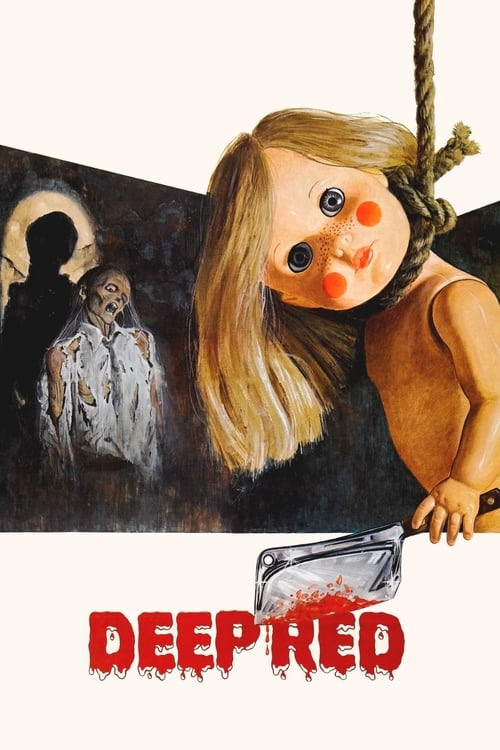 Deep Red 1975
 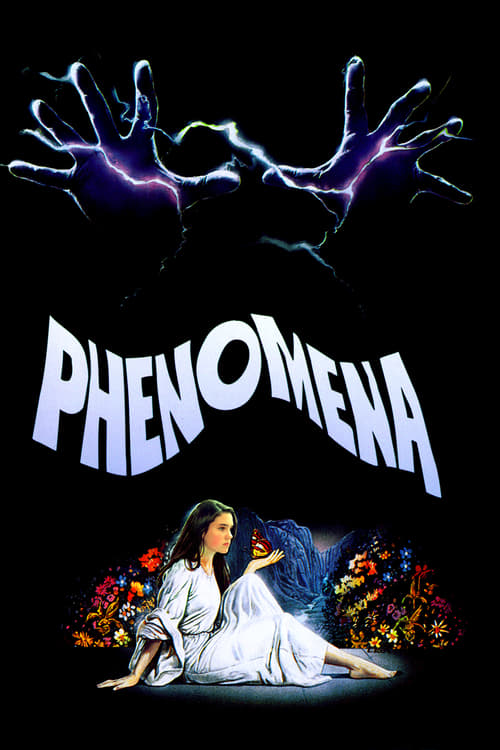 Phenomena 1985
 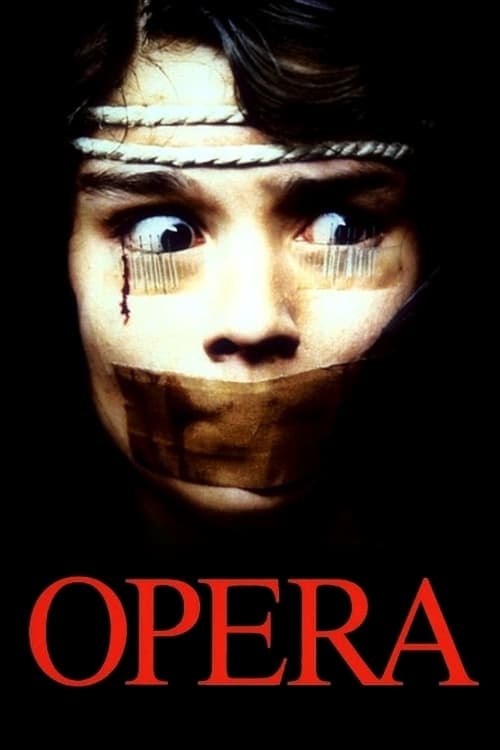 Opera 1987
 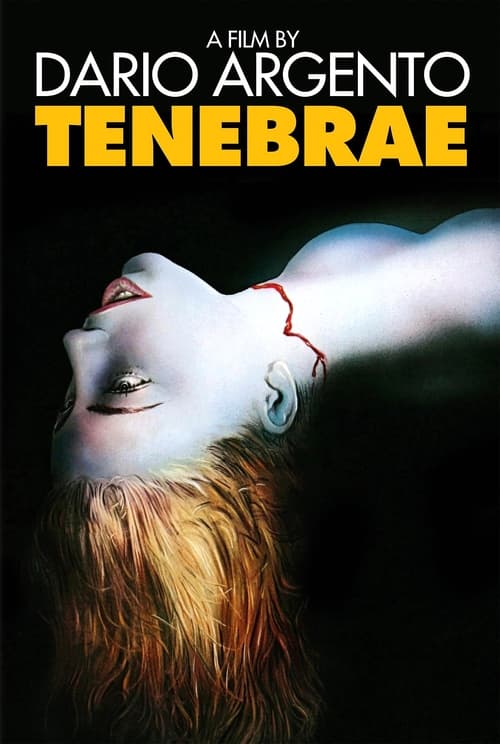 Tenebre 1982
 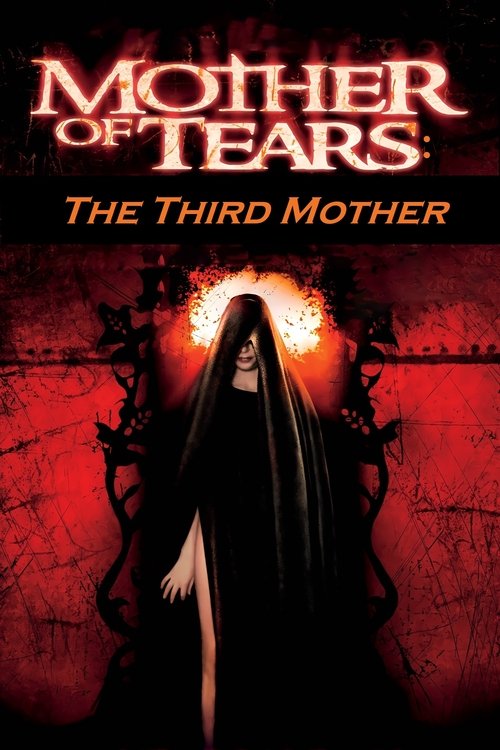 The Mother of Tears 2007
 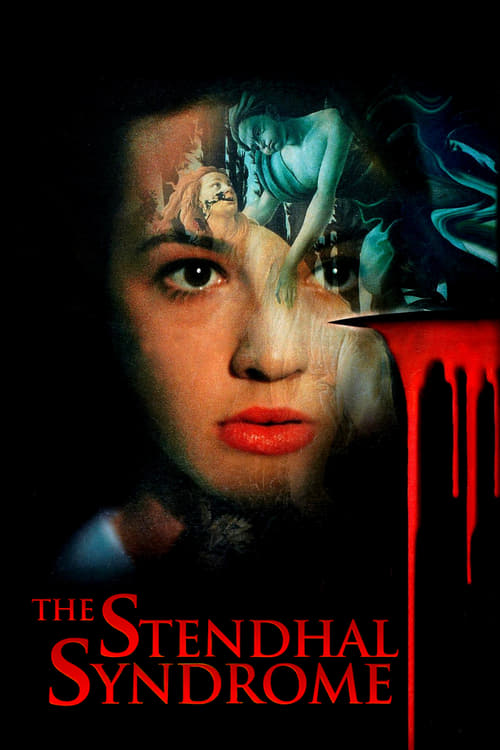 The Stendhal Syndrome 1996
 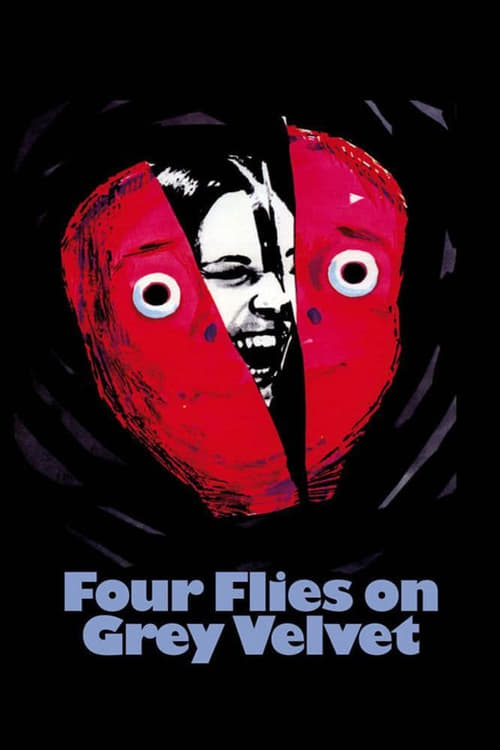 Four Flies on Grey Velvet 1971
 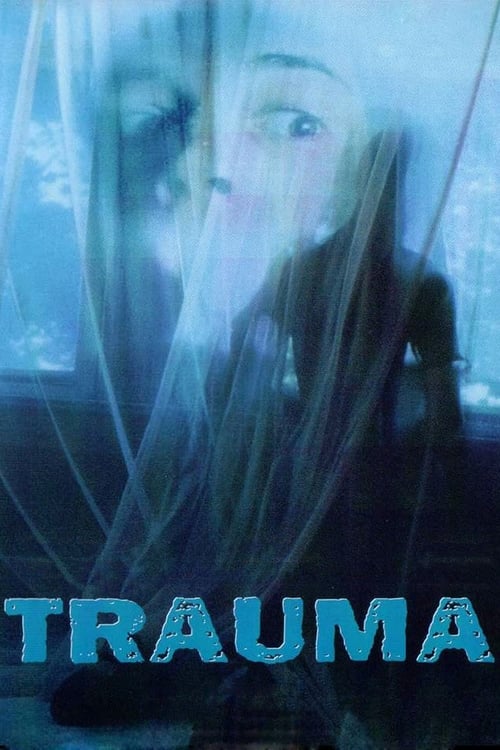 Trauma 1993
 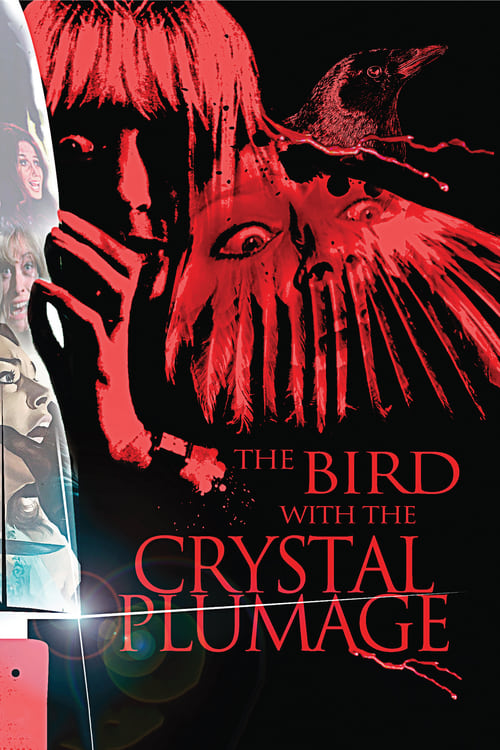 The Bird with the Crystal Plumage 1970
 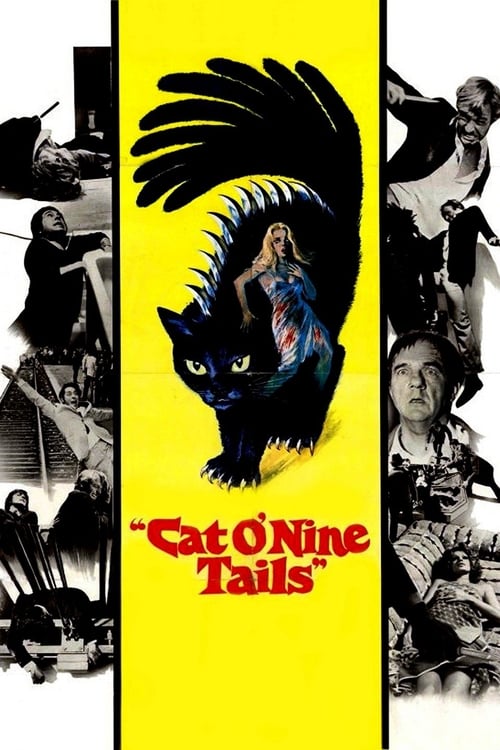 The Cat o' Nine Tails 1971
 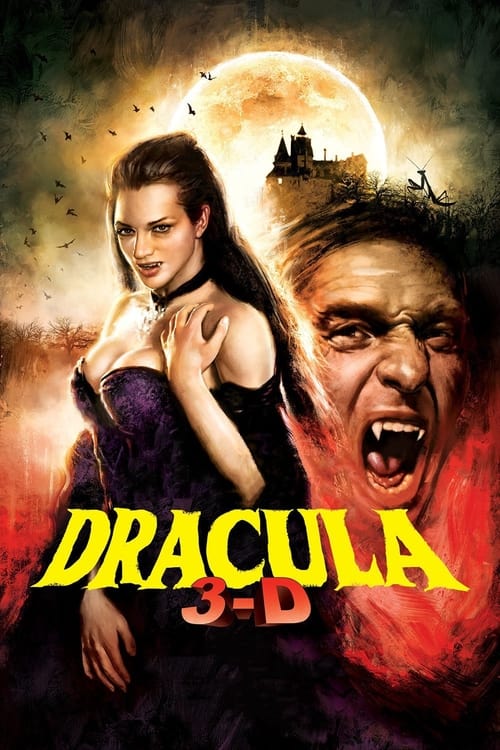 Dracula 3D 2012
 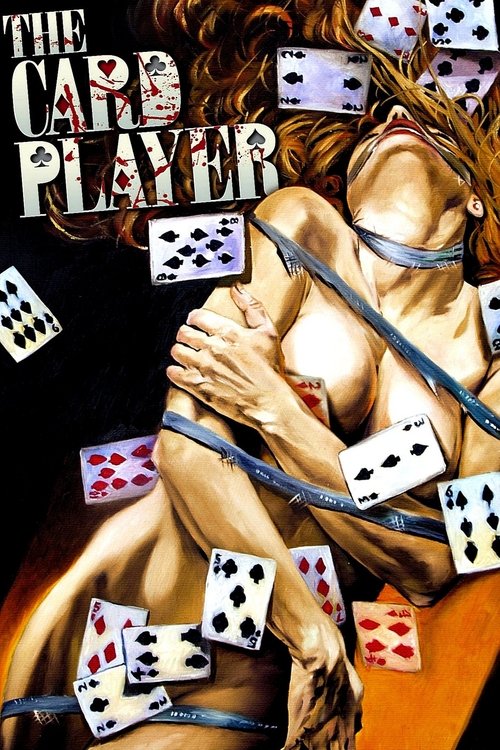 The Card Player 2004
 View:
Connections, in both directions
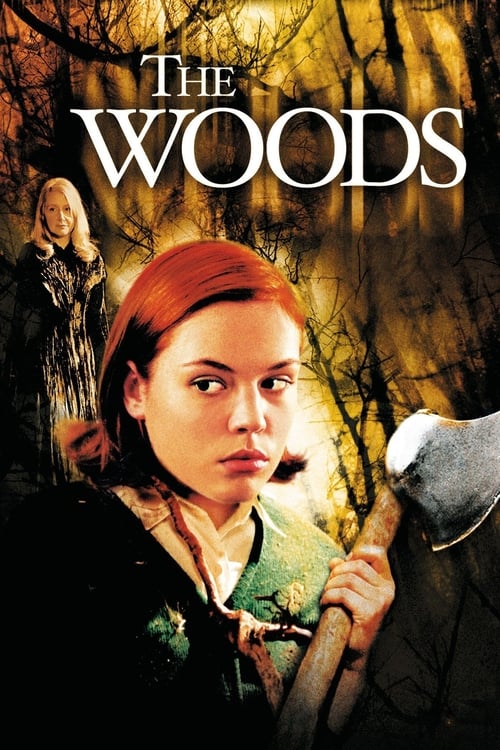


McKee s’en remit ainsi à une certaine théâtralité pour appuyer ses efforts sans que ceux-ci ne deviennent exubérants à l’image du Suspiria de Dario Argento, film auquel The Woods paye tout de même ses respects à plus d’une reprise.
Carrie, Suspiria, The Wicker Man, and 1980’s teen high school dramas are all part of the film’s ominous fabric, but the means by which McKee (working from David Ross’ sharp script) references and borrows from these many influences is neither plagiaristic nor stale.
Actually, the reel reference here is more likely the three strip Technicolor effect of Dario Argento’s primal masterpiece “Suspiria”, which McKee does what he can with his small budget to capture.
Long delayed and with good reason, The Woods is a well-made yet thoroughly impenetrable riff on Dario Argento's Suspiria from up-and-coming genre filmmaker Lucky McKee.
Plus McKee himself acknowledges the influence of Argento's "Suspiria", the music of Nirvana, various paintings and sculptures... Needless to say that this hodgepodge is not as singular as May , but it's still a solid flick.
Director Lucky McKee’s second film is another twisted tale involving the sick minds of women, and delves into the psyches of girls both old and young, and bears shades of “Whispering Corridors” and “Suspiria.”
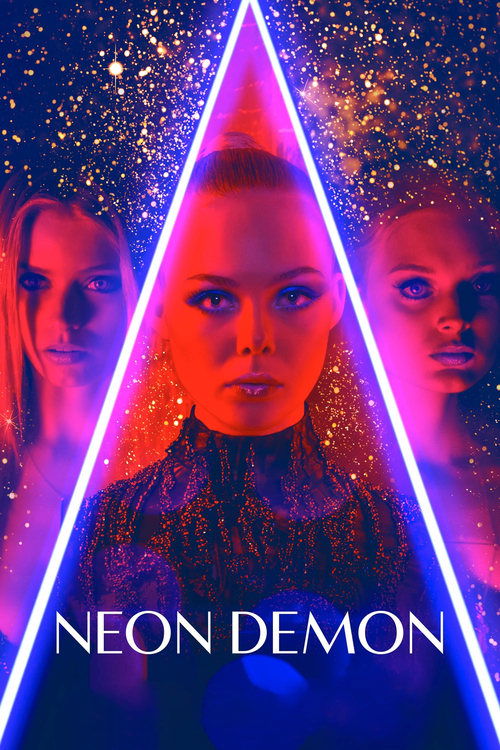
The Neon Demon (2016)
Directed by Nicolas Winding Refn
influenced by Suspiria (1977), Giallo (2010)
Visuals
Cliff Martinez's score twinkles and purrs and lulls, and coupled with the star-is-born-tale, Jesse's vintage-inspired wardrobe, the aggressively colorful visual design, and the dry, wry campiness, "The Neon Demon" feels like a 1970s cult flick, inspired by the female-driven horrors of Dario Argento's "Suspiria," or Roman Polanski's sexual-psychological doozy "Repulsion," starring Catherine Deneuve.
And, just like giallo, Neon Demon eschews a cohesive story in favor of a "what if?" principle that moves it from scene to scene; Refn's concern is the emotion of a moment, much like Dario Argento’s Suspiria, where the director has a naïve ballerina wander into a roomful of razor wire just because it looks cool and stirs deep audience tension.
There are markers of comparison along the way?Natasha Braier's (2014's " The Rover ") intoxicating cinematography and saturated color scheme remind of Terrence Malick by way of Dario Argento's 1977 masterpiece " Suspiria ," while the portrayal of Hollywood's soul-devouring politics is not unlike 2014's " Starry Eyes "?but these are superficial at best once the trailblazing Refn has his way with the material.
Nicolas Winding Refn's new film is as if "2000 Maniacs" moved to "Mulholland Drive," took some acid, and decided to completely reboot "Suspiria."
Unlike the former film, which manages to surprise (and often confound) throughout in its pacing and dreamlike approach to plot beats, The Neon Demon moves from an amusing first third into tedium as the script signposts its twists and turns, only to draw out its runtime with indulgent visual experimentation that does little more than tell us Refn has seen Under the Skin and Suspiria.
Con la influencia del estilo visual expresionista de Dario Argento en Suspiria (1977); los guiños a las atmósferas surrealistas y enigmáticas de David Lynch en Mulholland Drive (2001) e Inland Empire (2006); y las referencias al body-horror temprano de David Cronenberg en Rabid (1977) y The Brood (1979), Nicolas Winding Refn (NWR, como una marca de alta costura) configura un thriller de horror a partir de una premisa bastante clara: el mundo de la moda funciona como un mecanismo perfecto que se devora a sí mismo para renovarse y continuar; es un proceso de regeneración cíclica.
Italian horror is another clear touchstone: The music, by frequent Refn collaborator Johnny Jewel, nods overtly to Goblin’s iconic Suspiria score, and Rat’s mute grandmother, perpetually bathed in the flicker of an old projector, is played by aged Black Sunday star Barbara Steele.
In the catacombs of Mendelsohn’s club, Billy walks through hazy red corridors extremely reminiscent of both Only God Forgives and Suspiria ; a ride in a taxi towards the end of the film recalls the gorgeous rain sequence in Argento’s Inferno .
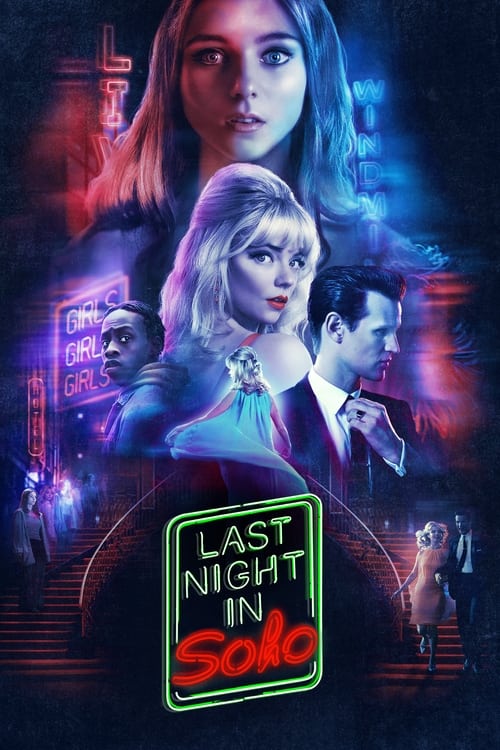
Last Night in Soho (2021)
Directed by Edgar Wright
influenced by Deep Red (1975), Suspiria (1977), Inferno (1980), Giallo (2010)
Visuals Themes
Wright pays homage to the king of giallo himself, Dario Argento, borrowing bold visual elements from his films like Deep Red and Suspiria (the use of knives as mirrors, a fixation on the color red).
What Movies Will It Remind You Of?: The protracted revival of Dario Argento’s Suspiria should be celebrated, and it’s an obvious touchpoint here, along with Deep Red and Mario Bava’s Blood and Black Lace .
The film’s setup should give the viewer the hopeful impression that “Soho” will mine the work and maybe the themes of director Dario Argento (see his “Deep Red” and his classic “Suspiria”).
Like a gorgeous melody that drifts almost imperceptibly off key before descending into screaming discord, so Last Night in Soho slips seamlessly between harmony and dissonance, with nods to Julie Christie in Darling mutating into evocations of Jessica Harper in Suspiria .
It’s a weird premise that combines the psychological thriller, time-travel, and—eventually—giallo horror genres (think 1977’s Suspiria).
DP Chung Chung-hoon is the real star, conjuring the essence of giallo beauty, like Argento’s Suspiria (1977), and concocting the most invasive neon lights since Frank Biberkopf’s apartment in Fassbinder’s Berlin Alexanderplatz (1980).
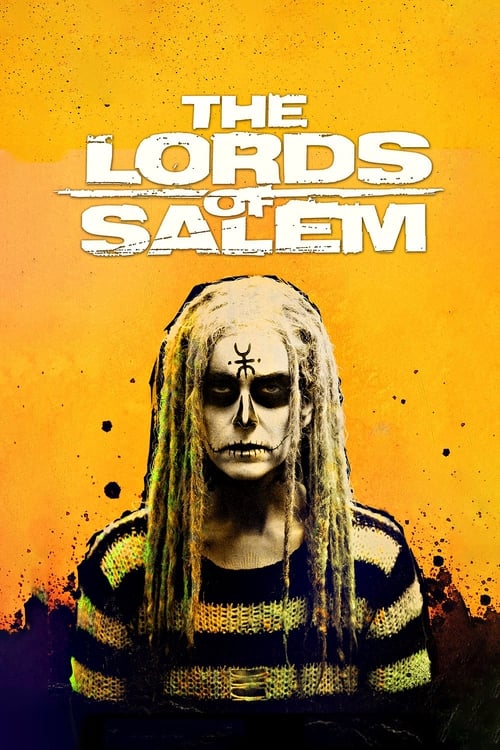
Like both " Rosemary’s Baby " and "Suspiria," two of the film's many influences, "The Lords of Salem" follows protagonists who don't understand what's happening to them, though they do know something is very wrong.
I have to admitt, this film is visualy disturbing… and totally agree with Lola V19, I felt the same as back in the seventies, front to ” Suspiria ” by Dario Argento.
This isn't quite as powerful and deeply affecting as "Suspiria," but I'd say it's at least the equal of something like "Inferno," and that's high praise from me.
While decidedly American in folklore, the entire film feels lifted from Suspiria’s cutting room floor.
For the most part audiences are treated to Suspiria-esque nighmare sequences a la Dario Argento.
Fans of Zombie — whose résumé includes “The Devil’s Rejects” and two reworkings of “Halloween” — will want to rush out to see this stylishly lensed work, which references Roman Polanski’s “Rosemary's Baby” and Dario Argento’s “Suspiria,” Others are advised to look elsewhere for fun in the dark.
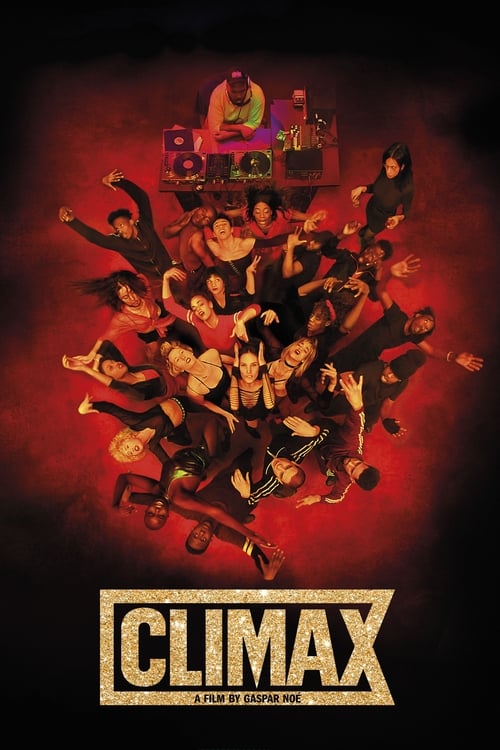
And right out of the gate, Noé parallels his desires with that of his characters, asking us to contemplate his own worst nightmare—a world without Possession , without Harakiri , without Suspiria —before then dazzling us with the means by which he staves off that nightmare: his will to create.
A stack of video cassettes is piled next to a TV playing an audition reel for a dance troupe who will eventually be revealed as our cast; the titles on display include Argento’s Suspiria, Polanski’s Possession, Fassbinder’s Querelle and Pasolini’s Salò.
A selection of video tape spines shown next to a television screen that played the preliminary video introductions of each character acts as neat shorthand to introduce the direction that this doomed trip will soon take; references to films like Dario Argento’s Suspiria, Pier Paolo Pasolini’s Salò and Andrzej ?u?awski’s Possession all foreshadow what is to come in one way or another.
Even as Psyche expresses this anxiety about falling under the influence of a film as much as of drugs, her interview, and those of the other dancers, are shown on a television set alongside a pile of videos whose titles – Suspiria, Possession, Hara-Kiri, Querelle, La Maman et la Putain, Un Chien Andalou, Labyrinth Man (i.e. the French title of Eraserhead) – will also cast a dark spell over what follows, dosing the narrative of Climax with their own specific motifs and moods (chiefly free love, writhing hysteria, disorientation and danses macabres, infanticide, suicide and transcendence).
There are VHS copies of Suspiria, Un Chien Andalou, Salò and Harakiri, and books by Nietzsche and on Taxi Driver , Murnau and Fritz Lang.
From here, we flash back to the beginning; a series of taped audition interviews with dancers, played on an old TV (it’s the mid-1990s) alongside which sit VHS tapes of extreme cinema favourites: Argento’s Suspiria , Pasolini’s Salò, Lucio Fulci’s Zombie, Buñuel’s Un Chien Andalou – all indications of what is to come.
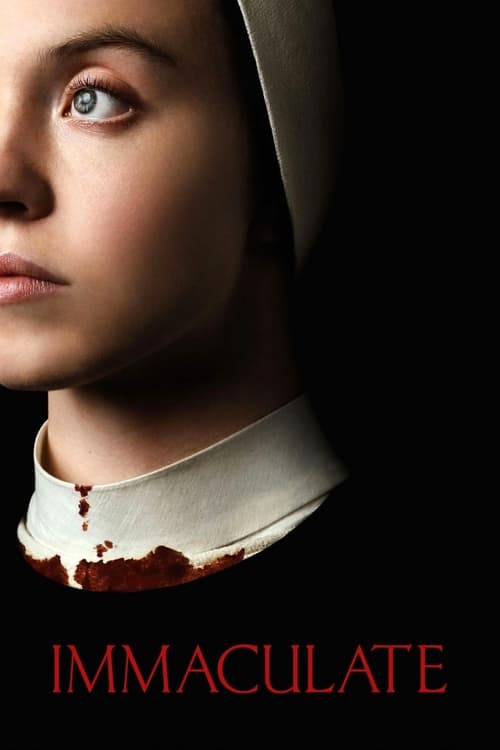
But there are several scenes where Immaculate feels like it's spinning its wheels, with its distinct nods to other films—from Rosemary's Baby to Suspiria (both Dario Argento's and Luca Guadagnino's)—merely devolving into predictable jump scares.
One look at Cecelia’s journey into the Italian countryside, and it’s impossible not to recall the similar trek that Jessica Harper’s Suzy Banion took to the dance academy in that latter Dario Argento film; it doesn’t help that Will Bates’ score for Immaculate calls to mind Goblin’s famous Moog synthesizer music for Suspiria, either.
In that respect, I was reminded of the American dancer who joins the dancing academy of Suspiria, made in both the 1977 Dario Argento version and the 2018 Luca Guadagnino remake by an Italian rather than an American.
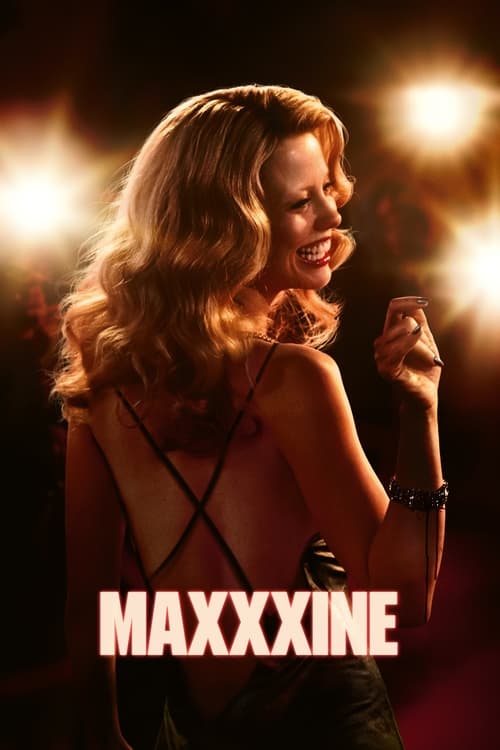
MaXXXine (2024)
Directed by Ti West
influenced by Deep Red (1975)
and Dario Argento by name
Visuals Plot
On Argento, rather than any one film
The movie is ‘80s versions of William Lustig and Dario Argento but hobbled by the overly safe and sanitized guardrails of a 2020s theme park ride.
…a mysterious figure that is seen stalking Maxine wears black leather gloves, an obvious reference to Dario Argento.
…a mysterious leather-gloved killer in the vein of Dario Argento or Brian De Palma…
…fans of Argento & Bava will take joy in the killer’s iconography and victim dispatching…
A mysterious figure who seems to have borrowed Dario Argento’s gloves…
…or Argento-style kills…
On the films
Those gloves are likely an homage to Dario Argento’s “Deep Red,” along with numerous other references scattered throughout the film.
It’s West doing Once Upon a Time in Hollywood by way of Deep Red…
One watch of Argento's Deep Red (1975) will reveal just how much the giallo genre is a blueprint for West and Goth's horror tribute, with plot twists, striking colors, and a nonstop series of suspense.
Snow White and the Seven Dwarfs (1938)
Directed by David Hand
influenced Suspiria (1977)
Visuals Themes
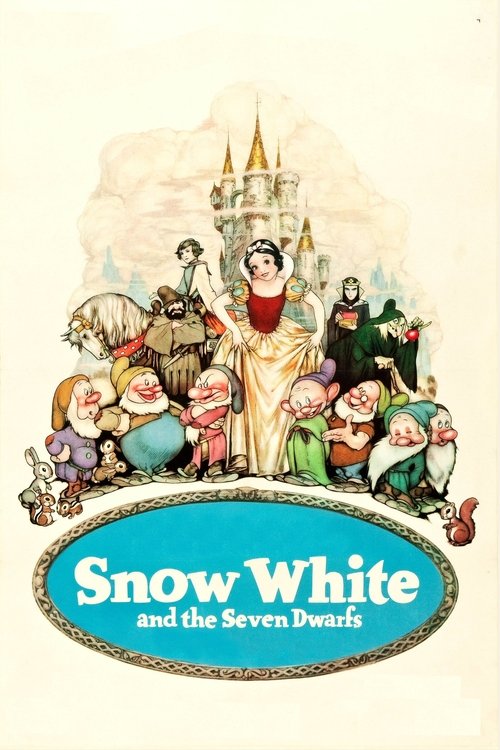
This visuals for this film were inspired by the Technicolor process (it should be noted that the actually film stock used on this film was Kodak) and fairy tale films like Snow White and the Seven Dwarfs .
Less real-world influences came from Argento's partner Daria Nicolodi, who had become attracted to various fairy-tale sources, from Alice in Wonderland and Bluebeard to Pinocchio and Snow White and the Seven Dwarfs.
Interestingly, Argento tasked Tovoli with viewing Walt Disney’s Snow White And The Seven Dwarfs (1937) so that he could emulate the film’s color scheme.
The first in a supposed trilogy (the second film, Inferno, was completed, but the third film is still unproduced), Argento was influenced by Walt Disney's Snow White and the Seven Dwarfs, but Suspiria has proved just as influential on both Italian and American cinema (John Carpenter has stolen from this movie on multiple occasions).
Psycho (1960)
Directed by Alfred Hitchcock
influenced Suspiria (1977), The Mother of Tears (2007), Inferno (1980), Deep Red (1975), The Bird with the Crystal Plumage (1970)
Visuals
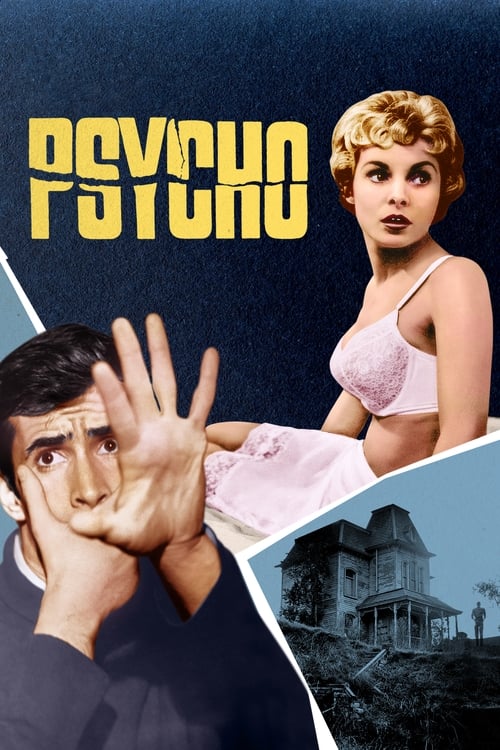
Dario unleashes his whole bag of horror tricks, including having his daughter do a nude shower scene influenced by Hitchcock's "Psycho" and forcing her to trudge through a river of human excrement.
Argento matches Hitchcock's Psycho in this aspect of Suspiria .
Following the success of Alfred Hitchcock’s Psycho , George A. Romero’s Night of the Living Dead and latterly the critically acclaimed The Exorcist , a new wave of director’s pushed the boundaries of the genre both in terms of narrative and theme.
…attempting to adapt Jeunet and Caro to "Phantom of the Opera"), when he finds the perfect source material to serve as foundation for his redux perversions (Psycho, Vertigo, The Birds, and Rebecca for Suspiria), the end result can be as original as it is discomfiting.
Argento, because he's in control at this point and knows it, literally drops a pair of red curtains (vaginal lips as stage affectation) on the scene before inexplicably cutting away to water circling a drain, an image that will never again be innocuous post- Psycho .
If you're keeping score, so far it's Psycho , Stage Fright , and a small, not-insignificant detour into Un chien andalou, maybe.

Concerning the adventures of Suzy Bannion, ballet student and all-American ingenue, amid a witches’ coven disguised as a Berlin dance school, Dario Argento’s Suspiria (1977) is a furious trip inside a nightmare that lies in wait beyond the right door.
Remaking horror classics is a tried-and-true tradition, but it’s still a little mystifying why anyone felt 1977’s Suspiria was a good candidate.
Each mother would form the basis of Argento’s “Three Mothers” trilogy, with Suspiria followed by Inferno (1980) and The Mother of Tears (2007).
The new movie has a screenplay by David Kajganich that takes a free hand with the original while incorporating aspects of the mythology in “Inferno” (1980), the second of Argento’s “ Three Mothers ” trilogy.
Despite the off-putting title, epic running time, gory unpleasantness and laughable expressive dance numbers, Guadagnino, his favourite screenwriter David Kajganich and others seem to think that this will be a hit, and as there are two sequels to the first Suspiria – namely Inferno (1980) and the longtime-coming and preposterous Mother Of Tears (2007) – that means that they might get around to remaking those too.
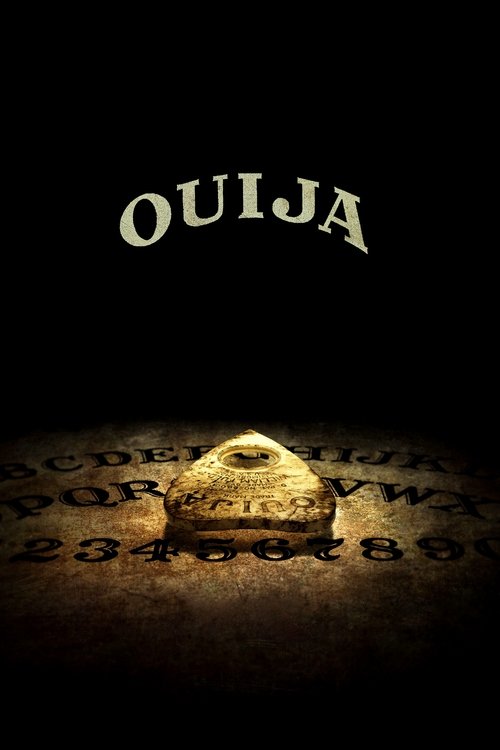
For horror-savvy viewers, the image of Debbie dangling from the ceiling may suggest a bloodless homage to Dario Argento’s classic “Suspiria,” but the rest of “Ouija” falls somewhere between a tween-friendly version of “The Conjuring” and a live-action episode of “Scooby-Doo.”
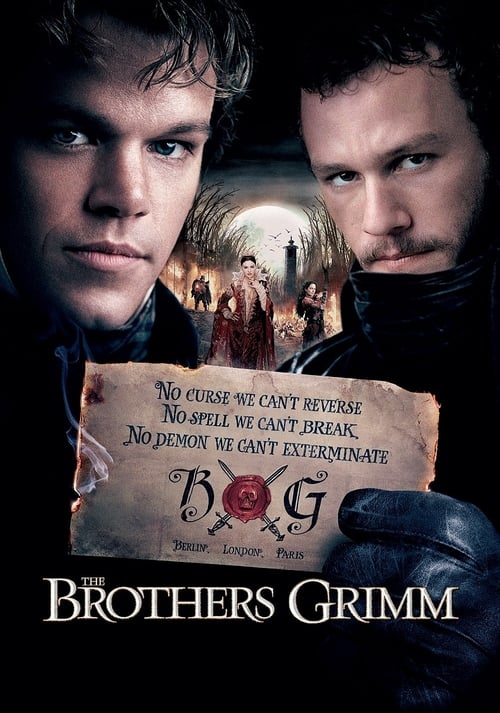
Dario Argento virtually dramatized Little Red Riding Hood in his nasty slasher Suspiria Most are more subtle than that with these themes and intimations; a possible hypothesis for the adult adoration with horror is indeed associating them with the tales from childhood.
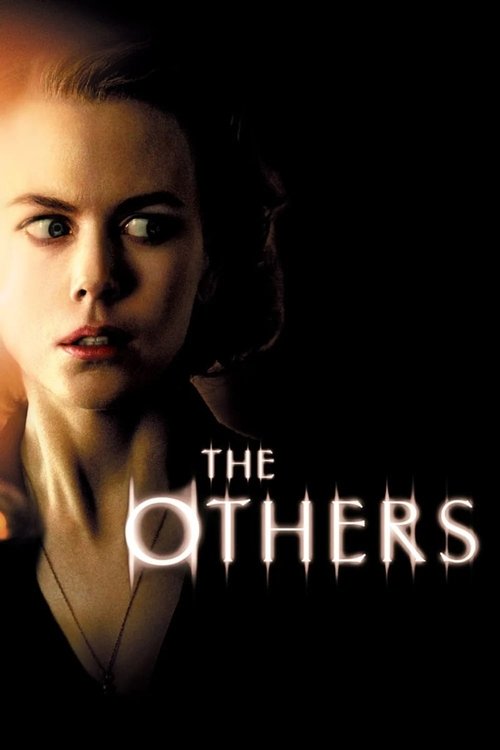
I was optimistic that a new wave of well-made haunted house and ghost story films would sweep through cinemas, horror films would once more win Oscars, and maybe even Dario Argento might get the money and inspiration to make something like Suspiria again.
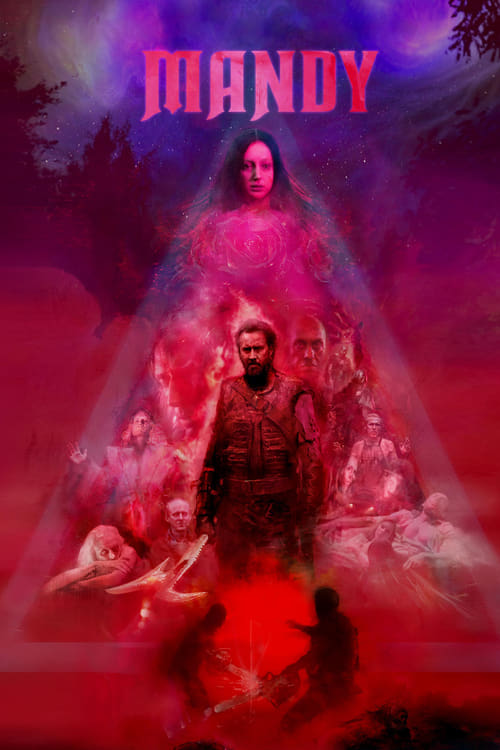
Like Guadagnino’s Suspiria, Mandy draws inspiration from Dario Argento– in this case, his use of neon colors, pummeling music, and scripts that don’t always make perfect sense– and like Suspiria it is the sprawling, ambitious work of a rising visionary.
Somewhere between Shelley Duvall in The Shining and Suspiria’s Jessica Harper, Riseborough is convincing enough to make Mandy’s killing feel emotional.
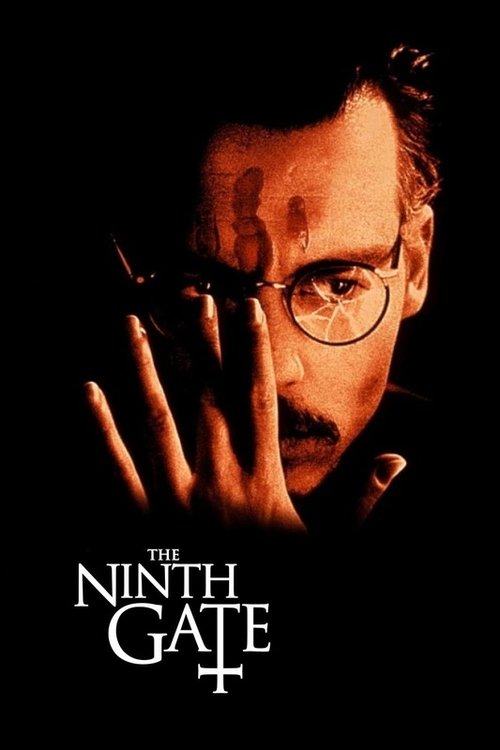
The still-active director's influence, however, stretches much further than his frequently truncated, only sporadically available body of work would indicate; for evidence, look no further than Roman Polanski's recent feature-length Argento homage The Ninth Gate.
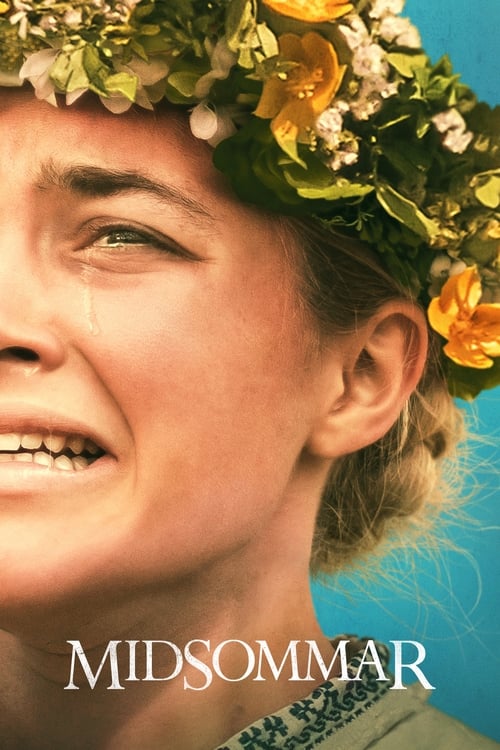
Visually and sonically, it’s perhaps the most beautiful horror movie since Argento’s Suspiria .
He’s essentially seeking to revitalise the aesthetics of arthouse horror films of the 1970s (specifically films like Suspiria, The Wicker Man and Don’t Look Now) but with a modern self-awareness.
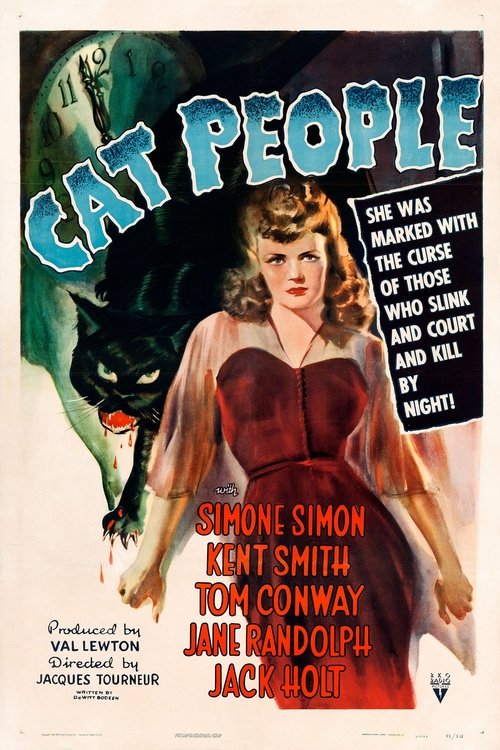
Bava’s film was one six that inspired Suspiria , the rest being Robert Wiene’s The Cabinet of Dr. Caligari (1920), David Hand’s aforementioned Disney-produced Snow White And The Seven Dwarves (1937), Jacques Tourneur’s Cat People (1942), Neorealism founders Vittorio De Sica and Luchino Visconti, along Mauro Bolognini, Pier Paolo Pasolini, and Franco Rossi’s Le streghe ( The Witches, 1967), and Brian De Palma’s Phantom Of Paradise (1974), which Harper also starred in.
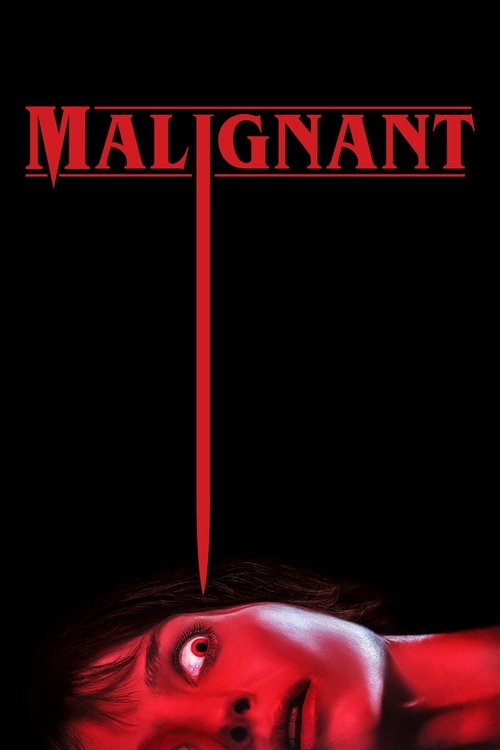
Malignant (2021)
Directed by James Wan
influenced by Phenomena (1985), Opera (1987), Deep Red (1975), Suspiria (1977)
Themes Visuals Characters
While the beginning of the feature film promised the appearance of a “monster” like that of the brilliant Phenomena of Dario Argento, he finally plays more on the concept of double evil, like The Spirit of Cain Where The Dark Part .
If only Wan’s film was shot in the way Dario Argento’s Opera was, a film that holds a similar tone and style, drowned in brackish grays, blues, and blacks so the crimson blood glitters onscreen.
In true spirit of giallo, sometimes they are absurd like Argento’s Deep Red (a film named as a specific influence of Wan’s for Malignant).
As Madison, her long brunette locks with a fringe have Suspiria ’s Suzy Bannion and The Shining ’s Wendy Torrance springing to mind.
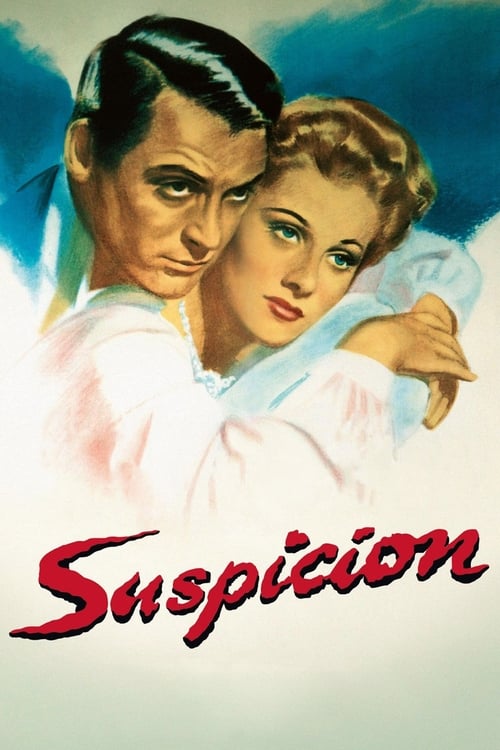
Suspiria less dreamily recalls Vertigo in its segmentation of women and its colour suffusions; Psycho, in a fixation on bird imagery, first act monetary concerns, and a swirl of vermouth down the drain; Rebecca in its monstrous maid (Olga (Barbar Magnolfi)) and torching of an analogous Manderly; and Suspicion and Notorious in the slow ascents and lingering reveals of doctored libation.