
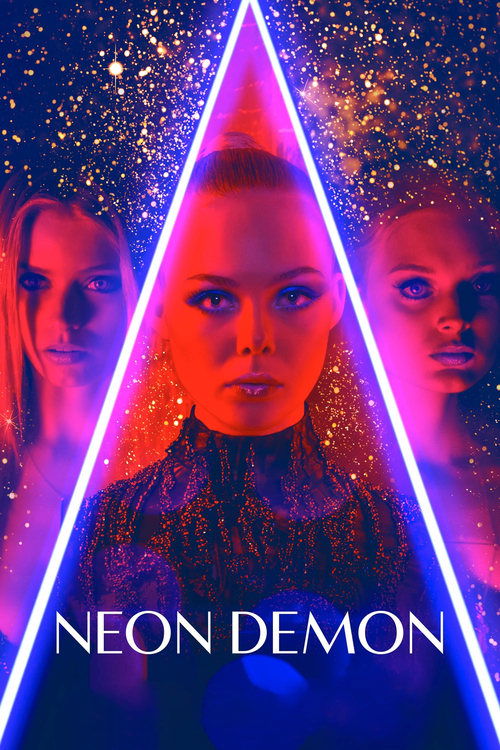
The Neon Demon (2016)
Directed by Nicolas Winding Refn
When aspiring model Jesse moves to Los Angeles, her youth and vitality are devoured by a group of beauty-obsessed women who will take any means necessary to get what she has.
80 connections found
View:
80 films that influenced The Neon Demon
What critics say influenced The Neon Demon

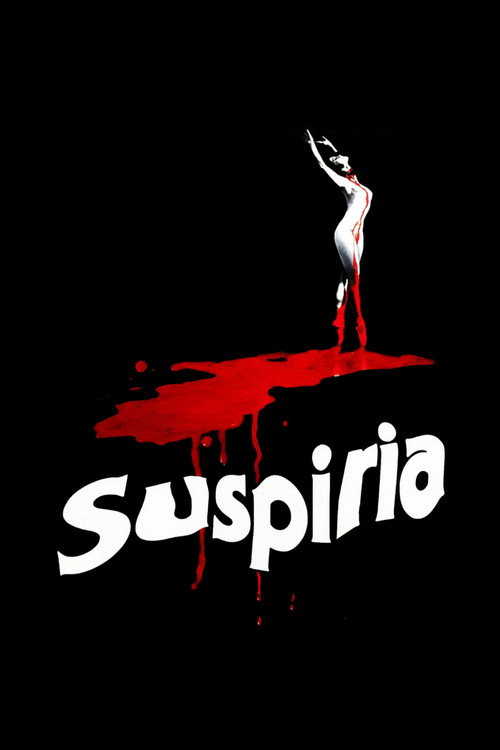


Cliff Martinez's score twinkles and purrs and lulls, and coupled with the star-is-born-tale, Jesse's vintage-inspired wardrobe, the aggressively colorful visual design, and the dry, wry campiness, "The Neon Demon" feels like a 1970s cult flick, inspired by the female-driven horrors of Dario Argento's "Suspiria," or Roman Polanski's sexual-psychological doozy "Repulsion," starring Catherine Deneuve.
And, just like giallo, Neon Demon eschews a cohesive story in favor of a "what if?" principle that moves it from scene to scene; Refn's concern is the emotion of a moment, much like Dario Argento’s Suspiria, where the director has a naïve ballerina wander into a roomful of razor wire just because it looks cool and stirs deep audience tension.
There are markers of comparison along the way?Natasha Braier's (2014's " The Rover ") intoxicating cinematography and saturated color scheme remind of Terrence Malick by way of Dario Argento's 1977 masterpiece " Suspiria ," while the portrayal of Hollywood's soul-devouring politics is not unlike 2014's " Starry Eyes "?but these are superficial at best once the trailblazing Refn has his way with the material.
Nicolas Winding Refn's new film is as if "2000 Maniacs" moved to "Mulholland Drive," took some acid, and decided to completely reboot "Suspiria."
Unlike the former film, which manages to surprise (and often confound) throughout in its pacing and dreamlike approach to plot beats, The Neon Demon moves from an amusing first third into tedium as the script signposts its twists and turns, only to draw out its runtime with indulgent visual experimentation that does little more than tell us Refn has seen Under the Skin and Suspiria.
Con la influencia del estilo visual expresionista de Dario Argento en Suspiria (1977); los guiños a las atmósferas surrealistas y enigmáticas de David Lynch en Mulholland Drive (2001) e Inland Empire (2006); y las referencias al body-horror temprano de David Cronenberg en Rabid (1977) y The Brood (1979), Nicolas Winding Refn (NWR, como una marca de alta costura) configura un thriller de horror a partir de una premisa bastante clara: el mundo de la moda funciona como un mecanismo perfecto que se devora a sí mismo para renovarse y continuar; es un proceso de regeneración cíclica.

Like a W magazine photo spread conceived by Baudelaire and art-directed in electric colours by giallo maestro Dario Argento, the opening of The Neon Demon offers a foretaste of the plasticated grand guignolerie that by the end of Nicholas Winding Refn’s meretricious psychological horror movie has yielded both a feast and a bloodbath – in the precise senses of those words.

If “Drive,” his 2011 crime-thriller with Ryan Gosling, paid homage to the wet-asphalt action-films of Michael Mann, then “The Neon Demon” is his tribute to Ridley Scott’s Euro-trash vampire flick, “The Hunger” (1983).
If you want to see Tony Scott’s porny vampire drama “The Hunger” again — to cite another obvious influence — hey, I just checked and it costs $2 on Amazon.
At turns seductive and repulsive about its world of dangerous sex and violence, The Neon Demon combines horror movie tropes with arresting images and clever references to a body of genre entries, including Hammer Films' Dracula pictures, Cat People, and The Hunger.
Neon Demon reads like a vampire movie, with the sexy chill of The Hunger and the stark, hypnotic imagery of Under The Skin.

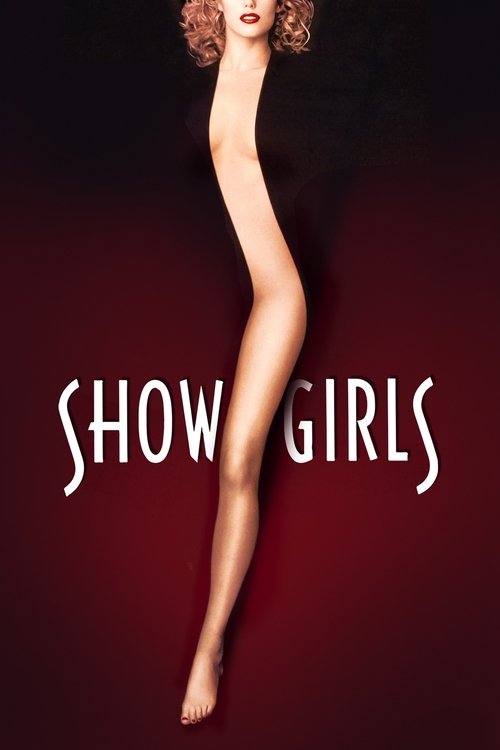
And like “Showgirls," which was also directed by a foreigner in the U.S., Paul Verhoeven, it has a surface sheen that distracts from the dark humor underneath.
The early “Who’s she fucking?” barbs of the first meeting of models recall Paul Verhoeven’s Showgirls, but the film’s vision of the beauty industry is fierce.
Decades after 1967’s Valley of the Dolls and decades prior to 2016’s The Neon Demon, Dutch director Paul Verhoeven‘s Showgirls, the over-the-top tale of ill-gotten fame, busted dreams and the skeezy, grimy underbelly of Las Vegas, dragged its garish arse across screens across the world.
Perhaps the most apt cinematic point of comparison for The Neon Demon is Showgirls , Paul Verhoeven’s disgustingly glitzy satire of fame.
Elle — which is directed by returnee from Hollywood Paul Verhoeven (of Total Recall, Showgirls and, more recently, Black Book) — is essentially a startlingly enjoyable character study with an extraordinarily difficult starting point.

Elle — which is directed by returnee from Hollywood Paul Verhoeven (of Total Recall, Showgirls and, more recently, Black Book) — is essentially a startlingly enjoyable character study with an extraordinarily difficult starting point.
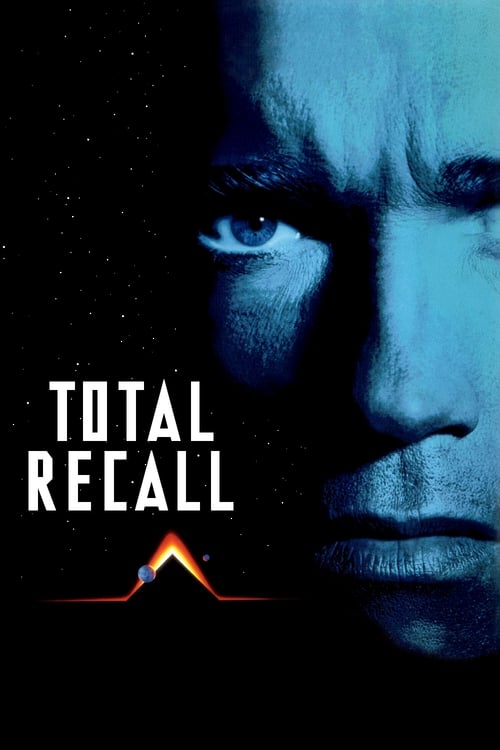
Elle — which is directed by returnee from Hollywood Paul Verhoeven (of Total Recall, Showgirls and, more recently, Black Book) — is essentially a startlingly enjoyable character study with an extraordinarily difficult starting point.

Similarly, and more offensively considering how seldom lesbianism is represented positively in the movies, Ruby is exposed not only as gay but also as a creature of depravity so deep she makes Basic Instinct look a bit tame.
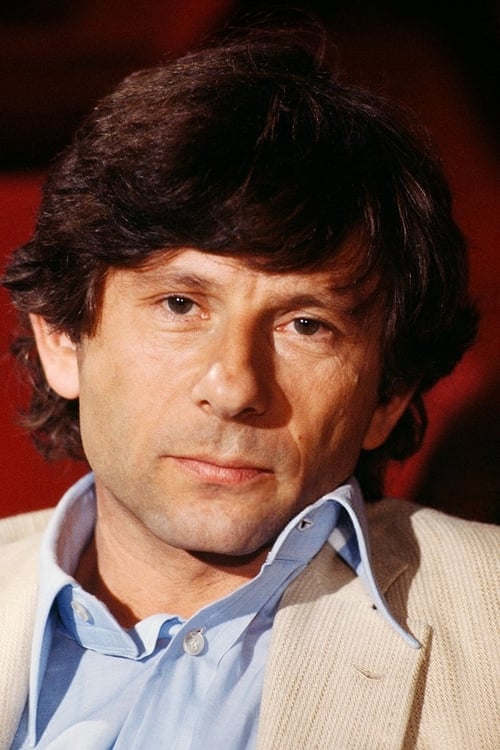
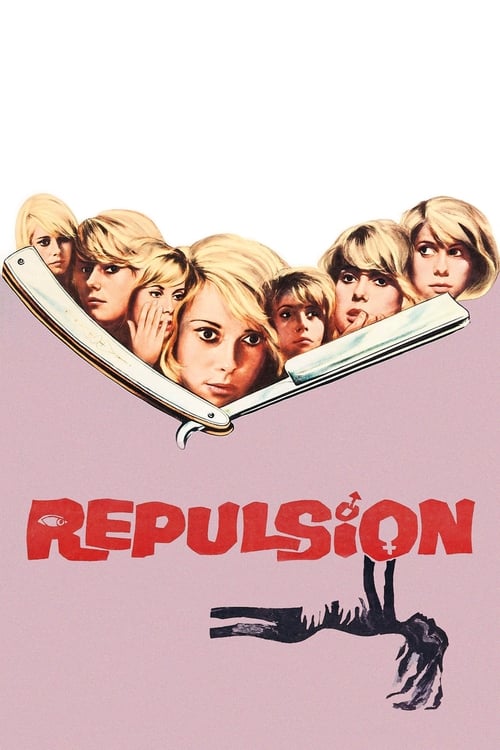
Cliff Martinez's score twinkles and purrs and lulls, and coupled with the star-is-born-tale, Jesse's vintage-inspired wardrobe, the aggressively colorful visual design, and the dry, wry campiness, "The Neon Demon" feels like a 1970s cult flick, inspired by the female-driven horrors of Dario Argento's "Suspiria," or Roman Polanski's sexual-psychological doozy "Repulsion," starring Catherine Deneuve.
Among The Neon Demon’s clear points of reference are Walerian Borowczyk’s Immoral Tales (1974), likewise steeped in the legend of Countess Elizabeth Báthory, and Roman Polanski’s Repulsion (1965), from which Refn cribs the image of hands emerging from the walls of a claustrophobic chamber to menace a panicked virgin, here Jesse in her Pasadena motel room, a riot of loud, clashing patterns lorded over by manager Keanu Reeves.
But at the end of the day, she, like the film, is relegated in a third act plunge toward horror that it is easy to imagine is meant for the same catalogue as Polanski’s earliest chillers, like Rosemary’s Baby and especially Repulsion.
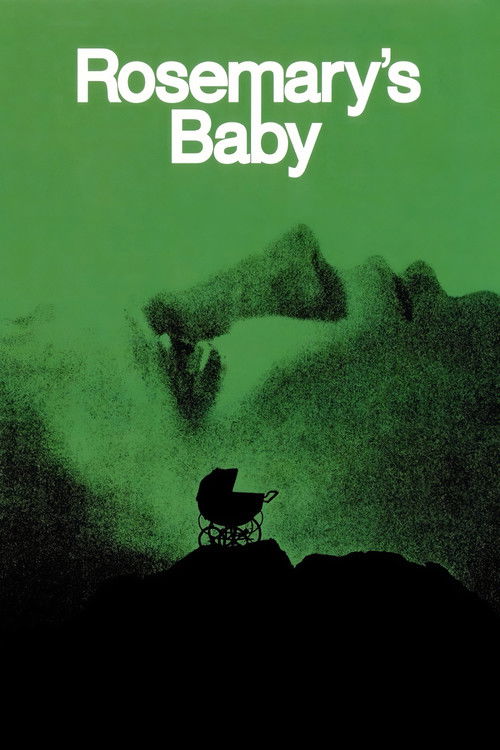
But at the end of the day, she, like the film, is relegated in a third act plunge toward horror that it is easy to imagine is meant for the same catalogue as Polanski’s earliest chillers, like Rosemary’s Baby and especially Repulsion.
Advertisement

The closest Refn comes to self-awareness is when he has Keanu Reeves, playing a sleazebag motel owner, recreate a scene straight out of Russ Meyer's cult classic Beyond the Valley of the Dolls, sneaking into a sleeping girl's bedroom and sliding a weapon between her parted lips.
Refn had his Neon Demon stars watch Russ Meyer’s infamous rock-star psychodrama Beyond The Valley Of The Dolls for inspiration, and that's no particular surprise: Neon Demon is lurid, lush, and overripe in the same sort of way, with a vulgar vapidity that's baffling and hypnotic at the same time.
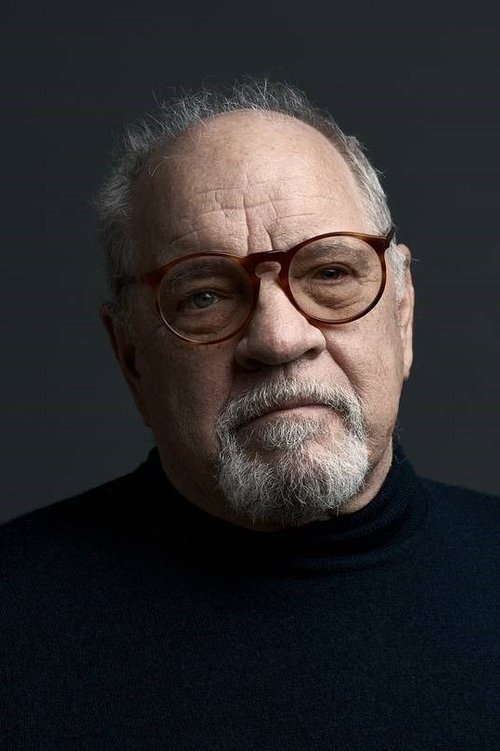
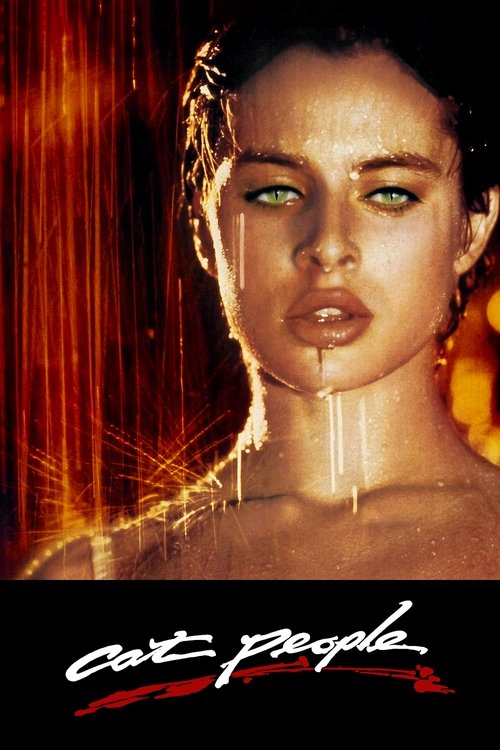
SoCal Satanism, glam trappings, and messianic pathology can recall Kenneth Anger and Curtis Harrington, while in his gesamtkunstwerk ambitions, at least, the filmmaker Refn most resembles is Paul Schrader, particularly in the period of American Gigolo (1980) and Cat People (1982), the latter evoked when a mountain lion makes a cameo in Jesse’s room, the former in everything but the breakthrough of spiritual succor, which has no place in Refn’s nihilistic fable.
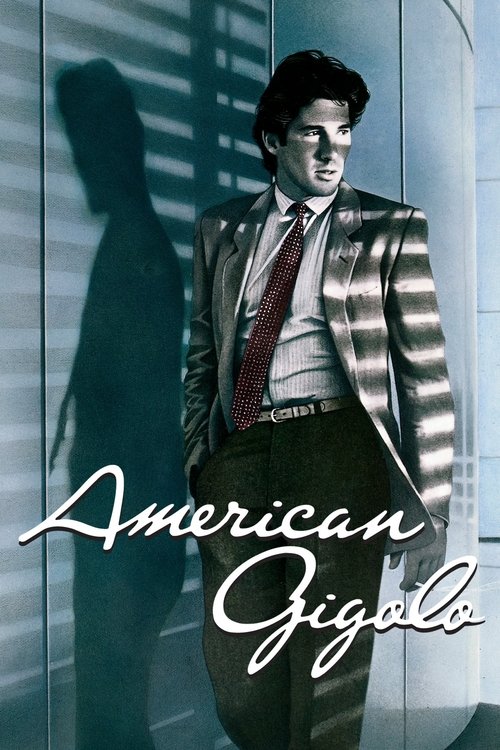
SoCal Satanism, glam trappings, and messianic pathology can recall Kenneth Anger and Curtis Harrington, while in his gesamtkunstwerk ambitions, at least, the filmmaker Refn most resembles is Paul Schrader, particularly in the period of American Gigolo (1980) and Cat People (1982), the latter evoked when a mountain lion makes a cameo in Jesse’s room, the former in everything but the breakthrough of spiritual succor, which has no place in Refn’s nihilistic fable.
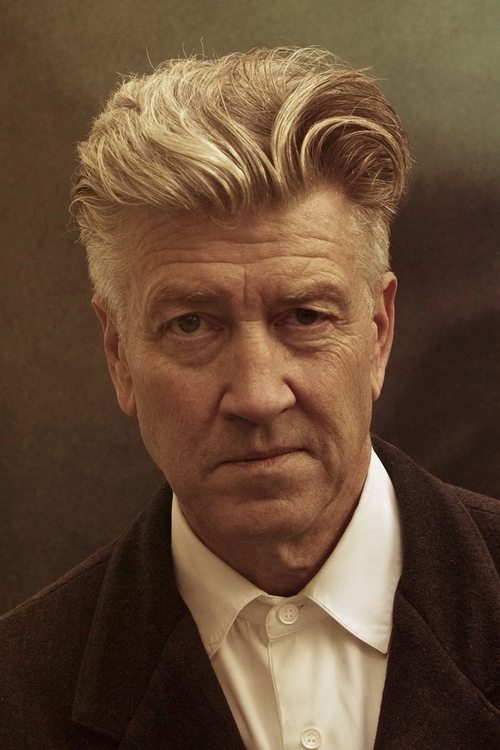
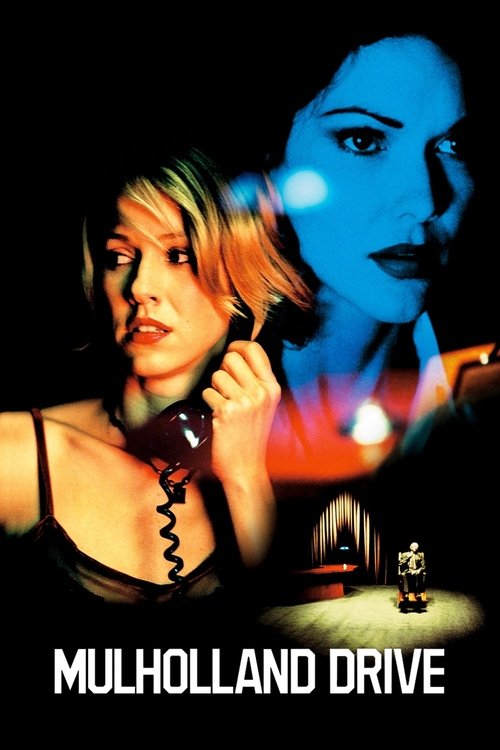
While Refn crafts occasionally crisp and dazzling images, he can’t compare to the work of David Lynch in “Mulholland Drive,” imbuing them with a voluptuous peculiarity that truly unsettles.
Much of the film is as potent an elixir as the “Drive” auteur has mixed to date, marrying sensual visuals to a dreamlike Tinseltown yarn (the film borrows heavily from David Lynch’s “Mulholland Drive”).
Nicolas Winding Refn's new film is as if "2000 Maniacs" moved to "Mulholland Drive," took some acid, and decided to completely reboot "Suspiria."
Con la influencia del estilo visual expresionista de Dario Argento en Suspiria (1977); los guiños a las atmósferas surrealistas y enigmáticas de David Lynch en Mulholland Drive (2001) e Inland Empire (2006); y las referencias al body-horror temprano de David Cronenberg en Rabid (1977) y The Brood (1979), Nicolas Winding Refn (NWR, como una marca de alta costura) configura un thriller de horror a partir de una premisa bastante clara: el mundo de la moda funciona como un mecanismo perfecto que se devora a sí mismo para renovarse y continuar; es un proceso de regeneración cíclica.
The film offers a similar story to that told in David Lynch’s Mulholland Drive and David Cronenberg’s Maps To The Stars.
As well as skimming off Argento, Mario Bava and Walerian Borowczyk, it’s a film that seemingly teems with a vast array of influences — Cat People, Heathers, Black Swan and Mulholland Drive come to mind— yet still feels like it it can only come from Refn.

Con la influencia del estilo visual expresionista de Dario Argento en Suspiria (1977); los guiños a las atmósferas surrealistas y enigmáticas de David Lynch en Mulholland Drive (2001) e Inland Empire (2006); y las referencias al body-horror temprano de David Cronenberg en Rabid (1977) y The Brood (1979), Nicolas Winding Refn (NWR, como una marca de alta costura) configura un thriller de horror a partir de una premisa bastante clara: el mundo de la moda funciona como un mecanismo perfecto que se devora a sí mismo para renovarse y continuar; es un proceso de regeneración cíclica.
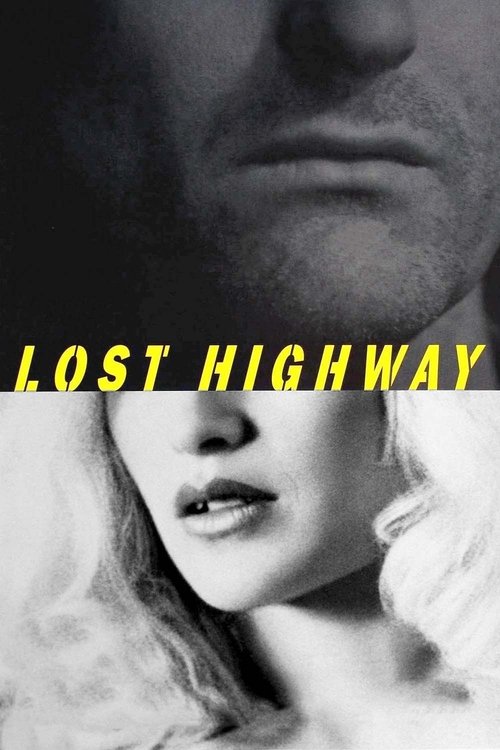
The presence of Reeves is a silly stunt compared to the dense, allusive thicket of allusions that is the Lost Highway cast list.
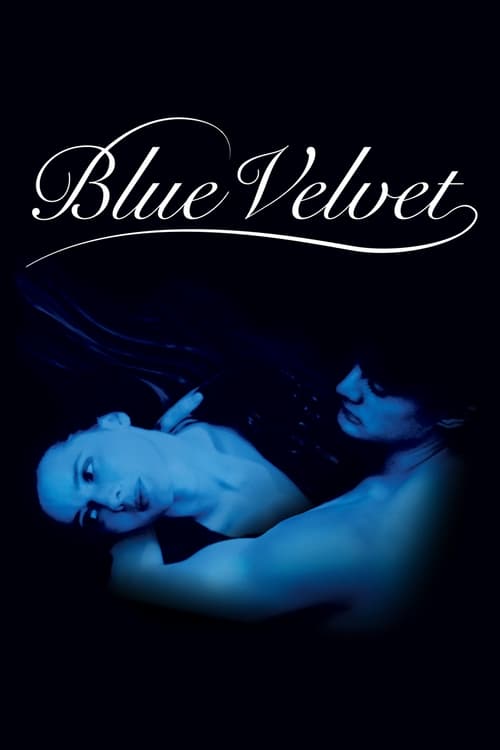
More Blue Polyester than Blue Velvet.
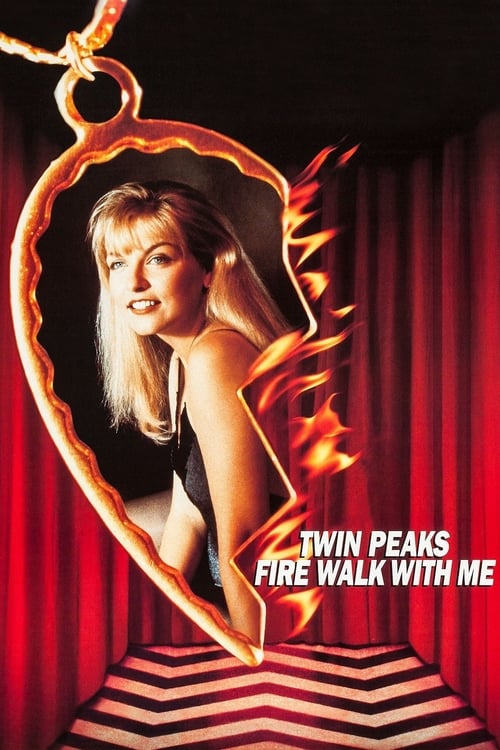
Beauty mingles with mangled flesh, and each fastidiously slick image seems to have come out of “Twin Peaks: Fire Walk with Me” or “The Shining” or a very sick version of a Calvin Klein commercial.
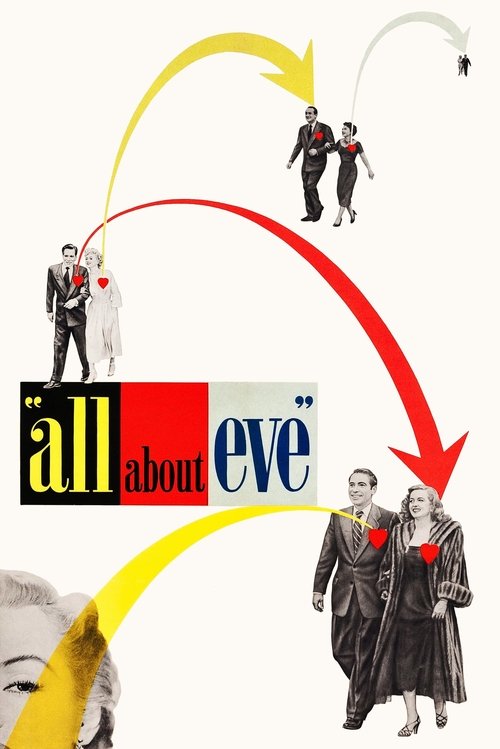
Think "A Star Is Born" meets "All About Eve" and "The Valley of the Dolls" – except in this case, all the girls want to be models, not actresses.
Danish auteur Nicolas Winding Refn tosses “All About Eve” into the blender with alluring moodiness and bloody malice in this rapturous, sometimes ingeniously inane, tale of superficial nihilism and the obsessive pursuit of perfection.
The film’s most enigmatic image — a symbol consisting of three triangles on an otherwise black screen — may remind you of another shot of Jesse admiring herself in a three-way mirror, which in turn may take you all the way back to “All About Eve.”
Refn, working with playwrights Mary Laws and Polly Stenham to build the script from his story treatment, moves through a familiar string of plot points transposed from All About Eve and a host of newcomer starlet narratives.
Enduring as “All About Eve” has proven with its musings on stardom, there’s nothing about the jealousy-fueled ruthlessness on display that flat-out makes us gasp.
Perhaps they've seen All About Eve or Showgirls , and have figured out how these things usually end.
Advertisement

There are markers of comparison along the way?Natasha Braier's (2014's " The Rover ") intoxicating cinematography and saturated color scheme remind of Terrence Malick by way of Dario Argento's 1977 masterpiece " Suspiria ," while the portrayal of Hollywood's soul-devouring politics is not unlike 2014's " Starry Eyes "?but these are superficial at best once the trailblazing Refn has his way with the material.
Secuencia tras secuencia, Refn y la cinefotógrafa argentina, Natasha Braier (La teta asustada, 2009; The Rover, 2014), encierran a los personajes en una especie de penumbra habitada por los sonidos electrónicos, ensordecedores y sublimes de Cliff Martinez, y las luces de neón.
But cinematographer Natasha Braier's ("The Rover") camera pulls back to reveal amateur photographer Dean (Karl Glusman, "Stonewall") snapping away.
Natasha Braier, who most recently shot The Rover , favours locked off shots and frames-within-frames, but it all amounts to very little in terms of a consistent aesthetic; what stands out are singular, disparate shots.
Beauty mingles with mangled flesh, and each fastidiously slick image seems to have come out of “Twin Peaks: Fire Walk with Me” or “The Shining” or a very sick version of a Calvin Klein commercial.
The shade, as noted by a sharp-eyed makeup artist (Jena Malone) who has befriended Jesse, is called Red Rum, in an evocation of “ The Shining .”
The set-up is noir by way of Lynch, while, like seemingly every filmmaker of large-scale ambition today, Refn has a Kubrick hang-up, manifest here in a variety of ways: Glusman first appears in the well-known glowering, lowered-brow pose, and the use of a lipstick color called “Red Rum” to write on the surface of a mirror as well as a peculiar variation on the elevator gush both register as nods to The Shining.
Highlights include various types of rape, the most creative of which involves the coerced blow job of a knife; a sequence in which Ruby lies in child-giving position and the camera slowly tracks towards her loins as they expel a torrent of blood à la The Shining’s elevators; and another that intercuts between Jesse masturbating and Ruby molesting a model’s naked corpse.
Copenhagen-born professional provocateur Nicolas Winding Refn’s latest owes something to his similarly LA-set Drive (as well as other listed influences like Un Chien Andalou , Lolita , Valley Of The Dolls , The Texas Chain Saw Massacre and The Shining ), and yet this is a far more flawed and infuriating effort.
The Neon Demon often feels like a hybrid of A Clockwork Orange and Beyond the Black Rainbow, infused—especially during its home stretch—with the biting sense of humor (and symbolic triangle-centric imagery) of the former and the out-there spaciness of the latter.
At a party that looks like a Gaspar Noé remake of Kubrick’s Eyes Wide Shut , Jesse is seduced by the image of a bondaged woman levitating; later, on the catwalk, she passes through the looking glass into a narcissistic underworld, prophetically protesting: “I’m not as helpless as I look.”