
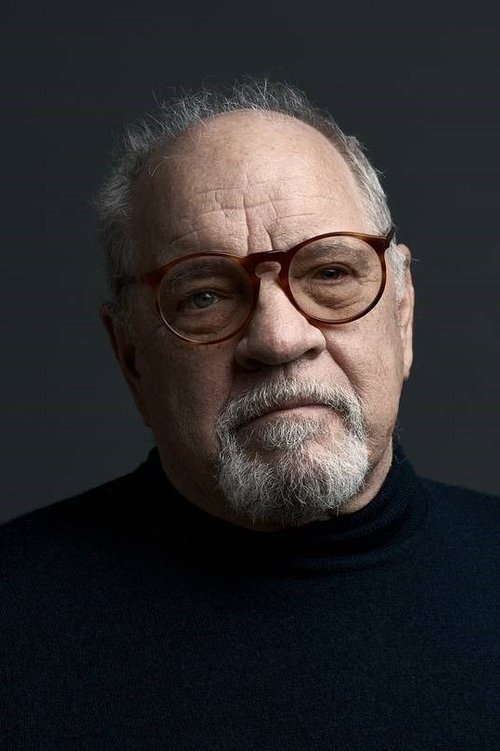
Paul Schrader
47 connections found
Filmography
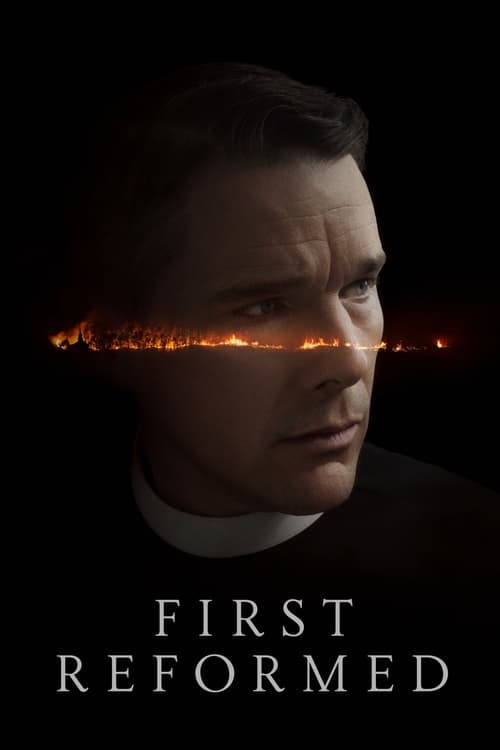 First Reformed 2018
 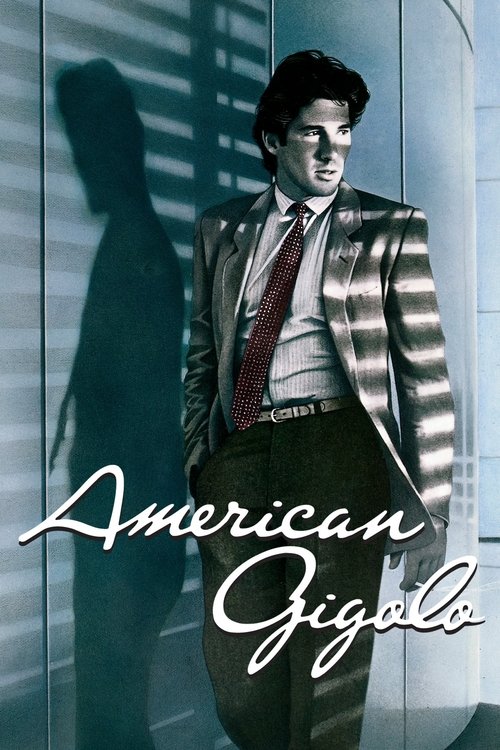 American Gigolo 1980
 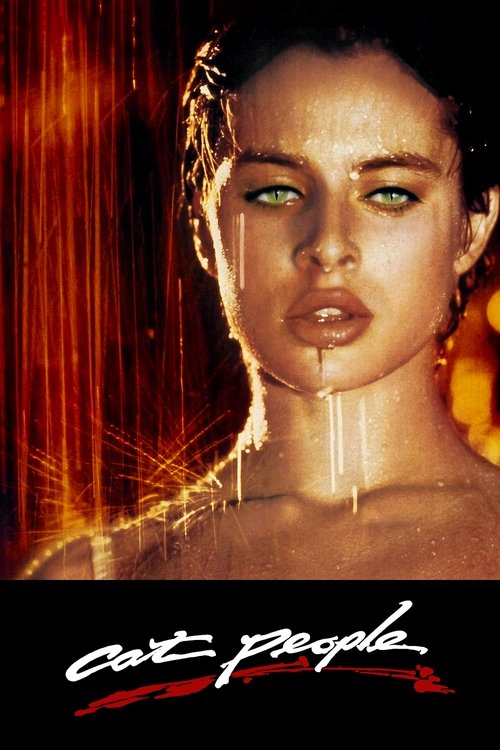 Cat People 1982
  Light Sleeper 1992
  Hardcore 1979
  Auto Focus 2002
  Adam Resurrected 2008
  Dominion: Prequel to The Exorcist 2005
 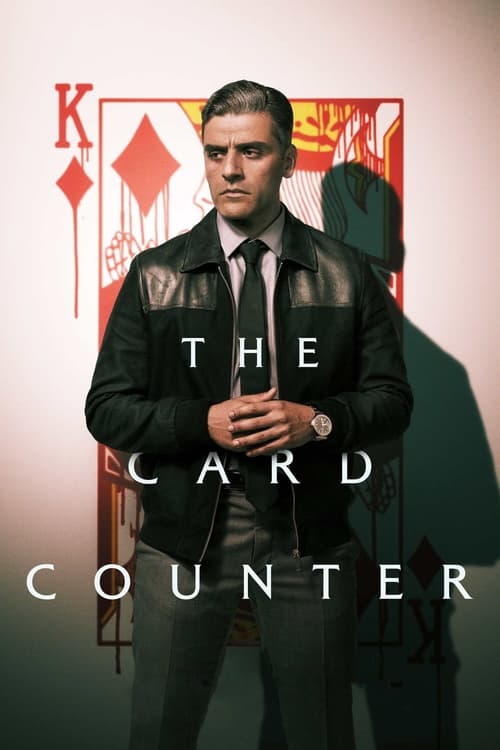 The Card Counter 2021
 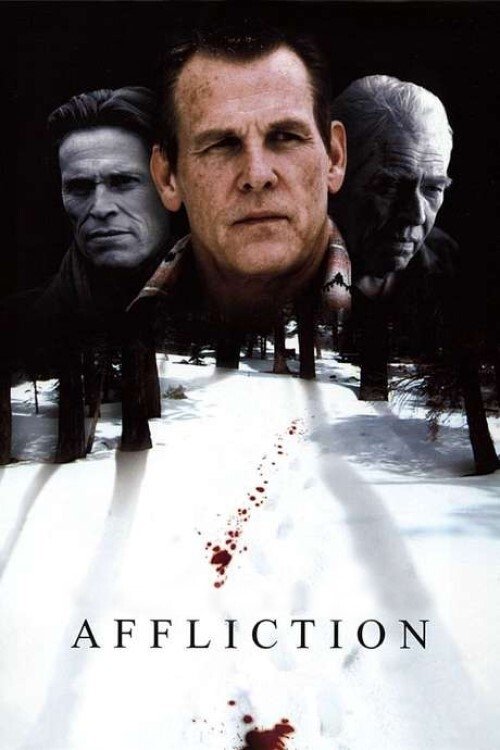 Affliction 1998
 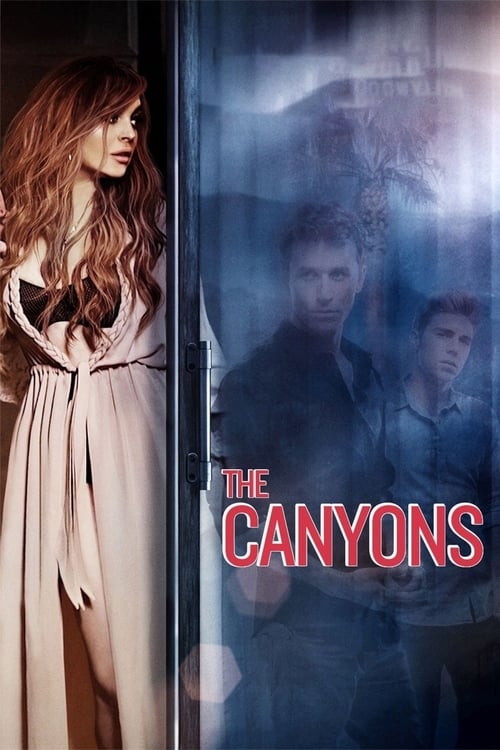 The Canyons 2013
  Dog Eat Dog 2016
  Blue Collar 1978
  Patty Hearst 1988
 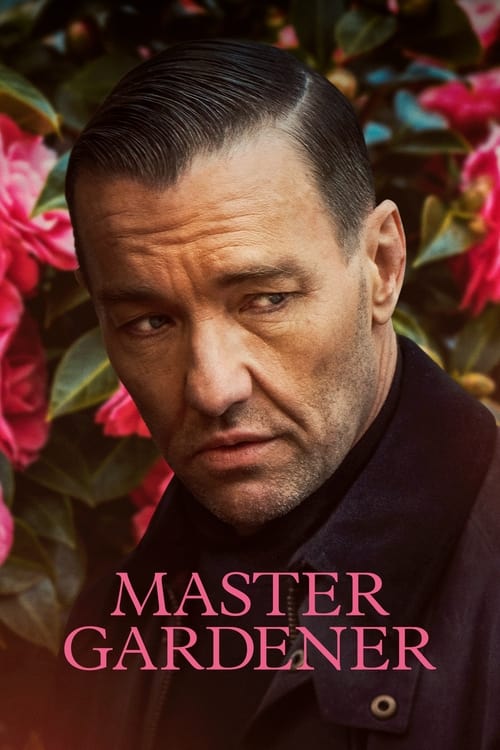 Master Gardener 2023
  Oh, Canada 2024
 View:
Connections, in both directions



“X” is threaded with blithe references to key films — a car in a swamp like the one in “Psycho,” an ax through a door like the one that kicks off Jack Nicholson’s rampage in “The Shining,” an alligator borrowed from “Alligator” (ingeniously shot from high above in one jittery sequence), an ending that nods to the premise of Paul Schrader’s “Hardcore” (which came out in 1979).
While X points most overtly to the slasher classic The Texas Chain Saw Massacre – along with sly references to everything from The Shining to Paul Schrader’s Hardcore – what West offers up is more winking tribute than carbon copy.
…or Paul Schrader’s Hardcore…
George C. Scott’s 1979 “Hardcore” is a major influence here as well.
…pays tribute to Cruising and Hardcore…
However, the mysterious atmosphere feels tonally indebted to crime thrillers such as Roman Polanski’s Chinatown and Paul Schrader’s Hardcore (1979).
…though with an ironised hint of Paul Schrader’s Hardcore from 1979…
West, a talented, ideas-driven film-maker, makes merry with contemporaneous tropes, yet falls well short of the substance or sleaze that defined Cruising, Hardcore, or the other films referenced throughout.
Naturally, all of this is shot through a pungent fuchsia filter and riddled with so many pop-up graphics that it almost feels like a direct homage to “Natural Born Killers” or any of the other queasy, hyper-active crime stories that blew through the mid-’90s like a heatwave.
The opening sequence has the mad, hallucinogenic look of a bonus scene from "Natural Born Killers."
The scene is played for sicko laughs, with some of the garish instability of that Rodney Dangerfield sequence in Natural Born Killers and a similar, scattergun approach to social satire.
From the opening scene, which is reminiscent of Natural Born Killers in its delirious violence, this is a film that hurtles forward with a manic, unflagging energy and a complete disregard for the rules of storytelling or good taste.
Had the experiment worked, “ Dog Eat Dog ” might have been the next “Natural Born Killers” — a cracked-out postmodern romp whose delinquent antiheroes see themselves as the stars of the ultimate bandits-on-the-run movie.
Sometimes it looks like outtakes from a “Natural Born Killers” ripoff that never happened.
Taxi Driver (1976)
Directed by Martin Scorsese
influenced First Reformed (2018), Cat People (1982)
Themes
While First Reformed is a wrenching movie, it’s never gratuitous, and it marks an incredible return to form for an artist still best known for his screenplays for Taxi Driver and Raging Bull.
At last, one of the living American greats (writer of Taxi Driver, co-writer of Raging Bull, director of Hardcore and Affliction) has returned to dissect The Ways We’re Going Mad Today, in a preacher drama so dead serious — so rigorously hair-shirted — that you might guess ahead of time that it’s shot in the boxy, old-fashioned Academy ratio.
‘Diary of a Country Priest’ meets ‘Taxi Driver’ in Paul Schrader’s brilliant, disturbing film starring Ethan Hawke as a troubled pastor trying to serve a seemingly distant God in an indifferent world.
As the screenwriter of Taxi Driver, Raging Bull and The Mosquito Coast—and the writer-director of Hardcore, American Gigolo, and Affliction—Schrader has examined the despairing male illusions of power and control in a cold, indifferent universe, the blind alley of faith, and the violent lashing out that accompanies realization.
This is obviously the foundation of the unimpeachable Taxi Driver, but it also runs through his writer/director films Hardcore, Light Sleeper, and to a lesser extent American Gigolo.
As the screenwriter of Taxi Driver, Raging Bull, and The Last Temptation Of Christ, Schrader is one of cinema’s preeminent poets of sin, guilt, and redemption, an uncompromising figure with a pronounced indifference (or even outright hostility) toward commercial concerns.
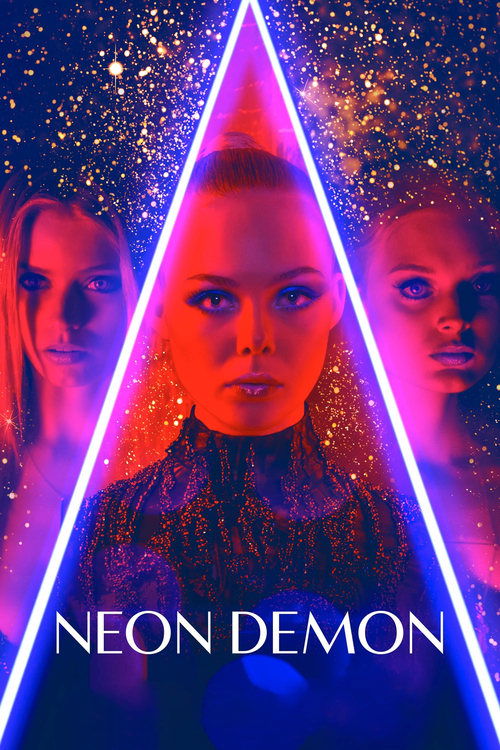
The Neon Demon (2016)
Directed by Nicolas Winding Refn
influenced by Cat People (1982), American Gigolo (1980)
Themes
SoCal Satanism, glam trappings, and messianic pathology can recall Kenneth Anger and Curtis Harrington, while in his gesamtkunstwerk ambitions, at least, the filmmaker Refn most resembles is Paul Schrader, particularly in the period of American Gigolo (1980) and Cat People (1982), the latter evoked when a mountain lion makes a cameo in Jesse’s room, the former in everything but the breakthrough of spiritual succor, which has no place in Refn’s nihilistic fable.
SoCal Satanism, glam trappings, and messianic pathology can recall Kenneth Anger and Curtis Harrington, while in his gesamtkunstwerk ambitions, at least, the filmmaker Refn most resembles is Paul Schrader, particularly in the period of American Gigolo (1980) and Cat People (1982), the latter evoked when a mountain lion makes a cameo in Jesse’s room, the former in everything but the breakthrough of spiritual succor, which has no place in Refn’s nihilistic fable.

And during the final act of Quentin Tarantino's wildly unpredictable World War II epic, "Inglourious Basterds," you'll hear David Bowie's 1982 theme song to "Cat People."
And any man who can worm in David Bowie’s theme song for the 1982 film “Cat People” into a World War II picture instantly wins my heart.
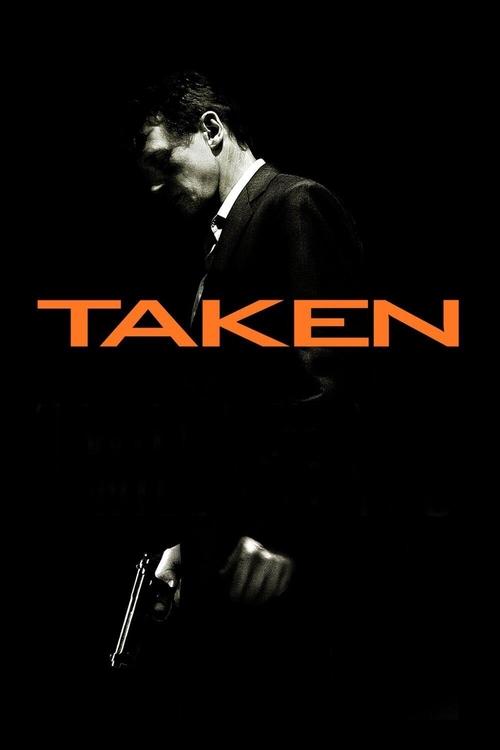
Moving from the theme of vigilante dad ( Death Wish) , to the strategies of slave traders who traffic girls into prostitution on Internet auctions ( Trade ), to the tragic spectacle of a scrupulous outsider who slides down the sinkhole of an alternate underworld universe of crime, decadence and perversion (Paul Schrader’s Hardcore ), this hack job has not a shred of originality.
In the propulsively outlandish thriller Taken (it's like Paul Schrader's 1979 Hardcore with no brain and more muscle), Liam Neeson plays a retired CIA agent out to find his daughter, who has been abducted by an Albanian sex trafficker.
Neeson's readiness for worst-case scenariosand screenwriters Luc Besson and Robert Mark Kamen's proficiency in queuing them upfuels the high-octane lunacy of Taken, which is a little like Paul Schrader's Hardcore retooled as a Steven Seagal vehicle.
Take the Parisian American kidnapping plot of Roman Polanski's "Frantic" and cross with the father-spiralling-into-the repulsive-world-of-the-porn-industry of Paul Schrader's "Hardcore" then add a dash of "Bodyguard" and Luc Besson's penchant for carrying things way over the top and you've got "Taken," a film that impresses if for nothing else but the way it compelling turns the fifty-six Liam Neeson into an action star.
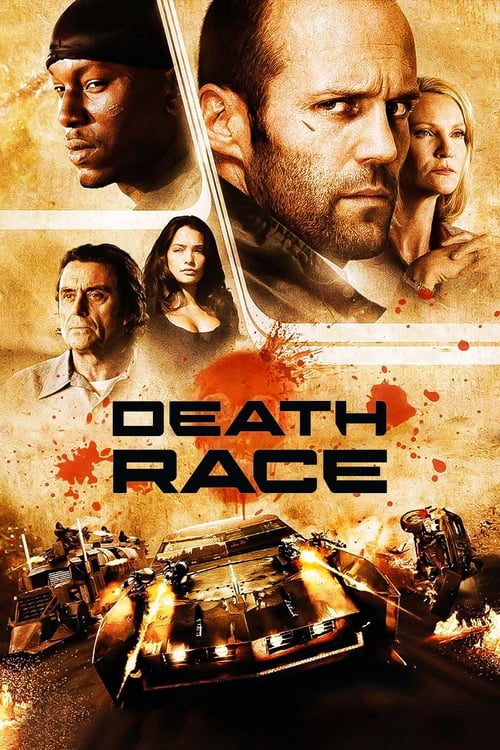
In an opening reminiscent of Paul Schrader’s Blue Collar in its focus on the intricacies of skilled manual labor, Ames emerges from a dying steel plant on its last day of operation to a minimal pay packet.
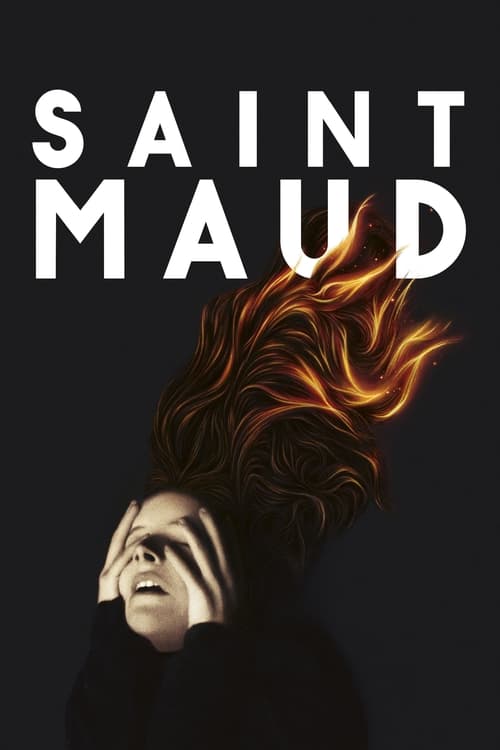
In another vision, Glass stages a moment of levitation that’s at once awful and ecstatic, its own transcendental triumph while also recalling similar sequences in Andrei Tarkovsky’s The Sacrifice and Paul Schrader’s First Reformed.
Instead, Glass’ thriller is spiritually rigorous, to the point where it is almost like a sequel to Paul Schrader’s towering masterpiece First Reformed .
Comparisons will made to Taxi Driver (1976) and First Reformed (2017) in the way characters start placing themselves in the savior role when one isn’t called for.
While those films contained elements of horror, Maud is more in tune with Ethan Hawke’s minister in Paul Schrader’s “First Reformed” or the priests in Martin Scorsese’s “Silence,” who are of a reasoned belief that leads them to horrific, or at least melodramatic, extremes.
Saint Maud , the impressive and thoroughly unnerving debut feature from British writer-director Rose Glass, is attuned to the agony and ecstasy of faith to a degree not seen since Paul Schrader’s First Reformed (2017).
And Clark’s performance, however vulnerable, lacks the fire in the belly that made Ethan Hawke’s similarly troubled believer so powerful in Schrader’s First Reformed .
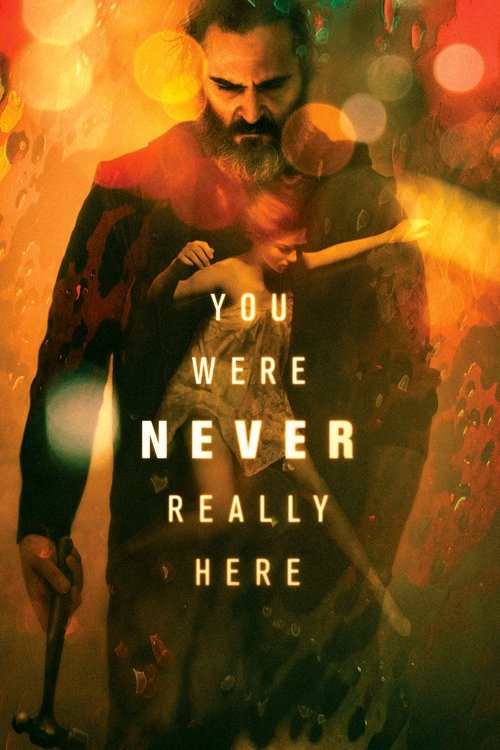
You Were Never Really Here (2017)
Directed by Lynne Ramsay
influenced by Hardcore (1979)
Themes Plot
The collision of sex trafficking and politics spells do-or-die stakes for all involved, and Joe’s maddening underworld descent into the very worst of human nature, where violence is the only language that matters, recalls Paul Schrader’s scripts for Taxi Driver and Hardcore.
An angry recluse intent on rescuing a preyed-upon girl from the bowels of sexual-exploitation Manhattan hell—it’s a traditional set-up, part Scorsese’s aforementioned 1976 classic, part Paul Schrader’s 1979 descent-into-porno-depravity, Hardcore.
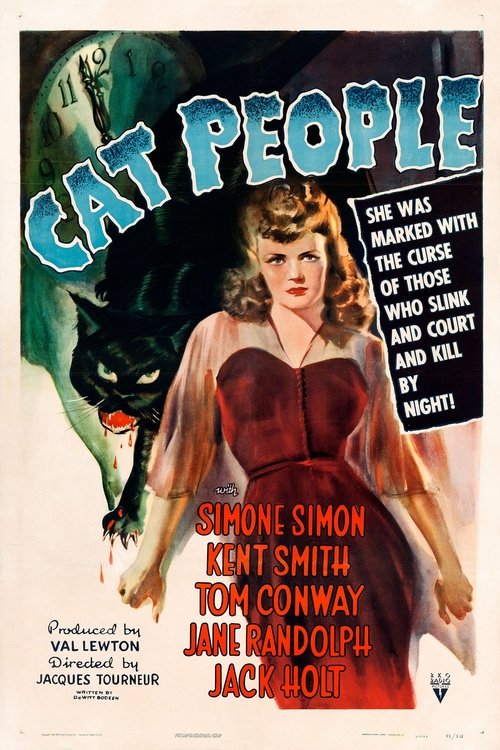
CAT PEOPLE, original screen play by DeWitt Bodeen; directed by Jack Tourneur; produced by Val Lewton for RKO Radio Pictures.
So let's jump right into the first, most famous, and by most accounts best of the lot, 1942's Cat People , written by first-time screenwriter DeWitt Bodeen, and directed by Jacques Tourneur.
Having established dark possibilities, "Cat People" gives us daylight scenes and chirpy supporting characters who don't realize they're skirting danger.
The ending of the film is quite different than the ending of the original 1942 version of "Cat People."
Cat People is based on a 1942 horror film, but it is distinguished by substance and subtlety, not shock value.
Jacques Tourneur's immortal 1942 original version of Cat People is a wonderful exercise in the macabre.
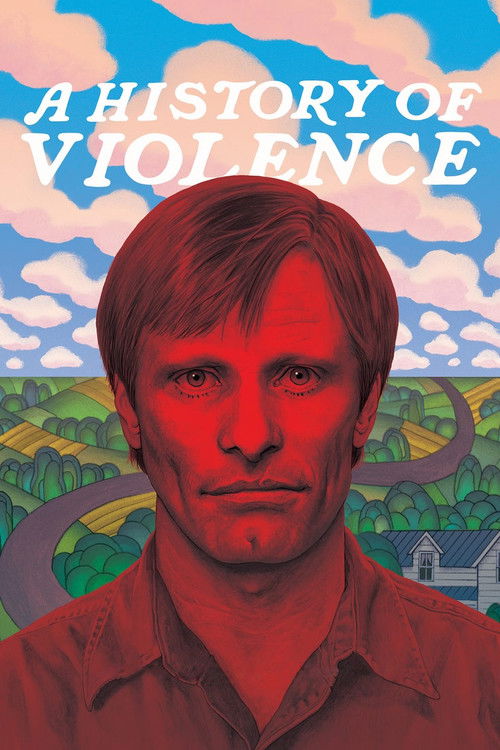
That Tom's teenage son Jack (Ashton Holmes) has pit-bull instincts - the scene in which he suddenly attacks the school bully is genuinely shocking - actually presses the argument further that violence might be genetic, a theme that transfused Paul Schrader's sombre father-and-son picture, Affliction.

Lovelace (2013)
Directed by Rob Epstein
influenced by Hardcore (1979), Auto Focus (2002)
Themes Visuals
Each gets a George C. Scott "Hardcore " moment of tearful teeth-gnashing at what's become of their daughter but also, refreshingly, at their role in her desperate spiral.
Watching "Lovelace," which takes great care not to push its luck sexually or otherwise, you get the feeling you may have had watching Paul Schrader's "Auto Focus" (about "Hogan's Heroes" star Bob Crane and his sad, swingin' sexual exploits).
Much less-artfully done than, say, Boogie Nights or Auto Focus (clearly, the directors [documentarians Rob Epstein and Jeffery Friedman] of Lovelace are no P.T. Anderson or Paul Schrader), the movie starts off with the seduction and winds up with the disenchantment.

Her grandfather, the Broadway and Hollywood legend Elia Kazan, directed A Streetcar Named Desire and On the Waterfront; her parents are screenwriters Robin Swicord (Little Women, Memoirs of a Geisha, The Curious Case of Benjamin Button) and Nicholas Kazan (Frances, Patty Hearst, Reversal of Fortune, Matilda).
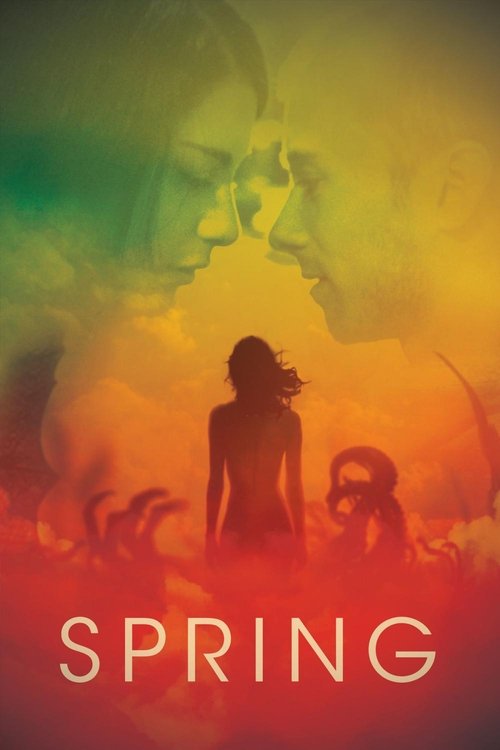
With hints of screwball comedy and stunning aerial camera-drone shots that would make even a blockbuster-budget movie proud, "Spring" is entirely successful in its mission, and an interesting successor to such can-this-relationship-be-saved predecessors as "Cat People" (1942), "Possession (1981) and "Let the Right One In" (2008); yet for this genre fan, it's final-act emphasis on romance over horror is a disappointment.
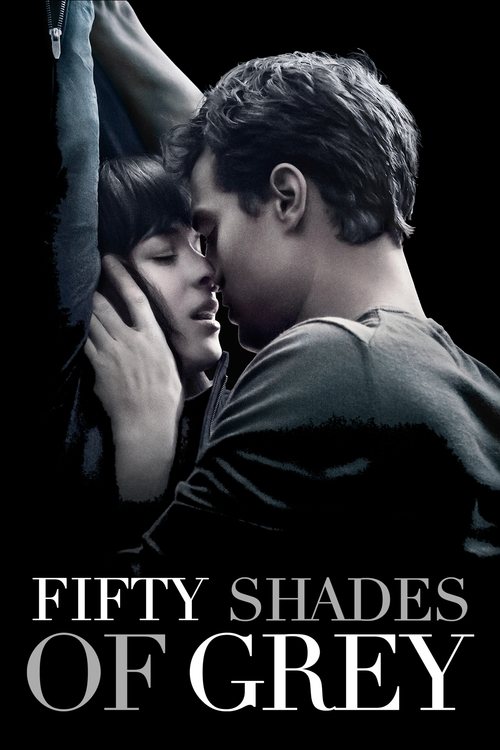
Fifty Shades of Grey (2015)
Directed by Sam Taylor-Johnson
influenced by American Gigolo (1980), Cat People (1982)
Themes
Despite citing Bertolucci’s Last Tango in Paris as a tonal touchstone, and nodding cheekily to American Gigolo/Psycho, the result smacks more of Adrian Lyne’s blandly naff 9½ Weeks, the S&M frankness of Barbet Schroeder’s Maîtresse usurped by the archaic softcore of Just Jaeckin’s The Story of O.
Further lulled by the movie’s redundant sound track (“I Put a Spell on You,” “Beast of Burden,” and so on), I remained alert by comparing Fifty Shades of Grey with some of its predecessors, R-rated movies that also prominently feature role-playing and/or its virginal protagonist tied spread-eagle to a bed like, to name just two titles from the same decade, Paul Schrader’s Cat People (1982) and Adrian Lyne’s 9 1/2 Weeks (1986).
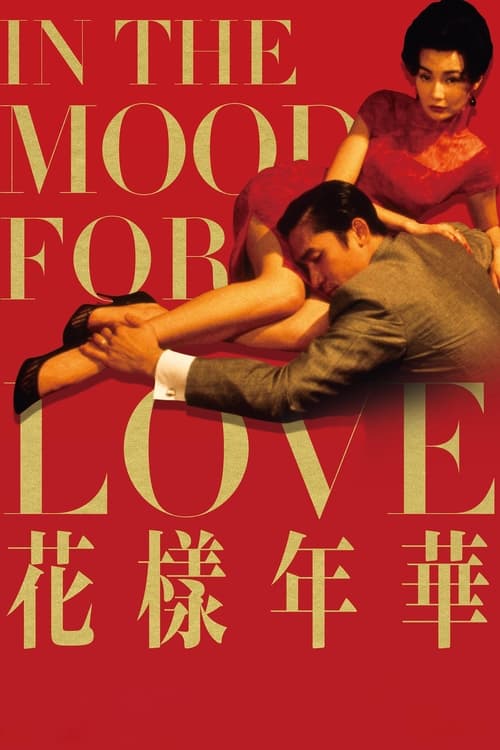
In the Mood for Love (2000)
Directed by Wong Kar-Wai
influenced by American Gigolo (1980)
Characters
He is a journalist with a selection of suits and ties that Richard Gere would have killed for in his "American Gigolo" days.
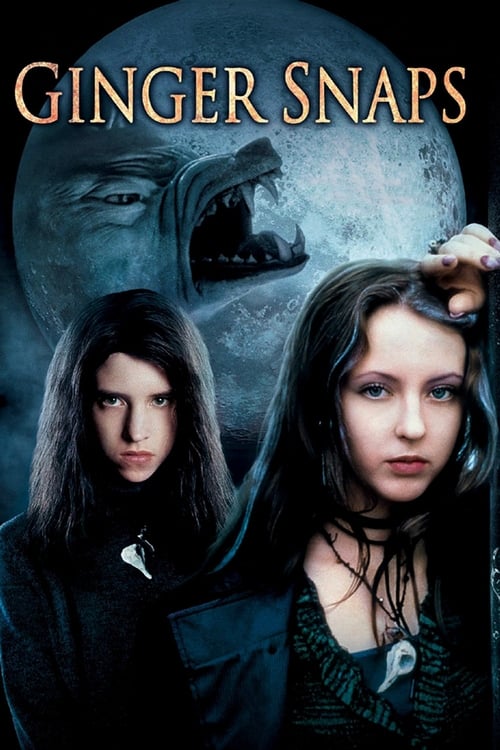
Ginger Snaps owes a great debt to horror traditions-not so much to George Waggner's original werewolf picture, The Wolf Man, as to director Jacques Tourneur's and producer Val Lewton's Cat People and especially the more-explicit Paul Schrader remake of that film.
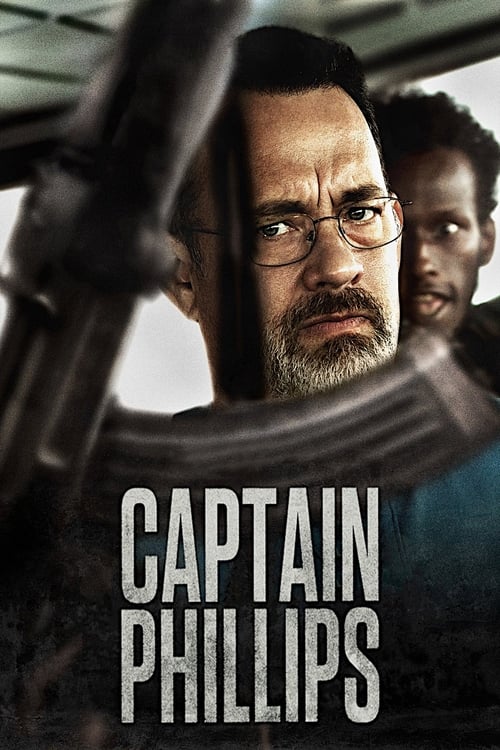
The ideal to aspire to here is Paul Schrader’s Patty Hearst, where, for a large chunk of the movie, we are as much in the dark as the title character.
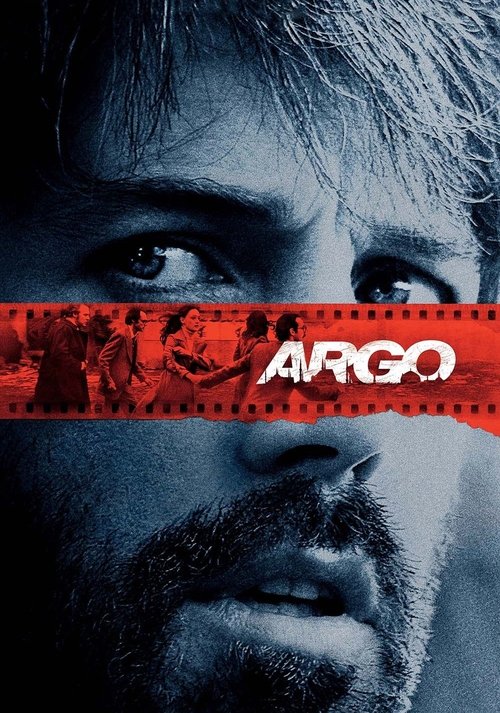
“Argo” offers another entry in the cinematic history of that crazy alternate political reality known as the 1970s, along with Olivier Assayas’s tremendous terrorist soap opera “Carlos,” Uli Edel’s Oscar-nominated “Baader Meinhof Complex” and Paul Schrader’s severely underrated “Patty Hearst.”