
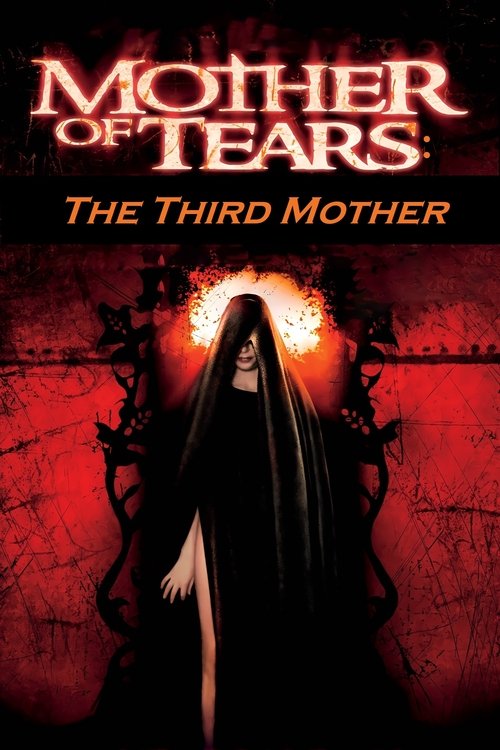
The Mother of Tears (2007)
Directed by Dario Argento
An ancient urn is found in a cemetery outside Rome. Once opened, it triggers a series of violent incidents: robberies, rapes and murders increase dramatically, while several mysterious, evil-looking young women coming from all over the world are gathering in the city. All these events are caused by the return of Mater Lacrimarum, the last of three powerful witches who have been spreading terror and death for centuries. Alone against an army of psychos and demons, Sarah Mandy, an art student who seems to have supernatural abilities of her own, is the only person left to prevent the Mother of Tears from destroying Rome.
18 connections found
View:
18 films that influenced The Mother of Tears
What critics say influenced The Mother of Tears

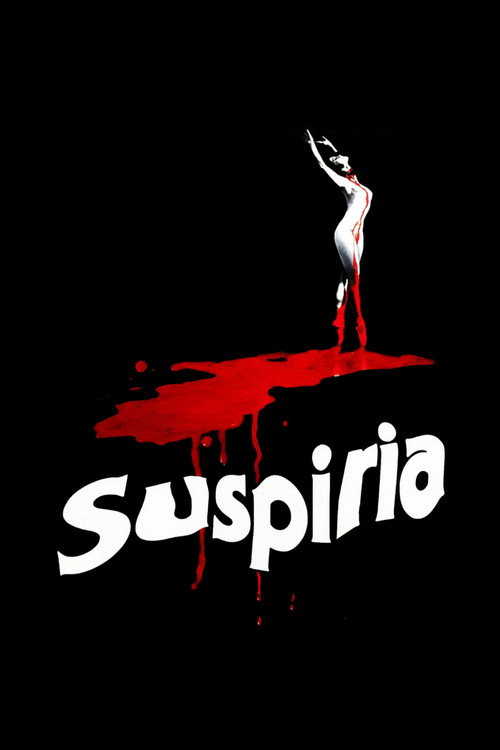


Although less so in the ineffective third, Mother of Tears/La terza madre , the trio rely on set-piece imagery, outré décor, lush reds and blues and discordant music with not much nod in the direction of continuity, coherence and acting.
(That it started out with any such grand scheme in mind is debatable, having more to do with the fact that it was Argento’s biggest success, especially in the U.S.) It would be followed by the even more loopy Inferno (which I actually prefer) in 1980 and finally completed in 2007 with the critically reviled Mother of Tears (which I haven’t seen).
The movie is billed as the completion of Argento's trilogy — the other two films are "Suspiria" (1977) and "Inferno" (1980) — and the distinction is important because only Argento fans hard-core enough to have seen and loved the first two films will be able to tolerate this bloodthirsty, aimless mess.
A follow-up to the genre classic Suspiria and the somewhat lamentable Inferno, Mother of Tears traces the exploits of a young scholar who, after unwittingly unleashing a long-hidden evil, discovers that she is the only one who can stop the malicious third mother, the final in a trio of witches that operate like the Three Fates, and represent an incarnation of chaos.
Dario Argento, who's best known for the horror classic "Suspiria" (1977), is a director who enjoys a cult following.
SAN FRANCISCO INTERNATIONAL FILM FESTIVAL: Dario Argento's Mother of Tears apparently completes a trilogy begun with Suspiria (1977) and Inferno (1980), but fans expecting anything along the lines of those classics had better give up now.
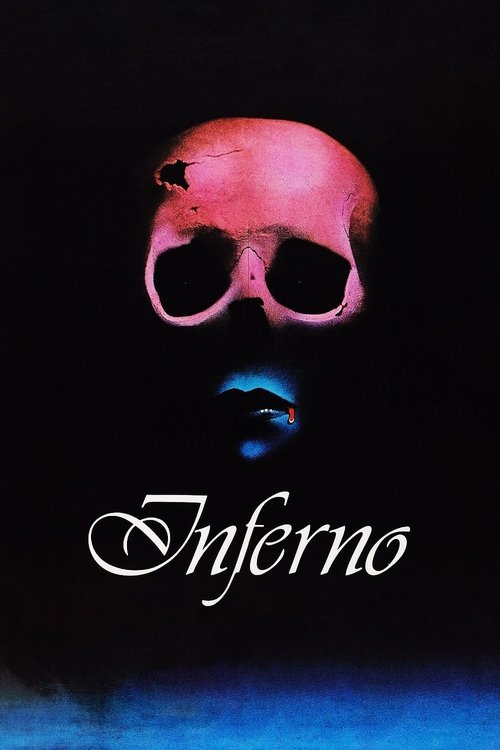
This passage seemingly explains the events that transpired in Suspiria —the witches at the Tanzakademie called on the strength of Helena Marcos in honor of Mater Suspiriorum—while setting up the events of Inferno and the yet to be produced Mother of Tears (which, according to Daria Nicolodi, has been ready to film since 1984).
Jump from Deep Red, past the balls-brilliant Suspiria , to Suspiria 's "sequel," Inferno, the second in a trilogy finally completed by 2007's Mother of Tears that seeks to document the influence of three witches on the world, gathering their power in a trio of cities: Freiberg, Germany in Suspiria ; Rome, Italy in Mother of Tears ; and New York in Inferno.
The movie is billed as the completion of Argento's trilogy — the other two films are "Suspiria" (1977) and "Inferno" (1980) — and the distinction is important because only Argento fans hard-core enough to have seen and loved the first two films will be able to tolerate this bloodthirsty, aimless mess.
A follow-up to the genre classic Suspiria and the somewhat lamentable Inferno, Mother of Tears traces the exploits of a young scholar who, after unwittingly unleashing a long-hidden evil, discovers that she is the only one who can stop the malicious third mother, the final in a trio of witches that operate like the Three Fates, and represent an incarnation of chaos.
SAN FRANCISCO INTERNATIONAL FILM FESTIVAL: Dario Argento's Mother of Tears apparently completes a trilogy begun with Suspiria (1977) and Inferno (1980), but fans expecting anything along the lines of those classics had better give up now.
The other two witches gave up the ghost in the previous pictures in this "trilogy": At one point a character makes a reference to a "dancer named Suzy Bannion," the witch-killer played by Jessica Harper in Argento's 1977 Beaux-Arts head trip "Suspiria"; the second mother bit the dust in Argento's 1980 "Inferno."
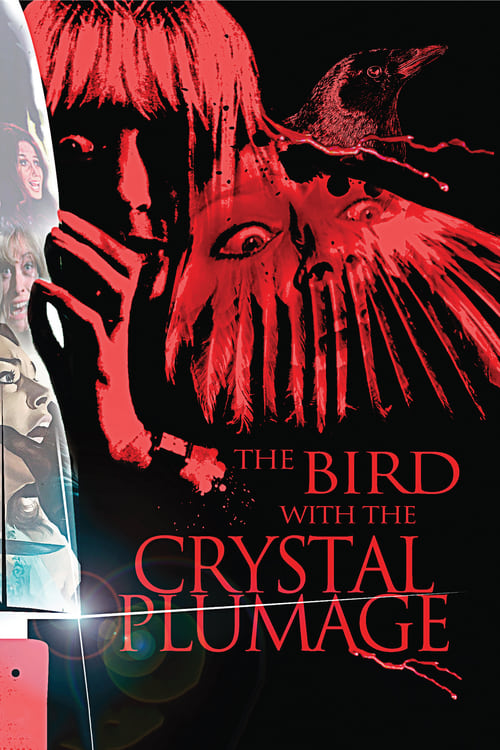
His first slasher films -- "The Bird With the Crystal Plumage," "Four Flies on Grey Velvet" -- revolutionized the Italian "giallo" genre with intricate tracking shots and over-the-top gore.
SCREENED AT THE 2008 SAN FRANCISCO INTERNATIONAL FILM FESTIVAL: In the second scene of Dario Argento�s ("The Stendhal Syndrome," "Trauma," "Opera," "Phenomena," "Tenebrae," "Inferno," "Suspiria," "Deep Red," "The Bird with the Crystal Plumage") third film in his �Three Mothers� trilogy ("Suspiria" and "Inferno" were the first and second, respectively), "Mother of Tears: The Third Mother," hooded figures attack a woman, stab her in the mouth, slash her stomach, and strangle her with her own intestines while a malevolent monkey screeches nearby.
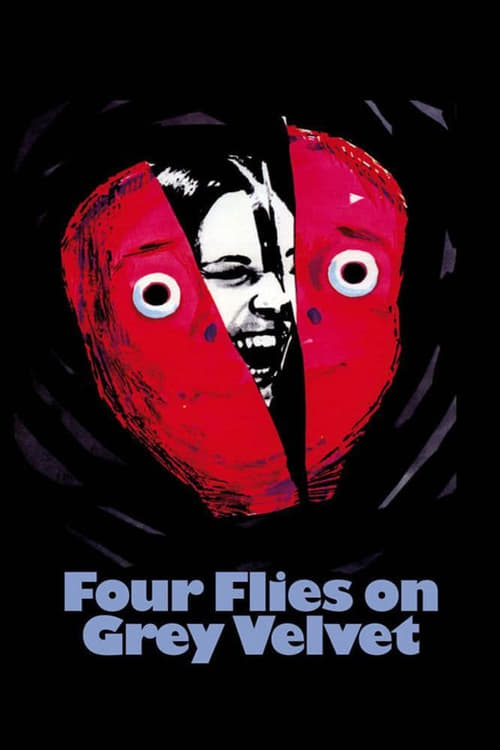
That's setting the bar too high: Although "Mother of Tears" is of a piece with other Argento films, particularly in its use of elaborate set pieces, it's not nearly as stylish, fanciful or elegant as the movies Argento made in his glory days, the '70s and '80s, like "Bird With the Crystal Plumage" and "Four Flies on Grey Velvet."
His first slasher films -- "The Bird With the Crystal Plumage," "Four Flies on Grey Velvet" -- revolutionized the Italian "giallo" genre with intricate tracking shots and over-the-top gore.
SCREENED AT THE 2008 SAN FRANCISCO INTERNATIONAL FILM FESTIVAL: In the second scene of Dario Argento�s ("The Stendhal Syndrome," "Trauma," "Opera," "Phenomena," "Tenebrae," "Inferno," "Suspiria," "Deep Red," "The Bird with the Crystal Plumage") third film in his �Three Mothers� trilogy ("Suspiria" and "Inferno" were the first and second, respectively), "Mother of Tears: The Third Mother," hooded figures attack a woman, stab her in the mouth, slash her stomach, and strangle her with her own intestines while a malevolent monkey screeches nearby.
As time went by, the idea that the story of the Third Mother would ever see the light of day grew increasingly remote, especially as Argento's reputation took a hefty fall in the early '90s (for myself, I had not previously seen any of his films later than 1987's Opera , and I must take it on faith that they really are as silly and flaccid as is typically claimed).
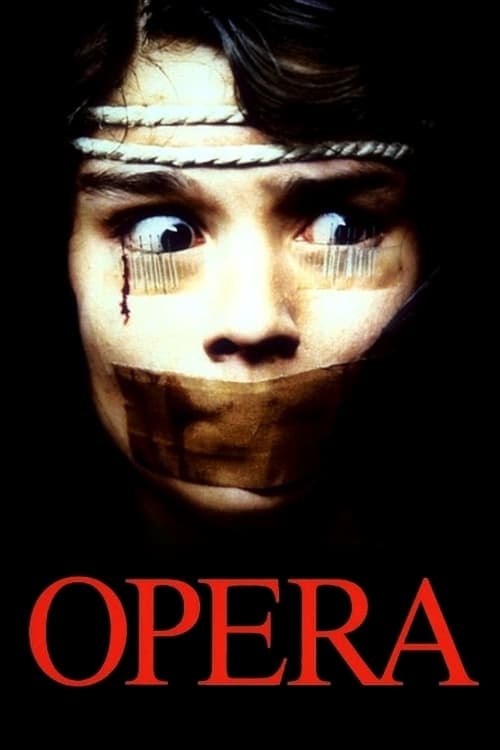
The whispering Technicolor magic of his great film Suspiria has long been replaced by a more ordinary aesthetic, and the scale of a beautiful, upsetting thriller like Opera, with its famous, soaring point-of-view sequence set inside an old, cathedral-like theater, is much reduced.
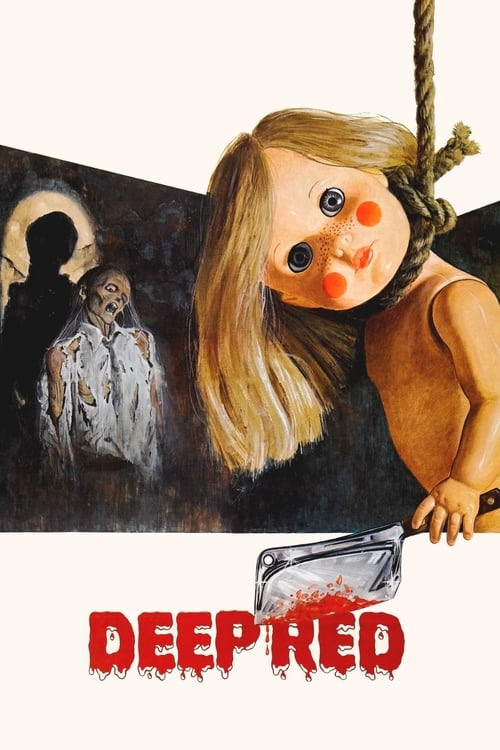
Jump from Deep Red, past the balls-brilliant Suspiria , to Suspiria 's "sequel," Inferno, the second in a trilogy finally completed by 2007's Mother of Tears that seeks to document the influence of three witches on the world, gathering their power in a trio of cities: Freiberg, Germany in Suspiria ; Rome, Italy in Mother of Tears ; and New York in Inferno.
SCREENED AT THE 2008 SAN FRANCISCO INTERNATIONAL FILM FESTIVAL: In the second scene of Dario Argento�s ("The Stendhal Syndrome," "Trauma," "Opera," "Phenomena," "Tenebrae," "Inferno," "Suspiria," "Deep Red," "The Bird with the Crystal Plumage") third film in his �Three Mothers� trilogy ("Suspiria" and "Inferno" were the first and second, respectively), "Mother of Tears: The Third Mother," hooded figures attack a woman, stab her in the mouth, slash her stomach, and strangle her with her own intestines while a malevolent monkey screeches nearby.
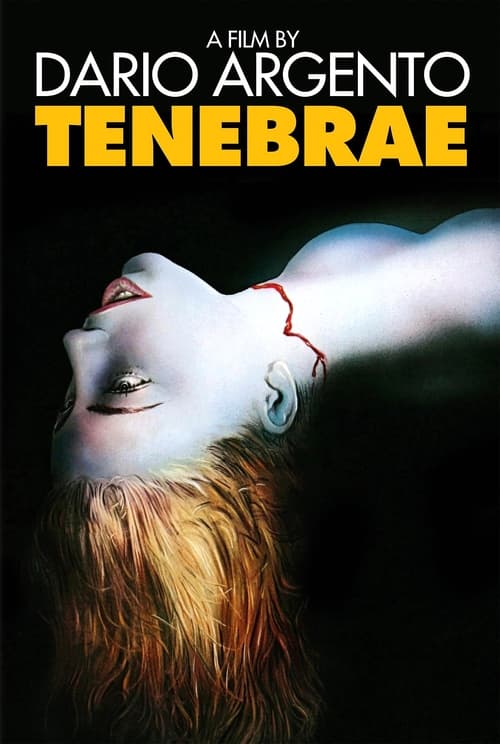
It's one thing to see a suicide in closeup in "Tenebre," or hands shredding as they cling to an elevator cable in "The Cat o' Nine Tails."
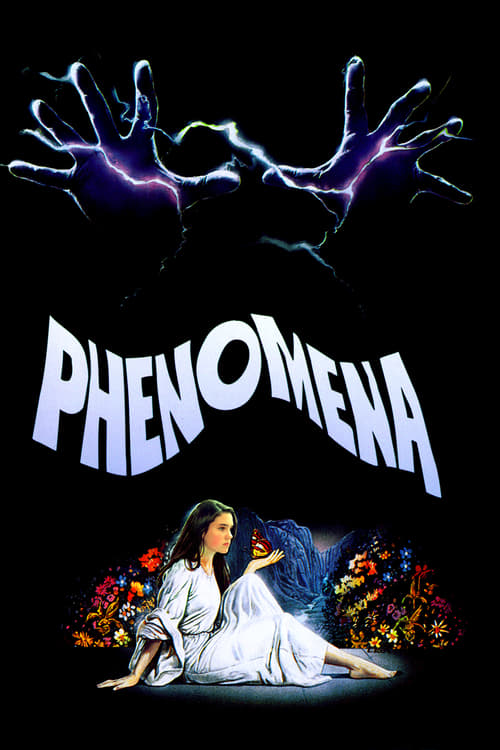
The obvious bow is to his mostly forgotten effort Phenomena.
SCREENED AT THE 2008 SAN FRANCISCO INTERNATIONAL FILM FESTIVAL: In the second scene of Dario Argento�s ("The Stendhal Syndrome," "Trauma," "Opera," "Phenomena," "Tenebrae," "Inferno," "Suspiria," "Deep Red," "The Bird with the Crystal Plumage") third film in his �Three Mothers� trilogy ("Suspiria" and "Inferno" were the first and second, respectively), "Mother of Tears: The Third Mother," hooded figures attack a woman, stab her in the mouth, slash her stomach, and strangle her with her own intestines while a malevolent monkey screeches nearby.
Whether fans and critics like it or not, Dario Argento is fond of two genres he revisits with predictable regularity: the giallo (Deep Red, Sleepless) and the supernatural thriller (Suspiria, Inferno), and it shouldn't surprise anyone that The Card Player (a giallo cum police procedural thriller) was followed by The Mother of Tears (the final installment in his Three Mothers trilogy), and is to be followed by Giallo (self-explanatory) in 2009, which may well be followed by a supernatural thriller (perhaps called Boo!) soon after.
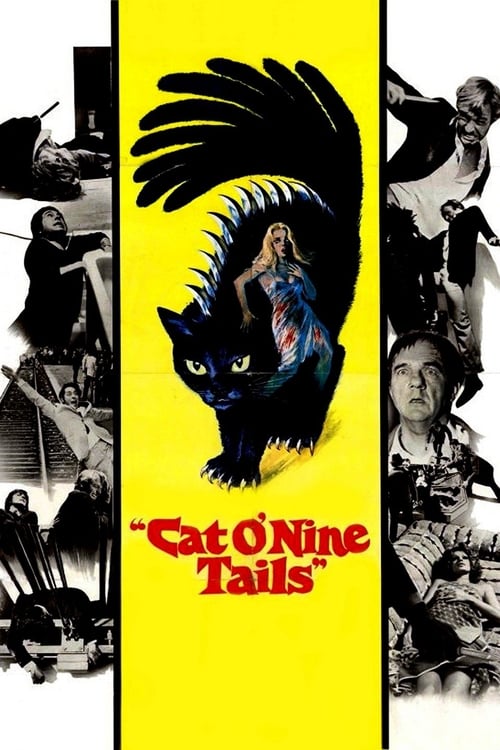
It's one thing to see a suicide in closeup in "Tenebre," or hands shredding as they cling to an elevator cable in "The Cat o' Nine Tails."
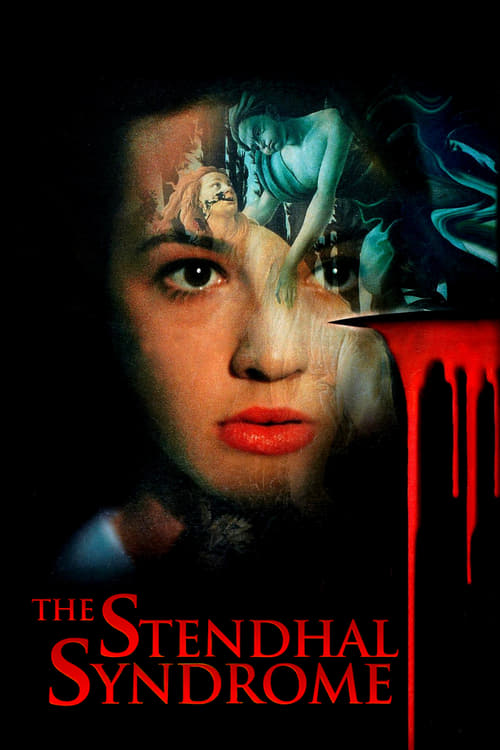
SCREENED AT THE 2008 SAN FRANCISCO INTERNATIONAL FILM FESTIVAL: In the second scene of Dario Argento�s ("The Stendhal Syndrome," "Trauma," "Opera," "Phenomena," "Tenebrae," "Inferno," "Suspiria," "Deep Red," "The Bird with the Crystal Plumage") third film in his �Three Mothers� trilogy ("Suspiria" and "Inferno" were the first and second, respectively), "Mother of Tears: The Third Mother," hooded figures attack a woman, stab her in the mouth, slash her stomach, and strangle her with her own intestines while a malevolent monkey screeches nearby.
In what feels like an in-joke, a better-than-usual Asia Argento (who else?) plays Sarah Mandy, the curator for the same museum that served as the locus of her character's problems in The Stendhal Syndrome.
SCREENED AT THE 2008 SAN FRANCISCO INTERNATIONAL FILM FESTIVAL: In the second scene of Dario Argento�s ("The Stendhal Syndrome," "Trauma," "Opera," "Phenomena," "Tenebrae," "Inferno," "Suspiria," "Deep Red," "The Bird with the Crystal Plumage") third film in his �Three Mothers� trilogy ("Suspiria" and "Inferno" were the first and second, respectively), "Mother of Tears: The Third Mother," hooded figures attack a woman, stab her in the mouth, slash her stomach, and strangle her with her own intestines while a malevolent monkey screeches nearby.

Similarly, he seems to be channeling the entire post-modern creepshow canon, tossing in a homage to Clive Barker here, a direct reference to Peter Jackson and The Frighteners there.
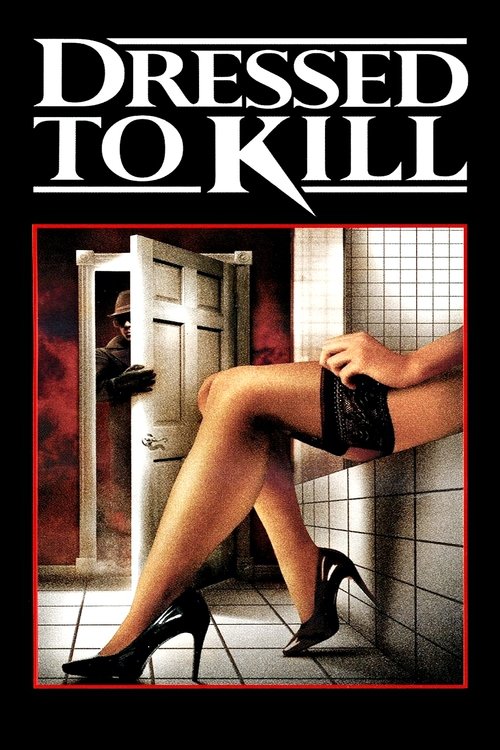
(Look at De Palma's "Body Double" and "Dressed to Kill" again and you'll see a lot more of Argento than Hitchcock).
(A completely gratuitous shower sequence with her comes close to Dressed To Kill quality.)
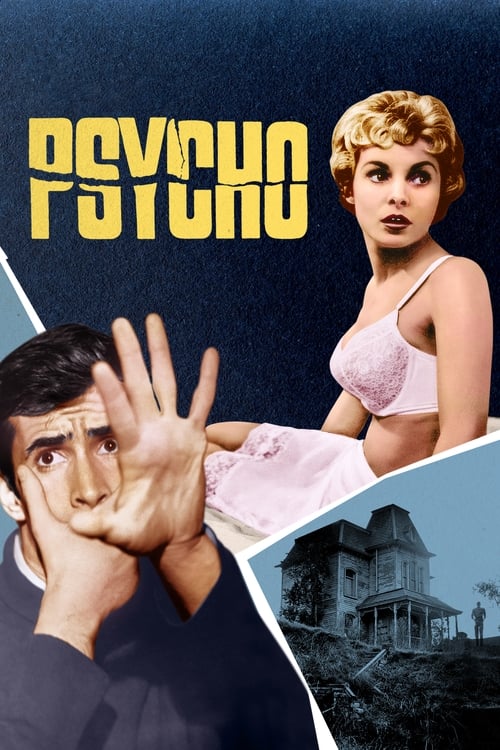
Dario unleashes his whole bag of horror tricks, including having his daughter do a nude shower scene influenced by Hitchcock's "Psycho" and forcing her to trudge through a river of human excrement.
Advertisement
Still, Argento diehards, who have waited 27 years, won’t wait to jump out of their theatre seats, and a young generation of neo-horror fans, raised on the torture-porn of Saw and Hostel franchises, should get an additional thrill from the La Dolce Vita-gone-Goth glam and a few truly gruesome scenes, Argento style.
It's also so full of life that it dwarfs contemporary horror pictures of the "Saw" and "Hostel" variety.
Still, Argento diehards, who have waited 27 years, won’t wait to jump out of their theatre seats, and a young generation of neo-horror fans, raised on the torture-porn of Saw and Hostel franchises, should get an additional thrill from the La Dolce Vita-gone-Goth glam and a few truly gruesome scenes, Argento style.
Dario Argento’s Mother of Tears is far more gross on the face of it (and the ass of it and the intestines of it and the brain of it, etc) than Eli Roth’s Hostel or Hostel 2. Like Hostel 2, there is naked woman on naked woman violence, there is blood everywhere, and there is cruelty aplenty.
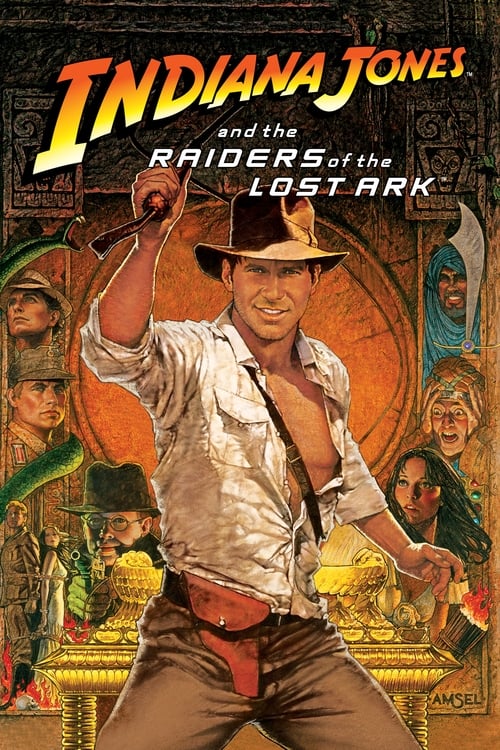
You're going to think, "awesome, a monkey!", when you're not busy having flashes to Raiders of the Lost Ark .
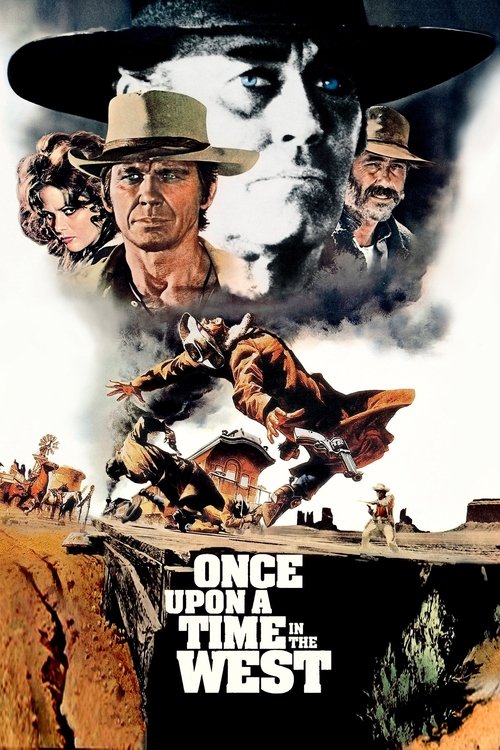
Although Argento has worked in the gore-movie genre for more than 35 years, he began his career as a critic and screenwriter -- he's one of several credited authors on Sergio Leone's great "Once Upon a Time in the West" -- and he's a skilled filmmaker with a great sense of style.
(He helped pen Once upon a Time in the West.)