

Luca Guadagnino
242 connections found

View:
Connections, in both directions


The opening act of Luca Guadagnino's film establishes the stature of the Recchi family as surely as the Corleones are established in “ The Godfather ,” or the Salinas in Visconti's “ The Leopard .”
A glorious epic that feels a little bit like Luchino Visconti 's The Leopard by way of Paul Thomas Anderson 's Magnolia , I Am Love is a truly great film that offers substance at the heart of the season's spectacle.
However, it really is the cinema of Luchino Visconti that is most recognisable as one of Guadagnino’s influences, especially The Leopard .
He's also clearly inspired by such classic meditations on the Italian bourgeoisie and passing of epochs as "The Leopard" and "The Garden of the Finzi-Continis."
It seems impossible to avoid comparing I Am Love to Lucino Visconti's The Leopard , even though the two films have very little in common besides a wealthy old family being destroyed by personal crises; yet while that film carefully frames its melodrama in a wide-ranging historical context, I Am Love makes no pretensions to context or society, despite its very deliberate chronological placement.
Visconti is more to the point, since I Am Love inescapably recalls The Leopard (1963) set in modern times.
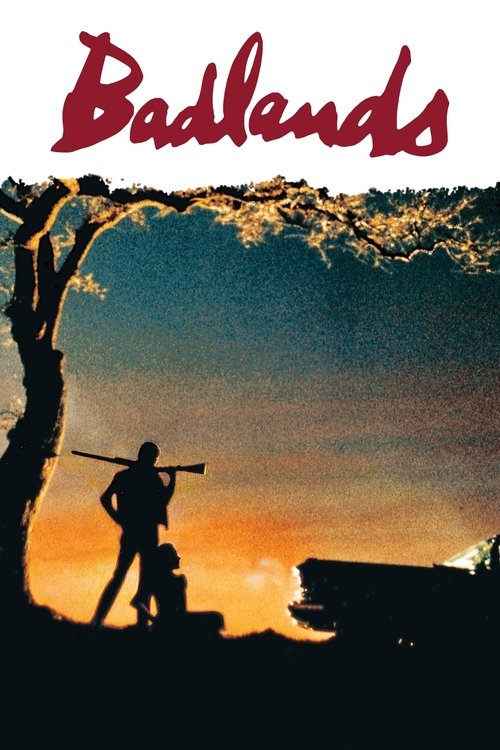
By now “Bones and All”—the title refers to the consumption of an entire body, down to the last morsel (a rare occurrence)—has turned into a picaresque, a road movie punctuated by horrendous moments that, in terms of blood and gore, go far beyond the killings of a film like “Badlands,” in which sparks of romance have begun to sprout between two unusual young people, both sympathetic and dangerous.
What ensues plays clear tribute to Terrence Malick’s “Badlands,” the two traveling across the country through golden-hour vistas, but the film is far more tender toward its leads, shooting everything from a tentative first kiss in a slaughterhouse to a swim in a Kentucky lake with a childlike sense of wonder.
That’s what we get with the Italian director Luca Guadagnino’s equal parts elegant and grotesque road-trip saga “Bones and All,” which has a “Badlands” meets “Near Dark” vibe and contains a couple of genuinely effective shock moments, but ultimately comes across as a gratuitously violent and at times overwrought Young Adult drama dressed up with art-house accessories.
But when he lingers, as in a sequence set at a remote Nebraska gas station that reminded me as much of the Starkweather sequence from Matthew Barney as it did Springsteen's Nebraska and Malick's Badlands , it's rapture.
As love blossoms along the open road, their relationship evokes the Bonnie and Clyde -esque abstractions of Badlands, in its innocent deadliness.
It makes sense that one of the inspirations was the outlaw lovers of Badlands .
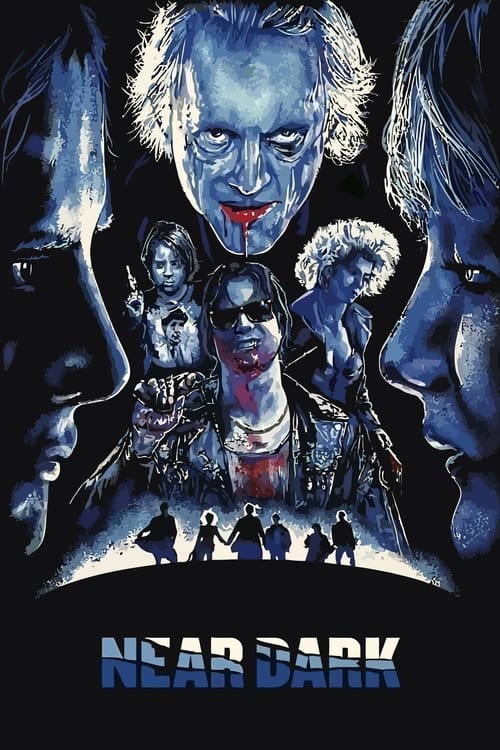
Near Dark (1987)
Directed by Kathryn Bigelow
influenced Bones and All (2022)
Visuals Themes Characters
Determined to track down her long-absent mother and learn how she came to be this way, Maren buys a Greyhound bus ticket and heads across the country, discovering in uncanny, nocturnal sequences reminiscent of both Kathryn Bigelow’s Near Dark and Joel Schumacher’s The Lost Boys that she’s far from alone in her appetites.
That’s what we get with the Italian director Luca Guadagnino’s equal parts elegant and grotesque road-trip saga “Bones and All,” which has a “Badlands” meets “Near Dark” vibe and contains a couple of genuinely effective shock moments, but ultimately comes across as a gratuitously violent and at times overwrought Young Adult drama dressed up with art-house accessories.
Meanwhile, Maren and Lee’s dynamic most closely recalls that of the two moody yet visceral vamps in Near Dark (1987), both in their moral questions about killing to survive and the strange spell their romantic chemistry casts on the viewer.
In a bus-station sequence that reminded me of Caleb's attempts to get home after being bitten by a vampire in Near Dark , Marin starts in the direction of an address on an old, folded birth certificate her father's left her.
Choose your plan ArrowRight With its aestheticized gore; moody teenage angst; and knowing references to such classics as “Badlands,” “Bonnie and Clyde” and “Near Dark,” Luca Guadagnino’s visualization of Camille DeAngelis’s young-adult novel plunges audiences into a gross but occasionally engrossing slough of cognitive dissonance.
Or Kathryn Bigelow’s vampire-outsider western Near Dark?
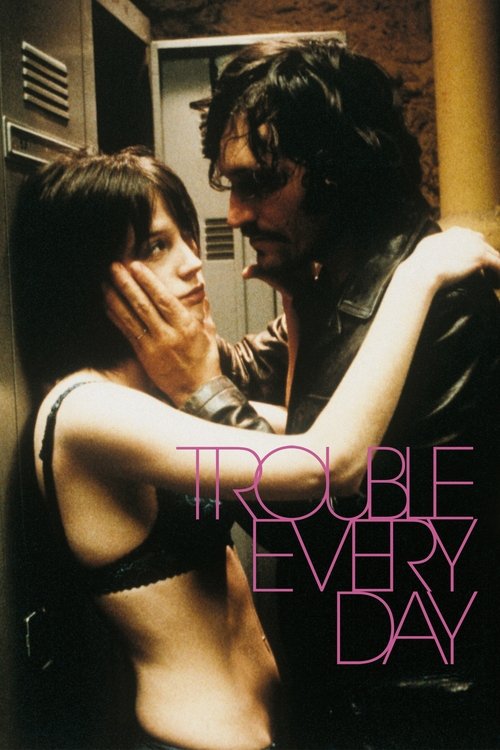
The filmmaking is accomplished, even inventive in places, and yet for all the obvious effort, it mostly succeeds in reminding us of other, better stabs at similar themes and imagery, including and especially Claire Denis’s 2001 thriller Trouble Every Day , with its nightmarish conflation of death and desire.
Or maybe it is Claire Denis’s body-horror romance of Trouble Every Day that Guadagnino is channelling here.
Claire Denis did something similar with her 2001 French horror Trouble Every Day , and Ana Lily Amirpour’s 2017 The Bad Batch chewed that same bone.
From Claire Denis' masterpiece of desire Trouble Every Day to the zom-rom-com Warm Bodies .
Maren’s outpouring additionally fails to resonate because it’s never entirely clear whether Guadagnino and company are trying to make a cold, hollowed-out account of the way this kind of lifestyle erodes the soul as Claire Denis captured in 2001’s Trouble Every Day , or a lovers on the run paean to the secret beauty of the Middle American backwoods.
With films such as Julia Ducournau’s Raw , Claire Denis’ Trouble Every Day , and even Antonia Bird’s Ravenous , cannibalism transcends gory spectacle into discussions of consumption, rage, and burning desire.
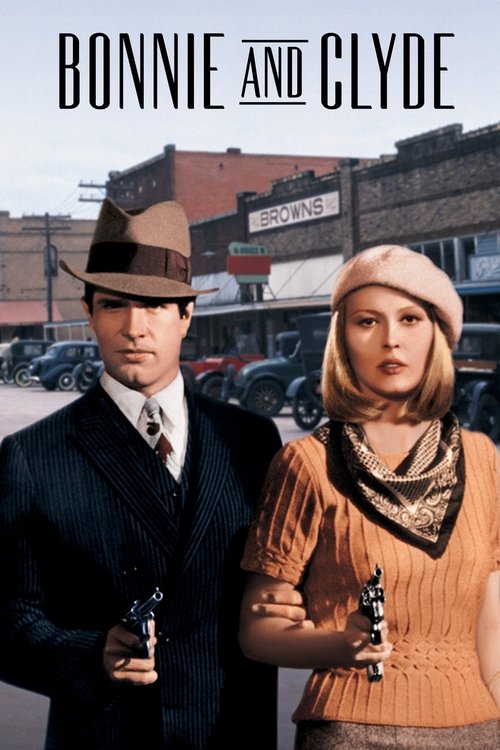
As love blossoms along the open road, their relationship evokes the Bonnie and Clyde -esque abstractions of Badlands, in its innocent deadliness.
Beneath the visceral shock of its premise — and trust that there will be blood, along with torn skin and tendons and at least several organs á la carte — is less a straightforward horror exercise than a road-trip romance edged in darkness, in the vein of Badlands or Bonnie and Clyde or even Thelma & Louise .
Choose your plan ArrowRight With its aestheticized gore; moody teenage angst; and knowing references to such classics as “Badlands,” “Bonnie and Clyde” and “Near Dark,” Luca Guadagnino’s visualization of Camille DeAngelis’s young-adult novel plunges audiences into a gross but occasionally engrossing slough of cognitive dissonance.
Bones and All more or less follows in the footsteps of movies from Bonnie and Clyde to Terrence Malick’s Badlands in putting a pair of pretty people on the wrong side of the law and sending them on the run, but in this case, it’s questionable how human they are.
Guadagnino’s darkly dreamy film, which opens in select theaters Friday, has some of the spirit of iconic love-on-the-run films like Arthur Penn’s “Bonnie and Clyde,” Terrence Malick’s “Badlands” and Nicholas Ray’s “They Live By Night” — movies that as open-road odysseys double as portraits of America.
Strip the flesh from the bones of the latest film by Luca Guadagnino and the skeletal story framework is a familiar one: it’s an outlaw lovers road movie, sharing DNA with dustbowl odysseys such as Badlands and Bonnie and Clyde .
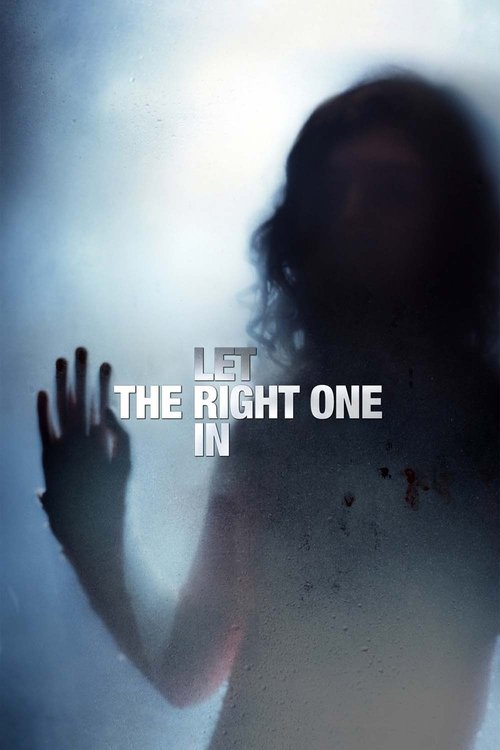
Let the Right One In (2008)
Directed by Tomas Alfredson
influenced Bones and All (2022), Suspiria (2018)
Plot Themes Visuals
Based on a 2015 YA novel by Camille DeAngelis set in the 1980s, it opens with a situation not unlike the start of Tomas Alfredson’s child-vampire film “Let the Right One In” and Matt Reeves’s English-language remake “Let Me In”: teen Maren Yearly (Taylor Russell) lives in Virginia with her father Frank (André Holland), who carefully locks her into her bedroom each night.
The delicate mood and melancholy restraint — shaped in part by the quiet, acoustic foundations from which Trent Reznor and Atticus Ross’ atmospheric score gradually builds — initially recall Tomas Alfredson’s gorgeous Let the Right One In , another emotionally layered first love depiction that featured a conflicted guardian and a female adolescent with a different kind of need to feed.
It has glimmers of style that are reminiscent of Richard Linklater’s Boyhood , Paul Thomas Anderson’s There Will Be Blood and Tomas Alfredson’s Let the Right One In while also being its own artful entity with a singular voice that’s worth jamming on repeat.
But Guadagnino’s seventh feature is unlikely to remind most viewers of that, or any of the other hybrid horror dramas that have come our way since Let the Right One In .
It allows Guadagnino to embrace various influences ranging from Badlands to Let the Right One In .
Initially, it seems like we’re in for a Let the Right One In -style tale of a parent shuttling their monstrous yet still beloved child to the next American backwater, where they can both start anew.
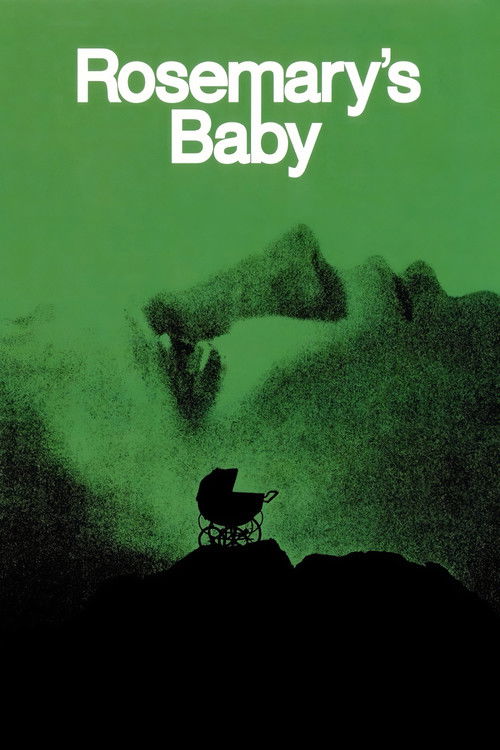
Rosemary's Baby (1968)
Directed by Roman Polanski
influenced Suspiria (2018)
Themes Visuals Characters
The sustained aura of unease is reminiscent of “Rosemary's Baby,” but it's also unsettling in the way that recalls his 1965 psychological thriller “Repulsion.”
But overall Suspiria looks fantastic, mostly eschewing Argento’s trademark color-saturated palette for something grittier and looser, more in the vein of paranoid ’60s and ’70s psychodramas like Rosemary’s Baby and Brian De Palma’s Sisters.
In Rosemary's Baby, another movie about a young woman coping with evil forces around her, the title character lays out her case simply, in a mostly calm and collected manner.
Like the precursor of Rosemary in “Rosemary’s Baby,” American dancer Patricia (Chloe Grace Moretz) backs out of some evil arrangement with the dance troupe and explains her reasons to Dr. Josef Klemperer (Swinton) in opening scenes.
Dakota Johnson’s protagonist Susie seems far less innocent than Jessica Harper’s wide-eyed original, despite the fact she comes from a family of Ohio Mennonites who presumably don’t spend their time watching Rosemary’s Baby or reading the collected works of H.P. Lovecraft.

Continuing the trend of Spider-Man love interests giving tennis films a whirl (see: Civil War's Kirsten Dunst with Wimbledon, then Poor Things' Emma Stone with Battle of the Sexes), Zendaya doesn't just make Tashi formidable and unforgettable; her portrayal, which is one of her best ever alongside Euphoria, firmly matches.
This is not the rather diffident stroke-play of Kirsten Dunst and Paul Bettany in the quaint, but in some ways comparable, tennis movie Wimbledon from 2004, though the gamesmanship and toxic masculinity reminded me pleasantly of Ian Carmichael and Terry-Thomas trying to impress Janette Scott during the famous tennis scene in the 1960 British classic School for Scoundrels.
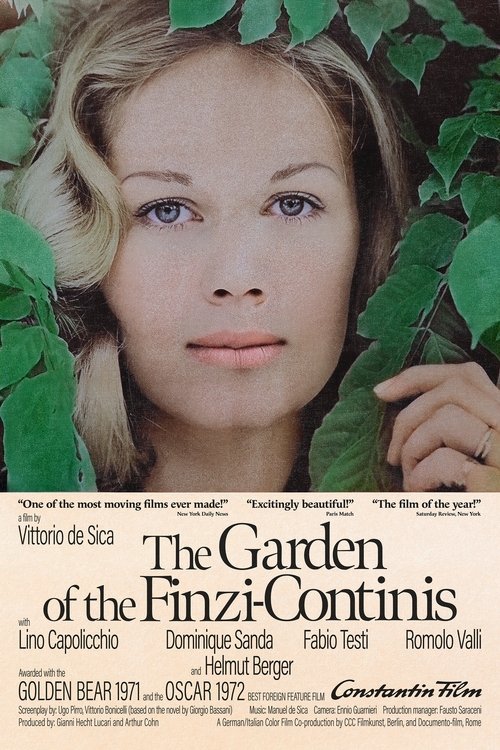
The Garden of the Finzi-Continis (1970)
Directed by Vittorio De Sica
influenced I Am Love (2010)
Visuals Themes
I Am Love's stately visual style is dense with allusions to other movies: Visconti's Senso , De Sica's The Garden of the Finzi-Continis , and even Hitchcock's Vertigo , which is quoted in the spiral-shaped bun Emma wears in her hair.
He's also clearly inspired by such classic meditations on the Italian bourgeoisie and passing of epochs as "The Leopard" and "The Garden of the Finzi-Continis."
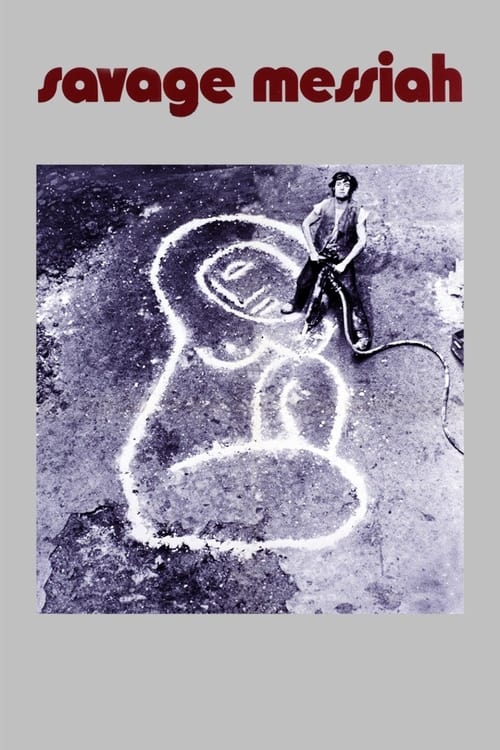
In fact, the love scenes appear to deliberately recall moments from that film and from Russell’s Savage Messiah (1972)—to the degree that I’d be hard-pressed to believe Guadagnino was unfamiliar with them.

But it’s not the silk of Tilda Swinton’s fabrics or the hairs in Ralph Fiennes’ beard this time around—the feels of Bones and All are grungy stuff, far more reminiscent of the work of Andrea Arnold (most especially American Honey ) than anything he’s done previously.
Maren's search for the mother she's never known, and the necessity of having to leave the scene of various crimes, drive the pair across the Midwest, in sequences that also recall recent films like Andrea Arnold's great reckless-youth elegy American Honey .
Like Call Me by Your Name , Bones and All is a sensual movie, particularly visually — Guadagnino luxuriates in the kind of big-sky-country vistas that made Andrea Arnold’s similarly summer-break-themed American Honey so memorable, and he lights his leads warmly in the day and with skulking fervor at night.
If you fell for the kind of dreamy union depicted in Andrea Arnold’s American Honey, then just replace the sweet stuff with the red stuff and you’ll have an idea of what this achieves.
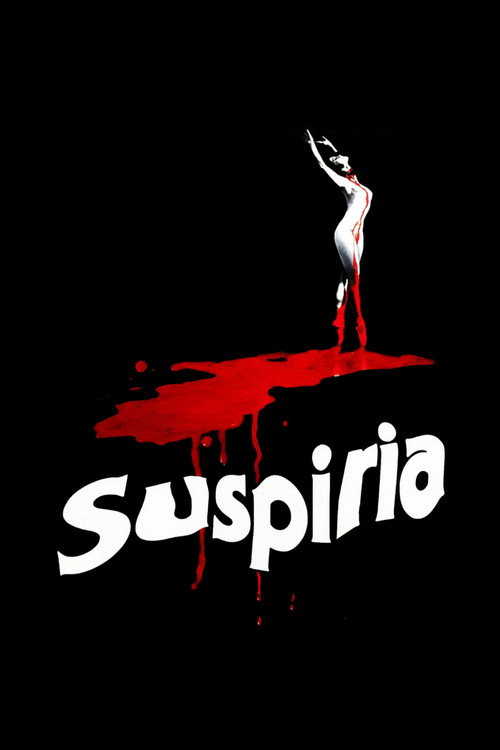
On the surface, Challengers looks like the most conventional and straightforward film of Luca Guadagnino’s career. Coming off the horror-romance Bones and All, the coming-of-age TV miniseries We Are Who We Are, and the bonkers update of Dario Argento with Suspiria, Challengers almost seems quaint in comparison.
Concerning the adventures of Suzy Bannion, ballet student and all-American ingenue, amid a witches’ coven disguised as a Berlin dance school, Dario Argento’s Suspiria (1977) is a furious trip inside a nightmare that lies in wait beyond the right door.
Remaking horror classics is a tried-and-true tradition, but it’s still a little mystifying why anyone felt 1977’s Suspiria was a good candidate.

Elio’s attraction to Oliver—and Oliver’s to Elio—is laid out delicately by Guadagnino, who adapted Aciman’s book with Walter Fasano and none other than __James Ivory __ (whose Maurice is nodded to throughout).
Embracing the spirit, if not the letter of Aciman’s novel, Guadagnino and co-writers Walter Fasano and James Ivory (of the Merchant Ivory dynasty that brought us “Maurice” and “A Room With a View”) have resituated the action ever so slightly to Lombardy.
Written by James Ivory (the director of films like “Maurice” ), “Call Me by Your Name” progresses through evasions and encounters, with Elio advancing, Oliver receding and their circling narrowing.
It’s tempting to speculate how Ivory, who, as the director of “ A Room with a View ” (1985) and of “ Maurice ” (1987), showed his mastery of Italian settings and of same-sex romance, might have fared at the helm of the new film.
Screenwriter James Ivory, now almost 90, tackled more subdued versions of these themes, often in sun-dappled period Italy, during his fabled partnership with the late Ismail Merchant (in Maurice and Room With a View , for example).
El filme -escrito por James Ivory (Maurice, 1987) a partir de la novela de André Aciman-, es un romance maduro, pero también es una historia de crecimiento; es una propuesta tan gentil, sensible y observadora centrada en dos personas que encuentran una conexión profunda.
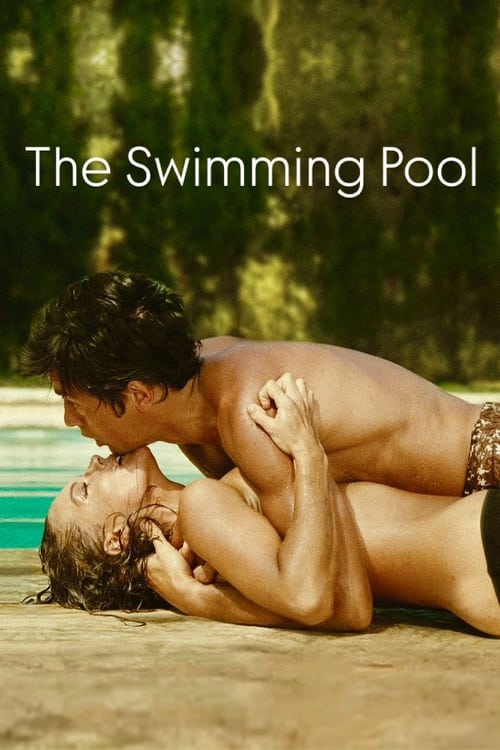
The Swimming Pool (1969)
Directed by Jacques Deray
influenced Bones and All (2022), Call Me by Your Name (2017)
Themes Plot
While mostly convincing as a fable of idle island horniness gone murderously wrong (evoking everything from its source material, La Piscine, to The Talented Mr. Ripley ), A Bigger Splash , especially in its late-stage transformation into a finger-wagging political parable against the evils of privilege, felt like the work of a filmmaker trying to do too much.
Whether loosely rethinking Jacques Deray’s film La Piscine (1969) into A Bigger Splash (2015), translating an André Aciman book into the 2015 film Call Me By Your Name, or remaking Dario Argento in 2017 with a superior version of Suspiria, it’s Guadagnino’s attention to character, theme, and atmosphere that elevates his take on established stories.
Adapted from Camille DeAngelis’ 2016 YA novel and working off a script from favored Guadagnino screenwriter David Kajganich (the aforementioned Suspiria as well as the inscrutable La Piscine remake, A Bigger Splash), Bones and All operates in an unusual tonal space, bringing a sense of near fairytale whimsy to a project that features a teen girl getting her fingers chomped off in its first 10 minutes.
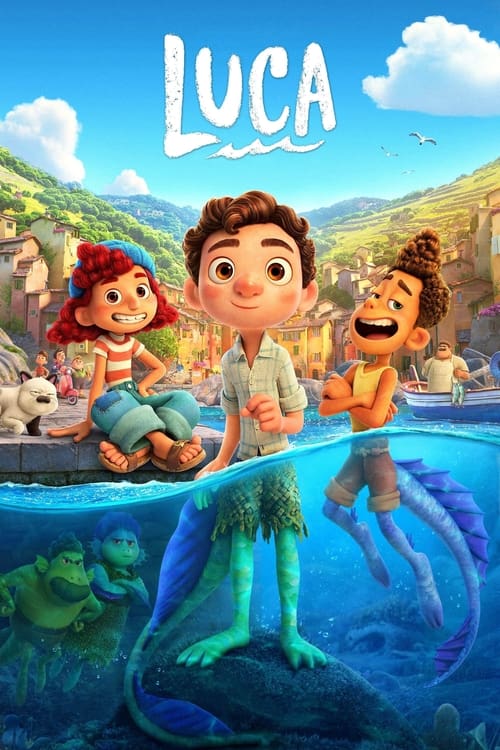
It’s understandable that some early reactions to the Luca trailer compared the boys’ summer idyll on the Italian coast to the gay romance at the heart of Luca Guadagnino’s Call Me by Your Name —even if this movie’s director, Enrico Casarosa, has insisted that the relationships among the young characters, same-sex or otherwise, are intended to be purely platonic.
When Luca — which was directed by Enrico Casarosa (of the short La Luna ) and written by Jesse Andrews and Mike Jones — was announced, the internet was quick to call out parallels between this film and Call Me by Your Name.
The trailer provoked tittering references to Call Me By Your Name , but there’s no romance in Luca , yet another buddy movie from the house that Woody and Buzz built.
That may sound roughly like the plot of Luca Gaudagnino’s 2017 film Call Me By Your Name , but it is also the story of the perhaps coincidentally named Luca , the latest bittersweet animated film from Disney and Pixar (on Disney+ June 18).
It’s easy to see the obvious similarities between Luca and some other recent films like The Shape of Water and Call Me By Your Name , with the latter naturally being the more adult, explicit version of this story.
Pixar has crafted a gorgeous parable about a delicately unfolding relationship, set in ravishing Italian landscape, between two young and idealistic sea monsters: it’s The Shape of Water meets Call Me by Your Name.
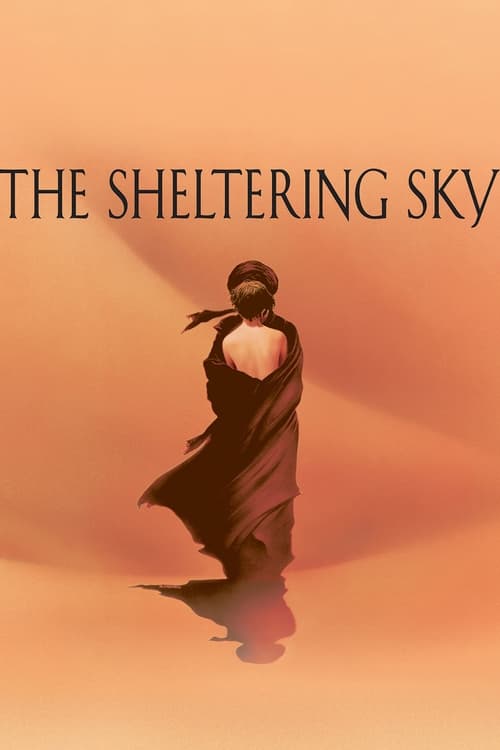
The Sheltering Sky (1990)
Directed by Bernardo Bertolucci
influenced Call Me by Your Name (2017)
Visuals
In a recent interview with The Guardian , Hammer revealed that Guadagnino showed him a few minutes of Debra Winger in Bernardo Bertolucci’s The Sheltering Sky (1990) to inspire him for this scene, and that was clearly an ideal choice.
(Another Bertolucci technique; think of the opening shot in The Sheltering Sky, when Kit and Port emerge from behind a complex wooden structure in the desert.)
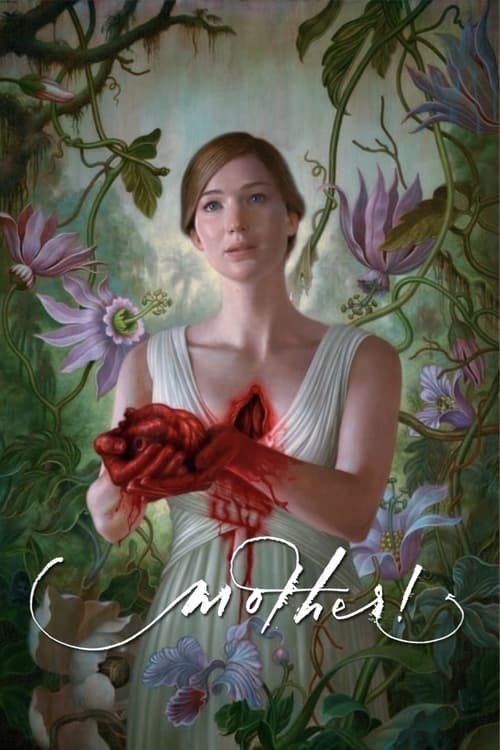
Suspiria is sure to be divisive, although I’d hesitate to compare it to Darren Aronofsky’s mother!
Director Luca Guadagnino ventures way out of the range of his 2017 gay love story Call Me by Your Name and tackles something more akin to the hell-on-Earth vision of last year’s divisive mother! from Darren Aronofsky.
Also tenuous are some of Guadagnino’s more excessive choices, such as a finale that leaves nothing to the imagination in the same chaotic way that closed out Darren Aronofsky’s mother!
Watching Suspiria, I was reminded more of The Neon Demon (which I hated) and mother!
Last year it was Darren Aronofsky’s preening atrocity Mother!.
The relationship between Suzy and Blanc and Suzy and her roommate Sara (Mia Goth) is transgressive, climaxing into an orgiastic ritual of movement and flesh that rivals Gaspar Noé’s Climax and Darren Aronofsky’s mother!

People seem to be writing this off as a rudimentary, misguided MeToo/Gen Z takedown, but similarly to Eddington this year, it’s been quite intriguing to see people directing their distaste in a film’s commentary towards the topics that the film is actually most lenient towards.
Ari Aster’s Eddington (2025) remains the most accurate cinematic diagnosis of America’s national nightmare, reaching back to COVID-19 as the primary inflection point.
It’s the third film this year, after “Eddington” and “One Battle After Another,” to take aim at Gen Z’s supposed fragility.
It evokes other recent films, particularly House of Dynamite and Eddington, in wrapping itself in urgency and timeliness to avoid making actual narrative and thematic choices.
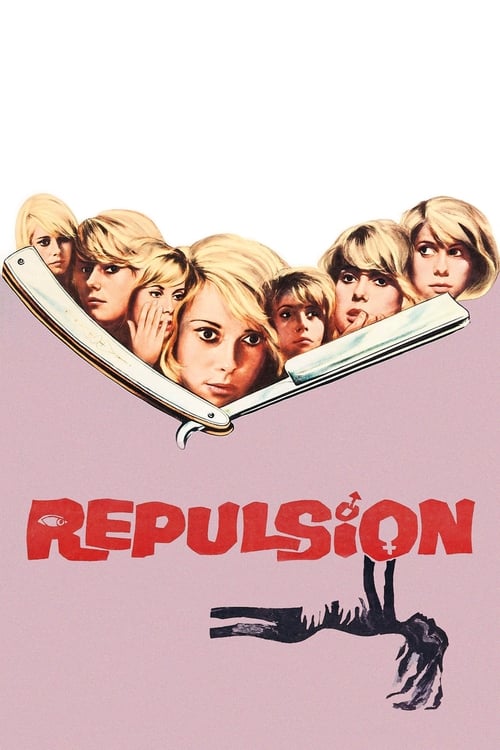
The sustained aura of unease is reminiscent of “Rosemary's Baby,” but it's also unsettling in the way that recalls his 1965 psychological thriller “Repulsion.”

Risky Business (1983)
Directed by Paul Brickman
influenced Call Me by Your Name (2017), Bones and All (2022)
Characters
There are other significant but subtly deployed props in Call Me by Your Name, starting with the Ray-Ban sunglasses perched precariously on Elio’s always-tilted head—a clever way of reminding that the film is set in 1983, the year of Risky Business.
The charm of Chalamet’s performance lay in how his inexperienced character used cockiness to disguise and deflect uncertainty; his Tom Cruise–in– Risky Business charisma was suffused with a believable air of confusion.