
Luca (2021)
Directed by Enrico Casarosa
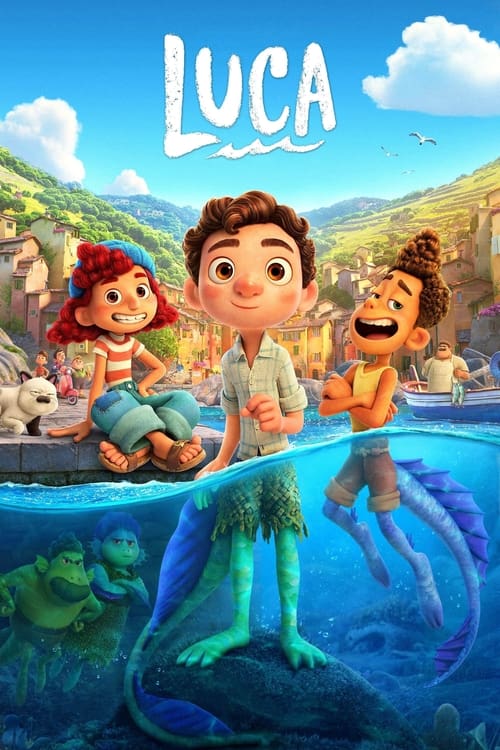
Luca and his best friend Alberto experience an unforgettable summer on the Italian Riviera. But all the fun is threatened by a deeply-held secret: they are sea monsters from another world just below the water’s surface.
45 connections found
View:
45 films that influenced Luca
What critics say influenced Luca

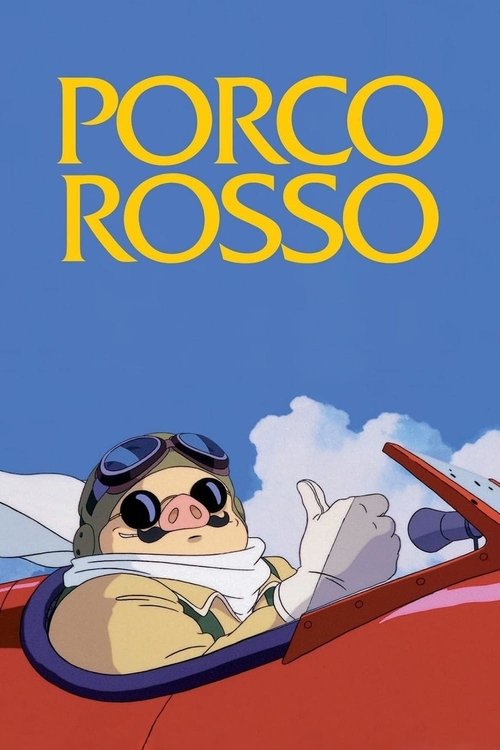


Casarosa has said that the Japanese animation master Hayao Miyazaki was a major influence on both the movie’s look and its themes: The sea-to-land-creature transformation the boys regularly undergo recalls the dimorphic nature of Ponyo ’s fish-girl heroine, while the name of the human village they frequent, Portorosso, evokes the title of the Studio Ghibli film Porco Rosso .
The beautiful and vibrant animation, once again inspired by the hand-drawn works of Miyazaki (the town Portorosso is even a direct reference to Ghibli flick Porco Rosso ), colourfully brings to life this wonderful region of Europe.
The film would rather evoke Guadagnino and Hayao Miyazaki, especially the latter’s Porco Rosso ; the 1992 movie is an obvious touch point.
Ercole’s last name is Visconti, one of countless movie allusions the filmmakers have tucked into the margins of the frame, most of which — the town’s sly nod to Hayao Miyazaki’s “Porco Rosso” aside — will prove catnip for lovers of Italian cinema in particular.
Once Luca and Alberto officially go to land, to the village of Portorosso – a cute nod to Hayao Miyazaki’s Porco Rosso – and we meet the character of Giulia (Emma Berman) and learn about a race held every year in the village, things start to fall in place and build narrative momentum.
Once committed to their plan, the best buds leave the water for the last time and try to make their way in the human village of Portorosso (a cheeky nod to Miyazaki’s Porco Rosso , whose influences are peppered throughout the film).
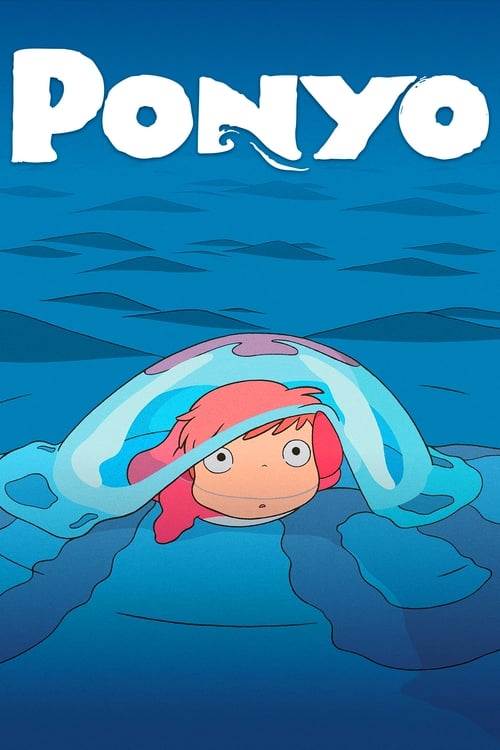
Casarosa has said that the Japanese animation master Hayao Miyazaki was a major influence on both the movie’s look and its themes: The sea-to-land-creature transformation the boys regularly undergo recalls the dimorphic nature of Ponyo ’s fish-girl heroine, while the name of the human village they frequent, Portorosso, evokes the title of the Studio Ghibli film Porco Rosso .
There’s a great concept of the small town people, tight knit and together, Giulia, her father, and a scene stealing cat, welcome Luca and Alberto into their homes, creating a comfy situation that reminds us about the comfort of family such as Miyazaki’s Ponyo did.
(Everything from early animated series “Future Boy Conan” to the more recent feature “Ponyo” is referenced; the town itself is a nod to the studio’s 1992 film “Porto Rosso.”)
The precision of CG fades, the details grow soft and Casarosa’s visuals take on the gentle spontaneity of a Ghibli film (like, say, Ponyo, which despite the obvious homage to Porco Rosso reads as Luca’s closest cousin in the studio’s portfolio).
If you’re an animation fanatic, the name of this Cinque Terra-type town may bring to mind Hayao Mizayaki’s 1992 movie Porco Rosso, and even if you haven’t felt like you’ve been huffing Ponyo ‘s fumes in some of the you-know-what-outta-water sequences, the shadow of Studio Ghibli hovers over Luca.
In fact, Luca feels more like Studio Ghibli’s Ponyo, a minor, kid-facing diversion that scans like a waste of time from such a talented animation powerhouse.
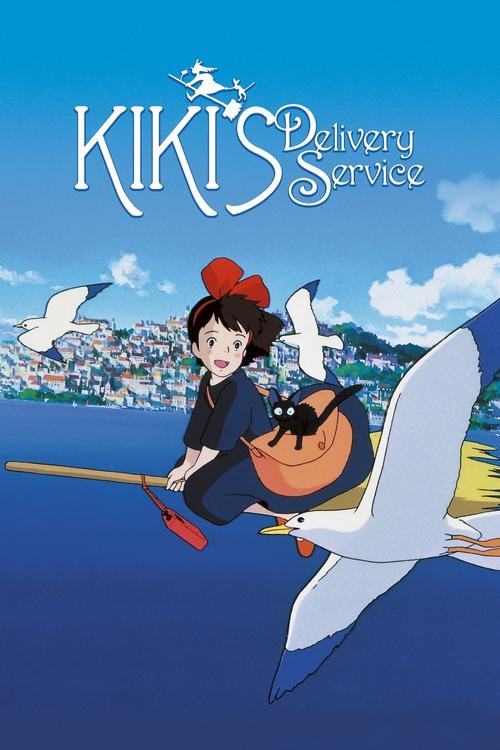
Casarosa combines elements of Ponyo’s interspecies friendship, the episodic small-town dynamics of Kiki’s Delivery Service and the sun-drenched derring-do of Porco Rosso into a sweet, gentle tale about identity, authenticity, and finding your people.
Luca is if Casarosa attempted a combination of Fellini’s La Strada with Miyazaki’s Kiki’s Delivery Service .
There are surface-level similarities — Casarosa has spoken about the influence that Miyazaki’s early TV works left on his art style, and it shows — especially in the design of Giulia’s chunky cat who takes an early suspicion of Luca and Alberto, and in Giulia’s burly fisherman father Massimo, both of whom look like they stepped straight out of Kiki’s Delivery Service .
Director Enrico Casarosa’s Luca is Ponyo and Kiki’s Delivery Service with some major Call Me By Your Name undertones (it’s almost shocking Disney let a film this queer coded release at all–to the point where the film not taking that leap is ultimately a disappointment).
But the pattern is unmistakable, from the protagonists’ wise, grounded fathers in My Neighbor Totoro and Arrietty to Kiki’s sweet parents and supportive mentors Osono and Ursula (Kiki’s Delivery Service) and Sosuke and Ponyo’s formidable mothers (Ponyo).
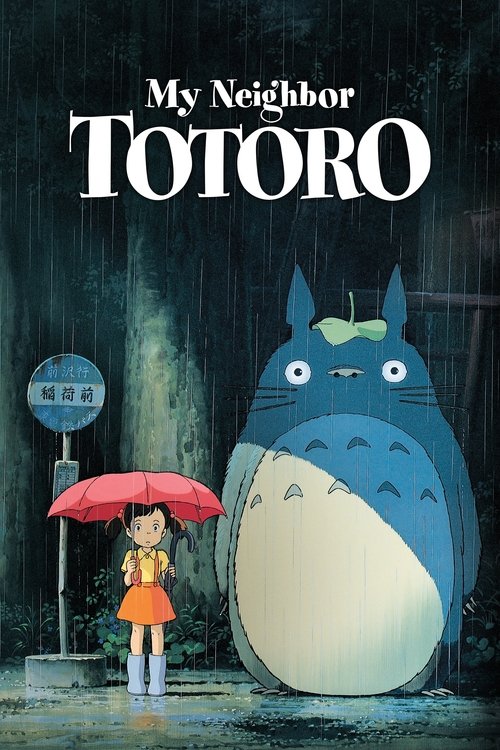
But the pattern is unmistakable, from the protagonists’ wise, grounded fathers in My Neighbor Totoro and Arrietty to Kiki’s sweet parents and supportive mentors Osono and Ursula (Kiki’s Delivery Service) and Sosuke and Ponyo’s formidable mothers (Ponyo).
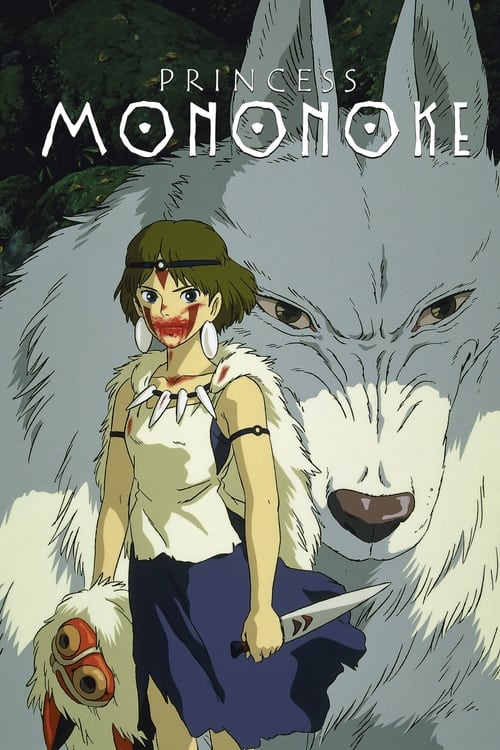
While the people of Portorosso have inherited a Loch Ness-like belief in the local sea myths from their parents, and Luca and Alberto spend much of the movie trying to avoid even the tiniest splash of water (lest their skin reveal its scales in a beautifully chameleonic display of digital alchemy), “Luca” never suggests that it’s building toward the mob blood-thirst of “Beauty and the Beast” or the ecological warfare of “Princess Mononoke.”

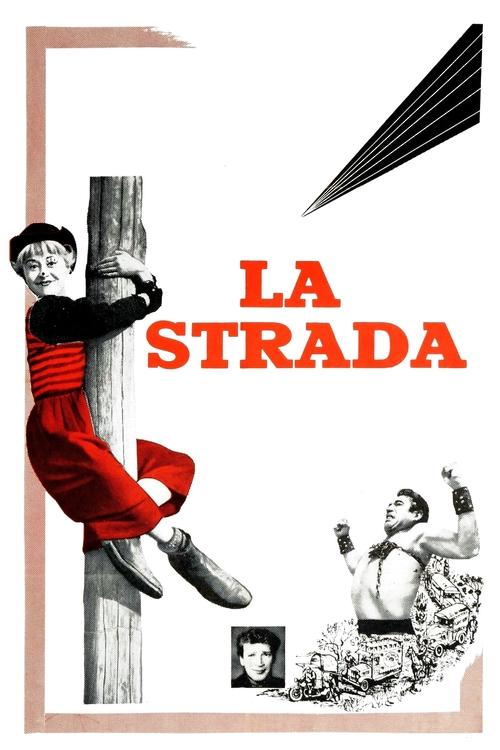
But it also recalls the classic Italian films of Federico Fellini and others ( La Strada is a big influence), clear inspirations for Luca ‘s shimmering sophistication.
Luca is if Casarosa attempted a combination of Fellini’s La Strada with Miyazaki’s Kiki’s Delivery Service .
That draws them to the nearby town of Portorosso (the name seems a nod to the great and most European of the Studio Ghibli canon, “Porco Rosso”), a quintessential Italian hamlet with a village fountain and a “La Strada” poster on the wall.
A few other cinematic signposts pop up: A boat early on sports the name “Gelsomina,” Giulietta Masina’s character in La Strada —arguably one of the greatest Italian films of all time.
“Luca” is a bit colorless until the two boys arrive in the sloping fishing village of Portorosso, with its crooked pastel buildings and winding streets, its sun-dappled town square dotted with a trattoria and a pescheria, its poster of “La Strada.”
Luca might be the first kids film to name-drop La Strada’s Gelsomina, which is a win for Fellini diehards but a head-scratcher overall given her fate.
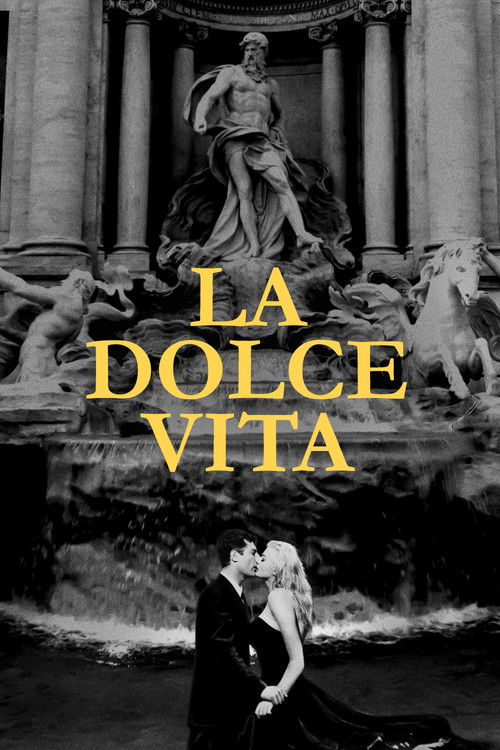
There’s a boat named Gelsomina, a likeness of Marcello Mastroianni and a whole subplot devoted to fetishizing the Vespa, burnishing a vehicular-cinematic legacy that already includes “Roman Holiday” and “La Dolce Vita.”
No, Luca is not trying to be Amarcord or La Dolce Vita , but this family-friendly picture does have a good eye on not only the use of color but the way lighting is used or the focus on architecture design.
The setting that Fellini made famous in “8½” and “La Dolce Vita,” with its laissez-faire attitude, cappuccinos by the Riviera and little to no work to bother you, is definitely the stuff of dreams to the overworked, overstressed modern adult.
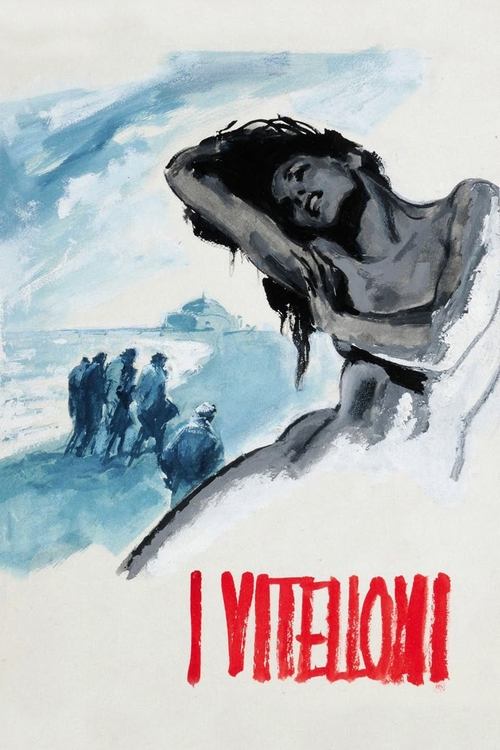
It’s the Italy of Cinzano posters and Marcello Mastroianni (a photo of whom is glimpsed as a kind of talisman at one point), of Fellini movies (“I Vitelloni” especially) and Nino Rota scores and, above all, of Vespa scooters, one of which becomes the object of the two young fish-friends’ shared dreams of escape.
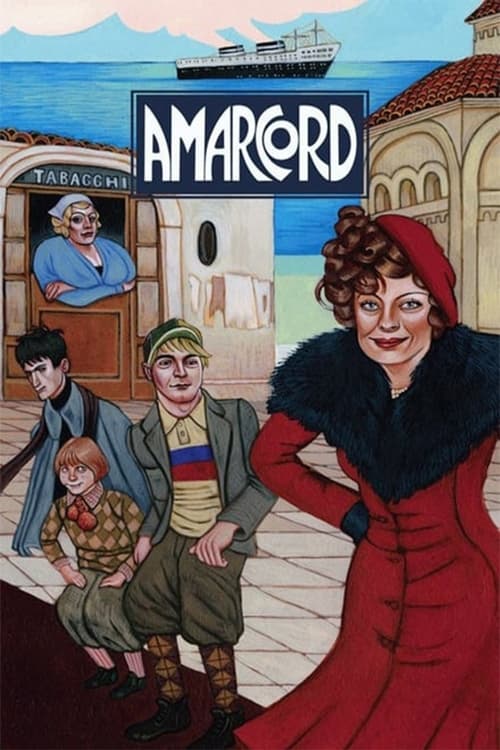
No, Luca is not trying to be Amarcord or La Dolce Vita , but this family-friendly picture does have a good eye on not only the use of color but the way lighting is used or the focus on architecture design.
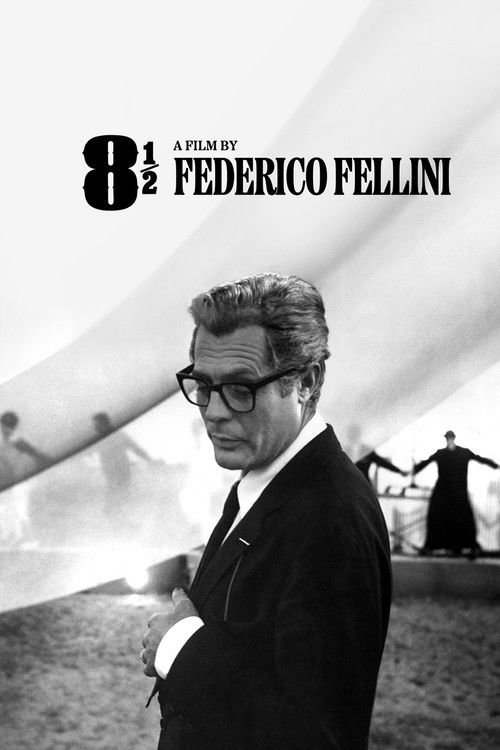
The setting that Fellini made famous in “8½” and “La Dolce Vita,” with its laissez-faire attitude, cappuccinos by the Riviera and little to no work to bother you, is definitely the stuff of dreams to the overworked, overstressed modern adult.

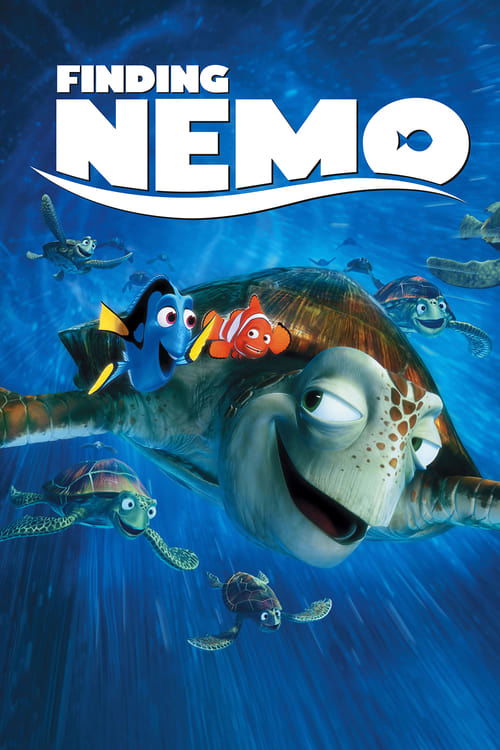
When Luca's mom tells him, "The world is a very dangerous place," there's a good chance Pixar fans will hear an echo of "Finding Nemo," where the clownfish's fretful dad warns him about the shark-infested world outside their corner of the ocean.
In what seems a delightful nod from Casarosa to Finding Nemo , the opening shows Luca busy with his daily chores, herding a school of fish that bleat like sheep, and greeting other colorful members of the marine community.
Pixar excels at depicting underwater environs, as we’ve of course seen in Finding Nemo (2003) and Finding Dory (2016), and Luca is no exception, with the underwater farming community that “sea monster” Luca belongs to being stunningly rendered in every shade of green and blue.
The underwater scenes in the movie are the most visually stunning, but it’s not too surprising, considering that Pixar is also the studio behind 2003’s far superior, Oscar-winning “Finding Nemo,” which was set primarily underwater.
The early parts are set under the sea, and if you’re thinking “The Little Mermaid” meets “Finding Nemo,” you wouldn’t be too far off.
Missing that heart-wrenching pull (“Inside Out” or “Coco”), that poignant life lesson (“Wall-e,” “Ratatouille,” “Finding Nemo”), and those Pixar tears (yup, I watched twice and no “Inside Out” or “Up” equivalent eye watering for me), Luca ends up being just another adorable character without much grit.
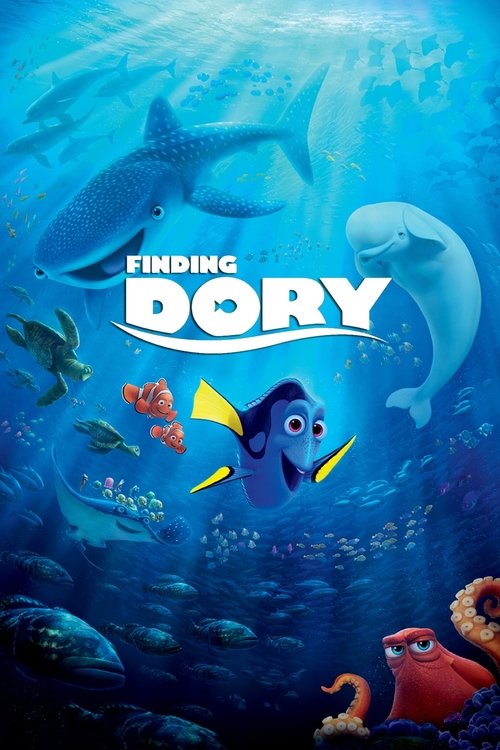
Pixar excels at depicting underwater environs, as we’ve of course seen in Finding Nemo (2003) and Finding Dory (2016), and Luca is no exception, with the underwater farming community that “sea monster” Luca belongs to being stunningly rendered in every shade of green and blue.
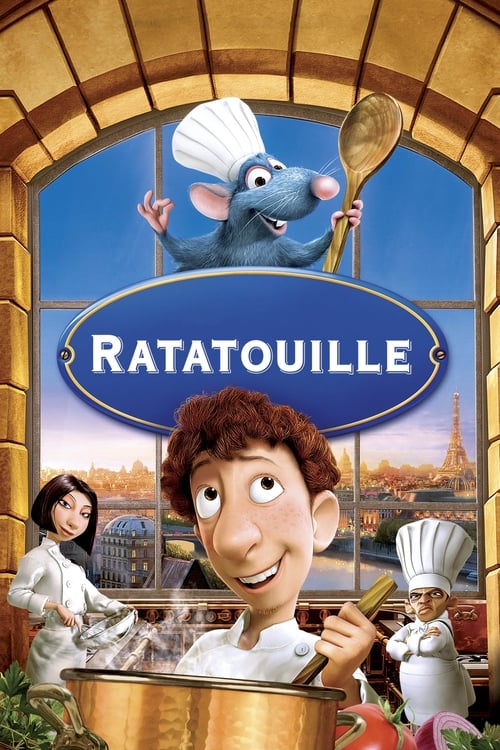
It often feels like a spiritual successor to Ratatouille for this reason, though with arguably even richer characters and a surprisingly effective sense of humor.
It doesn’t necessarily have the spark of a “Ratatouille” or a “WALL-E,” the absolute apex of the Pixar model, but there’s plenty to like here.
They have never returned to the quality of the sublime run that was Ratatouille (2007), Wall:E (2008, my favourite), Up (2009) and Toy Story 3 (2010).
But this is not the first time he’s working for the Pixar Animation Studios, given his prior experience in directing the 2011 Oscar-nominated short film La Luna and served as a storyboard artist for some of the Pixar animated features such as Ratatouille (2007) and Up (2009).
Casarosa has worked at Pixar for nearly 20 years, serving as a story artist on Ratatouille , Up , and the first two Cars movies.
Naturally, Ercole doesn’t take kindly to newbies, setting up the primary antagonist who, in a past life, is probably the food critic, Ego from “Ratatouille.”
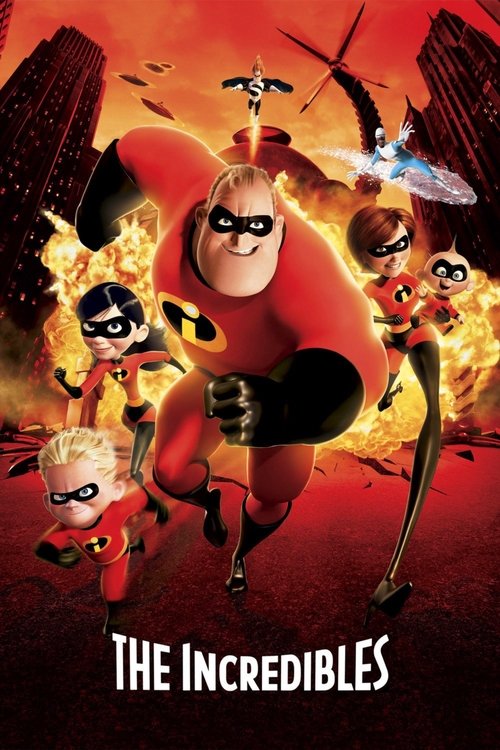
It would be nice to see a push away from some of the stock character designs, as it often feels like The Incredibles is the only Pixar feature to really move in unique directions in that regard.
The Incredibles isn’t just a superhero film, it’s a memorable mash-up of 60s decor and the early James Bond movies.
Advertisement
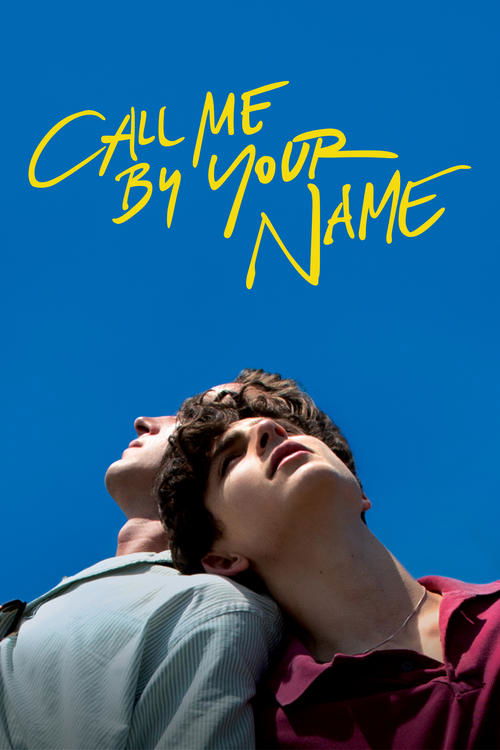
It’s understandable that some early reactions to the Luca trailer compared the boys’ summer idyll on the Italian coast to the gay romance at the heart of Luca Guadagnino’s Call Me by Your Name —even if this movie’s director, Enrico Casarosa, has insisted that the relationships among the young characters, same-sex or otherwise, are intended to be purely platonic.
When Luca — which was directed by Enrico Casarosa (of the short La Luna ) and written by Jesse Andrews and Mike Jones — was announced, the internet was quick to call out parallels between this film and Call Me by Your Name.
The trailer provoked tittering references to Call Me By Your Name , but there’s no romance in Luca , yet another buddy movie from the house that Woody and Buzz built.
That may sound roughly like the plot of Luca Gaudagnino’s 2017 film Call Me By Your Name , but it is also the story of the perhaps coincidentally named Luca , the latest bittersweet animated film from Disney and Pixar (on Disney+ June 18).
It’s easy to see the obvious similarities between Luca and some other recent films like The Shape of Water and Call Me By Your Name , with the latter naturally being the more adult, explicit version of this story.
Pixar has crafted a gorgeous parable about a delicately unfolding relationship, set in ravishing Italian landscape, between two young and idealistic sea monsters: it’s The Shape of Water meets Call Me by Your Name.
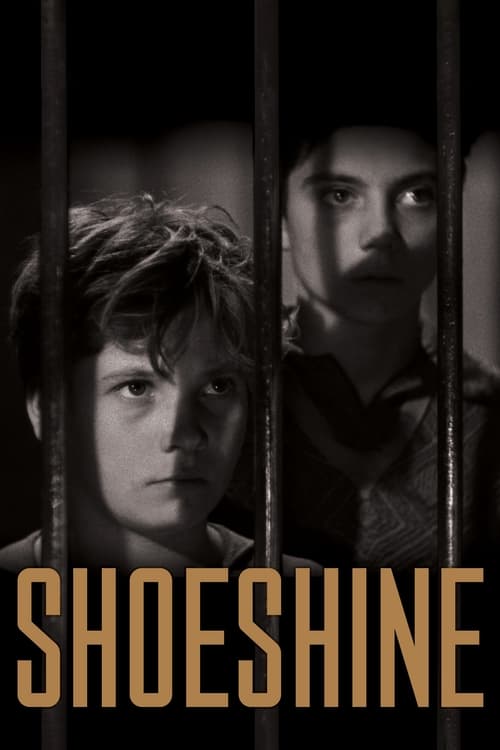
The friendship between Alberto and Luca, built around the fantasy of owning a Vespa and threatened by a desperate act of betrayal, carries a faint but detectable echo of “Shoeshine,” Vittorio De Sica’s neorealist fable about two Roman street urchins who dream of buying a horse.


The recycled story elements identify "Luca" as lesser Pixar, more in the vein of "Onward" or "Cars 3" than "Nemo" or "Up."
Each of their releases is somebody’s favorite, but the deeper, heavier, more mature efforts — think Wall-E (2008), Up (2009), Inside Out (2015) — tend to be the most revered.
They have never returned to the quality of the sublime run that was Ratatouille (2007), Wall:E (2008, my favourite), Up (2009) and Toy Story 3 (2010).
But this is not the first time he’s working for the Pixar Animation Studios, given his prior experience in directing the 2011 Oscar-nominated short film La Luna and served as a storyboard artist for some of the Pixar animated features such as Ratatouille (2007) and Up (2009).
Missing that heart-wrenching pull (“Inside Out” or “Coco”), that poignant life lesson (“Wall-e,” “Ratatouille,” “Finding Nemo”), and those Pixar tears (yup, I watched twice and no “Inside Out” or “Up” equivalent eye watering for me), Luca ends up being just another adorable character without much grit.
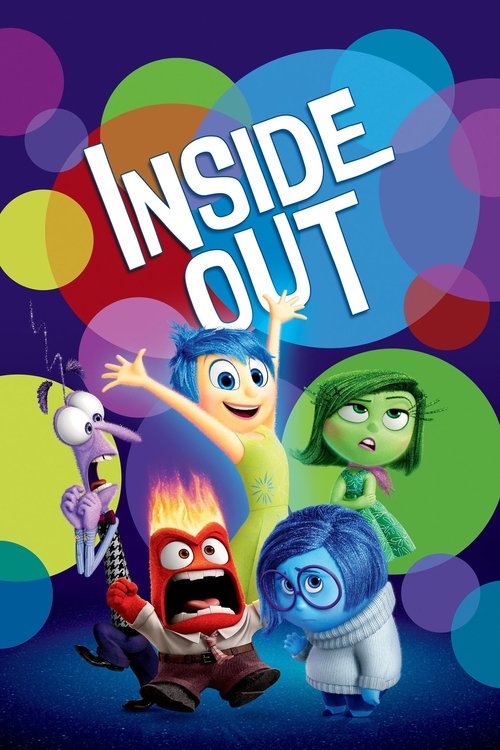
Although pitting sea creatures as your main leads certainly is a bold idea, this Pixar story is not a broad, eclectic concept, like “Soul” (2020), “Inside Out” (2015), and “WALL-E” (2008) are.
Each of their releases is somebody’s favorite, but the deeper, heavier, more mature efforts — think Wall-E (2008), Up (2009), Inside Out (2015) — tend to be the most revered.

Writers Jesse Andrews ( Me and Earl and the Dying Girl , 2015) and Mike Jones ( Soul , 2020) clearly took that to heart, but other themes and ideas are equally at play.
Although pitting sea creatures as your main leads certainly is a bold idea, this Pixar story is not a broad, eclectic concept, like “Soul” (2020), “Inside Out” (2015), and “WALL-E” (2008) are.
By the same token, “Luca” the movie may look slight or modest compared with its more extravagant Pixar forebears; certainly it lacks the grand metaphysical ambitions of the Oscar-winning “Soul” (whose director, Pete Docter, is an executive producer here).
Andrews and Jones may have completely ditched the layers of themes and tones in their respective hit friendship-centric works, Me and Earl and the Dying Girl and Soul, but the humor and lightness they would constantly serve are free from saccharine (but with plenty of cheese), independent from side characters (hello, Minions) and the kind that gets the plot moving.
If you’re wondering how these creatures with fins, scales, and tails can could live on among humans without being discovered, writers Jesse Andrews (“Me and Earl and the Dying Girl”) and Mike Jones (“Soul”) have a tidy solution for that.
And while the familiarity stays on throughout the rest of the film, Casarosa along with screenwriters Jesse Andrews (2015’s Me and Earl and the Dying Girl) and Mike Jones (last year’s Soul) manage to make the story feels both charming and relatable.
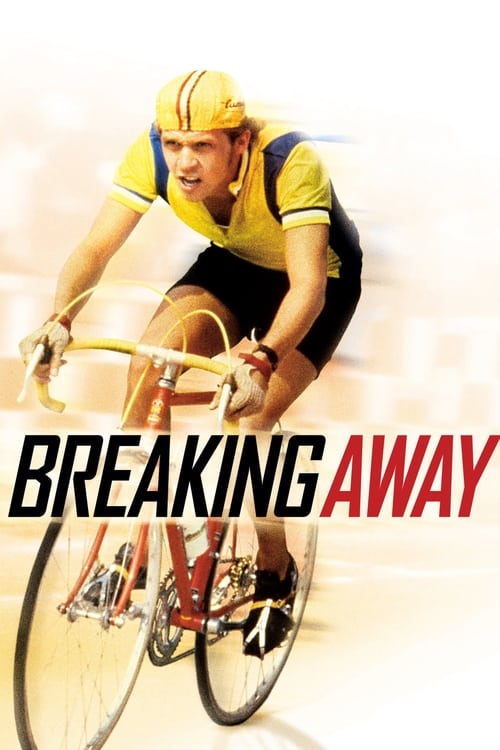
Fans of Peter Yates’ brilliant film Breaking Away (1979) will feel a kinship here, and that’s even before you learn that director Enrico Casarosa showed that movie’s script to Luca ‘s writers as inspiration.
Advertisement
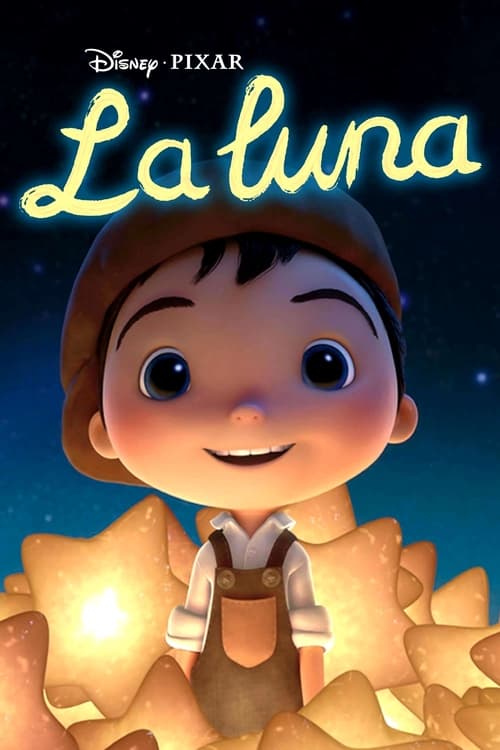
But it would be unfair to leave out how Casarosa also utilizes the fantastical concepts of his short film, La Luna , to make Luca feel like a co-production between Pixar and Studio Ghibli, specially when it comes to its experimental, magical concepts and heightened, stylistic world where just about every possible color is used to its fullest extent onscreen.
With direction from Enrico Casarosa, who certainly knows the territory and was Oscar-nominated for the 2011 Pixar animated short La Luna , and a fun script from Mike Jones, this all plays out beautifully, aided by the gorgeous production pesign (right down to the town movie theater’s posters of Roman Holiday ).
The simpler animation is reminiscent of his heartwarming 2011 short, La Luna, but captures a certain carefree spirit.
When Luca — which was directed by Enrico Casarosa (of the short La Luna ) and written by Jesse Andrews and Mike Jones — was announced, the internet was quick to call out parallels between this film and Call Me by Your Name.
The filmmakers’ most exquisite visual creation here is Portorosso, a fictional village on the Italian Riviera presumably not far from Genoa, Casarosa’s birth city, which inspired his 2011 Pixar short, “La Luna.”
Director Casarosa may have foregone the wonders of respite and intimacy he applied in the La Luna short, but the vibrancy and electricity — from Daniela Strijleva’s lived-in designs and Dan Romer’s heartfelt strumming — blend right in with details allowing Portorosso to be as much a postcard-primed reverie as an innocent memory (Casarosa said the Luca-Alberto friendship is inspired by his).
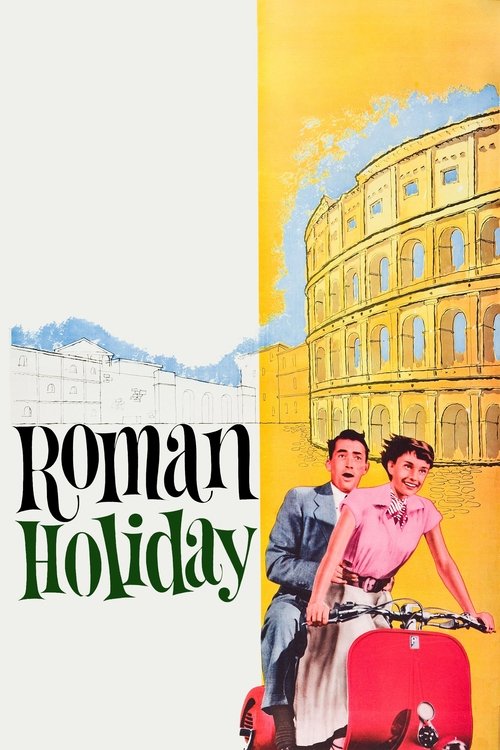
With direction from Enrico Casarosa, who certainly knows the territory and was Oscar-nominated for the 2011 Pixar animated short La Luna , and a fun script from Mike Jones, this all plays out beautifully, aided by the gorgeous production pesign (right down to the town movie theater’s posters of Roman Holiday ).
There’s a boat named Gelsomina, a likeness of Marcello Mastroianni and a whole subplot devoted to fetishizing the Vespa, burnishing a vehicular-cinematic legacy that already includes “Roman Holiday” and “La Dolce Vita.”
They fall in love with the idea of buying a Vespa scooter a la “Roman Holiday” and traveling all around the world (where, to them, everything is adjacent to the sea).
(It would need to be fact-checked, but it seems fairly safe to say that no film has ever been as obsessed with Vespas as Luca, and yes, that includes Roman Holiday.)
Yes, Vespas, the Italian motorised scooter immortalised by the poster for Roman Holiday and, to a lesser extent, Larry Crowne .