
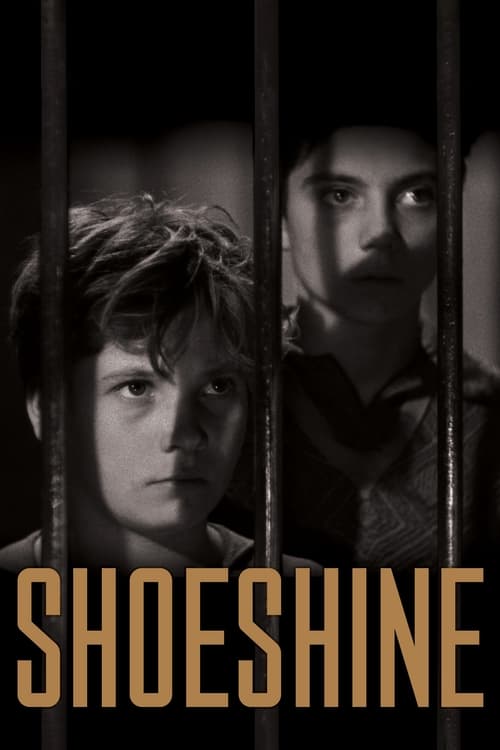
Shoeshine (1946)
Directed by Vittorio De Sica
Two shoeshine boys in postwar Rome, Italy save up to buy a horse, but their involvement as dupes in a burglary lands them in juvenile prison; the experience take a devastating toll on their friendship.
5 connections found
View:
5 connections, in both directions
What critics compared Shoeshine to
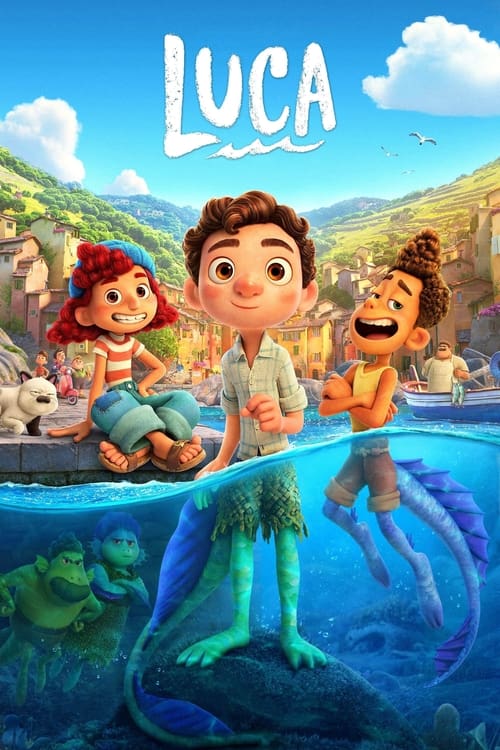


The friendship between Alberto and Luca, built around the fantasy of owning a Vespa and threatened by a desperate act of betrayal, carries a faint but detectable echo of “Shoeshine,” Vittorio De Sica’s neorealist fable about two Roman street urchins who dream of buying a horse.

Nothing says "unforced realism" more than a narratively shapeless slice-of-life snapshot of impoverished kids wandering around in beatific innocence of their own suffering; all the way back to 1946's Shoeshine and 1948's Bicycle Thieves , child non-actors floating in front of the camera, guileless in their moral comfort, have been a mainstay of the form.
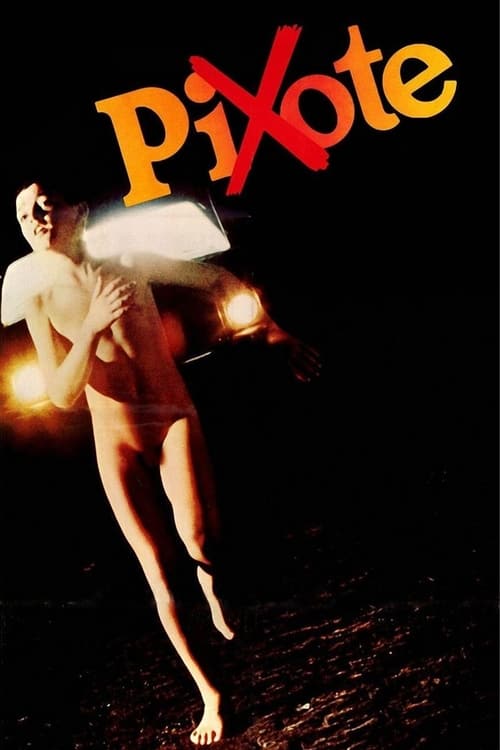
Hector Babenco's Pixote has as its antecedents such works as Jean Vigo's Zéro de Conduite (1933), Vittorio De Sica's Shoeshine (1946), Luis Buñuel's Los Olvidados (1950), and François Truffaut's The 400 Blows (1959); the gun-toting youth of Barbet Schroeder's Our Lady of the Assassins (2000) would certainly have been influenced by Pixote.
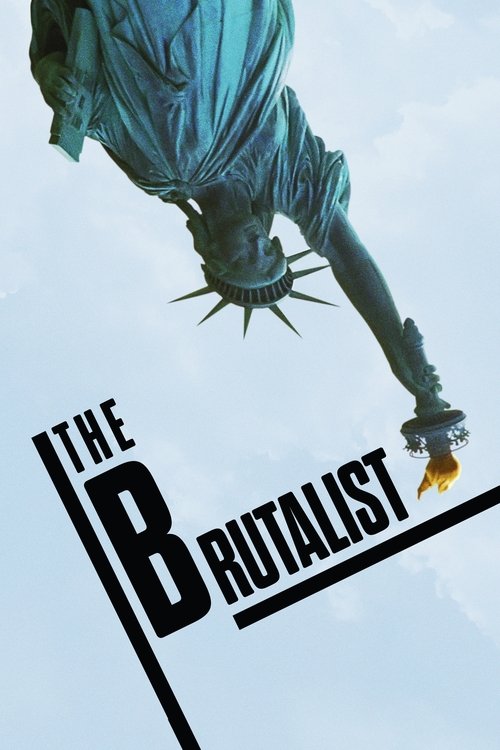
…or the neo-realism of Vittorio De Sica (Shoeshine) and Roberto Rossellini (Rome, Open City)…
Advertisement
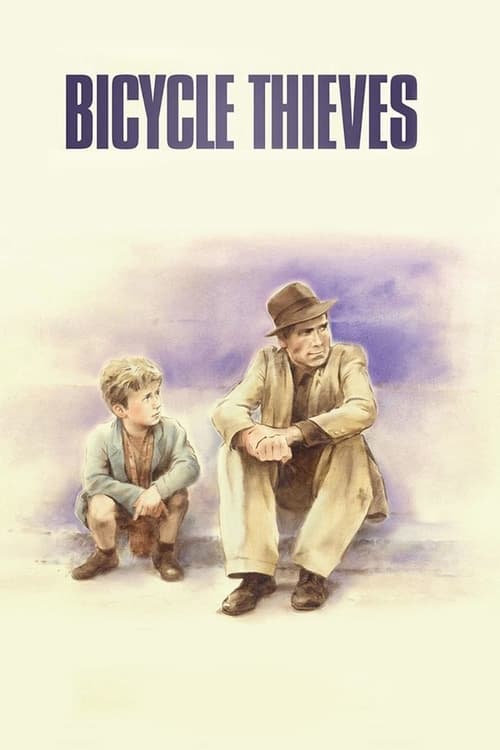
Neorealist films -- others include "Open City," "Shoeshine," "Paisan" and "Umberto D" -- were shot on real locations with available light, used nonprofessional actors and often had socially conscious themes.
David O. Selznick was so impressed with De Sica's earlier "Shoeshine" that he offered to produce "The Bicycle Thief"--provided Cary Grant star, surely not one of the legendary Hollywood producer's most inspired casting ideas, especially since Grant's attempt to go against type several years earlier in "None but the Lonely Heart" was not a success with the public.
Pauline Kael remembers going to see De Sica's first great film, "Shoeshine," in 1947, just after a lovers' quarrel that had left her in a state of despair: "I came out of the theater, tears streaming, and overheard the petulant voice of a college girl complaining to her boyfriend, 'Well I don't see what was so special about that movie.'