
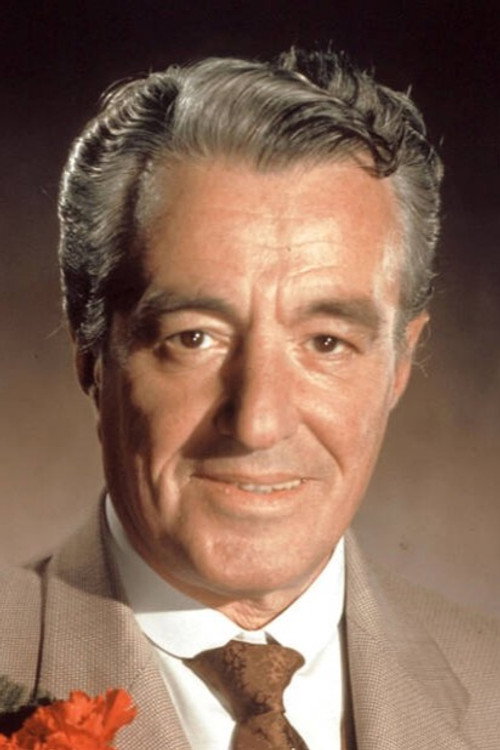
Vittorio De Sica
18 connections found

View:
Connections, in both directions
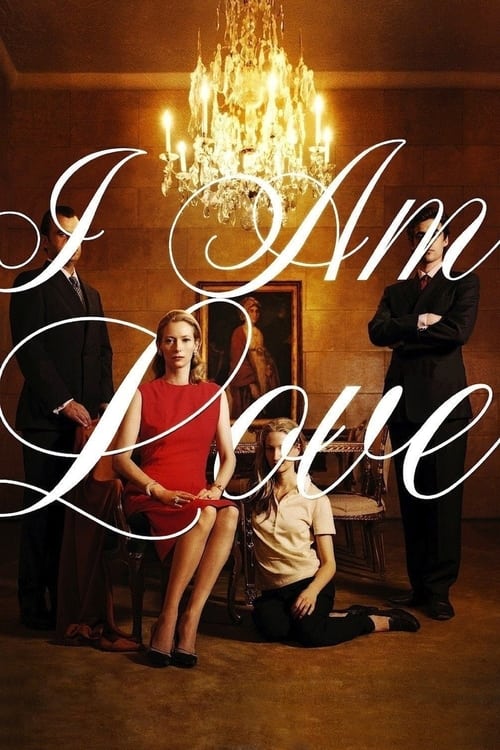
I Am Love (2010)
Directed by Luca Guadagnino
influenced by The Garden of the Finzi-Continis (1970)
Visuals Themes


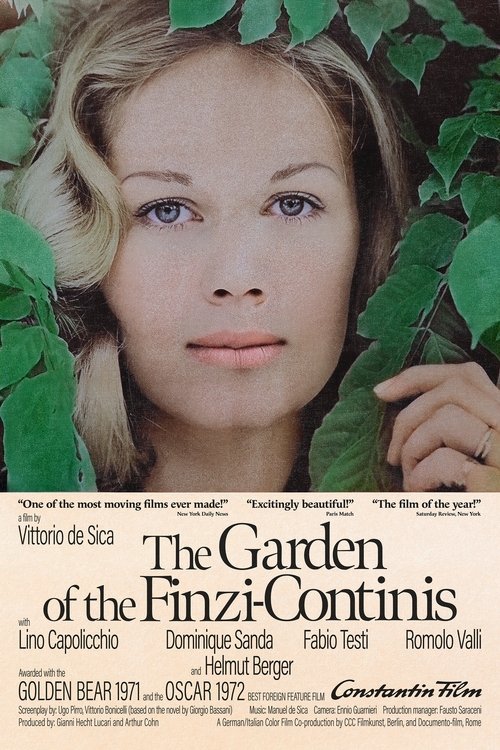
I Am Love's stately visual style is dense with allusions to other movies: Visconti's Senso , De Sica's The Garden of the Finzi-Continis , and even Hitchcock's Vertigo , which is quoted in the spiral-shaped bun Emma wears in her hair.
He's also clearly inspired by such classic meditations on the Italian bourgeoisie and passing of epochs as "The Leopard" and "The Garden of the Finzi-Continis."

The Florida Project (2017)
Directed by Sean Baker
influenced by Bicycle Thieves (1948), Shoeshine (1946)
Themes Visuals
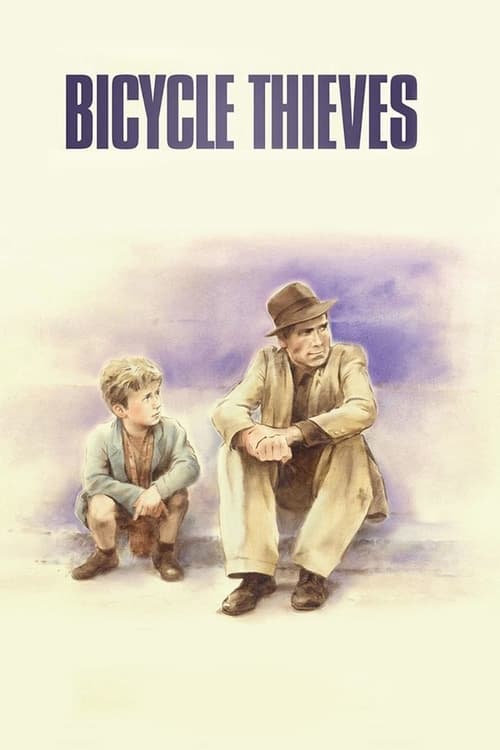
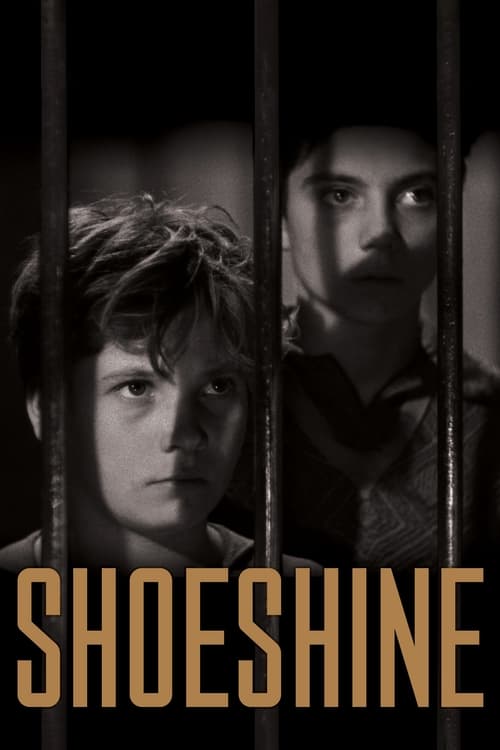
Nothing says "unforced realism" more than a narratively shapeless slice-of-life snapshot of impoverished kids wandering around in beatific innocence of their own suffering; all the way back to 1946's Shoeshine and 1948's Bicycle Thieves , child non-actors floating in front of the camera, guileless in their moral comfort, have been a mainstay of the form.
This kind of social realist, vérité-style filmmaking has been part of cinema almost from its beginning, reaching peaks in Italian neorealism (1948’s Bicycle Thieves ) and the French New Wave (1959’s The 400 Blows ).
Imagine a Sunshine State riff on “Los Olvidados” or “Bicycle Thieves,” slathered in sherbet hues and sprinkled with Pop Rocks, and you’ll get some sense of the strange, sun-scorched beauty of Baker’s accomplishment.
Nothing says "unforced realism" more than a narratively shapeless slice-of-life snapshot of impoverished kids wandering around in beatific innocence of their own suffering; all the way back to 1946's Shoeshine and 1948's Bicycle Thieves , child non-actors floating in front of the camera, guileless in their moral comfort, have been a mainstay of the form.

The emotional heart of the film is Maggiorani’s relationship with his son, played by Enzo Staiola, a bond that recalls such classic cinematic father-son pairings as Charlie Chaplin and Jackie Coogan in “The Kid” and Roberto Benigni and Giorgio Cantarini in “Life Is Beautiful.”
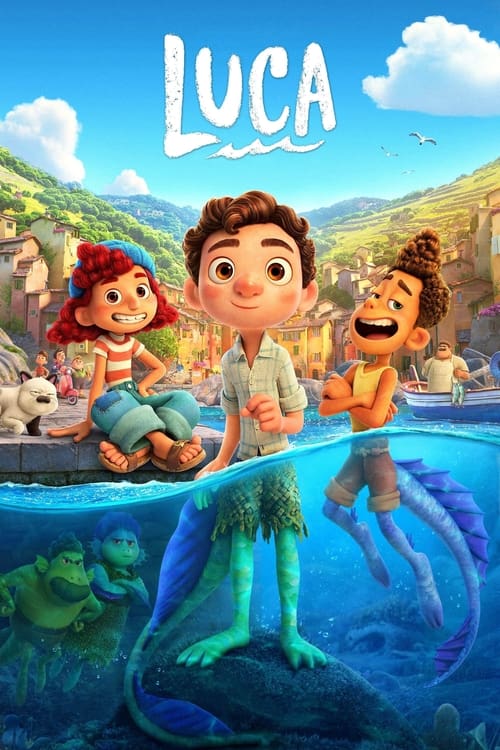
The friendship between Alberto and Luca, built around the fantasy of owning a Vespa and threatened by a desperate act of betrayal, carries a faint but detectable echo of “Shoeshine,” Vittorio De Sica’s neorealist fable about two Roman street urchins who dream of buying a horse.
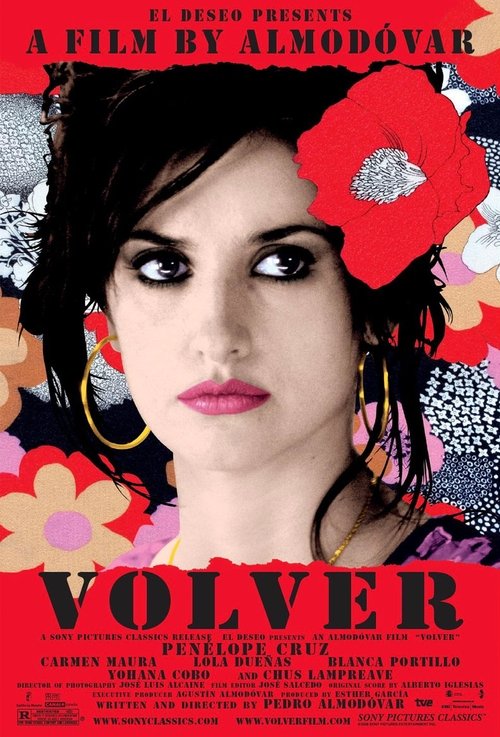
Cruz has said it's the role of her career, and she may be right: drawing heavily on the Sophia Loren of yore in stylizing her sumptuous beauty, both Loren in Two Women and Joan Crawford in Mildred Pierce are Raimunda's indomitable predecessors.
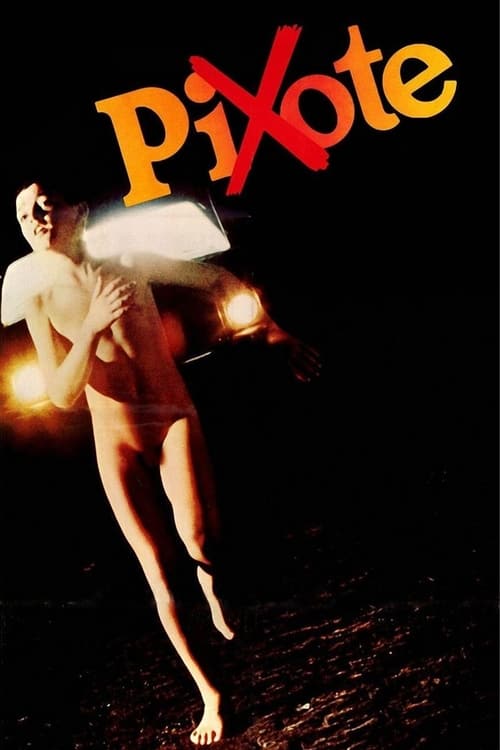
Hector Babenco's Pixote has as its antecedents such works as Jean Vigo's Zéro de Conduite (1933), Vittorio De Sica's Shoeshine (1946), Luis Buñuel's Los Olvidados (1950), and François Truffaut's The 400 Blows (1959); the gun-toting youth of Barbet Schroeder's Our Lady of the Assassins (2000) would certainly have been influenced by Pixote.

David O. Selznick was so impressed with De Sica's earlier "Shoeshine" that he offered to produce "The Bicycle Thief"--provided Cary Grant star, surely not one of the legendary Hollywood producer's most inspired casting ideas, especially since Grant's attempt to go against type several years earlier in "None but the Lonely Heart" was not a success with the public.
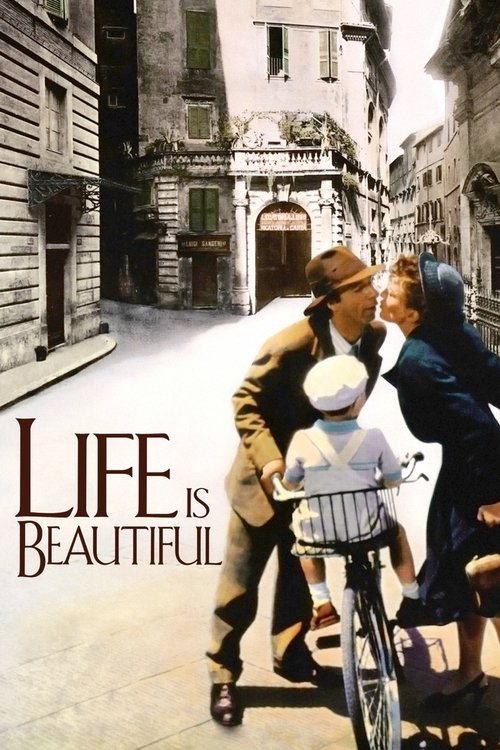
Life Is Beautiful (1997)
Directed by Roberto Benigni
influenced by The Garden of the Finzi-Continis (1970)
Themes
It's surely no accident that the best nondocumentary films about Nazi persecution -- Louis Malle's "Lacombe, Lucien," Vittorio De Sica's "The Garden of the Finzi-Continis," Paul Mazursky's "Enemies, A Love Story," Costa-Gavras' "Music Box," Agnieszka Holland's "Europa, Europa" -- have not depicted the slaughter of the Jews.
A much better film on this subject, that unfailingly tells about the Italian culpability in the Holocaust, is The Garden of the Finzi-Continis (1971).
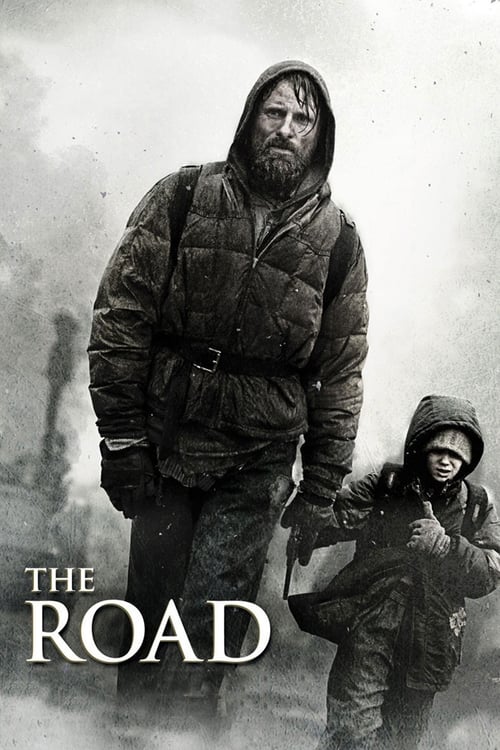
Hillcoat combines minimalism with classical rhythms here – drawing from films such as The Grapes of Wrath and Bicycle Thieves.
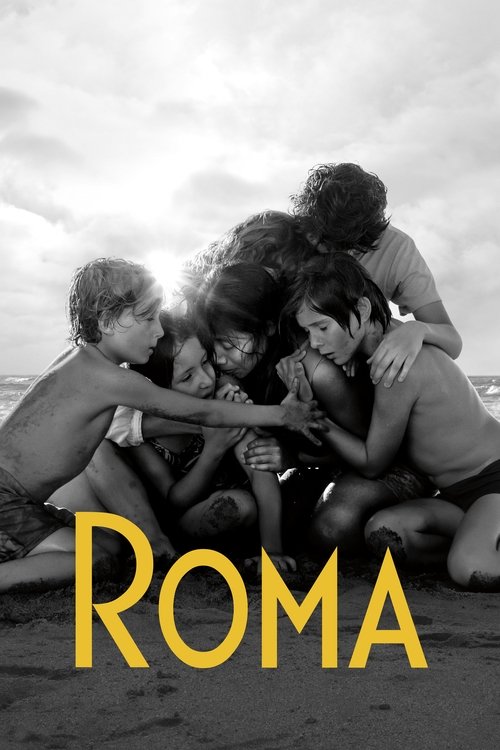
The bridling wrath of the underclass that we find in Italian neorealism—“I curse the day I was born,” is the hero’s cry in “ Bicycle Thieves ” (1948)—is wholly absent, and there’s not a whisper of the anarchistic mischief practiced by Buñuel in “ Diary of a Chambermaid ” (1964), in which the aging patriarch kneels down to unfasten the boots of a bored underling.
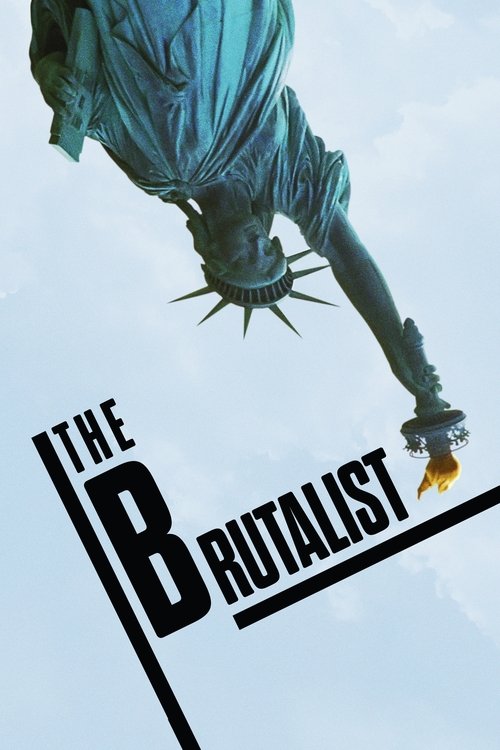
…or the neo-realism of Vittorio De Sica (Shoeshine) and Roberto Rossellini (Rome, Open City)…
We’re not talking about Bicycle Thieves here, are we?
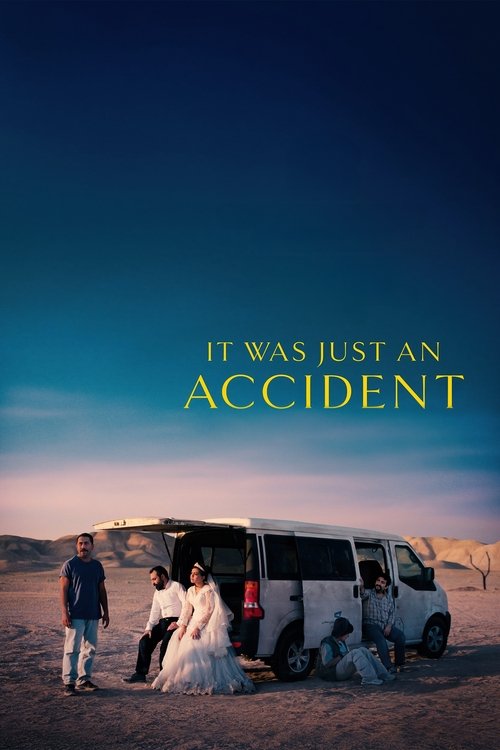
It Was Just an Accident (2025)
Directed by Jafar Panahi
influenced by Bicycle Thieves (1948)
Visuals
There’s a neo-realist quality to the setting and characterisation that’s reminiscent of “Bicycle Thieves” (1948) or “Umberto D” (1952).

On Sica, rather than any one film
…prove that the indie movement’s petits-bourgeois auteurs lack the grace of De Sica, the Dardanne brothers, Mike Leigh, and Luchino Visconti…
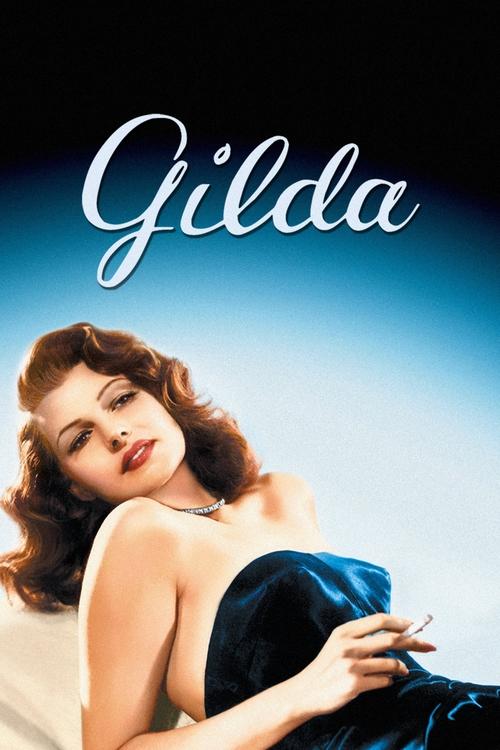
One of them is Antonio Ricci (Lamberto Maggiorani), a slim, handsome man who will be hired to paste up posters advertising Rita Hayworth in "Gilda" all over the city--provided he has a bicycle.
The story begins as Antonio gets his first job in some time, but the job -- pasting up Hollywood movie posters (for Rita Hayworth in Gilda , creating a huge clash between fantasy and reality) -- requires a bicycle.

You can probably expect a think-piece excoriating Chu for not making his generation’s “Bicycle Thieves.”
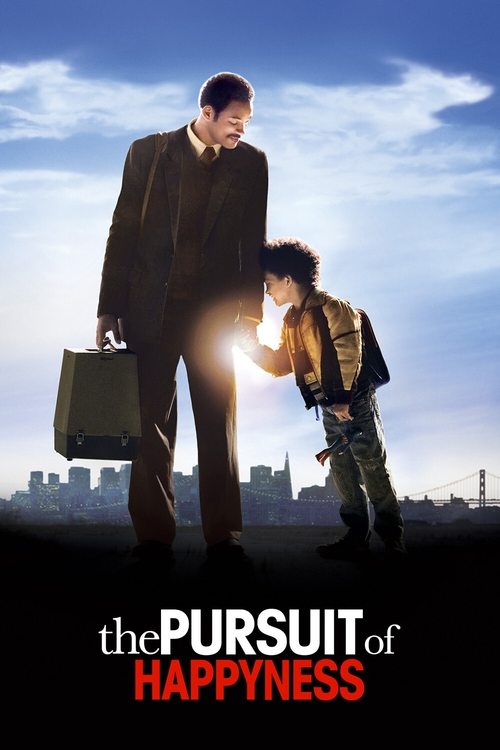
The Pursuit of Happyness (2006)
Directed by Gabriele Muccino
influenced by Bicycle Thieves (1948)
Themes
Some critics have already noted that the film is like an American version of Bicycle Thieves, Vittorio de Sica's masterpiece of Italian neo-realism.
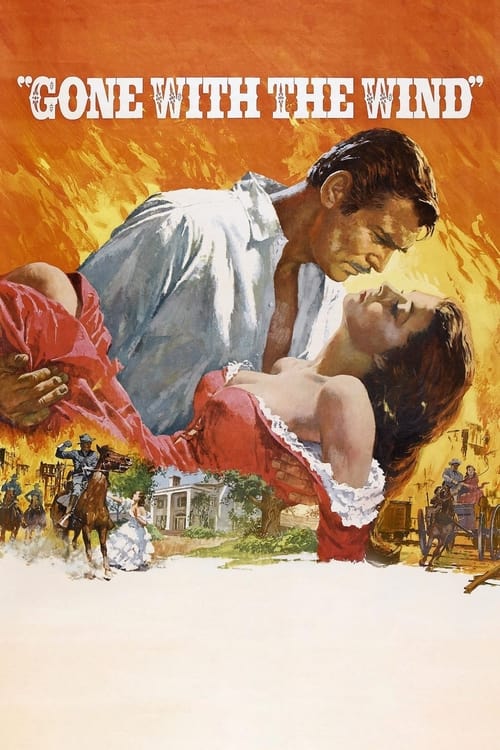
Because De Sica's previous film, "Shoeshine," had had some success, he was able to pitch this story to "Gone With the Wind" producer David O. Selznick, who apparently suggested Cary Grant for the lead.