

The Florida Project (2017)
Directed by Sean Baker
The story of a precocious six year-old and her ragtag group of friends whose summer break is filled with childhood wonder, possibility and a sense of adventure while the adults around them struggle with hard times.
48 connections found
View:
48 films that influenced The Florida Project
What critics say influenced The Florida Project
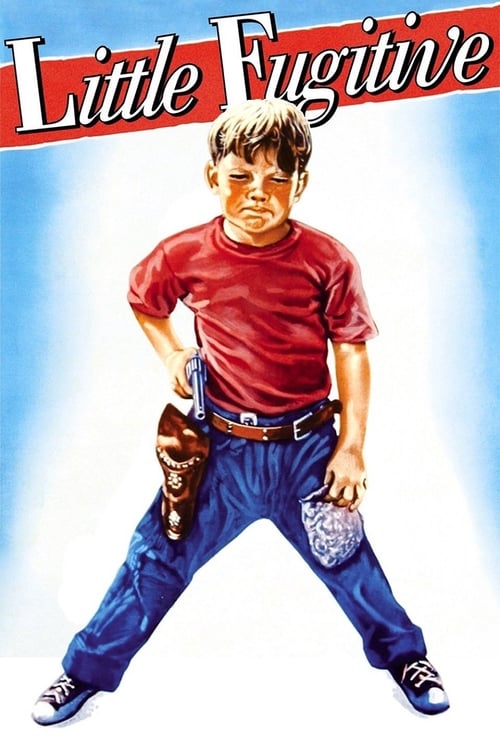


The Florida Project draws on the legacy of films such as Killer of Sheep (Charles Burnett, 1978), which offers a child’s-eye view of Watts, and Little Fugitive (Ray Ashley, Morris Engel, 1953), which does the same for Coney Island.
But what it really reminded me of was “Little Fugitive,” the great 1953 independent movie, about a boy let loose in Brooklyn’s Coney Island, that influenced the French New Wave, or François Truffaut’s “Small Change,” in which childhood is comprehended, without sticky sentimentality, as an enraptured time of life.
The Florida Project’s more whimsical childhood setting is reminiscent of the “Little Rascals” of Our Gang , or the seminal work of early-’50s naturalism Little Fugitive , which followed a working-class runaway navigating the chaos of Coney Island.
Working within a formula established by the 1953 masterpiece “Little Fugitive,” in which a young child roams Coney Island on his own, Baker uses his measured neorealist style to turns the grimy setting into a sun-soaked wonderland in which the children relate to their surroundings as an ongoing game.
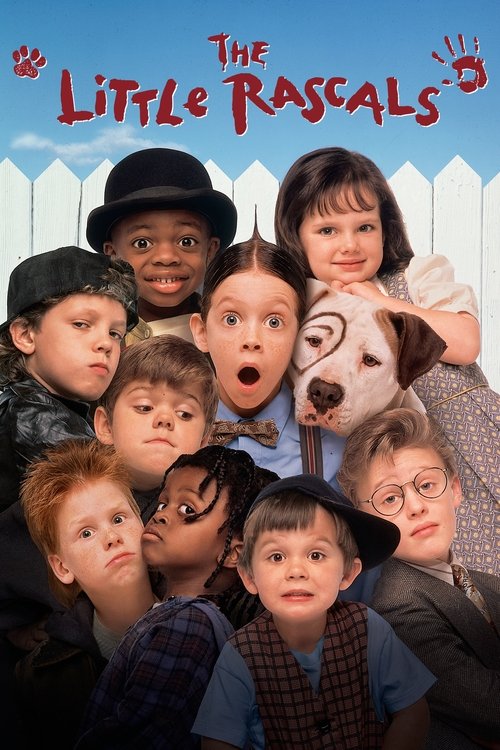
But Baker, blending The Little Rascals with his own brand of indie neo-realism, cuts a direct path to the heart.
Baker pays tribute in the end credits to “The Little Rascals” shorts from the 1920s and ’30s, and I suppose one could mistake “The Florida Project” for a transcendent episode from that series.
Baker pulls it off by drawing on an unlikely inspiration: The Little Rascals.
Of course, Sean Baker ("Tangerine") was crediting the creators of the classic "Our Gang" comedies (better known to most of us as "The Little Rascals") and with good reason.
Sean Baker had hoped to make The Florida Project as the modern rejoinder to Hal Roach’s The Little Rascals, a series of early 20th century short films depicting the adventures of a dastardly group of ragtag young children.
“The Florida Project” has many antecedents: Francois Truffaut’s “The 400 Blows,” for one, and literary exposes of poverty like Betty Smith’s “A Tree Grows in Brooklyn,” but also classics of comic kid anarchy like “The Little Rascals” series, Jean Vigo’s “Zero for Conduct,” and Louis Malle’s “Zazie dans la Metro.”
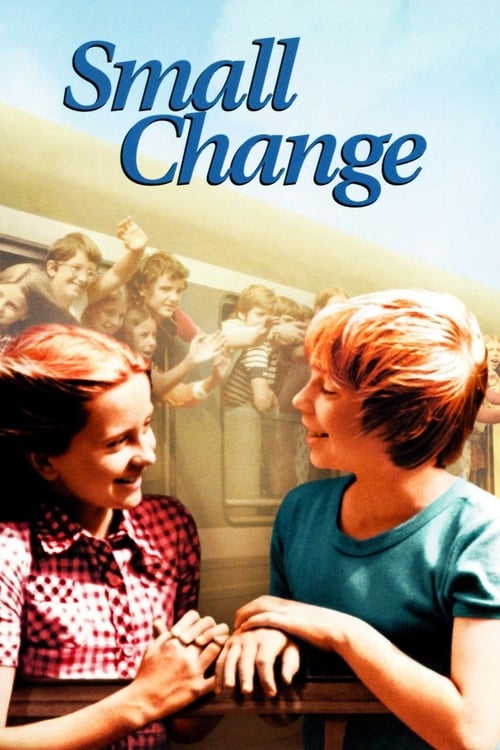
But what it really reminded me of was “Little Fugitive,” the great 1953 independent movie, about a boy let loose in Brooklyn’s Coney Island, that influenced the French New Wave, or François Truffaut’s “Small Change,” in which childhood is comprehended, without sticky sentimentality, as an enraptured time of life.
There’s a dash of Truffaut’s “400 Blows” and “Small Change” in the movie’s recipe, along with the “Our Gang” vibe.
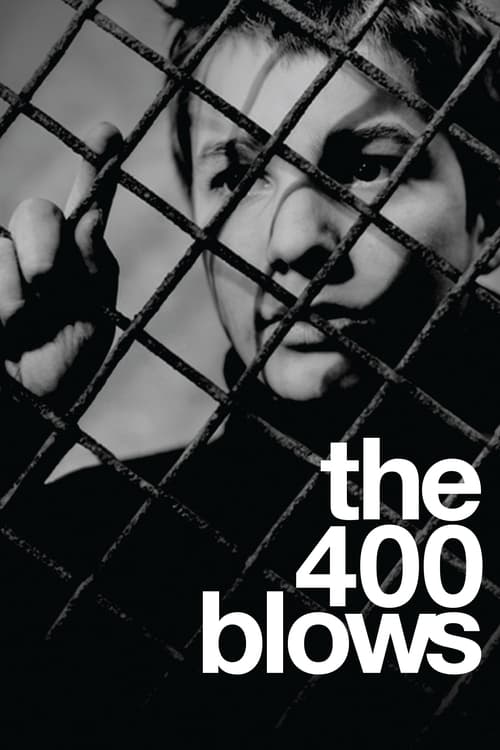
Influences here range from Ken Loach’s 1969 gem Kes, Carroll Ballard’s 1979 classic The Black Stallion, François Truffaut’s timeless 1959 stunner The 400 Blows, John Boorman’s graceful 1987 drama Hope and Glory and Andrea Arnold’s 2009 marvel Fish Tank.
Have they escaped the cellular confines of “The 400 Blows” or “Salaam Bombay”?
This kind of social realist, vérité-style filmmaking has been part of cinema almost from its beginning, reaching peaks in Italian neorealism (1948’s Bicycle Thieves ) and the French New Wave (1959’s The 400 Blows ).
Her wonderful performance helps The Florida Project – despite the lack of much narrative structure – sit proudly beside such great studies of childhood as The 400 Blows, Fanny and Alexander and Boyhood .
“The Florida Project” has many antecedents: Francois Truffaut’s “The 400 Blows,” for one, and literary exposes of poverty like Betty Smith’s “A Tree Grows in Brooklyn,” but also classics of comic kid anarchy like “The Little Rascals” series, Jean Vigo’s “Zero for Conduct,” and Louis Malle’s “Zazie dans la Metro.”
“The Florida Project” joins classics such as Francois Truffaut’s “The 400 Blows” in that rarefied space.
They are Francois Truffaut's "Les Mistons" raised to the nth power, but are seldom more than a couple of steps away from the long arm of society and its dismal authority.

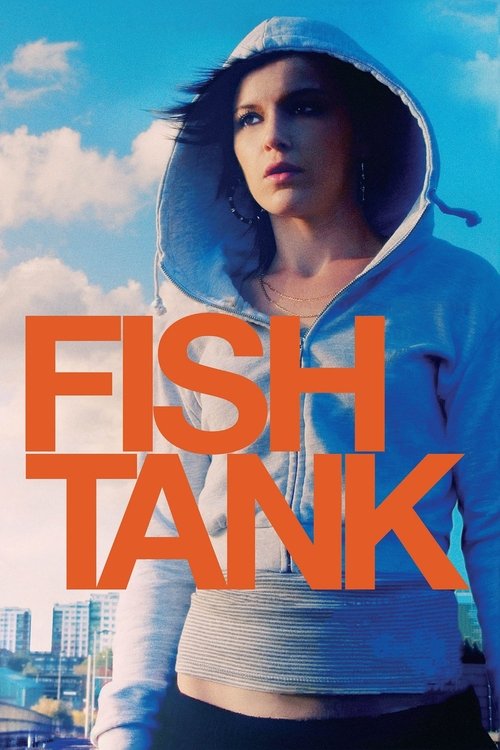
In some ways, The Florida Project reminded me of Fish Tank .
Influences here range from Ken Loach’s 1969 gem Kes, Carroll Ballard’s 1979 classic The Black Stallion, François Truffaut’s timeless 1959 stunner The 400 Blows, John Boorman’s graceful 1987 drama Hope and Glory and Andrea Arnold’s 2009 marvel Fish Tank.
A mix of “A Tree Grows in Brooklyn” and “Fish Tank,” Baker (who wrote the film with Chris Bergoch) brilliantly presents both sides of Moonee’s world, the real and the imaginative, held together by a whisper-thin membrane of childhood wonder.
While the performances of Prince and Vinaite are raw (the latter reminded me of Katie Jarvis from Fish Tank in its ferocity), it's Dafoe who is the balancing influence.
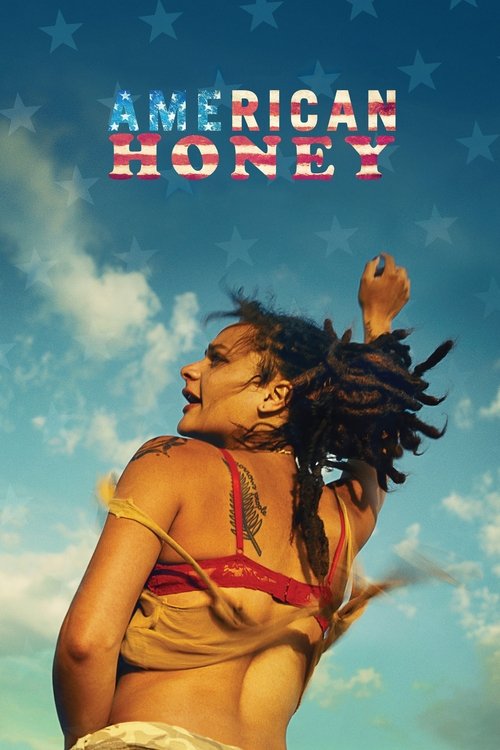
There are exceptions to the rule, such as Andrea Arnold’s American Honey, Lee Daniels’s Precious, Debra Granik’s Winter’s Bone, and Benh Zeitlin’s Beasts of the Southern Wild.
Vinaite brings a lovely naturalism to the role that’s reminiscent of Andrea Arnold’s work with discoveries like Sasha Lane (in last year’s outstanding American Honey).
Jacques Audiard makes this mistake in Rust and Bone, Andrea Arnold in American Honey, and John Lee Hancock in The Blind Side.
Many moviemakers delve into the underside of America's underclass, most recently Ramin Bahrani with the also set in Florida "99 Homes" in 2015, and Andrea Arnold with last year's "American Honey."
Baker knows the terrain better than the last director of talent to get this fascinated by Motel-land, Andrea Arnold in American Honey.
Take Andrea Arnold’s American Honey (2016) and Harmony Korine’s Spring Breakers (2012).
Advertisement

The Florida Project draws on the legacy of films such as Killer of Sheep (Charles Burnett, 1978), which offers a child’s-eye view of Watts, and Little Fugitive (Ray Ashley, Morris Engel, 1953), which does the same for Coney Island.
Baker also shifts to the longer, tougher days of the motel’s grownup occupants—a choice that spiritually aligns The Florida Project with a DIY classic of multigenerational focus, Charles Burnett’s Killer Of Sheep .
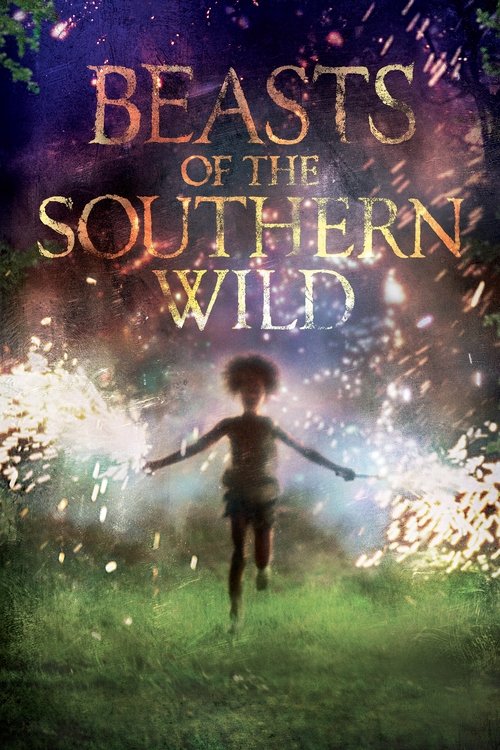
As Moonee, Prince has the sort of coming-out party that greeted Quvenzhane Wallis in “Beasts of the Southern Wild” and Jacob Tremblay in “Room.”
The focus here is still on marginalized people, but Baker and Bergoch have graduated to 35mm film, which perfectly suits the empty-candy-wrapper aesthetics of the place, and also recalls the dreamlike weirdness of Beasts of the Southern Wild—minus soundtrack music, except for one of the most riveting finishes you’ll encounter this or any other year.
There are exceptions to the rule, such as Andrea Arnold’s American Honey, Lee Daniels’s Precious, Debra Granik’s Winter’s Bone, and Benh Zeitlin’s Beasts of the Southern Wild.
Like Quvenzhane Wallis in Beasts of the Southern Wild she has much to teach us about the disappointments of poverty and the character qualities necessary for survival.
While the impulse is admirable, it results in a film that veers dangerously close to the kind of aestheticized poverty porn that bedeviled such similar enterprises as “Beasts of the Southern Wild” and “American Honey.”
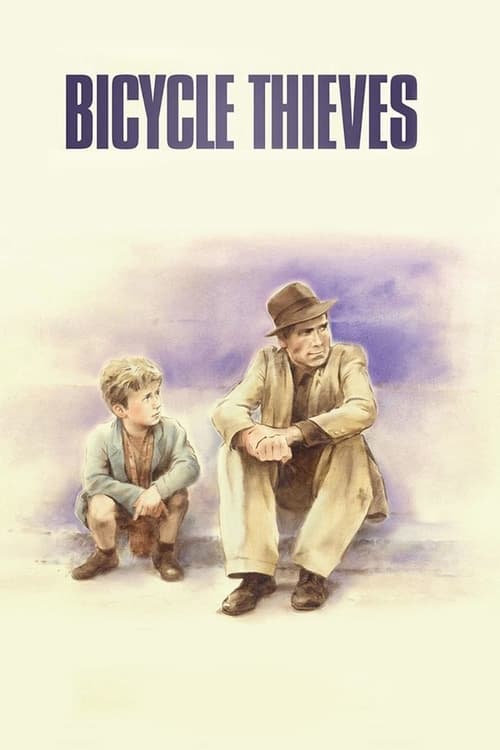
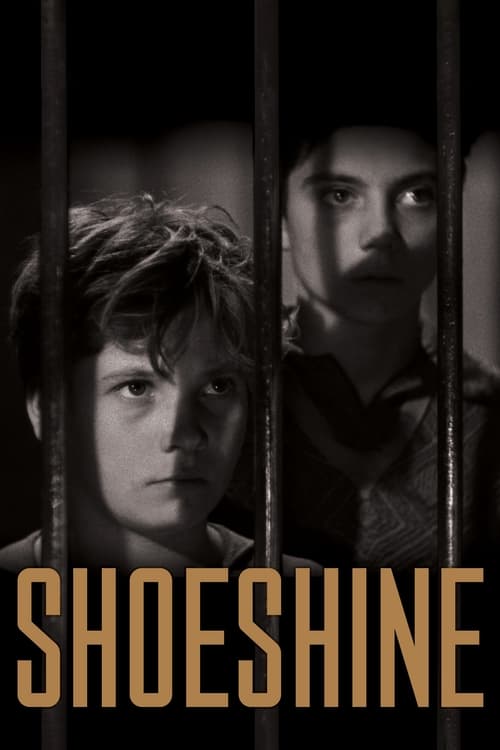
Nothing says "unforced realism" more than a narratively shapeless slice-of-life snapshot of impoverished kids wandering around in beatific innocence of their own suffering; all the way back to 1946's Shoeshine and 1948's Bicycle Thieves , child non-actors floating in front of the camera, guileless in their moral comfort, have been a mainstay of the form.
This kind of social realist, vérité-style filmmaking has been part of cinema almost from its beginning, reaching peaks in Italian neorealism (1948’s Bicycle Thieves ) and the French New Wave (1959’s The 400 Blows ).
Imagine a Sunshine State riff on “Los Olvidados” or “Bicycle Thieves,” slathered in sherbet hues and sprinkled with Pop Rocks, and you’ll get some sense of the strange, sun-scorched beauty of Baker’s accomplishment.
Nothing says "unforced realism" more than a narratively shapeless slice-of-life snapshot of impoverished kids wandering around in beatific innocence of their own suffering; all the way back to 1946's Shoeshine and 1948's Bicycle Thieves , child non-actors floating in front of the camera, guileless in their moral comfort, have been a mainstay of the form.
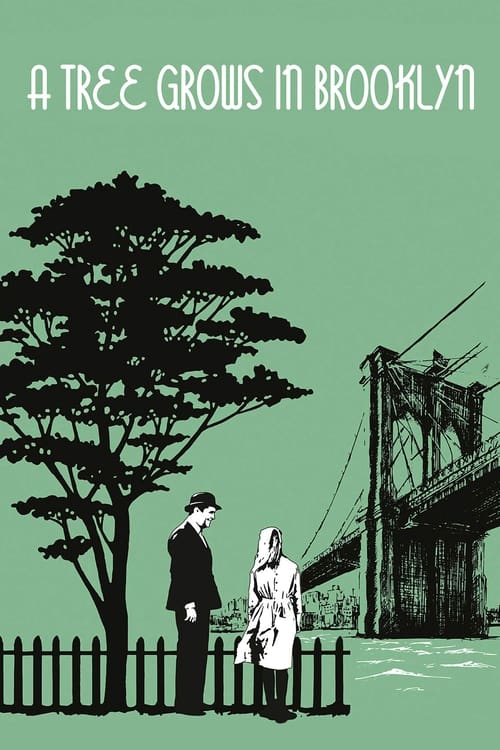
A mix of “A Tree Grows in Brooklyn” and “Fish Tank,” Baker (who wrote the film with Chris Bergoch) brilliantly presents both sides of Moonee’s world, the real and the imaginative, held together by a whisper-thin membrane of childhood wonder.
“The Florida Project” has many antecedents: Francois Truffaut’s “The 400 Blows,” for one, and literary exposes of poverty like Betty Smith’s “A Tree Grows in Brooklyn,” but also classics of comic kid anarchy like “The Little Rascals” series, Jean Vigo’s “Zero for Conduct,” and Louis Malle’s “Zazie dans la Metro.”
Advertisement
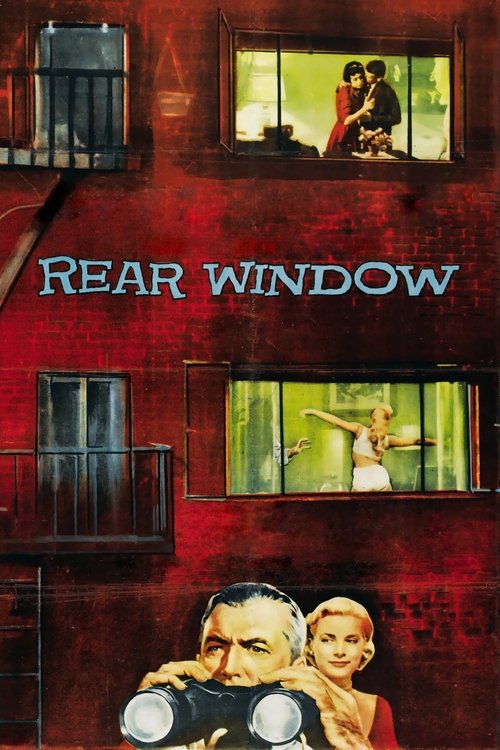
We come to know the dimensions and inhabitants of the Magic Castle very well in “The Florida Project,” with an attention to detail reminiscent of what Hitchcock brought to the diorama-like Greenwich Village in “Rear Window.”
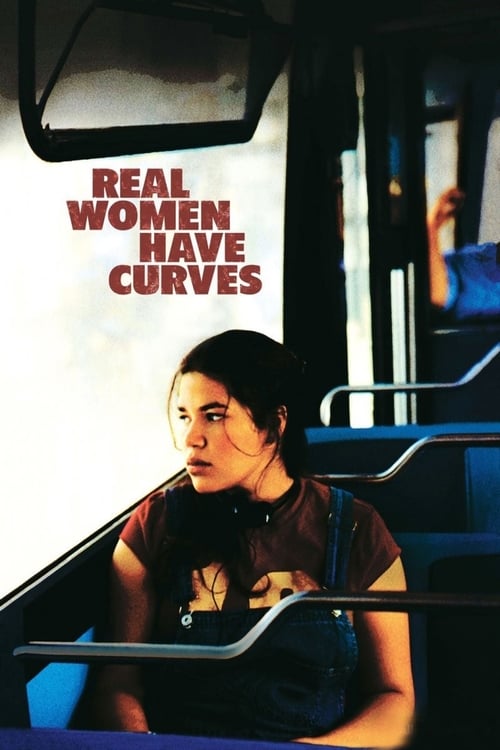
It brings to mind Larry Clark’s Kids, Ramin Bahrani’s 99 Homes , Patricia Cardoso’s Real Women Have Curves and Richard Glatzer and Wash Westmoreland’s Quinceañera.