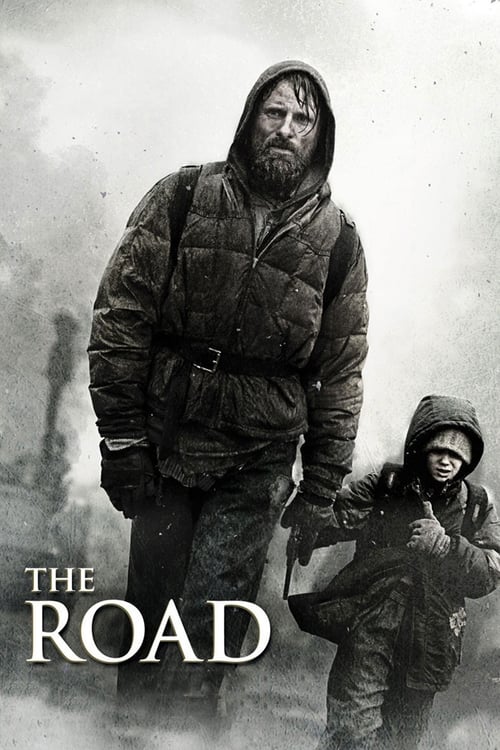
The Road (2009)
Directed by John Hillcoat
A father and his son walk alone through burned America. Nothing moves in the ravaged landscape save the ash on the wind and water. It is cold enough to crack stones and, when the snow falls, it is gray. Their destination is the warmer south, although they don't know what, if anything, awaits them there.
27 connections found
View:
27 films that influenced The Road
What critics say influenced The Road
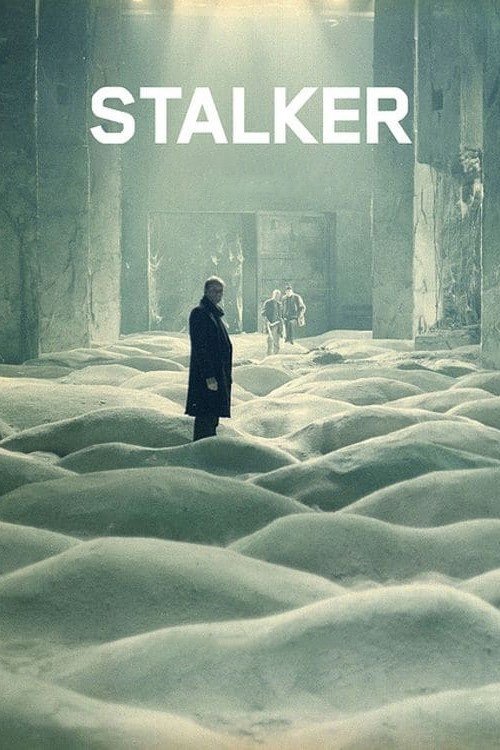


If the landscape owes something to Tarkovsky’s Stalker, the pairing of this disembodied voice with images of paradise lost recall the films of Terrence Malick, especially The Thin Red Line.
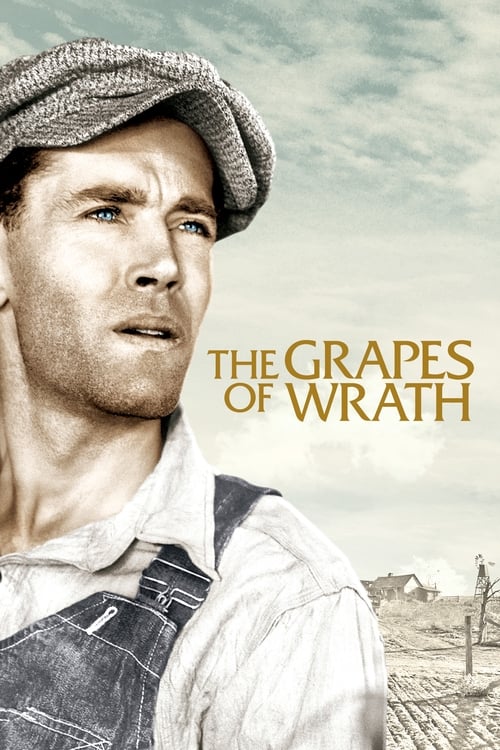
"The Road," by John Hillcoat, who directed the grim Australian Western "The Proposition," is an apocalyptic "The Grapes of Wrath," in which Man and Boy push a shopping cart filled with their few possessions across a parched earth toward an unknown.
Hillcoat combines minimalism with classical rhythms here – drawing from films such as The Grapes of Wrath and Bicycle Thieves.

Turning McCarthy’s novel into a palatable feature film couldn’t have been easy, but director John Hillcoat (The Proposition) and cinematographer Javier Aguirresarobe supply some arresting images of an earth that’s literally dying, shrouded in ash and littered with the artifacts of an unthinkable (and unspecified) human tragedy.
Hillcoat's earlier film, " The Proposition " (2005), written by Nick Cave , seems almost McCarthy-like.
In plot and theme, director John Hillcoat ("The Proposition") and screenwriter Joe Penhall hew closely to McCarthy's vision.
Hillcoat, whose previous film The Proposition was inspired by McCarthy's Blood Meridian, wisely shot the film in ravaged-by-disaster, real-world locations like Mount St. Helens and post-Katrina New Orleans, capturing the right balance of familiarity (abandoned malls, decaying amusement parks, still-carbonated Coke cans) and apocalyptic horror (smoke and fire on every horizon, rootless trees falling all over the place, graffiti-filled billboards that say "Behold the Valley of Slaughter").
Director John Hillcoat's previous work was the Australian western The Proposition, and his gift for highlighting how isolated the characters feel on a huge landscape is well served here.
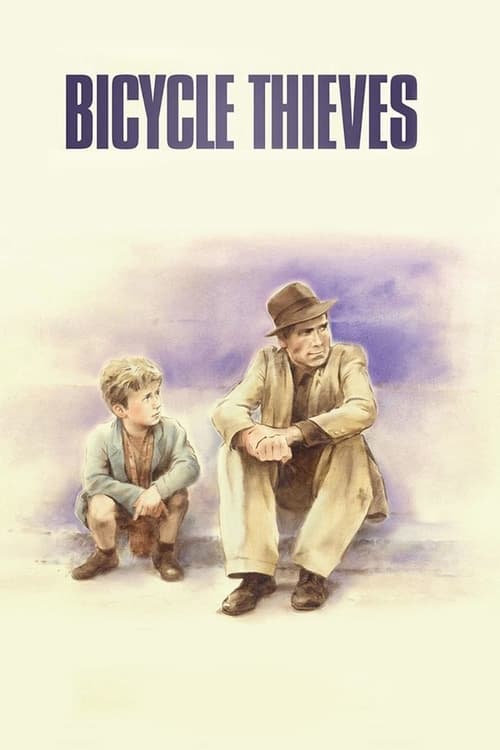
Hillcoat combines minimalism with classical rhythms here – drawing from films such as The Grapes of Wrath and Bicycle Thieves.
Advertisement
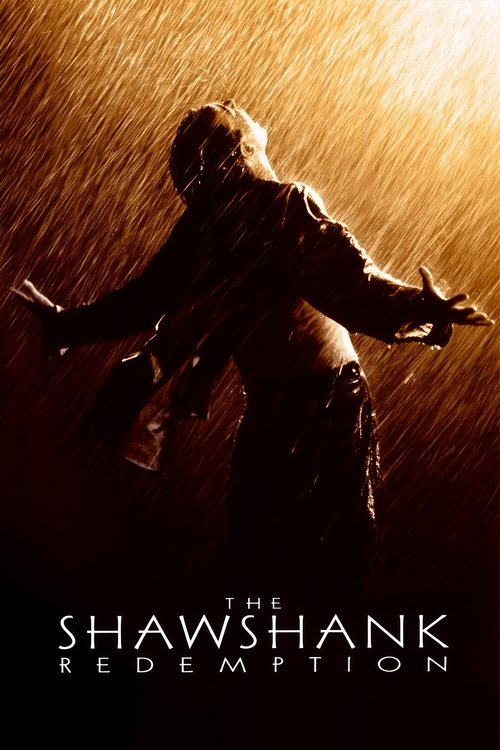
Instead, Hillcoat gathered many of the technical staff from his previous film, including Nick Cave and Warren Ellis (music), editor Jon Gregory, production designer Chris Kennedy, and Margot Wilson (costumes), and, with to-date unproven screenwriter Joe Penhall (a playwright whose "Blue/Orrange" won an Olivier Award and Critics Circle Award for Best Play), fashioned one of the best adaptations I recall since Frank Darabont tackled Stephen King's "The Shawshank Redemption" and "The Green Mile."

For while Chris Kennedy's formidable production design places us in an uncomfortably real space, absent McCarthy's haunting language, "The Road" for the most part is not so good at transcendence, at making us feel, as the book definitely does, that there is reason for us to endure its pitiless descriptions of what Joseph Conrad described in "Heart of Darkness" as "the horror, the horror."
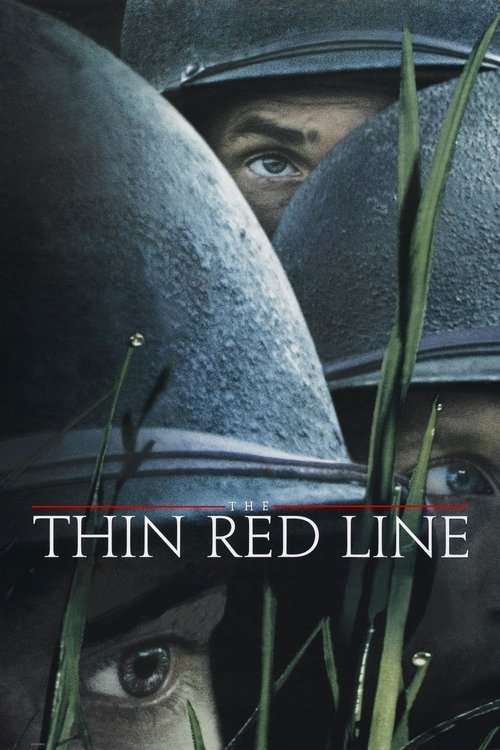
If the landscape owes something to Tarkovsky’s Stalker, the pairing of this disembodied voice with images of paradise lost recall the films of Terrence Malick, especially The Thin Red Line.
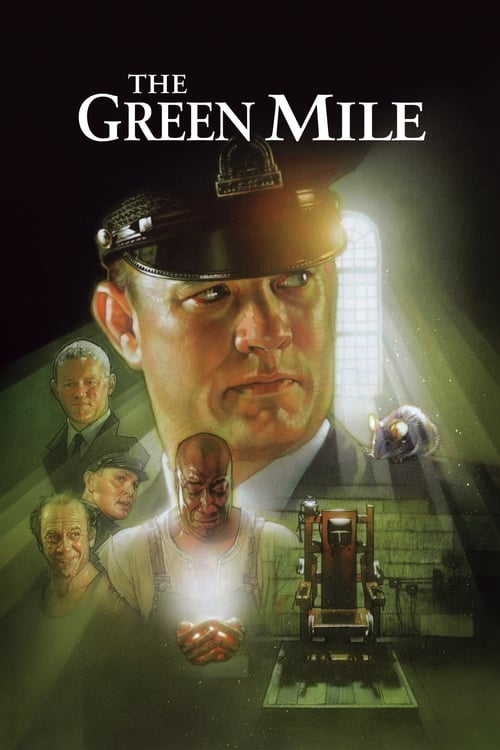
Instead, Hillcoat gathered many of the technical staff from his previous film, including Nick Cave and Warren Ellis (music), editor Jon Gregory, production designer Chris Kennedy, and Margot Wilson (costumes), and, with to-date unproven screenwriter Joe Penhall (a playwright whose "Blue/Orrange" won an Olivier Award and Critics Circle Award for Best Play), fashioned one of the best adaptations I recall since Frank Darabont tackled Stephen King's "The Shawshank Redemption" and "The Green Mile."
Advertisement
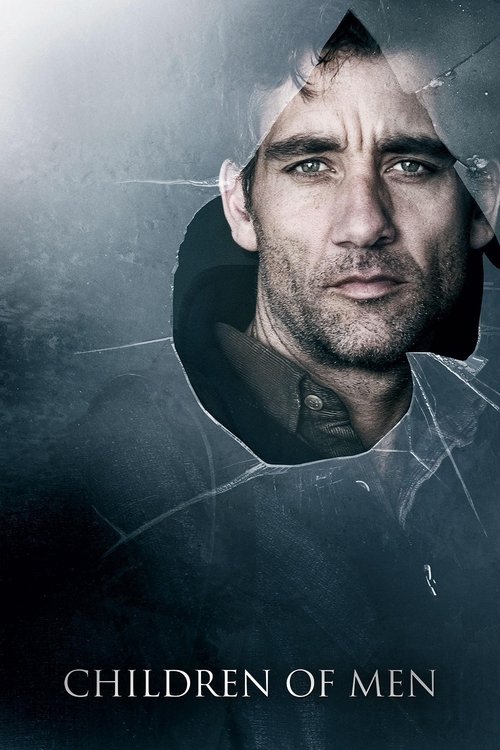
Like “Children of Men,” this adaptation carefully transposed violent, firelight horrors onto a larger canvas, grappled with tough questions and avoided nihilistic wallowing.
Those films in turn influenced virtually everything else in the subgenre, and those few which mostly avoid copying George Miller in part or in total, like Children of Men , are still much more inclined to depict the blasted-out future as a place of undisclosed marvels, though they are typically very unhappy marvels, and feature predominately action-adventure narratives.
We are sure to hear the same complaints about this film as we did about its super-sized uncle Children of Men a few years ago.
But there are better comparisons, such as to Rod Serling , Stephen King and the recent "Children of Men."
Horrifying in its bleak considerations, The Road is often as gut-level terrifying as anything in the horror genre, but like WALL-E, Children of Men, and The Terminator before it, it is also an illuminating vision of the hope that endures.
At a time when Children of Men and 12 Monkeys offer pretty frightening portraits of a devastated future world, The Road has stiff competition in any cinematic bleak-off.
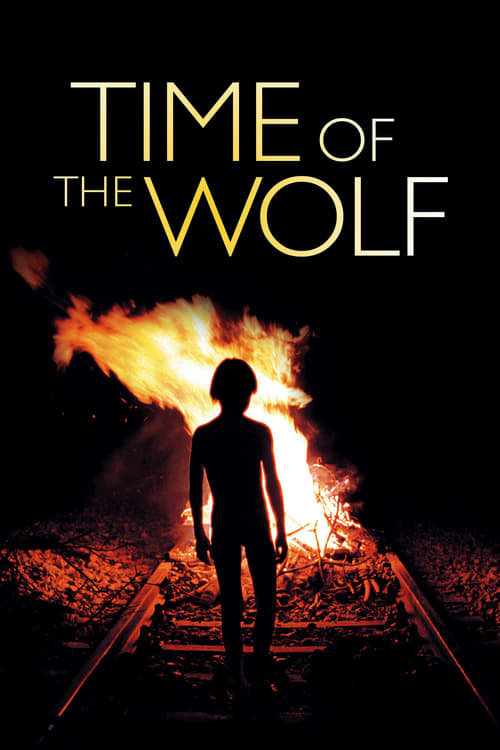
Someone like Michael Haneke would have no trouble embracing this material’s uncompromising dreariness—in fact, Haneke already did his own post-apocalyptic film in Time Of The Wolf—but Hillcoat allows the hard-won emotion of the final scene to veer decisively into sentimentality.
Films like The Road—and its superior predecessor, Michael Haneke’s Time of the Wolf—can prompt us to examine our faith, to question how it would hold up during such suffering.