
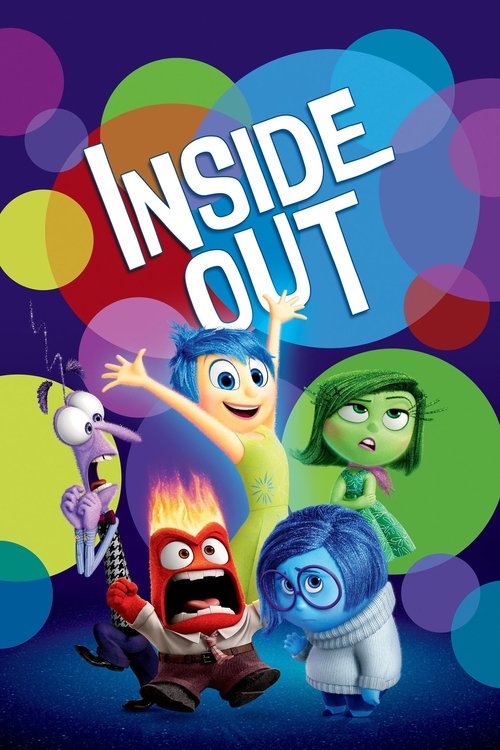
Inside Out (2015)
Directed by Pete Docter
When 11-year-old Riley moves to a new city, her Emotions team up to help her through the transition. Joy, Fear, Anger, Disgust and Sadness work together, but when Joy and Sadness get lost, they must journey through unfamiliar places to get back home.
43 connections found
View:
43 films that influenced Inside Out
What critics say influenced Inside Out
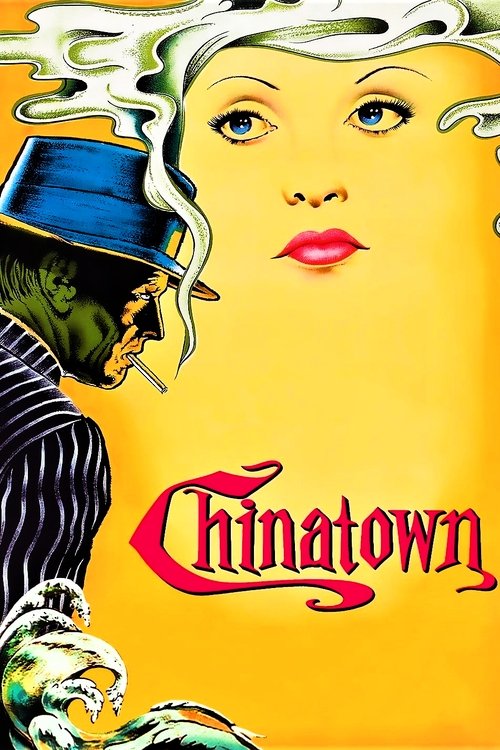


Where previous Pixar movies have jammed in the pop culture references thick and fast, Inside Out is almost completely stripped of them, so the few that remain — a Chinatown gag, a visual nod to Contact’s intergalactic wormholes, a jellybean-like voice actor in Dream Productions who looks like voice superstar John DiMaggio — really hit home.
Movies with jabs at San Francisco’s new-agey vibe with organic broccoli pizzas and jokes requiring the viewer to know things like the last line of Chinatown (1974) are not entirely aimed at 9-year-olds.
Because the Pixar brain trust (which, besides Docter, includes executive producers Lasseter and Andrew Stanton) is brilliant at story, the saga of "Inside Out" finds room for crisp action, genuine jeopardy, cartoon slapstick, even adult humor like a jest that references "Chinatown."
Almost every scene contains at least two simultaneous gags, one visual, the other verbal (has there ever been another cartoon aimed at children that contained a shout-out to Chinatown?)
When a character in Pixar's Inside Out makes an allusion to "Jake," it jogs the Chinatown core with aplomb.
The jokes flash by at synaptic speed, buoyed by an exuberant score from composer Michael Giacchino (Jurassic World, Up, Rataouille), and with shout-outs to such adult pleasures as the movies Vertigo and Chinatown.

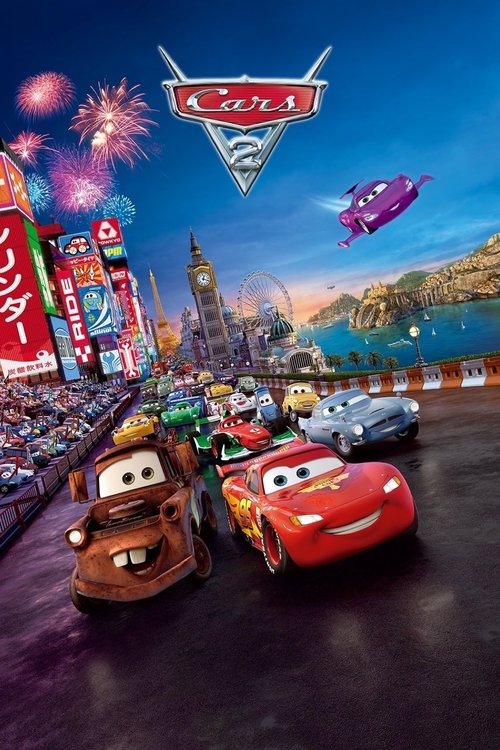
Cars 2 was light, not matching its predecessor (which was itself one of the studio’s lesser pictures), Brave was sweet but ultimately unmemorable, and Monsters University, while very good, wasn’t up to the level of the original.
Sure, you still get the occasional Cars 2 and ... Cars, but for each of those, the studio still releases movies with themes that resonate with actual human beings.
Twenty years since Pixar transfigured the animation filmmaking process with trailblazing innovation in Toy Story and after the recent shaky offerings of Cars 2 and Monster’s University failed to reach the dizzy heights Pixar audiences have become accustomed to, the studio’s fifteenth feature produces an abundance of spectacularly detailed CGI effects combined with an intricately ambitious narrative, which sees Pixar not only return to top form but indeed raise the bar further within animation filmmaking itself.
John Lasseter gave us the first two Toy Story films, which earns him forgiveness for Cars 2.
After a quartet of uninspired cash grabs (“Toy Story 3,” “Cars 2,” “Brave” and “Monsters University”) designed primarily to sell toys, Disney’s quasi-independent computer-animation arm returns to the glory days of “Finding Nemo,” “The Incredibles,” “Ratatouille,” “Wall-E” and “Up,” with an envelope-pushing instant classic from “Up” director Pete Docter.
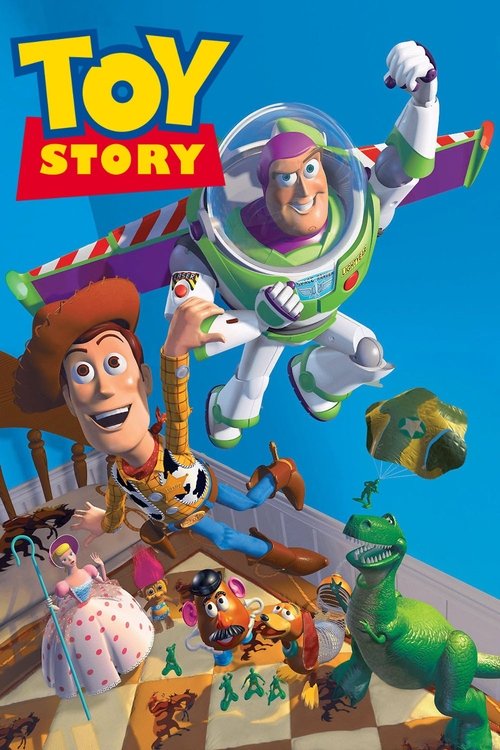
Like the "Toy Story" movies (two of which Docter also wrote), "Inside Out" is about the passing of childhood ritual, its most bittersweet moments the ones glimpsed in a rear-view mirror, as it reminds the unfaithful: Remember when you loved that?
This head trip is the 15th feature film from Pixar, now Disney/Pixar, in the last 20 years, a fabulous run that started with "Toy Story" in 1995.
While Riley and her world look consistent with Pixar’s other human creations, dating all the way back to “Toy Story,” everything to do with her Emotions demanded a unique visual solution.
It’s one of the “Toy Story” films redux — another go at reminding us of what we lost as we aged and reminding us of all that we can never get back.
The pain of being forgotten is beautifully articulated (in a nod to Toy Story ) through the tale of Riley’s old imaginary friend, Bing Bong (Richard Kind), a furry pink composite of a toddler’s fantasies, reduced to scavenging the mini-skips of long term memory for discarded little keepsakes.
The inclusion of silly, sweet, and slightly dumb Bing Bong, long forgotten by our tweenage Riley, will remind you a bit of the discarded toys of Toy Story—but that doesn’t mean he will break your heart any less.
Sure, you still get the occasional Cars 2 and ... Cars, but for each of those, the studio still releases movies with themes that resonate with actual human beings.
It draws almost endlessly on the Toy Story trilogy (1995,1999, 2010), Cars (2006 + 2011), Monsters, Inc. (2001), and a whirlwind of other Pixar pixels.
If audiences have had cause for concern with the relatively lacklustre Monsters University and the curiously misguided Cars franchise, they can rest assured that Inside Out is a prime example of the studio in full flight.
It's not that the Pixar crew haven't turned out great cartoons (mostly – I'm never going to be a "Cars" fan).

In a storytelling convention that’s at least as old as the 1966 sci-fi film Fantastic Voyage —another example that springs to mind is Madeleine L’Engle’s great novel A Wind in the Door —Inside Out cuts between two parallel storylines, one taking place around Riley, the other inside her.
Miniaturized interlopers have also found comic results ("Innerspace") and harrowing ones ("Fantastic Voyage") after being injected into bodies.
This isn't the first film to depict small beings inside others (beyond the likes of "Fantastic Voyage" and any number of demonic possession flicks there's been "Everything You Wanted to Know about Sex" (or at least one segment of that Woody Allen film), "Meet Dave" and "Osmosis Jones," among a few others).
Tipping its hat to The Wizard of Oz, Fantastic Voyage and numerous other fantasy journeys, this animated adventure thoroughly amuses and challenges on its subconscious quest.
When something goes wrong and Joy and Sadness are inadvertently ejected from the "Control Room," we begin perhaps the strangest road trip since Fantastic Voyage: a trek through Riley's subconscious.
Pixar’s 15th film has the emotional intelligence and conceptual innovations of Eternal Sunshine of the Spotless Mind , the interior narrative logic of Inception , and the referential, visual slapstick of Chuck Jones and Friz Freling.
We see Riley’s memories collapse and fade, not unlike the memories in Inception and Eternal Sunshine of the Spotless Mind, but here there is the added threat that Riley’s very sense of who she is could collapse along with them.
Advertisement
Pixar’s 15th film has the emotional intelligence and conceptual innovations of Eternal Sunshine of the Spotless Mind , the interior narrative logic of Inception , and the referential, visual slapstick of Chuck Jones and Friz Freling.
We see Riley’s memories collapse and fade, not unlike the memories in Inception and Eternal Sunshine of the Spotless Mind, but here there is the added threat that Riley’s very sense of who she is could collapse along with them.
At times, "Inside Out," co-written and co-directed by Pete Docter ("Up"), feels like a mash-up of "Toy Story" and "Inception," particularly in the awesome Dream Productions studio that creates dreams/nightmares based on Riley's day and Riley's imaginary friend Bing Bong (Richard Kind), himself a blend of several different animals, who fears Riley no longer has any need for him.
Si en Toy Story y Monster Inc. , convivían dos universos inanimados e incomunicados, el de los juguetes y la realidad; la oscuridad y la luz, en Intensa-Mente la idea es explorar ese mismo esquema entre el cuerpo y la mente del niño, en la construcción de un mundo paralelo, con reminiscencias a Inception (2010) de Christopher Nolan en el análisis narratológico que surge entre la realidad tangible y la realidad inconsciente que se genera en el interior de nuestra mente.

Memory was also a central theme in Finding Nemo, but it is given a different spin here, since instead of a fish with no long-term memory who gradually learns to remember things that are important to someone else, Inside Out revolves around a girl who starts out with some pretty solid “core memories”, which define what she values most in life, but then begins to lose touch with them as her sense of self is threatened by her family’s move away from home.
After a quartet of uninspired cash grabs (“Toy Story 3,” “Cars 2,” “Brave” and “Monsters University”) designed primarily to sell toys, Disney’s quasi-independent computer-animation arm returns to the glory days of “Finding Nemo,” “The Incredibles,” “Ratatouille,” “Wall-E” and “Up,” with an envelope-pushing instant classic from “Up” director Pete Docter.
Ratatouille (2007) and Finding Nemo (2003) are my two favorite Pixar creations, and I am sad at their plundering.
I said above that Riley has always been a naturally sunny kid, but how many teenagers are sunny in exactly the same way that they were at 10? Riley’s inner landscape is changing in ways her parents haven’t fully grasped, and there are scenes as devastating, particularly for parents, as anything in Finding Nemo or the Toy Story movies .
It's destined to join the ranks of Pixar's best movies -- the ones that have dazzled us with something we've truly never seen before: Toy Story , Finding Nemo , WALL-E , Up .
Most of Pixar’s movies are rooted in the pain of loss — of a whole planet (Wall-E), of a family (Finding Nemo, Up), or just of childhood, when the world seemed a simpler and more joyful place.
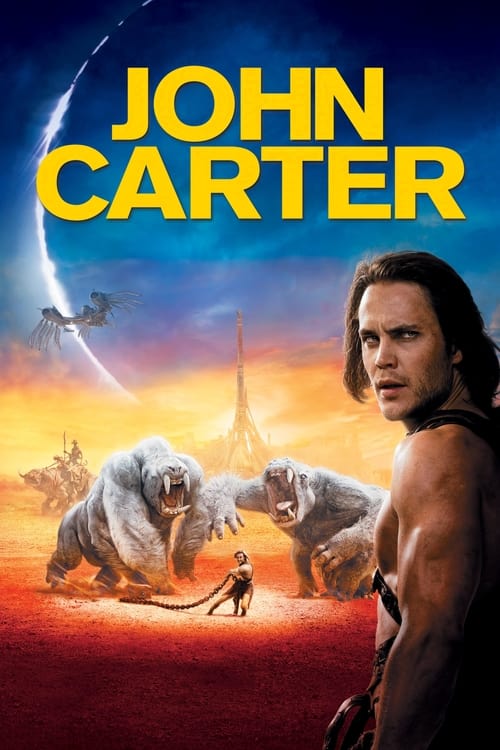
A few members of the studio’s central brain trust branched out into live-action (Andrew Stanton with John Carter , Brad Bird with Mission: Impossible – Ghost Protocol and Tomorrowland ), head honcho John Lasseter added Walt Disney Animation Studios to his list of responsibilities, and Pixar came down with an acute case of sequelitis.
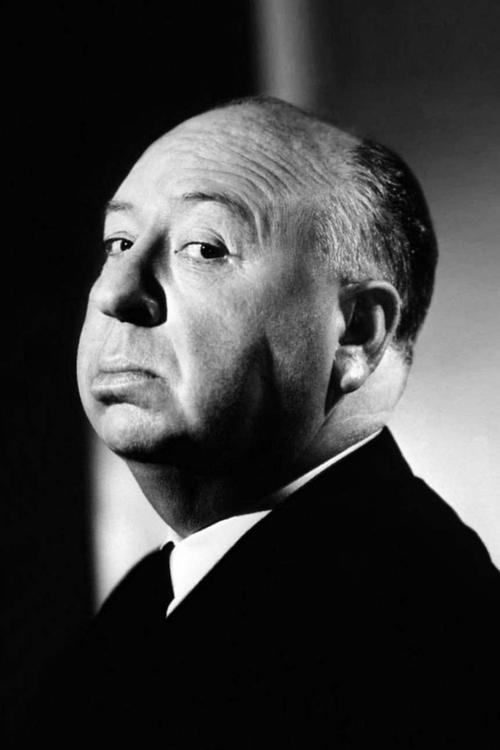
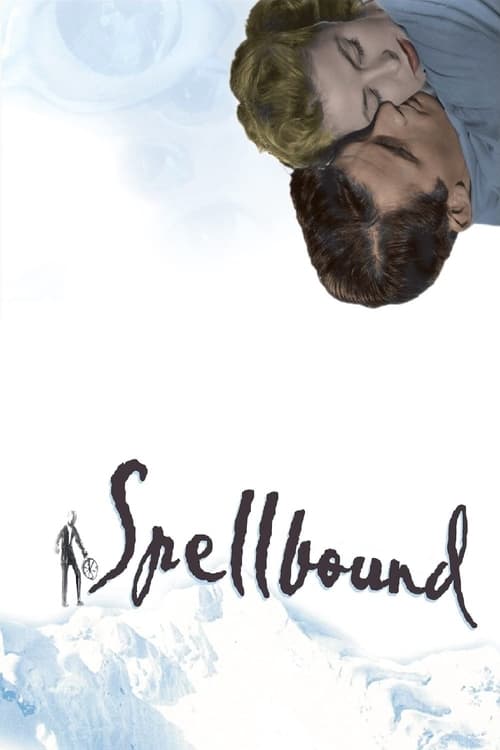
Pixar’s vision of conceptual activity, in short, is a trip, and it sticks out like Dali’s dream sequences for Hitchcock’s “Spellbound.”
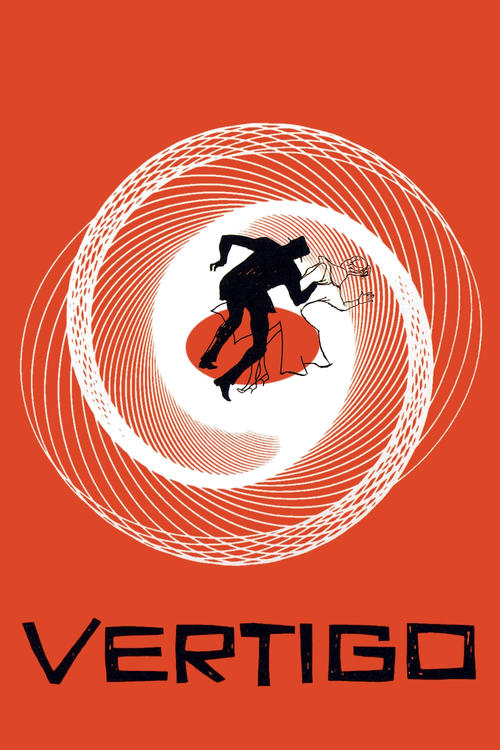
It’s a connection that is tacitly acknowledged by a Vertigo -inspired film poster that appears in Dream Productions – a world that exists inside our minds, where our dreams are made on movie sets.
The jokes flash by at synaptic speed, buoyed by an exuberant score from composer Michael Giacchino (Jurassic World, Up, Rataouille), and with shout-outs to such adult pleasures as the movies Vertigo and Chinatown.

From the Long Term Memory labyrinth reminiscent of the one in 1986's "Labyrinth," to the many personality islands that begin dismantling as Riley loses her spirit, to the Train of Thought they hope to board to get back to their control-center home, to dazzling stops at the Hollywood backlot-inspired Dreamland Studios and the forebidding areas of Riley's subconscious, these sequences are not left wanting in aesthetic beauty and metaphoric intent.
Advertisement
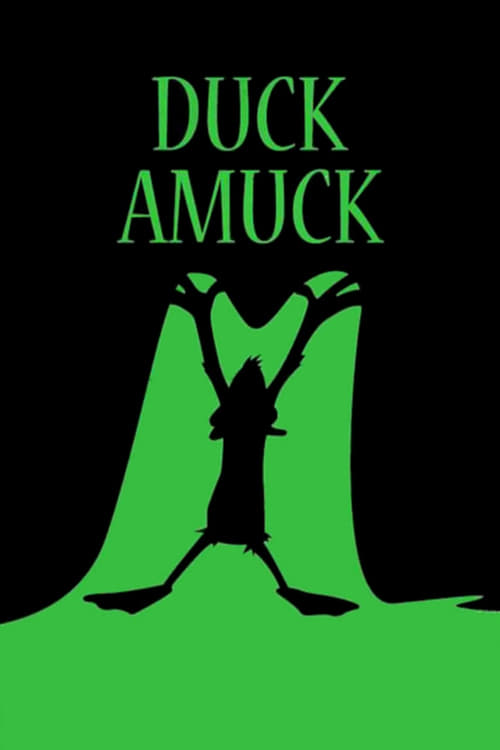
Riley’s dreams are produced in the cranial version of a TV studio; a trip through the blank spaces of abstract thought pays tribute to Duck Amuck , one of the greatest cartoons ever made; there’s even a pink, hobo elephant voiced by Richard Kind named Bing Bong.
We're talking "Duck Amuck" style surrealism in a few places.
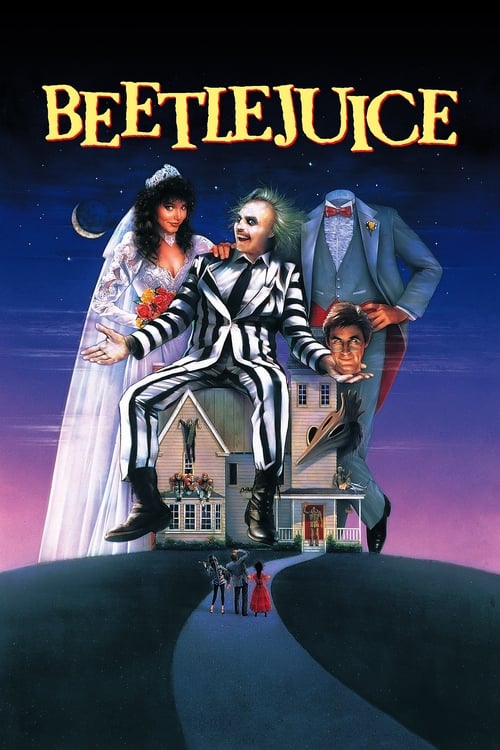
When Riley's mother (Diane Lane) asks her daughter to keep her chin up, Joy does not want to let her down, but in her determination forgets that each emotion is just as important as the others; something that Sadness (voiced by a perfectly cast Phyllis Smith, channelling Beetlejuice 's Lydia Deetz) constantly attempts to communicate.
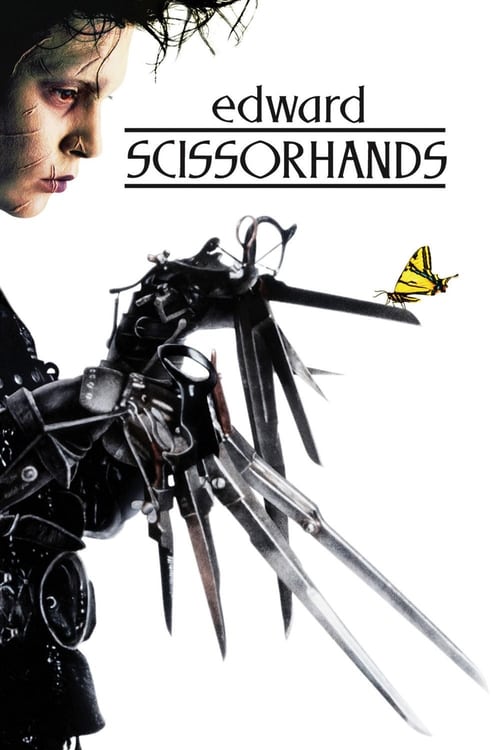
But as we all know, film theory is a free-for-all, and much as I once sniffed at somebody arguing that Edward Scissorhands was a Western, someone else may hoot at my reading of Inside Out as allegory for depression.