
Cars (2006)
Directed by John Lasseter
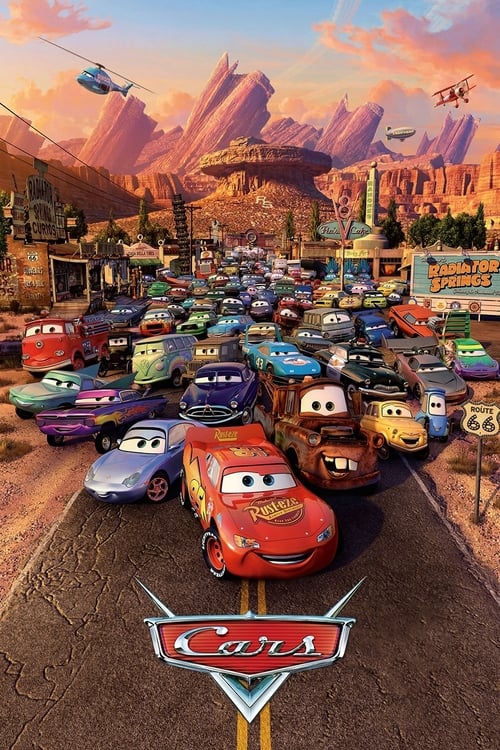
Lightning McQueen, a hotshot rookie race car driven to succeed, discovers that life is about the journey, not the finish line, when he finds himself unexpectedly detoured in the sleepy Route 66 town of Radiator Springs. On route across the country to the big Piston Cup Championship in California to compete against two seasoned pros, McQueen gets to know the town's offbeat characters.
15 connections found
View:
15 films that influenced Cars
What critics say influenced Cars
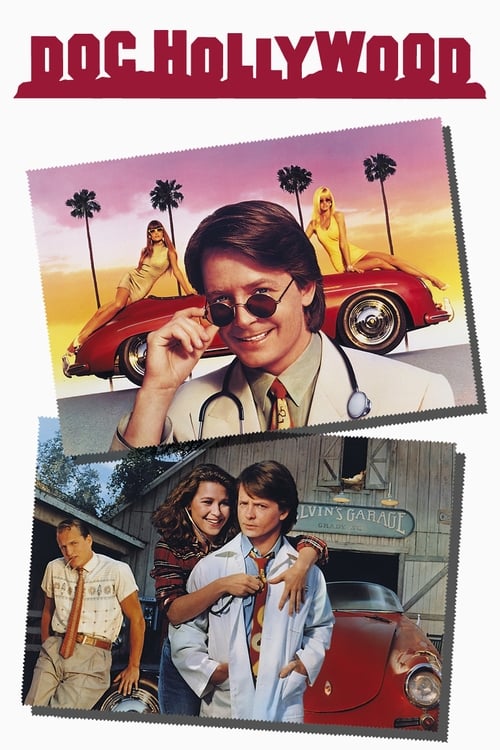


The music gets much more mellow as the pace slows down, and Randy Newman's "Our Town" sung by James Taylor shows a mellowing in McQueen, recalling Michael J. Fox in Doc Hollywood and countless other big-city-guy-meets-small-town-simple-folk films.
The derivative tale of a big city boy entering a small town world is an almost note-by-note copy of the Michael J. Fox comedy, “Doc Hollywood.”
As per the formulaic plotline—lifted most obviously from Doc Hollywood—Lightning’s fortunes are sidetracked when he falls off the truck and lands in a teeny town off the highway, Radiator Springs (the fall in itself borrows from another movie, The Fast and The Furious, as bully-punk cars harass lil’ Lightning).
Set in a world inhabited only by motor vehicles, Cars is sort of a cross between Michael J. Fox 's Doc Hollywood and NASCAR.
If you can get past that the story is basically the same as the 1991 Michael J Fox 'vehicle' "Doc Hollywood" - as portrayed by the Chevron cars - it should make for an enjoyable trip to the movies for all ages.
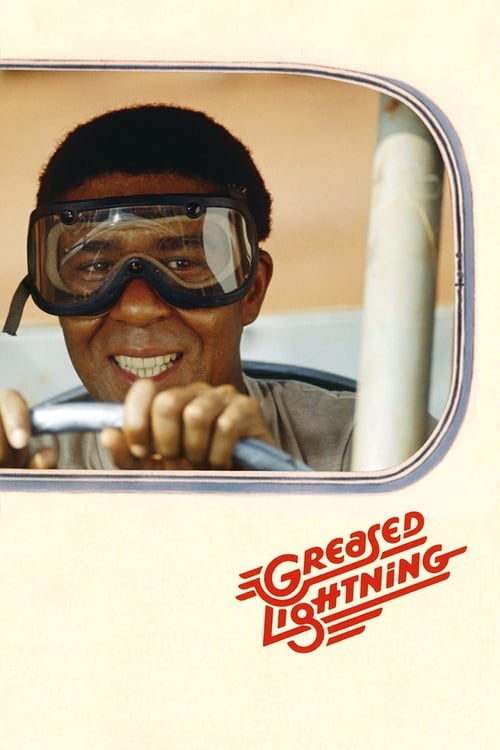
The name, Lightning McQueen is similar to other character names in the film which conjure up images of real people and movies, like legendary driver and actor Steve McQueen, and the Richard Pryor car racing film “Greased Lightning.”
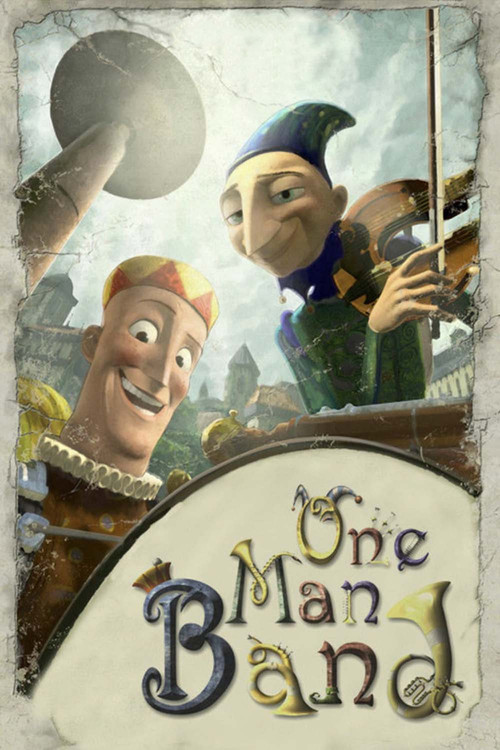
Special DVD features include: an all-new animated short: Mater and the Ghostlight; Academy Award-nominated animated short: One Man Band; director John Lasseter's inspiration for Cars; Ratatouille teaser trailer; and deleted scenes.
Pixar's 2005 nominee for Best Animated Short, "One Man Band," is a terrific little opener, but even it shows its indebtedness to predecessor "Tin Toy."
[Note: Cars plays with Pixar's delightful Oscar-nominated short "One Man Band," a four-minute certified hoot with music by Michael Giacchino.
The faces of the cars, for one thing, are far less expressive than the animated human faces we see in the brief short ("One Man Band") that precedes the feature.
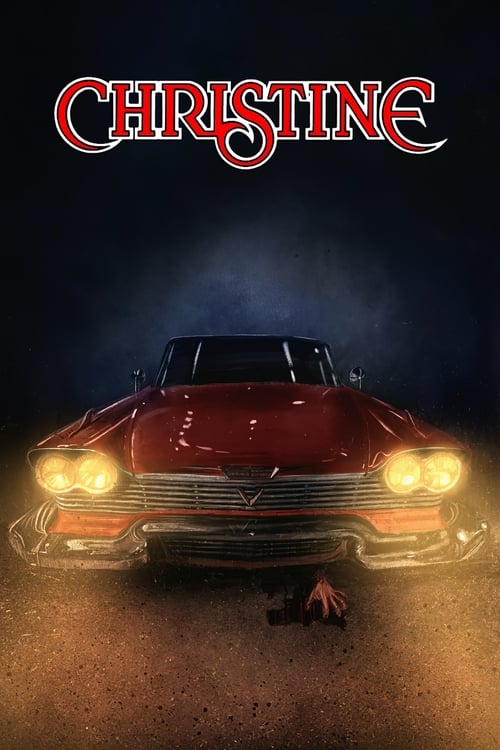
Tex Avery and his Warner Bros. pals led the way in humanizing autos long ago, and there was that cutie “The Love Bug,” and a real but diabolic Plymouth Fury in “Christine” (courtesy of Stephen King and John Carpenter).
Advertisement

Here he meets his life teachers, a raft of raced and ethnic stereotypes dressed up as vehicles, from Sarge (Paul Dooley) the reveille-playing, surplus-selling jeep (at least he’s not played by obvious choice Lee Ermey, the Green Army Man in Toy Story and Full Metal Jacket), thick-accented Fiat Luigi (Tony Shaloub), and hyper-detailed low-rider Ramone (Cheech Marin), to Flo (Jenifer Lewis) the neck-rolling (if she had a neck) diner waitress and Filmore George Carlin)) the hippie VW van who likes to look at the single stoplight: “I’m tellin’ ya, man, each blink is slower.”
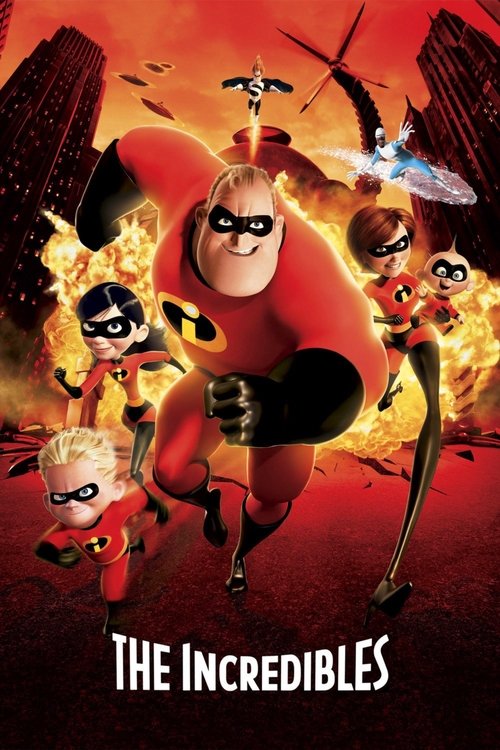
In fact, nearly every Pixar taboo is violated here, from the marketing of the voice talent – something Brad Bird, director of “The Incredibles,” denounced in an interview with “Entertainment Weekly” – to the use of a pop soundtrack instead of a score (no one, repeat, no one asked for Rascal Flatts to cover “Life Is a Highway”).
But I can't help comparing "Cars" with the last Pixar feature, Brad Bird's superb "The Incredibles," a feat of animation whose depth of field was both literal and figurative.
Last year's "The Incredibles" was fast and furious and had its moments of joy, but it lacked the pure heart of "Monsters, Inc." or "Finding Nemo." "Cars" suffers from the same deficiency - while it's a technically perfect movie, its tone is too manic, its characters too jaded and, in the end, its story too empty to stand up to expectations.
Big question: Can Pixar Animation ("The Incredibles," "Finding Nemo") maintain its flawless track record and make auto racing interesting to the non-NASCAR set?
If I had to sit through a mvoie in which cars are characters, let it be from the minds and hearts of the people who gave us "The Incredibles" and "Finding Nemo."
No, "Cars" follows "The Incredibles" and "Finding Nemo" in Pixar's widening gyre of Pixilated Products That Sell, each successive offering clearly out to out-perform its classy predecessor.
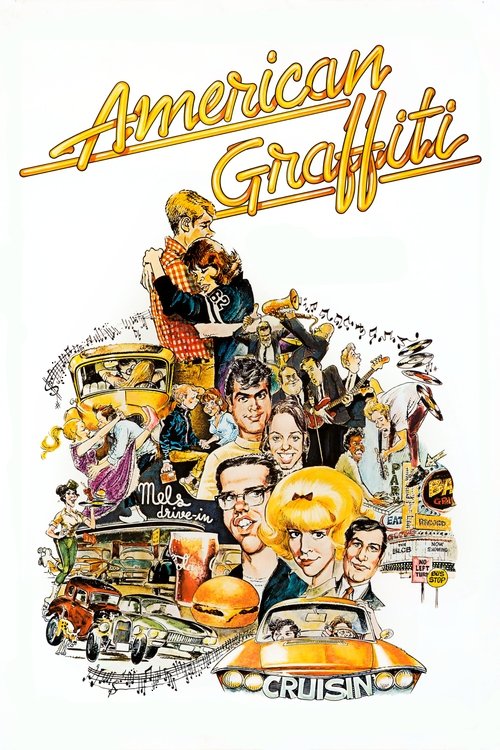
They're a lot more impressive than "Cars' " sometimes clunky script (by Dan Fogelman, director John Lasseter, co-director Joe Ranft, Kiel Murray & Phil Lorin and Jorgen Klubien), which seems cobbled together from spare cinematic parts (a "Doc Hollywood" chassis here, an "American Graffiti" fender there ...).

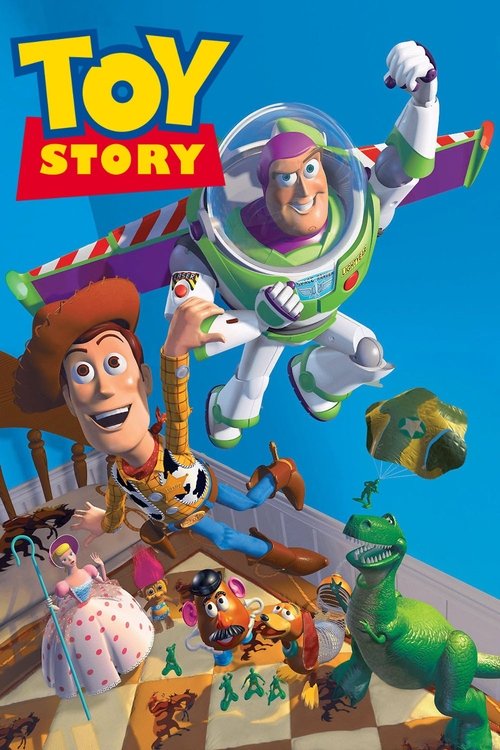
Starting out on disc 1, we're treated to a promo for next year's Cars and trailers for Toy Story 2: Special Edition (12/26 release date) and Cinderella: Special Edition.
Subsequent Pixar features have all been hits--"A Bug's Life" (1998), "Toy Story 2" (1999), "Monsters, Inc." (2001), "Finding Nemo" (2003), "The Incredibles" (2004), "Cars" (2006), "Ratatouille" (2007), "WALL-E" (2008), and "Up" (2009)--but it was "Toy Story" that opened the door.
Like Lasseter's Toy Story films, Cars deeply values old fashion while bemoaning sped-up culture and only grudgingly heroizing modern flash (Woody vs. Buzz Lightyear becomes Lightning vs. Doc).
Lassester’s first film was Lady & the Tramp and his newest endeavor is currently Toy Story 3 .
That narrative cocktail has been wildly popular with audiences ever since Toy Story, but, as Cars so dreadfully proves, Lasseter and company have mixed this one once too many times.
It's reminiscent of that memorably sad flashback in "Toy Story 2" that shows Jessie the Cowgirl abandoned by an owner who has outgrown her.
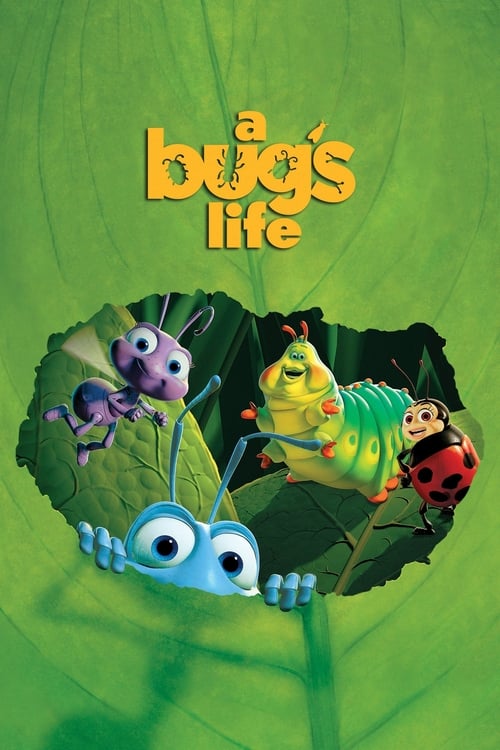
In the accompanying featurette, the film's co-writer and co-director, John Lasseter ("Toy Story 1 and 2," "A Bug's Life") explains that the virtual abandonment of the America's celebrated Route 66 got him thinking about the story idea (so much so, apparently, that he originally wanted to title his movie "Route 66").
It's got something to do with the lack of a human grounding: the only other time Pixar stumbled was with its similarly bleak A Bug's Life (that picture resorting, like Cars, to racial caricature as its primary tentpole), which is also the only other time the company has neglected to ground its story with homo sapien ballast.
Filmmaker John Lasseter, who directed "A Bug's Life" and both "Toy Story" productions, thinks that the NASCAR in-jokes and quirky peripheral details (such as jet trails in the sky being tire marks) can compensate for the lack of a compelling plot.
Unlike, say, "A Bug's Life," which ingeniously gave pop culture the entomological treatment, "Cars" simply substitutes various makes and models for character types.
This is the first Pixar movie (although you could make a similar case for A Bug's Life) where the presented animated world could completely stand in for the human world because no direct points of reference to actual humans exist.
Specializing themselves in the anthropomorphism of everything from toys ( Toy Story ) to bugs ("A Bug's Life") and fish ( Finding Nemo ), the famed but slightly overrated animation studios give the same treatment to cars in, well, "Cars".
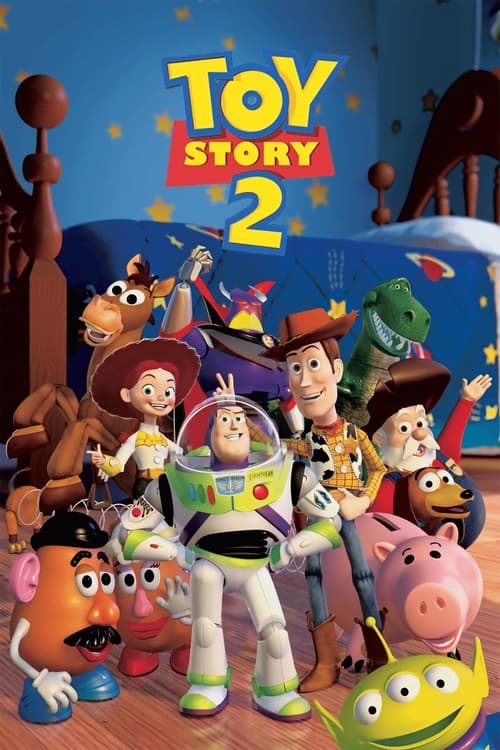
It's reminiscent of that memorably sad flashback in "Toy Story 2" that shows Jessie the Cowgirl abandoned by an owner who has outgrown her.
Having been out of the directing loop since his 1999 sequel Toy Story 2 , Cars marks Pixarâ??s golden boy John Lasseter return--and this is his big love letter to the splendor that is the automobile.
The first Pixar feature to be directed by founder John Lasseter since "Toy Story 2," it's an irresistible celebration of America's car culture, and a compendium of the wit, heart, flair and originality that have been the studio's hallmark.
“Cars,” the last movie in the original distribution deal between Disney and Pixar and the first to be directed by John Lasseter since 1999’s “Toy Story 2,” certainly looks like a Pixar movie, but it doesn’t feel like one.
Cars reeks of Pixar’s palpable desperation to repeat the genius of Toy Story and Toy Story 2 : director John Lasseter is a Pixar vet who should, theoretically, be able to pull it off, but the eight credited writers can’t get their act together.
"Cars" was the pet project of Pixar powerhouse John Lasseter, the Oscar-winning animator who has returned to the director's chair for the first time since 1999's "Toy Story 2." Lasseter, a self-confessed gearhead, knows that when you're putting together the right vehicle, it's all about the accessories.
Advertisement
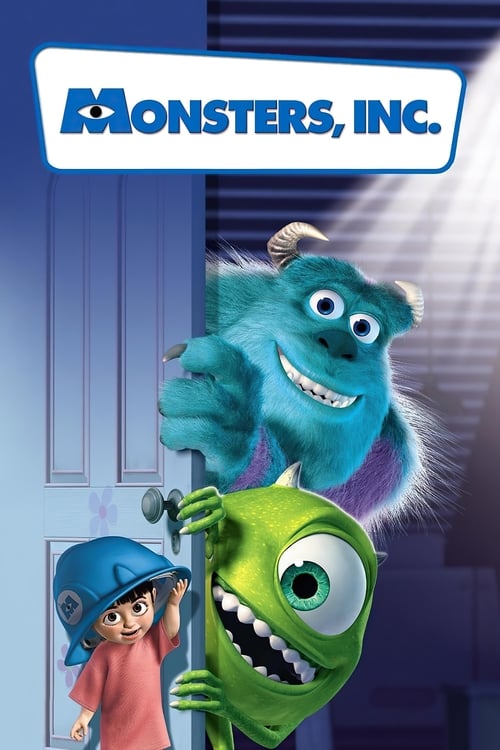
For instance, Monsters, Inc. and Finding Nemo conspicuously related the concerns of new parents, and one is naturally led to believe that the lead creative forces behind those movies had been through similar emotional experiences only recently.
The non-human worlds of the Toy Story films and Monsters, Inc. provided an emotional point of entry for viewers precisely by imagining how toys and monsters would feel about us, thereby holding up a mirror to our feelings about them.
Whatever chances they take with the riskier “Up,” “Brave,” “Cars” or “Ratatouille,” taking children inside a world they have only imagined has been box office gold.
It has continued to deliver dependable modern gems (Toy Story 3, Up) while also, inevitably, firing off the odd clunker (namely, both Cars films and, to some extent, Brave).
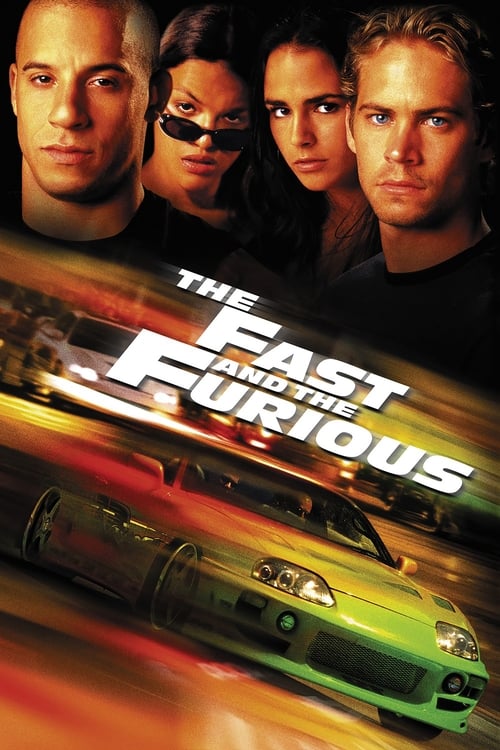
As per the formulaic plotline—lifted most obviously from Doc Hollywood—Lightning’s fortunes are sidetracked when he falls off the truck and lands in a teeny town off the highway, Radiator Springs (the fall in itself borrows from another movie, The Fast and The Furious, as bully-punk cars harass lil’ Lightning).
…manly men who live by a code, women ranging in type from eye candy to one-of-the-boys tough, a few dollops of humor and tricked out, pumped up cars.