
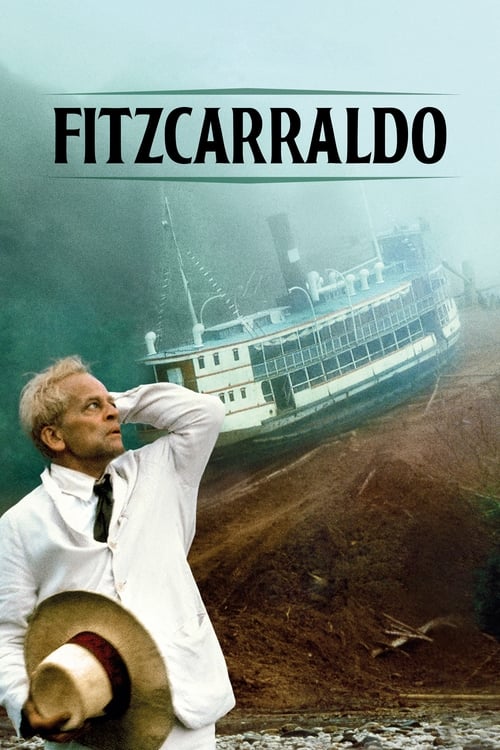
Fitzcarraldo (1982)
Directed by Werner Herzog
Fitzcarraldo is a dreamer who plans to build an opera house in Iquitos, in the Peruvian Amazon, so, in order to finance his project, he embarks on an epic adventure to collect rubber, a very profitable product, in a remote and unexplored region of the rainforest.
13 connections found
View:
13 connections, in both directions
What critics compared Fitzcarraldo to



A nod to Herzog’s Fitzcarraldo is one – a gorgeously odd segment in which Fawcett and his team stumble upon an opera performance deep in the heart of the jungle.
Influence is everywhere but never overwhelms: the splendorous grandeur of Kubrick’s “Barry Lyndon,” the striking photography of Vittorio Storraro, the torch-lit nights of “Apocalypse Now,” and one direct homage to Herzog’s “Fitzcarraldo,” another picture beset by the madness of obsession (though it’s not the Where’s Waldo of cinema either).
He’s an upstanding Englishman, selfless and heroic, always trying to keep his emotions under wraps, and yet he has that same zealous, obsessive quality that Klaus Kinski brought to his roles as men on mad quests in Aguirre, Wrath Of God or Fitzcarraldo.
Herzog’s Fitzcarraldo is even quoted in a luminous scene featuring an opera house in the middle of the jungle.
Though visually resembling Werner Herzog’s Fitzcarraldo and Aguirre, the Wrath of God, with hallucinatory night-time jungle scenes recalling Apocalypse Now, Gray’s exploration into a driven individual’s morality more resembles Lawrence of Arabia in tone, and he largely succeeds in managing the same coupling of lush, lyrically expressive imagery with rich emotional resonance.
A jaw-droppingly surreal interlude in which Fawcett stumbles on an opera house in a clearing nods to “Fitzcarraldo,” while a sudden ambush signaled by a deadly rain of arrows is scarcely Gray’s sole invocation of “Apocalypse Now.”

Directors Pete Docter (“Monsters, Inc.”) and Bob Peterson and their co-screenwriter Tom McCarthy brilliantly draw on such cinematic touchstones as “It’s a Wonderful Life” and “The Wizard of Oz.” They’re also inspired by less likely sources such as “Fitzcarraldo,” “The Red Balloon” and Jules Verne’s “The Lost World” — not to mention Warner Bros.’ animated Road Runner and even the logo of its archrival, DreamWorks Animation.
He earns it the hard way, helping Carl drag his hovering home through the South American jungle in a fashion that pays subtle tribute to Werner Herzog’s Fitzcarraldo .
Up may be the first animated kiddie crowd-pleaser to feature dentures and an hommage to Werner Herzog's Fitzcarraldo, as old man and boy drag a house and the burden of dreams through the jungle.
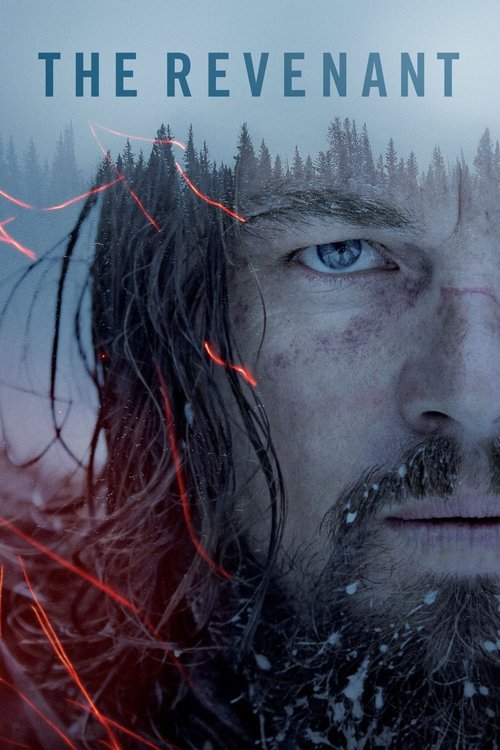
The Revenant's focus on setting already makes it feel like a follow-up to Werner Herzog's classics Fitzcarraldo and Aguirre, The Wrath Of God.
Filmed in Canada and Argentina (filming took so long that the snow melted!), its reputation of having had a difficult shoot has given it the allure of being some grand artistic achievement on the same level as Francis Ford Coppola’s Apocalypse Now (1979) or Werner Herzog’s Aguirre, the Wrath of God (1972) and Fitzcarraldo (1982).
He endures a lot for his art (one of the books that will be written about The Revenant will be about the legendary difficulty of the shoot, about the conditions the cast and crew endured and how Inarritu seemed as mad as Werner Herzog on the set of Fitzcarraldo or Francis Ford Coppola on Apocalypse Now), but the most impressive acting is Hardy's transformation into the amoral, mercury-tongued Fitzgerald.
The main difference between The Revenant and, say, Apocalypse Now or Fitzcarraldo —two flawed epics that were, indeed, allegories of themselves and pretty important ventures, all things considered—is that there’s no real madness in it.
The Revenant is his Fitzcarraldo , a film whose behind-the-scenes agony has become indistinguishable from that of the characters.
There are also elements of “Gladiator” (Glass’ visions of his dead wife), “Fitzcarraldo” (in Glass’ obsession and determination) and “The New World” (in the visual style carried over by Terence Malick’s cinematographer and production designer).

Wilson’s assertion that aspects of the film were influenced, in small part, by Werner Herzog’s “Fitzcarraldo”…
Antonio Banderas, meanwhile, rolls up as Hunter Cabot, a swarthy sea captain whose schooner is tricked out with an old fashioned gramophone à la Herzog’s own opera fiend, Fitzcarraldo.
…a role that tips its hat to both "Fitzcarraldo" and "Kind Hearts and Coronets"…
Advertisement
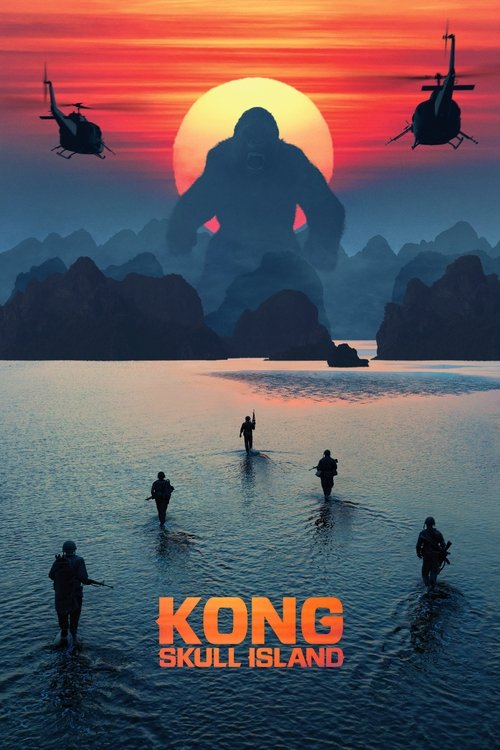
It is, Randa promises, “the land where God did not finish Creation”—a line borrowed from the opening of Werner Herzog’s Fitzcarraldo.
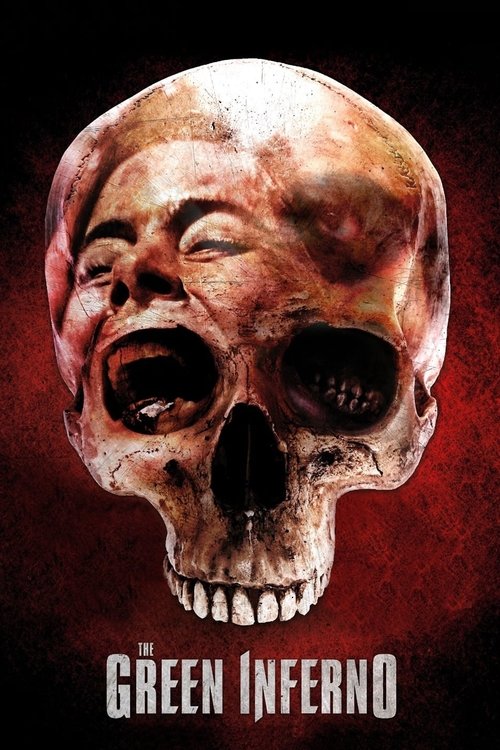
He shot on location deep in the Peruvian rainforest, and the film opens with a distinctive bird tweet I associate pleasantly with Werner Herzog's intense jungle epics "Fitzcarraldo" and "Aguirre, the Wrath of God." Roth is Herzogian in the way he photographs nature; it's intimidating, beautiful, wild, impenetrable and, in Herzog's words, a place of overwhelming and collective murder.
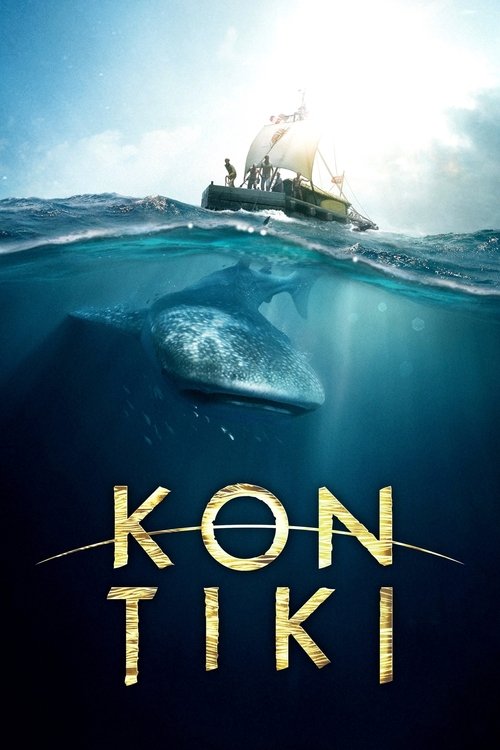
The story immediately brings to mind classic tales of obsession like Werner Herzog’s Fitzcarraldo, about a man trying to pull a ship over a mountain.
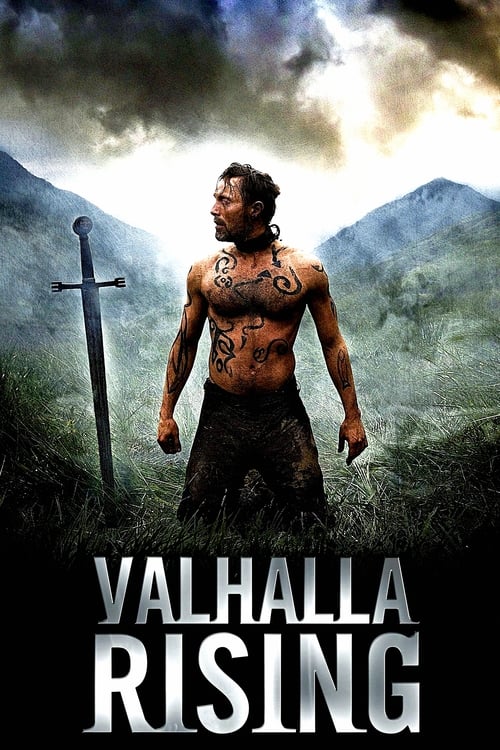
Werner Herzog has proven that time and again, from Aguirre: The Wrath of God (with which Valhalla Rising bears resemblance) and Fitzcarraldo all the way to Rescue Dawn and Bad Lieutenant: Port of Call New Orleans.
Advertisement
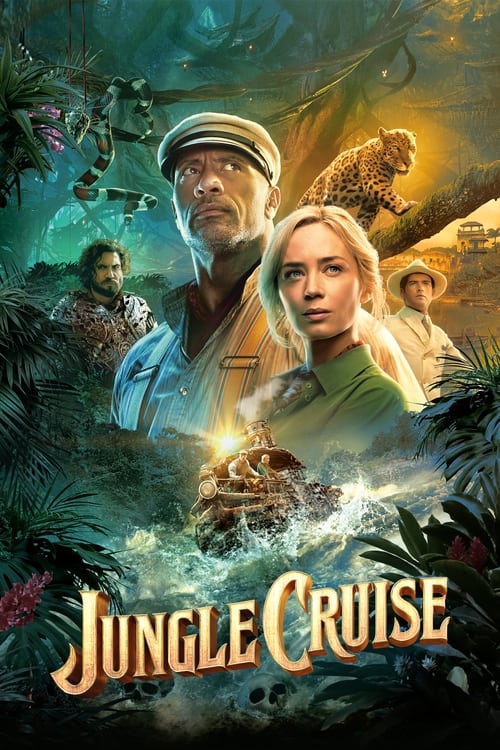
Perhaps Disney’s remake of “Fitzcarraldo” will fare better.
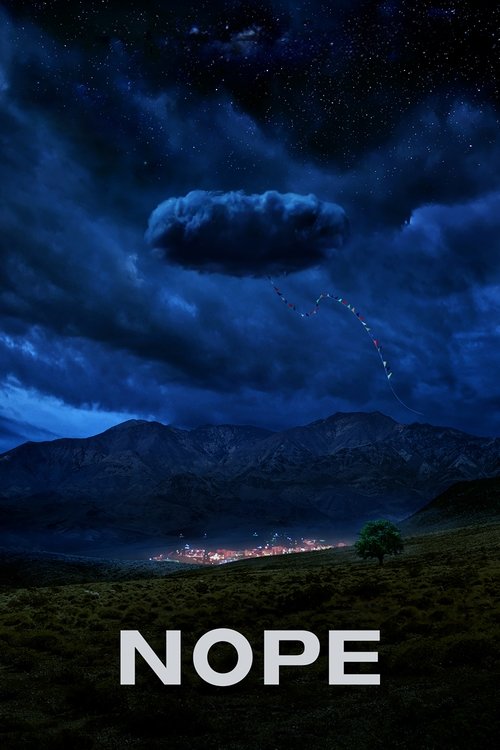
This, in turn, raises questions about film history’s accounts of people going too far to get the shot: Michael Curtiz used tripwires to topple horses, killing over 25 of them to capture a sequence in The Charge of the Light Brigade (1936); William Friedkin put Linda Blair through hell to get the performance he wanted in The Exorcist (1973); Werner Herzog went mad trying to tame a Peruvian jungle to shoot Fitzcarraldo (1982).