
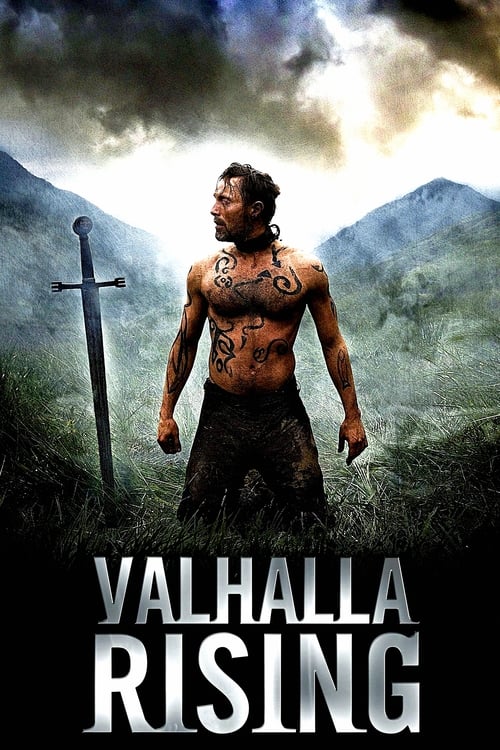
Valhalla Rising (2010)
Directed by Nicolas Winding Refn
Scandinavia, 1,000 AD. For years, One Eye, a mute warrior of supernatural strength, has been held prisoner by the Norse chieftain Barde. Aided by Are, a boy slave, One Eye slays his captor and together he and Are escape, beginning a journey into the heart of darkness. On their flight, One Eye and Are board a Viking vessel, but the ship is soon engulfed by an endless fog that clears only as the crew sights an unknown land. As the new world reveals its secrets and the Vikings confront their terrible and bloody fate, One Eye discovers his true self.
12 connections found
View:
12 films that influenced Valhalla Rising
What critics say influenced Valhalla Rising
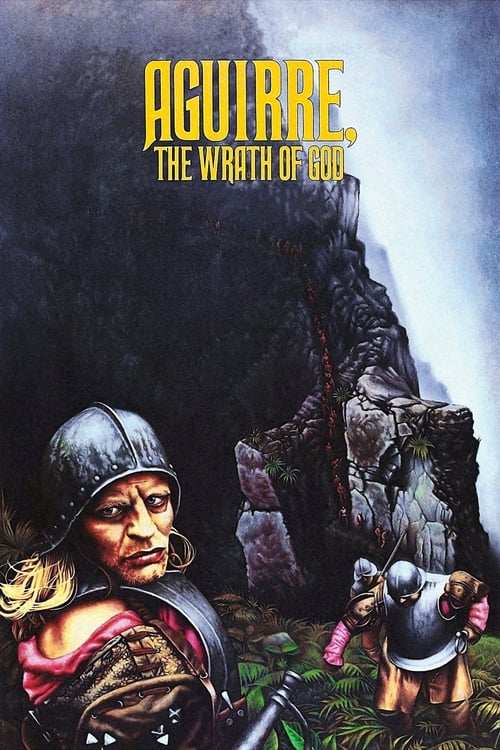


With gaping eyes and perpetual apprehensiveness, the boy functions like one of the sidelined women in Aguirre, the Wrath of God, a film that Valhalla Rising rather baldly imitates, but with less consistent brio or verve.
Invoking The New World, Aguirre, the Wrath of God, and the "Dawn of Man"sequence in 2001, Bronson director Nicolas Winding Refn's mesmerizing 12th-century odyssey into the heart of darkness stars a mute Mads Mikkelsen (Casino Royale's villain) as One Eye, a brooding Norse warrior-slave who slaughters his pagan captors and leads a boatload of Christian Vikings to the Holy Land.
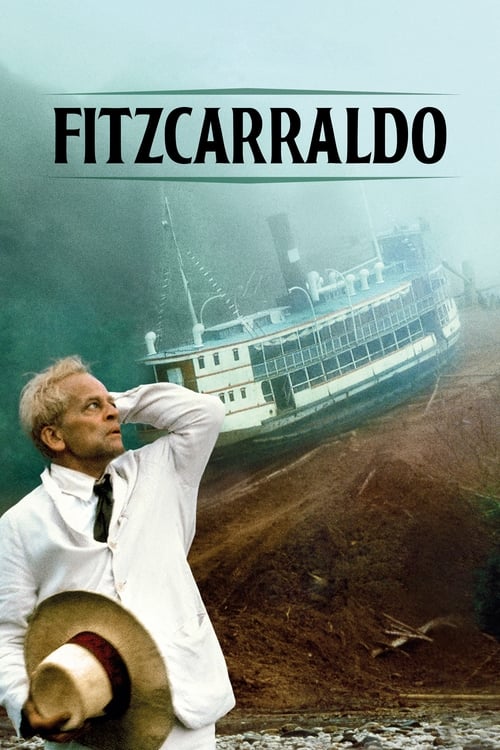
Werner Herzog has proven that time and again, from Aguirre: The Wrath of God (with which Valhalla Rising bears resemblance) and Fitzcarraldo all the way to Rescue Dawn and Bad Lieutenant: Port of Call New Orleans.
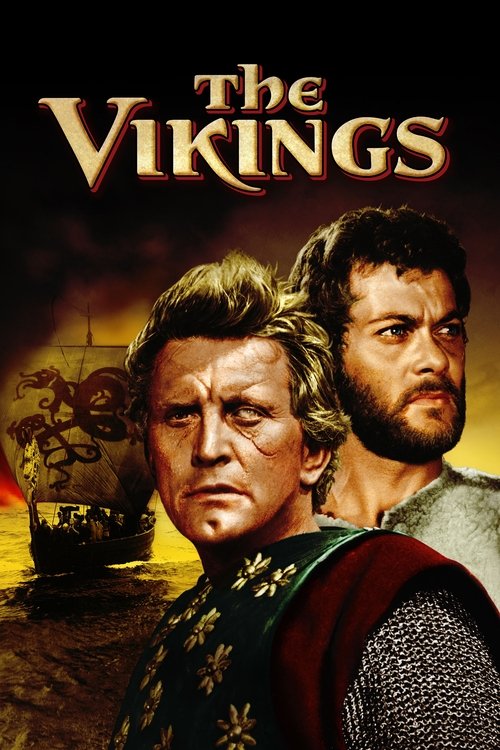
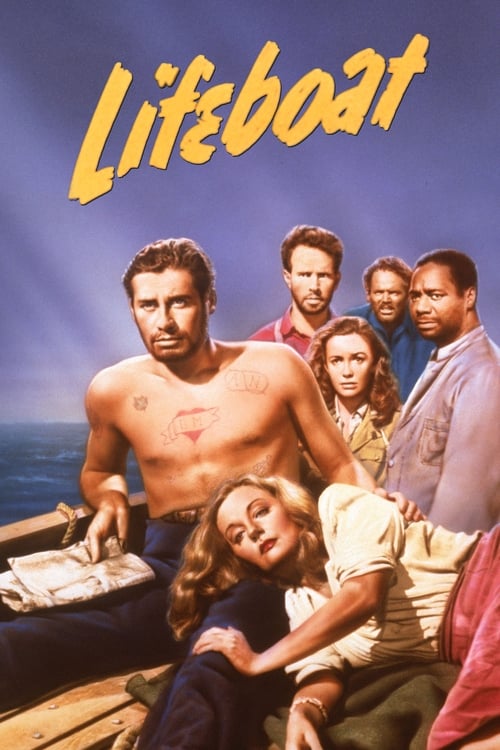
Without fresh water, some of the new Christians become even more crazed than the paranoid passengers in Alfred Hitchcock's Lifeboat, and quickly ditch their faith to superstitiously blame The Boy.
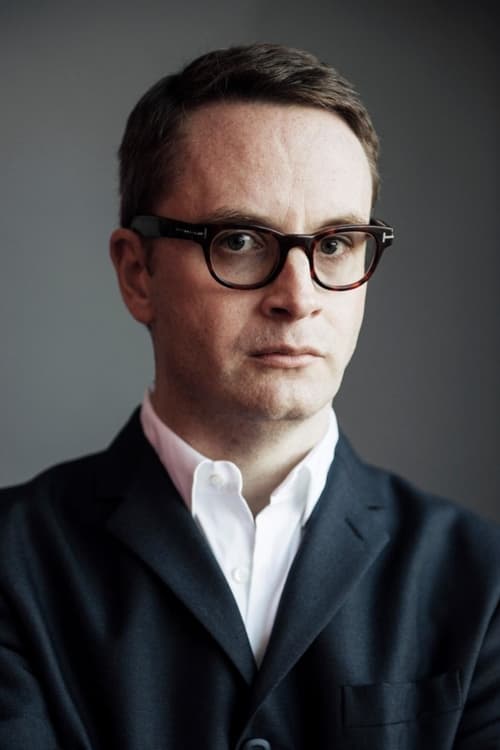
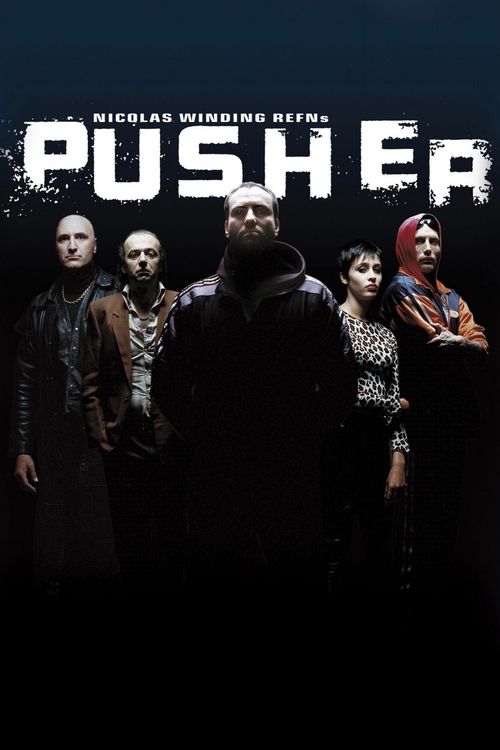
Danish star Mads Mikkelsen (who got his start in Refn’s “Pusher’’ back in 1996) has one of his most totemic roles as One-Eye, a mute warrior kept in a cage by a local chief and brought out for arranged fights that are muddy, bloody, and brief.
The director of the manic “Pusher” trilogy (which launched “Valhalla” star Mads Mikkelsen’s career) dials back both plot and character in this ultraminimalist tone poem centered on a mute slave named One Eye (Mikkelsen), a one-time gladiator who is now the main event at the Medieval equivalent of basement cockfights.
Danish filmmaker Nicolas Winding Refn follows up his remarkable biopic Bronson by reuniting with fellow Dane Mads Mikkelsen, the star of the first two films in his epic "Pusher" trilogy.
Within the first 10 minutes of Valhalla Rising, an acid-tinged Viking odyssey from Danish director Nicolas Winding Refn (the Pusher trilogy, Bronson), a mute, one-eyed warrior played by Mads Mikkelsen crushes one man’s skull with a rock, slashes another’s throat with an arrowhead, and forces a third to witness his own disembowelment.
The director of the “Pusher” trilogy and last year’s “Bronson,” Refn is no stranger to acts of elusive cinema.
Following the breakout success of the "Pusher" trilogy and "Bronson," director Nicolas Winding Refn continues his examination of the dark nature of man.
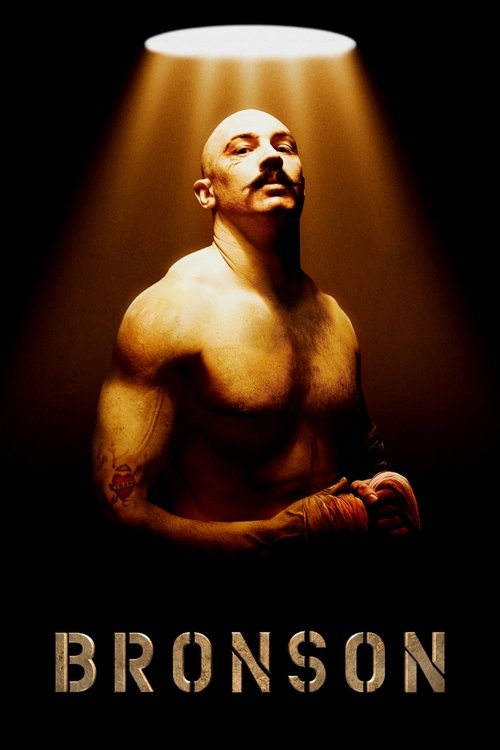
The grandiose Danish filmmaker Nicolas Winding Refn, after making Bronson such a busy film in design, technique, and performance, downshifts slightly into a different style for his Viking epic Valhalla Rising.
Instead, what the talented, unfocused young director Nicholas Winding Refn (“Bronson’’) has delivered is a violent but largely static art movie, one with overt nods to classic ’70s head-trips like “Aguirre: The Wrath of God’’ and “El Topo.’’
The director of the “Pusher” trilogy and last year’s “Bronson,” Refn is no stranger to acts of elusive cinema.
After the increasingly black comic violence of his Pusher trilogy and Bronson, Danish director Nicholas Winding Refn—who apparently never got over A Clockwork Orange —goes left-field with Valhalla Rising , a movie as maddeningly ponderous and self-important as its black-metal title.
“Bronson,” the last film from Danish writer-director Nicolas Winding Refn, told the story of Britain’s most notoriously violent criminal through frequent excursions into the character’s deranged subconscious.
Director Nicolas Winding Refn (“Bronson”) and cinematographer Morten Soborg have rendered a series of images that recalls the work of Terrence Malick, but the narrative makes even Malick’s spare, allusive storytelling seem baroque and wordy.
Advertisement
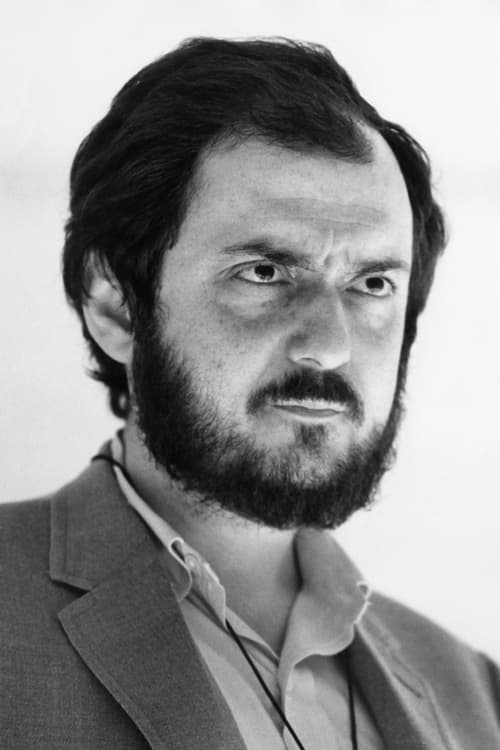
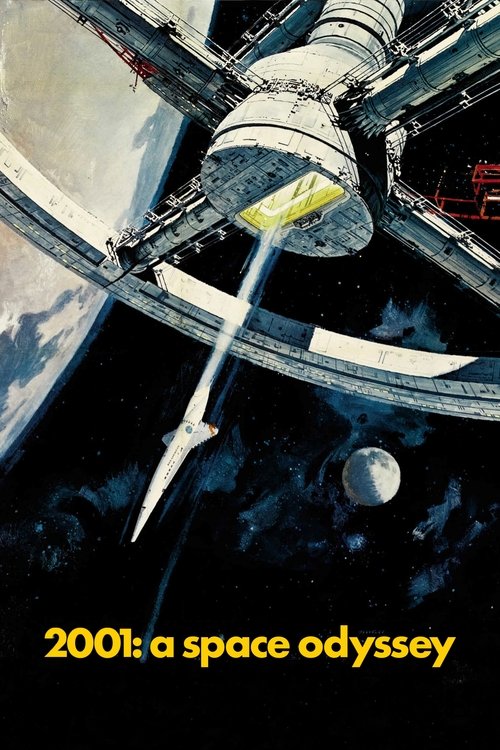
Now with Valhalla Rising it seems Refn has pared his vision down to its atmospheric essence, creating another universe that is closer in spirit to Kubrick's futuristic 2001: A Space Odyssey than it is to any ancient Biblical blockbuster.
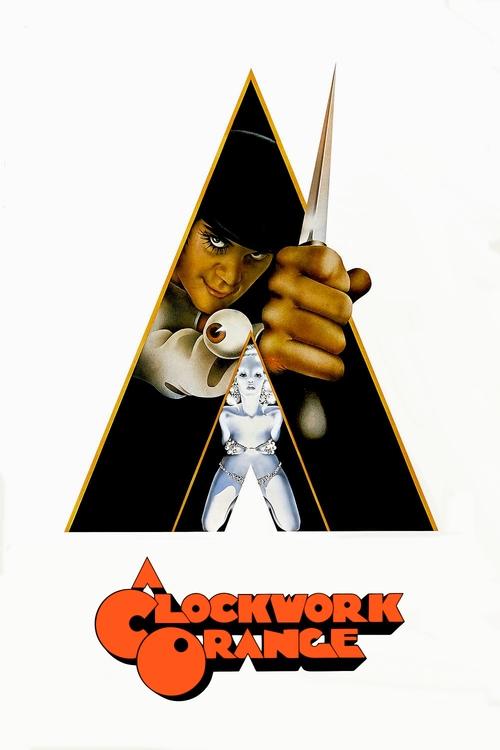
The only way to explain the final scene, in fact, is to recognize that Refn understands his sources (and, again after the A Clockwork Orange-ish Bronson, has seen his Kubrick), and it calls into focus this idea that Refn is more likely to become a cinephile's filmmaker than a popular one.
After the increasingly black comic violence of his Pusher trilogy and Bronson, Danish director Nicholas Winding Refn—who apparently never got over A Clockwork Orange —goes left-field with Valhalla Rising , a movie as maddeningly ponderous and self-important as its black-metal title.
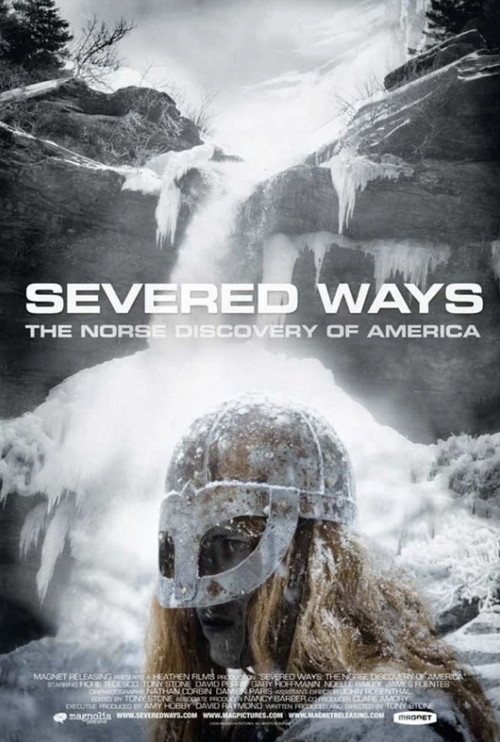
Tony Stone’s D.I.Y. epic “Severed Ways: The Norse Discovery of America” did a better job with turning Viking characters into figures of sympathy, but Refn uses them as effective symbols of religious fever reaching its breaking point.
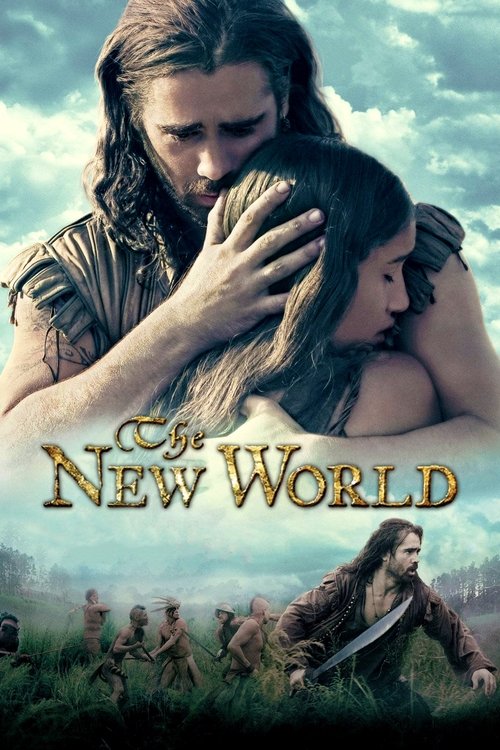
He furnishes a distinctive if frustrating experience with Valhalla, a film that fails to stand up to its obvious points of lofty comparison (including Malick's The New World ) but that few other artists would have made.
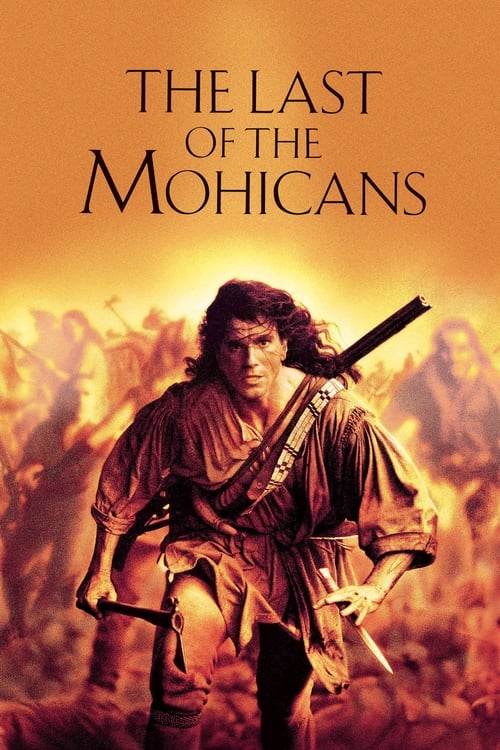
When they finally land, they are not at the promis ed land, but at a place inhabited by savages in loincloths who look like extras from The Last of the Mohicans.
Advertisement
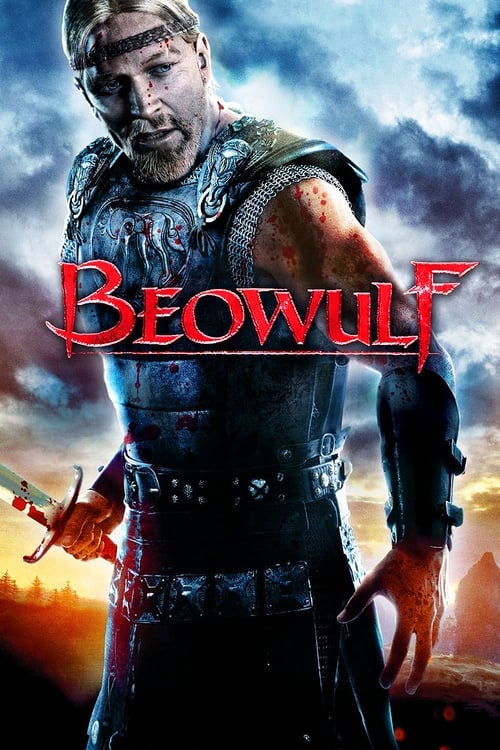
As with Robert Zemeckis 's recent Beowulf , Refn is inexplicably fixated on the conflict between virtuous pagans and hypocritical, self-respect-destroying Christians during the Viking era; specifically, mute warrior One-Eye ( Mads Mikkelsen ) versus all kinds of Christian scum.