

The Lost City of Z (2017)
Directed by James Gray
A true-life drama in the 1920s, centering on British explorer Col. Percy Fawcett, who discovered evidence of a previously unknown, advanced civilization in the Amazon and disappeared whilst searching for it.
61 connections found
View:
61 films that influenced The Lost City of Z
What critics say influenced The Lost City of Z
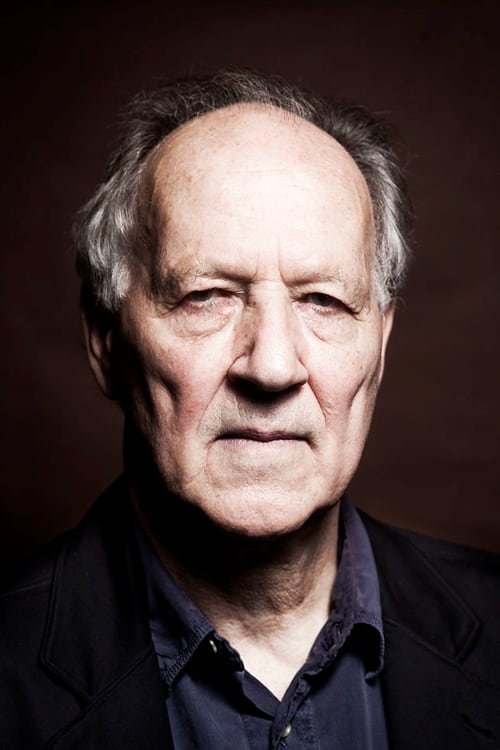
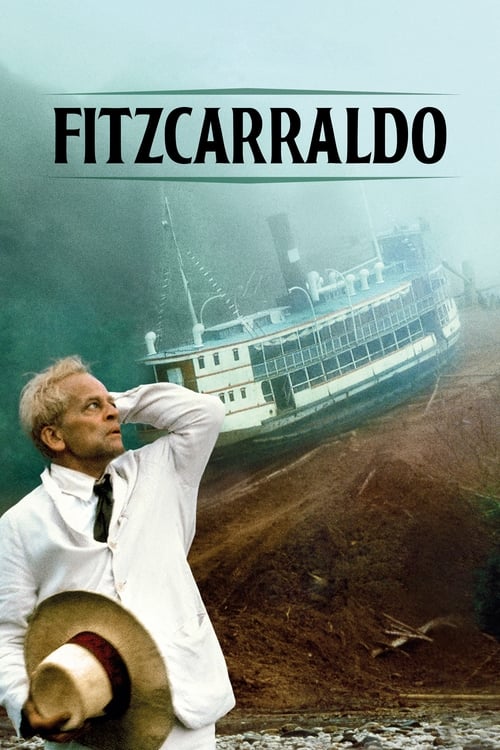


A nod to Herzog’s Fitzcarraldo is one – a gorgeously odd segment in which Fawcett and his team stumble upon an opera performance deep in the heart of the jungle.
Influence is everywhere but never overwhelms: the splendorous grandeur of Kubrick’s “Barry Lyndon,” the striking photography of Vittorio Storraro, the torch-lit nights of “Apocalypse Now,” and one direct homage to Herzog’s “Fitzcarraldo,” another picture beset by the madness of obsession (though it’s not the Where’s Waldo of cinema either).
He’s an upstanding Englishman, selfless and heroic, always trying to keep his emotions under wraps, and yet he has that same zealous, obsessive quality that Klaus Kinski brought to his roles as men on mad quests in Aguirre, Wrath Of God or Fitzcarraldo.
Herzog’s Fitzcarraldo is even quoted in a luminous scene featuring an opera house in the middle of the jungle.
Though visually resembling Werner Herzog’s Fitzcarraldo and Aguirre, the Wrath of God, with hallucinatory night-time jungle scenes recalling Apocalypse Now, Gray’s exploration into a driven individual’s morality more resembles Lawrence of Arabia in tone, and he largely succeeds in managing the same coupling of lush, lyrically expressive imagery with rich emotional resonance.
A jaw-droppingly surreal interlude in which Fawcett stumbles on an opera house in a clearing nods to “Fitzcarraldo,” while a sudden ambush signaled by a deadly rain of arrows is scarcely Gray’s sole invocation of “Apocalypse Now.”
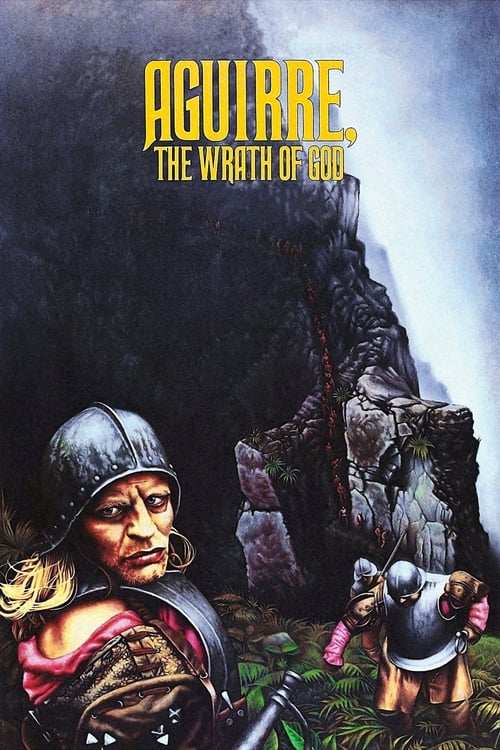
It would be far too easy to dismiss The Lost City Of Z as simply mimicking films such as Aguirre, The Wrath Of God (Herzog, 1972), or even Apocalypse Now (Coppola, 1979); however the film is a genuinely touching story about fighting for what you believe in.
Though visually resembling Werner Herzog’s Fitzcarraldo and Aguirre, the Wrath of God, with hallucinatory night-time jungle scenes recalling Apocalypse Now, Gray’s exploration into a driven individual’s morality more resembles Lawrence of Arabia in tone, and he largely succeeds in managing the same coupling of lush, lyrically expressive imagery with rich emotional resonance.
Drawing comparisons to Apocalypse Now and Aguirre, the Wrath of God, The Lost City of Z has been crafted by a filmmaker who knows and respects his film history.
When Herzog sent an unhinged Kinski into the jungle for the filming of Aguirre, the Wrath of God (1972), he elegantly illustrated the futility of Human ambition in the face of indifferent Nature.
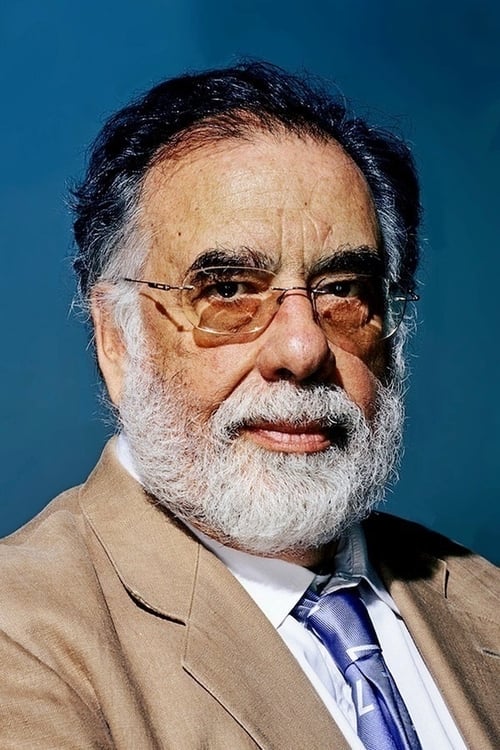
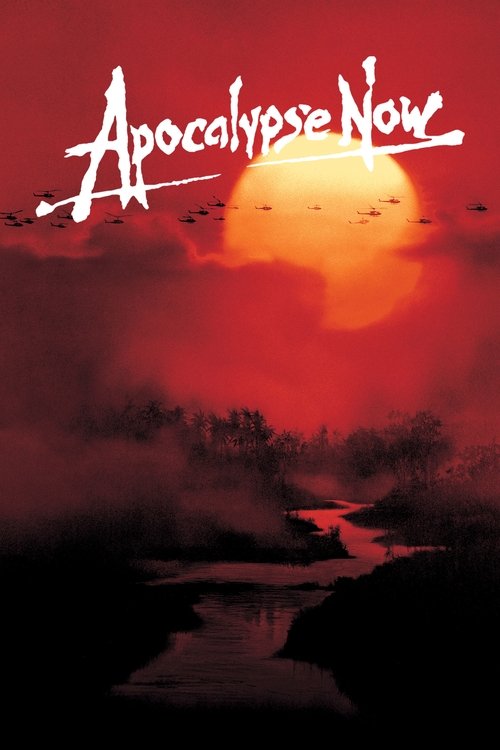
The film’s immaculate design and near-mythic approach to its surroundings bring to mind Apocalypse Now, the obvious comparison given each film’s subject matter, but a relevant one as The Lost City of Z plays like a direct, life-affirming response.
The latest epic period drama from director Gray (The Immigrant) vibrates with the aftershocks of Herzog, Apocalypse Now, and even 2015’s Embrace of the Serpent, and while it never quite escapes those intimidating shadows, it’s an engaging picture nonetheless – and a gorgeous one, its overwhelming images (lensed by the great Darius Khondji) blessed with the grace of a ballet and the period resonance of tintype photos.
Influence is everywhere but never overwhelms: the splendorous grandeur of Kubrick’s “Barry Lyndon,” the striking photography of Vittorio Storraro, the torch-lit nights of “Apocalypse Now,” and one direct homage to Herzog’s “Fitzcarraldo,” another picture beset by the madness of obsession (though it’s not the Where’s Waldo of cinema either).
It would be far too easy to dismiss The Lost City Of Z as simply mimicking films such as Aguirre, The Wrath Of God (Herzog, 1972), or even Apocalypse Now (Coppola, 1979); however the film is a genuinely touching story about fighting for what you believe in.
Though visually resembling Werner Herzog’s Fitzcarraldo and Aguirre, the Wrath of God, with hallucinatory night-time jungle scenes recalling Apocalypse Now, Gray’s exploration into a driven individual’s morality more resembles Lawrence of Arabia in tone, and he largely succeeds in managing the same coupling of lush, lyrically expressive imagery with rich emotional resonance.
His colonial malevolence was echoed in two landmark films of the ’70s: “Aguirre, the Wrath of God,” in which Klaus Kinski’s bug-eyed, raving conquistador led a jungle odyssey into madness, and “Apocalypse Now,” in which Martin Sheen’s burnt-out assassin discovered, in Marlon Brando, a different kind of Kurtz — a philosopher of war’s evil, a leader who had gone “insane” only because he was the only one who saw Vietnam with utter clarity.
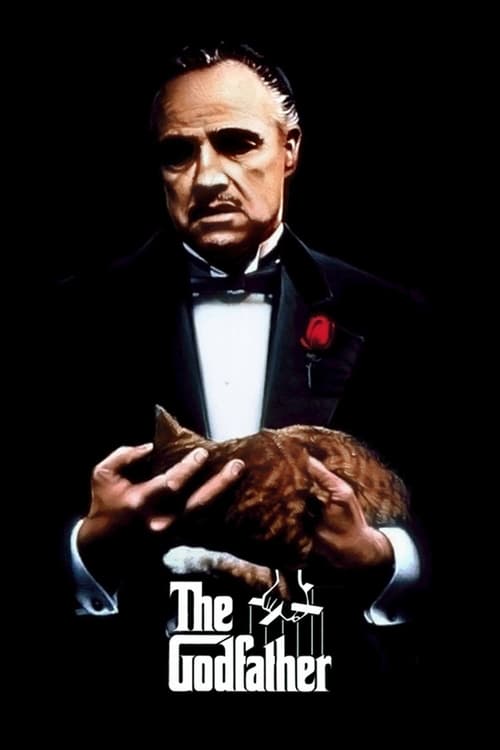
His 2013 romantic drama The Immigrant paid homage to The Godfather and silent cinema.
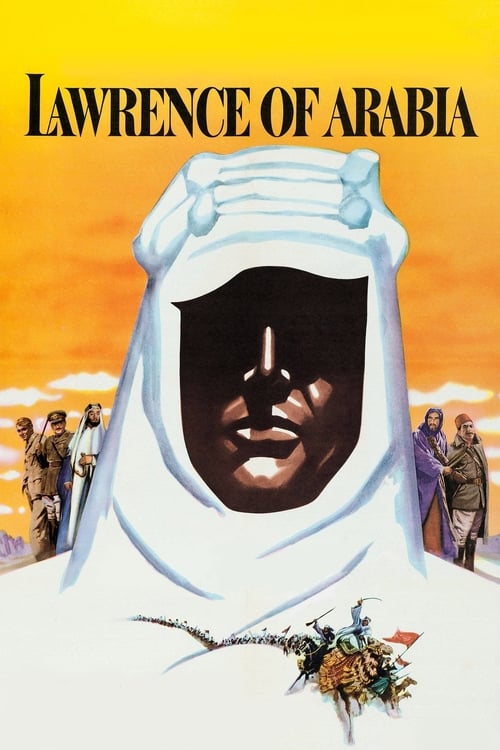
Though visually resembling Werner Herzog’s Fitzcarraldo and Aguirre, the Wrath of God, with hallucinatory night-time jungle scenes recalling Apocalypse Now, Gray’s exploration into a driven individual’s morality more resembles Lawrence of Arabia in tone, and he largely succeeds in managing the same coupling of lush, lyrically expressive imagery with rich emotional resonance.
(There is also a cut that clearly references Lawrence Of Arabia .)
James Gray's , based on the best selling book by David Grann, is an epic adventure that brings to mind cinematic classics like Lawrence of Arabia, Apocalypse Now, and similar stories centered on obsessive men wading through plots rife with thorny racial issues.
For the first act of the picture, Charlie Hunnam barely registers; he doesn't catch the eye the way the stars of "Lawrence of Arabia" or "Fitzcarraldo" immediately did.
It’s a mission fueled by a near-maniacal obsession, with undertones of “Lawrence of Arabia” and “Apocalypse Now” and “Raiders of the Lost Ark” and “Fitzcarraldo” (though I am not suggesting it measures up to any of those; it doesn’t).
Heart of Darkness/Apocalypse Now meets Lawrence of Arabia with a taste of The Emerald Forest .
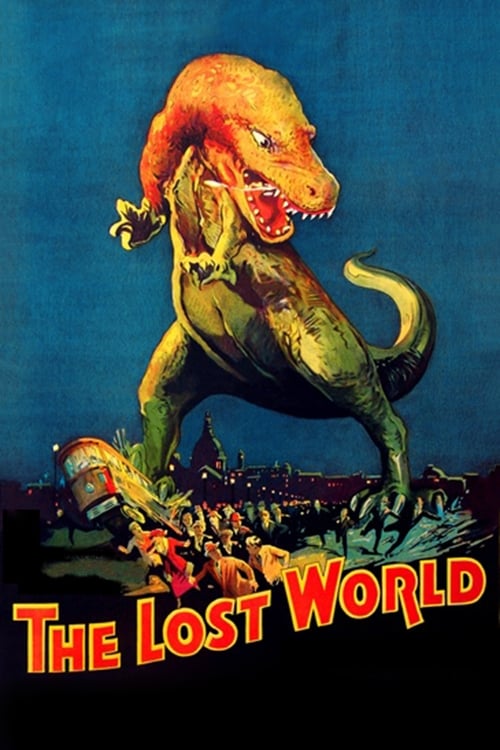
Known to his contemporaries as “the David Livingstone of the Amazon”, and an inspiration for Sir Arthur Conan Doyle’s The Lost World , he was one of the last great British explorers — a man who, until he himself became as lost as the city he sought, kept his composure and dignity amid the heat, starvation and occasional deluge of tribal arrows.
But it's an unusual approach for what half pretends to be a manly, action-adventure saga, the true story that inspired Arthur Conan Doyle's The Lost World .
Fawcett is most remembered in history for his final trek to the Amazon in 1925 with his adult son Jack (Tom Holland), and how his adventures inspired Sir Arthur Conan Doyle to write The Lost World .
Well before his vanishing, legend coiled around him; his reports and speculations may have prompted his friend Sir Arthur Conan Doyle to write “The Lost World” (1912), the precursor of “Jurassic Park.”
Advertisement

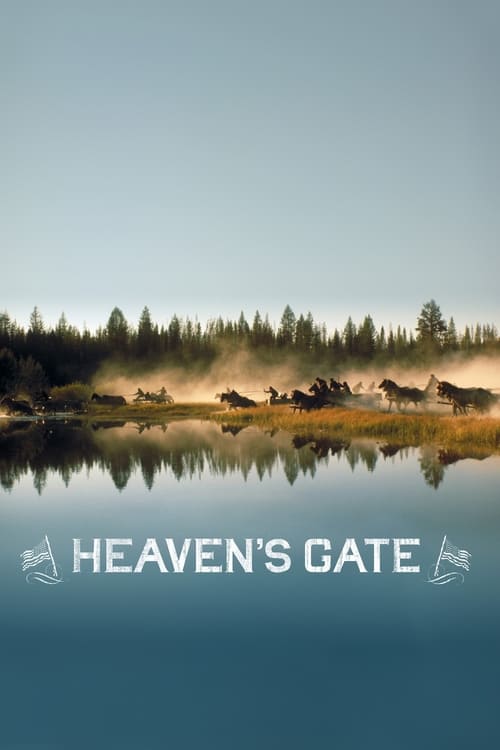
Geographically, The Lost City of Z recalls Werner Herzog’s two great Amazonian adventures and that other riverbound jungle journey, Apocalypse Now, but Darius Khondji’s stately, golden-hued imagery constantly brings to mind Vilmos Zsigmond’s lugubrious photography in Heaven’s Gate.
It is a beautiful film with many small wonders and mysteries of its own for the viewer to discover: the candor of the first scenes between the Fawcetts, and the way they give a human face to the era’s social maneuvering; the explorers’ visit to a rubber baron (Franco Nero) who has built a small open-air opera house on his slave plantation; the scene of the boisterous debate at the Royal Geographical Society; the use of Maurice Ravel’s ballet Daphnis Et Chloé to suggest an elusive meaning to the jungle; the sweep and Tolstoy-esque detail of the scenes of social life in mid-1900s Ireland and England, which bring to mind Michael Cimino’s attempts to re-sculpt the New Hollywood auteur cult in the image of 19th century fiction in films like The Deer Hunter and Heaven’s Gate .
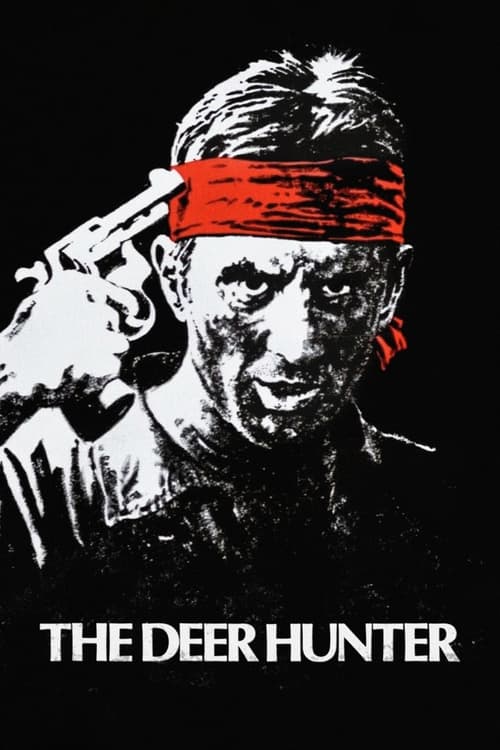
It is a beautiful film with many small wonders and mysteries of its own for the viewer to discover: the candor of the first scenes between the Fawcetts, and the way they give a human face to the era’s social maneuvering; the explorers’ visit to a rubber baron (Franco Nero) who has built a small open-air opera house on his slave plantation; the scene of the boisterous debate at the Royal Geographical Society; the use of Maurice Ravel’s ballet Daphnis Et Chloé to suggest an elusive meaning to the jungle; the sweep and Tolstoy-esque detail of the scenes of social life in mid-1900s Ireland and England, which bring to mind Michael Cimino’s attempts to re-sculpt the New Hollywood auteur cult in the image of 19th century fiction in films like The Deer Hunter and Heaven’s Gate .
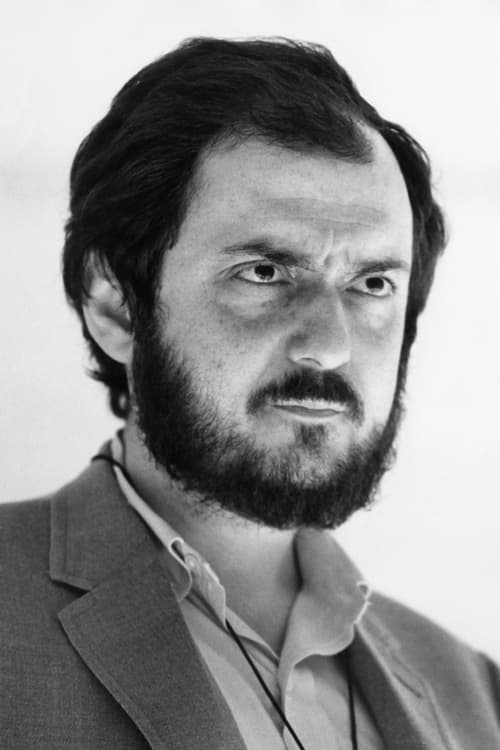
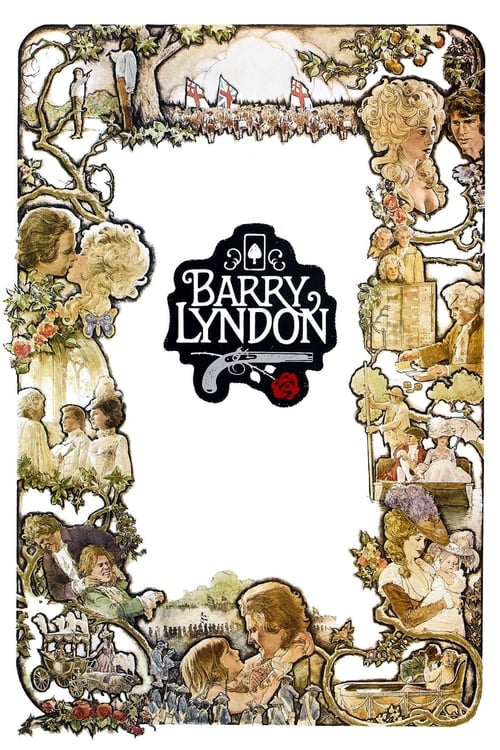
Influence is everywhere but never overwhelms: the splendorous grandeur of Kubrick’s “Barry Lyndon,” the striking photography of Vittorio Storraro, the torch-lit nights of “Apocalypse Now,” and one direct homage to Herzog’s “Fitzcarraldo,” another picture beset by the madness of obsession (though it’s not the Where’s Waldo of cinema either).
Gray’s made no secret of his admiration for Stanley Kubrick, and it would be difficult for well-acquainted viewers not to think of Barry Lyndon in an early ballroom sequence thats adorned with baroque music, ornately dressed extras, and slow zooms — which is after an opening of horse-backing through a wide-open field to hunt and kill a buck now prominently displayed in the ballroom.
Whether it’s Stanley Kubrick’s Barry Lyndon or Mike Leigh’s Mr. Turner, there are movies in which the fundamental act of living a life starts to accrue a profound, hypnotic power.
Because he has been “rather unfortunate in his choice of ancestors” (the film’s killer line, delivered by Murray Melvin of Barry Lyndon, thematically a forebear through its own depiction of European high society as a finely filigreed social warzone), Fawcett first leaves his wife (Sienna Miller) and children behind in England for a spot of survey work in “Amazonia.”
Unfolding like Coppola’s Apocalypse Now by way of Kubrick’s Barry Lyndon , it’s as much an adventure of the mind as of the eye, although cinematographer Darius Khondji outdoes himself with stunning visuals.
“He’s been rather unfortunate in his choice of ancestors” is how we hear one old duffer—Murray Melvin of Barry Lyndon fame—put it shortly before disappearing behind closed doors with the bona fide gentlemen as tarnished Fawcett looks from across the room in envy, still second-class in spite of the fact that he’s ostensibly being celebrated for his valor in the morning’s hunt.

’Z’ is perhaps not as visually dynamic as it could be and its infatuation makes for one long sustained grace note, but there are a few flourishes in the sweeping WWI battles that recall the assuredness of Kubrick’s “Paths Of Glory.”
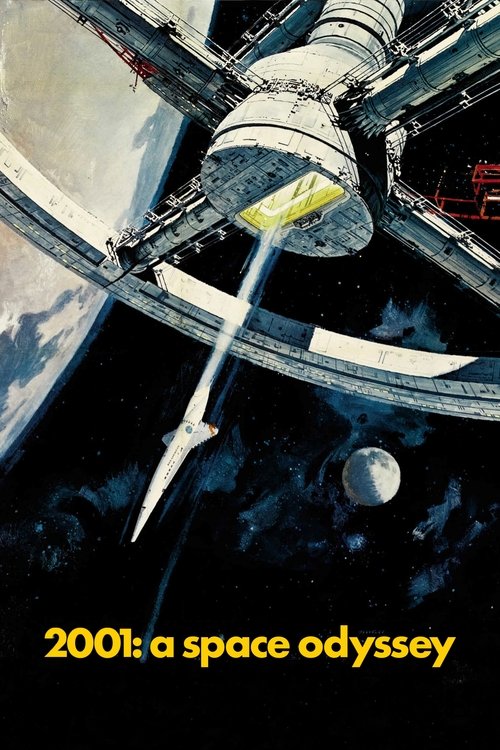
There are some bold editing choices, harking back to Lawrence of Arabia and 2001: A Space Odyssey, so Gray’s nods to cinematic history are a shorthand way to expand the film’s scope.
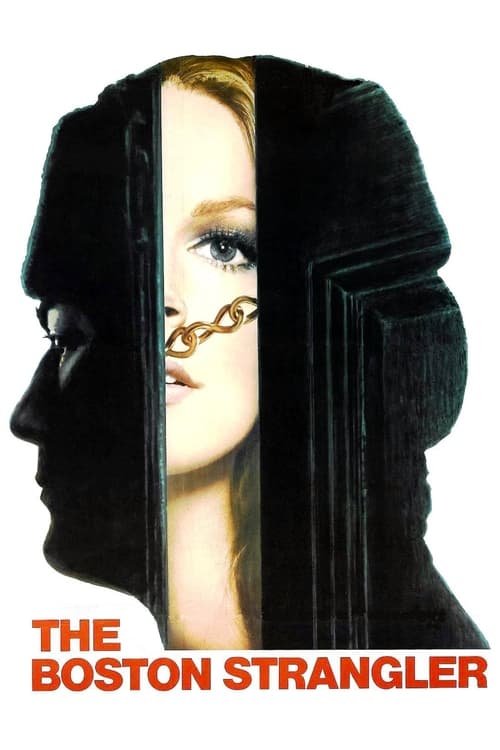
It’s here, during a meeting with a medium who has been smuggled into a British bunker—in a riveting scene that I have on good authority was modeled after an effect in Richard Fleischer’s The Boston Strangler (1968)—that Fawcett appears suddenly to be transported into the rain forest, an image mirrored, quite literally, in the film’s mysterious closing shot.
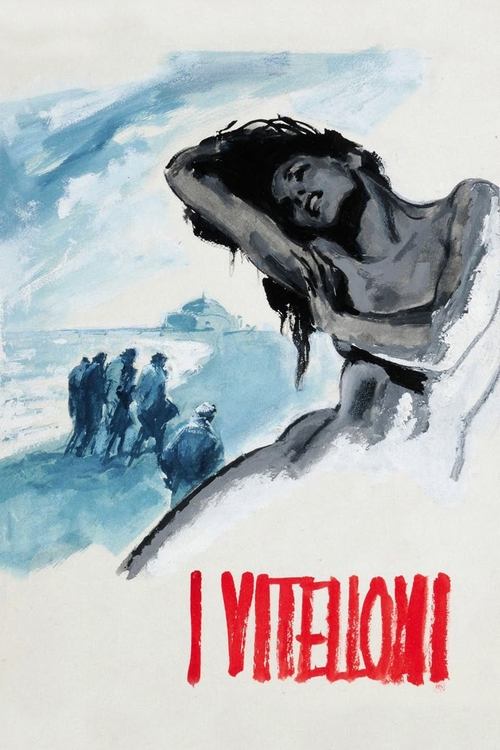
Fawcett’s final trip, in particular, is perhaps the purest stretch of visual seduction in Gray’s filmography, beginning with the train taking father and son to the edge of wilderness, intercut with brief views of the homefront à la the conclusion of Fellini’s I vitelloni (1953), and moving to the weird ravishment of the torchlit ceremony that precedes our protagonist’s final disappearance.
This could just be my film-addled brain doing the talking, but I nevertheless suspect he finds deep meaning in these branches, perhaps evidenced best by a reference to Fellini’s I Vitelloni so specific as to jolt me out of my seat a bit.
Advertisement
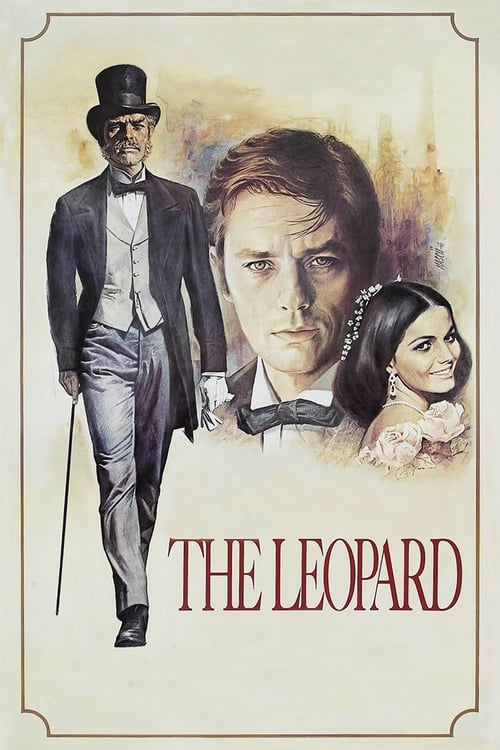
And the director’s filmic references — whether it’s The Leopard, The Four Feathers, The Charge of the Light Brigade, or Barry Lyndon — are all to movies about hierarchies and the ways an established social order preserves and propagates itself.
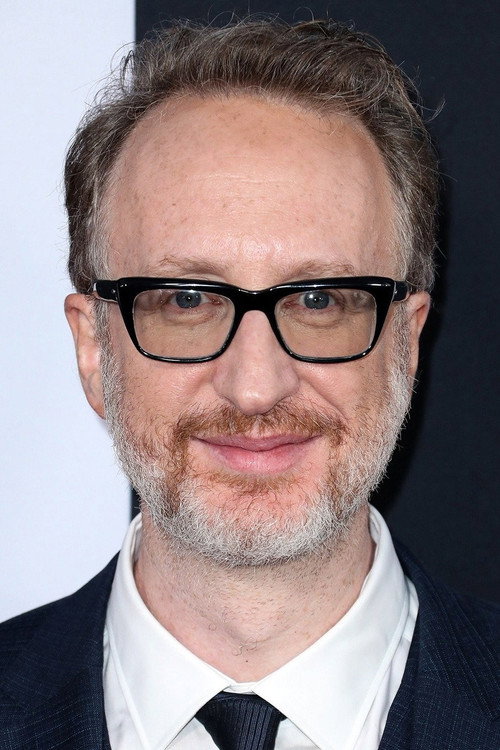

Gray’s been one of the best American filmmakers around since the 1990s, when Little Odessa and The Yards established him as the pre-eminent post-Scorsesian New York filmmaker.
Among other things, that faith has compelled Gray to leave his native New York, an urban jungle that he has spent most of his career colonizing, starting with his 1994 Brighton Beach-set crime thriller, “Little Odessa,” and culminating in his epic Ellis Island melodrama, “The Immigrant” (2013).
Familial expectation and duty, and the crushing burden they impose, is a theme which recurs in his films, beginning with the thermonuclear domestic meltdown of Little Odessa (1995) and continuing through the cop dynasty guilt-trip of We Own the Night (2007) and the love triangle of Two Lovers (2008), in which nice Jewish boy Leonard Kraditor (Joaquin Phoenix) exchanges a deal-brokering kiss with the nice Jewish girl (Vinessa Shaw) hand-picked by his parents in front of a wall laden with family photographs.
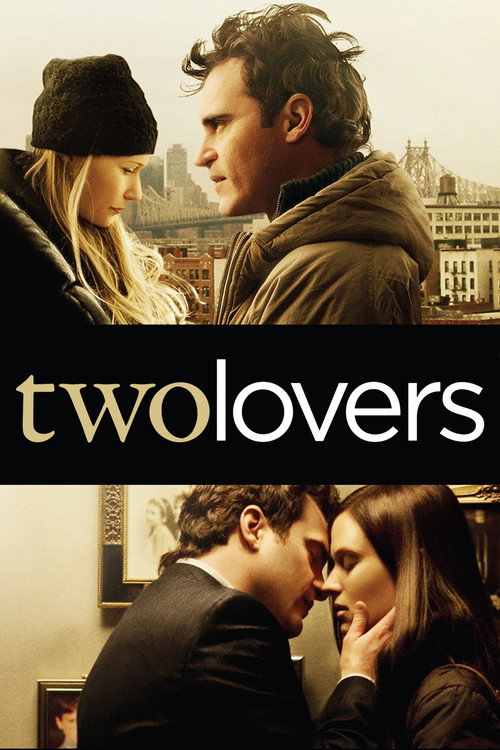
James Gray, who writes and directs, retains the unfashionable preference for film over digital which has defined his previous work (moody, mumbly dramas such as We Own the Night and Two Lovers).
At moments, I’ve been a Gray fan (especially of “Two Lovers”), but it’s worth noting that the movies his style has at times recalled — the ambitious underworld films of the New Hollywood, say — were a lot more exciting, in their day, than the movies he makes.
In films like The Immigrant and Two Lovers , he has shown a peerless talent for teasing subtleties; these are movies that place most of their dramatic weight in unspoken conflicts.
2008’s Two Lovers, in which a troubled Joaquin Phoenix wavered between Vinessa Shaw and Gwyneth Paltrow, appeared to have come from a vault in which forgotten 1970s character pieces had been locked away.
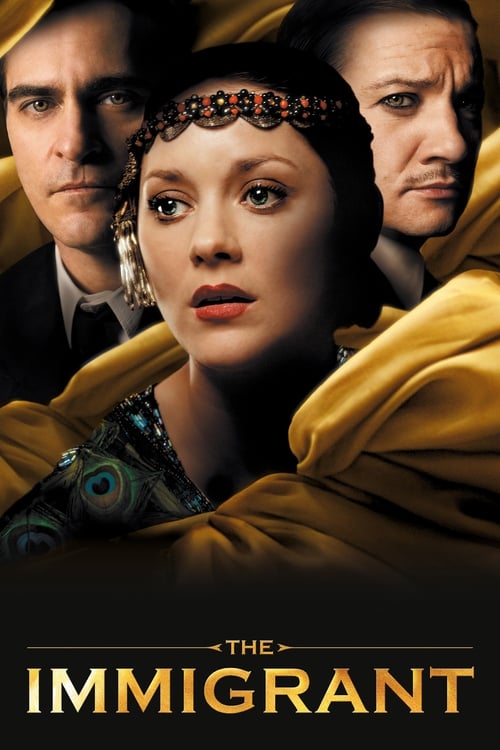
Even those masterworks, mind you, couldn’t clearly set the stage for Two Lovers and The Immigrant, two of the most alluring and near-confessional American films of this or any other decade.
But upon closer inspection of its more refined tenor, the picture appears as a continuation of the quieter mood found in his previous melodrama, “The Immigrant,” and his winning collaboration with that film’s same cinematographer, Darius Khonji.
I can and will compliment the movie for a number of reasons not necessarily pertaining to what material it was printed on and what machine it came out of, so let it be stated upfront that this is most likely the best (only?) way to experience what Gray and cinematographer Darius Khondji, reuniting from The Immigrant, have achieved: a film that will often truly and totally appear to have been made in decades past and just discovered today.
Adapted from David Grann’s 2009 book of the same name, The Lost City of Z sees the welcome return of director James Gray (The Immigrant) in a highly ambitious undertaking.
It was not until “The Immigrant” (2013) that Gray spread his wings and took flight.
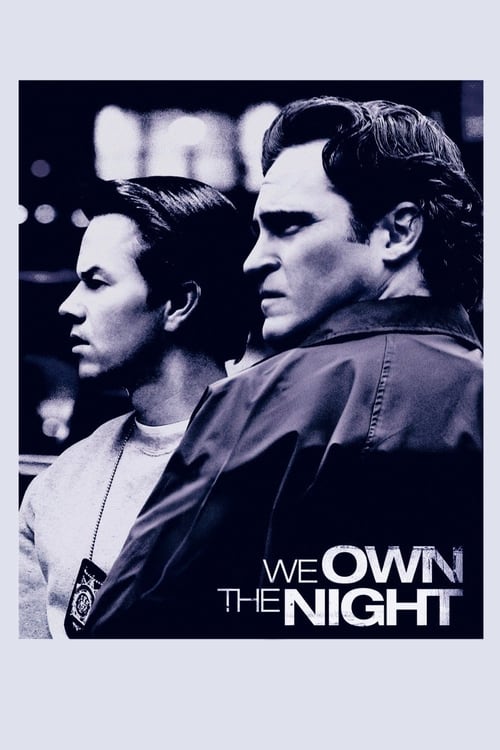
James Gray, who writes and directs, retains the unfashionable preference for film over digital which has defined his previous work (moody, mumbly dramas such as We Own the Night and Two Lovers ).
The writer/director usually uses genre as a Trojan horse to explore matters of familial tragedy — crime utilized for a loose adaptation of Henry IV for “We Own The Night,” for example.
“The Yards” (2000), which confounded everything you’ve heard about the curse of the sophomore work, was more adventurous, travelling as far as the Bronx, but the third film, “We Own the Night” (2007), kicked off in Brooklyn, once again, and could hardly tear itself away.
Pictures like "The Yards" and "We Own the Night" took on crime and family and class.
Gray’s other films (among them We Own the Night and The Immigrant ) center on families or surrogate families whose loyalties are tested and affirmed.
Viewers who are familiar with the true story the film is based on will enjoy it on an immersive level, savoring the period details and arguing about whether they were represented accurately by writer and director James Gray (" We Own the Night ," " The Immigrant "). as well as whether the film is anti-colonial enough for modern tastes.
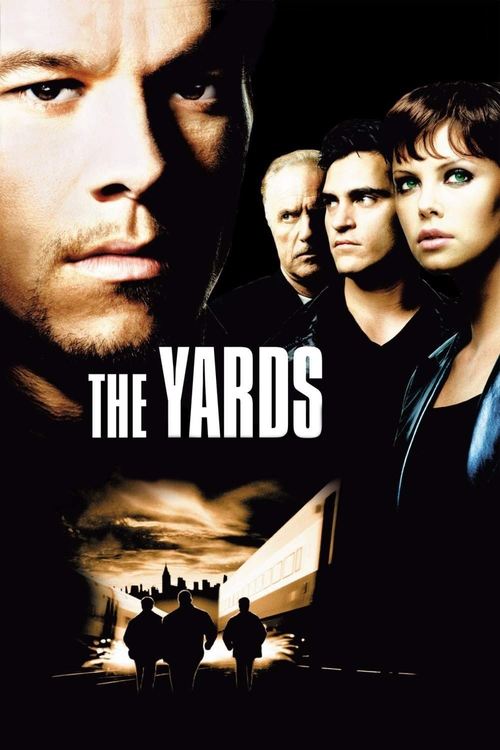
Gray’s been one of the best American filmmakers around since the 1990s, when Little Odessa and The Yards established him as the pre-eminent post-Scorsesian New York filmmaker.
Class has always been one of Gray’s concerns (the patriarch of “The Yards” desperate to exceed his status and grasp, being one example) and that aspect plays a big part here.
Pictures like "The Yards" and "We Own the Night" took on crime and family and class.
“The Yards” gathers the sounds and moods and tones of growing up in Queens, the experience of Gray watching classic movies and imagining his own experiences, his own emotions, embodied in those styles, knowing that they never could be.
And though Gray’s New York is very far away from the tony clubman’s United Kingdom seen in The Lost City of Z , it has its own haves and have nots, and its own gentrymen: James Caan, living in outer boroughs ducal splendor at his Jamaica Estates manor in The Yards (2000), or Elias Koteas’s Manhattan smoothie with law firm box seats at the Metropolitan Opera in Two Lovers .