
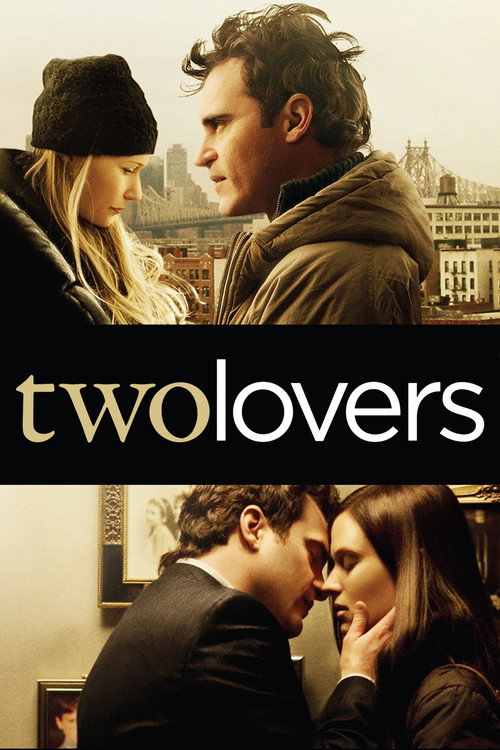
Two Lovers (2008)
Directed by James Gray
A depressed man moves back in with his parents following a recent heartbreak and finds himself with two women.
4 connections found
View:
4 connections, in both directions
What critics compared Two Lovers to




(At first, his critical support came mostly from France.) Starting with Two Lovers , his films abandoned their genre elements — The Immigrant and The Lost City of Z turned to the past.
The Russian-Jewish neighborhood of Brighton Beach served as a forlorn and culturally complex backdrop to Two Lovers, the romantic drama he made next, while The Immigrant cast its gaze back through time and memory to evoke New York in the early 1920s, mythologizing it in smoke and gold while rendering the emotional lives of characters in thrall to its expanse with a fraught and fiercely intimate melodicism.
While the white, Jewish, working-class experience of New York’s outer boroughs is hardly new territory for Gray (see also Little Odessa, The Yards, Two Lovers, and The Immigrant), here it’s an experience he examines the very premises and contexts of head-on.
★★★★☆ Whether it’s the neo-noir of We Own the Night, the ménage à trois of Two Lovers, or the sad-dad-in-space opera of Ad Astra, Gray has managed to pursue an intensely personal vision through a variety of genres.
Many of Gray’s films are introspective, interior personal journeys – Two Lovers , The Lost City Of Z and Ad Astra all feel disarmingly intimate.
They are big themes, and a long way from Gray’s best film “Two Lovers,” which has no quests, missions or crimes — just three characters trying to get their heads around their feelings.
He based the look of The Yards (2000) on the work of French realist painters, drew on the narrative structure of Dostoevsky's White Nights for Two Lovers (2009), and took inspiration from Puccini's operas for The Immigrant (2013).
James Gray, the director and co-writer of “Ad Astra,” is the furthest thing you could imagine from a space dude; he’s a rigorous indie filmmaker known for such fine-grained fare as “The Lost City of Z,” “The Immigrant” and (my favorite Gray film) “Two Lovers.”
Don't expect "The Martian" or "Gravity" from co-writer and director James Gray's ("The Lost City of Z," "Two Lovers") space-bound tale.
James Gray’s films have such a classicist approach that one can easily categorize them as conventional, but don’t be fooled by what you’re seeing, as it is incredibly hard to pull off what Gray did in “Lost City of Z” and, especially, “Two Lovers” (his two best movies).
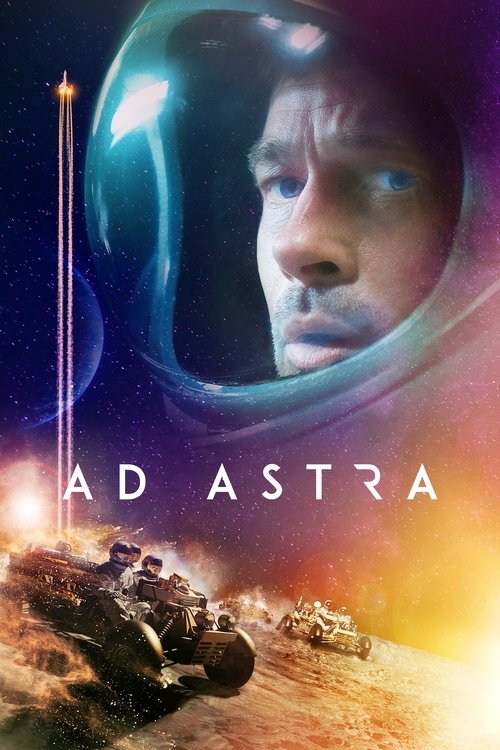
The New York-based indie arthouse writer/director James Gray (“The Lost City of Z”/”Two Lovers”) and co-writer Ethan Gross deliver an ambitious and well-conceived big-budget sci-fi film (something not tried before by the auteur, that revolves around an estranged relationship between a hero pioneer astronaut father H. Clifford McBride (Tommy Lee Jones), the most decorated ever astronaut, and his intrepid astronaut son Major Roy McBride (Brad Pitt).

James Gray, who writes and directs, retains the unfashionable preference for film over digital which has defined his previous work (moody, mumbly dramas such as We Own the Night and Two Lovers).
At moments, I’ve been a Gray fan (especially of “Two Lovers”), but it’s worth noting that the movies his style has at times recalled — the ambitious underworld films of the New Hollywood, say — were a lot more exciting, in their day, than the movies he makes.
In films like The Immigrant and Two Lovers , he has shown a peerless talent for teasing subtleties; these are movies that place most of their dramatic weight in unspoken conflicts.
2008’s Two Lovers, in which a troubled Joaquin Phoenix wavered between Vinessa Shaw and Gwyneth Paltrow, appeared to have come from a vault in which forgotten 1970s character pieces had been locked away.
His disdain for a working class way of life baffles his hard working sister Joy (Jeanine Serralles, "Two Lovers") who's fed up floating his preferred lifestyle.