
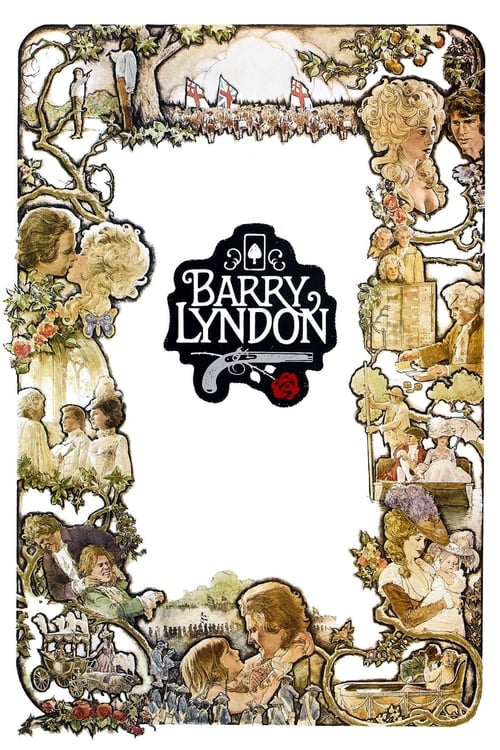
Barry Lyndon (1975)
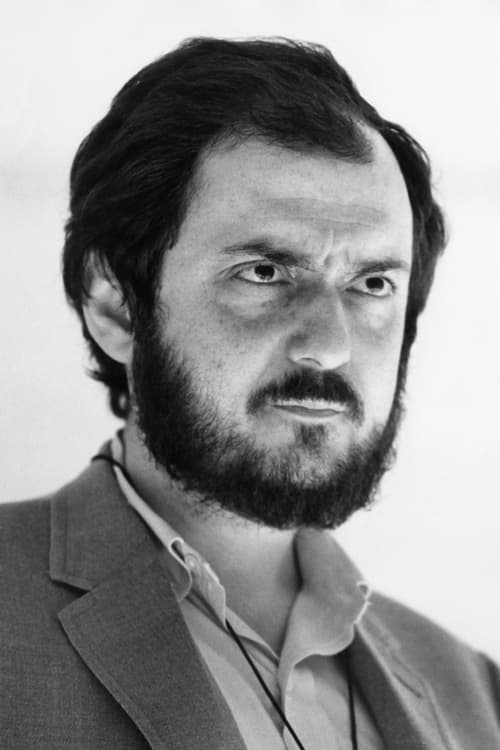
Directed by Stanley Kubrick
An Irish rogue uses his cunning and wit to work his way up the social classes of 18th century England, transforming himself from the humble Redmond Barry into the noble Barry Lyndon.
4 connections found
View:
4 films that influenced Barry Lyndon
What critics say influenced Barry Lyndon
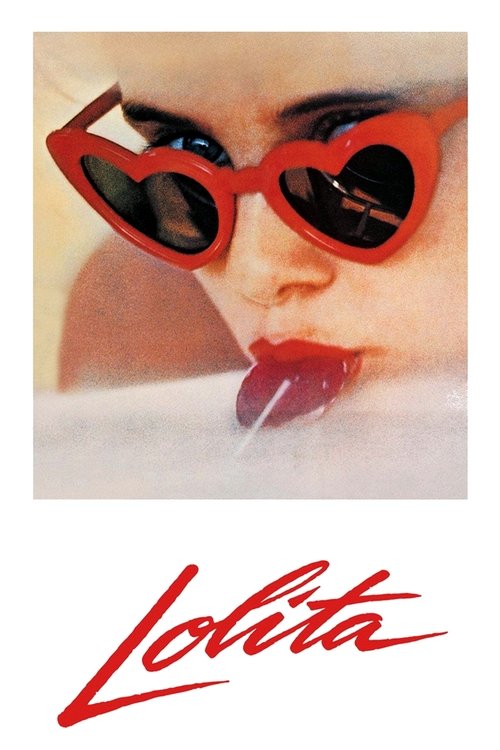


They were graced by fine performances--one recalls Adolphe Menjou and Kirk Douglas in "Paths of Glory," James Mason in "Lolita" and, with special affection, Sterling Hayden and Peter Sellers in "Dr.

They were graced by fine performances--one recalls Adolphe Menjou and Kirk Douglas in "Paths of Glory," James Mason in "Lolita" and, with special affection, Sterling Hayden and Peter Sellers in "Dr.
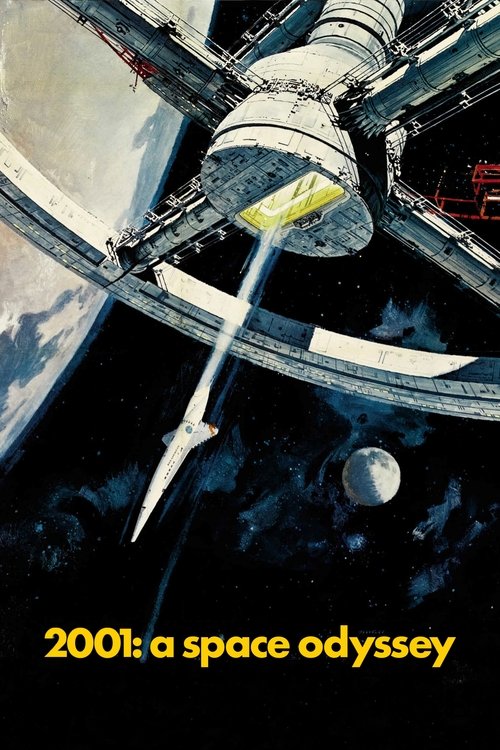
Most of them, stillborns like Barry Lyndon and Eyes Wide Shut , would follow this 1968 film (three-plus years, and uncounted perfectionist-caused headaches, in the making), the pinnacle of his creative output.
A recurring image is that of an enormous space in which the living figures are hopelessly dwarfed: think of the men in the chateau courtroom in Paths of Glory, the occupants of Dr. Strangelove's war room, the soldiers on the battlefields in Barry Lyndon or Jack Nicholson with his tennis ball in the Overlook Hotel in The Shining.
Dr. Strangelove is outstanding in its own way, Paths of Glory is fearfully moving, and Barry Lyndon has some of the best color cinematography I’ve seen.
In Stanley Kubrick's 1968 sci-fi epic "2001: A Space Odyssey," the director strove to tell a story almost entirely with visuals, aided by mostly classical orchestral background music.
And here we come to the single best piece of bad-actor casting in all of Kubrick; he made a bit of a habit out of it, between 2001: A Space Odyssey and Full Metal Jacket and Eyes Wide Shut , but it was a masterstroke of an entirely different order to cast the painfully bland prettyboy star of Love Story in the role of an utterly ruthless, misogynist shitheel like Redmond Barry, for a multiple reasons.
It also repays close attention as a complex and fascinating historical meditation, as enigmatic in its way as 2001: A Space Odyssey.
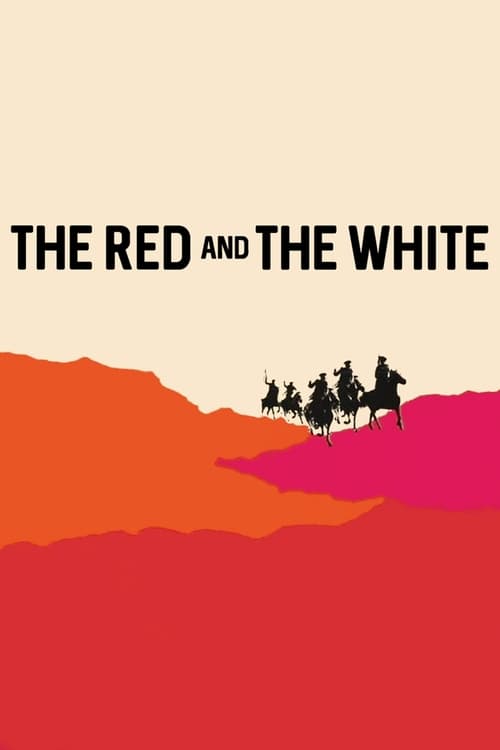
Using stunning wide-angle shots that capture entire landscapes, Barry Lyndon‘s scope resembles that of Akira Kurosawa’s Ran and Milos Jancso’s The Red and the White.