
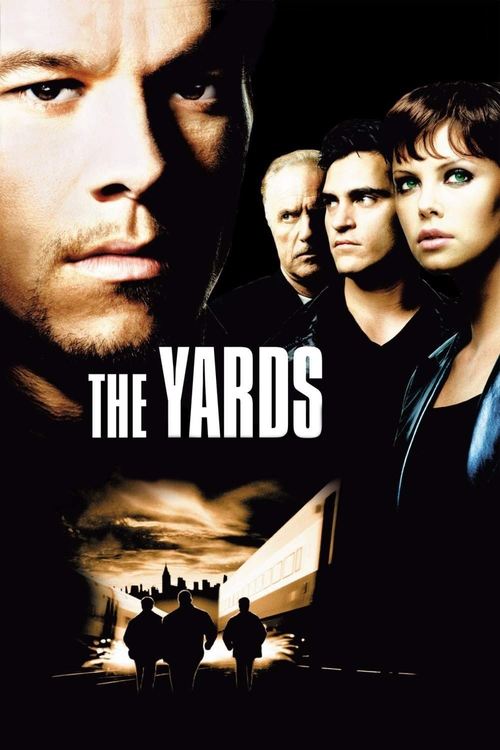
The Yards (2000)
Directed by James Gray
In the rail yards of Queens, contractors repair and rebuild the city's subway cars. These contracts are lucrative, so graft and corruption are rife. When Leo Handler gets out of prison, he finds his aunt married to Frank Olchin, one of the big contractors; he's battling with a minority-owned firm for contracts.
9 connections found
View:
9 connections, in both directions
What critics compared The Yards to
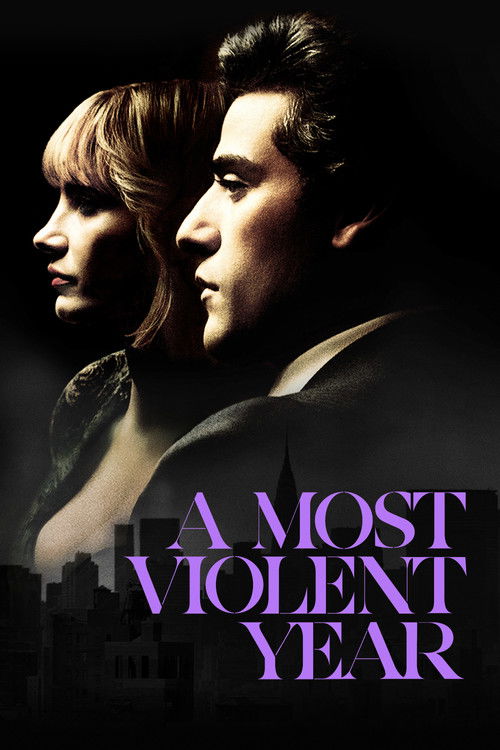


Sections of this movie are reminiscent of Gray's "The Yards," which was equal parts " On the Waterfront " and "The Godfather," and his followup, the gangster picture/undercover cop thriller " We Own the Night " (which, like "A Most Violent Year," is fitfully excellent, but sometimes tries too hard to be a K-Tel Greatest '70s Macho Movie Hits album).
The municipal stew is dense and unusually flavorful, of a kinship with James Gray’s The Yards and other films made for the last handful of adults who still go to theaters.
Chandor’s film bears an even stronger likeness, though, to Gray’s little-seen sophomore feature, “The Yards” (2000), which built a similar tale of ambition, free enterprise and moral compromise around an essential Big Apple industry: there, subway parts; here, heating oil.
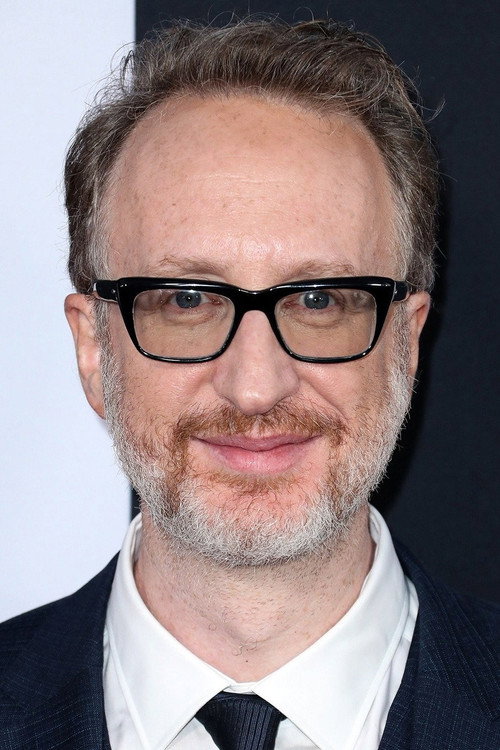
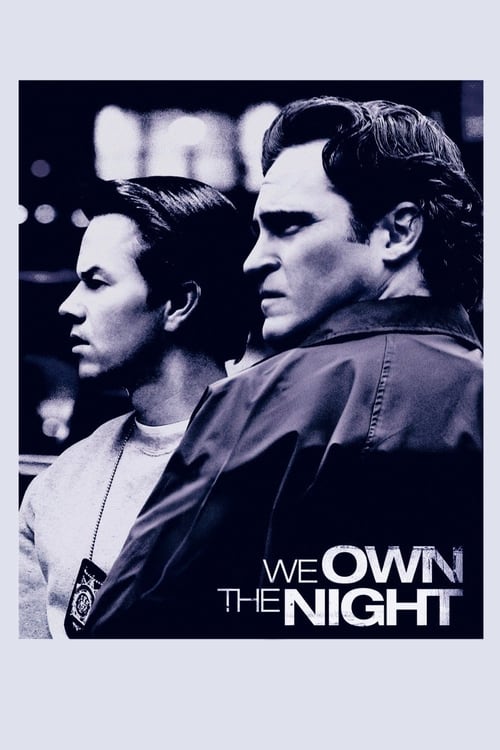
While there's little doubt that James Gray has long since established himself as a talented (and thoroughly distinctive) filmmaker, We Own the Night - much like his first two efforts, Little Odessa and The Yards - suffers from an overly deliberate pace that ultimately prevents the viewer from fully connecting with the material.
Brothers, loyalty, the Russian mob and New York City's outer boroughs continue to fascinate filmmaker James Gray, whose "We Own the Night" marks his third feature in a dozen years following "Little Odessa" and "The Yards."
Gray, who previously made the impressive "Little Odessa" and "The Yards," has a sinuous camera style that pulls us into the brackish allure of the underworld.
James Gray is an old-school classicist whose two films – Little Odessa and The Yards – were archetypal crime dramas set in the director’s beloved New York City.
We Own The Night reunites director James Gray with two of the stars of his crime drama The Yards, Joaquin Phoenix and Mark Wahlberg.
The startling turns that take Bobby toward possible reconciliation with his family recall grand crime dramas from GoodFellas to The Departed , and writer/director James Gray (who made the underrated The Yards a few years back, also with Phoenix) graces us with moments so beautifully eerie and grim that they are instantly fixed in the memory as classic gems of cinema -- such as the finale, a footchase for bad guys set among the marshy wetlands at the far reaches of New York City, a setting I’m not sure we’ve ever seen on film before.
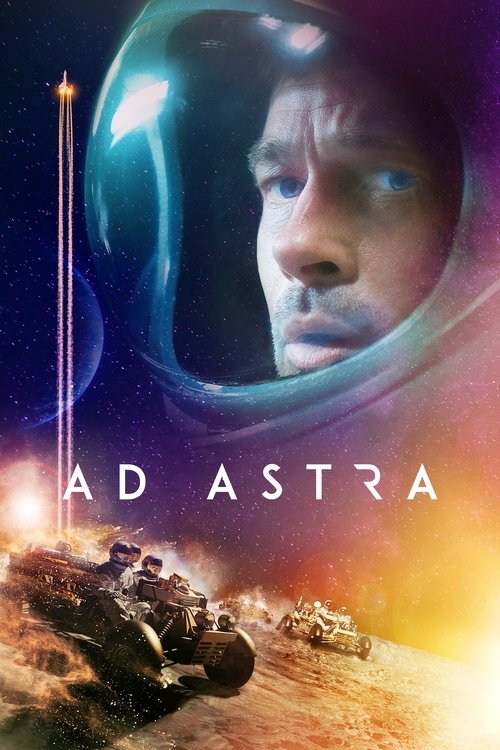
He based the look of The Yards (2000) on the work of French realist painters, drew on the narrative structure of Dostoevsky's White Nights for Two Lovers (2009), and took inspiration from Puccini's operas for The Immigrant (2013).
The writer-director James Gray specialises in brooding tales of fraught families ( The Yards , We Own the Night ), though until now they’ve been earthbound and haven’t usually revolved around a taciturn figure with only his internal monologue for company.
This crazily ambitious film, sometimes successful but never less than mesmerically odd, seems an unlikely departure for the usually pragmatic, earthbound American director of The Yards, Two Lovers, and The Immigrant—although one might would have said the same for Gray’s daringly old-fashioned jungle exploration yarn The Lost City of Z.
In the past, Gray has granted solid roles to actresses such as Faye Dunaway, in “The Yards” (2000), and Gwyneth Paltrow, in “Two Lovers” (2008), but the women of “Ad Astra” are given astronomically short shrift.
His best film is last year’s excellent, “The Lost City of Z.” The rest, ranging from “The Yards” (pretentious) to “Two Lovers” (insulting), always seem like they should mean more than they do.
While Gray has found tremendous success with the live-wire intensity of frequent collaborator Joaquin Phoenix (The Yards, We Own the Night, The Immigrant), the director’s partnership with Pitt might be his greatest.

Pivoting away from the biggest production of his career with a melancholy return to the kind of small-scale New York stories (à la “The Yards” and “Little Odessa”) that first put him on the map, Gray revisits his childhood years and all of their related ghosts with a burnished memoir that hears echoes of 19th European pogroms reverberating through the Trump family — 100 years later and some 4,000 miles away — in much the same way as “Ad Astra” found an Applebee’s on the Moon.
Early Gray films like “The Yards” (2000) and “We Own the Night” (2007) were modest tales suffused with his desire to be making “a ’70s movie.”
Little Odessa (1994) was set in Brighton Beach; The Yards in the Bronx; The Immigrant took us to Ellis Island.
In his cinematic memoir “Armageddon Time,” the filmmaker James Gray unpacks his early influences with the kind of uncommonly sensitive and keen perception that he has employed throughout his body of work, which has evolved from crime thrillers (“Little Odessa,” “The Yards,” “We Own The Night”) to historical dramas (“The Immigrant,” “The Lost City of Z”) to existential sci-fi explorations of love, existence and family (“Ad Astra”).
While the white, Jewish, working-class experience of New York’s outer boroughs is hardly new territory for Gray (see also Little Odessa, The Yards, Two Lovers, and The Immigrant), here it’s an experience he examines the very premises and contexts of head-on.

Gray’s been one of the best American filmmakers around since the 1990s, when Little Odessa and The Yards established him as the pre-eminent post-Scorsesian New York filmmaker.
Class has always been one of Gray’s concerns (the patriarch of “The Yards” desperate to exceed his status and grasp, being one example) and that aspect plays a big part here.
Pictures like "The Yards" and "We Own the Night" took on crime and family and class.
“The Yards” gathers the sounds and moods and tones of growing up in Queens, the experience of Gray watching classic movies and imagining his own experiences, his own emotions, embodied in those styles, knowing that they never could be.
And though Gray’s New York is very far away from the tony clubman’s United Kingdom seen in The Lost City of Z , it has its own haves and have nots, and its own gentrymen: James Caan, living in outer boroughs ducal splendor at his Jamaica Estates manor in The Yards (2000), or Elias Koteas’s Manhattan smoothie with law firm box seats at the Metropolitan Opera in Two Lovers .
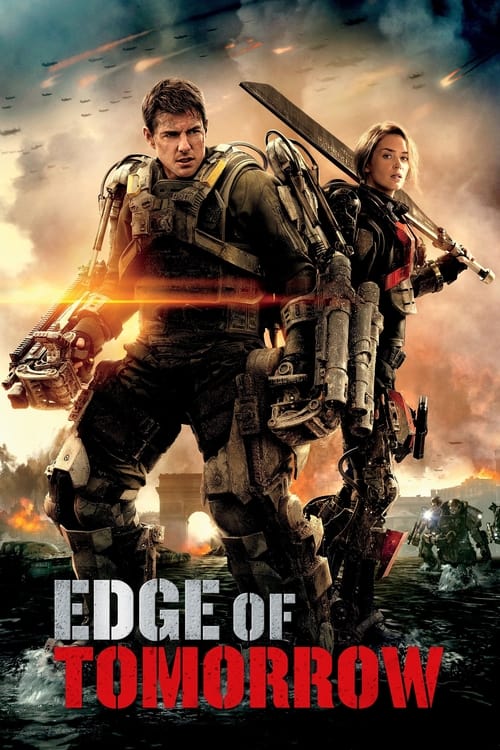
Both announced distinctive but raw sensibilities, and each led to bigger things – Liman broke out with Swingers in 1996, and Gray garnered serious festival traction with The Yards in 2000 – and each signalled divergent ambitions.
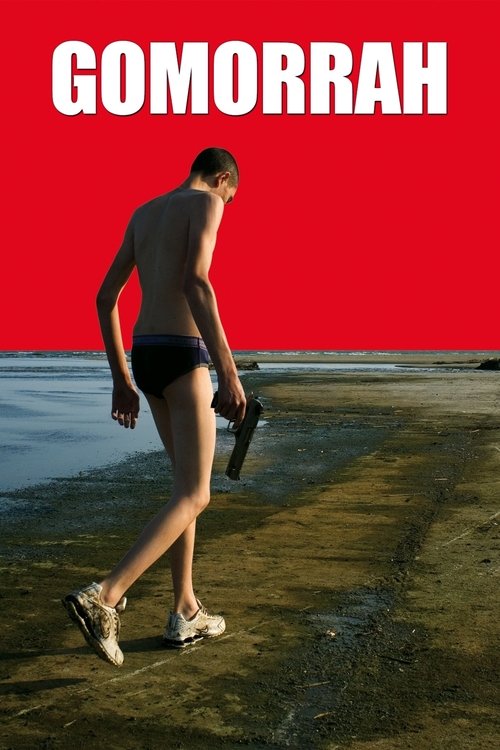
His previous features, beginning with "Little Odessa" in 1994 and continuing with "The Yards" and "We Own the Night," have all been crime films.
Advertisement
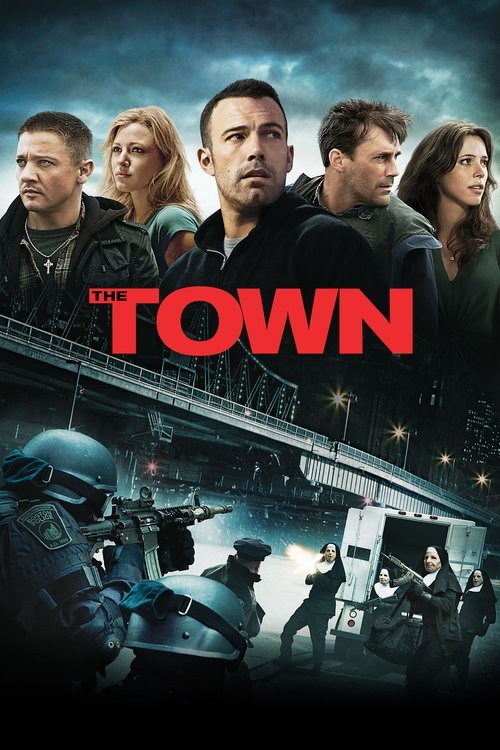
In this way it shares a similar look and atmosphere to James Gray’s films such as The Yards and We Own the Night.
There are exceptions, of course—like James Gray’s The Yards or We Own the Night , or Michaël R. Roskam’s The Drop —but more typical is a shiny moralizing piece of trash like Allen Hughes’s Broken City .