
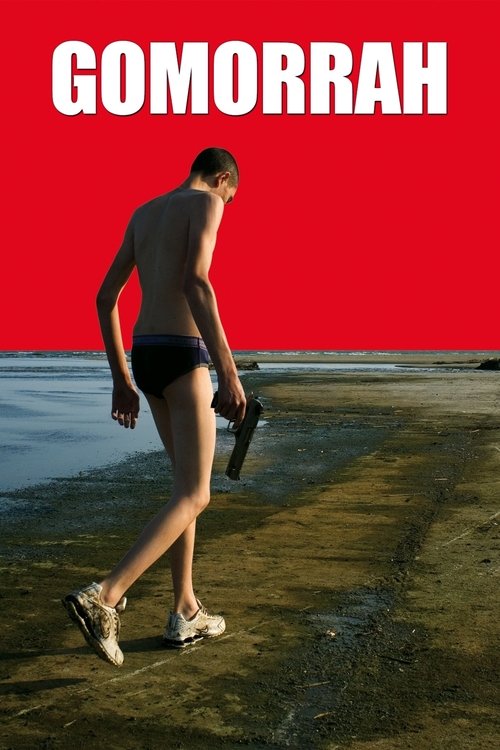
Gomorrah (2008)
Directed by Matteo Garrone
An inside look at Italy's modern-day crime families, the Camorra in Naples and Caserta. Based on a book by Roberto Saviano. Power, money and blood: these are the "values" that the residents of the Province of Naples and Caserta have to face every day. They hardly ever have a choice and are forced to obey the rules of the Camorra. Only a lucky few can even think of leading a normal life.
15 connections found
View:
15 films that influenced Gomorrah
What critics say influenced Gomorrah
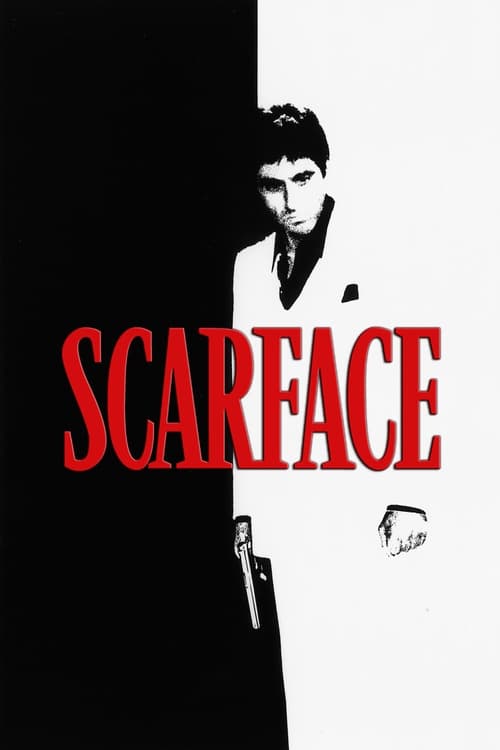


Finally, theres Marco (Marco Macor) and Ciro (Ciro Petrone), two adolescents obsessed with Scarface, who reenact acts of violence and goof around guns, but, soon enough, they get caught up with the real violence of the Camorra.
Two young friends, Marco (Marco Macor) and Ciro (Ciro Petrone), play at being Tony Montana, Al Pacino's character from Scarface.
Story No. 3 tells of two cocky friends, Marco (Marco Macor) and Sweet Pea (Ciro Petrone), idiots who act out scenes from Scarface and have more or less internalized every Hollywood mafia cliché that Garrone’s film rejects.
While the movie is yet another saga of killing and corruption, unlike so many of its forebears, from "Scarface" to "City of God," there appear to be no spoils.
Through films such as “The Godfather” and “Scarface,” along with the television smash “The Sopranos,” there’s been a definite glamorization of life inside the deep layers of the mafia.
Two charismatic but woefully foolish boys, Marco (Marco Macor) and Ciro (Ciro Petrone) hang out in a disused building acting out scenes from Brian De Palma's "Scarface," and dreaming of creating their own two-man crime syndicate.

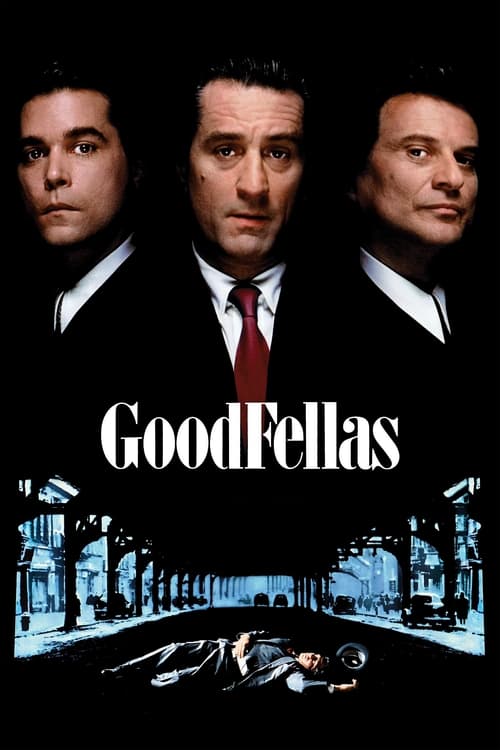
Between Francis Ford Coppola’s mafia as Greek tragedy, The Godfather, and Martin Scorsese’s high strung Manhattan goombah’s (Mean Streets, Goodfellas), La Cosa Nostra has become synonymous with flowered filmmaking.
In such entertainments as "The Godfather," "Goodfellas" and "The Sopranos," the Italian-American Mafia, or Cosa Nostra, is depicted as a strongly hierarchical institution governed not by the laws of society but by its own strict codes of ethics and conduct, including a strict delineation between insiders (that is to say, crooks) and civilians.
And they’ve had to since, no matter what price their characters end up paying, movies like Scorsese’s Goodfellas and Casino, and Coppola’s Godfather trilogy inadvertently glamorize gangster life.
To lump it in the same category as Scarface or GoodFellas would be misleading.
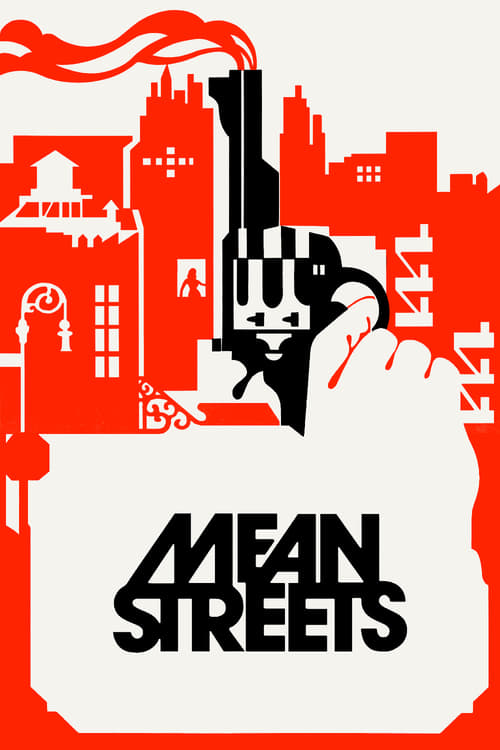
Between Francis Ford Coppola’s mafia as Greek tragedy, The Godfather, and Martin Scorsese’s high strung Manhattan goombah’s (Mean Streets, Goodfellas), La Cosa Nostra has become synonymous with flowered filmmaking.
Matteo Garrone's Gomorrah is a jolting and utterly original take on the gangster movie — or would be had it been made 35 years ago, before Martin Scorsese's Mean Streets.
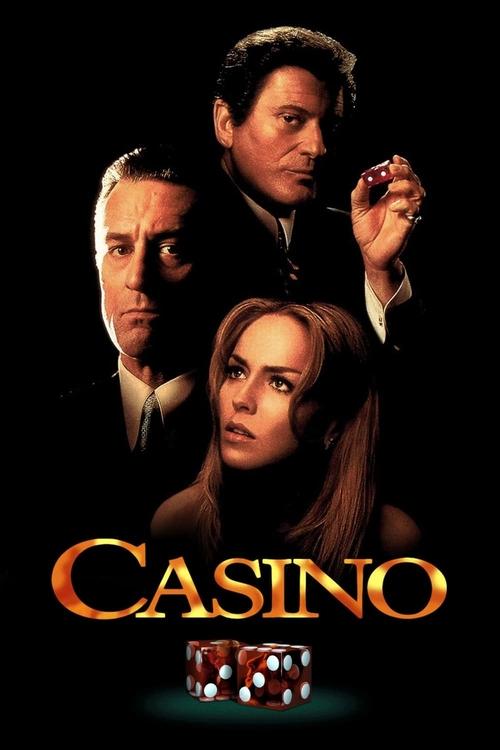
And they’ve had to since, no matter what price their characters end up paying, movies like Scorsese’s Goodfellas and Casino, and Coppola’s Godfather trilogy inadvertently glamorize gangster life.
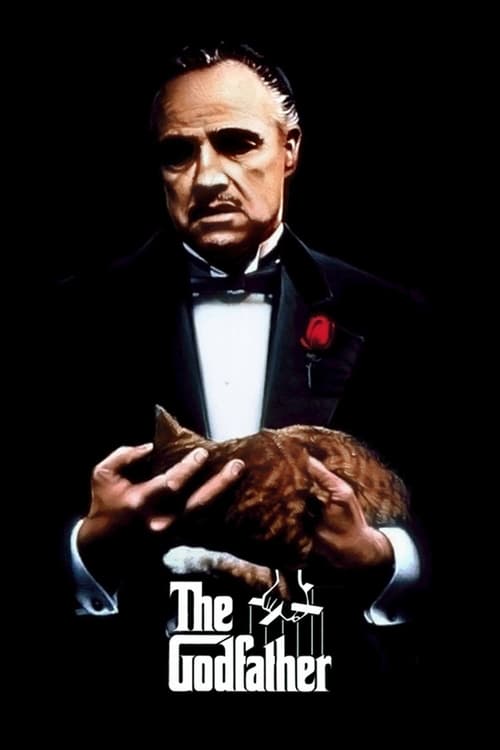
Directed and co-written by Matteo Garrone from the book by Roberto Saviano (who now has a permanent police escort), Gomorrah depicts Italian clan violence so far removed from the late-Romantic shadings of The Godfather — or the rich suburban irony of The Sopranos — that it might as well belong to another genre completely.
Through films such as “The Godfather” and “Scarface,” along with the television smash “The Sopranos,” there’s been a definite glamorization of life inside the deep layers of the mafia.
Between Francis Ford Coppola’s mafia as Greek tragedy, The Godfather, and Martin Scorsese’s high strung Manhattan goombah’s (Mean Streets, Goodfellas), La Cosa Nostra has become synonymous with flowered filmmaking.
“Gomorrah” is possibly the most authentic representation to date of the depth and influence of organized crime, but it will likely disappoint fans of “The Godfather” trilogy or “The Sopranos.”
In such entertainments as "The Godfather," "Goodfellas" and "The Sopranos," the Italian-American Mafia, or Cosa Nostra, is depicted as a strongly hierarchical institution governed not by the laws of society but by its own strict codes of ethics and conduct, including a strict delineation between insiders (that is to say, crooks) and civilians.
Not unlike the mafia operations we've become familiar with ("The Godfather" series, "The Sopranos," etc., etc.) this one includes drugs, prostitution and a corner in local garbage dumping.
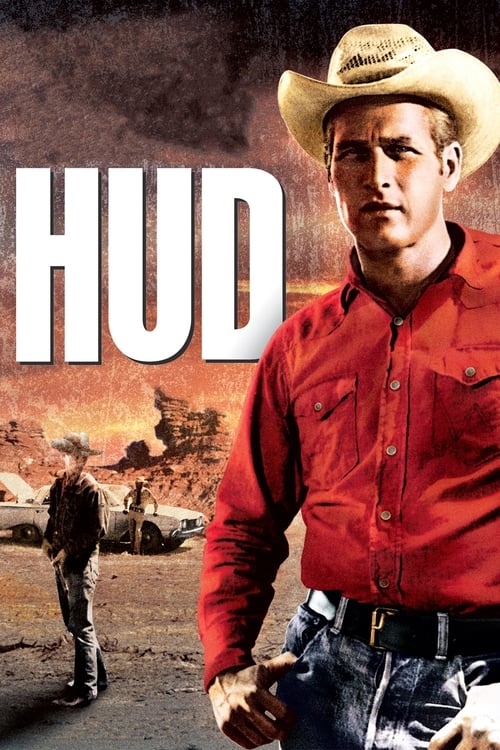
Dropping us in the middle of Italian slum Scampia, itself smack dab in the middle of nothing, Matteo Garrone's Gomorrah (Gomorra) is the Hud of gangster flicks, all deglamourized, harsh, expressionist stripping-away of illusions and idealism to reveal the gasping, grasping emptiness underneath.
Advertisement
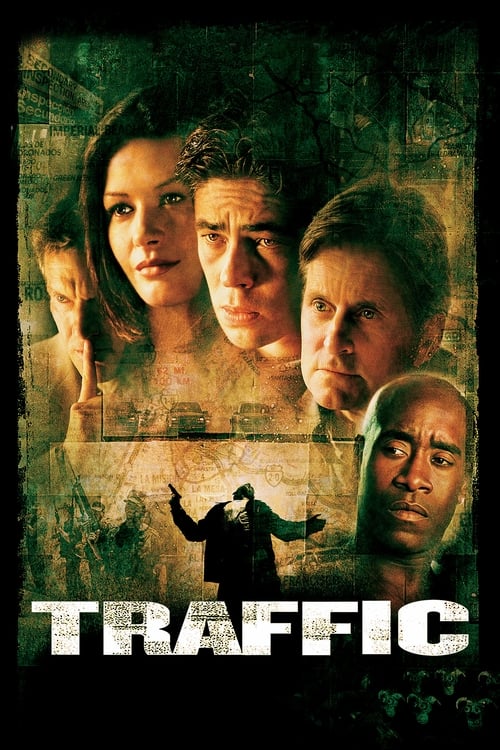
Gomorrah's episodic, mosaic structure is in some ways comparable to Steven Soderbergh's Traffic, but Garrone is not so much interested in diagramming a process as mapping a specific terrain.
Gomorrah (the original Italian title left off the "H," to pun on the name of the iniquitous biblical town) makes up for lost time by following at least five separate narrative threads — à la Traffic, Syriana, etc. — about dirty deeds spiraling around each other in the weed patches and disco-bars.
It also has the loose structure of Steven Soderbergh's coke-trade chronicle, "Traffic," although it's even looser.


His previous features, beginning with "Little Odessa" in 1994 and continuing with "The Yards" and "We Own the Night," have all been crime films.
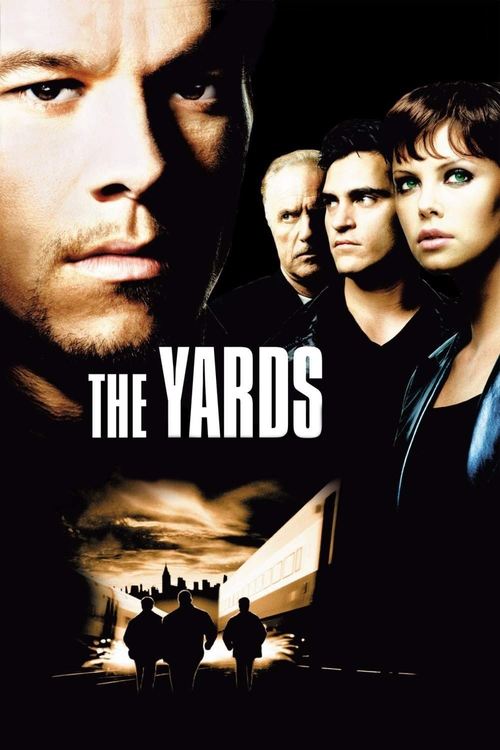
His previous features, beginning with "Little Odessa" in 1994 and continuing with "The Yards" and "We Own the Night," have all been crime films.
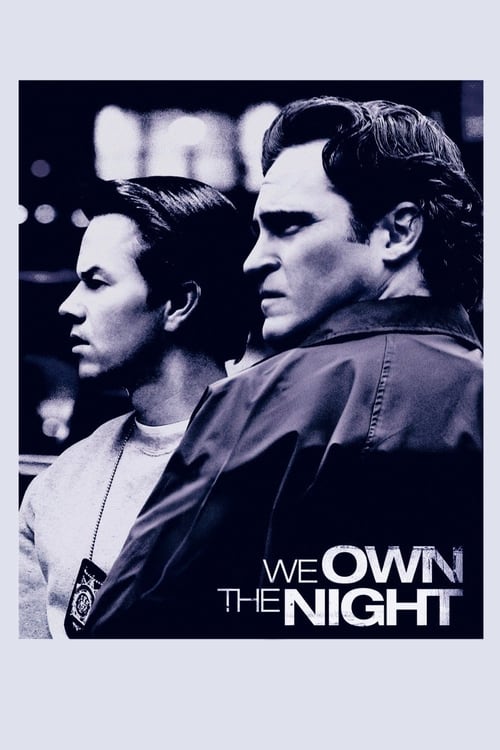
His previous features, beginning with "Little Odessa" in 1994 and continuing with "The Yards" and "We Own the Night," have all been crime films.
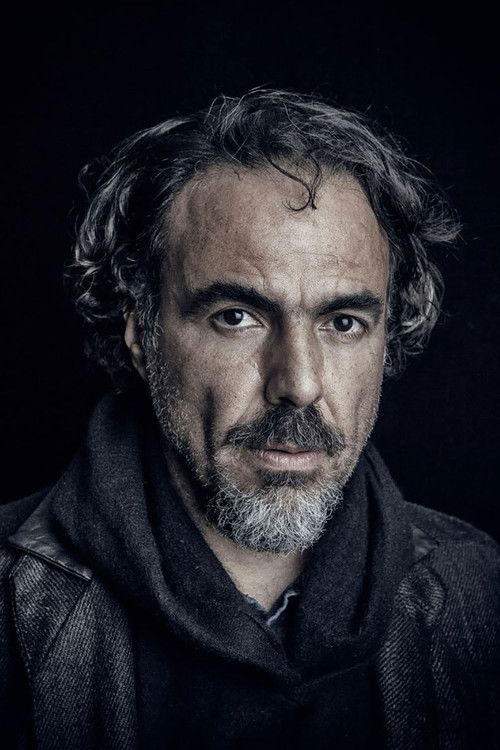
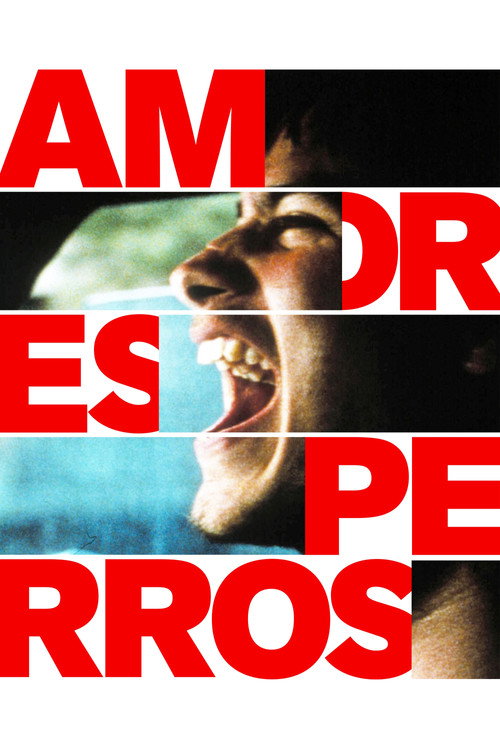
In contrast with the interweaving threads of Alejandro González Iñárritu's "Babel" and "Amores Perros," which "Gomorrah" recalls, Garrone's characters neither cross paths nor are doomed to some inevitable horror by a filmmaker's stylish fatalism.
In contrast with the interweaving threads of Alejandro González Iñárritu's "Babel" and "Amores Perros," which "Gomorrah" recalls, Garrone's characters neither cross paths nor are doomed to some inevitable horror by a filmmaker's stylish fatalism.
Like Scorsese's film, Gomorrah tells tales of initiation and disillusionment, five of them in this case, all extrapolated from anecdotes in the book, and loosely connected, like the narratives in Babel — it's another look at international misery named after a Biblical disaster area.
Garrone focuses on five intertwining storylines in a patchwork film not unlike Crash or Robert Altman's Short Cuts in the way characters bounce off each other and their actions have ripple effects on one another.
Advertisement
Like Gomorrah and the superior City of God, most of these films are set in crowded slums.
While the movie is yet another saga of killing and corruption, unlike so many of its forebears, from "Scarface" to "City of God," there appear to be no spoils.
The look and feel of “Gomorrah” closely resembles the recent work of director Fernando Meirelles (“City of God”), taking a semi-documentary approach to the drama to best grasp the frightening authenticity of it all.
Applying a City of God, neo-realistic style to his interlocking stories of youth caught up in the corruption of the area, the film mixes narratives to show us how deep the roots of evil actually go, and how futile it seems to try and eradicate this mob-rule menace from its firmly ensconced arenas.
Not for him the panicky, catch-me-if-you-can approach of a film like “City of God”—or, indeed, like “Slumdog Millionaire,” which next to “Gomorrah” seems like an adventure vacation.
Gomorrah is as bleak and sober as the lives of the people that it portrays - it makes City Of God look like The Chronicles Of Narnia.
Director/co-writer Matteo Garrone, who also directed The Embalmer, goes for an appropriate cinma vrit that makes you, the viewer, feel merely like a spectator a voyeur into the intersecting lives of all these characters who go about their daily routines in Naples.
Roberto Saviano’s tell-all mafia expose provides rich narrative soil for director Matteo Garrone ("The Embalmer" - 2002) to weave together five stories of mob-related corruption sucking dry the Italian industrial province of Naples and its squalid suburbs and infecting the entire financial landscape of the European economy.
It's the 39-year-old Italian director Matteo Garroneâs ("First Love"/"Guests"/"The Embalmer") Cannes Grand Prix-winner, as he artfully weaves together five fictionalized similar themed stories to relate the mob activities to capitalism and in a fast-moving chilling documentary style grimly and violently pulls off a first-rate detailed exposé on the mafia operation of instilling fear into the community to root out opposition.
But the balance of the movie--scripted by director Matteo Garrone (The Embalmer), journalist Roberto Saviano, and four others--takes a less sensational, more investigative approach to its subject, interweaving four diverse story lines to show how the Neapolitan crime organization known as the Camorra has reached its tentacles into construction, garbage removal, the garment industry, and the ghetto drug trade.
Director Matteo Garrone ( The Embalmer ) finds a casual, stone-faced, almost neo-realist pace for all this, casually flipping back and forth between storylines, and making brilliant use of seemingly endless array of run-down and abandoned buildings and spaces (with all their jagged shadows).