
City of God (2002)
Directed by Fernando Meirelles
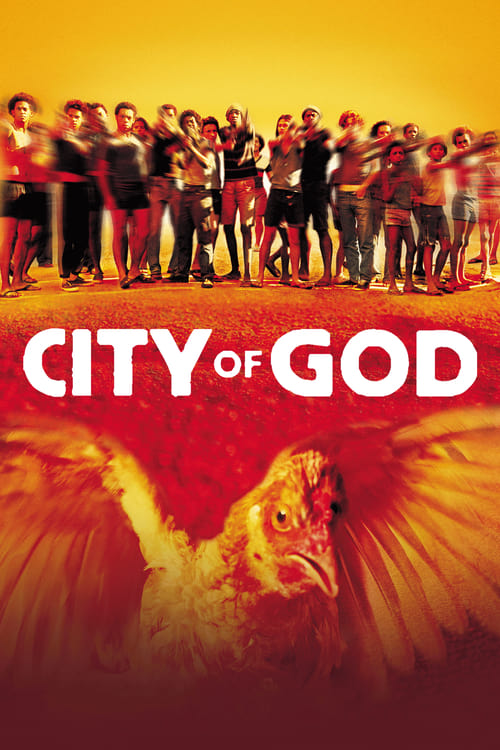
In the poverty-stricken favelas of Rio de Janeiro in the 1970s, two young men choose different paths. Rocket is a budding photographer who documents the increasing drug-related violence of his neighborhood, while José “Zé” Pequeno is an ambitious drug dealer diving into a dangerous life of crime.
22 connections found
View:
22 films that influenced City of God
What critics say influenced City of God



A birds eye massacre echoes the finale of Taxi Driver, a 360-degree camera move borrows from The Matrix, and the messy, unpredictable violence is cut from the same cloth as Mean Streets and Goodfellas.
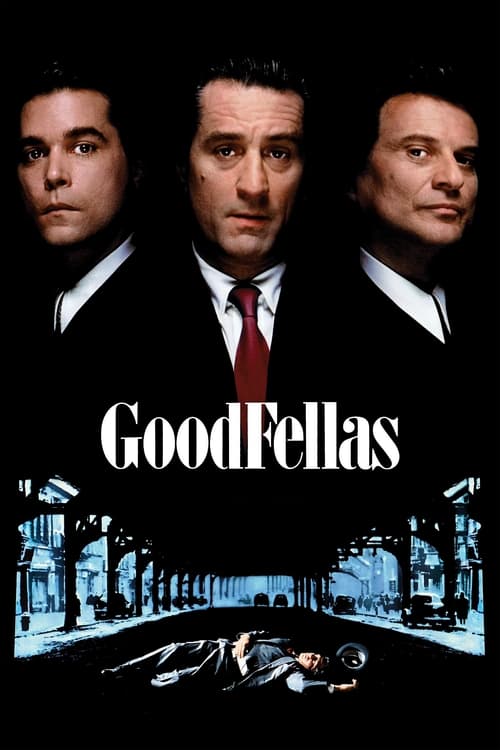
Consider that Goodfellas, the picture to which City of God is most often compared, presents a strong social context for its tale of violence and retribution.
Tarantino’s influence is all over City of God though the effortless grace with which the entire film is assembled more accurately brings to mind Scorsese’s Goodfellas.
The film has been compared with Scorsese's " GoodFellas ," and it deserves the comparison.
Rocket, who dreams of escaping from the City of God and becoming a photographer, is nominally the film’s protagonist, and he’s around to report on the big events and to fill the audience in on who’s who: He narrates in the breezy, info-laden style of Martin Scorsese’s Goodfellas (1990) and Casino (1995).
A master like Martin Scorsese pulls off just this sort of insular amoral universe in "Goodfellas," to which "City of God" owes more than a little.

A birds eye massacre echoes the finale of Taxi Driver, a 360-degree camera move borrows from The Matrix, and the messy, unpredictable violence is cut from the same cloth as Mean Streets and Goodfellas.
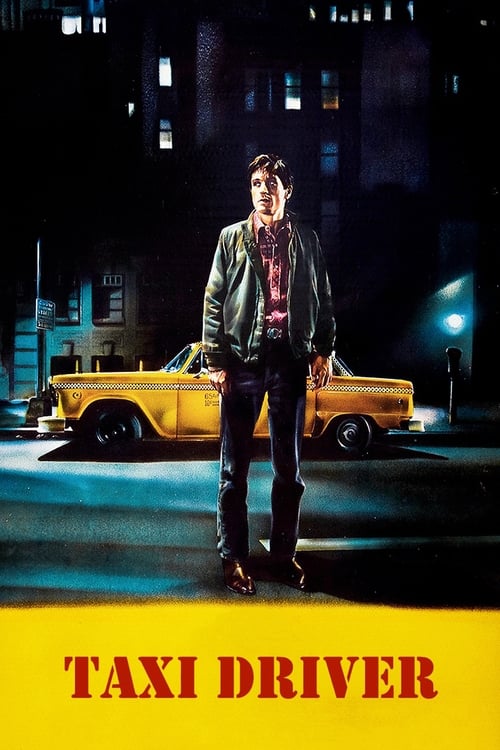
A birds eye massacre echoes the finale of Taxi Driver, a 360-degree camera move borrows from The Matrix, and the messy, unpredictable violence is cut from the same cloth as Mean Streets and Goodfellas.
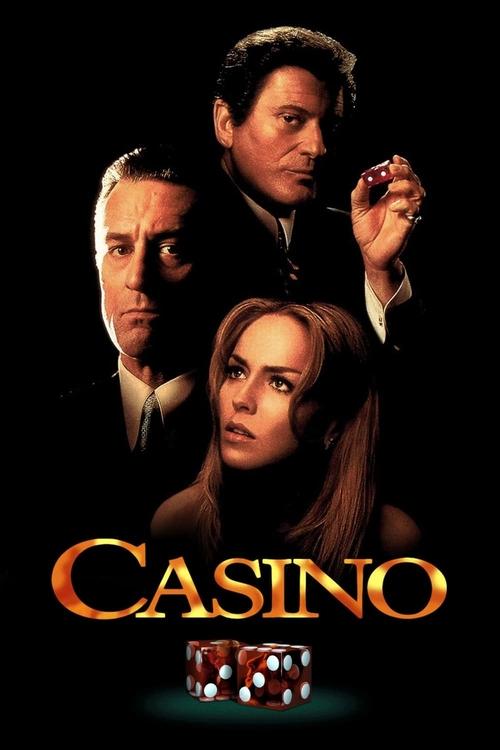
Rocket, who dreams of escaping from the City of God and becoming a photographer, is nominally the film’s protagonist, and he’s around to report on the big events and to fill the audience in on who’s who: He narrates in the breezy, info-laden style of Martin Scorsese’s Goodfellas (1990) and Casino (1995).
Even if the film packs the overall resonance of Casino, it’s still never lacking in excitement.
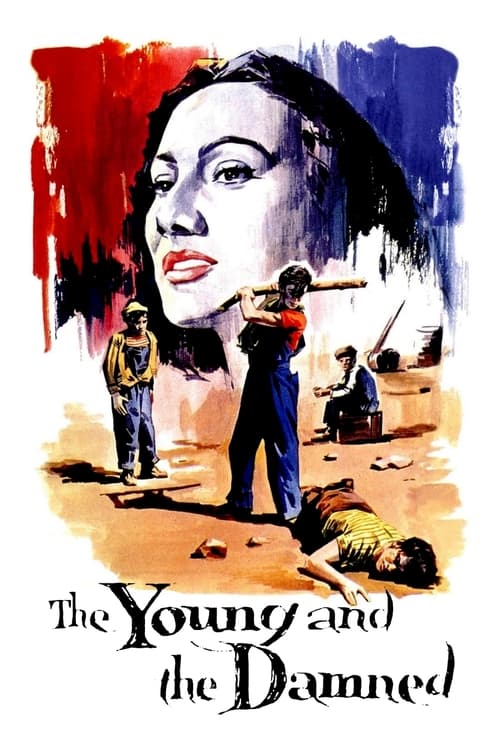
I was prepared to see something akin to Hector Babenco's "Pixote" or Luis Bunuel's "Los Olvidados", but was disappointed to discover that the film had more in common with Quentin Tarentino.
Age-wise, some of the killers are in the mid-single digits, but City of God isn’t played as a tragedy of lost youth, like Los Olvidados (1950) or Pixote (1981).
The filmmakers also texture the narrative with the same gritty documentary feel that Bunuel achieves in his devastating Los Olvidados by using many non-actors from the actual City of God neighborhood with hand held cameras while effectively incorporating better aspects of Tarantino's Pulp Fiction narrative structure.
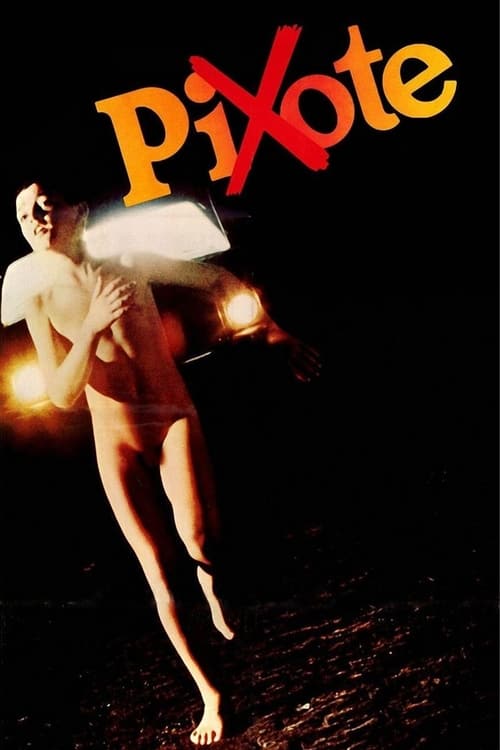
When compared to an absolutely heart-wrenching work like Hector Babenco�s similar Pixote, City of God is quite obviously a minor work of a director that could possibly make major ones one day.
"City of God" takes you to a place that has only been explored in such harsh films as Hector Babenco's "Pixote" and the cult flick "The Harder They Come."
Hearkening back to another groundbreaking work of Brazilian social realism, 1981's Pixote, Meirelles cast real-life street kids for his movie and then developed their characters and naturalistic "nonperformances" in a series of extensive, improvisational workshops.
I was prepared to see something akin to Hector Babenco's "Pixote" or Luis Bunuel's "Los Olvidados", but was disappointed to discover that the film had more in common with Quentin Tarentino.
In a society of children and adolescents who have no homes and no money, crime is the natural way of survival, but they're not very good at it (the gangs in " City of God ," made 20 years later, are much more sophisticated).
Long before Fernando Meirelles and Kátia Lund made "City of God" in 2002, about Rio de Janeiro's youth-centric atmosphere of organized crime, director Hector Babenco set the bar for such explosive cinema with his brilliant 1981 film "Pixote."
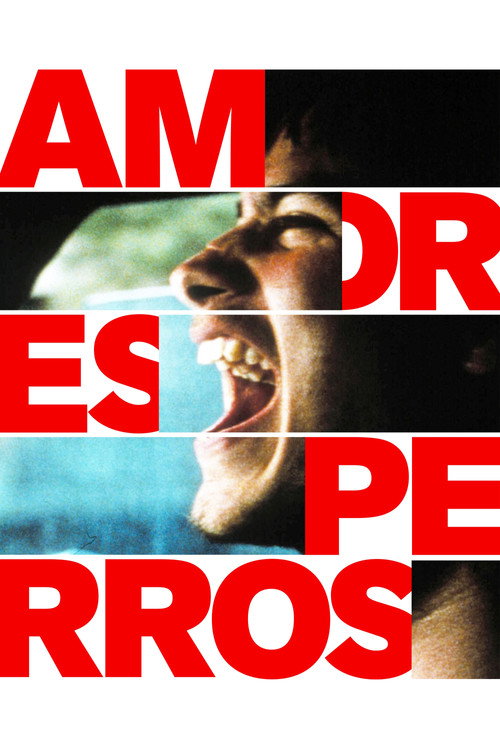
Given that Amores Perros was routinely referred to as ‘the Mexican Pulp Fiction’, it might seem a little disingenuous to refer to City of God as ‘the Brazilian Goodfellas’.
This ultra-realist MTV-style spectacle has the style and urgency of Amores Perros but none of its moral ambiguities—every other line of Rocket’s more or less throwaway voiceover makes gratuitous reference to the holiness and irony of the film’s title and everyone’s not-so-divine function as god, devil or angel of vengeance.
In 2001, Alejandro González Iñárritus Amores perros made use of Pulp Fictionesque skewed chronology, hip, lowlife heroes, kinetic camera work and editing, glib cynicism, and lurid violence in a redolently squalid Mexico City setting.
Like the similarly potent Amores Perros and Black Hawk Down, City of God is not merely a rubberneck tour of an urban underbelly or war zone.
Cut from the same glossy mold as Alejandro I��rritu�s Amores Perros and Alfonso Cuar�n�s Y Tu Mam� Tambi�n, City of the God, despite its myriad flaws, gives the impression that it�s going to be similarly well-received and viewed by many as the arrival of a major international talent.
Advertisement
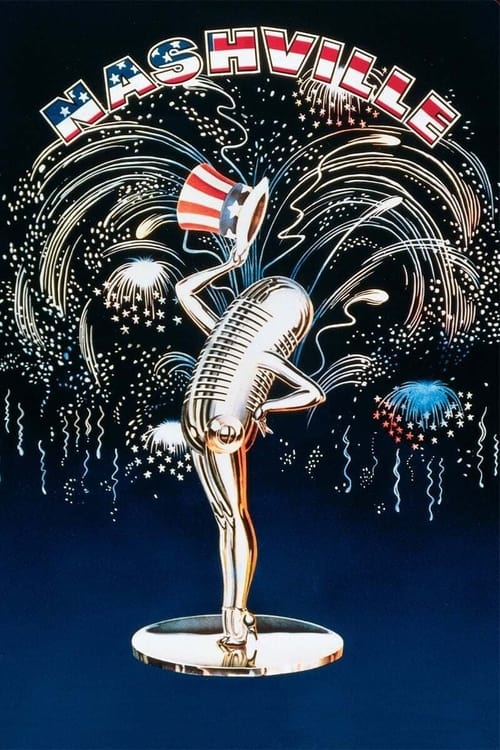
Like Altman's "Nashville", the city itself is a character in the film, with its broken housing, dirt parks and rampant crime.
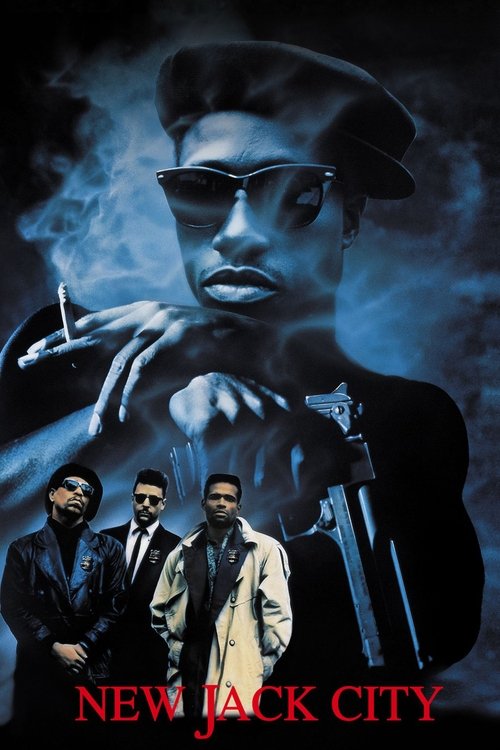
As directed by Fernando Meirelles, it’s in the tradition of kicky-ironic action pictures—a foreign art movie for fans of Quentin Tarantino and New Jack City (1991).
The basic story of this Brazilian film is not that different from, for example, "New Jack City" (not a bad movie itself) or "Blow," but "City of God" rises so far above the conventions of its genre and of most ordinary filmmaking that it's a completely transcendent experience ?

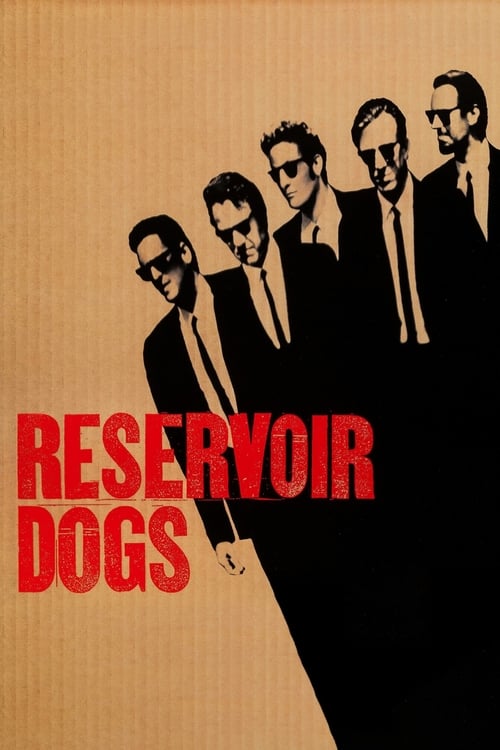
That Merirelles' picture (co-director Lund, an ex-pat of the favelas, was brought on board for "authenticity") happens to be a particularly accomplished exploitation picture does little to disguise the emptiness at its centre--nor, ultimately, much to assuage the voyeuristic discomfort it inspires (its peak/nadir occurring in the sadistic, and extended, torture of a pair of six-year-olds--imagine the ear scene in Reservoir Dogs , more graphic, with toddlers).
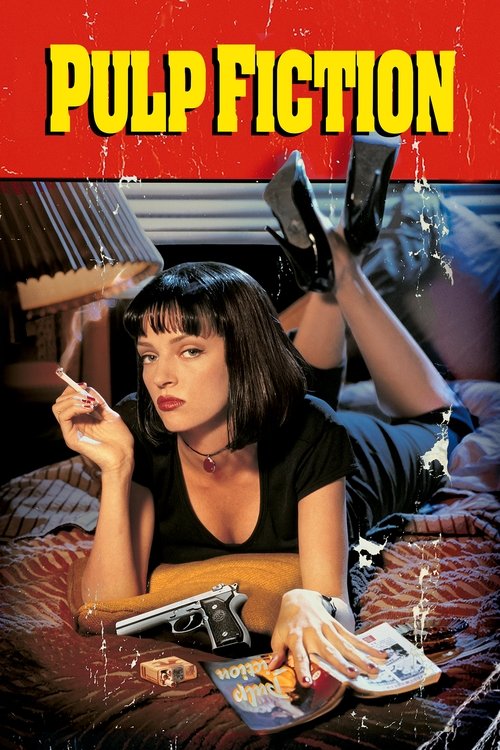
In 2001, Alejandro González Iñárritus Amores perros made use of Pulp Fictionesque skewed chronology, hip, lowlife heroes, kinetic camera work and editing, glib cynicism, and lurid violence in a redolently squalid Mexico City setting.
The filmmakers also texture the narrative with the same gritty documentary feel that Bunuel achieves in his devastating Los Olvidados by using many non-actors from the actual City of God neighborhood with hand held cameras while effectively incorporating better aspects of Tarantino's Pulp Fiction narrative structure.
Meirelles follows the example of "Pulp Fiction," depicting a lot of violence in several multi-layered stories without actually showing a lot of it on the screen.
Covering the carnage is just a means for Rocket to get out of the City of God—and a means for Meirelles to get a big U.S. release from Miramax (which gave us Pulp Fiction ), an Oscar nomination, and a calling card in Hollywood.
Taking a nonlinear approach at telling the tale, the co-directors create a mesmerizing aura that's as brilliant as anything Quentin "Pulp Fiction" Tarantino has similarly pulled off.
Our narrator uses the tricks of Pulp Fiction to tell his story in flashback, in flash-forward, and from many different angles.
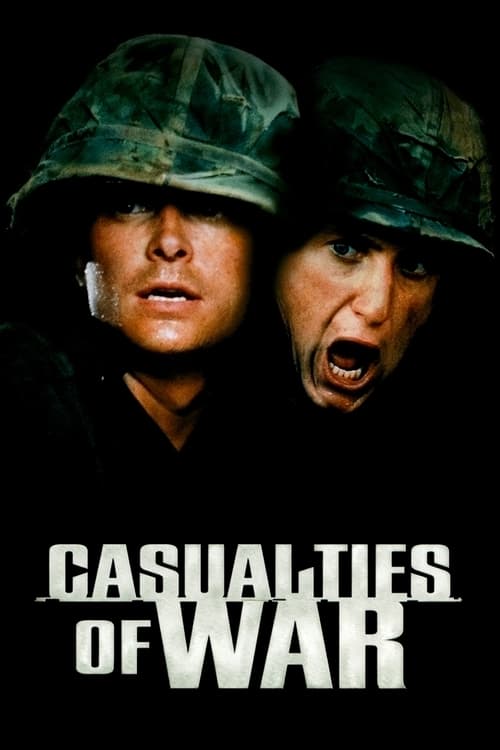
Like Schindlers List, GoodFellas, The Pianist, and Casualties of War, Meirelles window into Brazils dark underbelly reminds us of the anarchy that surfaces when the price of human life hits rock bottom.
Advertisement
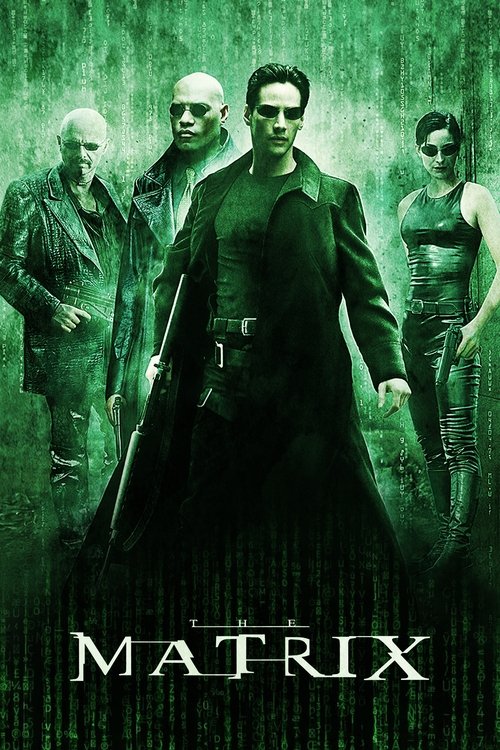
A birds eye massacre echoes the finale of Taxi Driver, a 360-degree camera move borrows from The Matrix, and the messy, unpredictable violence is cut from the same cloth as Mean Streets and Goodfellas.
Meirelles uses cinematic tricks and styles from films as disparate as "The Matrix" to Spike Lee's "Clockers" to tell his tale.
They also employ various different camera tricks and effects (such as the spin around shot first popularized in "The Matrix"), but all of that only adds to the overall effect and never stands out as the filmmakers showing off.
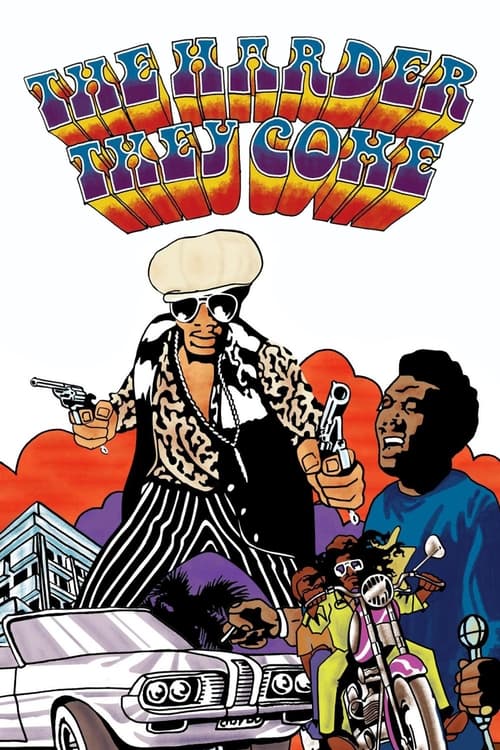
"City of God" takes you to a place that has only been explored in such harsh films as Hector Babenco's "Pixote" and the cult flick "The Harder They Come."