
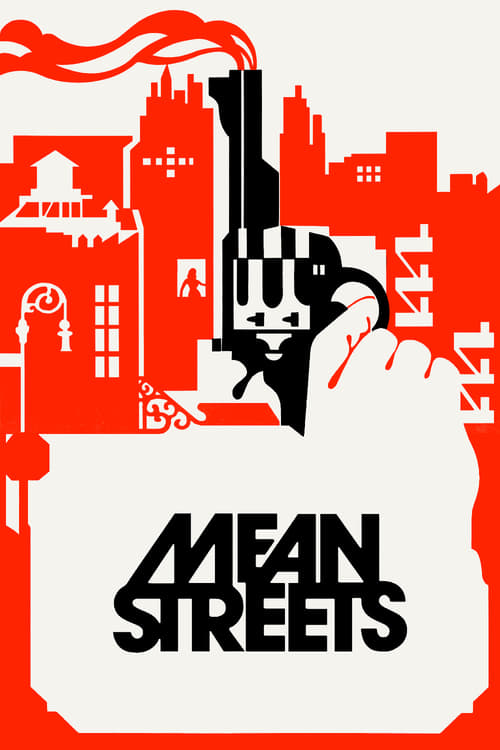
Mean Streets (1973)
Directed by Martin Scorsese
A small-time hood must choose from among love, friendship and the chance to rise within the mob.
7 connections found
View:
7 films that influenced Mean Streets
What critics say influenced Mean Streets
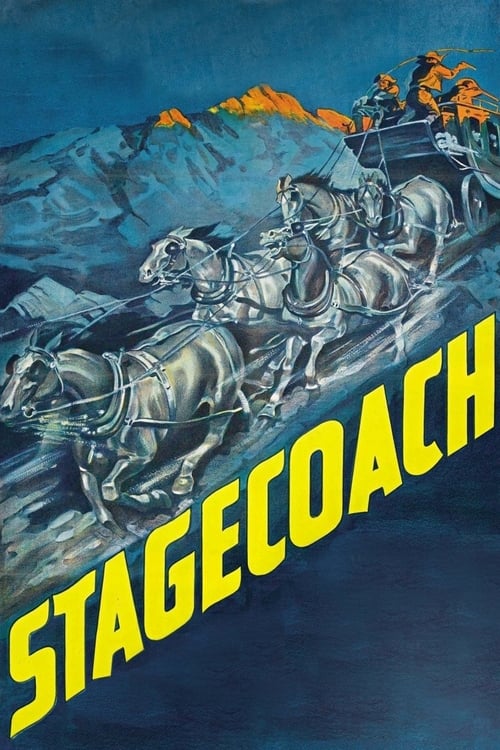


Yes, Ford elevated the western to more elegant heights, but Scorsese did the same to the gangster film with GoodFellas without matching the elegance and honesty of Mean Streets.
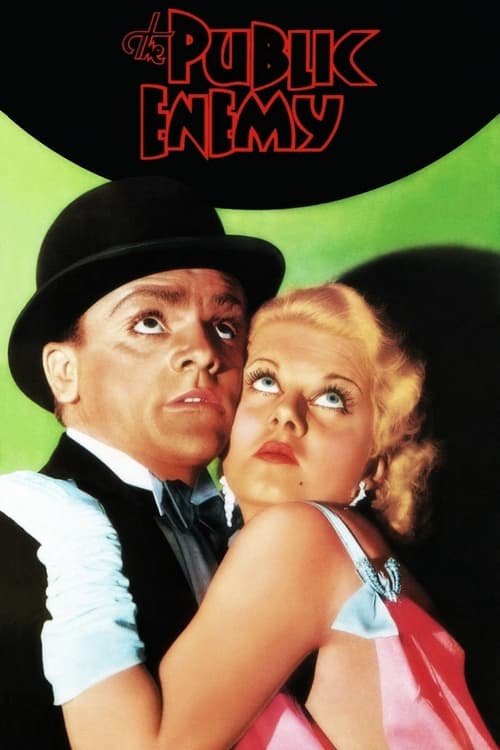
1. Which was only appropriate, given that Scorsese considered Mean Streets to be in the tradition of the gangster dramas that defined Warners in the '30s, with The Public Enemy's use of contemporary music serving as a key inspiration.
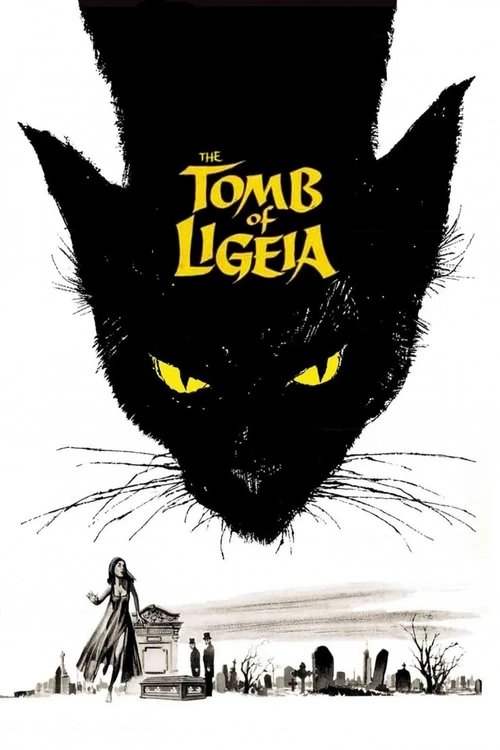
In fact, a moviehouse (playing Roger Corman's The Tomb of Ligeia, a tip of the hat to Scorsese's Boxcar Bertha producer) offers our heroes pointedly fleeting shelter from debt collectors at the climax of Mean Streets, as if to caution us against using film to hide from the world; when Keitel's Charlie leaves the theatre to call his girlfriend, Teresa (Amy Robinson, who manages to both overcome a late entrance and penetrate the boy's-club atmosphere), he's none-too-subtly standing next to a poster for Point Blank.
The characters even have a West Side Story quality to their names that's only amplified by the theatricality of the film's carnival backdrop, whose obvious purpose--whatever verisimilitude Little Italy's Feast of San Gennaro lends the production--is to expedite the resolutions to the tensions introduced by imposing a timeframe on the episodic narrative.
Advertisement
Framed by Little Italy's' annual weeklong Festa di San Gennaro, "Mean Streets"--which screens with a fresh print one week at the Nuart--moves with the inevitability of "Oedipus Rex."
Scorsese's oblique comments in Mary Pat Kelly's Martin Scorsese: A Journey, meanwhile, suggest the film goes beyond preserving his youth in amber to allegorize his being replaced as the director of The Honeymoon Killers: "You put [things] off and you put [things] off until finally...they fire you or you walk off and it's a disaster."
While not flattering, it's an intimate, heartfelt portrait that, like The Godfather a year earlier, influenced later views of Italian-American life.
In 1973, a year after "The Godfather" made organized crime kind of glorious, director Martin Scorsese exploded onto the big screen with his highly ambitious, and incredibly personal "Mean Streets," which chronicled what seemed to be his early adulthood in Little Italy, a place where there's organized crime which can look glamorous to anyone on the cusp of maturity.
A year earlier Francis Ford Coppola had created an epic crime family saga with "The Godfather," but though "Mean Streets" covered some of the same territory, it had a whole different feel.
But while Cassavetes was in fact an advocate of personal cinema and may have seen Mean Streets, with its flawed humanity and culturally-specific trappings, as a movie of primarily sociological and anthropological merit (many critics at the time saw it as an urban antidote to The Godfather), its technique is not to be underestimated.