
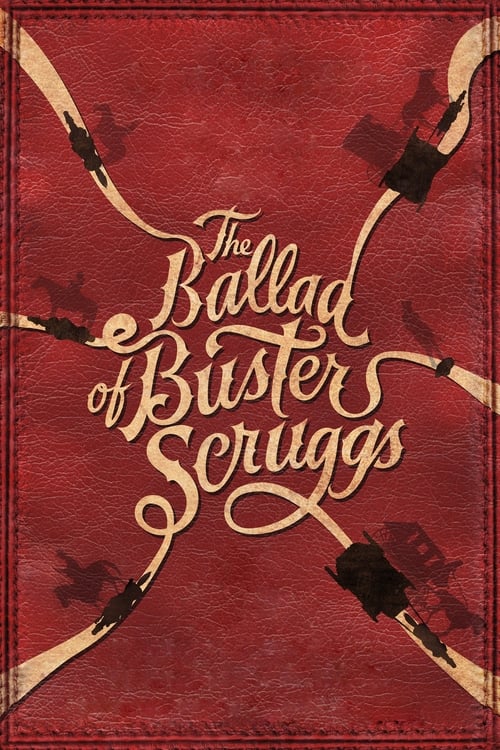
The Ballad of Buster Scruggs (2018)
Directed by Joel Coen
Vignettes weaving together the stories of six individuals in the old West at the end of the Civil War. Following the tales of a sharp-shooting songster, a wannabe bank robber, two weary traveling performers, a lone gold prospector, a woman traveling the West to an uncertain future, and a motley crew of strangers undertaking a carriage ride.
54 connections found
View:
54 films that influenced The Ballad of Buster Scruggs
What critics say influenced The Ballad of Buster Scruggs
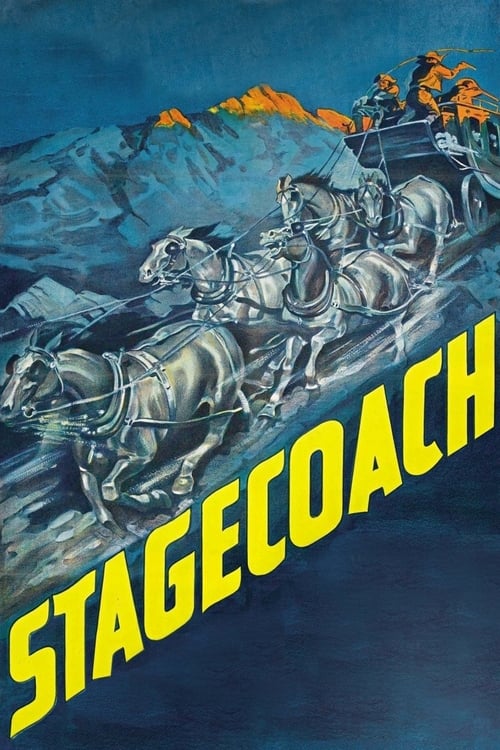


It’s “The Mortal Remains,” which references John Ford’s classic “Stagecoach” yarn with a definite “Twilight Zone” twist.
In this, the Coens borrow a page from Quentin Tarantino's Hateful Eight, in the form of a discussion among a group of mismatched stagecoach passengers (both films were influenced by John Ford's Stagecoach.)
The final act is an outright homage to John Ford’s 1939 Western classic Stagecoach , with none of the social impact.
Back before John Ford and Cecil B. DeMille elevated the genre from pulp pablum to legitimate pop-art with their 1939 hits Stagecoach and Union Pacific , many of the most popular Westerns featured clean-cut, smiling do-gooders like Gene Autry, Roy Rogers, and yes, John Wayne, who were quick with a gun but quicker with a song.
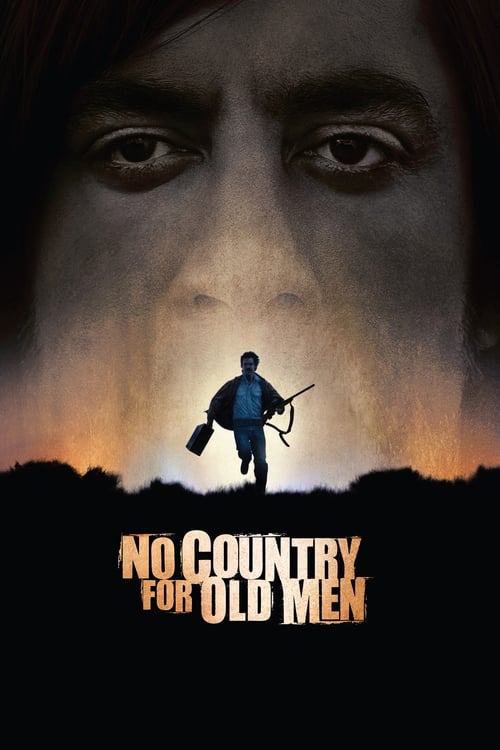
Their “True Grit” is one of the few remakes to surpass its original, and “No Country for Old Men” remains their least forgiving, most biblical work.
The Coens themselves have fared much better on the high lonesome, with their 2010 adaptation of the Charles Portis novel “True Grit” outgrossing its closest rival in their filmography (the modern-day Western “No Country For Old Men”) by $100 million — yet, for the most part, the horse opera genre has largely ceded cineplexes to the CGI franchise universe while establishing a secure new home on a range of cable channels from HBO’s “Deadwood” and “Westworld” to AMC’s “Broken Trail” and, of course, the snowier plains of Noah Hawley’s serialized “Fargo” on FX).
Over the years they’ve perfected the art of onscreen death, and many of their most memorable moments involve sudden, unexpected violence: the woodchipper reveal in Fargo (1996); the bolt pistol murders in No Country for Old Men (2007); the Brad Pitt closet discovery in Burn After Reading (2008).
Their last official oater was True Grit in 2010, but they’re brought campfire sensibilities and locales to other films, including No Country for Old Men, Fargo and Blood Simple.
Anyone tempted to take a moment to compare and contrast him with Javier Bardem’s coin-flipping villain in the Coens’ far more ambitious “No Country for Old Men” will find themselves left in the dust while the brothers barrel ahead to the next chapter of their dime-store novel.
The Coens decisively proved themselves as devotees of Western lore past in True Grit and present in No Country for Old Men, and their keenness for the genre comes through palpably in the music, language, storytelling tropes and settings they’ve chosen for this diversion.
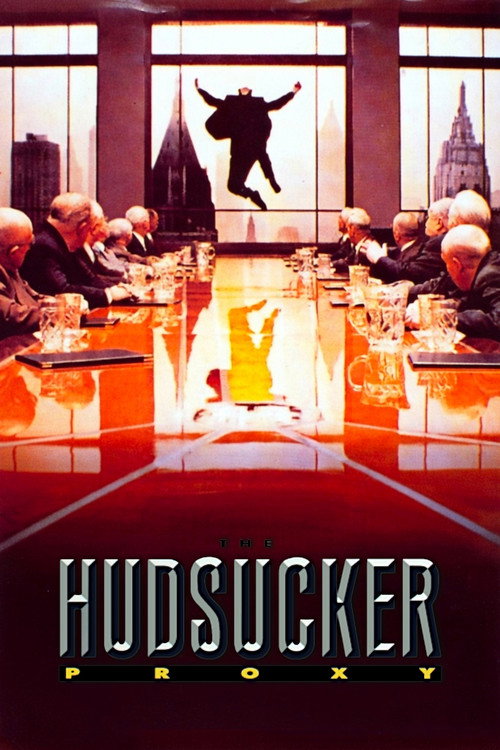
There’s a charming ludicrousness to this segment that harkens back to Coen comedies like O Brother or The Hudsucker Proxy .
It’s as if someone might want to introduce the Coens’ work to someone who’d never seen a single one of their films before – Hail, Caesar! , Raising Arizona , The Big Lebowski , Barton Fink , The Hudsucker Proxy – but couldn’t decide which one to go with, so they packed everything into one film.
There are so many sight gags – not since The Hudsucker Proxy days have the shot choices felt so giddily inventive – jokes, witty lyrics and verbal badinage that repeat viewings are essential.
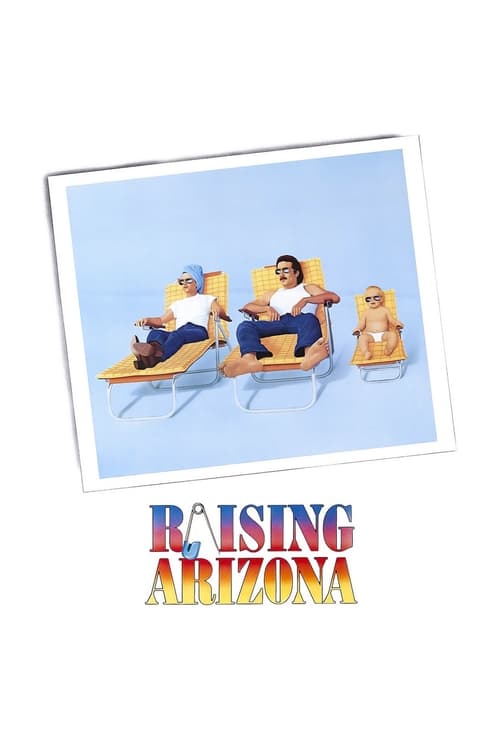
Suffice to say this short is easily the most howlingly, screamingly funny thing the Coens have ever directed, more than the panty-headed chase in Raising Arizona (1987), more than all the you-betcha’s in Fargo , more than the “would that it were so simple” sequence in Hail, Caesar! (2016).
Their first two films, the 1984 crime drama Blood Simple and the 1987 crime comedy Raising Arizona, both draw heavily on Western iconography in their sandy Arizona settings; their 2007 Oscar-winner No Country for Old Men is a modern-dress Western in all but name; 1998's The Big Lebowski has its nameless wandering cowboy narrator and 2016's Hail, Caesar! has its tacky singing cowboy B-movie actor serving as the film's moral center and single genuinely decent human being.
While the first short is firmly from the Coen school of storytelling that resulted in the likes of The Big Lebowski and Hail, Caesar (even boasting both films’ love of musical numbers), the second is more in like with the likes of Raising Arizona and Burn After Reading.
It starts with the farcical slapstick of Raising Arizona (1987) and O Brother, Where Art Thou? (2000), downshifts to the brutal, Hobbesian ironies of Blood Simple (1984), Fargo (1996), and No Country for Old Men (2007), shifts over to the straightforward drama and suspense of True Grit (2010), and then ends on the vaguely supernatural fatalism of A Serious Man (2013).
It’s the Coen brothers in “Raising Arizona” mode, wry, winking, over-the-top and blissfully insane.
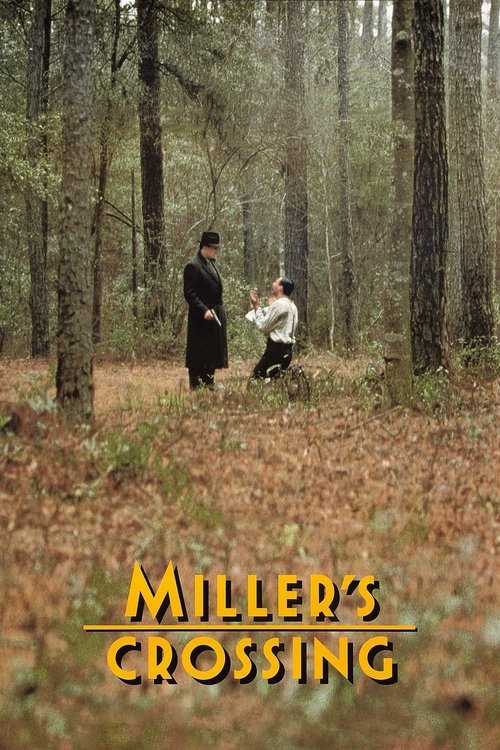
Even the Coens’ own creative process, or at least the parts of it they project in Barton Fink — written during the making of Miller’s Crossing as a mentally hygienic reprieve — feels like being trapped in a perpetual hell with no answers.
I like to imagine the Coens’ spectrum of seriousness as a sort of bell curve, with Miller’s Crossing plonked far left, maybe Burn After Reading on the opposite end, and the films that best combine the directors’ two tendencies (e.g.
In it, a character revisits a line first uttered by Tom Regan, the enigmatic gangster protagonist of the Coen’s 1990 film Miller’s Crossing : “No one knows anyone.
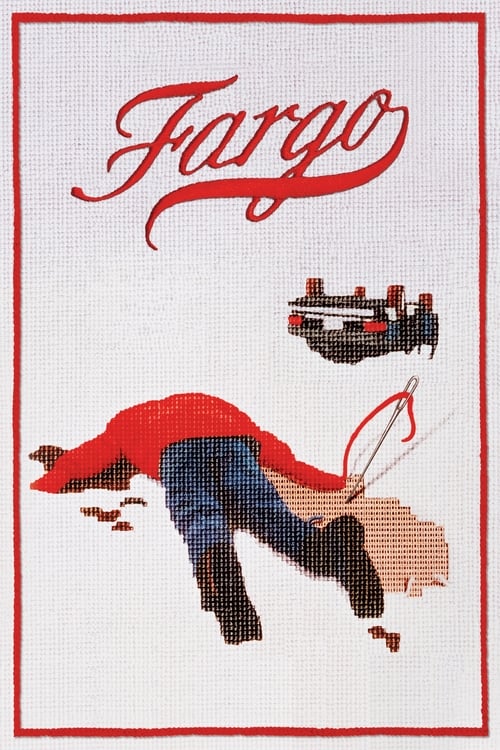
The Coens themselves have fared much better on the high lonesome, with their 2010 adaptation of the Charles Portis novel “True Grit” outgrossing its closest rival in their filmography (the modern-day Western “No Country For Old Men”) by $100 million — yet, for the most part, the horse opera genre has largely ceded cineplexes to the CGI franchise universe while establishing a secure new home on a range of cable channels from HBO’s “Deadwood” and “Westworld” to AMC’s “Broken Trail” and, of course, the snowier plains of Noah Hawley’s serialized “Fargo” on FX).
Over the years they’ve perfected the art of onscreen death, and many of their most memorable moments involve sudden, unexpected violence: the woodchipper reveal in Fargo (1996); the bolt pistol murders in No Country for Old Men (2007); the Brad Pitt closet discovery in Burn After Reading (2008).
Earlier this year, comedian Paul Rust did an emoji ranking of the Coens that ignited a Twitter battle over whether No Country for Old Men , The Big Lebowski , or Fargo is their best.
In their long partnership, taking extraordinary risks (see A Serious Man and The Lady Killers ), having resounding successes ( Fargo and No Country for Old Men ), and creating "one-off" cult favorites (The Big Lebowski and O Brother, Where Art Thou?), Joel and Ethan Coen have made multitudes of fans.
The brothers have always ridden the strange and uncomfortable line between violence and humor ( Fargo is a prime example), and their use of death to induce both shock and laughter reached its apex in Burn After Reading, a film whose bizarre politics no longer seem to read as satire.
The brothers have gone digital for the very first time, using cinematographer Bruno Delbonnel (“Amelie,” “Inside Llewyn Davis”), and the expansive horizons, dusty prairies, and high mountain valleys have a beauty that almost cuts.
Cinematographer Bruno Delbonnel, who collaborated with the Coens on what this critic considers the best film of their career and perhaps the twenty-first century (“ Inside Llewyn Davis ”), photographs the film beautifully.
The second sequence Near Algodones about a perpetually unlucky bank robber played by James Franco is a superb slapstick tragedy with perhaps the best Coen one-liner in nearly two decades: “First time?” Meanwhile the third, Meal Ticket , an achingly sad story about a limbless actor and his greedy, depressed impresario, demonstrates the finest of the Coens’ philosophical resignation towards an uncaring cosmos, the kind they articulated the most powerfully in No Country and Inside Llewyn Davis (2013).
But at roughly 20 minutes each, they’re each a mini-masterclass in economy and style, given glorious sweep by Inside Llewyn Davis cinematographer Bruno Delbonnel, who fills them with picture-postcard landscapes.
There are wide-open scrubby fields, solitary trees, rolling hills, gorgeous blue skies, towering rock formations and cliff faces, and lush green valleys, and cinematographer Bruno Delbonnel (who also worked with Joel and Ethan Coen on Inside Llewyn Davis and Paris, je t’aime and has collaborated often with Tim Burton, working on Dark Shadows, Big Eyes, and Miss Peregrine’s Home for Peculiar Children) frames them beautifully.
It’s as if someone might want to introduce the Coens’ work to someone who’d never seen a single one of their films before – Hail, Caesar! , Raising Arizona , The Big Lebowski , Barton Fink , The Hudsucker Proxy – but couldn’t decide which one to go with, so they packed everything into one film.
Nelson's massacre-addicted troubadour seems like he jumped from the brain of Barton Fink.
(Even minor Coen movies “The Ladykillers” and “Intolerable Cruelty” yield more laughs.)
The Franco installment, for example, contains a direct homage to the creaky, loud-as-hell sound design of the famous opening scene of Once Upon A Time In The West .
An overture featuring Tim Blake Nelson as a musical cowboy – think Rory Calhoun with a psychopathic hit rate to rival Henry Fonda’s in Once Upon a Time in the West – provides the first of many neat genre inversions.
Given that Buster is riding through Monument Valley – Ford country and the setting for Once Upon a Time in the West – there’s a hint of meta-commentary here.
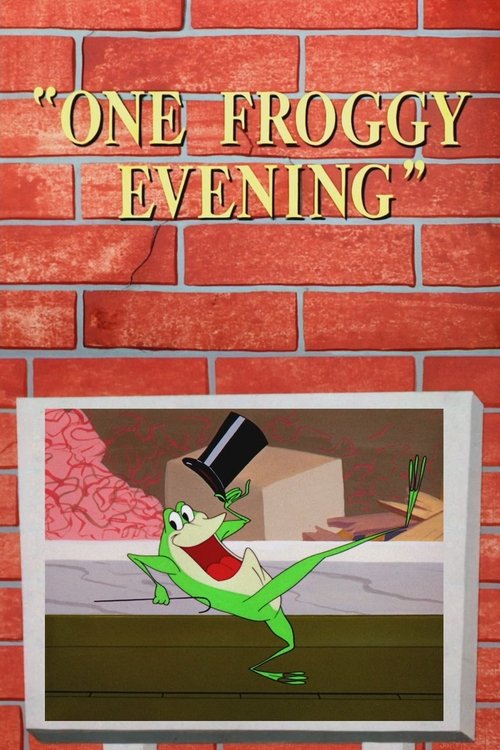
Watching it, I couldn’t help but compare it in my mind (unfavorably) to the 1955 Looney Tunes short “One Froggy Evening.”
Advertisement
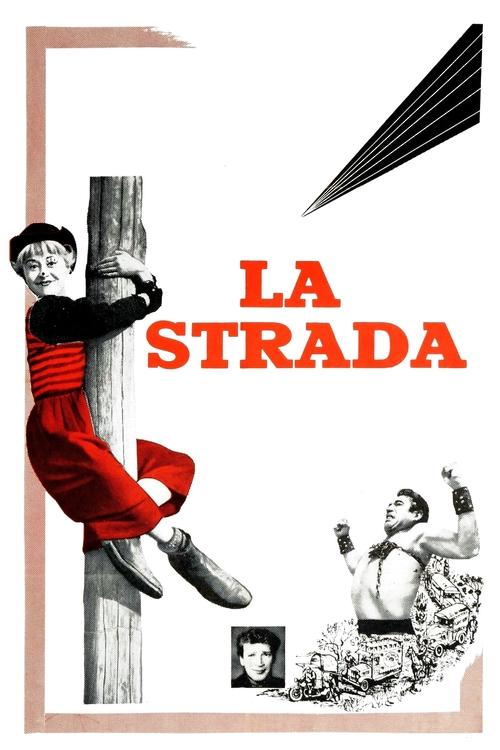
The third, "Meal Ticket," has haunted me since I saw it; one of my colleagues compared it to Fellini's La Strada, and that's apt, but it's far more melancholy.
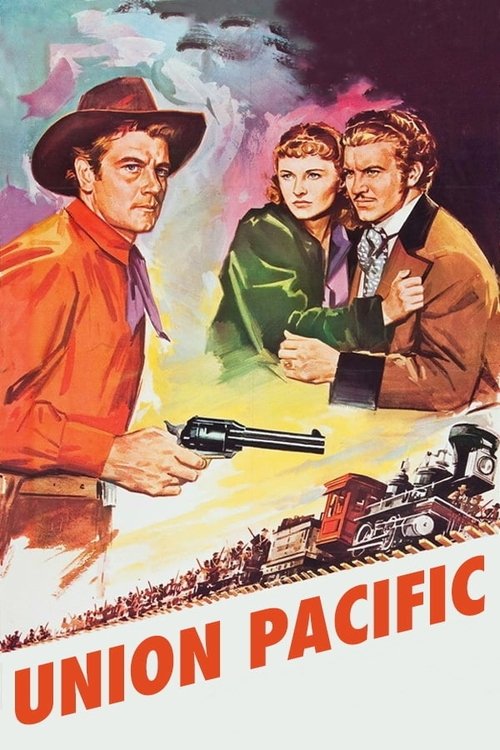
Back before John Ford and Cecil B. DeMille elevated the genre from pulp pablum to legitimate pop-art with their 1939 hits Stagecoach and Union Pacific , many of the most popular Westerns featured clean-cut, smiling do-gooders like Gene Autry, Roy Rogers, and yes, John Wayne, who were quick with a gun but quicker with a song.
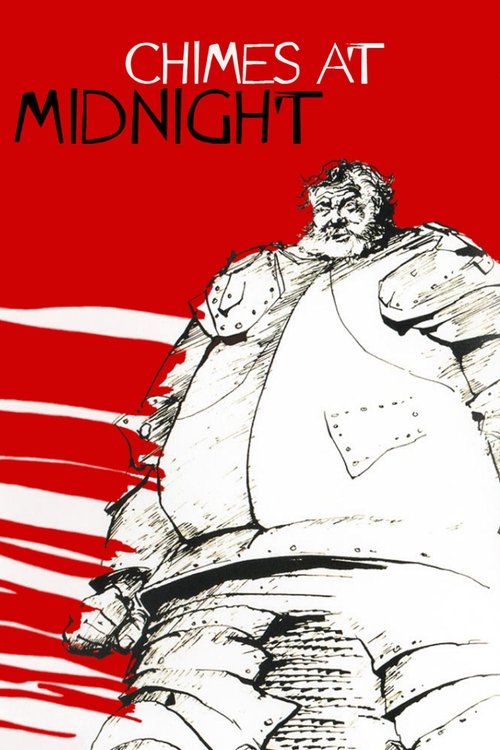
The scene of the vengeful banker in armoured plating made of pots and pans evokes memories of Orson Welles’ Falstaff charging across the battlefield in Chimes At Midnight .
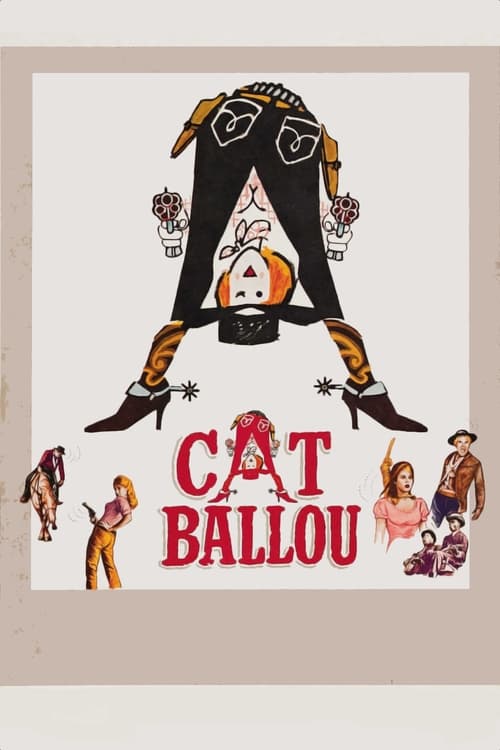
In the whimsical, if also violent first installment, Tim Blake Nelson plays the eponymous singing and card-playing cowboy Buster Scruggs, a darkly comic and cartoonish variation on a theme of Roy Rogers and Gene Autry with a dash of the revisionist Western classic “Cat Ballou.”
Advertisement
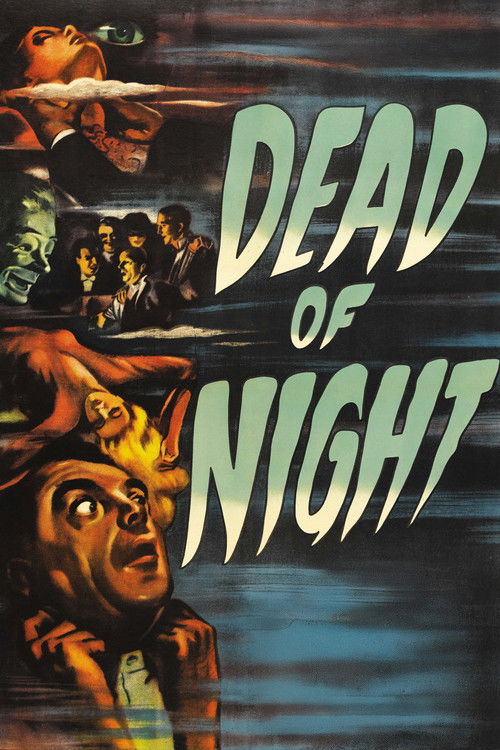
Sometimes called omnibus films, these efforts often feature, as in 1945’s classic “Dead of Night,” a variety of directors.
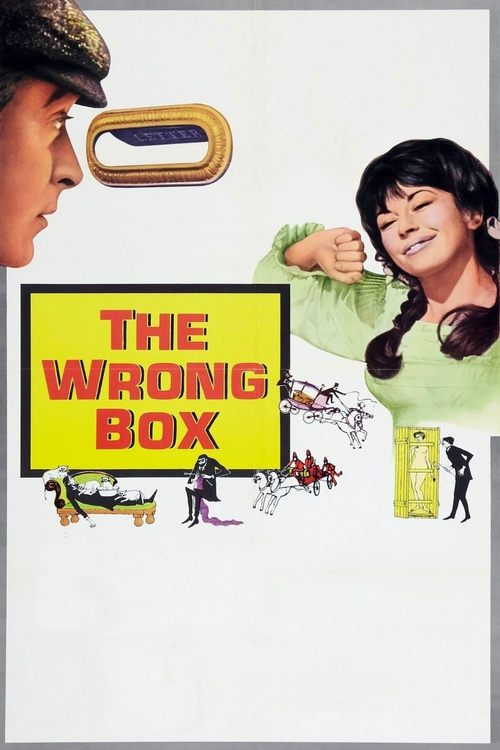
Nelson, Neeson, Waits and Kazan stand out in the ensemble, but among the others Ross is hilarious as a codger as addicted to the sound of his own voice as the pedant Joseph Finsbury played by Ralph Richardson was in “The Wrong Box,” and at the other end of the spectrum Melling, with his wistful blue eyes, exudes an authentically tragic dimension as the totally dependent Artist.